Germany Travel Guide
Germany, a founder member of the European Community, lies in northern Central Europe. As a result of its central situation within Europe it has more common frontiers with other countries than any other European state. On the east it is bounded by Poland, on the south-east by Czechoslovakia, on the south by Austria and Switzerland, on the south-west by France, on the west by Luxembourg and Belgium, on the north-west by the Netherlands and on the north by Denmark. It has natural frontiers on the Baltic to the north and the North Sea on the north-west.
Read More
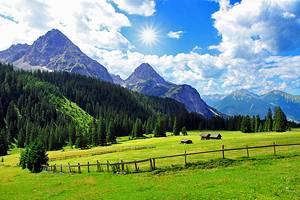
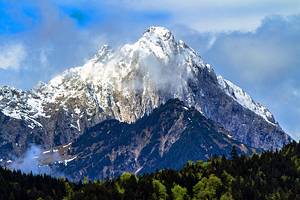
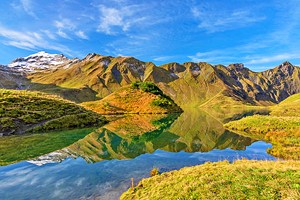
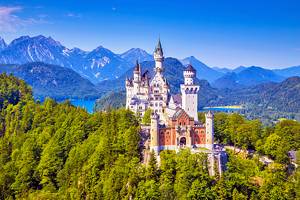
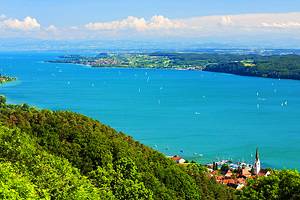
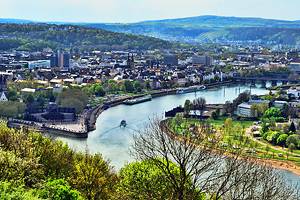
Germany is a tourist country of inexhaustible variety, with an ever-changing pattern of scenery extending from the sea to the mountains, from the lowland regions along the Baltic and North Sea coasts by the way of rolling forest-covered uplands to the Bavarian Alps.
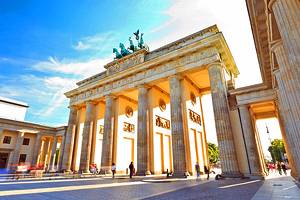
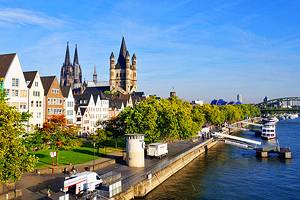
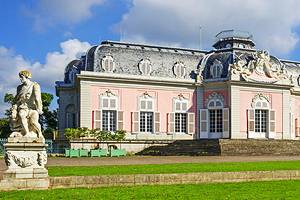
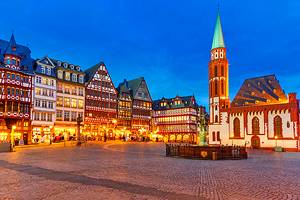
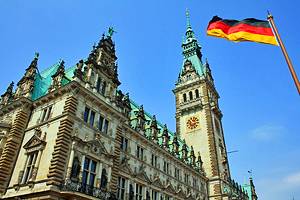
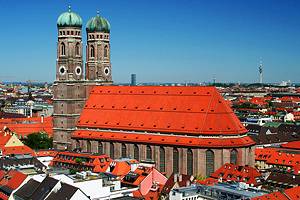
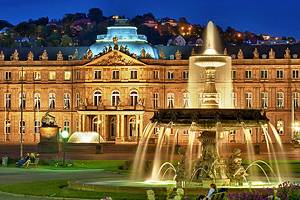
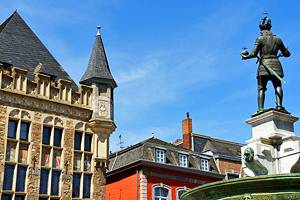
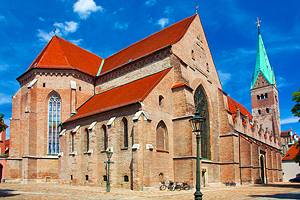
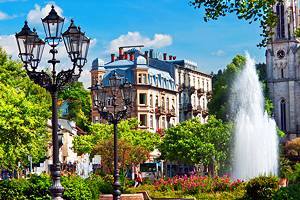
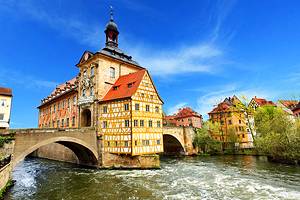
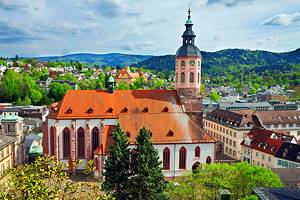
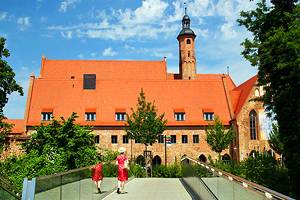
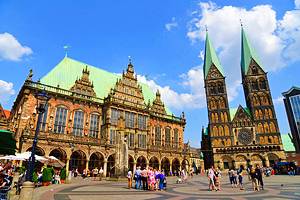
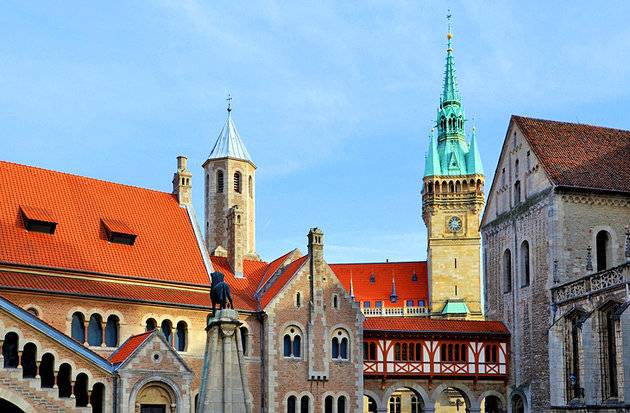
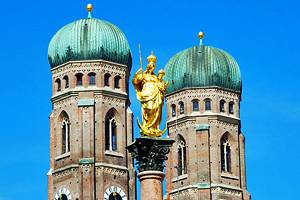
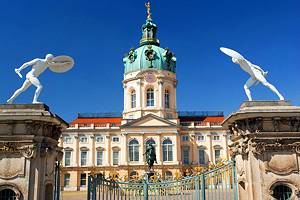
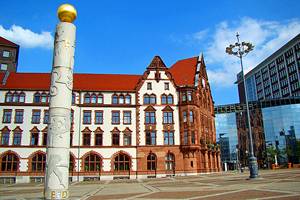
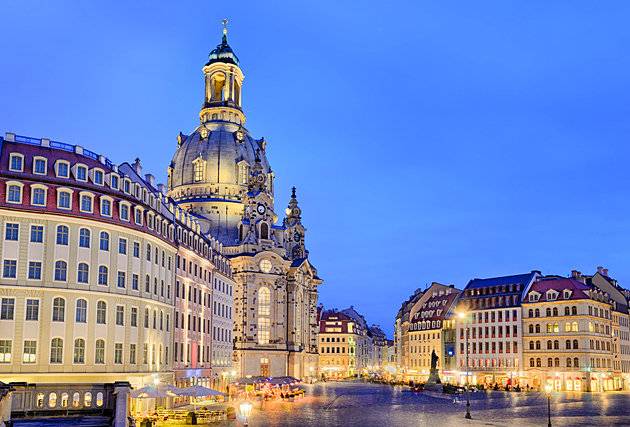
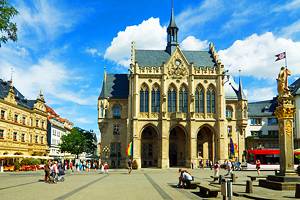
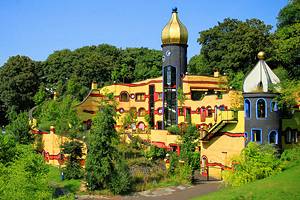
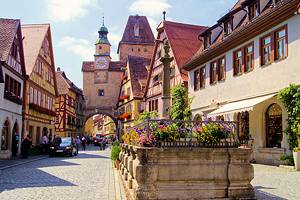
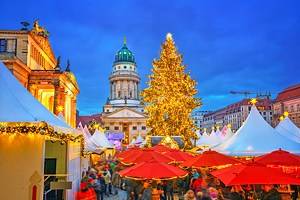
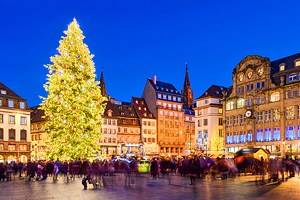
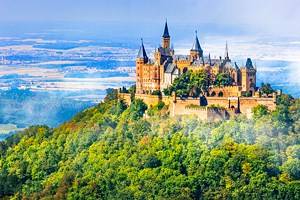
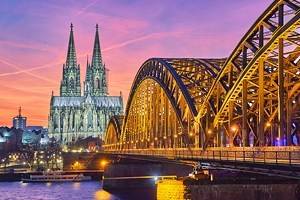
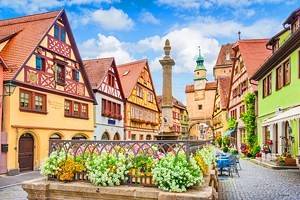
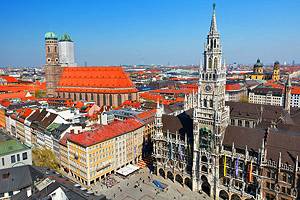
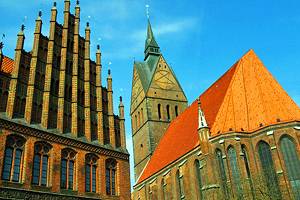
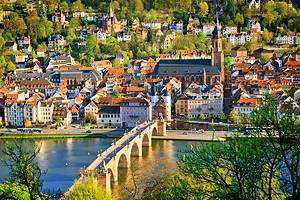
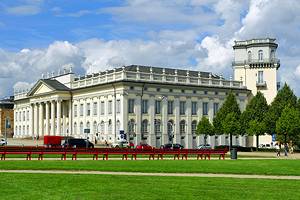
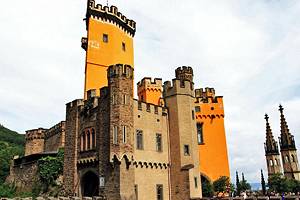
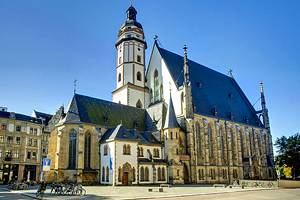
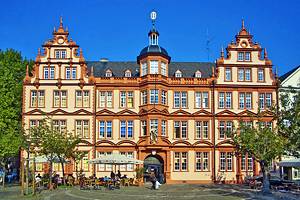
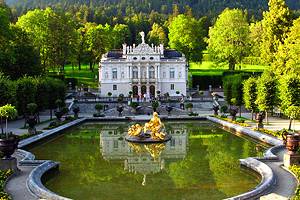
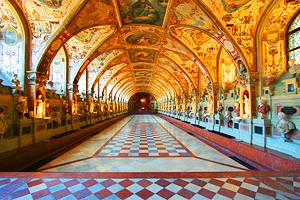
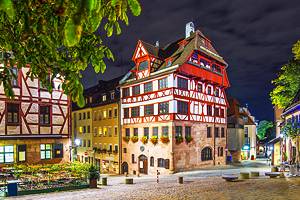
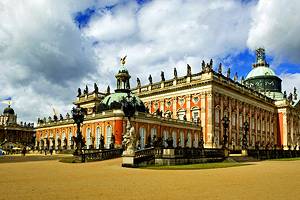
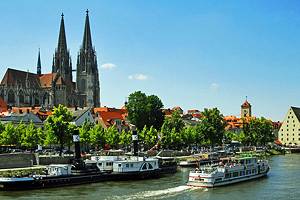
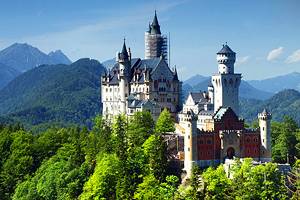
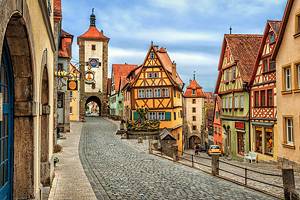
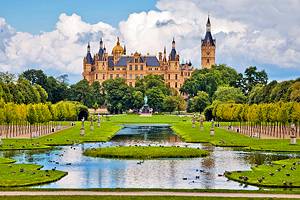
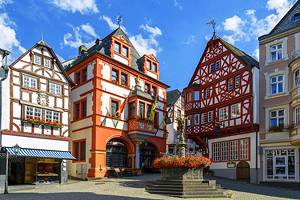
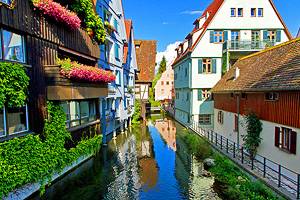
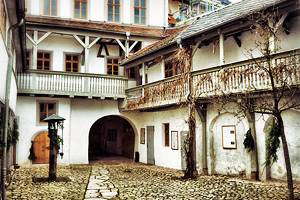
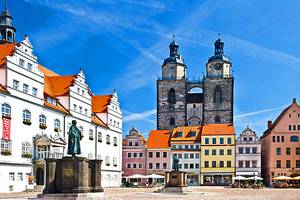
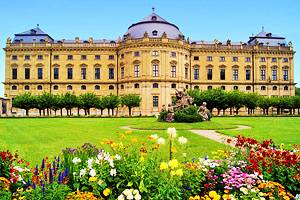
The patterns of human settlement show a similar variety -- isolated farmhouses, the clustered houses of large villages, frowning medieval castles, old walled towns and modern industrial cities with their well planned residential areas. Many small towns have preserved the aspect of past centuries, many cities have brought new life into the old town centers. In the north handsome old brick-built houses bear witness to the wealth of the Hanseatic towns which once ruled the seas. Farther south the old free imperial cities, princely capitals and Episcopal cities have their magnificent cathedrals, palaces and town halls to proclaim in the stone language of architectural styles the changes in human attitudes and in economic importance which time has brought, while great expanses of open country and countless holiday and health resorts offer relaxation and recreation to those seeking relief from the strains and stresses of modern life.