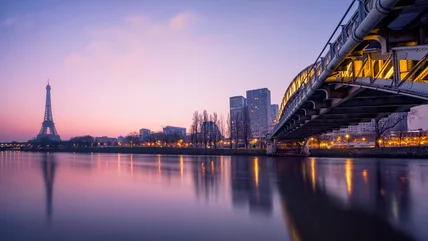
Europe's Biggest Hotel Operator Is Tanking. Here's How It's Affecting Bookings.
This European hotel operator is facing financial difficulties, which means that things could get rocky at their hotels in the coming months.
Read More

This European hotel operator is facing financial difficulties, which means that things could get rocky at their hotels in the coming months.
Read More
According to Rick Steves, this major European destination is a must-visit for its stunning architecture, distinct neighborhoods, and delicious food.
Read More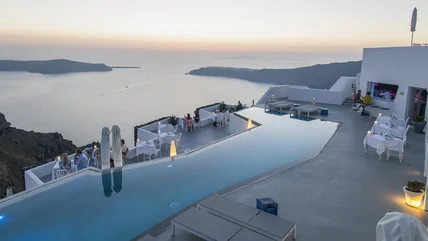
Sometimes, you just need to get away from it all. These resorts are ideal for couples who want to live in their own little bubble for a few days.
Read More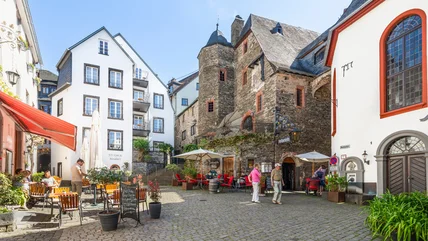
For authentic fairy tale vibes, Rick Steves recommends visiting this charming German village known for its castle, medieval ruins, and slow pace.
Read More
Wellness travel in 2026 is evolving beyond regular spa experiences, driven by new concepts around health, connection, nature, and intentional living.
Read More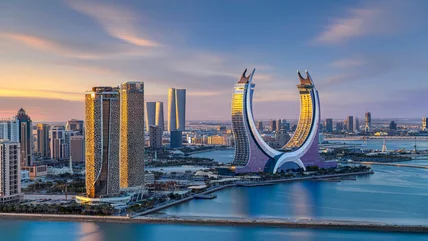
Planning a standout trip in 2026? These 15 expert-approved properties from around the globe deliver unforgettable stays where service and style come first.
Read More
There are some changes coming in late 2026 for U.S. passport holders related to the process required to enter the EU visa-free. Here's what you need to know.
Read More
From cutting-edge tasting menus to boundary-pushing cuisine, these 11 world-class restaurants are setting a new benchmark for dining in 2026.
Read More
While pre-arrival requirements will be implemented in some countries in 2026, U.S. passport holders can still visit nearly 180 places without a visa.
Read More
Drawing from a wide range of data and survey results from American travelers, this report reveals the world's best destinations for a safe vacation.
Read More
For a European vacation that is more about unique architecture and happy vibes than history, check out this creative city in Finland loved by Rick Steves.
Read More
If you're planning your 2026 travel itinerary, you'll want to add this gorgeous destination to your plans. Gorgeous views away from crowds make it a can't-miss.
Read More
If you are tired of staying in hotels, on your next trip to Europe, try this cozy lodging option that Rick Steves prefers for its warmth and hospitality.
Read More
Europe travel expert Rick Steves says this one European country, though often overlooked, is worth visiting for its nature and unique charm.
Read More
Traveling by train might sound time-consuming, but these trains let you sleep comfortably across Europe, saving time and money on your next ski trip.
Read More
These affordable destinations are proof that budget travel doesn’t mean sacrificing safety, comfort, or once-in-a-lifetime experiences in 2026.
Read More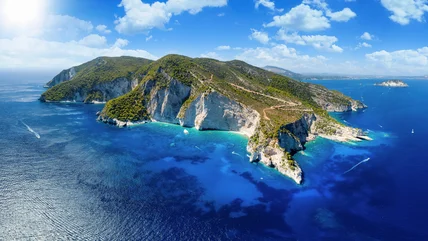
Greece is a popular destination, but you can dodge the crowds at this underrated Greek island dotted with gorgeous beaches and stunning landscapes.
Read More
There's certainly nothing wrong with being a tourist, but that doesn't mean you want to stand out like a sore thumb when traipsing around Europe, either.
Read More
These countries are popular stops for many travelers coming to Europe, but according to Rick Steves, they shouldn't be rushed in a single, shared trip.
Read More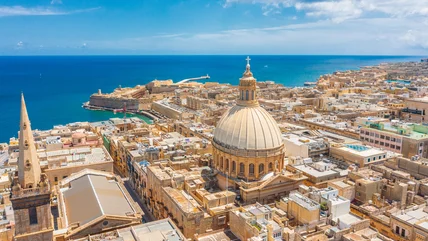
A visit to this Mediterranean capital city feels like stepping back in time thanks to its well-preserved architecture and stunning historical sites.
Read More
A trip to Europe can get pricey, and not all expenses are worth the cost. However, Rick Steves says this one unexpected splurge is always a good idea.
Read More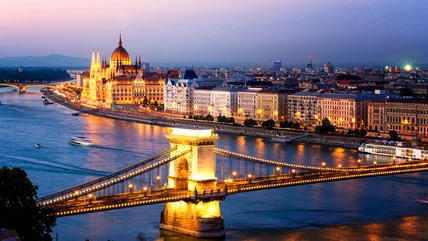
This less crowded, but just as iconic, alternative to Paris is the perfect destination for historical sites, stunning streets, and a top-notch culinary scene.
Read More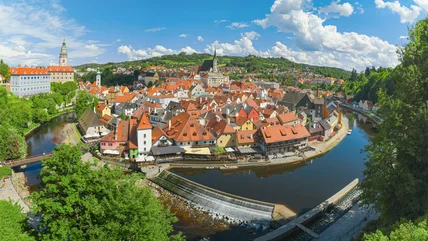
If you are looking for a place that feels like it came right out of a fairytale, head to this culturally rich town in the Czech Republic that is full of charm.
Read More
If you're worried about being pickpocketed during your European vacation, try this handy accessory to protect your valuables that Rick Steves swears by.
Read More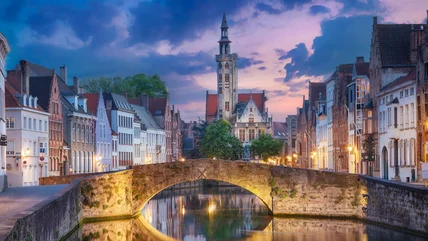
For photogenic buildings, canal boat rides, a charming market square, local beer, and delicious food, book a trip to this European gem of a city.
Read More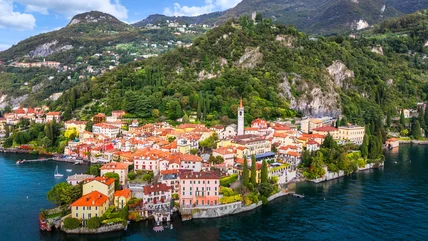
There are so many gorgeous places in Northern Italy, it can be hard to decide where to go. To help, here are Rick Steves' favorite Lake Como towns and villas.
Read More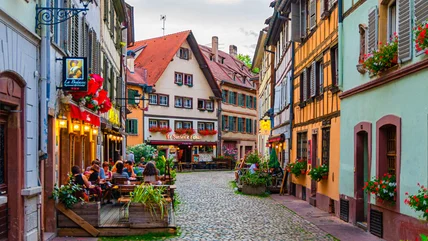
Though relatively small in size, this city brims with a unique kind of charm thanks to its distinctive culture — a fusion of both French and German influences.
Read More