
16 Essential Items To Pack For Your First Trip To Ireland
Ireland’s beauty is unmatched, but its weather and landscapes can trip up unprepared travelers. Thankfully, packing well helps you stay ready for anything.
Read More

Ireland’s beauty is unmatched, but its weather and landscapes can trip up unprepared travelers. Thankfully, packing well helps you stay ready for anything.
Read More
Parking costs in Europe can quickly add up, but there’s a simple trick Rick Steves swears by to help travelers avoid unnecessary fees while exploring by car.
Read More
Europe is a travel hotspot for a reason. While there are many can't-miss spots, they can also be filled with throngs of tourists. Here are less-traversed spots.
Read More
France has several unspoken etiquette rules that shape daily life, and knowing them can help visitors avoid embarrassing mistakes while blending in with ease.
Read More
There are many places in the world to add to your bucket list, but these 13 deserve a spot at the top of the list. Get your camera ready for these scenic views.
Read More
Europe is known for its charming train travel, and according to author Rick Steves, one specific type of train ride will give you more bang for your buck.
Read More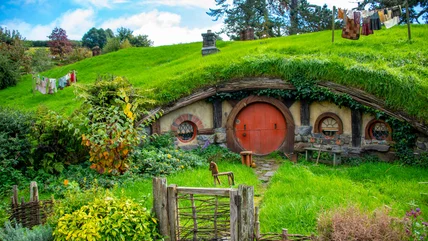
For travelers who love to plan trips around books, these 10 destinations prove that literature and travel can come together to create unforgettable experiences.
Read More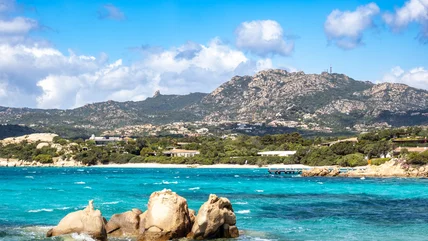
Recognized as the world’s newest Blue Zone, this Mediterranean escape combines pristine beaches with a relaxed coastal lifestyle that promotes longevity.
Read More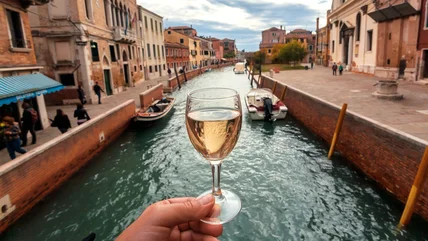
Italy may feel relaxed on the surface, but hidden etiquette rules quietly guide daily life, shaping everything from meals to interactions with locals.
Read More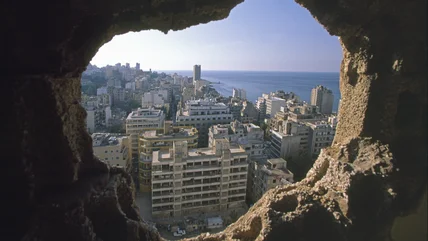
Once built for luxury and prestige, these 11 abandoned hotels now sit frozen in time, marked by events like war, disaster, and sudden collapse.
Read More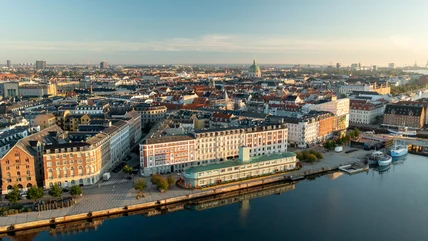
To explore Europe without breaking the bank, Rick Steves suggests spending less time in one region and more time in another part of the continent.
Read More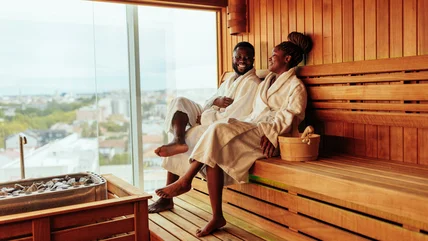
Let's face it: most of us could use a break in 2026. If you need to unwind, a hectic itinerary might not be for you. Consider booking a wellness vacay, instead.
Read More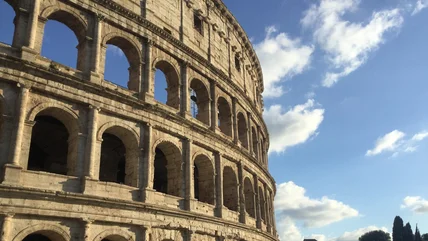
Visiting all of Rome's famous sites can be overwhelming, but travel expert Rick Steves has a method for hitting the city's top three spots in a day.
Read More
One of Germany’s most unexpected attractions is a giant indoor water park that lets visitors enjoy slides, pools, and summer weather year-round.
Read More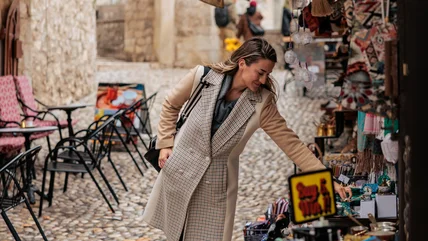
Traveling to Europe can be hard on the wallet; however, there's a way to save money when buying souvenirs in Europe if you follow this simple Rick Steves tip.
Read More
A trip to Europe doesn't have to break the bank! Travel expert Rick Steves recommends this option to experience the local cuisine while saving money.
Read More
Humans have been all over the planet, but there are plenty of things that have yet to be discovered. And many discoveries remain unexplained.
Read More
From misty forests to soaring peaks, Europe’s castles blend legend, beauty, and history, offering travelers the chance to step inside a real-life fairytale.
Read More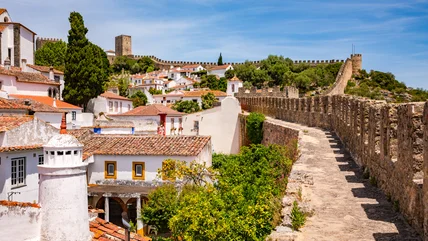
If you are looking for an incredible fairy-tale-like place to visit in Portugal, go to this gorgeous medieval town that Rick Steves calls "postcard-perfect."
Read More
There's so much to see across Europe that you might want to take a tour so you don't miss the sites. Just make sure that you're not overspending.
Read More
If you're used to getting around using a car in your everyday life, you might need to adjust your habits when in Europe, according to Rick Steves.
Read More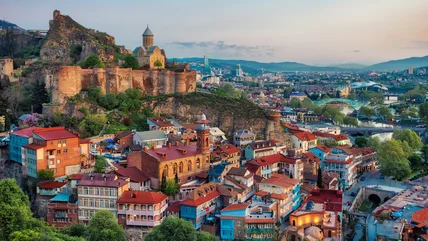
Europe doesn’t have to be expensive, and these destinations prove you can travel far, eat well, and explore deeply without completely blowing your budget.
Read More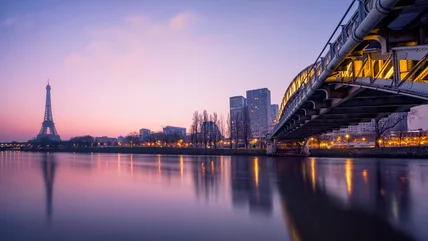
This European hotel operator is facing financial difficulties, which means that things could get rocky at their hotels in the coming months.
Read More
According to Rick Steves, this major European destination is a must-visit for its stunning architecture, distinct neighborhoods, and delicious food.
Read More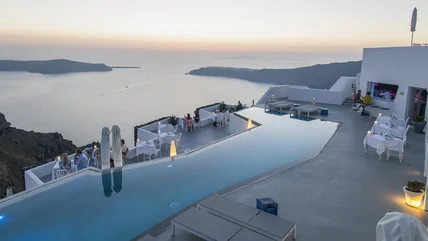
Sometimes, you just need to get away from it all. These resorts are ideal for couples who want to live in their own little bubble for a few days.
Read More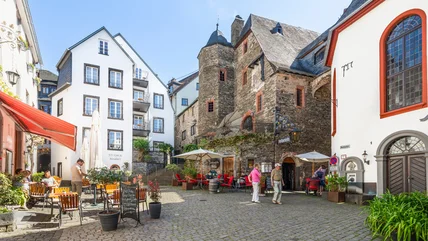
For authentic fairy tale vibes, Rick Steves recommends visiting this charming German village known for its castle, medieval ruins, and slow pace.
Read More
Wellness travel in 2026 is evolving beyond regular spa experiences, driven by new concepts around health, connection, nature, and intentional living.
Read More