

Germany's 9 Greatest Tourist Attractions For First-Time Visitors
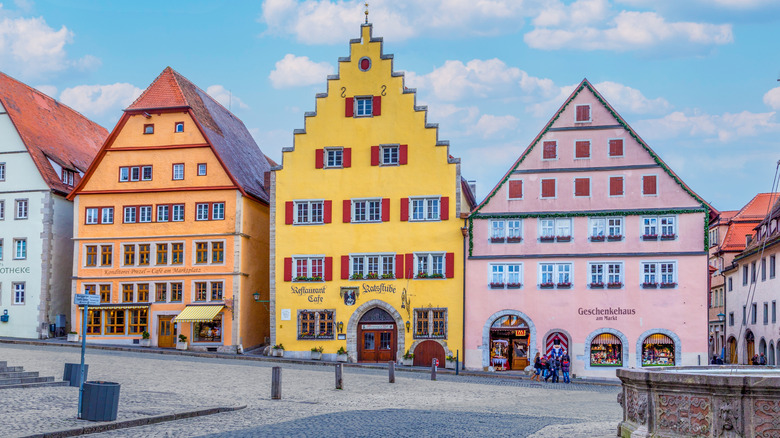
Nestled between nine different European countries, Germany is one of the most diverse nations in the world. With areas that border Austria, Belgium, Denmark, France, Luxembourg, Poland, Switzerland, The Czech Republic, and The Netherlands, Deutschland offers visitors easy access to the rest of the European Union — making it a traveler's paradise and the ideal base for a grand Euro trip.
But, there is more to Germany than just its fantastic location. Must-see German castles, picturesque villages, and crisp Riesling all contribute to the country's undeniable charm. Additionally, as the birthplace of modern fairy tales, Germany is home to many must-visit spots that inspired Disney films.
The only downside to Germany's cultural richness is that visitors can find it difficult to fit all of its best attractions onto their itinerary. Luckily, we have done the hard work for you and crafted a list of the top spots to visit on your first trip to Germany. From its fairytale-like villages to its extraordinary history and natural beauty, these destinations undoubtedly capture the best of Germany.
Neuschwanstein Castle, Schwangau
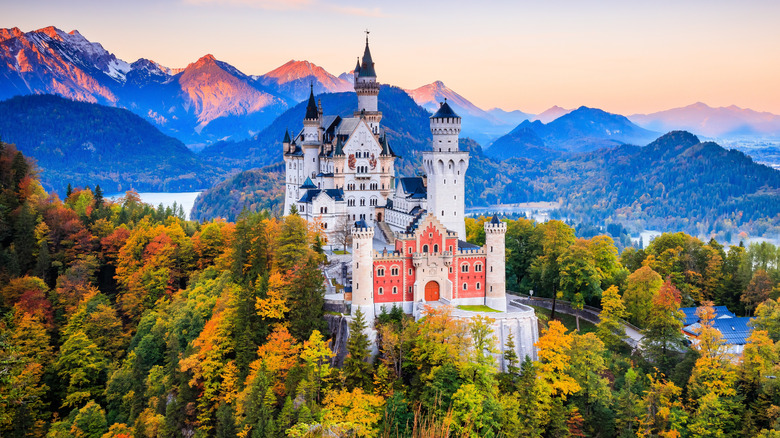
Visitors looking to immerse themselves in a real-life fairy tale need only travel to Neuschwanstein Caslte in Schwangau, Germany. Known as Schloss Neuschwanstein in German, the majestic 19th-century structure is perched in the Ammer Mountains of the German Alps and is considered Europe's grandest fairy tale castle. With dramatic towers, intricate archways, and a bold front gate, this structure is a true architectural masterpiece. The castle's elegant beauty has led many to believe that it inspired the cartoon castle in Walt Disney's classic film, "Cinderella." It could have also sparked ideas for the dreamy "Sleeping Beauty" castle located on magical Main Street U.S.A. at Disneyland in Paris. Neuschwanstein Castle stands as an important UNESCO World Heritage Site, both for its historical significance and its architecture, particularly the way it borrows from German fairy tales, operas, and even Versailles to create something unique.
Previous visitors to Neuschwanstein Castle praise the destination for its fascinating historical value. Guided tours of the interior are offered in English. "Our guide was informative, giving lots of historical context about the palace," reads one review on Tripadvisor. Tickets cost €23.50, or about $27.50 USD, at the time of writing. While participation in guided tours comes at no additional cost, visitors are strongly encouraged to reserve their spots online in advance. Getting to Neuschwanstein Castle is relatively straightforward, located a short drive from the train station in Füssen.
Rothenburg ob der Tauber
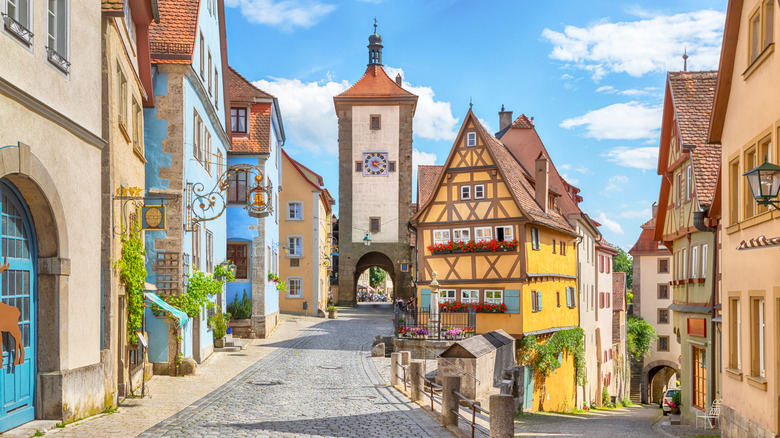
The closest thing to a real-life storybook village might just be the historical city center of Rothenburg ob der Tauber, Germany. With buildings dating back to the medieval era, Rothenburg offers a picturesque glimpse into a bygone era. The charm is only accentuated by the city center's vibrantly painted buildings and colorful flowers. Stroll through Rothenburg ob der Tauber's cobblestone streets, climb the old Röderturm tower, and marvel at the stained glass artwork at St. Jacob's Church, dating back 600 years. Don't forget to snap a photo of the old Plönlein house, which served as inspiration for Disney's animated film, "Pinocchio."
To arrive at Rothenburg ob der Tauber, drive approximately 1.5 hours from the Nuremberg Airport. Hotel prices in this town vary considerably, and prices tend to be much higher in the summer months. But, you don't need to visit during high season to experience the magic of this place. In fact, November is considered one of the best months to visit Rothenburg ob der Tauber, thanks to the massive Rothenburg Fairy Tale Magic festival that takes place during the last two weeks of the month. Guided fairy tale tours of the city, family-friendly storybook readings, and thematic restaurant events transform the town into an otherworldly village throughout this celebration.
Lake Constance, Konstanz
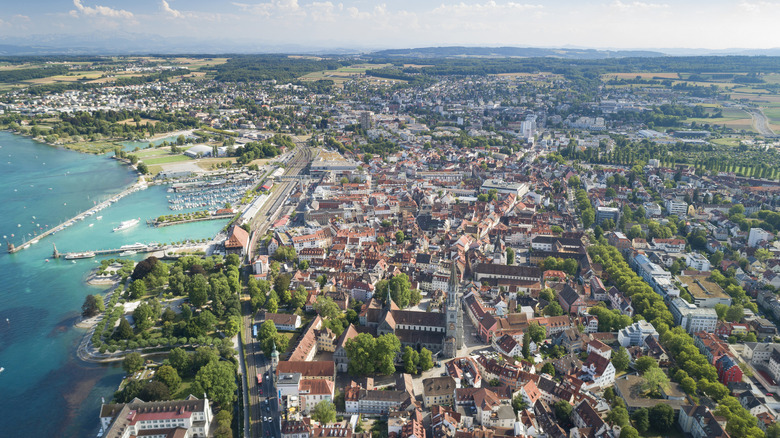
If it seems impossible to enjoy views of Germany, Austria, and Switzerland all in one day, think again. The stunning Lake Constance is Germany's most sizeable lake — so large that it touches both Austria and Switzerland. Visitors only need sign up for one of the region's iconic boat tours to see the picturesque international villages lining the shore. These adorable towns are only made more alluring by the deep turquoise color that characterizes the glacial waters of Lake Constance. Whether you'd prefer to paddle through the Caribbean-like waters or enjoy the view from a lakeside beer garden, Lake Constance will not disappoint.
Visitors love the endless variety of activities in the Lake Constance area. While the town of Konstanz boasts a charming historical center complete with walking tours and eateries, the surrounding hills brim with lush wineries that offer fantastic tasting experiences. Cycling enthusiasts will enjoy pedaling on the trails that snake around the lake. The famous Lake Constance Cycle Path provides an impressive 161.5 miles of bike trails to the adorable towns that surround the water. This lakeside haven is located approximately one hour from the Zurich Airport in Switzerland. In Germany, the nearest travel hub is the Friedrichshafen Airport, also within an hour's drive of Konstanz. Though summer is the most popular time to visit, it is also the most expensive in terms of accommodations. Plan your trip to Lake Constance in the spring to enjoy the blossoming fruit trees and fewer crowds.
Berlin

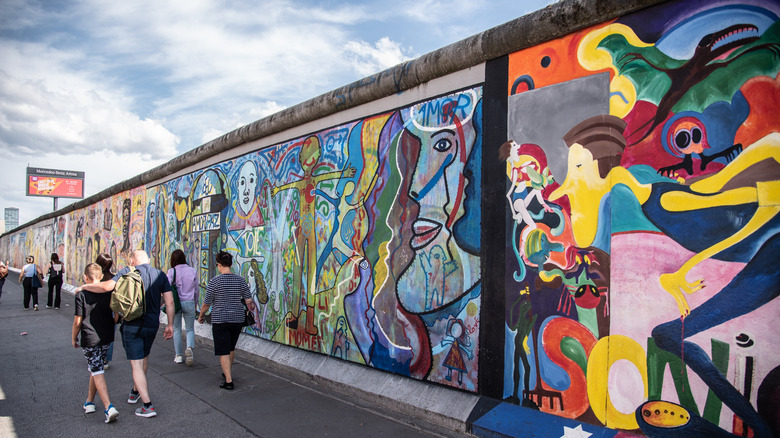
No German city is quite as iconic as Berlin. Known as "The Grey City," this fascinating urban center showcases a mix of both historic and ultra-modern architecture, and is steeped in an artistic culture that draws creative minds from around the world. To soak up Berlin at its finest, head to the heart of the city center. Spend the morning exploring the ornate rooftop terrace of the 15th-century Berlin Palace, then walk the length of the East Side Gallery, the world's largest open-air gallery with colorful murals adorning the old Berlin Wall. A visit to the Brandenburg Gate is another essential place to visit. First constructed in the 18th century, this structure has withstood the arrival of Napoleon, the turmoil of both world wars, and was even part of the Berlin Wall.
Berlin is not exactly the most affordable city to visit in Germany, but the good news is that you can see its best attractions on a modest budget. While climbing to the top of the Berlin Palace will set you back just €3, or roughly $3.50 USD, a visit to Brandenburg Gate and the East Side Gallery is completely free. Though hotels can get quite pricey in Berlin, the city is home to a variety of highly-rated hostels that are easier on the wallet. The city center is a quick 30-minute drive from the Berlin Brandenburg Airport, or an easy journey by train to Berlin Central Station.
Bauhaus buildings, Dessau
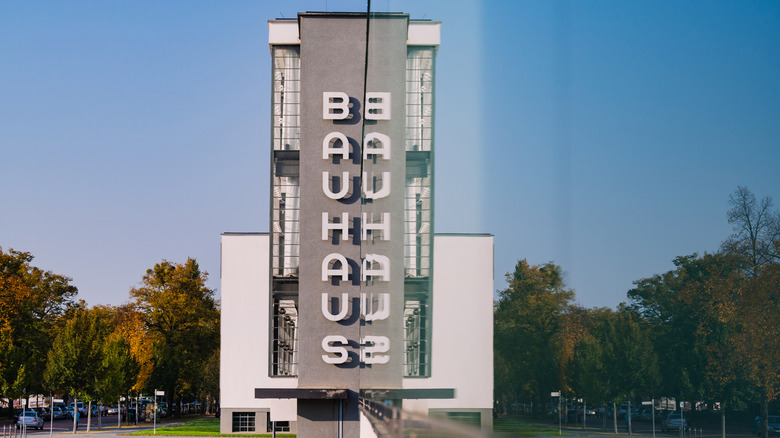
Part of Germany's modern flair comes from the Bauhaus movement in the earlier 20th century. During the 1920s, an institution known as the Bauhaus School turned the world of architecture on its head. Before then, buildings were mostly constructed from traditional materials instead of steel and concrete, which were still somewhat new at the time. The Bauhaus School sought to change that, embracing industrial materials and pioneering the minimalist design trends still popular today.
To see where this movement began, visitors can check out the Bauhaus buildings in Dessau, Germany. Recognized as UNESCO World Heritage Sites, these structures are some of the earliest examples of modern architecture. To explore them in-depth, travelers are encouraged to purchase the all-inclusive ticket for €27 per adult, or $31.50 USD, at the time of writing. This ticket grants access to the Bauhaus Museum, the Dessau-Törten Konsum Building, the Bauhaus Building, and the Masters' Houses.
"My recent visit to the Bauhaus building in Dessau, Germany, was more than just a tour; it was a journey into a living monument of architectural and educational history," reads one Google Review. "For anyone with an interest in art, architecture, or history, the Bauhaus Dessau is a must-see." To get to Dessau, drive 35 minutes from the Leipzig/Halle Airport. The city of Dessau is a must-visit destination in its own right, home to the Garden Kingdom of Dessau-Wörlitz, another UNESCO World Heritage Site.
Rügen
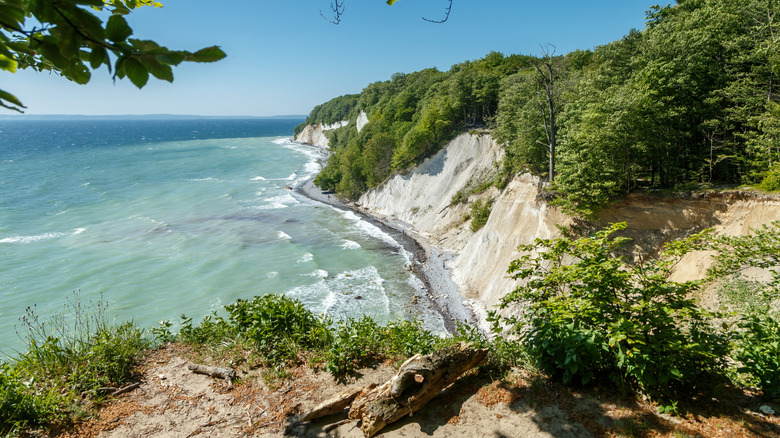
When thinking of the most beautiful islands in the world, Germany does not always spring to mind. But, what Deutschland's islands lack in fame, they make up for in tremendous natural beauty. Germany's largest island, Rügen, is a true hidden gem. Home to the stunning Jasmund National Park, Rügen boasts towering white chalk cliffs that seem to jut out of the electric blue waters of the Baltic Sea. Königsstuhl, the largest of these cliffs, soars 387 feet into the air. Its picturesque white rocks inspired the great painter Caspar David Friedrich from the German Romantic period, and were frequently visited by German author Thomas Mann.
One of the best ways to explore Rügen's famous coastline is on the Hochuferweg, or High Shore Trail, a 5-mile walking trail that winds along the top of the cliffs. Beyond the cliffside views, the island's dense old-growth forests are equally as mesmerizing, home to beech trees roughly 200 years old. Recognized by UNESCO as a World Heritage Site, these woodlands stand as a reminder of Europe's majestic wilderness. Serious hikers can tackle the famous Rügen Coastal Route Tour, which stretches 43 miles around the most scenic part of the island. Visitors can travel to Rügen by train or car, crossing from the mainland on the bridge or by ferry. The nearest major airport is in Hamburg, and from there, the drive is three-and-a-half hours. There are many places to stay overnight on Rügen island, including hotels, resorts, and vacation rentals.
Nuremberg Christmas Market
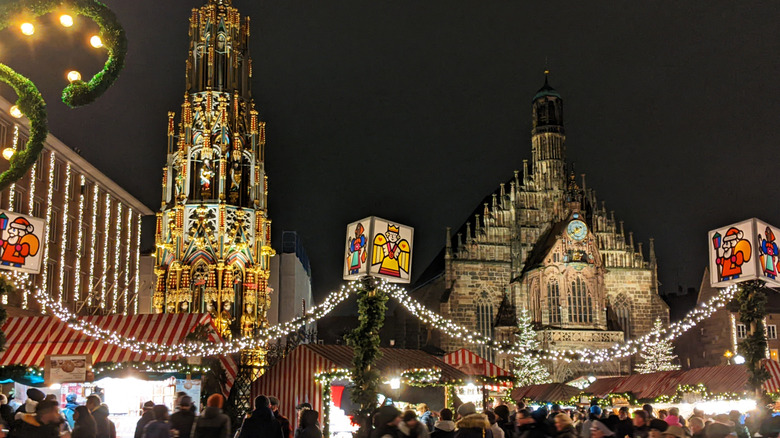
December marks a special time in many European countries, as the month ushers in a period of advent calendars, decorated pine trees, and Christmas markets. However ubiquitous these traditions seem to be across the continent, the fact remains that they originated in Germany. The best place to see this incredible celebration is, naturally, in the country where it all started. Germany's scenic Christmas markets provide an excellent way to experience everything from spiced wine to enormous Christmas trees.
The best Christmas market in Germany is perhaps the one in Nuremberg. Dating back to 1530, this traditional event boasts over 180 stalls. Young families will love the Kinderweihnacht, a part of the market that is full of children's activities including crafts, carousel rides, and short trips on an old-fashioned steam train. Music aficionados will be blown away by the live performances near the Frauenkirche church. As a true foodie's paradise, the market invites visitors to nibble gingerbread, bratwurst, and other German treats. The Nuremberg Christmas Market runs from late November to Christmas Eve every year.
Beyond Nuremberg, there are many other smaller German markets that serve lots of charm. The picturesque Ravenna Gorge Christmas Market is located beneath a dramatic train bridge. The Passau Christmas Market takes place near a historic cathedral, home to the world's largest cathedral organ that offers concerts during the celebration. Head to Stuttgart for a massive Christmas market with 300 stalls in the heart of the city center.
Bayerischer Wald National Park, Grafenau
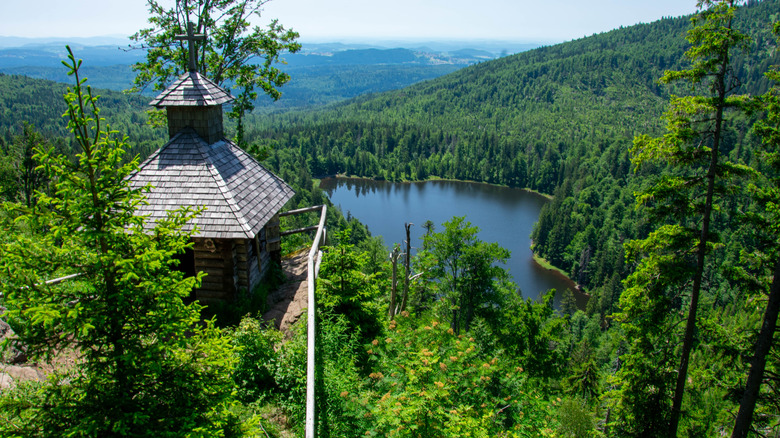
Bayerischer Wald National Park, or Bavarian Forest National Park, is a destination that you can't skip on a trip to Germany, and it's no wonder why. With a whopping 217 miles of gorgeous hiking trails, this nature preserve immerses visitors in greenery. Hikers will love the 2.5-mile path from Zwieslerwaldhaus to the Schwellhäusl restaurant, which features an impressive 164-foot pine tree along the route. The Peacock Butterfly trail, meanwhile, is perfect for families. Reaching just over 1 mile in length, this circular path offers plenty of chances to stop for some outdoor recreation or a picnic. Bayerischer Wald National Park also has challenging hikes, including treks to the tallest summits in the park. Many of these trails are open during the wintertime for cross country skiing.
Entrance to the Bayerischer Wald National Park is free, although visitors who arrive by car must purchase a day pass for €5, or $5.80 USD per vehicle. Camping is not permitted in the park, so travelers who wish to extend their stay can head to nearby communities, such as Neuschönau. Alternatively, the town of Zwiesel, Germany is located just eight minutes away from the national park by car and offers plenty of options for lodging, but keep in mind that prices tend to soar in the warmer months.
Mosel Valley
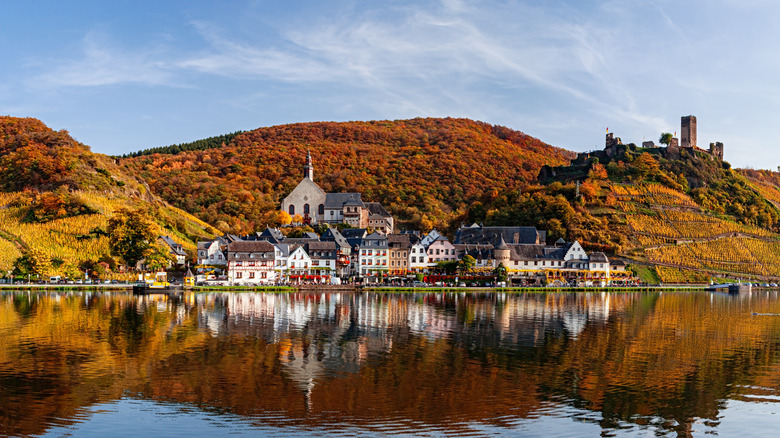
Germany is famous for its Riesling wines, and the Mosel Valley is one of the best places for travelers to imbibe. Home to over 60 million vines, this region consists of 20 quaint villages, 60 unique wineries, and even a few castles. Adventerous visitors can embark on the Moselsteig trail, with 24 routes amid the vines that serve as scenic pathways from one village to the next. This trail allows you to get your steps in as you sip and savor the best that Mosel Valley has to offer.
Visitors who prefer to skip the hiking can still enjoy the Mosel Valley to the max. For a deep dive into local wine culture, embark on a guided tour of the local vineyards. To sample a variety of wines at once, head to a local vinothek — or wine showroom — where wine makers showcase their products in a tasting lounge, often accompanied by beautiful views of the valley. The best season to visit the region is from late September to mid-October when the grapes are typically harvested. Each village in the Mosel Valley boasts its own unique charms. Traben-Trarbach is most famous for its history as a wine trading center, while Beilstein known for its fairytale-like atmosphere. From Frankfurt Airport to Cochem or Trier — the larger towns in Mosel Valley — the journey is just over two hours by car or three hours by train.
Methodology
This guide is based on both in-depth research and firsthand experience from a local expert. We used the expertise of a lifelong German resident and cultural exchange coordinator at a major Bavarian university. She helps international students get settled and explore Germany for the first time, making her a useful resource for creating an itinerary for first-time visitors. Beyond this, we scanned visitor feedback on platforms like Tripadvisor and Google Reviews to assess which attractions are the most popular and celebrated. Many of these are also UNESCO World Heritage Sites, such as Schloss Neuschwanstein, the Bauhaus buildings in Dessau, and the old-growth woodlands of Rügen, due to their cultural and natural significance.
Other sites, such as the landmarks in Berlin's city center, stand as important relics of German history. Traditional Christmas markets, meanwhile, are among the most significant German cultural influences in Europe and beyond. Also on the subject of cultural influence, Rothenburg ob der Tauber is a stunning real-life fairy tale destination that has inspired Disney films and theme parks worldwide. As for outdoors destinations, Lake Constance stands out for both its size and proximity to other European countries. The Bayerischer Wald National Park and Mosel Valley both offer unique ways to enjoy Germany's biodiversity.