Things to Do in France
When planning a trip to France, travelers dream of the Eiffel Tower, elegant Parisian boulevards, the sunny French Riviera, and charming pastoral villages.
But often the most memorable moments of a vacation happen when taking part in local activities instead of just sightseeing. These special experiences and small adventures go beyond just visiting a monument or a museum, they capture the spirit of the place.
Discover the country from a different point of view, and make the most of your visit with our list of the top things to do in France.
- Watch the Sunset from the Eiffel Tower
- Take a Seine River Cruise
- Stroll through the Charming Old Quarters of Paris
- Make a Pilgrimage to Mont Saint-Michel
- Discover the Charm of Artists' Villages in Provence
- Attend the Royal Serenade at the Château de Versailles
- Learn to Cook Classic French Cuisine in Burgundy
- Bike around Bordeaux
- Experience a Candlelit Evening at Château Vaux-le-Vicomte
- Be Inspired at the Chartres Cathedral Organ Festival
- Relax at a Beautiful Beach Resort
- Enjoy Summer Outdoor Performances in Haut-Vaucluse
- Commune with Nature in the Auvergne Region
- Shop at the Colorful Markets of Aix-en-Provence
- Attend the Summer Festival in Carcassonne
- Go Sailing in Saint-Tropez
- Attend the Cannes Film Festival
- Ski in the French Alps
- Study Art at Monet's Gardens in Giverny
- Listen to Jazz Music at a Paris Club
- Soak in Healing Waters at a Thermal Spa
- Admire the Flowers in Alsace's Villages Fleuris
- Dine at a Michelin-Starred Restaurant
- Map of Things to Do in France
Watch the Sunset from the Eiffel Tower
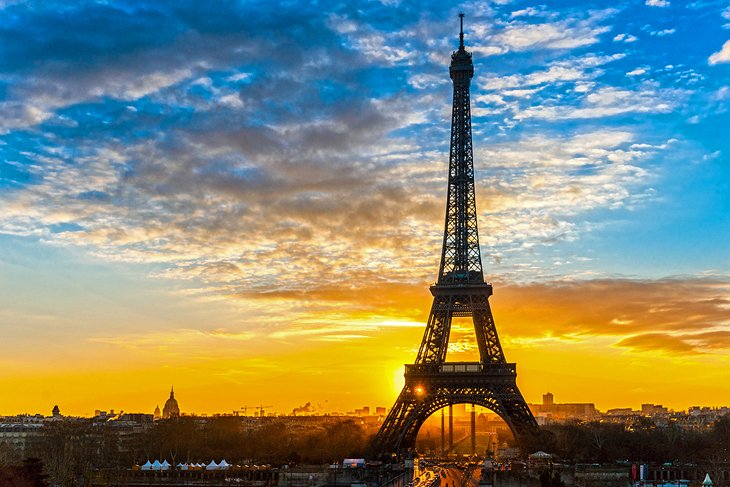
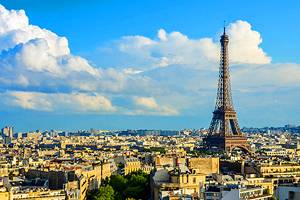
To discover Paris at its most enchanting, visit the Eiffel Tower at sunset. In the early evening, the gentle lighting has an ethereal effect. At this special time of day (from late afternoon until dusk), golden glows on the horizon lend a romantic quality to the vistas.
From each level of the tower, the panoramas become even more spectacular as the sun goes down, with the city's monuments illuminated and the Seine River reflecting the stunning colors of sunset. Another bonus, every evening the Eiffel Tower is decked-out with glittering lights that sparkle for five minutes on the hour.
For a truly memorable experience, watch the sunset while dining at one of the Eiffel Tower restaurants: Madame Brasserie, the contemporary-style brasserie on the first level that offers a seasonal menu with a focus on local ingredients, or the Michelin-starred Le Jules Verne gastronomic restaurant on the second level that serves exceptional modern French cuisine.
The dining rooms of both restaurants feature breathtaking views of the Paris cityscape. When making a reservation at Le Jules Verne, you may request a window seat.
Take a Seine River Cruise
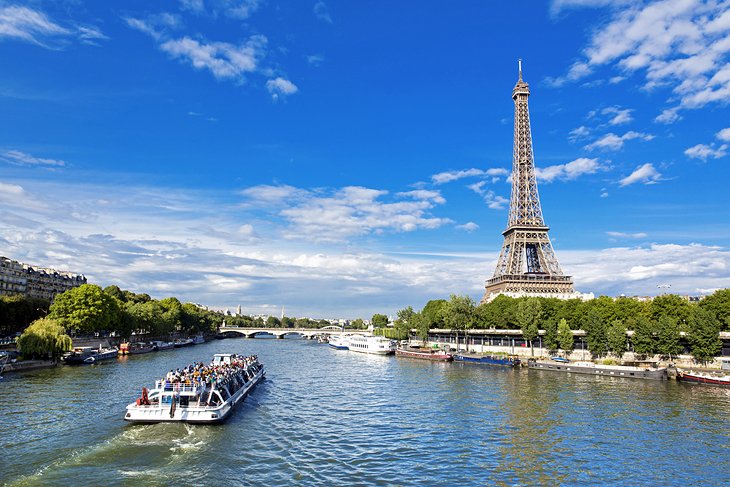
The Seine River winds gracefully from Paris to the English Channel through France's history-steeped Normandy region, which is distinct for the Viking influences made possible thanks to the easy access provided by this large river.
Exploring France by river cruise allows you to see and enjoy multiple sites and experiences in a short time, without the hassle of changing hotel rooms or navigating transportation. Freedom from these details allows you to focus your time and energy on sightseeing and enjoying your visit.
You can visit some of Normandy's most beautiful spots, from the small medieval towns of Les Andelys and Caudebec-En-Caux to the stunning cities of Rouen or Honfleur. Visit Normandy's D-Day landing beaches and learn about the vital role they played in ending World War II or see Monet's Garden in Giverny.
A few companies offer quality multi-night cruises that explore this region of France. If you're looking for luxury, the all-inclusive Scenic Gem offers a high-end experience of comfort, dining, service, and port excursions. The cruise includes all food and beverages to butler service and gratuities.You always have several activities to choose from at each stop (often more), including historic walking tours, excursions to nearby attractions, and exclusive Enrich experiences like a private concert at Château de la Roche-Guyon. You also have the option to explore on your own using their custom app as a guide.
Avalon Waterways and Viking are other popular cruise options on the Seine, offering multi-night trips. Each of these cruises offers something a little different. Prices vary by level of luxury, cabin choice, and also by the season or dates.
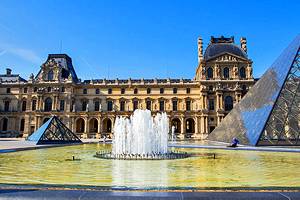
If you're only in the city for a day or two, cruising the Seine is a delightful way to see some of Paris' top sights while enjoying a relaxing experience. The Compagnie des Bateaux-Mouches offers scenic boat tours, sailing past the Place de la Concorde, the Louvre, the Musée d'Orsay, the Notre Dame Cathedral, and other landmarks along the way.
You can choose from a variety of Bateaux-Mouches experiences, including daytime boat tours, brunch or lunch cruises, romantic dinner cruises, and cabaret shows. At night, the monuments along the Seine are illuminated, creating a truly captivating impression.
The Compagnie des Bateaux-Mouches kiosk is located at Pont de l'Alma near the Eiffel Tower.
Stroll through the Charming Old Quarters of Paris
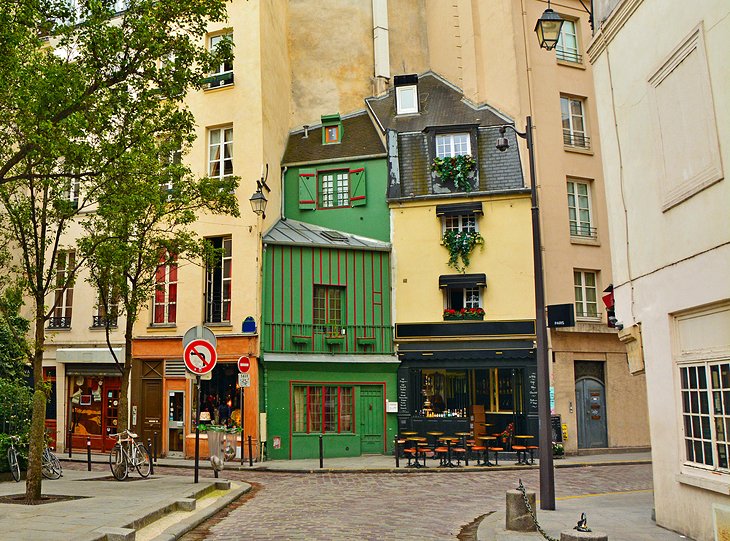
The Quartier Latin, the Île Saint-Louis, and Le Marais are charming neighborhoods where visitors can soak up the ambience of medieval Paris.
Begin exploring on the Left Bank in the Latin Quarter, the city's university quarter since the Middle Ages. After discovering the eclectic shops and bookstores of this lively neighborhood, cross the Seine River at the Petit Pont bridge and head to the Île de la Cité to admire the façade of the Notre-Dame Cathedral. (The cathedral is currently undergoing reconstruction after being damaged by a fire in April 2019.)
From the Île de la Cité, the Pont Saint-Louis bridge leads to another island in the Seine River, the Île Saint-Louis, an area brimming with old-world charm. Wander the quiet pedestrian streets and browse the inviting boutiques on the Rue Saint-Louis en l'Île.
Be sure to visit the Eglise Saint-Louis en l'Île, a lovely Baroque church that was dedicated to Saint Louis (King Louis IX), and then enjoy a treat from the nearby Glacier Berthillon ice-cream parlor.
Continue by walking across the Pont Marie bridge to Le Marais, an atmospheric historic district filled with old palaces and mansions.
Take a leisurely stroll around the tranquil tree-shaded paths of the Place de Vosges, a graceful square lined with elegant 17th-century aristocratic residences, and then amble along the Rue des Francs Bourgeois, a narrow street with many fashionable shops.
Make a Pilgrimage to Mont Saint-Michel
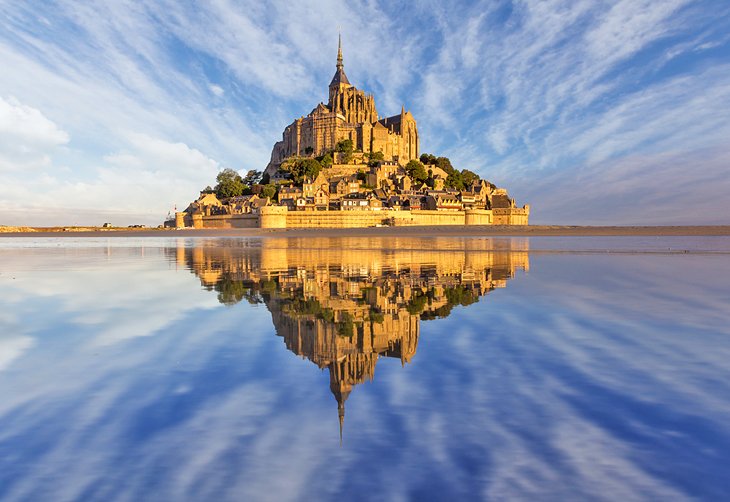
Soaring above its perch on a rocky island off the Normandy coastline, the Abbaye du Mont-Saint-Michel appears as if a vision from heaven.
Mont Saint-Michel is known as the "Pyramid of the Seas" thanks to its awe-inspiring and otherworldly splendor. The island's glorious Gothic abbey has been a stop along the "Way of Saint James" pilgrimage to Santiago de Compostela since the 11th century.
Medieval pilgrims walked across the Bay of Saint-Michel's sandbanks at low tide to arrive at the Mont Saint-Michel. The bay crossing was the last stretch of the long, arduous pedestrian journey to reach this important Christian destination.
The "Chemins du Mont-Saint-Michel" ("Paths of Mont-Saint-Michel") pilgrimage routes lead to Mont-Saint-Michel from various starting points such as Paris, Rouen, and Tours. These routes continue on to Santiago de Compostela in Spain.
Modern-day visitors can follow in the footsteps of the medieval pilgrims for a meaningful spiritual experience. Today's pilgrims arrive by foot, in the same way this journey has been approached for centuries. Walking across the bay takes about two hours and must be completed with the help of an accredited guide.
Please Note: It is not safe to attempt the bay crossing without a guide. Dangerous conditions define Bay of Mont Saint-Michel and its sandbanks: quicksand and powerful fast-moving tides. With an extreme tidal range (15 kilometers in each direction), the bay's high tide turns Mont Saint-Michel into an island for about one hour each day.
Upon arriving at the abbey, pilgrims are rewarded with the awe-inspiring ambience of an 11th- to 13th-century chapel. The Fraternités Monastiques de Jérusalem (Monastic Communities of Jerusalem) offer religious services (Laudes, Mass, and Vespers) three times per day at the abbey church. The liturgy is conducted in chants, noteworthy for their harmonious polyphonic melodies.
Saint Michael's Day at the end of September draws many pilgrims to Mont Saint-Michel. This occasion celebrating the Archangel Michael includes several religious ceremonies at the Abbey Church. A solemn mass is held on the nearest Sunday (before or after) Saint Michael's Day, and morning prayers and mass take place on Saint Michael's Day (September 29th).
Discover the Charm of Artists' Villages in Provence
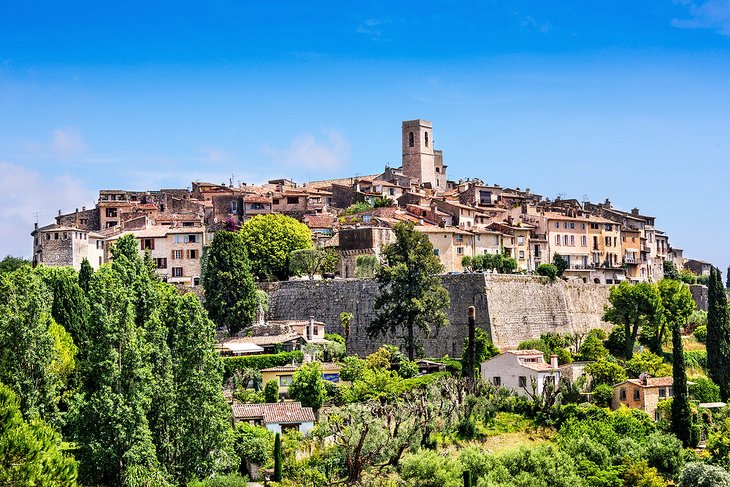
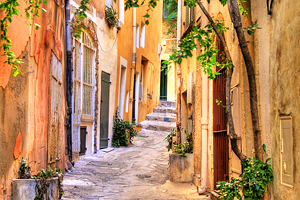
Many famous Impressionist and Expressionist painters fell in love with Provence's quaint medieval villages and sun-drenched seaports, representing the gorgeous scenery in colorful works of art. The legacy of this cultural heritage is seen in the numerous museums and art galleries scattered throughout the region's towns.
The medieval hilltop town of Saint-Paul de Vence has been popular with artists since the 1920s. Marc Chagall lived here for 20 years, and during that time, he painted prolifically. The Office of Tourism offers "In the Footsteps of Marc Chagall" guided tours.
Belgian artist Jean-Michel Folon adorned the Folon Chapel in Saint-Paul de Vence with splendid paintings, sculptures, and stained-glass windows. Other well-known 20th-century artists also found inspiration in Saint-Paul de Vence, and their works are on display at the Fondation Maeght, a prestigious cultural foundation and one of Europe's largest modern art collections.
Near Saint-Paul de Vence is another perched medieval village, Vence, worth a detour to see the Chapelle du Rosaire in the outskirts of town. Matisse added his post-Impressionist decorative flair to the stained-glass windows, paintings, and art objects that adorn the chapel.
Saint-Rémy de Provence is famous for its association with Vincent van Gogh, who stayed here for a year at the Saint-Paul de Mausole asylum. The Musée Estrine displays works by Vincent van Gogh and his contemporaries. Over 20 of the sites in Saint-Rémy de Provence that the artist painted are indicated on the "Promenade dans l'Univers de Vincent van Gogh" trail.
Biot is a tiny village in the countryside where Fernand Léger resided briefly. The Musée National Fernand Léger displays the works of the celebrated avant-garde artist, from his Impressionist paintings to Cubist pieces. For such a teensy town, Biot surprises visitors with its abundance of art galleries and artisan shops tucked away on quiet side streets.
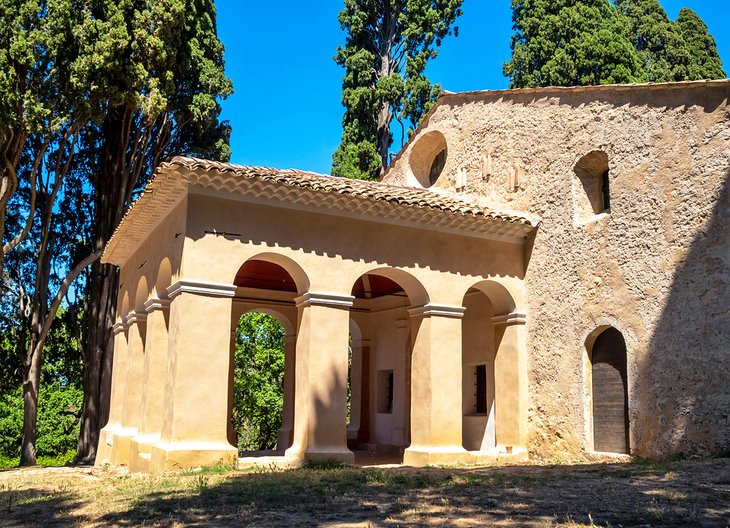
Just 12 kilometers from Biot, the lovely little village of Mougins is also full of art galleries and artists' ateliers. From 1961 to 1973, Picasso resided at the estate of the Chapelle Notre-Dame-de-Vie, an ancient hermitage chapel and listed Historic Monument surrounded by beautiful grounds. The chapel's Treasury contains a small museum.
Along the Provençal coastline, the sun-dappled scenery of the Mediterranean Sea lured many artists in the late 19th to early 20th century.
An impressive list of famous painters, including Paul Signac, Pierre Bonnard, André Derain, and Henri Matisse, spent time in the fishing village of Saint-Tropez. Taking advantage of the southern light, the artists created vibrant paintings of the old port and other sights in and around Saint-Tropez. The Musée de l'Annonciade displays an excellent collection of these paintings.
The pleasant seaport of Cassis appealed to Post-Impressionist painters, who captured the picturesque harbor and charming waterfront houses of Cassis in colorful works of art.
Attend the Royal Serenade at the Château de Versailles
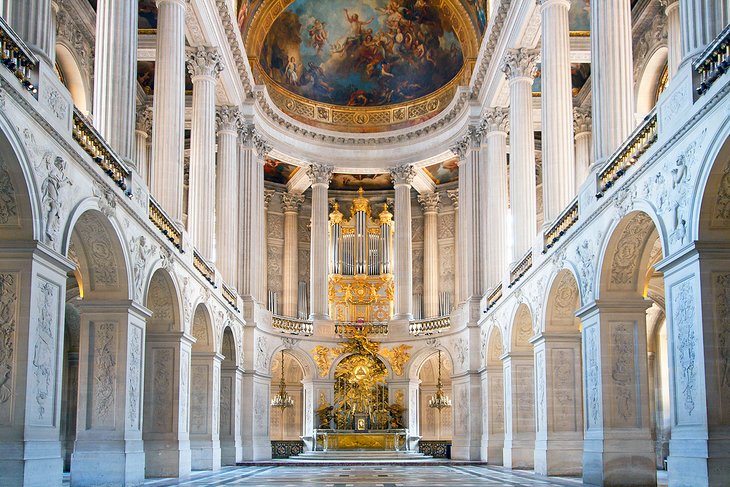
A soirée at the Château de Versailles offers a glimpse into the bygone world of French royalty and their lavish court.
Every Saturday evening from mid-June until mid-September, visitors may attend the Royal Serenade, a dazzling event held in the château's Grand Apartments (Hercules Room, Hall of the Royal Chapel, King's Guard Room) and in the opulent Hall of Mirrors.
The Royal Serenade brings to life a scene of France's Ancien Régime, complete with period costumes, Baroque music, and dancing. This special event includes a re-enactment of the King's dressing ceremony and a court ball. The Folies Françoises musical ensemble and the Compagnie de Danse l'Éventail dancing troop entertain audiences.
Visitors can also join a tour of the château gardens before or after the Royal Serenade. On Saturdays and Sundays from April through October, the Château de Versailles presents Musical Fountain Shows with its extravagant fountains dancing to the tunes of Baroque music.
After sundown on Saturday evenings from mid-June through mid-September the garden's groves are illuminated by torches and candles for the Night Fountain Shows, which feature music and fireworks. This event channels the opulent celebrations that took place during the reigns of Louis XIV and Louis XVI and Marie-Antoinette.
Learn to Cook Classic French Cuisine in Burgundy
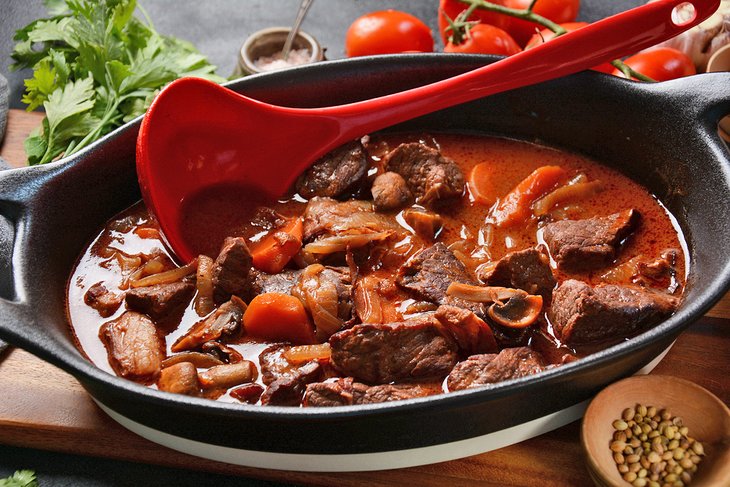
The cornerstone of Gallic culture, the French gastronomic meal has been inscribed on the UNESCO Intangible Cultural Heritage list.
Each area of France has its own distinctive culinary style, but the Burgundy region boasts some of France's most famous regional dishes: escargot, gougères (cheese puffs), Coq au Vin (chicken stew), and Boeuf Bourguignon (Beef Burgundy).
Cooking classes provide an immersion into the Burgundian lifestyle, with visits to local markets to shop for ingredients, instruction in preparing traditional specialties, and then savoring the delicious meals. You can choose from a wide range of culinary programs and vacations in the Burgundy region.
American expats Marjorie Taylor and Kendall Smith Franchini, a mother-daughter duo, run The Cook's Atelier in Beaune. Their one-day cooking courses or six-day culinary vacation introduce participants to the delights of Burgundian cuisine and the Burgundy lifestyle.
In the country village of Marigny-le-Cahouet, Katherine Frelon's Culinary School offers seven-day culinary vacations at a 400-year-old farmhouse, La Ferme de la Lochere. Highlights are the trips to Dijon and Semur-en-Auxois and lunch at a Michelin-starred restaurant.
The five-day culinary program organized by Robert Ash at Rue du Lac includes hands-on classes; visits to local markets; and free time to enjoy the property's garden, sun terrace, and swimming pool. Along with the cooking classes, accommodations are provided at a handsome converted farmhouse in the Beaujolais area of Burgundy.
Bike around Bordeaux
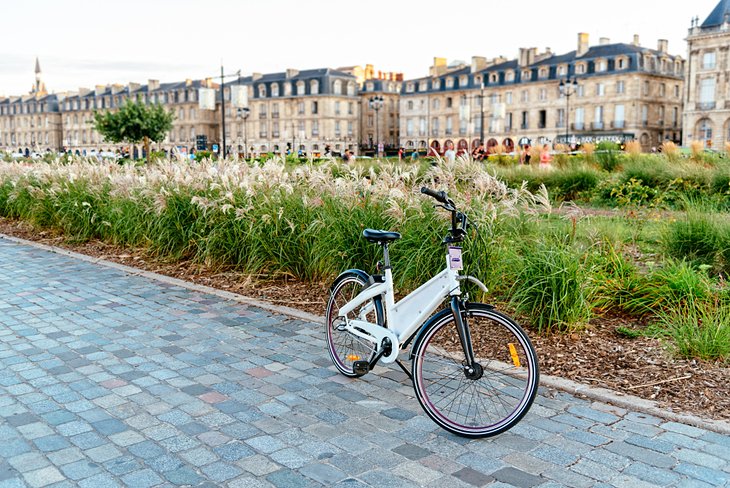
The Bordeaux region boasts some of the most attractive scenery in France: vine-covered rolling hills, grandiose castles, and quaint historic villages. Cyclists may plan their own self-guided route or use a tour company to choose a cycling itinerary.
A favorite cycling route from Bordeaux is the Roger Lapébie bike path in the Entre-deux-Mer region, an area appreciated for its lush natural landscape. Part of this route runs along the tranquil tree-lined Canal de Deux Mers. After about 20 kilometers from Bordeaux, the Roger Lapébie path leads to Créon, an interesting medieval town that was once entirely fortified.
Another popular bike route is the 50-kilometer ride from Bordeaux to Saint-Émilion, a picturesque medieval village that is designated on the UNESCO World Heritage List because of its historic monasteries and churches.
Travelers should also save time to explore the many attractions of Bordeaux, a UNESCO-listed city that boasts over 300 listed Historic Monuments.
A captivating old castle awaits at the end of the 45-kilometer route from Bordeaux to the Château de Rauzan. This medieval fortified castle dates to the 13th century and was renovated over the centuries. The Château de Rauzan is open to the public for visits, including access to the tower, which affords superb views of the village and rural landscape.
Shorter rides in the Bordeaux region include the six-kilometer route from Bordeaux to Pessac, where visitors can admire Le Corbusier architecture, and the 29-kilometer route from Bordeaux to Margaux, a village known for its gastronomy.
Experience a Candlelit Evening at Château Vaux-le-Vicomte
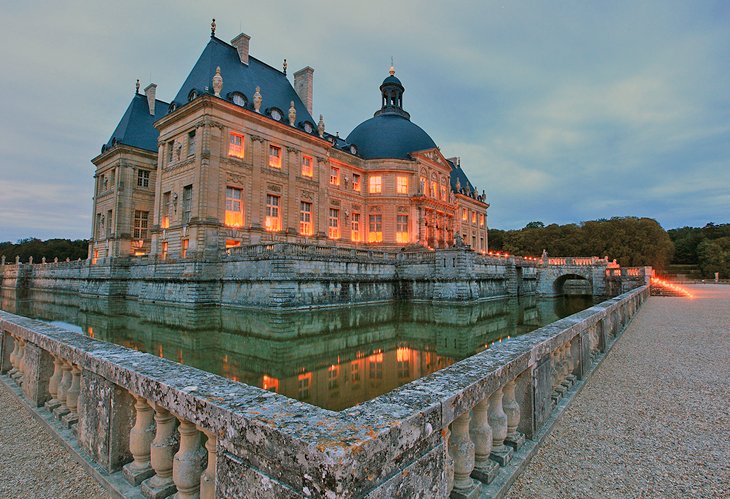
Spend a magical summer evening at the Château de Vaux-le-Vicomte, less than an hour away from Paris by train and shuttle. This listed Historic Monument is a masterpiece of 17th-century architecture created by Louis Le Vau for Nicolas Fouquet, Superintendent of Finance to Louis XIV.
The château is especially renowned for its grounds that were landscaped by André Le Nôtre. With its geometric proportions, harmonious layout, and dozens of fountains, the château's 33-hectare gardens represent the first Jardin à la française (French formal garden), which became popular in Europe during the 17th century.
On Saturday nights from mid-May through October 1st (and Fridays from early July through August), thousands of candles illuminate the château and gardens for the "Soirées aux Chandelles" (Candlelit Evenings), capturing the ambience of a legendary fête that was held at the château on August 17, 1661. This soirée is a wondrous experience that immerses visitors in the romance of the Grand Siècle.
Two fine-dining restaurants, Les Charmilles (only open on Candlelit Evenings) and Jean de La Fontaine's Table, allow guests to take in the dreamy scene while enjoying a gourmet meal. Candlelit Evenings begin at 7pm and conclude at midnight; fireworks take place at 11pm.
Be Inspired at the Chartres Cathedral Organ Festival
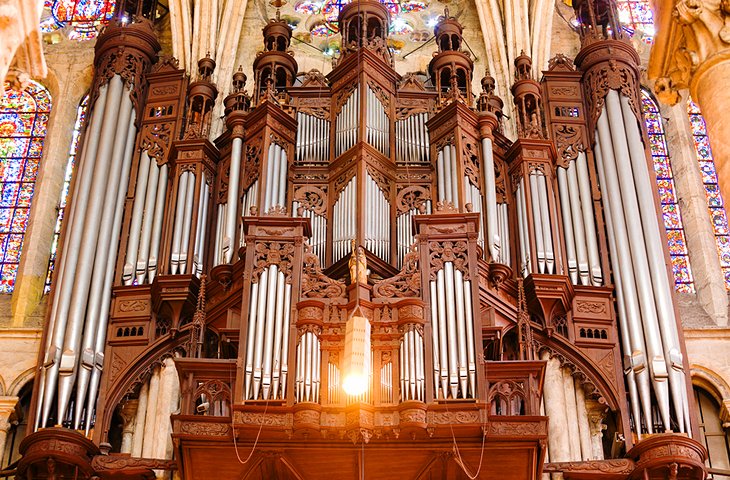
During the Festival International d'Orgue (International Organ Festival) organ concerts, the Chartres Cathedral's renowned pipe organ brings inspiring sounds of sacred Christian music to the sublime sanctuary.
Concerts take place on Sunday afternoons (at 4:30pm) in July and August. With a diverse repertoire and performers from all over the world, the festival offers sensational organ music from various centuries and musical movements.
The Association Grandes Orgues de Chartres also hosts Les Soirées Estivales (Summer Soirees), free organ concerts on Thursday evenings (at 9pm) in July and August at Chartres Cathedral.

Relax at a Beautiful Beach Resort
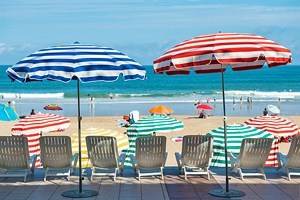
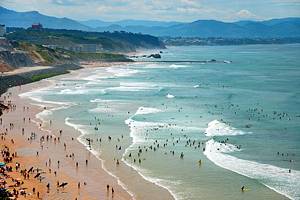
Beach lovers can choose from an incredible variety of seaside destinations in France. Thanks to its hexagonal shape, the country boasts beautiful shores along three different coastlines: the Mediterranean Sea, the Atlantic Ocean, and the English Channel.
With so many top beach resorts in France, there is something for everyone. Travelers can plan luxurious vacations at fashionable resort towns, fun-loving holidays focused on outdoor activities, or relaxing getaways at unspoiled nature sites.
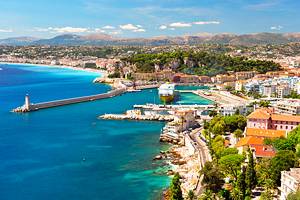
For glitz and glamour, the French Riviera is the place to go. This gorgeous stretch of Mediterranean coastline is known as the Côte d'Azur ("Coast of Blue") because of its dreamy azure waters.
Highlights include sun-drenched Saint-Tropez, the expansive sandy shores of Antibes-Juan-les-Pins, and the private beach clubs of Cannes.
Southern France also has wonderful beaches outside of the French Riviera, on the Atlantic Coast. beach destinations in the South of France include the Plage de l'Espiguette (near Montpellier); a protected nature reserve of pristine sand dunes and a wide sandy shore; and the aristocratic resort of Biarritz, a go-to for surfers and discerning holiday-goers.
Those seeking a refined beach vacation will appreciate the Belle Époque seaside resorts along the English Channel in Northern France. Deauville and Trouville on the Côte Fleurie in Normandy are prized for their sandy beaches, old-fashioned boardwalks, and cultural events.
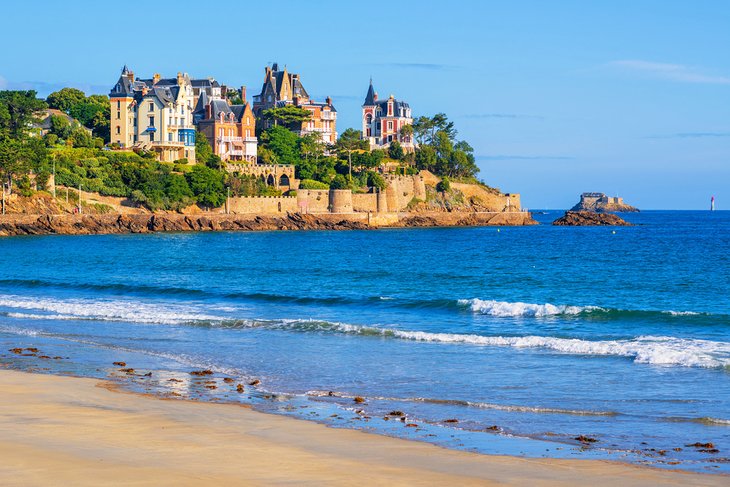
Another elegant Belle Époque resort, Dinard, on the Emerald Coast of Brittany dazzles visitors with its fancy oceanfront villas and sublime sandy beaches.
Enjoy Summer Outdoor Performances in Haut-Vaucluse
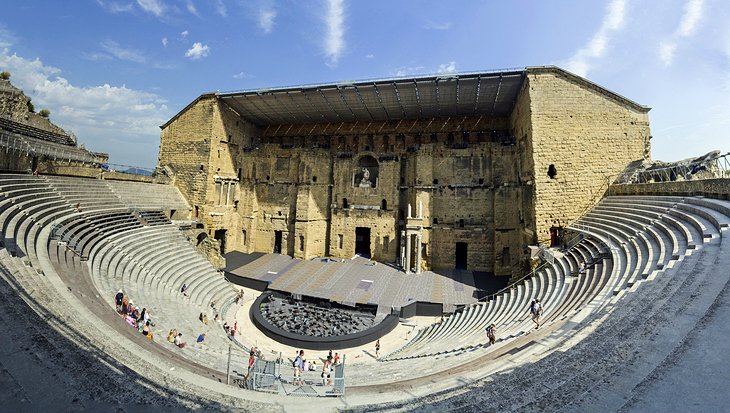
During summertime, the balmy evening weather of Provence's Haut-Vaucluse area makes it an inviting place for outdoor events. Adding to the magical ambience are wide-open spaces, starry nights, and the distinctive lulling song of cicadas.
In the ancient town of Orange, the UNESCO-listed Théâtre Antique d'Orange is the venue for a prestigious music festival called Les Chorégies d'Orange. Held from the end of June through early August, the festival presents classical operas and symphony performances, as well as more contemporary music concerts. Balmy evening weather and starry night skies add to the ambience.
Ancient Theater Week in Vaison-la-Romaine is another exceptional event held at an ancient theater, Théâtre du Nymphée, in July. Performances include comedies and tragedies of antiquity, such as the works of Sophocles, Aeschylus, and Ovid. The festival allows visitors to imagine the everyday life of the people who lived here in the 1st-century CE, when it was a wealthy town.
During three weeks in July, the Vaison Danses festival presents ballet, jazz, hip-hop, and modern dance performances at the Théâtre Antique (ancient Roman theater) and other venues in Vaison-la-Romaine.
The Théâtre Antique in Vaison-la-Romaine also hosts Les Choralies, a 10-day music festival in early August; the festival includes choir performances and other choral music concerts.
Commune with Nature in the Auvergne Region
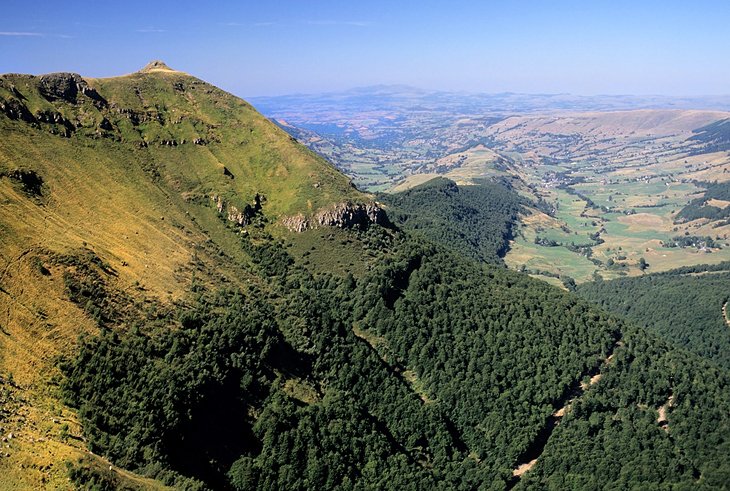
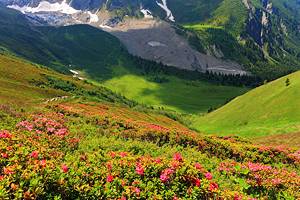
Many French vacationers come to Auvergne for an escape to nature. The peaceful environment and gorgeous scenery inspire relaxation and outdoor adventures. Highlights include two of France's largest regional parks.
The Regional Park of Volcans d'Auvergne offers plenty of things to do for outdoor enthusiasts. This is one of the best places to visit in France to go hiking, cycling, and horseback riding.
Fishing is also possible in the park's freshwater rivers and streams. On the serene Lake Aydat, swimming and boating are favorite summertime sports.
The Regional Park of Livradois-Forez, with its amazing biodiversity, also abounds with opportunities for bird-watching, nature walks, and hiking.
Auvergne also has many summertime events, such as the Concerts de Vollore classical music performances, the International Street Theatre Festival in August, and the Fêtes Renaissance du Roi de l'Oiseau (King of the Bird Renaissance Festival) in September.
Whether staying in a town or in the countryside, visitors can enjoy a vacation of outdoor activities along with the cultural happenings.
Shop at the Colorful Markets of Aix-en-Provence
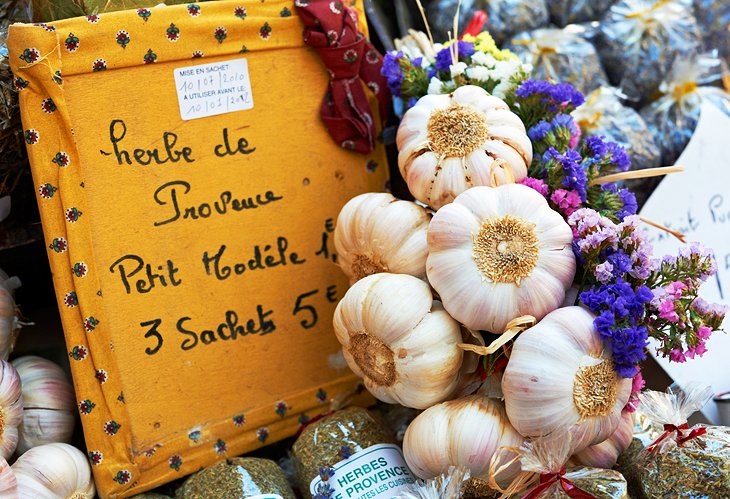
Soak up the colorful local culture of Provence at the open-air markets of Aix-en-Provence. Every Tuesday, Thursday, and Saturday morning, the Marché aux Fleurs (Flower Market) fills the Place de l'Hôtel de Ville with stalls of vibrant blossoms.
Le Grand Marché (Large Market) is a typical Provençal market held in two places on Tuesday, Thursday, and Saturday mornings: At the Place des Prêcheurs, vendors sell fruits, vegetables, and artisanal food products, while the Place de Verdun hosts the antiques market, which also includes furnishings, books, and clothes.
A traditional farmers market is held every day at the shaded square of Place Richelme. Here, locals shop for their groceries, such as fresh produce, cheese, olive oil, and fish, to prepare daily meals. Many tourists take home gift boxes of calissons d'Aix, a specialty of Aix-en-Provence: little almond candies shaped like diamonds.
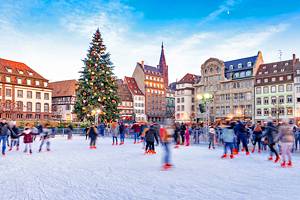
From mid-November through December, the Marché de Noël (Christmas Market) enlivens the city with holiday festivities, decorations, and shopping. The Cours Mirabeau is beautifully illuminated and lined with "chalets" selling handcrafted artisanal gift items, local treats like Brioche des Rois (Kings' Cake), beignets (donuts) and gaufres (waffles), and warming beverages such as hot cider.
Attend the Summer Festival in Carcassonne
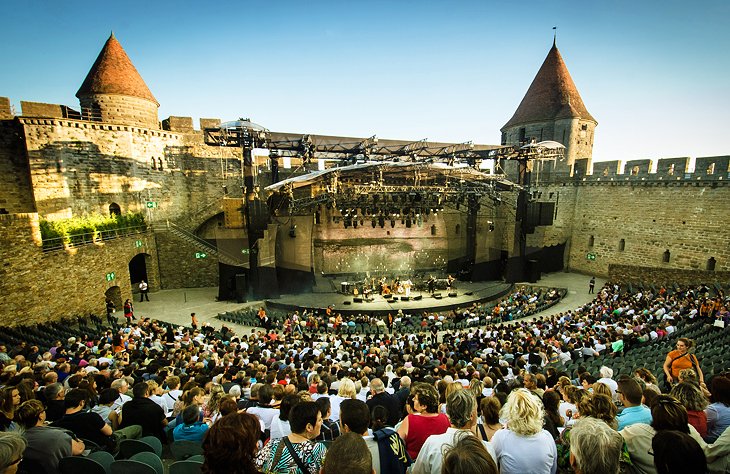
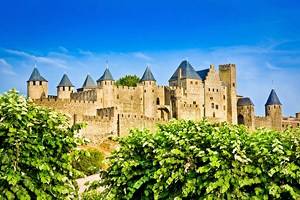
The fairy-tale medieval city of Carcassonne becomes part of the modern world every year from the end of June through August, during the Festival de Carcassonne. This acclaimed festival presents a diverse program of performances by renowned French and international artists, including classical music, opera, jazz, rock, and folk music, as well as dance and theater.
The festival uses several open-air venues such as the Jean Deschamps Theater, the Place Carnot within the ancient ramparts, and the 13th-century Château Comtal. Audiences will enjoy being entertained in outdoor theaters under the starry night skies.

Go Sailing in Saint-Tropez
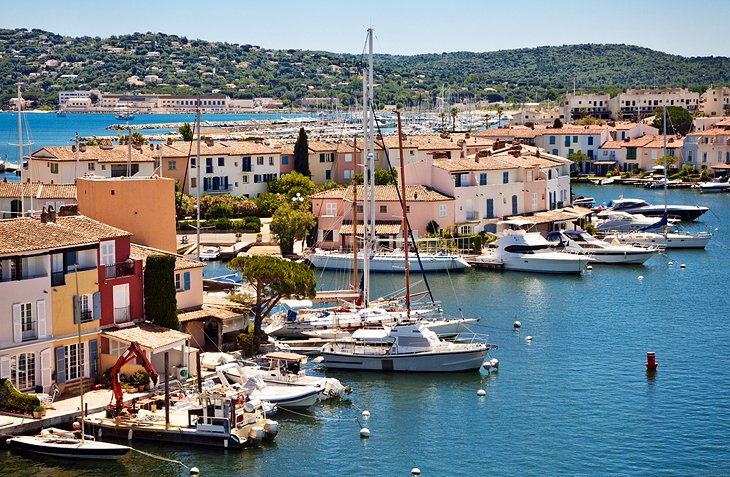
Although this glitzy French Riviera resort is famous for its harbor filled with private yachts, anyone can go sailing on the Mediterranean. It's an exhilarating experience, breathing in the salty sea air while admiring the deep sea blues.
Many local companies in Saint-Tropez charter or rent motor boats, sailboats, and yachts for the day, week, or longer. Several boating companies are found at the Vieux Port (Old Port) and the Marines de Cogolin (marina).
Attend the Cannes Film Festival
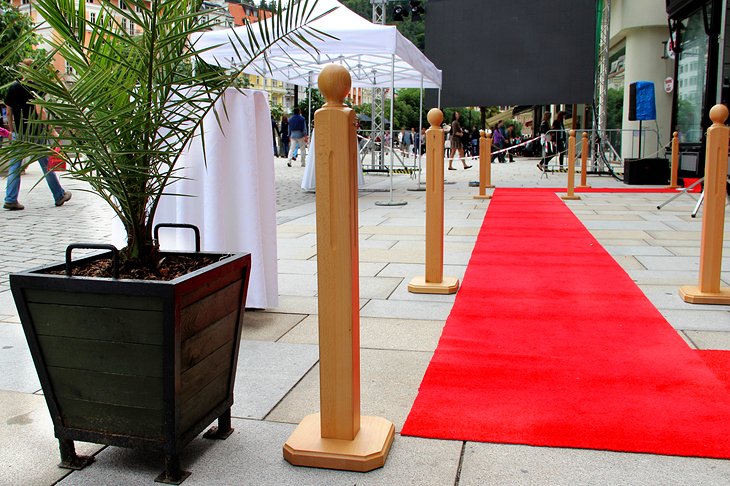
The Cannes Film Festival in May is an exciting event for anyone who loves the cinema and the glamour of film stars. This glittering festival is one of the most popular tourist attractions on the Côte d'Azur.
Filmmakers, movie stars, and paparazzi are all in attendance, and crowds of enthusiastic fans arrive in Cannes to check out the red-carpet scene. The Festival de Cannes is also known for supporting and recognizing high-caliber films.
Address: Palais des Festivals et des Congrès, 1 boulevard La Croisette, Cannes
Ski in the French Alps
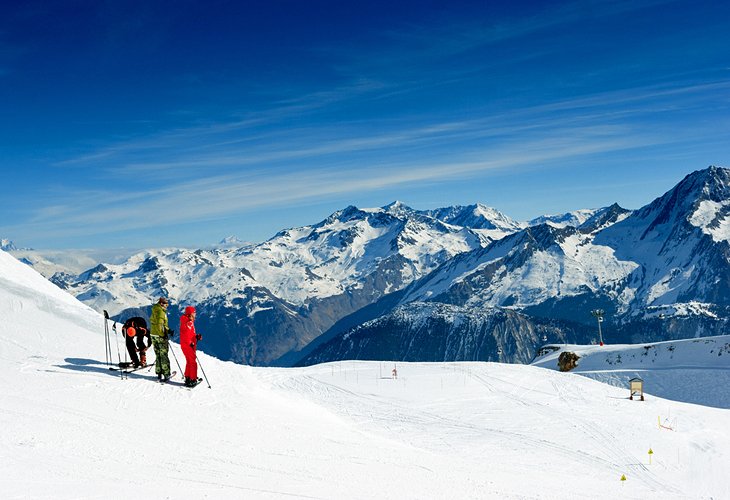
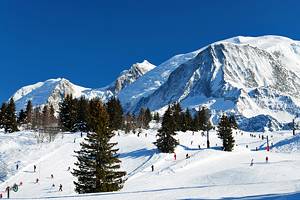
A winter wonderland of powdery snow on bright sunny days and spectacular Alpine scenery, the French Alps is one of the best skiing destinations in the world.
This magnificent corner of France is appreciated for its quaint mountain villages, rustic Alpine charm, and superb ski conditions.
The first Winter Olympics took place at Chamonix-Mont Blanc, and since then, the epic mountain peaks of the Alps have been renowned for their challenging slopes. The wide variety of ski runs and top-notch resort facilities make the French Alps a world-class skiing destination.
The legendary ski resort of Chamonix-Mont Blanc has a wide range of slopes, plus the village of Chamonix is an inviting place to stay.
Val d'Isère draws crowds because of its expansive 300 kilometers of ski terrain and atmospheric village featuring many restaurants.
Les Trois Vallées is the world's largest ski area with 600 kilometers of ski runs, including the exclusive Courchevel resort and the quaint alpine village of Méribel.
Some of the best ski resorts in France are found at the Portes du Soleil ski domain; the best known is Morzine-Avoriaz. Cozy little chalets and rustic lodges in the village of Morzine are the perfect accommodations for a ski holiday.
Study Art at Monet's Gardens in Giverny
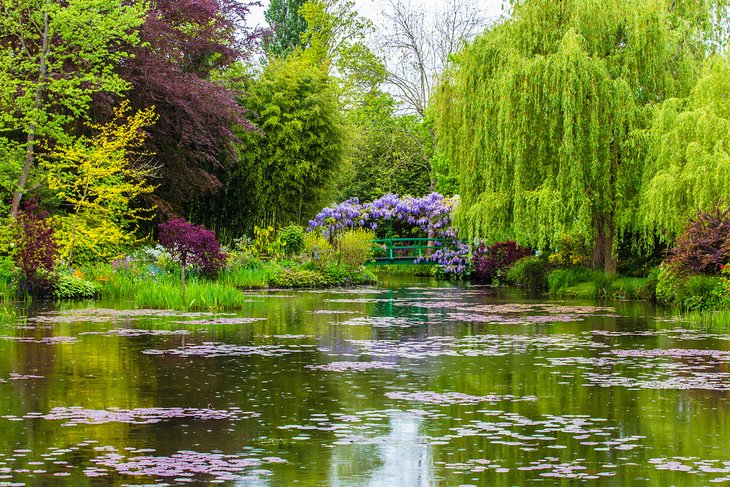
Travelers with an artistic bent will find endless inspiration at Monet's Garden in Giverny.
At this splendid location in the bucolic Normandy region, ArtStudy Giverny offers retreats for small groups of artists and photographers. The painting workshops are led by acclaimed artists, including Gale Bennett, an internationally renowned painter.
Participants have the chance to paint "en plein air" (outdoors) at the sites where famous Impressionists have painted. Retreats are available as eight-day or 11-day sessions, which include instruction and lodging in the village of Giverny.
The best time to take a class is during May and June, when the blossoms of Monet's Garden are in full bloom.
Listen to Jazz Music at a Paris Club
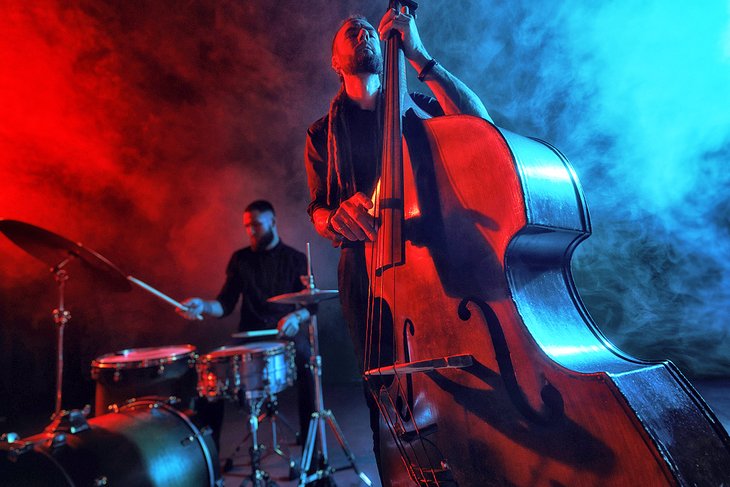
The Paris jazz scene boasts a mythical heritage. With its sophisticated café society and hidden clubs in the Saint-Germain-des-Prés quarter, the City of Light has nourished and celebrated jazz musicians for decades. Several jazz legends rose to fame after performing in Paris.
Duke Ellington's first visit to Paris was in 1933 when his orchestra delighted Parisian audiences with joyful and jazzy dance music. In May 1949, Miles Davis made a name for himself when he performed at the Festival International de Jazz in Paris, and he continued to perform in Paris periodically over the next 40 years.
Today, the city is still a hub for high-caliber jazz. Some of the most well-known Paris jazz clubs include Le Baiser Salé (58 Rue des Lombards) and Le Duc des Lombards (42 Rue des Lombards), both near the Châtelet Métro station. Jazz Café Montparnasse (13 Rue du Commandant René Mouchotte) presents jazz concerts in a cozy café and also hosts dinner & concert events, and the Jazz Club Etoile (81 Bd Gouvion-Saint-Cyr) has been a renowned venue since 1975.
Le Barbizon (141 Rue de Tolbiac) is a cinema/cultural center with a restaurant in the 13th arrondissement that presents jazz concerts on occasion.
In the trendy Marais quarter, La Cave du 38 RIV (38 Rue de Rivoli) packs a surprising number of seats into a small space that is actually a basement cave. This atmospheric venue has an authentic jazz club feel.
The refined Café Laurent (33 Rue Dauphine) in the Saint-Germain-des-Prés quarter dates to the 17th century and became a gathering place for jazz music fans after the Second World War. Café Laurent hosts jazz concerts every evening Monday through Saturday, and serves snacks and refreshments.
An intimate venue in the Latin Quarter, the Caveau de la Huchette (5 Rue de la Huchette) provides a stage for top-notch jazz musicians. Locals and tourists alike enjoy the performances at this happening club.
To learn more about the history of jazz in Paris, visit the Musée de la Musique at the Cité de la Musique (221 Avenue Jean-Jaurès).
Soak in Healing Waters at a Thermal Spa
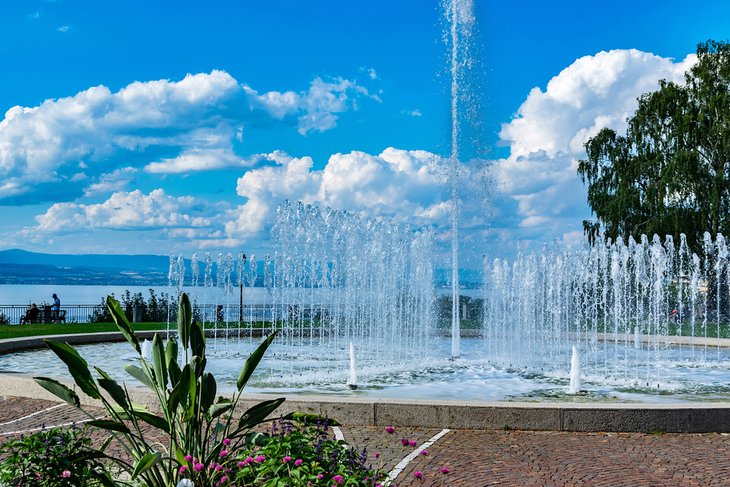
Pristine rivers and rushing waterfalls traverse the Pyrenees mountains in France, where fresh mineral water provides the source for thermal spa resorts. that are among the Pyrenees' top attractions.
During the Belle Époque, several towns became famous for their mineral water baths and developed into flourishing resort towns. Today these historic spa resorts still welcome visitors in search of therapeutic spa treatments and relaxation.
In the high-mountain town of Cauterets, the fashionable 19th-century spa resort Les Bains du Rocher invites visitors to indulge in rejuvenating thermal baths and participate in aquatic fitness activities and other exercise programs.
The town of Luz Saint-Sauveur has a modern spa facility, Luzéa, which features thermal baths, hydrotherapy treatments, fitness classes, a hammam, a sauna, and spectacular mountain views.
The French Alps region is another area of France brimming with historic spa towns such as Aix-les-Bains on the Lac du Bourget; Evian-les-Bains and Thonon-les-Bains, spa towns on the shores of Lake Geneva; and Saint-Gervais-les-Bains, a Belle Époque spa town in the foothills of the French Alps.
Admire the Flowers in Alsace's Villages Fleuris
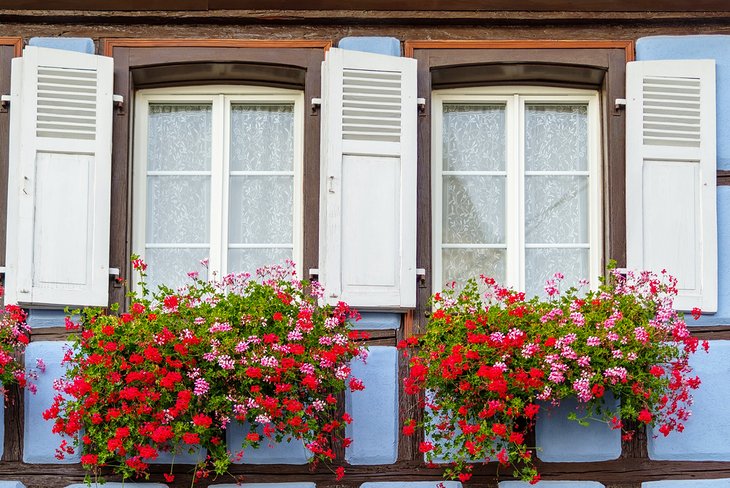
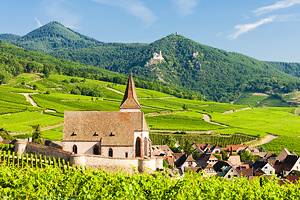
Springtime brings warmer days, more sunshine, and cheerful flower blossoms to the villages of the Alsace region. The quaint villages burst with floral adornments, such as hanging potted flowers and colorful geraniums that bloom from the windowsills of half-timbered houses.
The villages with the best floral décor are awarded the label of "Village Fleurie" (Flowering Village) and are given a rating of 1, 2, 3, or 4 flowers. Some of these lovely villages are also listed among the "Plus Beaux Villages de France" (Most Beautiful Villages of France).
One of the prettiest Alsatian villages, Ribeauvillé is labeled as a four-flower Village Fleurie, and Eguisheim has been awarded the "Grand Prix National du Fleurissement," France's grand prize of floral embellishments.
The picture-perfect town of Colmar, with its 13th-century landmarks and lovely canals, has also earned the "Ville Fleurie" label.
Dine at a Michelin-Starred Restaurant
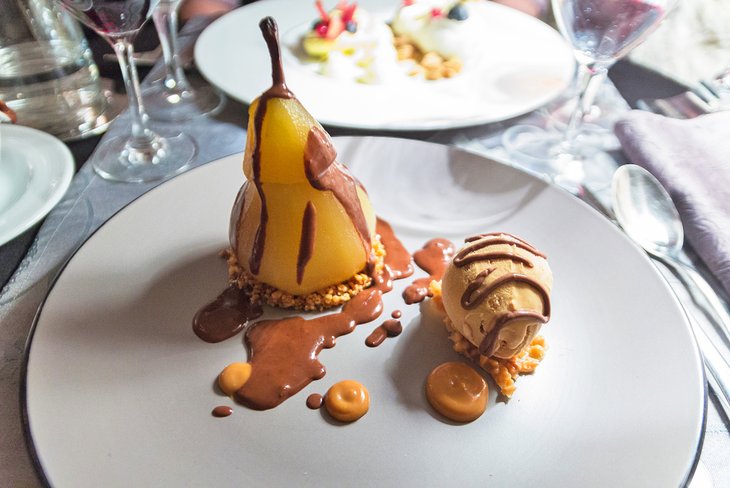
Dining at a Michelin-starred restaurant epitomizes haute cuisine in a country renowned for its gastronomy. For the ultimate experience, set aside several hours on your vacation to try a restaurant with three Michelin stars.
France has 31 restaurants with three Michelin stars. For tourists in Paris, a few of the highlights include the Napoleon III dining room of Le Pré Catelan in the dreamy Bois de Boulogne park, Alléno Paris au Pavillon Ledoyen in the Champs-Élysées gardens, Guy Savoy in a historic building on the Seine River banks, and Épicure in a classical French dining room that looks out onto a lovely garden at Le Bristol Paris hotel.
Outside of Paris, restaurants with three Michelin stars are scattered throughout France. Some are near top tourist attractions, such as Christopher Coutanceau, overlooking the bay and near the Vieux Port in La Rochelle. L'Oustau de Baumanière is located at the Relais & Châteaux Baumanière les Baux-de-Provence in the countryside, near the medieval perched town of Les Baux-de-Provence.
Le Petit Nice is known for exquisite seafood and bouillabaisse in Marseilles, and La Villa Madie, a seaside Mediterranean restaurant in the historic fishing village of Cassis, one of the top day trips from Marseilles.