15 Top-Rated Tourist Attractions in Hobart
Australia's most southerly city, Hobart snuggles at the foot of kunanyi/Mount Wellington along the estuary of the Derwent River. With such a beautiful setting, it's hard to believe this vibrant capital of Tasmania was once a brutal penal colony. But today, the city embraces its rich history and culture, and its handsome convict-built architecture and fascinating museums and galleries are some of the city's top tourist attractions.
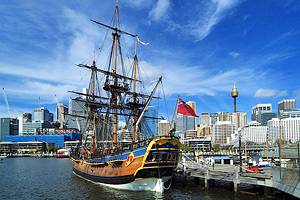
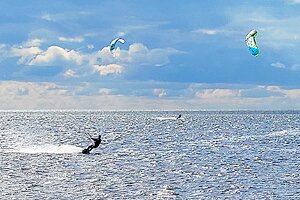
Thanks to its deep-water harbor, Hobart also possesses a rich seafaring tradition. Sailing is still a popular pastime, and the city is the end point for the iconic summertime Sydney to Hobart Yacht Race. Year-round, visitors and locals flock to the waterfront to feast on fresh seafood and gaze out at the yachts bristling in the harbor.
Find the best places to visit in this friendly state capital, with our list of the top attractions and things to do in Hobart, Tasmania.
See also: Where to Stay in Hobart
- 1. See the View from the Summit of kunanyi / Mount Wellington
- 2. Salamanca Place & Salamanca Market
- 3. Take a Day Trip to Port Arthur
- 4. MONA: Museum of Old and New Art
- 5. Stroll along the Battery Point Sculpture Trail
- 6. Wander around the Royal Tasmanian Botanical Gardens
- 7. Mawson's Huts Replica Museum
- 8. Hobart Convict Penitentiary
- 9. Tasmanian Museum and Art Gallery
- 10. Book a Bruny Island Day Trip
- 11. North Hobart's Restaurant Strip and Runnymede
- 12. Tasman Bridge
- 13. St. David's Cathedral
- 14. Buy Fresh Produce at Farm Gate Market
- 15. Attend a Performance at the Theatre Royal
- Where to Stay in Hobart for Sightseeing
- Map of Attractions & Things to Do in Hobart
- Hobart, Australia - Climate Chart
1. See the View from the Summit of kunanyi / Mount Wellington
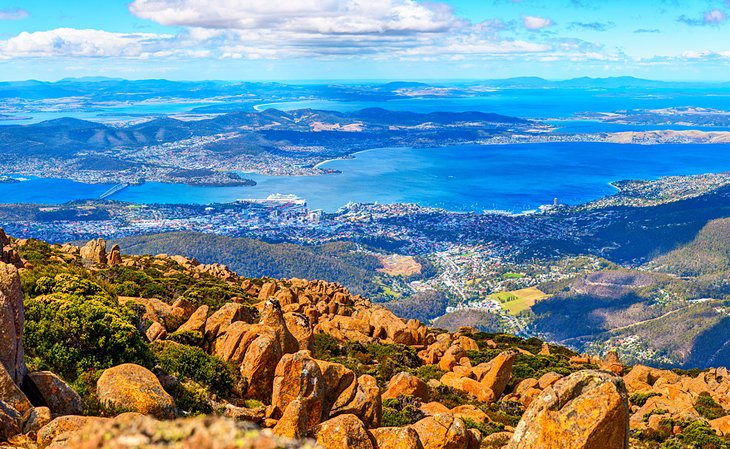
Often dusted with snow, even in summer, 1,270-meter-high kunanyi / Mount Wellington undulates to the west of Hobart like a gentle slumbering giant. It hints at the rugged wilderness that lies beyond this cultured capital. (Tasmania's dual naming policy also recognizes the Aboriginal word for the mountain, "kunanyi.")
A narrow 21-kilometer mountain road winds its way up to the summit from the Huon Highway through temperate rainforest and subalpine scenery. At the Pinnacle, you can browse old photographs in the observation shelter and enjoy breathtaking views over the city, the sea, and the stunning World Heritage wilderness in the distance.
A striking feature of the mountain is the Organ Pipes, a cliff of dolerite columns and a famous rock-climbing venue. A walk from the Springs to Sphinx Rock on the way up to the Pinnacle offers impressive views of these shard-like rock formations. Bushwalking trails cater to all abilities, and you can follow the safe boardwalks to the very edge of the precipitous escarpment. It's a good idea to bring warm clothes for protection against frequent icy winds and changing weather.
Mountain bikers love to zoom all the way to the bottom from the peak. But if you'd rather stick to four-wheel transport, consider signing up for a Mount Wellington tour from Hobart. This two-hour excursion includes hotel pickup and informative narration from an expert guide as you pass by top sights along the way, including Battery Point and the Cascade Valley.
Official site: http://www.wellingtonpark.org.au/
2. Salamanca Place & Salamanca Market
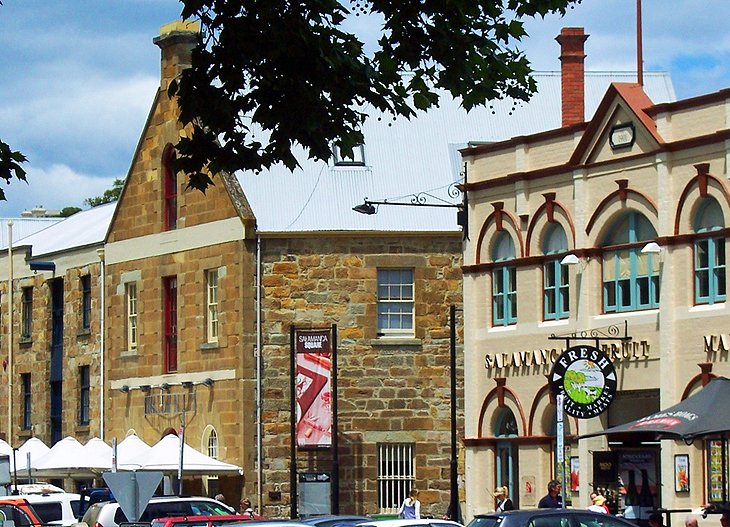
Built between 1835 and 1860 on Sullivan's Cove, the historic sandstone buildings of Salamanca Place ooze heritage charm. Once the commercial hub of old Hobart, this cobblestone strip is now a tourist hot spot.
From Battery Point, descend Kelly Steps to this busy precinct, where cafés, restaurants, antique dealers, and shops grace the old Georgian warehouses. The Salamanca Arts Centre is a cultural hub, with galleries, performing arts venues, and artists' studios.
One of the most popular attractions in Salamanca Place is the Saturday Salamanca Markets. More than 300 vendors sell everything from handcrafted woodwork and jewelry to ceramics, glassware, and fresh fruit and vegetables. Shoppers who are looking for things to do in Hobart on Sunday should also head to Farm Gate Market on Bathurst Street, where you'll find the best variety of farm-fresh Tasmanian produce.
Feasting on fresh fish and chips at nearby Constitution Dock is a favorite pastime in the city, and in the first week of January, tourists throng here after the annual Sydney to Hobart Yacht Race.
Adjacent to Salamanca Place, Parliament House, originally built by convict labor in 1835 to 1840, welcomes visitors to the gallery when Parliament is in session.
If you're staying downtown and looking for things to do in Hobart without a car, these attractions are easy to walk to from most city hotels.
Official site: http://www.salamanca.com.au/
3. Take a Day Trip to Port Arthur
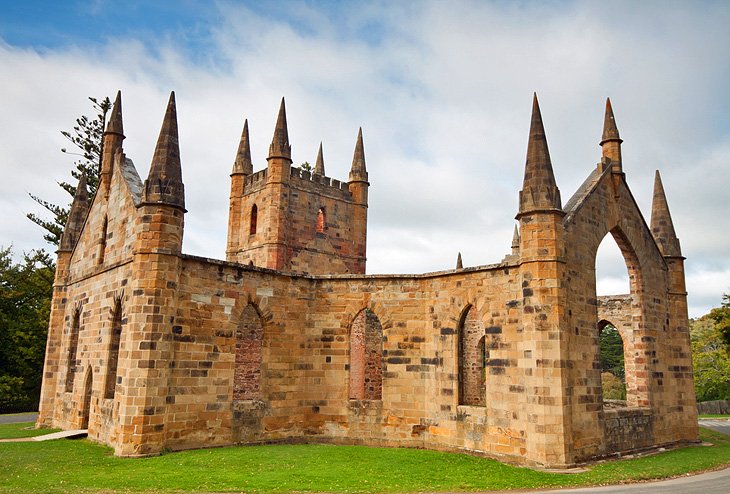
The brutal penal colony history of World Heritage-listed Port Arthur seems strangely at odds with its stunning location on the tip of the Tasman Peninsular. In 1830, Governor Sir George Arthur founded this settlement where Tasmania's most infamous convicts were sentenced to backbreaking labor.
Today, visiting Port Arthur, about 95 kilometers southeast of Hobart, is one of the top things to do in Tasmania and a poignant reminder of the hardships of convict life. You can tour the guard tower, sandstone church, hospital, prison, and museum. At night, the lantern-lit ghost tours are sure to send a chill down your spine.
Nearby, Tasman National Park is a welcome diversion from Port Arthur's bleak history, with soaring dolerite cliffs, spectacular rock formations, and secluded coves.
You can learn about the history of this important World Heritage Site and soak up the surrounding natural beauty on a Port Arthur tour from Hobart. This eight-hour excursion includes transport from Hobart to Port Arthur and back; a stop at the historic town of Richmond; a guided tour of Port Arthur; and a 30-minute cruise around Carnarvon Bay, where you can view the breathtaking coastline of Tasman National Park from the water.
Official site: http://portarthur.org.au/
4. MONA: Museum of Old and New Art
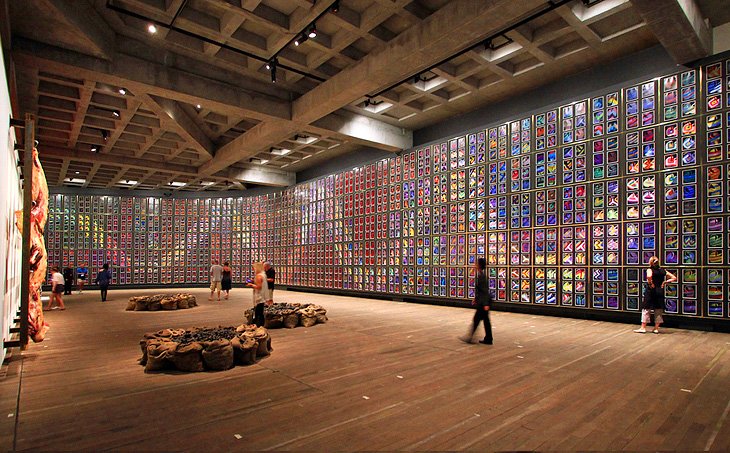
Opened in 2011, the Museum of Old and New Art (MONA) is one of Hobart's most talked-about attractions. This provocative private collection of modern art and antiquities is housed underground and offers interactive interpretation through portable touch screen devices.
Described as a "subversive adult Disneyland," the gallery displays confronting works of art, ranging from an Egyptian sarcophagus to a machine that turns food into brown goo.
Among the many facilities here are a chic restaurant, entertainment venues, a library, cinema, and contemporary accommodations.
The most enjoyable way to access the museum is aboard a high-speed ferry from Hobart's waterfront; the 30-minute cruise up the Derwent River will take you right to the museum's steps.
Address: 655 Main Road, Berriedale, Hobart, Tasmania
Official site: http://www.mona.net.au/
5. Stroll along the Battery Point Sculpture Trail
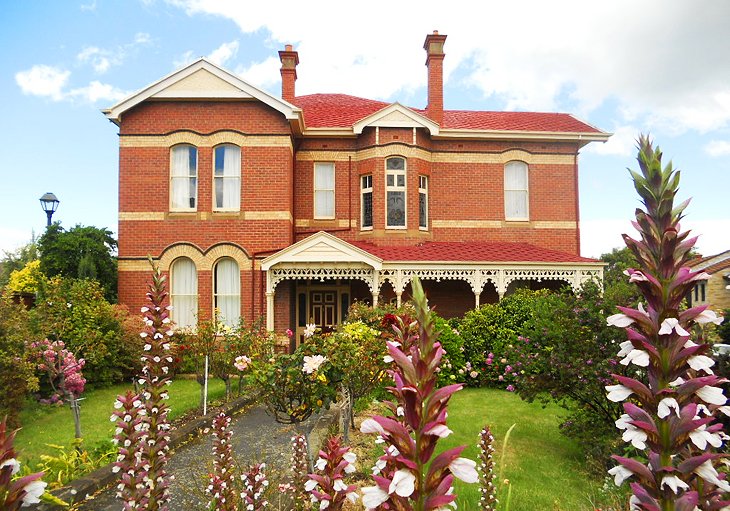
The old harbor quarter of Battery Point is like an open-air museum. You can explore its fascinating history and beautiful convict-built architecture on the two-kilometer Battery Point Sculpture Trail. Named after a gun battery that once occupied the promontory, this charming seaside Hobart suburb is lined with quaint 19th-century cottages, boutique hotels, and restaurants.
Begin your tour at Salamanca Place. As you stroll along this scenic route, look for the nine sculptures, which are actually numbers linked to a story about each historic attraction, referring to either a date, quantity, weight, or distance.
Highlights of the area include Lenna House, a heritage-listed sandstone mansion, which is now the luxury Lenna of Hobart hotel; waterfront Princes Park, site of the original battery; the Narryna Heritage Museum; and the mid-19th-century cottages around Arthur Circus.
The Neoclassical St. George's Anglican Church here, dating from 1836, was built by two of Tasmania's most prominent colonial architects, John Lee Archer and James Blackburn.
The entire tour takes less than two hours, depending on how long you linger at the attractions along the way. Top off your stroll with a treat at one of the cafés in the delightful Battery Point Village.
6. Wander around the Royal Tasmanian Botanical Gardens
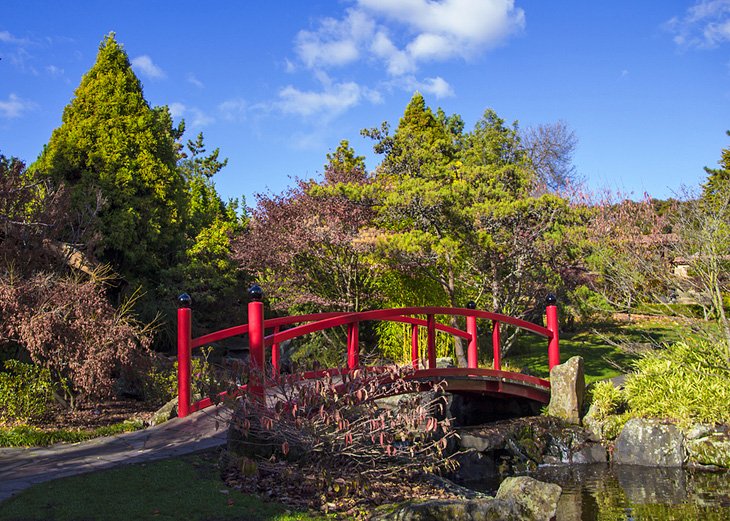
Strolling around the Royal Tasmanian Botanical Gardens is one of the best free things to do in Hobart. Set on a hill, with glimpses of the Derwent River, these beautiful cool-climate gardens were originally laid out in 1818, and they change with the seasons, displaying a kaleidoscope of colors, especially in the fall.
A highlight are the tranquil Japanese gardens, but you'll find everything here, including native and exotic plants. Other popular collections include a Tasmanian fernery, and you can also explore a subantarctic plant house, conservatory, fuchsia house, vegetable patch, and lily pond.
Looking for things to do in Hobart with the family? Plan a picnic in these beautiful gardens. The kids can run wild on the lush lawns.
Walking tours of the gardens depart each day at 11am and share fascinating details about the garden's history and highlights. After strolling through the gardens, save time to enjoy Devonshire tea at the café.
Address: Queens Domain, Hobart, Tasmania
Official site: http://gardens.rtbg.tas.gov.au/
7. Mawson's Huts Replica Museum
Wondering about unique things to do in Hobart? Head to Mawson's Huts Replica Museum. Opposite Constitution Dock, this popular attraction offers a fascinating look at the living conditions of Australia's intrepid early Antarctic explorers. Heritage architects and builders painstakingly replicated the original snow-covered huts in Antarctica used on the 1911 to 1914 expedition led by Douglas Mawson, which departed mere steps from this museum.
Inside the huts, you can see and feel what it must have been like to live in these close quarters accompanied by the sound of howling winds. You can also view artifacts from the actual expedition, as well as examples of equipment that would have been used at the time.
The museum also provides background information on each of the explorers, how they lived and died, and the historical footage, and many photographs and handwritten notes flesh out their stories and bring the harsh conditions to life.
The friendly volunteer staff are happy to answer questions and share stories about the expedition. Admission fees go directly into preserving these historic huts, which still stand in the Antarctic.
Address: Corner of Morrison and Argyle Streets, Hobart, Tasmania
Official site: http://www.mawsons-huts-replica.org.au/
8. Hobart Convict Penitentiary
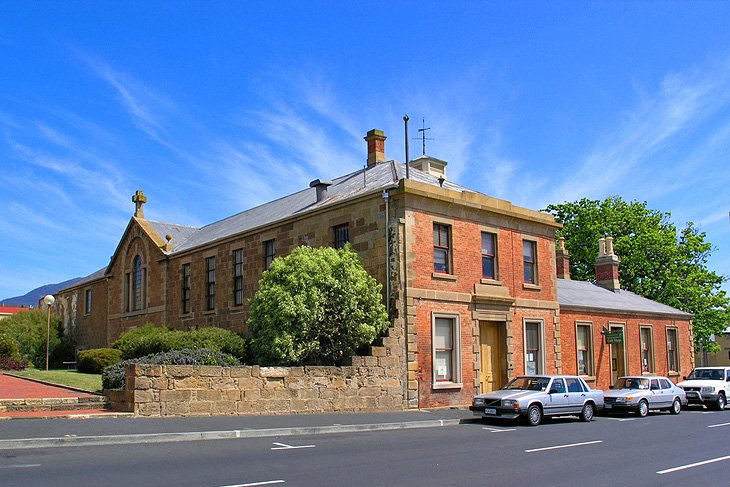
The Hobart Convict Penitentiary, with a chapel built by esteemed Irish-born architect John Lee Archer in 1831, provides a poignant snapshot of convict life. In 1860, two wings of the Penitentiary were converted into the criminal courts and used through to 1983.
Today, you can join an excellent guided tour of the courtrooms, cells, execution court, and well-preserved little chapel. You can also watch a short film on the brutality of convict life called Pandemonium, which is projected onto the walls of the Penitentiary Chapel.
Better still, if you're looking for things to do in Hobart at night, sign up for the spooky one-hour evening ghost tour. The excellent guides here bring Hobart's fascinating convict history to life.
Address: Corner of Brisbane and Campbell Streets, Hobart, Tasmania
Official site: https://nationaltrusttas.rezdy.com/catalog/44174/hobart-convict-penitentiary
9. Tasmanian Museum and Art Gallery
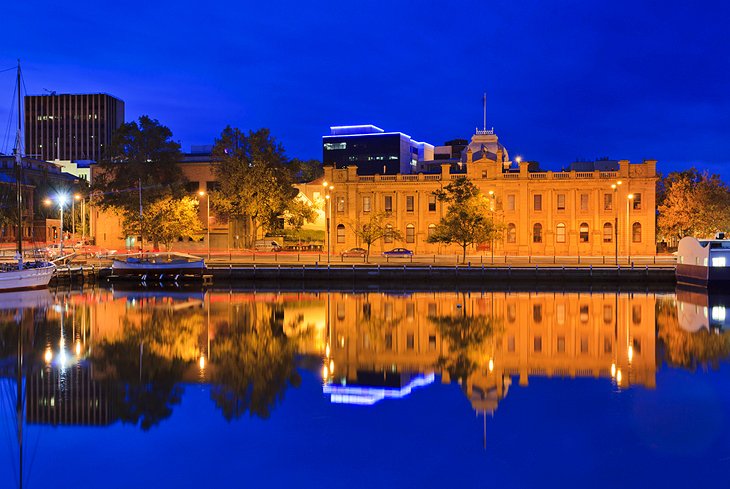
Encompassing the state's oldest public building, the 1808 Commissariat Provision, the Tasmanian Museum and Art Gallery offers a more traditional counterpoint to the cutting-edge MONA. It's one of the top Hobart attractions for families and a great one-stop dose of Aboriginal and convict heritage, natural history, and art.
Of particular interest are the displays on the history of seafaring and whaling in the Southern Hemisphere and the fascinating details about the extinct Tasmanian tiger.
The museum presents interactive child-friendly exhibits, and the gallery spotlights Tasmanian art, from colonial times to the present. Finding a dose of inspiration here in the cozy warmth is one of the best things to do in Hobart in winter on a cold, rainy day.
Address: Dunn Place, Hobart, Tasmania
Official site: http://www.tmag.tas.gov.au/
10. Book a Bruny Island Day Trip
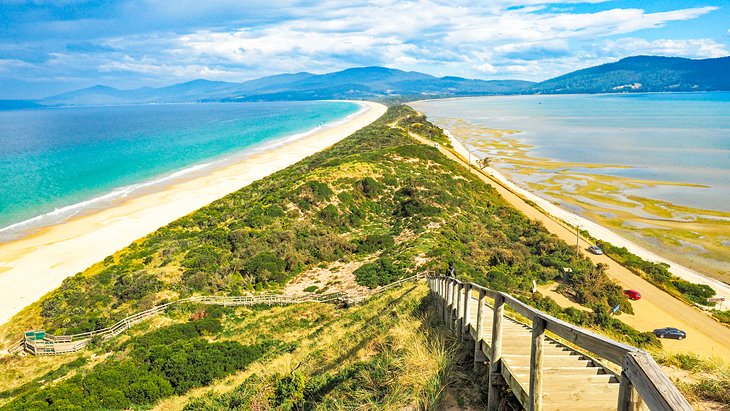
A 35-minute drive south of Hobart and a 20-minute ferry across the D'Entrecasteaux Channel from Kettering is the wind-whipped wilderness of beautiful Bruny Island. The island is a haven for foodies, with handmade chocolates and nougat, artisan cheeses, local berries, and fresh-caught seafood. Many day tours include tastings of these local treats.
At the island's southern tip is South Bruny National Park, reminiscent of northern Scotland in parts with its towering green coastal cliffs. Eco-cruises and bushwalking are popular activities in the park. Offshore, fur seals and fairy penguins frolic in the cold waters, and kelp forests sway in the currents. On land, you can spot white wallabies, wombats, echidnas, pademelons, and sea birds.
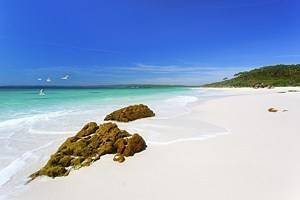
Adventure Bay and Jetty Beach offer sheltered swimming areas, and experienced surfers can ride the breaks at Cloudy Bay.
Hikers can follow nature trails through the wilderness along pristine beaches. Cape Bruny Lighthouse, built in 1836-1838 by convicts, offers wonderful views of the tempestuous Southern Ocean.
The easiest way to visit the island is on the Bruny Island tour from Hobart. This full-day tour includes morning tea and lunch, as well as a three-hour eco-cruise around the island, with the chance to spot wildlife like dolphins and fur seals.
11. North Hobart's Restaurant Strip and Runnymede
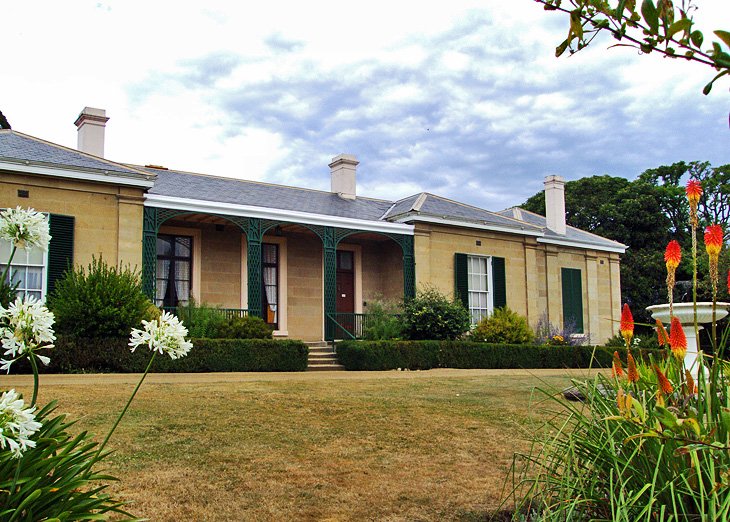
A 30-minute stroll up Elizabeth Street from the city center takes you to the restaurant strip of North Hobart. Foodies can travel around the world with their taste buds: Chinese, Indian, Italian, Turkish, and Thai are just some of the cuisines on offer.
The area exudes a slightly quirky, Bohemian vibe. A top attraction in the area is Runnymede, an elegant two-story mansion of the mid-19th century set in a beautiful garden overlooking New Town Bay. It was originally built around 1837 for a lawyer, named Robert Pitcairn, who campaigned for an end to the transportation of convicts.
In an Art Deco building, the State Cinema is another top draw, screening arthouse and foreign films with a café, bookshop, and a summertime rooftop cinema.
12. Tasman Bridge
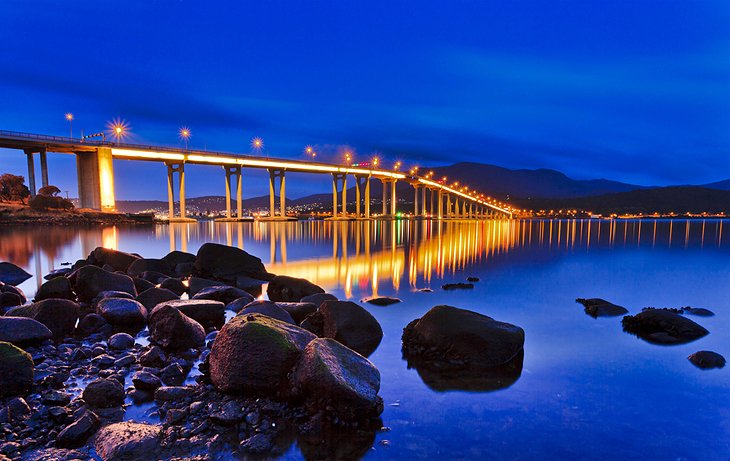
One of Hobart's most distinctive landmarks, the Tasman Bridge spans the Derwent River in a bold arch, borne on numerous piers. It links Queen's Domain with the suburb of Montagu.
Eleven years after it opened in 1964, a cargo vessel rammed one of the piers, threatening the bridge with collapse. A replacement bridge opened in 1977. You can stroll across the bridge on dedicated paths and enjoy beautiful views of the river and harbor.
13. St. David's Cathedral
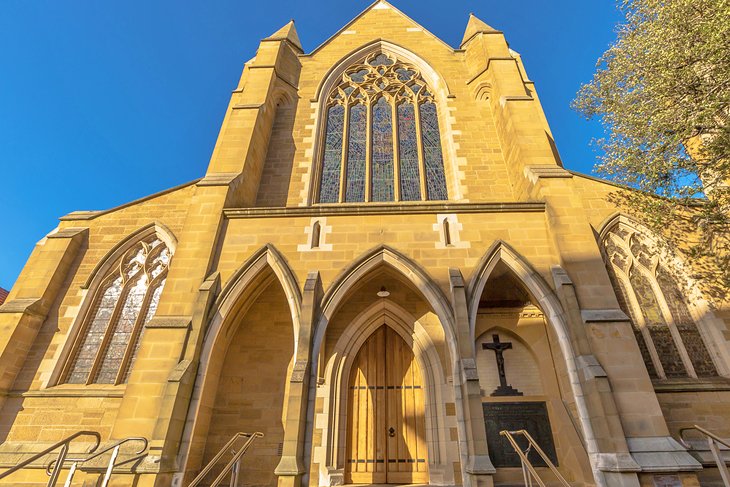
St. David's Cathedral is an oasis of peace and beauty amid the city hubbub. A fine example of neo-Gothic style, the cathedral was begun in 1868 and consecrated in 1874. Today, you can admire its beautiful stained-glass windows, gaze up at its square tower of Oatlands stone, and listen to its bells ringing out over the city. Even those who are not religiously inclined enjoy the artistry and tranquility here.
Official site: http://saintdavids.org.au/
14. Buy Fresh Produce at Farm Gate Market
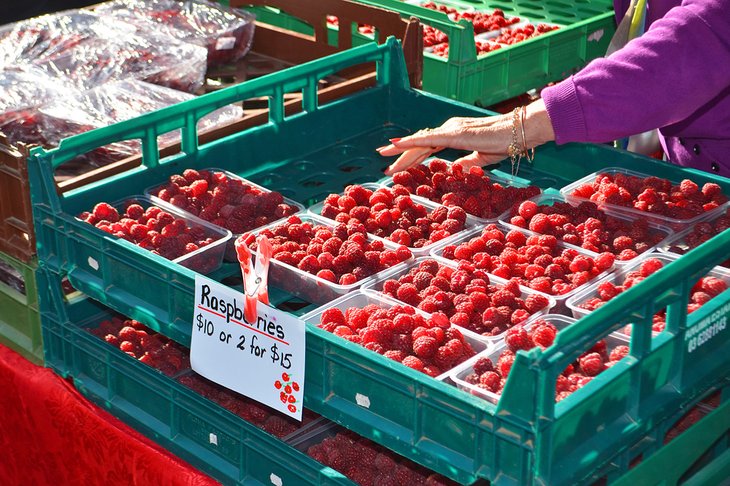
Craving a shopping fix during your Hobart visit? Farm Gate Market should be top on your list. Every Sunday from 8:30am to 1pm, this popular farmers market lures hundreds of shoppers to a busy city street in the heart of Hobart. The market began with the ethos that if you can't "eat it, drink it, grow it, or meet the producer," you won't find it here. And the same is still true today.
Food is a highlight. Get to know the farmers and chat to them about their produce, from fresh veggies and succulent seafood, to crisp Tasmanian apples, black perigord truffles, and winter greens piled high in the stalls. Come here, too, for vibrant bouquets of fresh flowers.
Bring your appetite. Food stalls sell everything from finger-lickin' spicy bau to vegan burritos, meat pies, artisan cheeses, flaky croissants, and sugar-coated donuts.
Live music adds to the convivial ambience, and if you're wondering about the weather, you'll be pleased to know that these markets take place rain, hail, or shine. The markets open when the farm bell rings.
Address: 104 Bathurst Street, Hobart, Tasmania
Official site: https://farmgatemarket.com.au/
15. Attend a Performance at the Theatre Royal
The Theatre Royal, designed by John Lee Archer, is an architectural jewel. The foundation stone was laid in 1834, making it the oldest theater in Australia. It has an impressive Neoclassical façade and a charming multi-tiered interior (rebuilt after its destruction by fire in 1984).
Many international stars have appeared in the Theatre Royal, which Laurence Olivier rated "the best little theater in the world." The best way to appreciate this intimate little venue is to attend a performance during your visit.
Address: 29 Campbell Street, Hobart, Tasmania
Official site: http://www.theatreroyal.com.au/
Where to Stay in Hobart for Sightseeing
The best Hobart hotels preside along the waterfront, near Constitution Dock and Salamanca Place. Budget hotels tend to be farther from the water in the city center but they are still only a short stroll from the harborside buzz. North Hobart also offers more affordable accommodation options a little farther from the city center. Here are some highly rated Hobart accommodation options with easy access to the top tourist attractions:
Luxury Hotels:
- On the waterfront overlooking Constitution Dock, the unique MACq 01 Hotel weaves a Tasmanian storytelling theme through its artwork in the sleek, modern rooms, some of which have water views. Fireplaces and butler service are special perks in the suites.
- Steps away is The Henry Jones Art Hotel, with industrial chic decor and bold Tasmanian art in a former jam factory dating from 1804. Bulky wood beams and stone walls accent the bright, individually decorated rooms; some feature harbor views.
- In South Hobart with views of Mount Wellington, the boutique Islington Hotel is posh and intimate, with only 11 rooms. Antiques and fine art adorn the interior, and the glass-encased restaurant is renowned for its seasonal gourmet cuisine.
Mid-Range Hotels:
- At the large Grand Chancellor Hotel Hobart the modern rooms come with either mountain or harbor views. You can dine in the light-filled restaurant and keep fit at the inviting indoor pool and gym.
- Perfect for families or long stays, the family-owned Salamanca Inn is an affordable all-suite hotel a short stroll from Salamanca Place. Rooms come with kitchens, and amenities include a rooftop pool and hot tub, as well as free parking.
- Also great for longer stays but farther away from the water, RACV/RACT Hobart Apartment Hotel in the city center offers a mix of hotel rooms and one-bedroom apartments with kitchenettes.
Budget Hotels:
- Hip and eco-friendly, Alabama Hotel is a top budget choice in the city center, with stylish rooms and shared bathrooms.
- A few blocks away, the Art Deco-style Astor Private Hotel offers quaint decor and helpful staff, and the best rooms have ensuite bathrooms.
- In North Hobart, Argyle Motor Lodge is a short drive from the city center with spacious rooms and comfortable beds.
Map of Attractions & Things to Do in Hobart
Hobart, Australia - Climate Chart
| Average minimum and maximum temperatures for Hobart, Australia in °C | |||||||||||
| J | F | M | A | M | J | J | A | S | O | N | D |
| 22 12 | 22 13 | 20 11 | 18 10 | 15 7 | 12 5 | 12 5 | 13 5 | 15 7 | 17 8 | 19 10 | 20 11 |
| PlanetWare.com | |||||||||||
| Average monthly precipitation totals for Hobart, Australia in mm. | |||||||||||
| 41 | 38 | 46 | 43 | 46 | 38 | 61 | 61 | 51 | 58 | 53 | 53 |
| Average minimum and maximum temperatures for Hobart, Australia in °F | |||||||||||
| J | F | M | A | M | J | J | A | S | O | N | D |
| 71 54 | 71 54 | 68 52 | 64 49 | 58 45 | 54 41 | 53 40 | 55 41 | 59 44 | 63 46 | 65 49 | 68 52 |
| PlanetWare.com | |||||||||||
| Average monthly precipitation totals for Hobart, Australia in inches. | |||||||||||
| 1.6 | 1.5 | 1.8 | 1.7 | 1.8 | 1.5 | 2.4 | 2.4 | 2.0 | 2.3 | 2.1 | 2.1 |