

Melbourne's 10 Best Tourist Attractions For First-Time Visitors To Explore
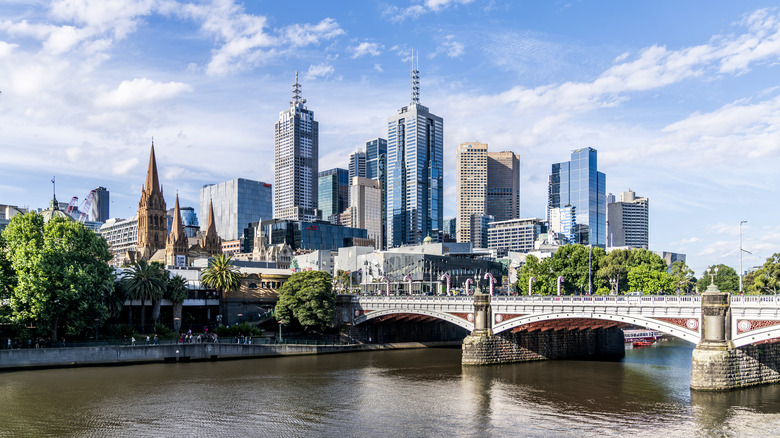
Before it was renamed by European settlers who arrived in 1835, the area that is now Melbourne, Australia, was the home of the Kulin Nation Aboriginal people. Victoria, where Melbourne is located, was never a penal colony like New South Wales, though it was home to a large prison in the mid-19th century. Today, the city is a creative and cultural hub. It offers easy access to the Victoria province's 1,243 miles of coastline and one of the world's best coffee scenes, according to Samantha Brown. Known for an eclectic mix of art, architecture, food, and sports, there's something for every kind of traveler in Melbourne. This is a place where incredible athletic venues sit near buildings from Australia's 1800s Gold Rush era, and where sleek skyscrapers share the skyline with tree-filled parks.
For first-time visitors, Melbourne provides a distinctly Australian experience that is equal parts relaxed, adventurous, and creative. In this guide, we'll journey to 10 of the city's best tourist attractions for first timers. The best part is, many of these are budget-friendly things to do in one of the world's most expensive cities! We'll learn about sites from civic squares to beachfront boardwalks and beautiful gardens to, finally, wildlife encounters you can't see anywhere else on Earth. Each of the stops featured here showcases a different piece of the puzzle that makes Melbourne, well, Melbourne. By the time you reach the end, you'll understand why this city of about five million has been ranked among the best and most livable cities in the world.
Federation Square
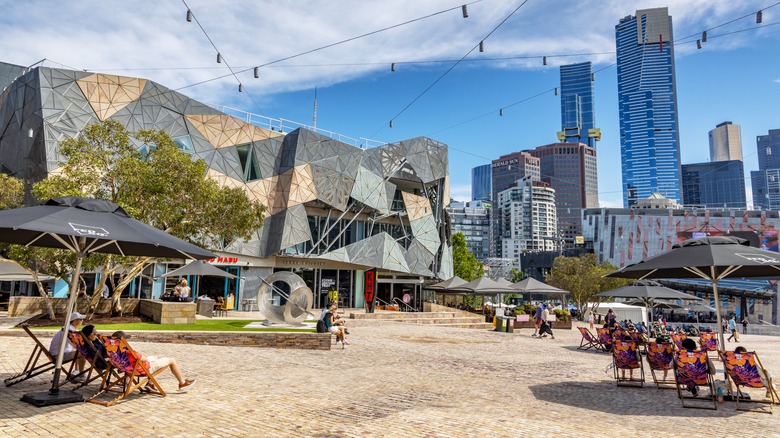
Originally the site of Melbourne's rail yards, Federation Square in its current form opened in 2002. Since then, it has become the undisputed cultural heart of Melbourne. This striking public space is surrounded by bold, modern buildings, offering the perfect location for local residents and travelers alike to enjoy art, conversation, and community. For first-time visitors, Federation Square is one of the best places to get an instant feel for the city's creative vibe. There are activities and festivals here year-round, many of which are free to the public. Festive Season at Fed Square is an annual favorite, with shopping, dining, and special events throughout the holiday season. The centerpiece of this event is a nearly 60-foot-tall Christmas tree! The Polish Festival is another popular yearly occurrence. For decades, Melbourne's Polish community has hosted this festival, which features traditional dancing, food, and much more.
There is a trio of must-see institutions that flank the plaza. The first is the Ian Potter Centre: NGV Australia, an art museum dedicated solely to Aussie artists. Next is ACMI, where tech and film enthusiasts can enjoy an homage to all things digital culture. Finally, the Koorie Heritage Trust provides an in-depth look at the Koorie population's historical significance in Melbourne, and how Aboriginal culture will continue to influence the city into the future. It's easy to spend an entire morning or afternoon enjoying all that Federation Square has to offer. When you're ready for a bite to eat, check out one of the many restaurants and bars located here. Time Out Fed Square is one great option, known for its al fresco dining, while Taxi Kitchen has a unique Asian Australian fusion menu. If you're in the mood for a nightcap, stop by the Transit Rooftop Bar, which offers incredible skyline views.
Royal Botanic Gardens Victoria

Melbourne's Royal Botanic Gardens are a lush, green escape in the midst of an urban jungle. With 94 acres to explore, the gardens are known for their impressive collection of native Australian species, many of which are unique or threatened plants that don't grow naturally in other parts of the world. Additionally, the Royal Botanic Gardens' Australian Drylands initiative is designed to prevent the future extinction of plant species that may not fare well with climate change. For international travelers, the gardens as a whole are a fantastic introduction to this continent's one-of-a-kind biodiversity.
There are a variety of ways to experience the Royal Botanic Gardens Victoria. Visitors can join the Gardens Explorer tour, during which a bus driver guides passengers on a relaxing journey through the grounds. Special rates are available for families who wish to book this tour on school holidays. Then, there's the Aboriginal Heritage Walk, where guests can discover plants and traditions that play a key role in First Nations culture. For those interested in wellness, "forest bathing" in the Royal Botanic Gardens is a unique experience that can lead to reduced stress levels and improved sleep. "Forest bathing" is a concept that allows people to fully immerse themselves in nature without phones or other distractions. It typically engages all five senses. If you plan to spend several hours at this urban oasis, check out the three on-site restaurants: The Terrace, The Observatory, and the grab-and-go Observatory Kiosk.
Queen Victoria Market
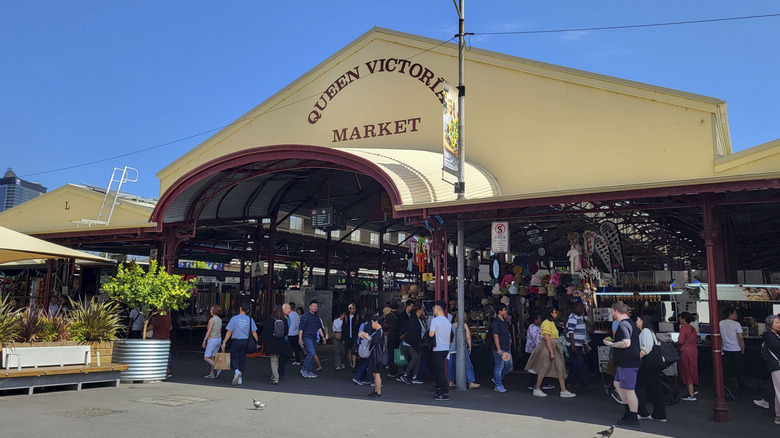
Melbourne has multiple outdoor markets, but the Queen Victoria Market is the one you can't miss. A staple of the city since 1878, it is located on the site of the Old Melbourne Cemetery, where both European settlers and Aboriginal people were once laid to rest. Nowadays, the market is a must-stop for all first-time visitors, especially those who are food lovers! Spanning nearly 900,000 square feet, Queen Victoria Market offers just about anything shoppers could desire. Stall owners, known as "traders" here, sell everything from freshly picked produce and artisan cheeses to handcrafted pastries and cakes, delectable cuts of meat – even one shop that sells nothing but eggs! The sheer variety of food items makes this the perfect place to do a comprehensive taste test of the city that was crowned the world's top food destination in 2025. Highlights include the award-winning Ripe cheesemonger, father-and-daughter-run Queen's Harvest Produce, and the historic Chitty family meat stall.
There are also a slew of globally-inspired, full-service restaurants at Queen Victoria Market. These include Spanish-inspired El Rincon Tapas Bar, Italy's own Cafe Gilli, and 3 Brothersss Indian Restaurant. In addition to food, shoppers can also buy a variety of Australian souvenirs from the 600-plus vendors who operate here. For instance, Mary Martin Bookshop has been offering page turners since 1945. Meanwhile, Aussie Hats by Portable Shade Co. has sold traditional leather outback hats (and many other styles!) since 1982. And, don't miss Bakhter Souvenirs, where travelers can buy a range of Aussie items like boomerangs, stuffed koalas and kangaroos, and woven purses. No matter what you're looking for, Queen Victoria Market is a great place to integrate yourself into how locals live in Melbourne.
Melbourne Cricket Ground (MCG)
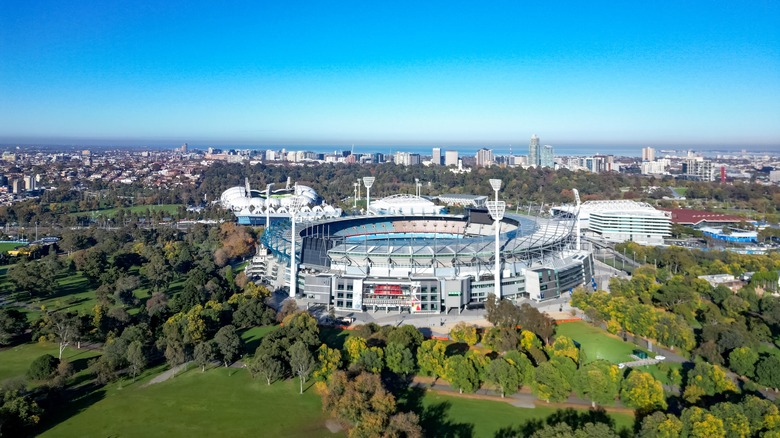
The Melbourne Cricket Ground, often referred to as MCG or simply "the G," is one of Australia's premier sports venues. With a lengthy history, MCG is a must-see for first-time Melbourne visitors, even if they don't have a serious interest in sports. This iconic facility first began hosting cricket matches in 1853, then went on to be a 1956 Olympic venue and the home of various Australian Football League (AFL) events. "The G" has also hosted FIFA World Cup qualifiers and warm-ups in the past, which makes it popular among soccer fans worldwide. In short, it is an absolute icon of Australian sports culture. With over 100,000 seats and an undeniably electric atmosphere no matter what event is occurring, the 10th-largest stadium on Earth has a reputation for being one of the greatest venues in all of sports.
To fully experience MCG culture and history, visitors can reserve a guided tour that gives them access to behind-the-scenes areas like player locker rooms, the media center, the cricketers' viewing room, and, most excitingly, the opportunity to briefly walk on the field. Tour upgrades, like the Premium Access Tour and an add-on meal at the Committee Room, are available. Note that Australia's National Sports Museum is part of the Melbourne Cricket Ground complex. It's smart to combine the two facilities into a single sports-centric experience. The museum features memorabilia and interactive exhibits that share Australia's long and passionate sports history. Among the highlights are various trophies and pieces from Harry Johns' Boxing Troupe, who famously entertained Australians in the mid-20th century.
Laneways and Street Art (Hosier Lane)
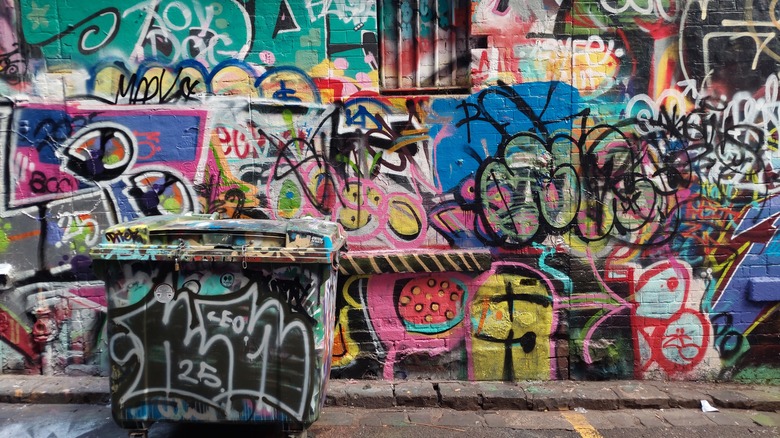
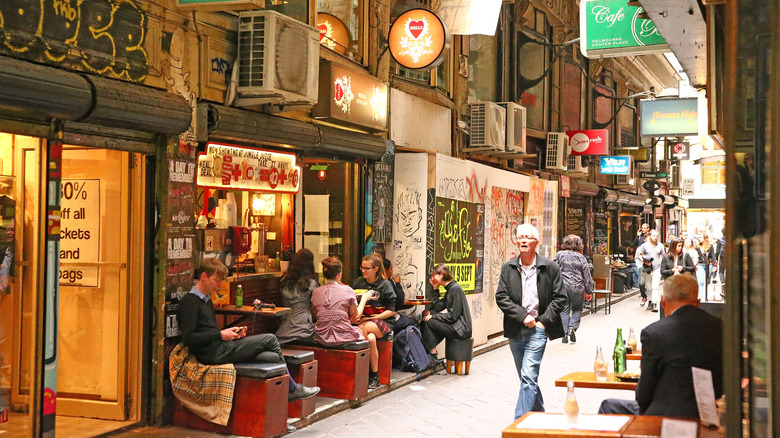
Melbourne's unique pedestrian laneways are one of the city's most defining features. This network of alleys and narrow streets is filled with street art, indie boutiques, hidden-gem restaurants and cafés, and a general creative energy that is hard to replicate anywhere else in the world. Wandering through this maze, of sorts, feels like stepping into a living gallery, where murals are always changing, and the walls evolve as local artists make their mark. For first-time visitors to this vibrant city, exploring the laneways is an essential experience. Hosier Lane is the area's most legendary street. Known worldwide for its heavy graffiti and large-scale street art, Hosier Lane is a popular photo spot for travelers from around the globe. It is also home to a number of delicious restaurants, such as hugely popular MoVida and late-night spot Tres a Cinco. The urban aesthetic of the narrow road adds to the overall experience at any of these spots.
Although over a million people stop by Hosier Lane annually, it is far from the only laneway worth visiting. Other must-sees include AC/DC Lane, Rutledge Lane, and Degraves Street. AC/DC Lane, unsurprisingly, is an ode to Australia's most famous rockers, as well as other musicians. Rutledge Lane is among the city's best spots for street art enthusiasts, and is famous for its controversial "blue-ing." The entire alley was once drenched in blue at the behest of Melbourne city officials before graffiti artists reclaimed the space. Finally, on Degraves Street, travelers can enjoy some of the coffee shops that have made Melbourne the world's coffee capital. RMB Cafe Bar and Fieldwork Coffee are both excellent spots to try. Whether you're in search of the perfect cup of java or you're simply an art lover, the laneways won't disappoint.
St Kilda and Luna Park
While Melbourne is largely urbane and culture-filled, it has another side, as well. This is a coastal city, and St Kilda is the perfect place to experience the area's more laid-back culture. To get here, visitors will need to take a short ferry ride. Upon arrival in St Kilda, there are a number of activities for visitors to enjoy. If you're in the area on a Sunday, stroll through the St Kilda Esplanade Market, where vendors have been selling handmade wares since the 1970s. For a less Bohemian vibe, visit the St Kilda Sea Baths, home to several of the district's trendiest restaurants. Captain Baxter, for example, is a 1920s-inspired space that serves up Asian fare alongside incredible views of the Pacific Ocean. Republica St Kilda Beach is another popular spot, offering an Italian-with-a-twist menu, with dishes like sourdough focaccia and blue swimmer crab risotto.
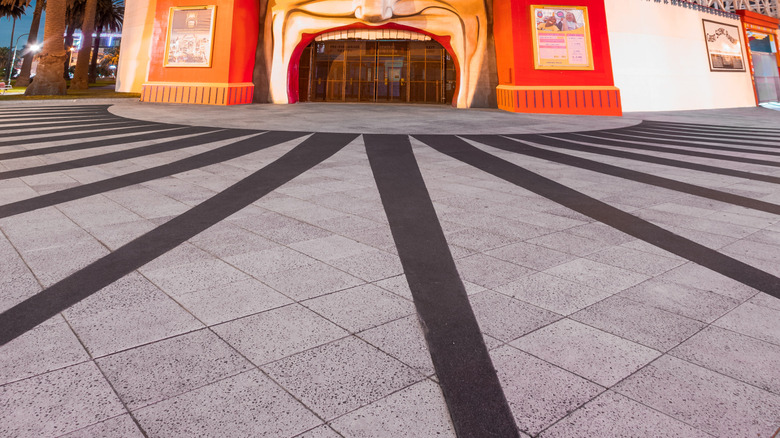
Perhaps St Kilda's most iconic attraction, though, is the Luna Park amusement park. This historic spot opened in 1912, the brainchild of New York City businessman J.D. Williams, who was also behind the first Luna Park at Coney Island. Melbourne's Luna Park is infamous for its "Mr. Moon" entryway, where guests enter through an oversized face's mouth. Among the park's most historic attractions is its 1913 carousel. Restored in 2001, today's visitors get to enjoy an incredible relic from the Golden Age of Carousels. The Great Scenic Railway is another must-ride attraction. This roller coaster was there on opening day and continues thrilling riders over 100 years later! Among the park's newer rides, 2019's Supernova is a standout. Strapped into swinging chairs, guests are spun around over 100 feet up in the air!
Shrine of Remembrance
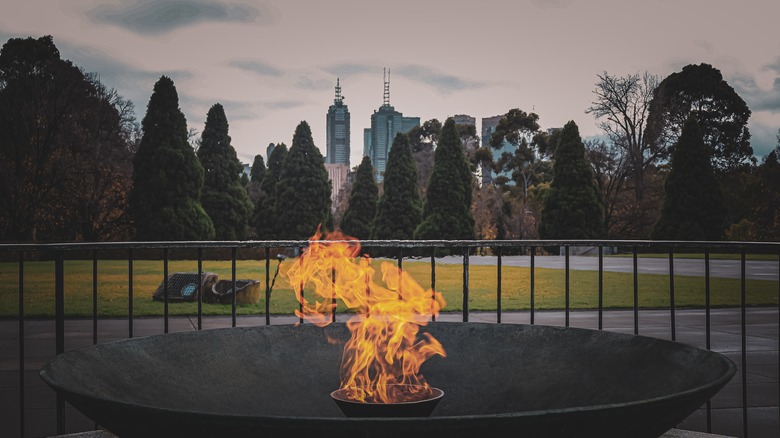
The Shrine of Remembrance is a powerful landmark. This Melbourne shrine was constructed to honor the Australian servicemen and women who have served in times of war and peace. Considered by many travelers to be one of the city's best overall attractions, the Shrine of Remembrance is comprised of multiple structures, each of which represents a different war or conflict. A few highlights are: the Galleries of Remembrance, which function as a sort of overarching museum, offering visitors a glimpse into over a century of Australian military history; the Crypt, a dimly lit subterranean space that recalls the sacrifices made during World War I; and the Second World War Memorial, featuring the Eternal Flame lit by Queen Elizabeth II in 1954. Ceremonies and wreath layings are held at the Shrine of Remembrance throughout the year, including the touching Last Post Service, which is open to the public every Sunday at 4:45 p.m. local time.
To make the most of your visit to this war memorial, consider joining a guided tour. Six 45-minute tours are offered daily for about USD $13 per adult. Discounted children's tickets are available, though it is not advised to bring little ones under 6. In addition to its permanent galleries, the Shrine of Remembrance regularly offers special exhibitions.
National Gallery of Victoria (NGV)
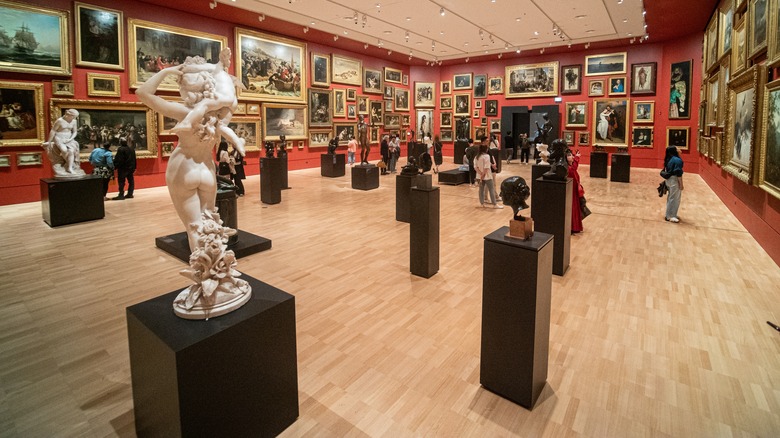
The National Gallery of Victoria, known simply by its initials NGV, is Australia's oldest art museum. Since 1861, this museum has been dedicated to building its acclaimed 75,000+-piece collection of artwork sourced from within Australia's borders and around the globe. The renowned institution is one of the most-visited galleries on Earth. Today, it also offers several outposts, including the aforementioned Ian Potter Centre in Federation Square and NGV International, which focuses on art created outside of Australia. When first-timers go to the NGV, they are typically awed by its eco-friendly Waterwall entry, an iconic Melbourne attraction in its own right. American graffiti artist Keith Haring famously painted a mural on the Waterwall in 1984.
Inside, the NGV's collection features a wide range of art, from precious Chinese ceramics and European portraiture, including a depiction of Lucrezia Borgia, to First Nations paintings and carvings, to cutting-edge contemporary installations. The most expensive piece in this famed art museum is a once-sequestered painting by Correggio (Antonio Allegri) that cost AUD$5 million in 2011. The Italian Renaissance artist is considered one of history's greatest masters of light. If you really want to splurge, you can spend USD$25,000 for a private dining event in the museum's most famous gallery, where Giambattista Tiepolo's "The Banquet of Cleopatra" hangs. Whether you're a formally trained art historian or just someone who loves beautiful things, the NGV is sure to inspire.
Phillip Island Penguin Parade
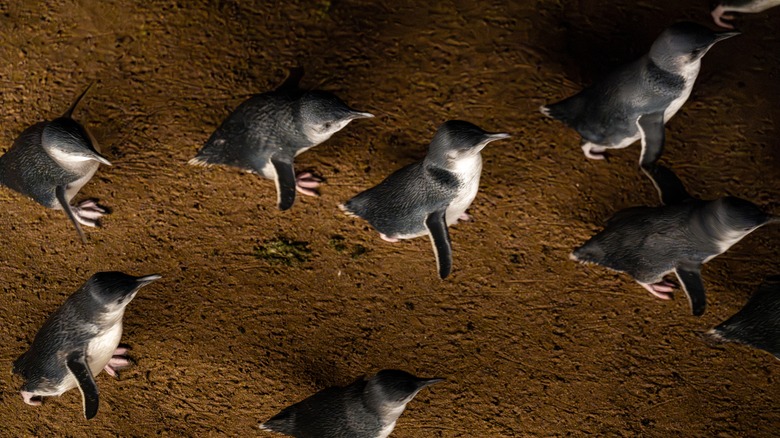
The Phillip Island Penguin Parade is one of the most delightful wildlife experiences in Australia and one of the absolute best places to experience "noctourism." Every evening around sunset, the world's largest colony of the world's smallest penguin species waddles from the ocean back to the shore. Although these penguins may be small in stature, they are big on cuteness, and travelers love to watch them make their nightly trek across the sand. Note, however, that guests are not allowed to photograph the penguins, though professional photographs are available for download on the island's official website for those who want to commemorate the Penguin Parade upon returning home.
Visitors watch the parade from stone platforms, similar to oversized bleachers, that allow them to have an excellent view of the penguins without disturbing the procession in any way. The weather can be chilly, so dress warmly for your penguin watching experience! It's a magical way to end a day for anyone in search of a distinctly Australian experience.
Yarra River Cruise

The Yarra River is the lifeblood of Melbourne. For hundreds of years, it has played a pivotal role in the city's development and expansion, and today, it is a source of potable water for nearly three million households! Thus, experiencing a Yarra River cruise is something every first-time traveler should do during their time here. In addition to offering an awesome perspective of Melbourne's skyline, this is an incredibly relaxing way to see some of this Aussie city's major sights. One-hour sightseeing cruises offer views of landmarks like the massive Melbourne Crown Casino, the Bolte and Westgate bridges, the MCG, and the Royal Botanic Gardens.
If a short sightseeing excursion isn't what you had in mind, don't fret. Cruise options vary widely, so visitors should have no trouble finding an option that suits their tastes. One 90-minute luxury sunset cruise option, for instance, offers gorgeous views with 25 or fewer people on board. There are also dinner cruises that offer multi-course meals well into the evening. The Spirit of Melbourne Cruising Restaurant offers an unforgettable three-hour, four-course experience. Or, if you're in the mood for a party, check out two-hour bottomless cocktail cruise itineraries. No matter which option travelers choose, a Yarra River cruise is a beautiful way to wrap up a trip to one of Australia's cultural gems.
Methodology
For this guide, we turned to a variety of high-authority sources, specifically AboutAustralia.com, Australia.com, VisitMelbourne.com, and VisitVictoria.com. We also used the official websites for many locations, such as Federation Square, the Royal Botanic Gardens, Victoria Market, Luna Park, the Shrine of Remembrance, the National Gallery of Victoria, the Phillip Island Penguin Parade, and the Yarra River. We filled in with details from travel-centric sites like Visit a City, Airial Travel, US News' travel section, "CN Traveler," and "Travel + Leisure."