16 Top Things to Do in Geelong & the Bellarine Peninsula
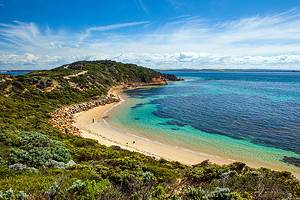
On the western side of Port Phillip Bay, the beautiful Bellarine Peninsula sits about 100 kilometers southwest of Melbourne, opposite the Mornington Peninsula. Equally as gentrified as its nearby sister peninsula but much quieter, the Bellarine Peninsula is a blend of history with a modern twist. Long, curving beaches and quaint seaside villages with hip cafés, museums, and heritage architecture are some of the region's top attractions.
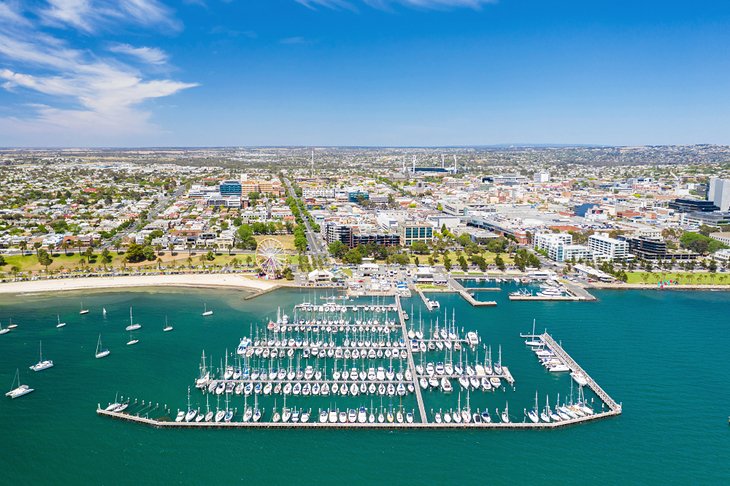
The bustling city of Geelong is the gateway to the peninsula, and it's packed with things to do. It's also a popular stopping-off point for travelers heading to the Great Ocean Road, one of the world's top scenic drives. Other top Bellarine Peninsula places to visit include the charming seaside village of Queenscliff; the beautiful beaches of Barwon Heads; and the sleepy town of Point Lonsdale, with dramatic views of the Port Phillip Heads.
Families can hang out with their favorite Aussie animals at wildlife parks or swim and splash at Adventure Park Geelong water park, and foodies can feast their way around the region visiting boutique food producers and family-owned farms. Plan your trip to this picturesque region with our list of the top attractions and things to do in Geelong and the Bellarine Peninsula.
See also: Where to Stay in Geelong and the Bellarine Peninsula
- 1. Stroll along Eastern Beach Reserve & See the Baywalk Bollards, Geelong
- 2. Smell the Flowers at Geelong Botanic Gardens
- 3. Experience Geelong's History & Culture
- 4. Visit the National Wool Museum, Geelong
- 5. Get Your Art Fix at Geelong Gallery
- 6. Explore Barwon Heads
- 7. Sightsee in Queenscliff
- 8. Hop aboard the Bellarine Railway
- 9. Linger at Point Lonsdale
- 10. Get Active on Bellarine's Beaches
- 11. Bike the Bellarine Rail Trail
- 12. Swim with Seals and Dolphins
- 13. Tantalize Your Taste Buds on The Bellarine Taste Trail
- 14. Learn about the World's Oldest Living Culture at Narana Aboriginal Cultural Center
- 15. Shop at Bellarine Peninsula Markets
- 16. Ride the Antique Carousel, Geelong
- Where to Stay in Geelong and the Bellarine Peninsula for Sightseeing
- Geelong, Australia - Climate Chart
1. Stroll along Eastern Beach Reserve & See the Baywalk Bollards, Geelong
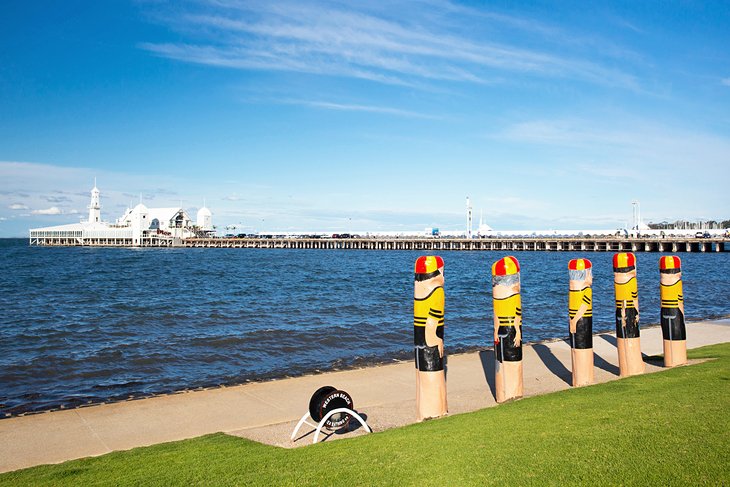
One of the top things to do when you arrive in Geelong is take a relaxing stroll through Eastern Beach Reserve on the waterfront. You'll find plenty of activities for the whole family here. A flat, smooth promenade runs along the edge of Corio Bay, and picturesque picnic spots beckon along the way, with beautiful bay views.
On hot days, you can bask on the white-sand beach or take a dip in the shark-proof Art Deco swimming pool. Kids can paddle in the children's pool or climb until their heart's content at the nearby playground. A short stroll up the beach, the historic carousel and a Ferris wheel await for more family fun.
Other fun things to do include casting a fishing line from Cunningham Pier or sipping a coffee while you soak up the bay views. Between Cunningham Pier and Eastern Beach, you'll find SteamPacket Gardens, another perfect picnic spot. Plenty of cafés and restaurants surround the gardens, too.
Punctuating the promenade are one of Geelong's top sights: the colorful and whimsical Baywalk Bollards. Carved out of wood from the pylons of one of Geelong's piers, these colorful characters depict local history, from a group of lifesavers reeling in a buoy to a military brass band pumping out a tune. Local artist Jan Mitchell painstakingly created an entire exhibition that spans the length of the Promenade, bringing smiles to tourists of all ages.
If you're looking for fun things to do in Geelong for couples, take a romantic stroll along the beautiful promenade at sunset – it's one of the best free things to do in the Bellarine Peninsula.
2. Smell the Flowers at Geelong Botanic Gardens
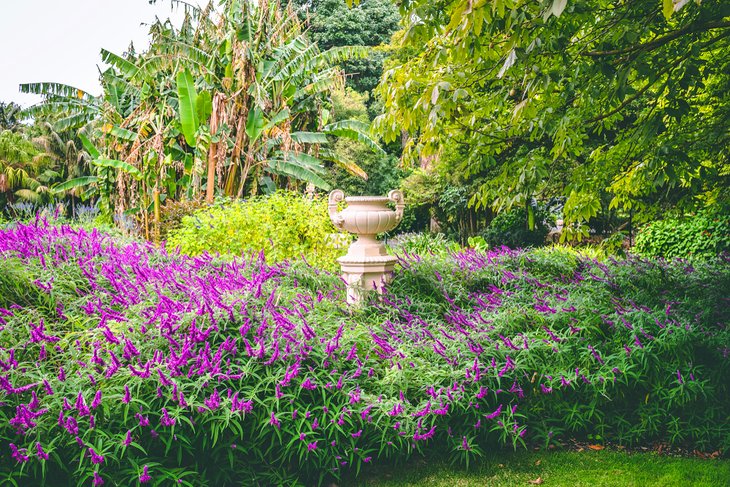
If you're craving a green fix, head to the Geelong Botanic Gardens. This is a lovely spot for a stroll among a kaleidoscope of colorful blooms and impressive plants and trees from around the world.
Paths meander through the themed gardens, and all the plants are clearly marked. Inhale the sweet fragrance at the rose garden, wander along the Camelia Walk, admire the feathery specimens in the fernery, or relax with a picnic on the TeaHouse Lawn. Prefer the tropics? Immerse yourself in a jungle of lush botanical beauties in the conservatory.
After exploring all the gardens, you can treat yourself to a Devonshire tea at the little café. Best of all, admission is free
Address: Wadawurrung Country, Corner Podbury and Eastern Park Drives, East Geelong, Victoria
Official site: https://www.geelongaustralia.com.au/gbg/about/article/item/8d0c4a2039918e7.aspx
3. Experience Geelong's History & Culture
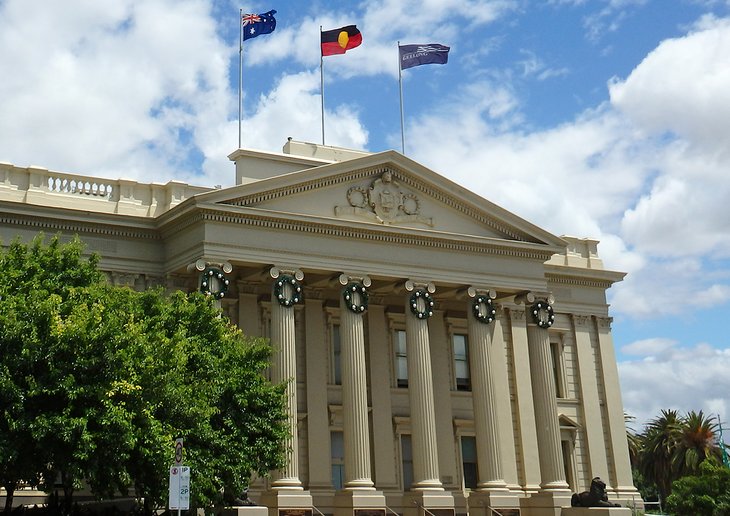
As Victoria's second largest city, Geelong is a wonderful spot to soak up the region's history and culture before heading out to explore the rest of the peninsula. You'll also find plenty of things to do in Geelong for families.
Geelong is known as Wadawurrung Country, and a visit to the Narana Aboriginal Cultural Center is a rewarding way to learn about the region's rich Indigenous culture.
Geelong was also once an important port for the goldfields of Ballarat and the wool industry. For more insight into the city's role in the wool industry, stop by the excellent National Wool Museum – it's one of Geelong's top tourist attractions.
Geelong's history is also reflected in its heritage architecture. Of particular note is the beautiful Christ Church, the oldest Anglican Church in Victoria; St. Peter's and St. Paul's Catholic Church; Customs House; and the Town Hall, fronted by grand columns.
Art lovers should stop by the free Geelong Gallery, one of the country's best regional art galleries. This is also one of the top things to do in Geelong in winter, when rain dampens your plans for outdoor adventures.
4. Visit the National Wool Museum, Geelong
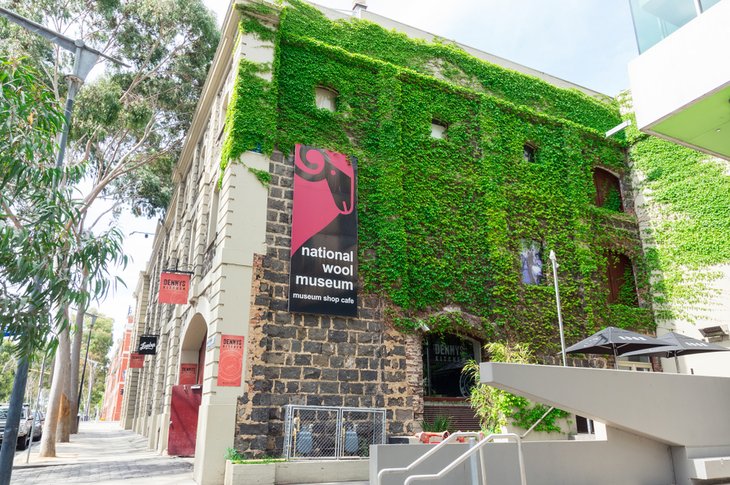
Learn all about the city's role in the wool industry at this engaging museum. Housed in a former wool factory, the exhibits cover everything from the beginnings of the wool industry in Australia in the 1840s to its economic impact, influence on fashion, and stories from workers in the industry, as well as plenty of pure tactile fun.
Children will find plenty to keep them engaged. They can feel the fresh fleece, step inside a shearing shed, try the sock-knitting machine, see a heritage carpet loom, and come face-to-face with exhibits on the different types of sheep. Temporary exhibits enhance the permanent displays.
After brushing up on everything there is to know about wool, you can purchase some high-quality woollen gifts at the little museum shop.
Address: Wadawurrung Country, 26 Moorabool Street, Geelong, Victoria
Official site: https://www.geelongaustralia.com.au/nwm/default.aspx
5. Get Your Art Fix at Geelong Gallery
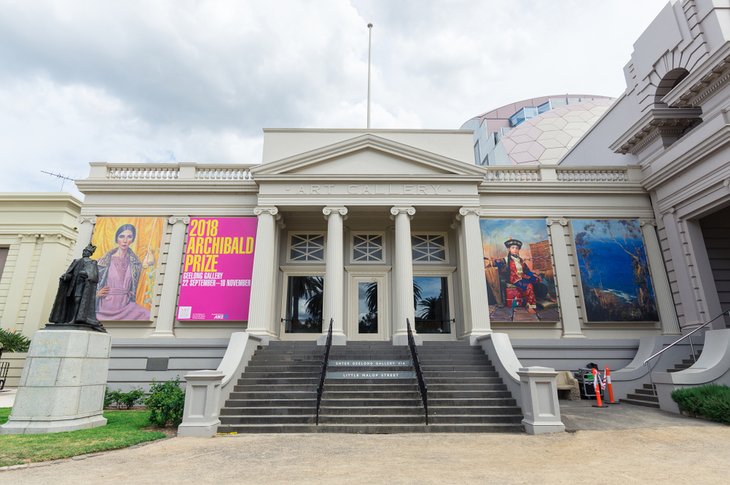
Art lovers will be impressed with the collections at this esteemed gallery. Established in 1896, it's one of Australia's oldest regional art galleries – and one of its best.
More than 6,000 works are on display here, including Australian and international paintings, sculpture, works on paper, portraits, and decorative arts. In particular, the gallery spotlights colonial paintings and metalwork, English painted porcelain, and contemporary Australian paintings and sculpture.
Among the many treasures in the permanent collection are Russell Drysdale's Hill End (1948) and Frederick McCubbin's A bush burial (1890), as well as paintings depicting Geelong in its early days.
More than just a rainy day diversion, this excellent gallery deserves a visit during your stay. This is also one of the best things to do in Geelong for free.
Address: Little Malop Street, Geelong, Victoria
Official site: https://www.geelonggallery.org.au/
6. Explore Barwon Heads
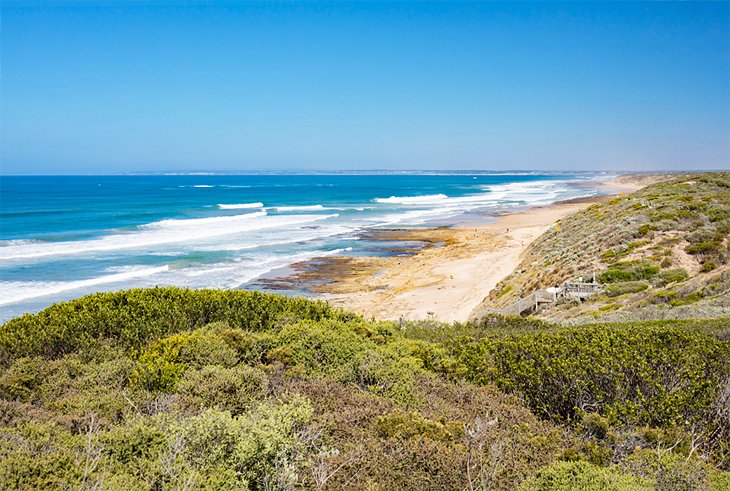
Laid-back and charming, Barwon Heads is a popular seaside town, made famous in the long-running Aussie TV show, Sea Change, about Aussies moving to idyllic coastal towns. Today, beautiful Barwon Heads still offers the good life.
The Barwon River is the only river slicing inland through the Bellarine Peninsula, and its mouth is an inviting and sheltered spot for a picnic.
Sweeping 13th Beach is renowned for its surf, and the Barwon Heads Golf Club offers visitors a memorable round among the sand dunes overlooking the rolling waves. The Bluff Lookout at Point Flinders also offers beautiful views of the rugged coast, with a network of hiking trails fanning out around it.
Families and animal lovers will enjoy the Jirrahlinga Koala & Wildlife Sanctuary. Here, you can get up close to koalas, kangaroos, and other Aussie animals without the crowds often found at bigger zoos.
Other popular things to do in Barwon Heads include hanging out at the boutique shops and cafés on Hitchcock Avenue. Looking for an adrenaline rush? Sign up for a skydiving adventure or scenic flight.
Just north of Barwon Heads, bird-watchers and anglers will find plenty to keep them busy at Lake Connewarre and its surrounding wetlands.
If you look at the Bellarine Peninsula map, you'll see the equally popular holiday destination of Ocean Grove on the other side of the river, with one of the best beaches on the Bellarine Peninsula.
7. Sightsee in Queenscliff
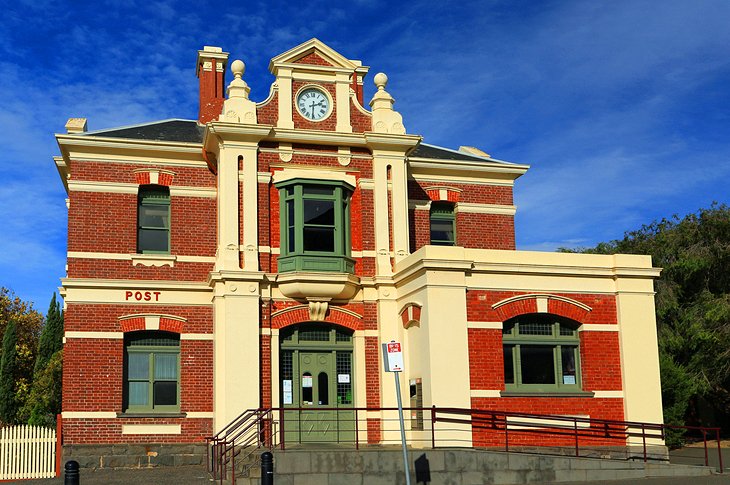
Handsome old hotels reminiscent of past grandeur dominate the elegant township of Queenscliff, surrounded by beautiful views of the deep blue bay. Although not as popular as Sorrento, its counterpart on the opposite side of Port Phillip Bay, this small Victorian town offers plenty of culture, with excellent art galleries, classy restaurants, and boutique shops.
A great place to start your tour is at Queenscliff Harbour, where you can enjoy sweeping 360-degree views of the bay from the 42-meter-high observation tower. For a dose of history, Queenscliff Fort dates back to 1860 and was instrumental in the defense of the Victorian coastline. Today, it serves as an excellent museum and is considered one of the best preserved forts in Australia. The black lighthouse at the fort is one of only a few unpainted in the entire world.
Full of mystique, in the same area, Buckley's Cave is where escaped convict, William Buckley, lived for many years among the local Indigenous people. This is where the local phrase "you have Buckley's chance" comes from.
Other popular things to do in Queenscliff include seal and dolphin swimming tours, and taking a ride on the historic Bellarine Railway.
8. Hop aboard the Bellarine Railway
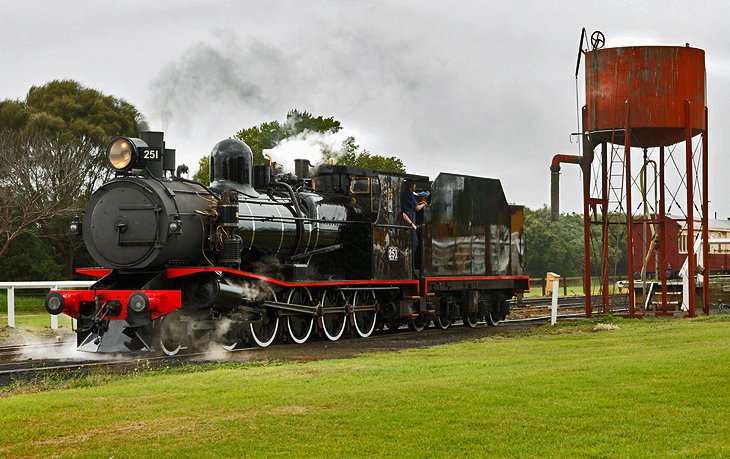
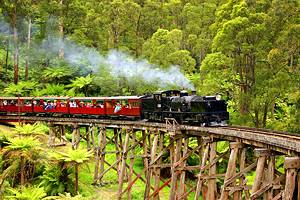
Train buffs can get their fix on The Bellarine Railway. Both steam and diesel trains operate from the Queenscliff station on most weekends, and special themed rides means there's a unique experience for everyone in the family.
Kids love A Day out with Thomas, and everyone enjoys the Heritage Rides. If you're a music lover, make sure you buy a ticket on the popular Blues Train, with a full meal, dancing, and different blues bands in each carriage. You can even sign up for an experience driving one of the locomotives. Are you a foodie? Book a seasonal multi-course degustation dining experience on The Q Train.
In addition to riding the trains, the station houses a unique collection of rolling stock.
Official site: http://bellarinerailway.com.au/
9. Linger at Point Lonsdale
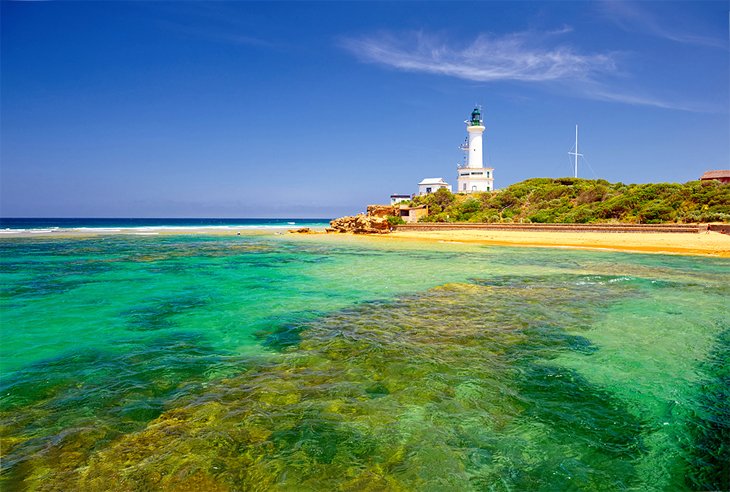
A few kilometers from Queenscliff, the sleepy township of Point Lonsdale is a quiet paradise overlooking a tumultuous stretch of sea. The lighthouse provides a perfect spot to watch vessels negotiate the Rip, the two-kilometer stretch of water through the Port Phillip Bay Heads. Every pleasure and industrial ship has to pass through this narrow crossing, and Point Lonsdale provides the best view.
If you're looking for some beach time, you can swim in the sheltered bay or surf the breaks of the back beach. To soak up the beautiful views, take a stroll along the old pier. It's a prime vantage point for photographers, especially at dawn.
10. Get Active on Bellarine's Beaches
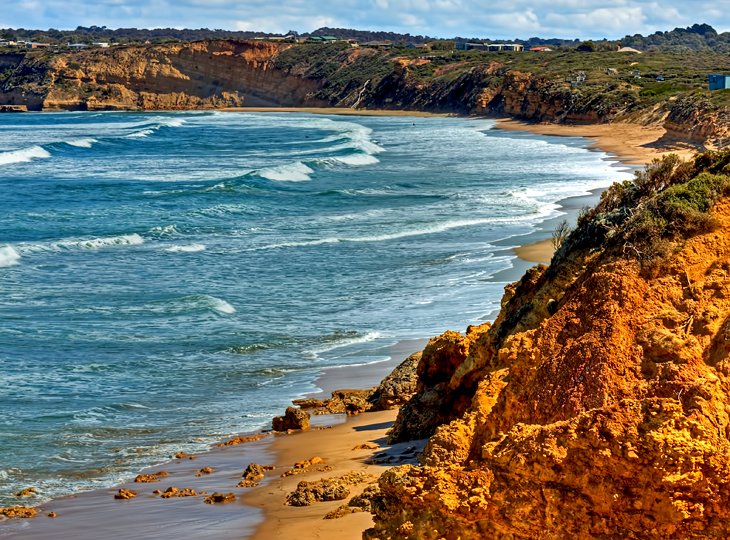
Bellarine beaches offer something for everyone. Love to surf? You'll find plenty of wave-washed beauties on the ocean side of the peninsula. Intermediate surfers will usually find great breaks at 13th Beach near Barwon Heads and Point Lonsdale or Ocean Grove. Raffs Beach also offers beach breaks that decrease in size extending to the river mouth.
Are calm seas more your style? Head to the tranquil waters of Port Phillip Bay. You can paddle a kayak, float with the kids, or boat on the Bellarine's beautiful bayside beaches. Families will enjoy Indented Head, St. Leonards, and the beaches at Queenscliff. Portalington Beach is another favorite family hangout, perfect for a refreshing paddle and playtime with the kids.
No matter where you go, pack a picnic, take a coastal walk, or do a spot of bird-watching–the scenery will take your breath away.
11. Bike the Bellarine Rail Trail
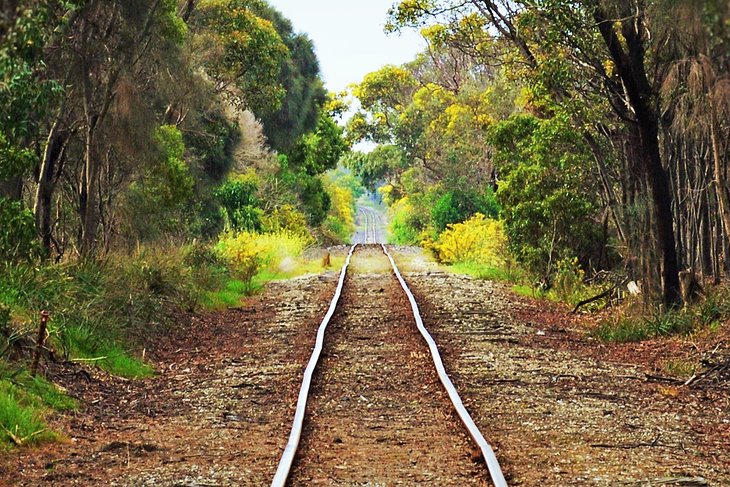
Biking the Bellarine Rail Trail is a great way to stay fit and enjoy some sightseeing at the same time. Following the route of the former train line, this 35-kilometer trail stretches from South Geelong to Queenscliff Railway Station.
The trail is flat and easy to negotiate on most types of bikes. From South Geelong to Drysdale the trail is paved, and from Drysdale and Queenscliff, it's composed of fine gravel.
Soak up beautiful views of the countryside and coast, stop at historic train stations, and if you work up an appetite, you can refuel at one of the cafés or restaurants along the route.
Don't feel like biking the whole way? No problem. Just hop on the steam train for part of the journey. Check the website for a map of points to access the trail.
This is the perfect thing to do on the Bellarine Peninsula for families, or anyone who loves to stay active and soak up some sights in the fresh air and sunshine.
Official site: https://www.geelongaustralia.com.au/parks/paths/article/item/8cc9e1ca0578791.aspx
12. Swim with Seals and Dolphins
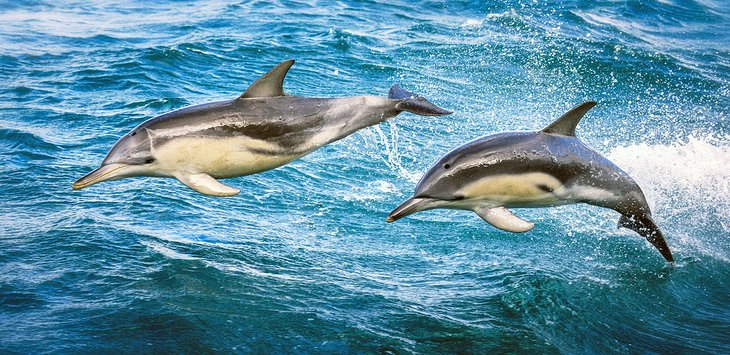
Ever wanted to come face-to-face with a friendly fur seal or wild dolphin under water? This is your chance! From October through May, you can meet these lovable marine mammals in their natural surroundings on an exhilarating 3.5-hour Sea All Dolphin Swim.
The tours depart from the seaside village of Queenscliff and take you out to Port Phillip Bay Marine National Park, where you can practice your snorkeling skills along the fish-rich reefs. Once you're feeling confident, you'll have a chance to swim with wild Australian fur seals and, if you're lucky, pods of playful bottlenose dolphins. You might also see rays gliding along the sandy bottom.
The experienced instructors cater to all level of swimmers and show the utmost respect for these wild animals. All equipment is provided, including snorkel gear and wetsuits.
Official site: http://www.dolphinswims.com.au/
13. Tantalize Your Taste Buds on The Bellarine Taste Trail
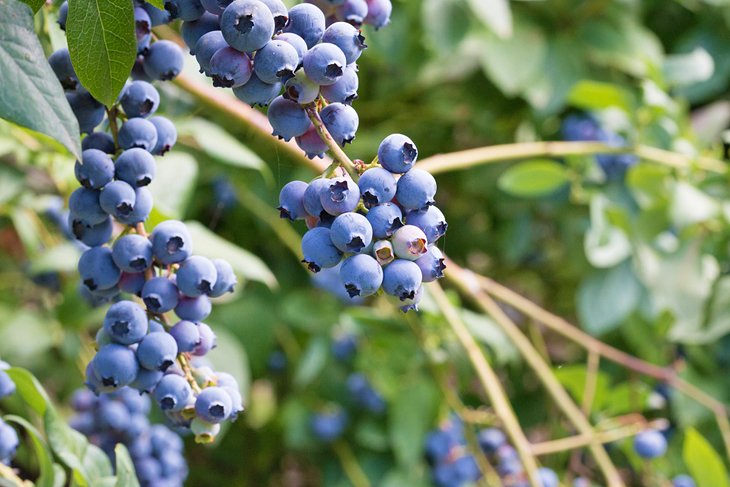
Foodies can taste their way around the bountiful Bellarine Peninsula on The Bellarine Taste Trail. More than 50 stops along the way include artisan food producers, local growers, craft beverage makers, and local cafés and restaurants.
Pick your own blueberries and strawberries at Tuckerberry Hill; sample creamy, locally made cheeses and yoghurts at Drysdale Cheeses; savor smoked fish at a boutique smokehouse; and taste tangy olive oils.
Restaurants and cafés include everything from gourmet Aussie pie shops to a six-course degustation menu aboard The Q Train, a historic train on the Bellarine Railway. Don't forget to stock up on local goodies for souvenirs.
Pick up a map from a local visitor center or your hotel and off you go!
Official site: https://www.thebellarinetastetrail.com.au
14. Learn about the World's Oldest Living Culture at Narana Aboriginal Cultural Center
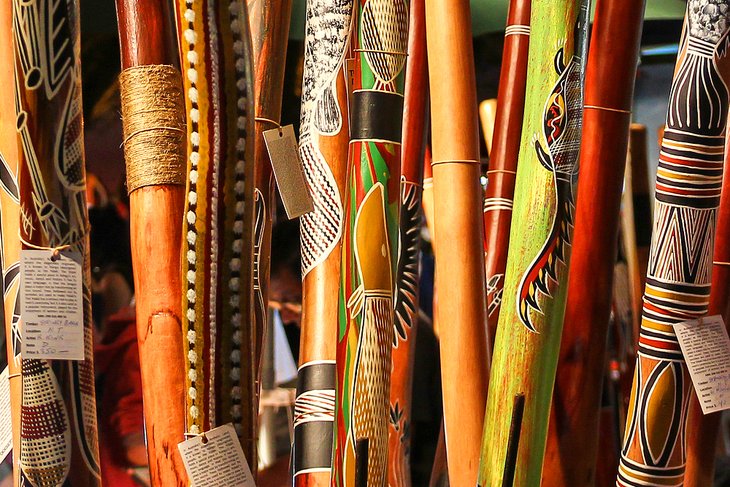
At Narana Aboriginal Cultural Center, you can learn about the world's oldest living culture through hands-on immersive experiences. Try your hand at throwing a boomerang, sample bush tucker, listen to dreamtime stories, and admire vibrant Indigenous art.
Tucked amid native gardens, the center is a great place to visit for families who are looking for an educational experience presented in an engaging way. Kids will also love meeting the resident wallabies and emus.
After admiring all the exhibits, head to Cafe Narana for dishes prepared with Indigenous ingredients and flavors. You can also pick up some boomerangs, didgeridoos, or bush herbs at the gift shop before you go.
Address: 410 Surfcoast Highway, Charlemont, Victoria
Official site: https://www.narana.com.au/
15. Shop at Bellarine Peninsula Markets
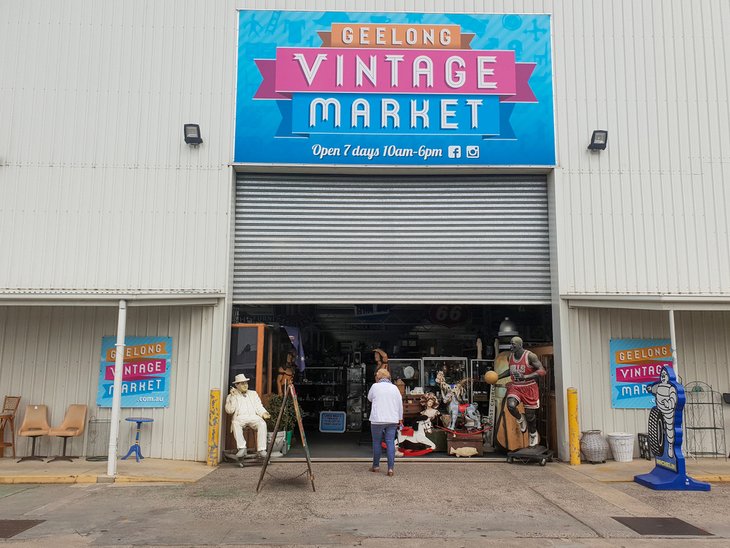
Farm-fresh produce, arts, crafts, and local treats – you'll find all this and more at Bellarine Peninsula Markets.
Barwon Heads Community Market (Wadawurrung Country, 77 Hitchcock Avenue, Barwon Heads) is one of the most popular. Artisan jewelry, crafts, fresh fruits and veggies, clothing, and plants are just some of the items you can buy here. It's held every Saturday from December and January then on the last Saturday every month from February to November. You can also pop into the Community Hall for a Devonshire tea.
Rotary Ocean Grove Craft Market is a great option for gifts. Arts, crafts, jewelry, toys, and children's clothes are all on sale here, as well as local produce and excellent coffee. You can't miss these little markets – the park in the center of Ocean Grove hosts them on the first Sunday of the month, from October until the Easter weekend.
Feel like a snack while you shop? From September through May, on the last Sunday of the month, you can feast on food from around the world at Queenscliff Community Market's food trucks. You'll also find fresh produce, artisan creations, and plants here. Just head to Lower Princess Park between 9am and 2pm.
And if you love antiques, stop by the Geelong Vintage Market (1 Mackey Street, North Geelong). With more than 70 stalls and 4,000 square meters of undercover space, it features stall after stall of quality antiques and just plain quirky stuff. This trip down memory lane is just as good for window shopping as it is for serious collectors. You can find everything here, from rustic furniture and secondhand books to vinyl records and vintage clothing.
16. Ride the Antique Carousel, Geelong
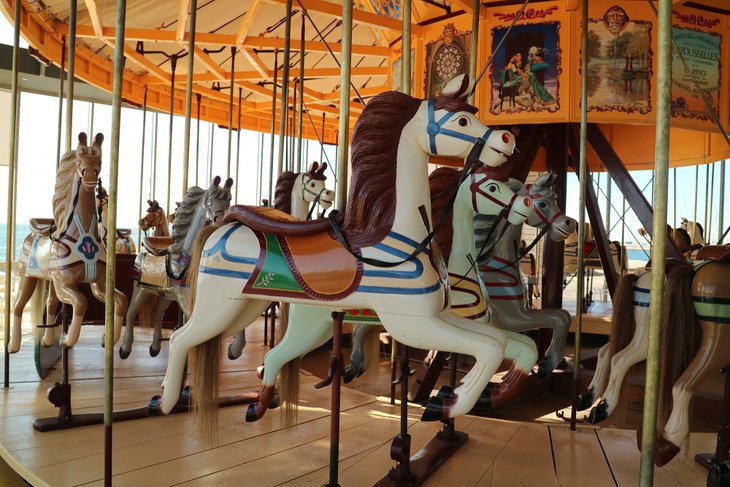
One for the kids and kids at heart is the meticulously restored steam-driven carousel centrally located on Geelong's waterfront. Originally built in 1892, this hand-crafted wooden carousel is a rare sight. More than 40 layers of paint were scraped off each horse to reveal the original color scheme, and it's said that more than 300 hours of work went into restoring every horse.
Large glass windows offer a spectacular sea view whilst riding one of the well-loved steeds to the sound of carnival music. With free entry to the carousel building (and a small fee to ride), it's an opportunity to relax and reminisce.
Address: 1 Eastern Beach Road, Geelong, Victoria
Where to Stay in Geelong and the Bellarine Peninsula for Sightseeing
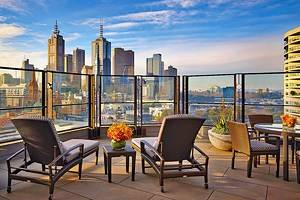
We recommend these unique hotels, apartments, and guesthouses in Geelong and the beautiful Bellarine Peninsula:
- Starhaven Retreat is a luxury bed-and-breakfast, with wonderful hosts, bay views, a stylish design, and floor-to-ceiling windows. During your stay, you can enjoy the jet-stream swim spa and sauna, and view the latest screenings in the private cinema.
- The 4-star Novotel Geelong offers Eastern Beach views, comfortable rooms, a waterfront restaurant, and lovely indoor pool.
- BIG4 Beacon Resort is a relatively affordable Queenscliff resort packed with amenities. The apartments come with kitchenettes, and you'll also find a games room, kids' club, indoor pool, and day spa on-site.
- Budget-friendly hotels are hard to come by in Geelong, but the Quality Hotel Bayside Geelong offers great value in the city center, with water views, modern decor, and a small outdoor pool.
Geelong, Australia - Climate Chart
| Average minimum and maximum temperatures for Geelong, Australia in °C | |||||||||||
| J | F | M | A | M | J | J | A | S | O | N | D |
| 26 14 | 26 14 | 24 13 | 21 10 | 17 8 | 14 6 | 14 5 | 15 6 | 17 7 | 19 8 | 22 10 | 24 12 |
| PlanetWare.com | |||||||||||
| Average monthly precipitation totals for Geelong, Australia in mm. | |||||||||||
| 46 | 43 | 36 | 51 | 56 | 38 | 43 | 51 | 48 | 61 | 48 | 48 |
| Average minimum and maximum temperatures for Geelong, Australia in °F | |||||||||||
| J | F | M | A | M | J | J | A | S | O | N | D |
| 78 57 | 79 58 | 75 55 | 69 50 | 63 46 | 58 42 | 57 41 | 59 42 | 63 44 | 67 47 | 71 50 | 75 54 |
| PlanetWare.com | |||||||||||
| Average monthly precipitation totals for Geelong, Australia in inches. | |||||||||||
| 1.8 | 1.7 | 1.4 | 2.0 | 2.2 | 1.5 | 1.7 | 2.0 | 1.9 | 2.4 | 1.9 | 1.9 |
More Related Articles on PlanetWare.com
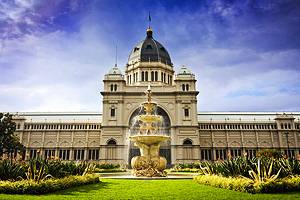
Marvelous Melbourne: Just a little over an hour away is the beautiful city of Melbourne with its own unique attractions.