22 Best Tropical Vacations
Each year, countless travelers find themselves looking for the perfect tropical vacation destination. Many end up defaulting to places they know and settling for the familiar. If you're looking for something new and awesome to add to your travel itinerary, you've come to the right place.
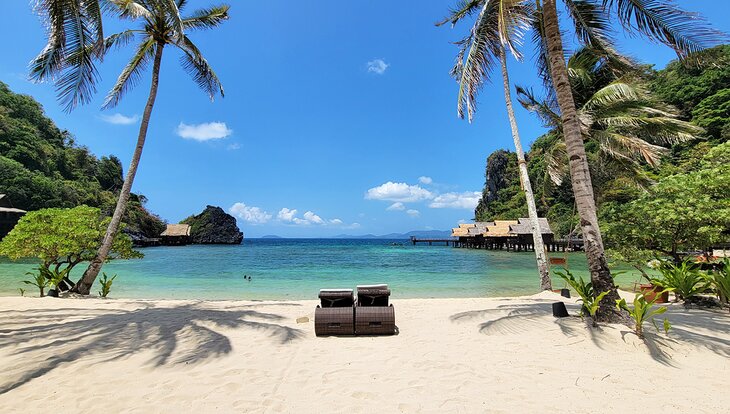
Our list is here to help you find new destinations, maybe something you haven't heard of, or possibly something you've been considering. Think palm-lined beaches, jungle adventures, romantic getaways, and exotic places where you can embrace the culture and customs or discover wildlife you've never seen before.
We've selected some of our favorite tropical hotspots from around the world to inspire and entice your imagination. Read through our list and start planning your next tropical vacation.
- 1. Maldives
- 2. Palawan, The Philippines
- 3. Riviera Maya, Mexico
- 4. Bora Bora, Tahiti
- 5. Kaua'i, Hawaii
- 6. The Mamanuca Islands, Fiji
- 7. St. Barts, The Caribbean
- 8. The Cook Islands
- 9. The Seychelles
- 10. Bali, Indonesia
- 11. Dominican Republic
- 12. Port Douglas, Australia
- 13. The Andaman Coast, Thailand
- 14. The Nicoya Peninsula, Costa Rica
- 15. Florida Keys, USA
- 16. Zanzibar
- 17. Mauritius
- 18. Cartagena, Colombia
- 19. Puerto Rico
- 20. Ambergris Caye, Belize
- 21. The Abacos, The Bahamas
- 22. Sri Lanka
1. Maldives
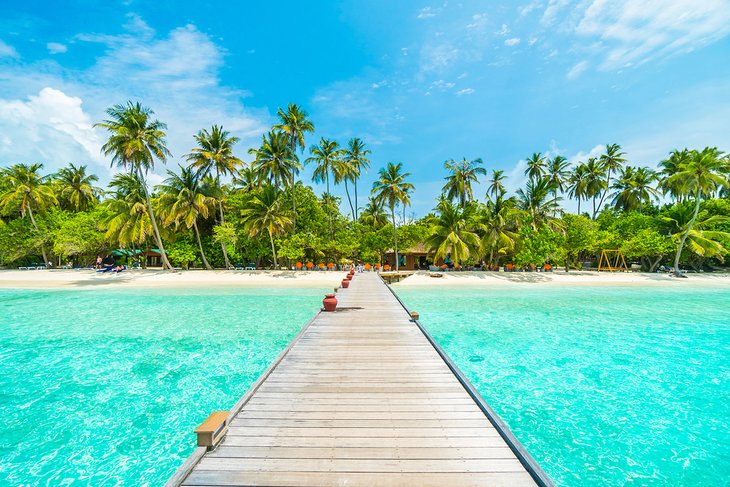
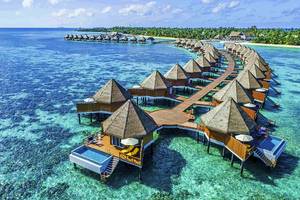
Strung across the Indian Ocean southwest of India and Sri Lanka, the 26 natural atolls of the Maldives exude an almost surreal beauty. This is due, in large part, to the luminous blue waters that surround them. If slipping into the crystal-clear, soul-warming sea is a top criteria for your perfect tropical vacation, this is the place to do it – water comprises 99 percent of the Maldives. Paradoxically, it also threatens to inundate the shores of this low-lying island nation.
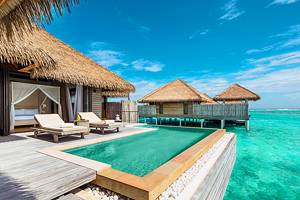
Male is the capital city, but most visitors head straight out to one of the remote atolls, where luxury resorts and bone-white beaches fringed by aquamarine waters await. Diving and snorkeling are world-class, and the Maldives is also a top surfing destination. The most popular surf spots are in the North and South Male Atolls.
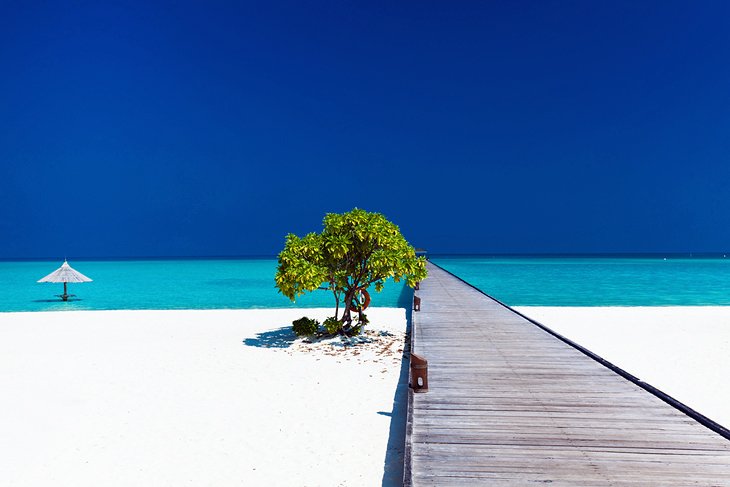
Other popular things to do in the Maldives include swimming with manta rays and whale sharks, as well as big-game fishing. With water being a focal point and so many islands to choose from, the Maldives is also the perfect candidate for a cruise vacation.
Accommodation: Best All-Inclusive Resorts in the Maldives
2. Palawan, The Philippines
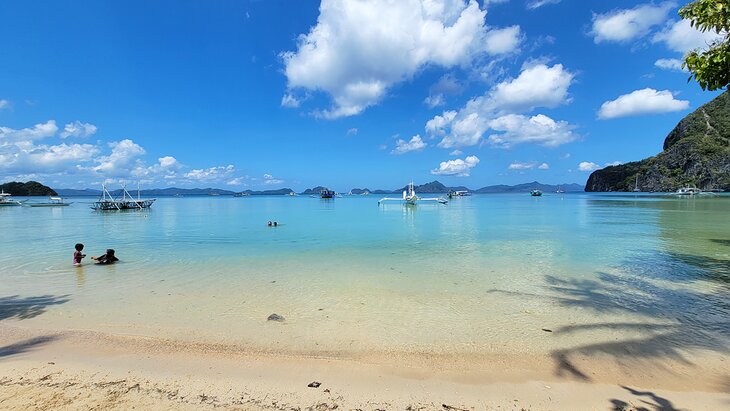
Off on its own in the azure waters of the Sulu Sea, miles from anywhere, lies the shockingly beautiful island of Palawan. Spectacular karst limestone mountains draped in dense greenery jut directly out of impossibly clear waters and bring to mind visions of Krabi, Thailand.
The incredible area surrounding Bacuit Bay near El Nido is home to some of the most beautiful beaches in the Philippines with bathtub-warm waters so shallow that you can walk out a hundred meters and only be up to your waist. Off in the distance are islands, some of the most famous being Cadlao, Helicopter, and Shimizu. Each island hides an enchanting secret—be it a hidden lagoon, a secret beach, or an underwater paradise full of neon-colored fish.
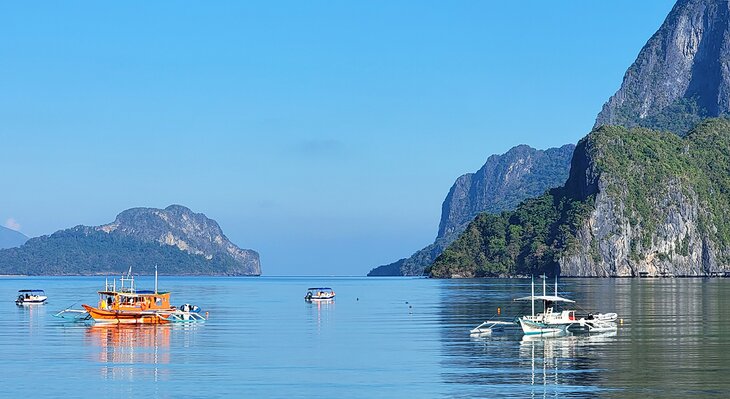
Deluxe resorts occupy private island locations and offer guests top-notch service in spectacular settings complete with over-water bungalows, infinity pools, and gourmet dining. Closer to El Nido the beach area of Corong Corong and Las Cabanas offer comfortable waterfront accommodation and plenty of dining options.
Fans of underground adventure will want to be sure to check out the fascinating and easily accessible Puerto Princesa Subterranean River, a UNESCO World Heritage Site. This river is located near Sabang, about a four-hour drive from El Nido. Boat tours, which can be arranged from Puerto Princesa or Sabang, take you deep underground on a narrated tour past bizarre stalactites while bats flutter by your head.
Read More: Best Places to Visit in the Philippines
3. Riviera Maya, Mexico
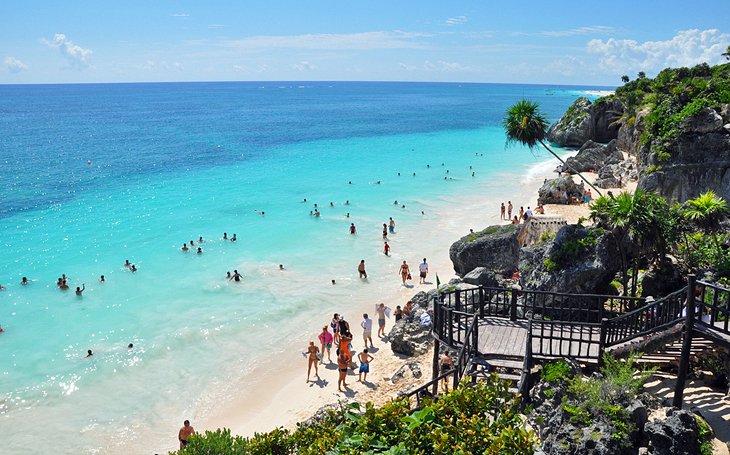
Wondering about the best tropical vacations on a budget? If you're looking for beautiful beaches, culture, and zesty cuisine all wrapped up with an affordable price tag, the Riviera Maya (Mayan Riviera) in Mexico is a great choice. On the tip of the Yucatán peninsula, along the Caribbean coast, the Mayan Riviera encompasses the resort destinations of Cancún, Playa del Carmen, and the island of Cozumel.
You don't have to stay at a big bustling all-inclusive resort here, though you'll find plenty fronting the long, postcard-worthy beaches. Intimate boutique hotels and yoga retreats are also in the mix.
Swimming with stingrays and dolphins diving, snorkeling, and fishing in the clear waters are popular things to do in the Riviera Maya, and culture vultures can explore the magnificent ancient ruins of Tulum, in a stunning setting above the turquoise Caribbean Sea, or Chichén Itzá, a few hours' drive away from the resort strip.
4. Bora Bora, Tahiti
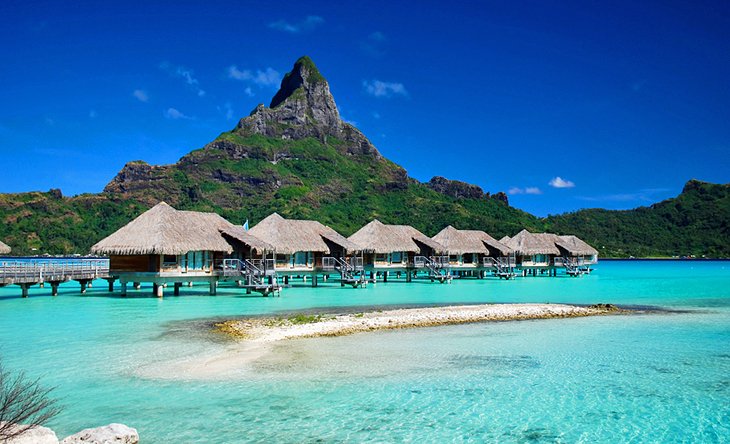
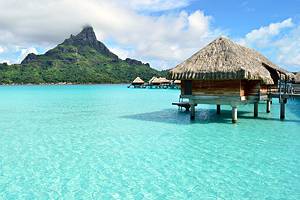
Bora Bora is the quintessential South Pacific paradise. This lush and dramatically beautiful island in French Polynesia rises to a sharp emerald peak ringed by an azure lagoon. Clusters of coconut palms bristle along the beaches, and luxury bungalows perch over the crystal-clear waters, some with glass floor panels, so you can peer into the thriving sea below.
While Bora Bora scores top points for natural beauty, it also ticks the box if you're seeking some cultural appeal. The official language is French, and you can taste the Gallic influence in the gourmet cuisine. Add a bevy of fun water sports, kayak trips to tiny motu (islands), picturesque hiking trails, and adventures such as shark dives, and, it's easy to see why many travelers rank pricey Bora Bora as a top honeymoon destination. It's the ultimate, once-in-a-lifetime place for a tropical vacation, and one of the best tropical vacations for couples.
5. Kaua'i, Hawaii
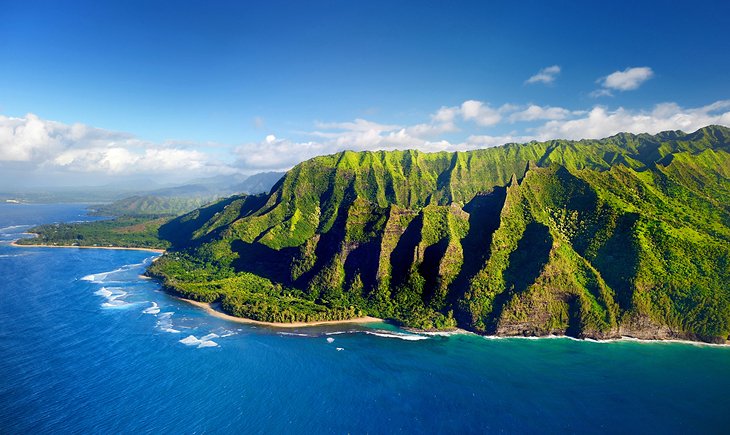
Called the Garden Isle, Kaua'i is a tropical Eden. Lush rainforests, waterfalls, and spectacular green coastal peaks lure nature lovers from around the world. A natural masterpiece of dramatic lava-sculpted landscapes, the island has a more laid-back vibe than its popular sister islands of Maui and Oahu.
Though Kauai is known for being home to one of the rainiest places on Earth, the island is comprised of several microclimates, and the area around touristy Poipu tends to be drier.
Underwater, you'll find colorful coral reefs, where turtles and tropical fish swim. On land, you can bask on golden beaches, admire the cloud-capped scenery from the cliffs above Hanalei Bay, hike among the velvety peaks of the breathtaking Napali Coast, and explore the deep and jungly 10-mile-long Waimea Canyon. Tropical gardens, waterfalls, cute coastal towns, and fantastic surf breaks are other top Kauai attractions.
Don't be surprised if you find yourself sharing Kauai's amazing beaches with slumbering monk seals; nature reigns here, and that's a big part of the island's allure.
6. The Mamanuca Islands, Fiji
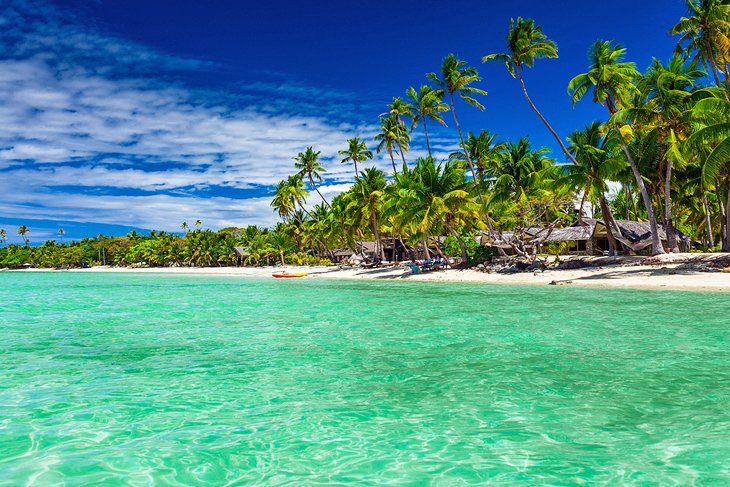
If you're dreaming of an idyllic South Seas island bathed in sunshine, the Mamanuca Islands in Fiji fit the bill. A short boat ride from the gateway town of Nadi, this picture-perfect string of about 20 islands is popular for its gleaming palm-studded beaches, crystal-clear waters, and thriving coral reefs.
When you first glimpse these tropical beauties, it's easy to see why Survivor and the Tom Hanks movie Cast Away were filmed on islands in this chain. When choosing where to stay, your budget and interests will determine the best Fiji island for you.
Accommodation ranges from lively backpacker resorts to family-friendly hotels with thatched bures (traditional huts), and luxury hideaways.
One of the planet's top surf breaks, Cloudbreak, lies about a mile away from Tavarua Island Resort, but you can access this legendary break from other island resorts as well.
Fijians love children, so this is also a fabulous destination for families with youngsters looking to relax, and you'll find plenty of family-friendly resorts here, too.
7. St. Barts, The Caribbean
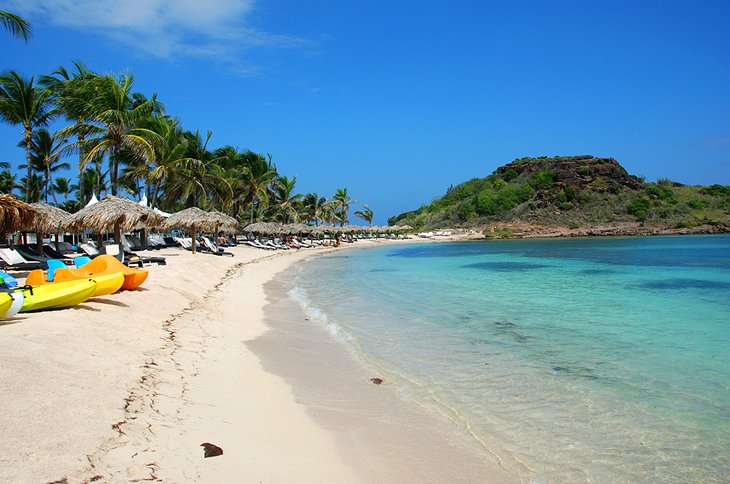
If you like the glittering jet-setter scene, private villas, and pretty beaches, French-influenced St. Barts should be top on your list. But it all comes at a price.
A constant stream of visiting movie stars and mega-moguls means that accommodation and food costs more here than other destinations – especially during high season. However, in return, you'll find beautiful blond beaches backed by green hills, world-class shopping and dining, and a cultural sophistication that many other tropical destinations lack.
Like everywhere, low season offers great deals. Plus, all the beaches are public, so you can hide away in a private villa or boutique hotel and live the life of the rich and famous for less. Besides basking on the beaches, shopping, and feasting on mouthwatering continental delicacies, other popular things to do in St. Barts include snorkeling, diving, kitesurfing, kayaking, fishing, surfing, and sailing.
The top beaches are Saline Beach, Gouverneur Beach, and Lorient, and the red-roofed capital of Gustavia is one of the prettiest towns in the Caribbean.
8. The Cook Islands
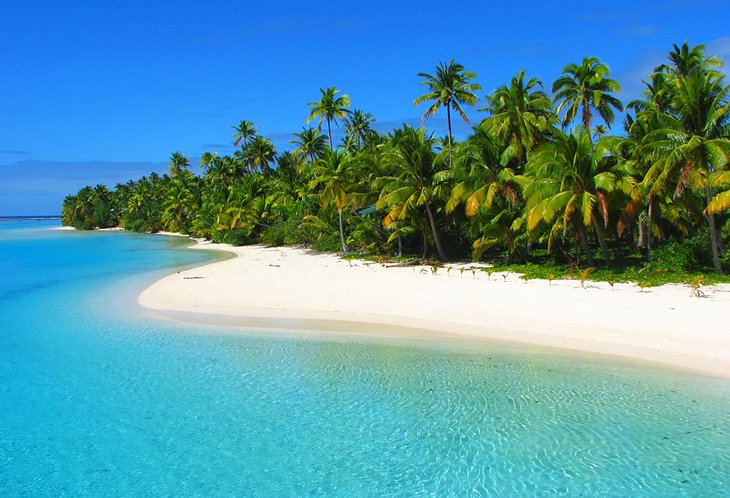
The Cook Islands is a dream destination known for its sublime beaches bristling with palms, and home to some of the friendliest people in the South Pacific.
Rarotonga is the largest of the Cook Islands and the main tourist gateway. Here you'll find beautiful beaches, swimming, snorkeling, kayaking, and fishing, all popular activities in the Cook Islands. One of the popular ways to explore Rarotonga is to rent a small scooter and make your way along the island's ring road stopping off at whatever deserted beach you desire.
Aitutaki is a stunning island and perfect if you'd like to venture further afield. Only a 45-minute flight from Rarotonga, it is blessed with a luminous aqua lagoon, lush peaks, and soft-sand beaches. Once you get there, you'll probably agree that Aitutaki ticks all the boxes for the perfect exotic tropical vacation.
More than 20 motu (small islands) are sprinkled around the lagoon. The small island of Tapuaetai (One Foot Island), in its southeast corner, is a popular Cook Islands day trip with a beautiful perspective of the lagoon.
If you really want to splurge, opt for a luxurious over-the-water bungalow. From here, you can paddle to your own private motu, plonk down under a palm tree, and pretend you're Robinson Crusoe for a day.
9. The Seychelles
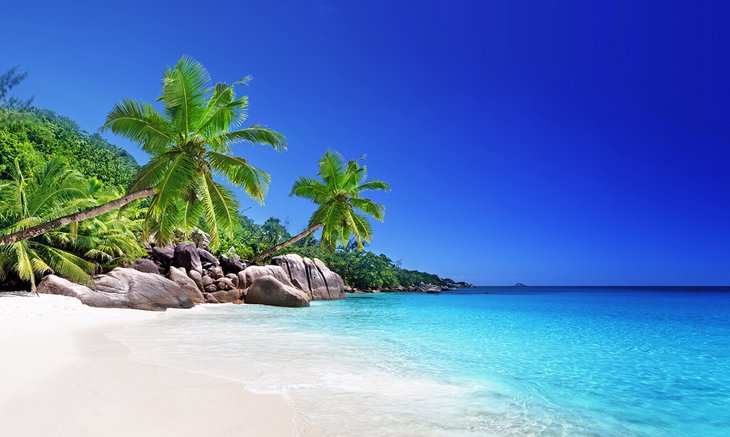
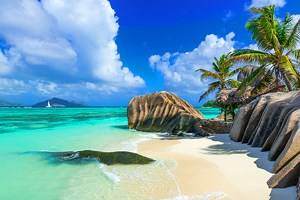
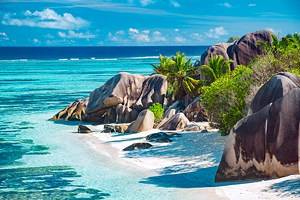
Need a nature fix? The Seychelles should top your list of tropical islands to visit. UNESCO-listed nature reserves, flourishing coral reefs, and beautiful boulder-rimmed beaches are a wonderland for wilderness lovers, and more than half the land area of these 115 emerald beauties is protected.
The only dilemma about visiting the Seychelles is deciding which tropical island to visit. International visitors fly into Mahé. Here, you'll find Victoria the capital, as well as the international airport, the cruise ship port, and beautiful Morne Seychellois National Park.
On Praslin Island, you can explore the UNESCO-listed Vallée de Mai, a prehistoric forest studded with rare giant coco de mer fruit palms. And if you're a beach aficionado, you'll love laid-back La Digue, which is home to some of the Seychelles' most beautiful beaches. Add to this a sprinkling of ravishing outer islands, and you'll have plenty of places to live out your tropical fantasies.
Besides exploring the luxuriant jungles and nature reserves, the top things to do in the Seychelles revolve around the water. You can bask on the beaches, dive and snorkel the reefs, sail, and surf the swells. Fishing is also excellent here – especially on Alphonse Island and Farquhar Atoll.
10. Bali, Indonesia
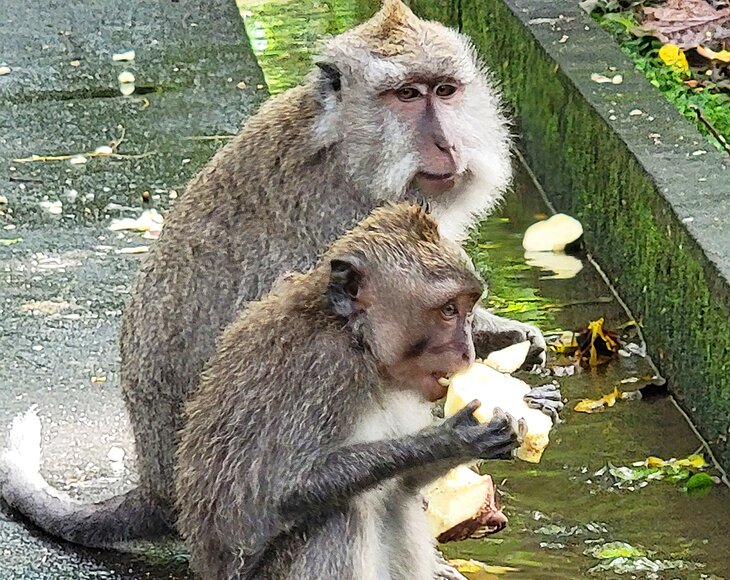
For those seeking a tropical vacation with a spiritual side, Bali beckons with its mystical charm. Temples filled with fragrant incense; rice paddies glowing in the late amber sun; and the calm, gentle people are some of Bali's highlights. Best of all, this is an ideal destination if you're looking for cheap tropical vacations – food and accommodation are relatively affordable.
If you're seeking a lively beach scene, with plenty of shops and restaurants, base yourself in busy Kuta or Seminyak, where you'll also find fantastic surf beaches. Sanur is a great spot for families, with gentle waves, and Ubud, in the lush hills away from the coastal hubbub, is the island's emerald soul.
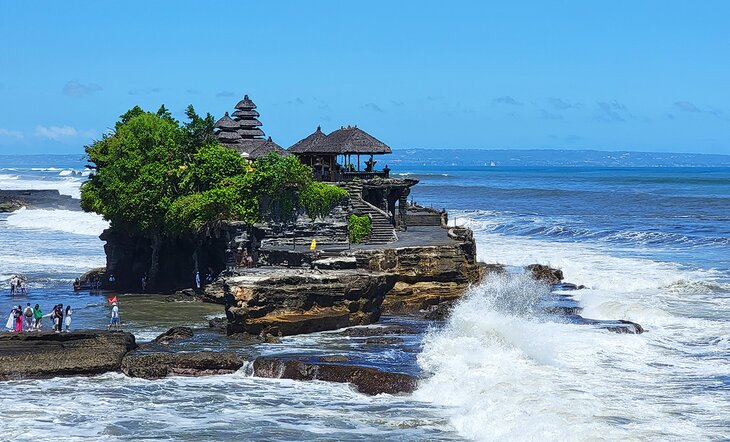
Bali is also known for its relatively affordable spa treatments. You can pamper yourself here without the sticker shock.
Accommodation includes everything from cheap-as-chips hostels to beach resorts and luxury villas staffed with personal chefs and drivers.
The neighboring volcanic island of Lombok is also a popular destination, with less development than its famous sister island.
11. Dominican Republic
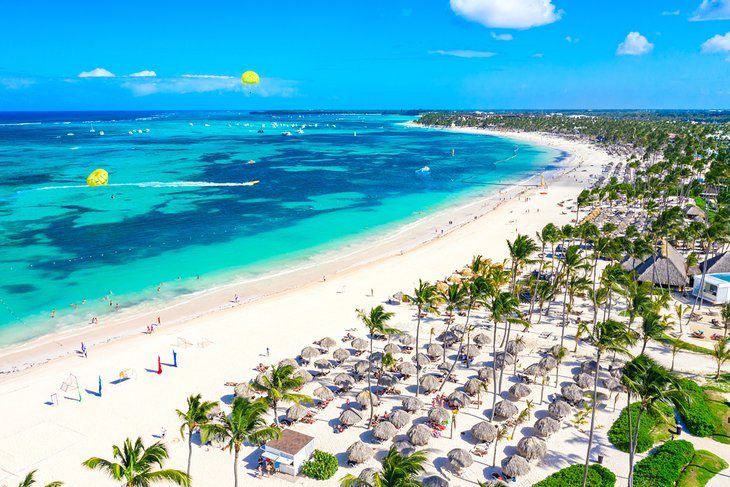
The Dominican Republic is a top choice for travelers looking for fantastic beaches and a luxury stay at an all-inclusive resort. But this popular vacation destination has much more to offer than just glorious beaches. You can also find great surfing and kiteboarding, small off-the-beaten-path towns, jungle adventures, and cultural hotspots.
Head to Puerto Plata, Punta Cana, or La Romana to find some of the best resorts in the Caribbean clustered along idyllic sweeps of palm-fringed beach. This is the place to come for a relaxing vacation.
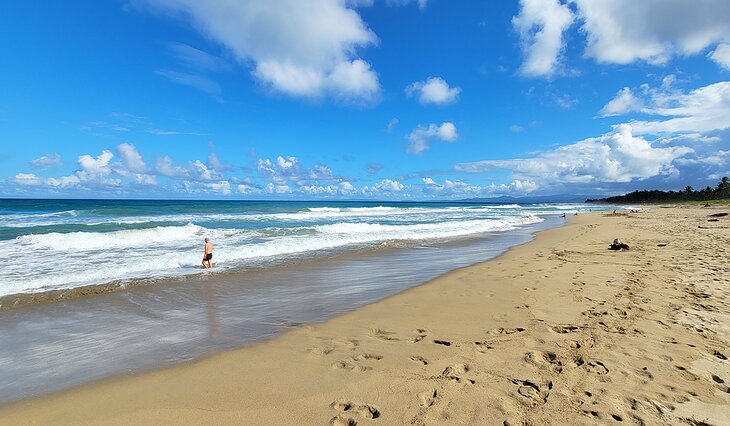
If you want a little more of an independent travel experience and a local vibe, try heading to the small town Cabarete. Dine with your toes in the sand at an assortment of restaurants lining the main beach. Or, head to the surrounding beaches for surfing (Encuentro Beach) and kiteboarding (Kite Beach).
Inland, you can climb the highest peaks in the Caribbean, raft the white waters of the Río Yaque del Norte, hike to waterfalls through the steamy jungle, or bike through pine forests along alpine trails. Or, explore the less developed beaches and small towns on the Samaná Peninsula.
The capital, Santo Domingo, is a UNESCO World Heritage Site, with charming colonial architecture and a fascinating history. You can do excursions to the capital from Punta Cana or La Romana, but this city is worth more time than just a day trip.
12. Port Douglas, Australia
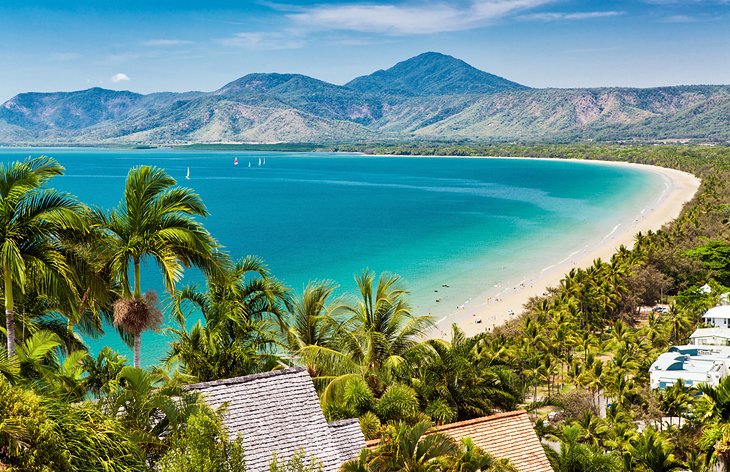
Port Douglas is an ideal destination for adventurous nature lovers. About an hour's drive north of Cairns in Queensland, this upscale town has evolved from its humble origins as a snoozy fishing village into a popular tropical tourist resort and a handy base for reef trips and wilderness safaris.
Two of the richest ecosystems in Australia lie a short hop from here: the Great Barrier Reef, with superb diving and snorkeling; and the Daintree Rainforest, part of the Wet Tropics World Heritage Site, which tumbles to the reef-dappled waters of Cape Tribulation.
The town's leafy streets are lined with mango trees and palms, as well as a cluster of upscale shops, cafés, and art galleries. But one of the star features of Port Douglas is Four Mile Beach, a blond crescent of jungle-fringed sand. Swimming is restricted here during marine stinger season (November through June); however, it's always a favorite spot for a stroll.
Other prime Port Douglas tourist attractions include the Wildlife Habitat and the Flames of the Forest Aboriginal Culture and Rainforest Dining Experience. Fishing trips and northbound expeditions through the rugged landscape of the Cape York Peninsula are also popular.
The winter season, from May through September, is the best time to visit, when temperatures are cooler and drier weather prevails.
13. The Andaman Coast, Thailand
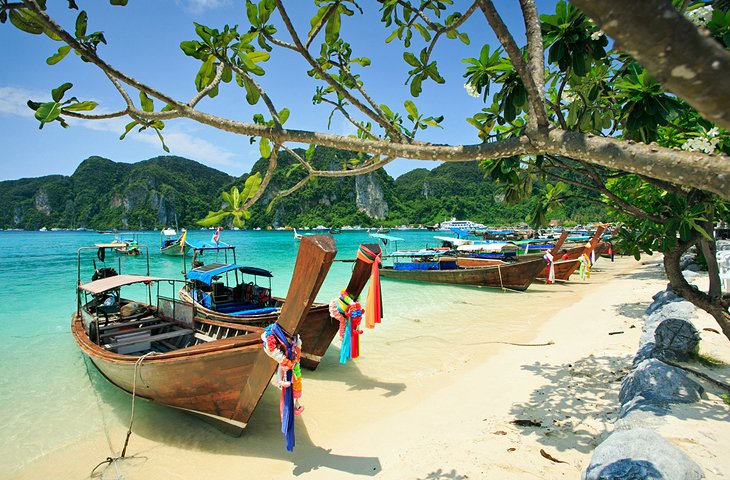
The Andaman Coast is a convenient base for exploring the spectacular islands of the Andaman Sea. These lush limestone peaks rise from turquoise waters, creating one of the planet's most striking seascapes.
Famous isles include the Phi Phi Islands, such as Ko Phi Phi Don, and its many resorts, and Ko Phi Phi Leh, where the Leonardo DiCaprio movie The Beach was filmed. These islands are on the popular Phuket Day Trip circuit, but you can still find your very own peaceful patch of paradise if you venture further afield. Phang Nga Bay is home to more than a hundred of these emerald beauties, including the famous James Bond Island.
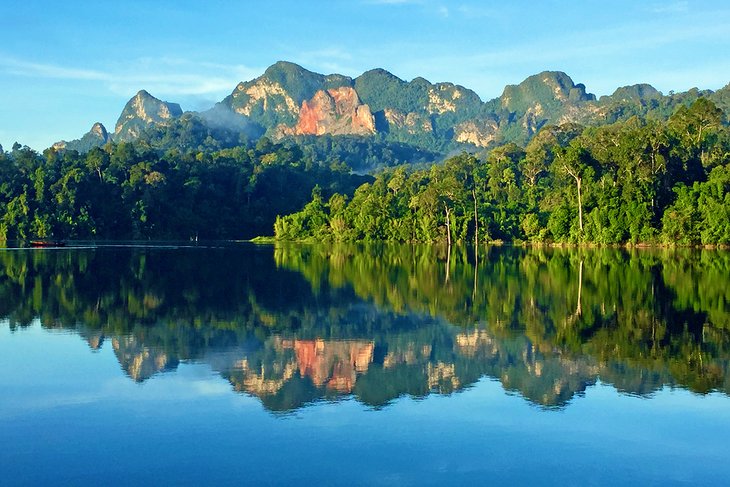
Popular areas to use as a base for exploring all this natural beauty are Krabi or popular Phuket, Thailand's largest island. The dazzling scenery continues inland at Khao Sok National Park, where you can commune with elephants amid the jungle-cloaked peaks.
Accommodation ranges from homestays and budget-priced beachfront bamboo shacks to luxury villa-style resorts perched on sea cliffs, but even high-end resorts tend to be more affordable here than other tropical destinations.
This is a great choice if you're looking for exotic culture, fiery food, and ravishing scenery that doesn't break the budget. Try to avoid the southwest monsoon, which usually strikes the coast from the end of May through the middle of October.
14. The Nicoya Peninsula, Costa Rica
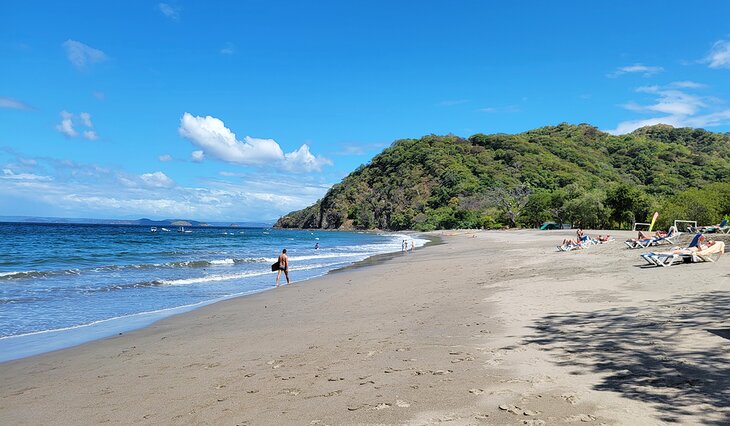
On the Pacific Coast of Costa Rica, the Nicoya Peninsula is a hot spot for surfers and eco-tourists. It also has some of the best beaches in Costa Rica. Pockets of jungly forests and long beaches washed by perfect barrel breaks make this a popular place to visit for nature lovers and surfers.
Tamarindo is a prime tourist destination. It's the most developed town on the peninsula, with fantastic surfing for all skill levels at Playa Tamarindo, as well as a wide range of restaurants and hotels.
It lures a colorful mix of fun-loving backpackers, surfers, families, and chilled-out expats. Around Tamarindo you can snorkel; dive; horseback ride; zipline; and watch turtles nesting from October through March at nearby Playa Grande, one of Costa Rica's most important nesting grounds for leatherback turtles.
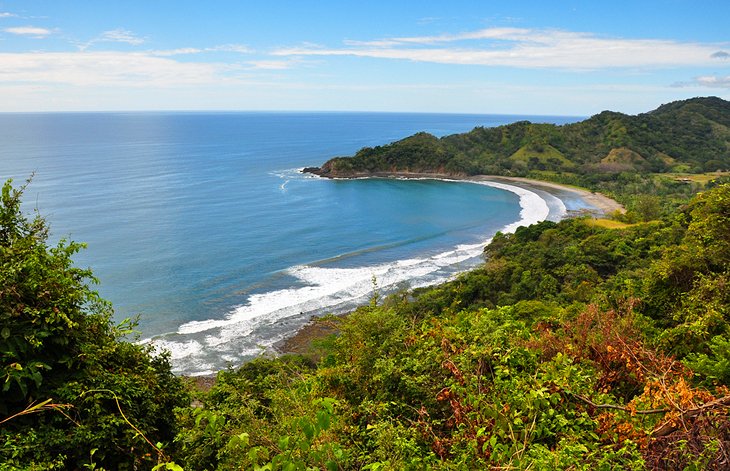
Upscale Santa Teresa in Mal Pais, along the peninsula's southwest corner, is also known for its fantastic surf, as well as yoga retreats, organic eateries, and boutique hideaways.
Other prime places to visit on the Nicoya Peninsula include beautiful Nosara, backed by a tangle of green forest; Montezuma; and peaceful Samara, one of the peninsula's least developed towns.
Not far from these beach towns, one of Costa Rica's top tourist attractions, the Monteverde Cloud Forest Reserve, protects one of the continent's last unspoiled pockets of cloud forest.
15. Florida Keys, USA
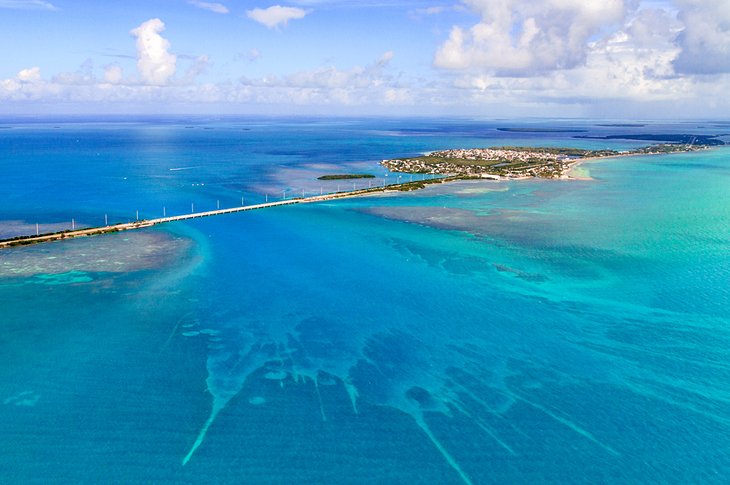
Home to the only coral reef in the United States, the Florida Keys offer a fun tropical fix, fantastic fishing, and a few pretty palm-lined stretches of sand. Trailing south of Miami for more than 110 miles to within about 90 miles of Cuba, the Keys are coral islands linked by causeways, so you can drive between them on the Overseas Highway, which runs from Key Largo south to Key West.
Top attractions in the Florida Keys cover nature and culture. The John Pennekamp Coral Reef State Park and the Florida Keys National Marine Sanctuary off Key Largo offer great diving and snorkeling, and Bahia Honda State Park boasts some of the prettiest beaches. And you can't miss legendary Key West. Its anything-goes mentality complements the colorful Caribbean-style cottages and rich Hemingway history. You can also visit the southernmost tip of the United States here – it's one of the popular things to do in Key West.
Although the Florida Cays isn't necessarily one of the top beach vacations in the USA, you'll still find beautiful stretches of mostly man-made shore, and many are fronted by popular beach resorts with palm-studded grounds and views of the crystal-clear turquoise water.
Feel like fishing? Islamorada proclaims itself the "sportfishing capital of the world," with tarpon, bonefish, and permit to catch; and Marathon is also excellent for casting a line. Big-name fishing tournaments are held in the surrounding waters each year. It's also home to a number of beautiful resorts.
While you're here, try to sample some conch, a type of marine snail, as well as the famous key lime pie.
16. Zanzibar
Rich in culture, Tanzania's Zanzibar archipelago is a popular post-safari island escape. This string of idyllic coral-fringed islands lies off Tanzania's coast, north of Dar es Salaam, and has long been a cultural crossroads due to its key position on spice trading routes. Africa, Arabia, India, and Europe have all left their mark on Zanzibar, and you can see, feel, and taste these many influences during your visit.
Zanzibar Island (officially called Unguja) anchors the archipelago. This is the most popular place to stay, thanks to its beautiful beaches and UNESCO-listed historic center, Stone Town. Take a walking tour through the tangle of cobbled streets, and explore the island's historic sites, from its eye-catching architecture and spice-packed bazaar to the richly carved doors for which the island is famous.
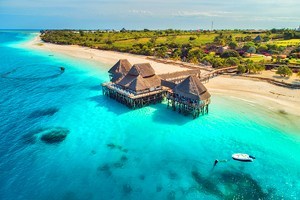
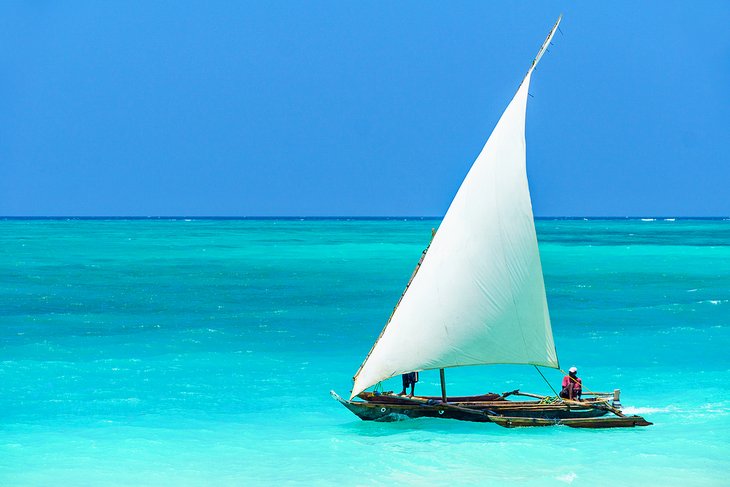
Relaxing on Zanzibar's beautiful beaches is a quintessential Tanzania experience. Graceful dhows glide along turquoise waters rimmed by bone-white sand, and snorkeling and diving are excellent along the islands' coral reefs, especially off the island of Pemba.
Craving a wildlife experience? Look for colobus monkeys in Jozani Chwaka Bay National Park or book a close-up critter encounter at Cheetah's Rock. You can also sign up for dolphin tours offshore.
Wondering about other things to do in Zanzibar? Tour a spice farm or stay in a zero footprint eco-bungalow at Chumbe Island Coral Park.
17. Mauritius
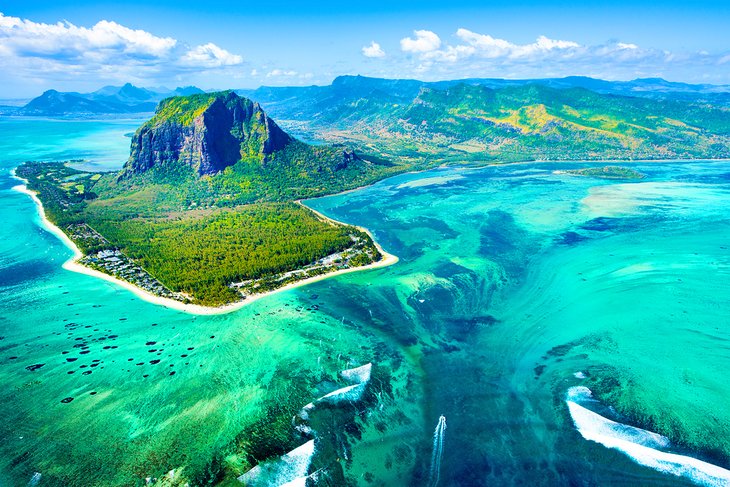
Known as the "pearl of the Indian Ocean," Mauritius is an island paradise off the coast of Madagascar. Volcanic landscapes endow the island with a striking beauty, and luxury resorts with spas and golf courses line the silky-sand beaches.
Beaches are a highpoint. Le Morne Beach, Flic en Flac, and Pereybere are standouts, and many guests book a trip to Iles aux Cerf to loll in the idyllic lagoon. With all the enticing turquoise water, aquatic activities rank high on the list of top things to do in Mauritius. Swim or snorkel along the beautiful beaches, dive the colorful coral reefs off the island's west coast, kitesurf, sail, or book a deep-sea fishing trip.
Mauritius is also known for its many endemic species of both plants and animals (most famously the dodo, which became extinct in the 17th century). Top nature experiences include hiking to Chamarel Waterfall, climbing UNESCO-listed Morne Brabant, and spotting some of the island's many species of birds.
And if you're feeling hungry, Mauritius cuisine will tantalize your taste buds. It reflects the island's multicultural roots with Indian, African, Chinese, and French influences.
With all these rewarding things to see and do, no wonder Mauritius makes the list of popular places to visit for a tropical honeymoon.
18. Cartagena, Colombia
Colombia is a land of striking contrasts and diverse natural areas, but its Caribbean coast is a wonderful spot for a tropical vacation. This is where you'll find Cartagena, one of the most beautiful cities in South America.
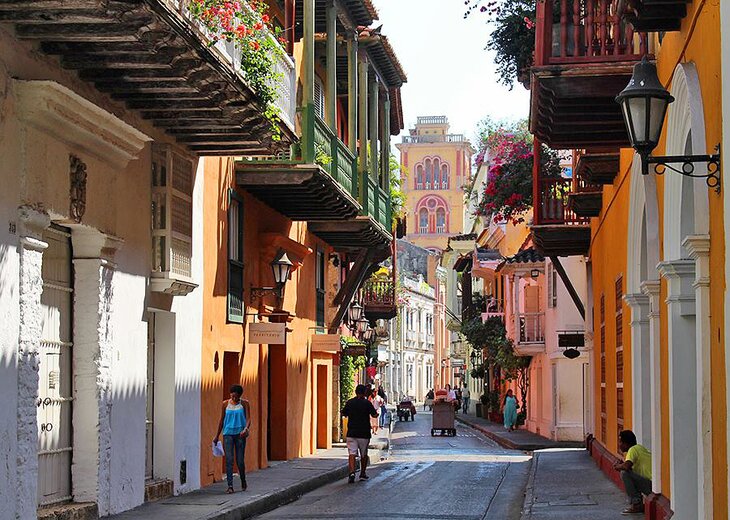
The historical walled city is an architectural masterpiece of restored buildings that look like they've fallen out of a magazine. Some of these now hold luxury hotels with rooftop pools and stunning views, while others have been converted into restaurants serving outstanding cuisine.
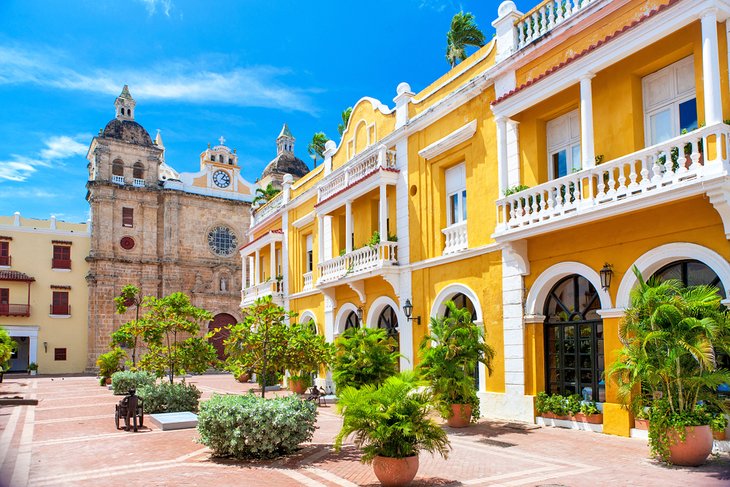
If you're a beach lover, Cartagena has you covered. The city is surrounded by beautiful beaches. Some of the most gorgeous soft-sand beaches are found on islands you can day trip to from the city. You can also find kitesurfing beaches here, including nearby Boquilla.
Wander the old streets, dine on the historic walls overlooking the ocean, listen to the musicians in the squares fill the night air with their melodies, and relax by a poolside in the afternoon as you soak up the warmth of the sun.
From here you can also head off to explore other interesting places to visit in Colombia. Less tropical but equally impressive in their own way are Medellin and Bogota. Colombia ticks all the boxes.
19. Puerto Rico
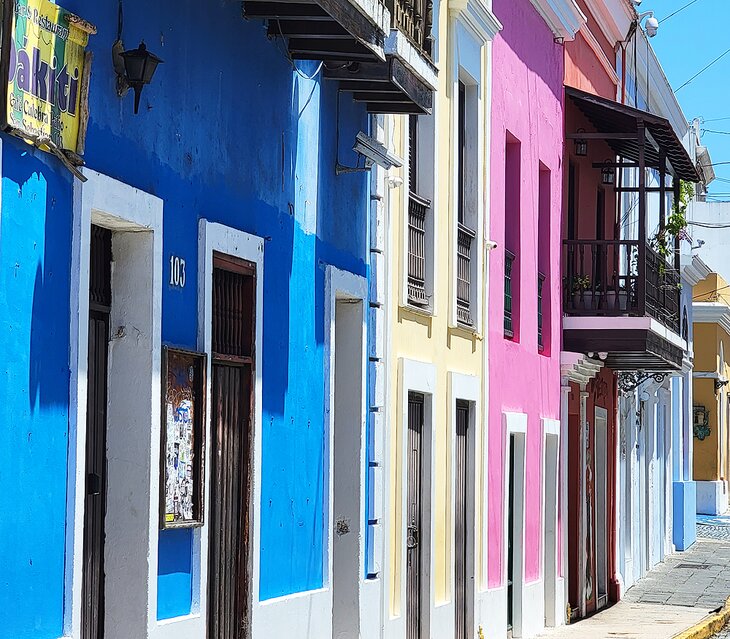
Puerto Rico is a fascinating destination and also an easy tropical vacation to organize, especially for Americans who don't require a passport. If you are traveling from the US, it is a domestic flight and does not involve going through customs.
Beaches, rainforests, surfing, history, and shopping are all on offer here, and when you layer all those great things on top of the historic 16th-century sights of the Old City of San Juan, you'll discover Puerto Rico is the complete package.
Puerto Rico boasts stunning beaches, including Liquillo's palm-fringed paradise, the wave action of Playa Crash Boat, and the urban fun of Playa Condado in San Juan. Before the day heats up, tour the impressive 16th-century Fuerte San Felipe del Morro, commanding one of the most breathtaking locations in the Caribbean.
In the evening, the Old Town of San Juan is enchanting with its candy-colored colonial buildings illuminated by soft lighting. Take a leisurely stroll along the cobblestone streets, enjoy the warm evening air, and don't miss the chance to have dinner on a patio in the area.
For some light adventure, head out on a rainforest stroll to the La Mina waterfall in El Yunque National Forest, or take a catamaran tour to Cayo Icacos, a deserted island in the La Cordillera Nature Reserve.
Further afield, the stunning beaches and laid-back charm of the islands of Culebra and Vieques are places you'll want to visit but won't want to leave.
20. Ambergris Caye, Belize
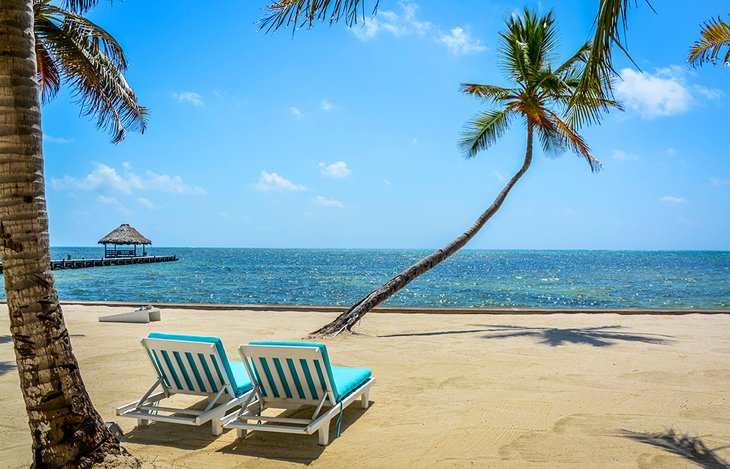
Off the tip of the Yucatán Peninsula, Ambergris Caye in Belize is one of the most popular places to visit in Belize and the largest of its 200 cayes. While its Caribbean beaches are generally better for fishing than swimming, thanks to their flourishing turtle grass flats, the magnificent Hol Chan Marine Reserve more than compensates, with superb diving and snorkeling less than a half-mile from shore.
This underwater wonderland is part of the Belize Barrier Reef system, the second largest barrier reef in the world after the Great Barrier Reef in Australia. Shark Ray Alley is a popular site, where divers can come face to face with nurse sharks and stingrays. Anglers also flock here to prowl the flats for bonefish and try their luck for permit, tarpon, snook, and barracuda.
Part of the island's charm is its colorful town of San Pedro, where golf carts rule the streets, and funky restaurants showcase fresh seafood and Mexican-inspired cuisine. Since the northern part of the island lies a stone's throw from Mexico, the island has a strong Mexican influence, and many locals speak Spanish.
21. The Abacos, The Bahamas
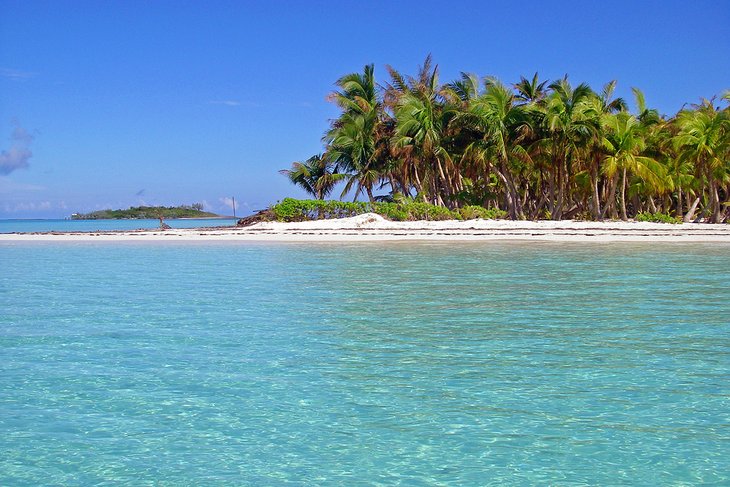
Almost 300 kilometers east of Florida, the beautiful Abacos, in the Bahamas, offer some of the world's best waters for boating and sailing. These peaceful Atlantic islands, also called the Out Islands or Family Islands, seem a world away from the busy tourist spots of nearby Florida. Here, you'll find secluded pine-fringed beaches; flourishing coral reefs; and sleepy fishing villages, where golf carts and boats are the main mode of transport.
British Loyalists settled these islands, and you can witness this heritage in the cute and colorful colonial cottages lining the narrow streets.
Prime areas for a low-key vacation include cute Elbow Cay, with its famous candy-striped lighthouse; charming three-mile long Green Turtle Cay, which feels like stepping back in time to the old Bahamas; and Treasure Cay, on Great Abaco, with its ravishing white-sand beach lapped by waters in technicolor turquoise. Guana Cay, Walker's Cay, and Man "O' War Cay are other popular islands.
Favorite things to do in the Bahamas include fishing, diving, snorkeling, relaxing, and chatting with the locals, and with miles of pristine beaches, it's easy to find your own private patch of soft, white sand.
22. Sri Lanka
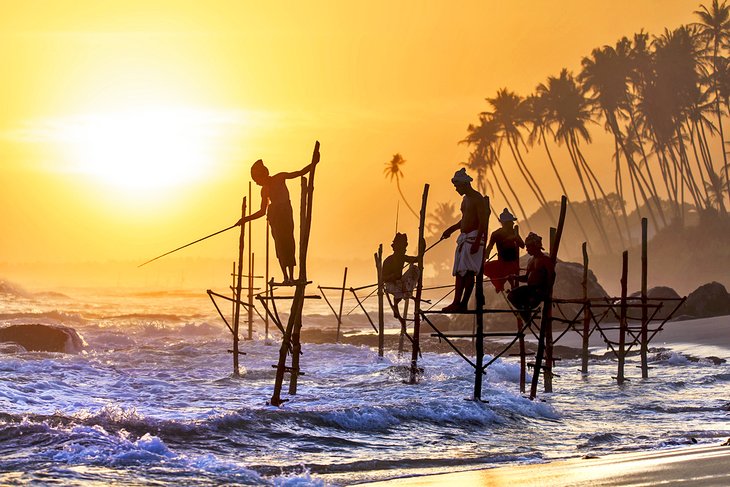
Sri Lanka offers something for every kind of tropical traveler. Surf breaks, culture, history, nature, mouthwatering multicultural cuisine, and more than eight UNESCO World Heritage Sites are among the many experiences awaiting you in this captivating country. Top it all off with an affordable price tag, and Sri Lanka makes an ideal addition to your list of cheap tropical vacations.
Is basking on a powdery palm-lined shore your idea of tropical heaven? Sri Lanka's beaches won't disappoint. Traveling with an avid surfer? World-class surf breaks appeal to every ability level, from beginner to advanced. And if exploring underwater is more your style, you can snorkel and dive along coral reefs and fish-rich wrecks.
Nature is also a top draw on land. Take a Sri Lankan safari and delve deep into lush jungles to spot leopards, sloth bears, water buffalo, elephants, and a dazzling diversity of birds. Or explore the country's many cultural jewels. Ancient ruins, sacred temples, mosques, and colonial forts shed light on Sri Lanka's fascinating 2,000-year history. For an overview, head to the capital, Colombo and tour the National Museum.
Finally, the country's famous tea plantations are among the best places to visit in Sri Lanka. To see a different side of this tropical hot spot, don't miss the chance to indulge in a tea tasting high in the cool, mist-cloaked mountains.