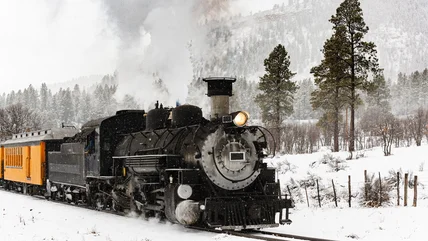
This Scenic Train Ride In South Dakota Offers Stunning Views During Winter
Enjoy a picturesque winter adventure aboard a historic South Dakota train that blends scenic views, small-town charm, and classic holiday spirit.
Read More

Enjoy a picturesque winter adventure aboard a historic South Dakota train that blends scenic views, small-town charm, and classic holiday spirit.
Read More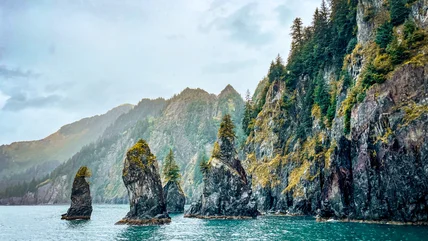
The national parks of Alaska are some of the most beautiful in the U.S., but this one in particular is underrated with amazing landscapes and wildlife.
Read More
This destination in Maui was devastated by the 2023 wildfires, but you can still visit and help it recover by participating in voluntourism.
Read More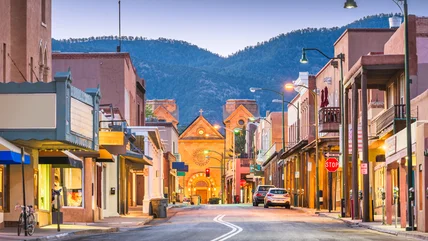
This destination was home to Native Americans before being colonized by the Spanish in the early 17th century, giving it a long and fascinating history.
Read More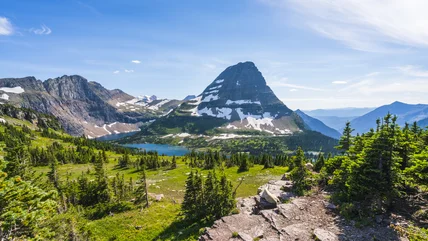
This national park in Montana spans over 1 million acres with stunning peaks, deep valleys, and over 700 miles of world-class hiking trails to tackle.
Read More
This often overlooked bay in Oregon is worth the trip for its easy access to multiple state parks along with coastal dunes, fresh seafood, and stunning views.
Read More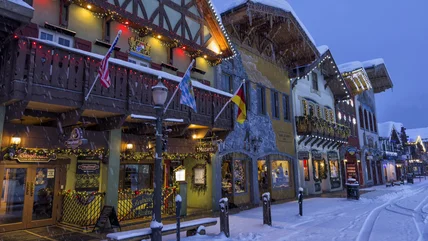
From snow-covered towns to candlelit cities, these picturesque and romantic winter destinations are perfect for couples planning a last-minute getaway.
Read More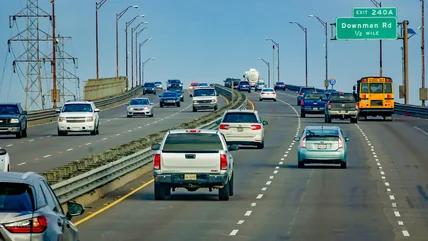
A road trip is perhaps the most quintessentially American way to travel, but be careful in this state that was ranked the worst for road rage.
Read More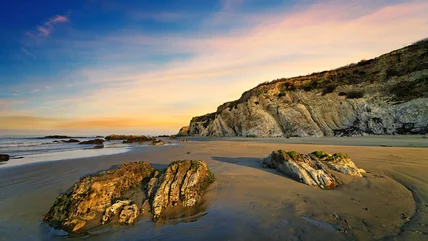
In California, this coastal town boasts laid-back vibes, waves for surfing, adorable seal pups, local shops, and stunning views of the Pacific Ocean.
Read More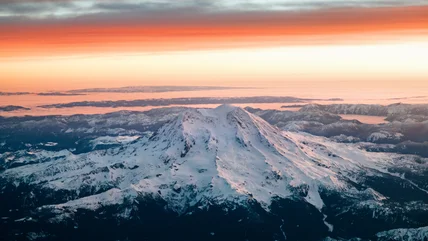
One stunning U.S. national park boasts camping, diverse wildlife, and hiking trails, but it's also home to a potentially dangerous active volcano.
Read More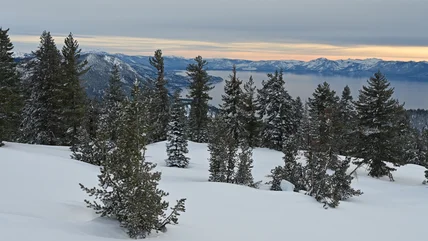
Not far from Lake Tahoe is a 2.3-mile trail boasting gorgeous views of the lake and mountains in the winter, along with adorable wildlife encounters.
Read More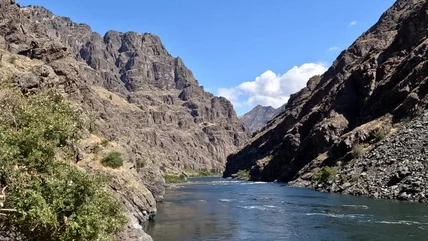
There are some incredible canyons in the U.S., and this scenic canyon on the Oregon-Idaho border is lesser-known but more impressive than the Grand Canyon.
Read More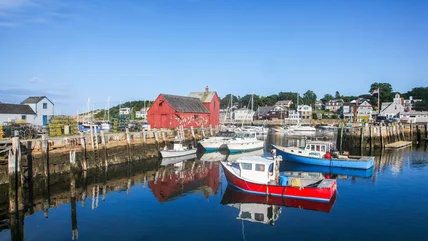
Looking for a relaxing coastal getaway? This charming New England town boasts ocean views, local shopping, and an unforgettable small-town atmosphere.
Read More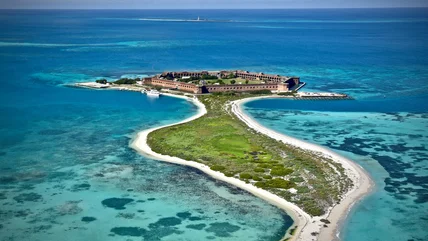
This national park in Florida offers a unique island getaway where you can snorkel, spot turtles and sharks, and visit a massive historical fort.
Read More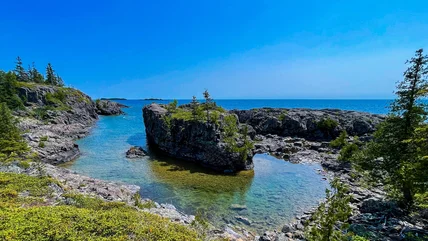
Only open during the summer, this off-the-beaten-path national park boats wildlife sightings, top-tier wreck diving, hiking trails, and more outdoor fun.
Read More
Uncover a hidden gem nestled along the Potomac, where cobblestone streets, a thriving art scene, and charming eateries make for the perfect getaway.
Read More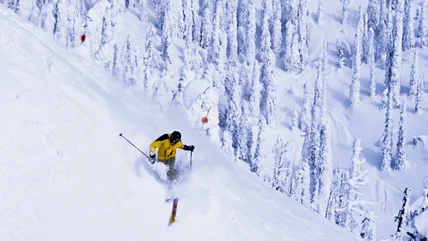
With an average of 300 inches of snow a year, this Montana town is an ideal spot for skiing and snowboarding, along with winter sleigh rides and holiday meals.
Read More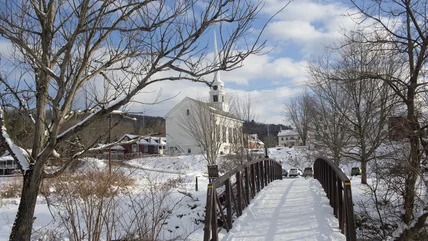
This charming Vermont town is packed with winter activities and attractions made for couples, from skiing to romantic massages to cozy resorts.
Read More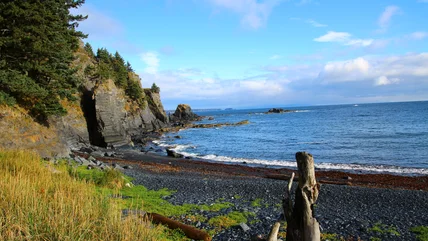
If you dream of spotting bears and puffins or hopping in a boat for a day of fishing, this huge, wild island in the U.S. is calling your name.
Read More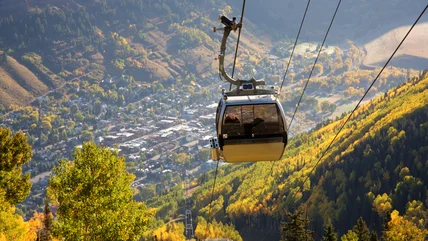
This Colorado destination boasts a charming boutique-lined main street, award-winning food, and a free gondola ride with breathtaking views.
Read More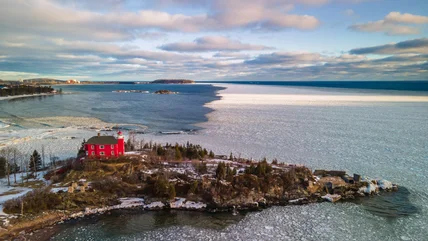
For skiing, snowshoeing, and more winter fun, plus a variety of dining options and cozy log cabins, head to this Michigan city near Lake Superior.
Read More
A trip to New York City isn't complete without a visit to Little Italy, but there's more than one, and the superior one isn't in Manhattan.
Read More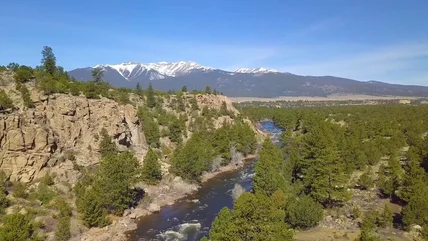
Skip the crowds at Grand Teton and head to Colorado for a state park boasting top-notch whitewater boating and tubing, fishing, hiking, and camping.
Read More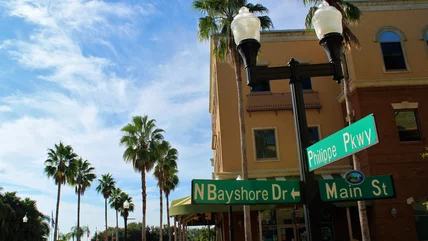
If you are in Tampa Bay, make sure not to miss out on this underrated Florida destination with small-town vibes, cozy shops, art galleries, and a haunted tour.
Read More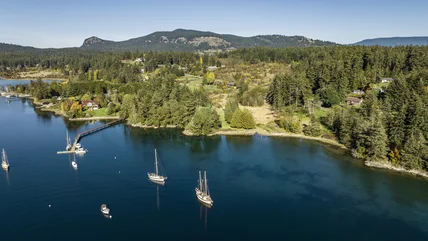
If you're craving a rugged getaway filled with a charming mix of wildlife and artsy vibes, consider visiting this spot in the San Juan Islands.
Read More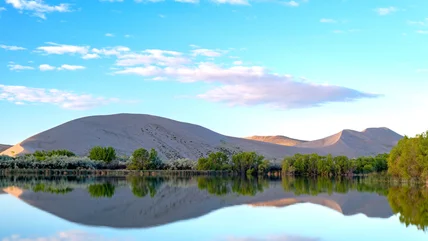
This southern Idaho hidden gem combines desert dunes, crystal-clear night skies, and outdoor thrills in some of the state's most diverse landscapes.
Read More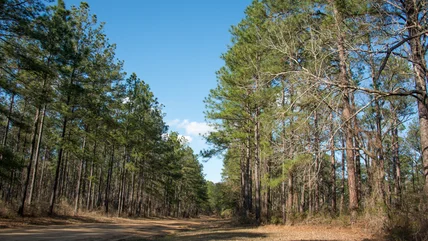
Looking for a peaceful getaway? Explore a landscape of pine forests, hidden lakes, and unforgettable outdoor adventures in the heart of Louisiana.
Read More