Visiting the Great Barrier Reef: 11 Top-Rated Attractions & Things to Do
The World Heritage-listed Great Barrier Reef is, quite simply, Australia's top tourism treasure. Stretching from the northern tip of Queensland south to the coastal town of Bundaberg, it's the planet's largest coral reef system and comprises one of its richest ecosystems. So vast is this complex of reefs, islands, coral cays, seagrass beds, and mangroves, it is the only living structure visible from space.
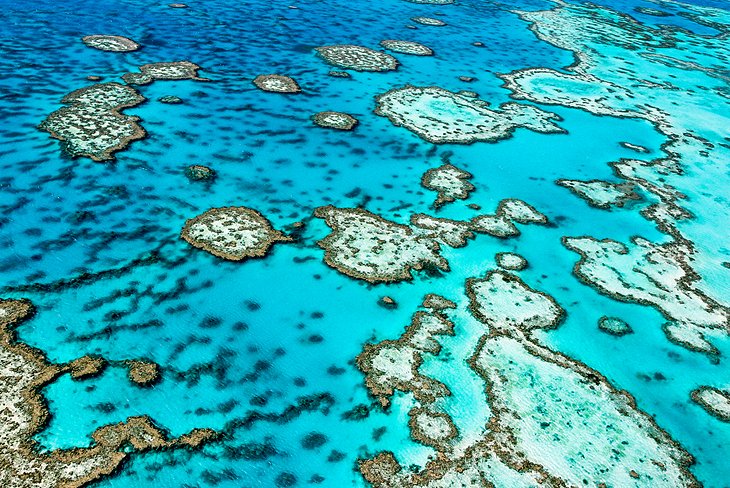
Experiencing the Great Barrier Reef is a top Australian outdoor adventure, and you'll find plenty of ways to enjoy it. Among the most popular things to do are scuba diving and snorkeling along the shimmering coral reefs, sailing around idyllic tropical islands, fishing in designated zones, peering at the abundant marine life from a glass-bottomed boat, and soaring over this magnificent natural wonder on a scenic flight.
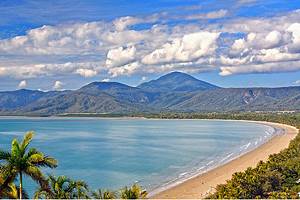
Thanks to its vast size, you can access the Great Barrier Reef from various points along the Queensland coast. One of the most popular launching points for reef adventures is the thriving tourist town of Cairns in Far North Queensland. About an hour's drive north of Cairns, picturesque Port Douglas, is a smaller and more peaceful base for reef trips. It's also the closest mainland port to the Great Barrier Reef.
This magnificent spectacle is a must-see addition to your Aussie itinerary. Climate change is one of the biggest threats to the Great Barrier Reef, causing large-scale coral die-off, especially along the reef's far northern stretches, so try to see this natural wonder as soon as you can. The Australian and Queensland Government introduced a long-term sustainability plan to help combat the effects of climate change and pollution, but more action is needed to conserve this important resource for future generations.
Learn about the best places to visit in this tropical paradise with our list of the top things to do at the Great Barrier Reef.
- 1. Great Barrier Reef Marine Park
- 2. Whitsunday Islands
- 3. Whitehaven Beach
- 4. Dive or Snorkel the Great Barrier Reef
- 5. Hop aboard a Reef Cruise or Sailing Trip
- 6. Soar over the Reef on a Scenic Flight
- 7. Take a Day Trip to Fitzroy or Green Island
- 8. Magnetic Island
- 9. Lizard Island
- 10. Orpheus Island
- 11. Book a Day Trip to Lady Musgrave, Lady Elliot, or Hinchinbrook Island
- Map of the Great Barrier Reef: Top-Rated Attractions & Things to Do
- Frequently Asked Questions
- Why is the Great Barrier Reef important?
- How big is the Great Barrier Reef?
- When is the best time of year to visit the Great Barrier Reef?
- How many islands make up the Great Barrier Reef?
1. Great Barrier Reef Marine Park
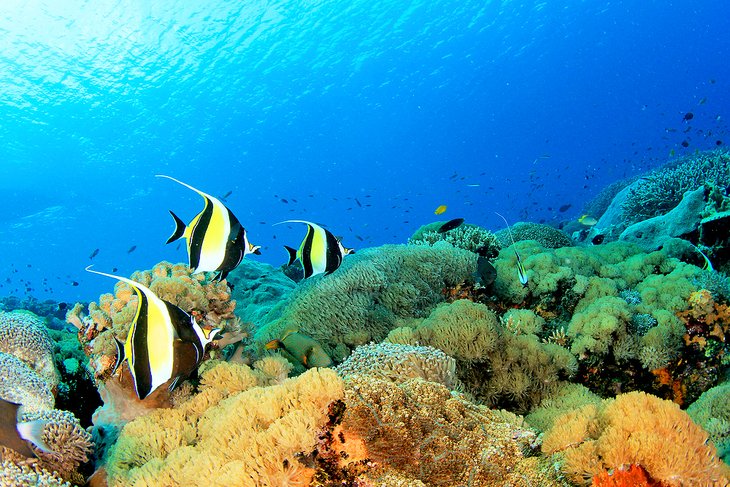
The Great Barrier Reef Marine Park was established in 1975 to protect the reef's fragile ecosystems. Within its borders lie more than 2,900 coral reefs, 600 continental islands, 300 coral cays, seagrass beds, and many mangrove islands.
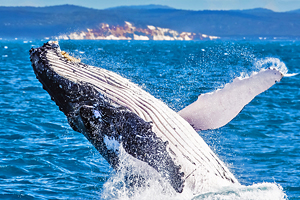
One of the top things to do in the Great Barrier Reef Marine Park is marvel at the astonishing variety of marine life. More than 600 species of hard and soft corals flourish here, ranging from bulbous spheres of brain coral to craggy staghorn and graceful gorgonian sea fans. These thriving underwater jungles are also home to mollusks such as giant clams, and more than 1,625 species of fish. In the surrounding waters, you can spot sharks, rays, sea snakes, dugongs, turtles, dolphins, and whales.
Unlike some other marine reserves, the park operates as a mixed use protected area and allows sustainable fishing in designated zones. The Great Barrier Reef Marine Authority administers the park in consultation with the Aboriginal and Torres Strait Islanders, whose heritage is closely linked with the region. Together, they work to protect this rich patchwork of fragile ecosystems and astounding biodiversity.
Note that due to large tidal shifts, reef access and many activities in the park depend on tide times and heights.
2. Whitsunday Islands
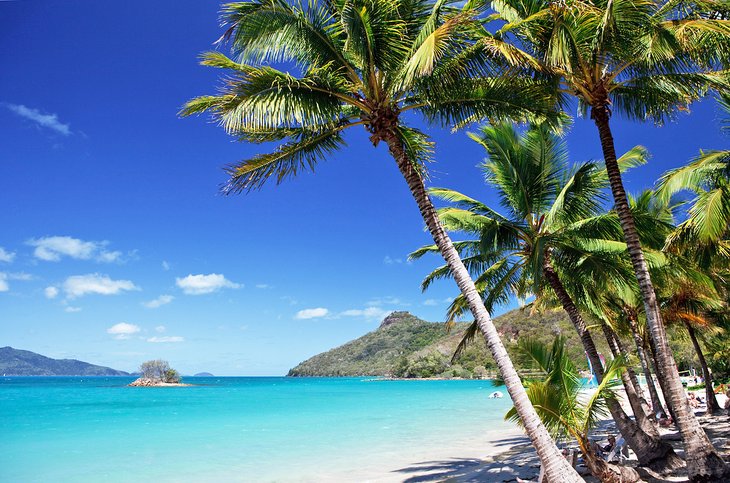
Strung along the Great Barrier Reef, the 74 tropical islands of the Whitsunday Group are great bases for exploring the wonders of the reef. Six national parks protect their fragile ecosystems, and several are home to eco retreats, campsites, and luxury resorts. To explore the reef from these sun-splashed shores, you can sign up for a snorkel or scuba diving trip, enjoy a cruise, or hop aboard a sailboat.
Sightseeing cruises visit some of the top attractions in the Whitsundays. See sublime Whitehaven Beach on Whitsunday Island, one of the most beautiful beaches in the world, and snorkel along fish-rich reefs. Are you an avid diver? Heron boasts some of the best diving of all the Whitsunday Islands.
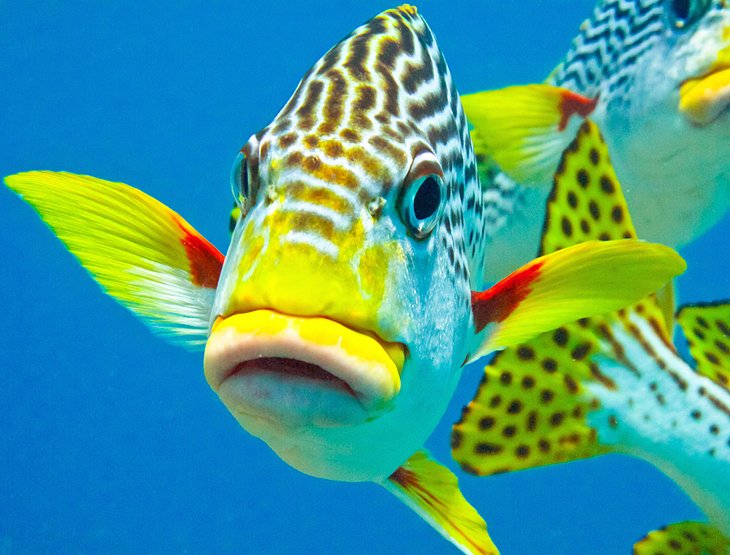
Whitsunday accommodation ranges from five-star resorts to apartments and campsites. Hamilton Island offers plenty of places to stay, from the mid-range Whitsunday Apartments to the exclusive Qualia Resort, and it's the only Whitsunday Island with an airport catering to large jets. Luxury-seekers head to Hayman Island, home to an exclusive five-star nature resort, InterContinental Hayman Island Resort. Families love Daydream Island Resort. Long Island is another great choice, with two boutique resorts and beachfront campsites.
If you plan on camping, national park campsites are available on Whitsunday and Hook Islands. Airlie Beach is the main gateway for Whitsunday sightseeing. From here, ferries, luxury yachts, helicopters, and seaplanes can transport you to the island of your dreams.
3. Whitehaven Beach
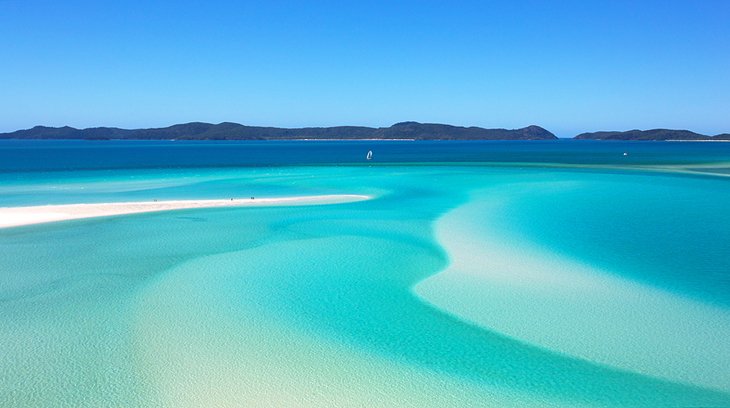
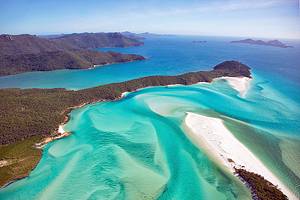
Whitehaven Beach on Whitsunday Island is one of Australia's top beaches. This stunning seven-kilometer swirl of dazzling white silica sand and vivid blue sea is one of the top places to visit on the Great Barrier Reef and also graces lists of the most beautiful beaches on the planet.
Wondering how to get here? You can visit the beach on day trips aboard luxury yachts, ferries, powerboats, or sailboats, and Tongue Bay is a favorite anchorage for bareboats.
Walking trails thread through the island. One of the most popular is the 10- to 15-minute hike from the beach up to Hill Inlet lookout for spectacular views of the swirling white sands, turquoise water, and lushly-cloaked hills.
If you don't have time to step foot on the soft sands, you can book a scenic flight and soar over the marbled seascape on a plane.
Want to linger here for more than a day? Camping is allowed on the southern end of the beach.
4. Dive or Snorkel the Great Barrier Reef
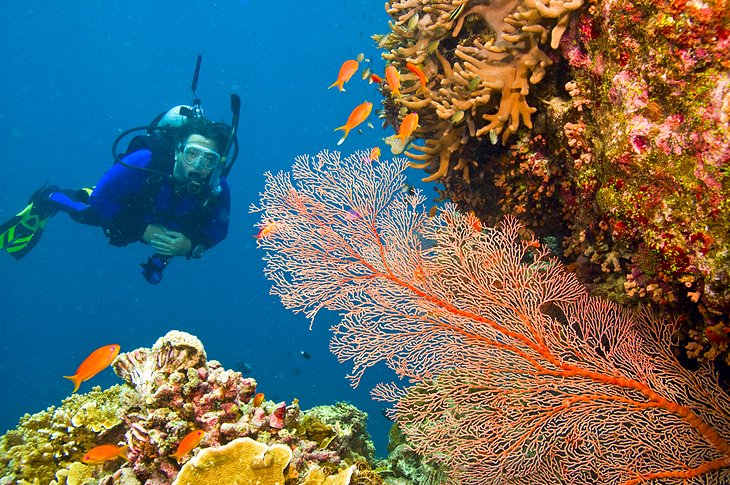
The Great Barrier Reef is one of the world's most desirable dive destinations. This underwater wonderland is home to more than 2,900 separate reefs, featuring kaleidoscopic walls, spectacular coral canyons, swim-throughs, and pinnacles. Gliding off the edge of the continental shelf over 90-meter drop-offs can feel like flying over an underwater jungle.
Other diving highlights include the shark-feeding frenzy of North Horn; the Cod Hole, near Lizard Island, with its giant potato cod; and the drift dives of Osprey Reef. The Agincourt Ribbon Reefs, easily accessible from Cairns, are also popular dive spots, as are the coral gardens at Flynn Reef. At the right time of year, you can also spot migrating minke whales at Lighthouse Bommie.
In the Whitsunday Islands, Heron Island offers some of the best diving of all the islands, including a manta ray cleaning station at Heron Island bommie.
Wreck diving is also possible along the reef. From Townsville or Magnetic Island, visitors can explore the SS Yongala, a steel and timber steamship that met its fate during a cyclone in 1911 and claimed 121 lives.
Day trips are a great way to experience a taste of the reef, and liveaboard dive trips maximize underwater time and offer a chance to see some of the more remote and less-visited reefs.
If you are staying in Cairns, an easy way to experience the spectacular underwater scenery is on the Great Barrier Reef Diving and Snorkeling Cruise from Cairns. This full-day trip includes transportation on a comfortable boat, a barbecue lunch, snorkeling stops, and optional upgrades for scuba diving and helicopter flights.
5. Hop aboard a Reef Cruise or Sailing Trip
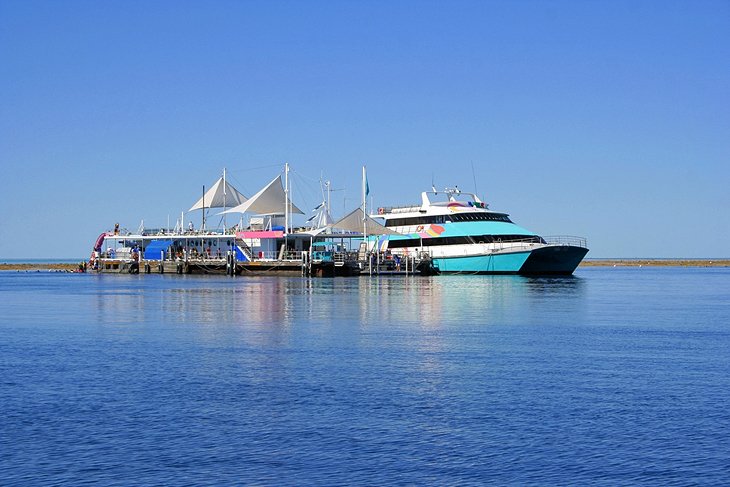
Great Barrier Reef cruises and sailing trips are one of the best ways to explore the top attractions. Full- or half-day cruises zip you out to well-equipped reef pontoons for easy access to the water. Freshwater showers, change rooms, and underwater observatories are some of the facilities available here.
Staying in Cairns? From here, you can join a Great Barrier Reef Cruise, which whisks you out by catamaran to a pontoon for snorkeling, as well as glass-bottom boat and semi-submersible tours. This full-day tour includes a buffet lunch, and you can choose an upgrade such as a Seawalker Helmet dive and scuba dive. Or hop aboard the Great Barrier Reef Snorkeling and Diving Trip from Cairns, which visits two exclusive outer reef locations and offers an optional helicopter flight.
If you're based in Port Douglas and prefer to experience the reef on a sailing adventure, the Low Isles Great Barrier Reef Sailing Cruise from Port Douglas is a great option. It includes a full-day sailing catamaran cruise to Low Isles, where you can snorkel straight off the white-sand beach, guided by a marine biologist, with the chance to see green sea turtles. The trip also includes a glass-bottom boat coral viewing, a guided beach walk, and a tropical buffet lunch.
Quicksilver operates popular cruises aboard high-speed catamarans from Port Douglas with coach transfers from Cairns. Trips typically include presentations by marine biologists, dive or snorkel experiences, and coral viewing in a semi submersible. Multi-day luxury cruises and whale-watching trips are other popular water-based options.
For a more intimate and peaceful experience, you can charter a sailboat. Idyllic mooring spots include dazzling Whitehaven Beach and Butterfly Bay. Bareboat charters are also available from Cairns or Airlie Beach to the outer Great Barrier Reef and are especially popular around the Whitsunday Islands. You can learn the ropes with a qualified instructor or charter vessels with an experienced crew.
6. Soar over the Reef on a Scenic Flight
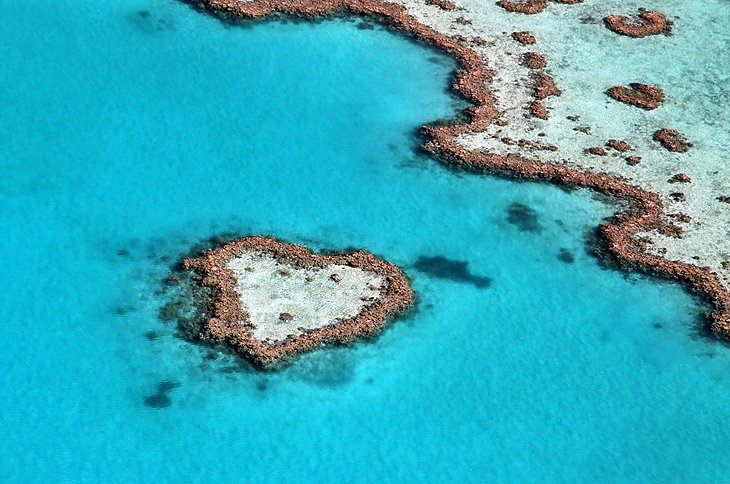
A scenic flight is a great way to appreciate the awe-inspiring magnitude of this natural wonder. Helicopter and seaplanes soar over the mottled expanses of coral reefs and palm-fringed islands. Options range from 15-minute flights to full-day flying trips, with water sports and lunch included.
One of the best natural features of the Great Barrier Reef to see from the air is Heart Reef. This naturally formed heart-shaped coral reef is a favorite venue for romantic flyover proposals.
If you want to see the reef from more than one perspective, the Great Barrier Reef Scenic Helicopter Tour and Cruise from Cairns is an excellent option. This full-day tour includes a 25-minute flight with informative commentary and a chance to snorkel, swim, or dive along the reef.
7. Take a Day Trip to Fitzroy or Green Island
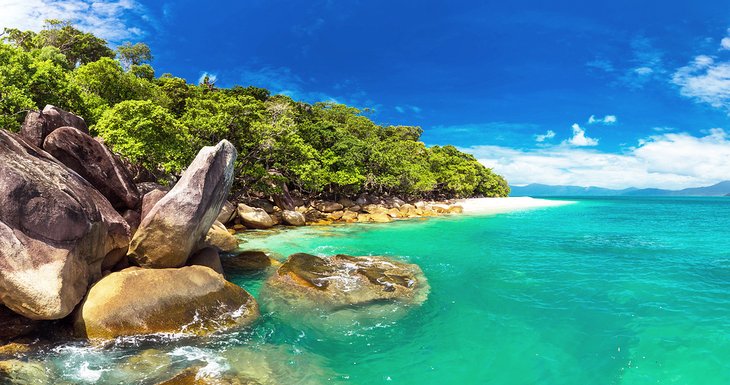
If you're based in Cairns, you can take a day trip to one of these beautiful tropical islands. Green Island, about a 45-minute cruise by high-speed catamaran from Cairns, is the most popular but also the most crowded of the two. Popular things to do here include snorkeling, glass-bottomed boat tours, and seeing the world's largest captive croc at Marineland Crocodile Park. You can also stay overnight at the Green Island Resort.
If you prefer a more peaceful, low-key island escape, Fitzroy Island is a great choice, with better snorkeling opportunities, scenic hiking trails, and lovely white-sand and crushed-coral beaches.
A fun way to experience these islands is on the Green Island Day Trip from Cairns and the Fitzroy Island Day Trip from Cairns. Both these trips include return transport to the islands, and you can tailor your itinerary to include other activities such as snorkeling, glass-bottom boat tours, and more.
8. Magnetic Island
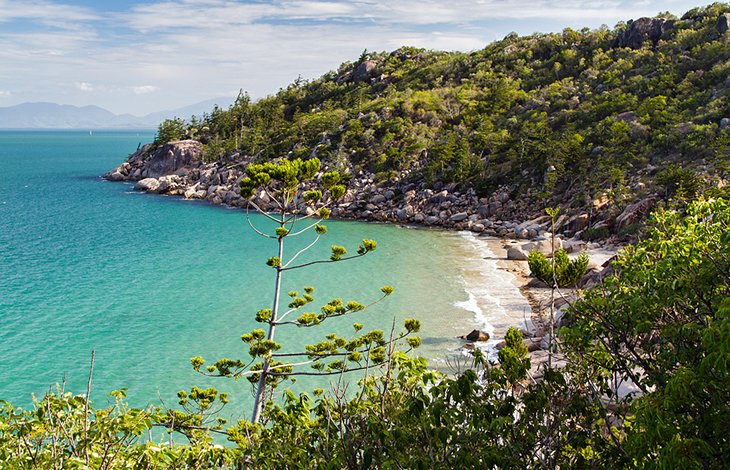
Magnetic Island is part of the Great Barrier Reef Marine Park and is famous for its beautiful beaches, secluded bays, and resident koalas. It's about a 20-minute ferry ride from Townsville.
Magnetic Island National Park covers more than half the island and protects these lovable creatures, as well as the other species that make their home here, including many nesting sea turtles.
Popular things to do on Magnetic Island involve nature, history, and the water. You can hike along 24 kilometers of walking tracks, explore historic World War II forts, kayak, snorkel, dive reefs and wrecks, horseback ride, enjoy a spa treatment, or shop at the local markets and galleries.
Big-game fishing is also excellent in the surrounding waters, with the chance to catch coveted species such as marlin, sailfish, tuna, and mahi-mahi. Accommodations on the island range from campsites and the mid-range Island Leisure Resort to the upscale Peppers Blue On Blue Resort.
You can access the island, affectionately known as "Maggie Island" by the locals, via the 20-minute Magnetic Island Round-Trip Ferry From Townsville, or you can take your own vehicle across on the car ferry.
9. Lizard Island
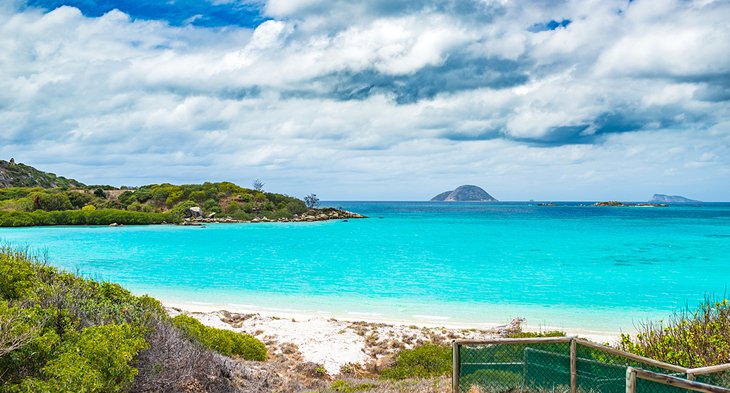
Lizard Island is a tropical escapist's fantasy. This ravishing and remote island lies in the far north of the Great Barrier Reef, about 250 kilometers northeast of Cairns. Here, you'll find 24 secluded beaches and coral reefs just offshore in a luminous blue lagoon.
Lizard Island National Park protects the rich wildlife here, which includes the island's abundant namesake monitor lizards, as well as flying foxes, snakes, and prolific birdlife. Some of the other islands in the national park are popular nesting sites for seabirds, particularly terns.
On Lizard Island's northwestern side, the exclusive 40-villa Lizard Island Resort is a favorite hideaway for honeymooners and couples. This luxury all-inclusive retreat offers five-star service, gourmet meals, day trips to deserted beaches and top dive sites such as the famous nearby Cod Hole, and snorkeling in the flourishing fringing reefs right off the beach.
On a budget? Campsites are also available on the northwest side of Lizard Island at Watsons Bay. You can access the island on a scenic flight from Cairns.
10. Orpheus Island
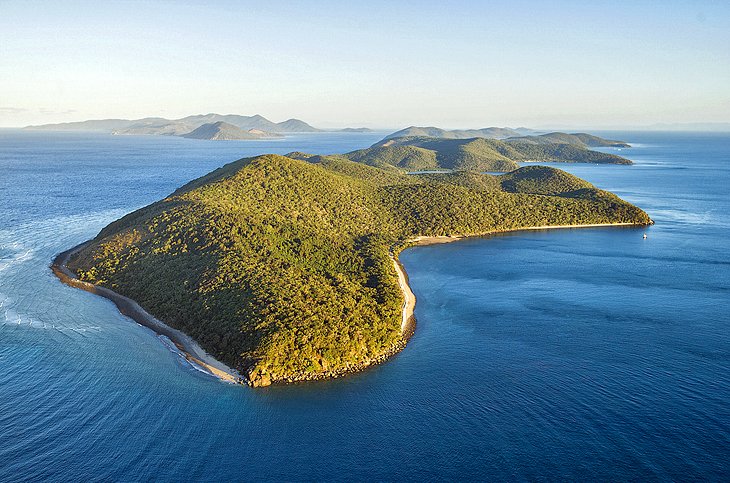
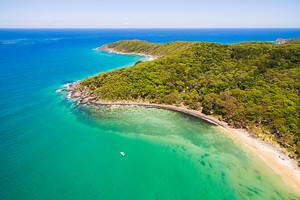
About 110 kilometers north of Townsville, Orpheus Island is a peaceful island retreat within the Great Barrier Reef Marine Park. Tranquil bays and fringing reefs provide the perfect playground for nature lovers, and a national park protects the local flora and fauna.
The island is tiny. It's only about 12 kilometers long and one to 2.5 kilometers wide and lacks roads or formal hiking trails. The only way to access the island is by charter or private boat, keeping visitors to a minimum.
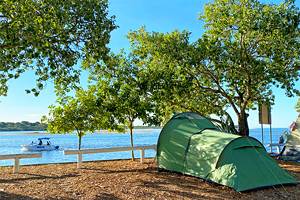
If you want to stay overnight, camping is available at Yanks Jetty, South Beach, and Pioneer Bay. The only other accommodation on the island is the beautiful Orpheus Island Lodge, an exclusive retreat with a maximum of only 28 guests at a time who arrive by helicopter from Townsville (30 minutes) or Cairns (1.5 hours). Popular things to do at the resort include picnics on secluded beaches, fishing, snorkeling, dive trips, and spa treatments. You can also borrow a dinghy and explore the island's beautiful bays on your own.
11. Book a Day Trip to Lady Musgrave, Lady Elliot, or Hinchinbrook Island
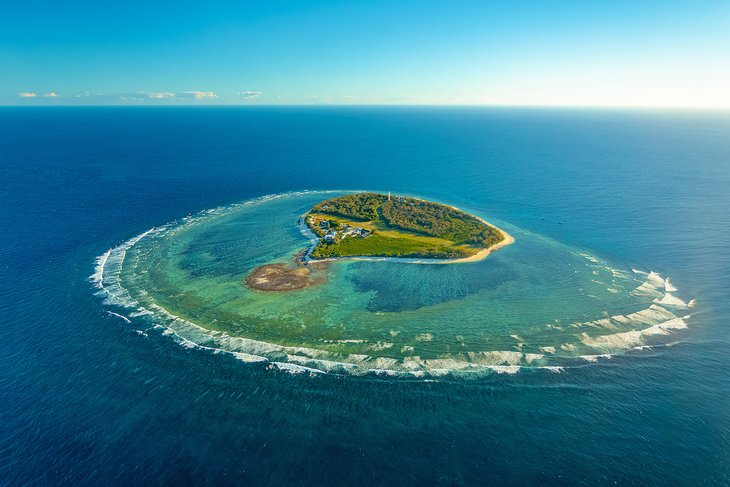
You can explore the Great Barrier Reef's southernmost islands on day trips. Protected by national parks, these three islands are all popular destinations for nature lovers, with the chance to see turtles, manta rays, and whales in typically crystal-clear waters with excellent visibility.
About eight kilometers from the town of Cardwell, Hinchinbrook Island is Australia's largest island national park. It's known for its dramatic topography, with craggy headlands, rainforests, waterfalls, pristine beaches, and mangrove-fringed estuaries. You can access the island, by private vessel or commercial ferries from Cardwell.
About 80 kilometers from Bundaberg, Lady Elliot Island sits in a Green Zone, the reef's highest protection zone, with superb diving and snorkeling opportunities. Turtles, manta rays, dolphins, sharks, and whales are among the abundant marine life in these waters, and the island is also home to a popular, no-frills eco-resort. You can access the island on a scenic flight from Bundaberg, Hervey Bay, Brisbane, or the Gold Coast.
Lady Musgrave Island is also a top spot for wilderness lovers. Camping is a popular pastime here, thanks to the island's beautiful lagoon, sheltered anchorage, and regular ferry service. Green and leatherback turtles, rays, and seabirds are among the rich wildlife found on the island and in its reef-dappled waters. The island is best accessed by passenger ferry from the town of 1770, five hours north of Brisbane. You can also hop aboard a sightseeing cruise from the Bundaberg port in Burnett Heads.
An organized tour such as the 3-Day Southern Great Barrier Reef Tour Including Lady Musgrave Island is also a great way to experience this island and the surrounding reefs. It includes eco-friendly beachside accommodation and round-trip transportation from the Gold Coast, Brisbane, or the Sunshine Coast.
Map of the Great Barrier Reef: Top-Rated Attractions & Things to Do
Frequently Asked Questions
Why is the Great Barrier Reef important?
The Great Barrier Reef is not just one of Australia's most precious tourist assets. The Aboriginal and Torres Strait Islander peoples have strong cultural ties to this national treasure. It's also one of the world's richest ecosystems, protecting countless different species of animals and plants, including many fish that provide food for us. One of the most interesting Great Barrier Reef facts is that it is home to 10 percent of the world's fish species. The reef also protects the east coast of Australia from wave and storm erosion.
How big is the Great Barrier Reef?
The Great Barrier Reef stretches for 2,300 kilometers along the coast of Queensland, from Bundaberg to the northern tip of Queensland. It's the largest coral reef system on the planet, covering more than 344,000 square kilometers (half the size of Texas).
When is the best time of year to visit the Great Barrier Reef?
The best time of year to visit the reef is the dry season, between May and October, when humidity is low and the visibility is better. From October through May, marine stingers inhabit the waters. If you're planning to swim during this time, you should wear stinger suits for protection, especially when swimming off mainland beaches.
How many islands make up the Great Barrier Reef?
The Great Barrier Reef is an island paradise, comprising 600 continental islands, 300 coral cays, and about 150 inshore mangrove islands.