Attractions & Things to Do in Santander
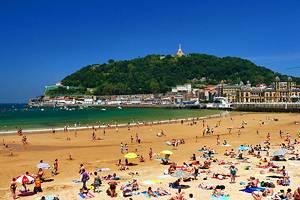
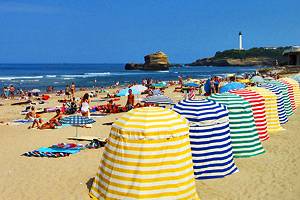
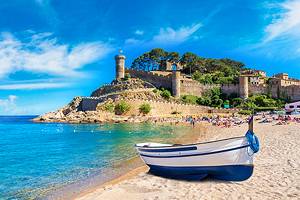
The image of golden-sand beaches with sunbathers lounging under colorful parasols best describes Santander in northern Spain's Cantabria region. The beautiful coastline, turquoise waters, and sunshine draw many fun-loving visitors, especially during summertime. The city also has several excellent museums and other tourist attractions to keep vacationers busy.
The Museum of Prehistory offers a fascinating insight into the world of Paleolithic times; many of the archaeological finds were discovered at caves in the region. Tourists can jump from viewing prehistoric art to admiring modern and contemporary masterpieces. The city has two museums devoted to Spanish art created from the 19th century to the present.
Santander's most impressive historic monument is the medieval Gothic cathedral, although it was mostly renovated after the fire of 1941, which destroyed much of the city. Since then, Santander has been rebuilt in elegant modern style, with broad streets ideal for leisurely strolls.
Discover the best places to visit in this gorgeous seaside city with our list of the top attractions and things to do in Santander.
Real Palacio de La Magdelena
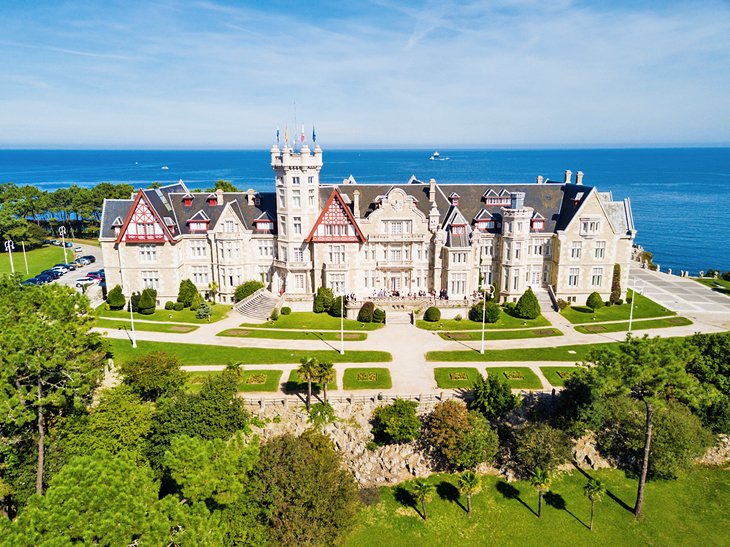
Sitting at the tip of a peninsula with stunning sea views, the Real Palacio de La Magdelena (Royal Palace of La Magdelena) was built between 1908 and 1912 for the Spanish royal family. Since then, it has been used as a summer residence for the monarchy, a home for the International University, and a public park.
The public is welcome to explore the numerous paths on the palace grounds. Taking a leisurely walk around the property allows visitors to admire the panoramic coastal vistas, as well as the palace architecture, with its storybook gables and flagged turrets.
Visitors may take a guided tour to see the palace interior, which is decorated in exquisite French Neoclassical style with traditional Spanish touches such as wood paneling and coffered ceilings. During summertime (June through September), the palace is only open to the public on weekends.
Address: Avenida de la Reina Victoria, s/n, Santander
Official site: https://palaciomagdalena.com/en/
Playa del Sardinero
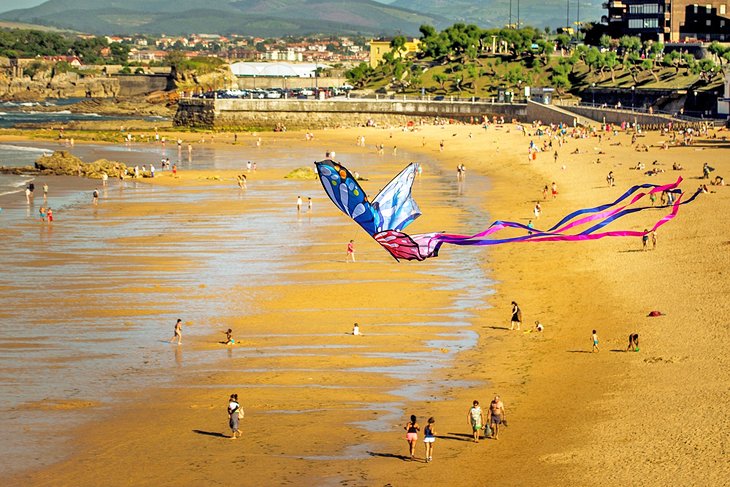
The Playa del Sardinero enjoys a picturesque setting on the Bay of Biscay, between the Cabo Menor and the Peninsula of La Magdalena. This expansive stretch of golden-sand shoreline features crystal-clear turquoise waters that have earned the beach a Blue Flag label for its cleanliness.
Since the 19th century, this beach has been a fashionable destination. The legacy of the Belle Epoque era is revealed in the elegant seafront terraces, scenic promenades, grand hotels, and fine restaurants.
The Playa del Sardinero continues to draw many summertime visitors for seaside dining, sunbathing, and outdoor recreation. During July and August, the beach is packed with holiday goers and their colorful beach umbrellas. Facilities include public toilets, showers, and a play area for children.
Because El Sardinero Beach faces the Atlantic Ocean, the breaking surf can be dramatic. Experienced surfers glide along the wild waves, which are especially challenging November through March.
Swimming is possible, but the waters are less suitable for bathing here than other more protected beaches in Santander. Lifeguards survey the beach during summertime.
Museo Marítimo del Cantábrico
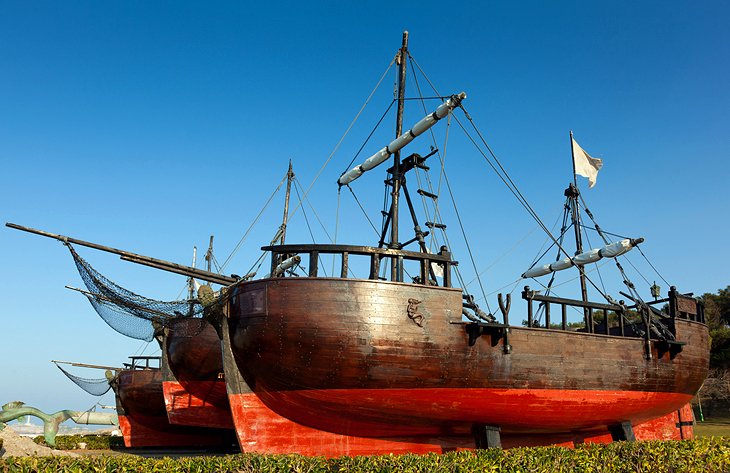
A tribute to the seafaring culture of the Cantabria region, the Maritime Museum in Santander Bay offers museum exhibits, as well as an impressive aquarium. In its dazzling 3,000 square meters of display space, the museum reveals fascinating insights into the underwater and maritime world.
The exhibits feature seafaring objects, ship models, and documents about the life of fishermen. Visitors gain an in-depth understanding of the relationship between humans and the sea throughout history.
The museum covers the disciplines of marine biology, maritime history, and fishing technology. Ideally designed for tourists, this popular attraction has a gift shop and a restaurant/cafeteria with wonderful sea views. Guided tours are available.
Address: Avenida de Severiano Ballesteros, Santander
Parque de Mataleñas
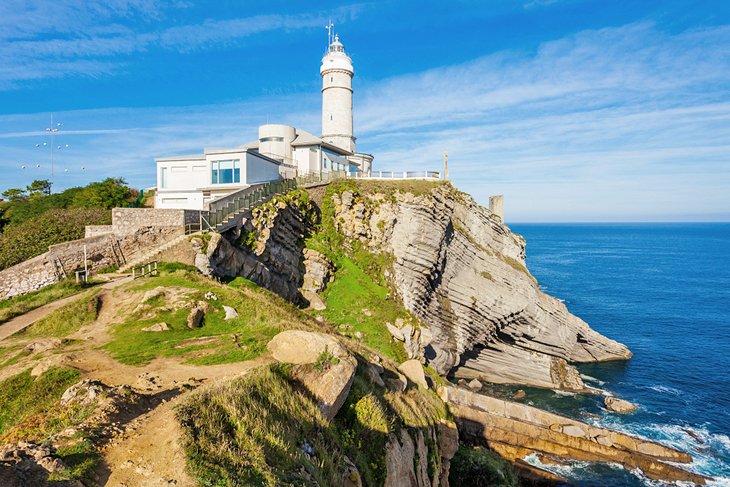
About three kilometers north of El Sardinero Beach is the Cabo Mayor (Cape Mayor), home to the Parque de Mataleñas and a 19th-century lighthouse.
The Parque de Mataleñas is a seaside park that has a variety of recreational areas. Highlights include Mataleñas Golf Course (a public course); camping; a children's playground; and the Playa de Mataleñas, a small beach in a sheltered cove that is ideal for swimming.
At the tip of Cabo Mayor sits El Faro de Cabo Mayor, a lighthouse that has been greeting ships as they approach the Bay of Santander since 1839. Inside the old lighthouse keeper's house is the Centro de Arte Faro de Cabo Mayor, a museum that displays paintings and other illustrations depicting Spanish lighthouses.
Centro Botín
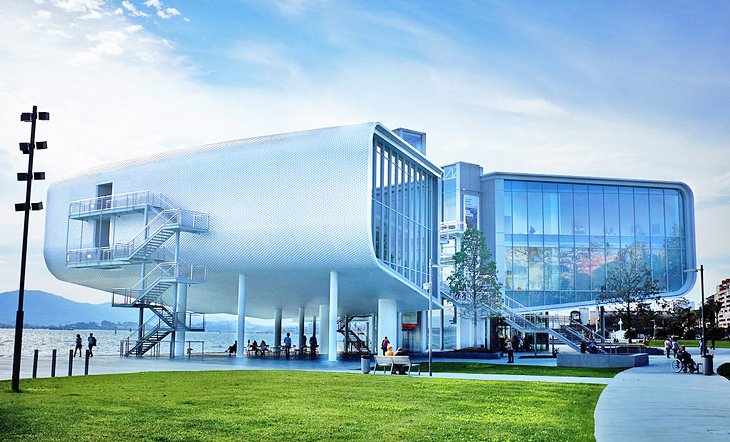
The Centro Botín is an enormous arts center, which sits at the water's edge on the southern shore of Santander. The building is a striking example of modern architecture designed by Renzo Piano, a Pritzker Prize winner.
Through its exhibits and educational programs, the Centro Botín introduces visitors to all aspects of contemporary art (late 20th century to 21st century). The center has an impressive permanent collection of contemporary photography, paintings, and sculptures, as well as rotating temporary expositions. Cinema screenings, music concerts, and dance performances are also held here.
For refreshments or a gourmet meal, visitors can stop at the Café Centro Botín, run by two well-regarded local chefs. The café has indoor seating with floor-to-ceiling windows and outdoor seating beside the bay, so that guests can enjoy the sea views while dining.
Tourists will also appreciate the center's gift shop, which sells books, posters, and souvenirs. The selections of items reflects the theme of contemporary art.
Visitors arrive at the Centro Botín by walking through the Jardines de Pereda (Pereda Gardens). This lush, shady garden features magnificent magnolia trees, leafy chestnut trees, refreshing pines, and swaying palms, among other Mediterranean vegetation. Pedestrian paths traverse the garden, and most lead to the Centro Botín.
Address: Muelle de Albareda s/n, Jardines de Pereda, Santander
Official site: www.centrobotin.org/en/
Ermita de la Virgen del Mar
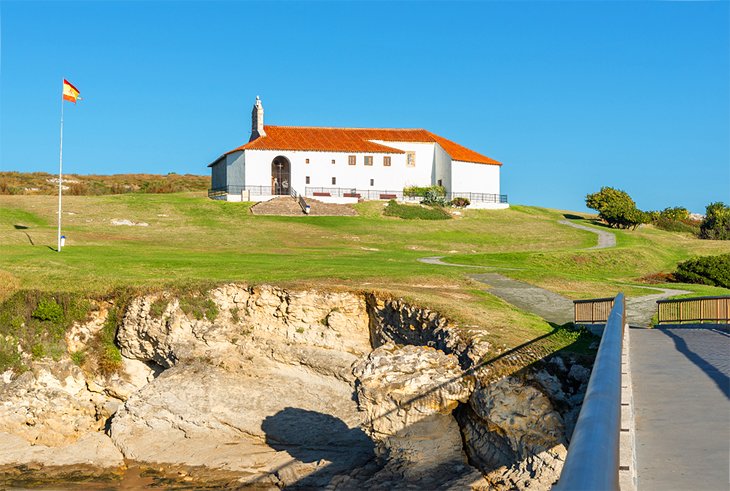
Part of the joy of visiting this hermitage is the journey through the spectacular coastal landscape to get here. The small seaside chapel stands on an island now joined to the mainland by a bridge.
The hermitage chapel dates back to the 15th century but has been reconstructed. Because the chapel lies so close to the sea, the building has been partially destroyed on several occasions by fierce storms.
The sanctuary has three altars; the largest features an image of the Virgen del Mar (Virgin of the Sea), the patron saint of Santander. This ancient image has been venerated by the hermitage since 1315 or perhaps earlier.
The Fiesta de la Virgin del Mar takes place at the hermitage on the first Monday after Pentecost in May or June. The festival includes a procession of pilgrims carrying a figure of La Virgen del Mar to the chapel where a Mass is celebrated with parts sung in the seafaring tradition. Festivities continue with food and entertainment that attracts thousands of people.
Location: Isla de la Virgen del Mar (San Román de la Llanilla)
Playa de La Magdalena
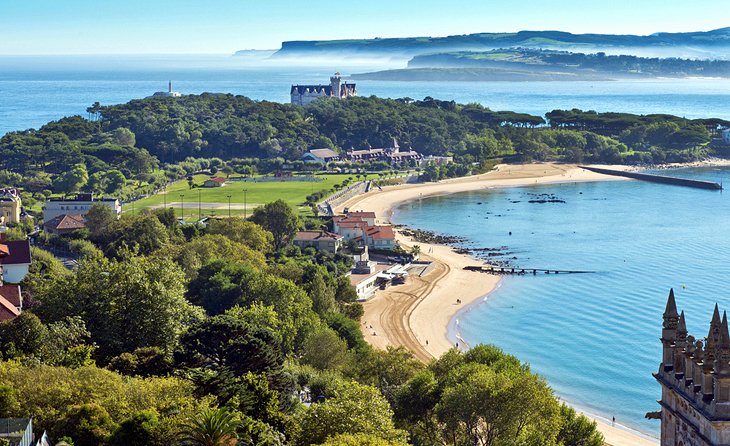
The Playa de La Magdalena is a long golden-sand beach in a beautiful area of the city, beside the Peninsula of La Magdalena. This centrally located beach is a short walk from the Museo Marítimo del Cantábrico.
Listed as a Blue Flag beach, the waters of Playa del Magdalena are calm enough for swimming; the swimming area is cordoned off by buoys for safety. Signposts indicate safety hazards on a daily basis. Platforms in the water are designed for swimmers to rest and sunbathe.
The sandy shores of Playa de La Magdalena extend for almost one kilometer. Special features of this beach are the yacht club/sailing school, a children's play area, and an open-air snack stand. Facilities include public toilets, showers, a sports area, and umbrella and lounge chair rentals.
Catedral de Nuestra Señora de la Asunción
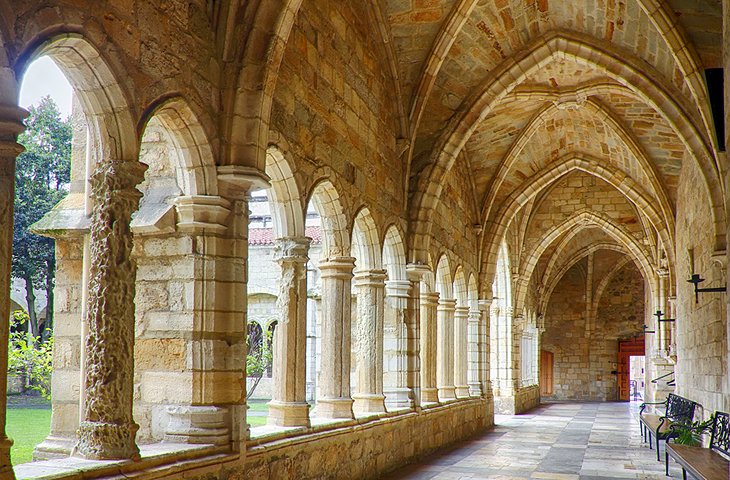
The original cathedral was constructed in the 13th to 14th centuries in an austere Gothic style. Dating to the 15th century, the cloister features serene rows of vaulted arcades and contains the mausoleum of Santander author and scholar Marcelino Menéndez y Pelayo.
Built on an impressive scale, the cathedral has an inspiring sanctuary. Three spacious naves are divided into four sections. Delicate vaulting with pillar columns add to the beauty. The cloister is square, with pointed arcades.
In the crypt of the cathedral is the Iglesia del Santisimo Cristo, a small austere church of the 13th century - the oldest in Santander. The floor is covered with glass panels that display archaeological remains of the ancient Roman era.
The Iglesia del Santisimo Cristo houses the tombs of two early Christian martyred saints, Celedonius and Emeterius. Entrance is at Calle Somorrostro.
Address: Plaza del Obispo José E. Eguino, Santander
Quiet Beaches in Puerto Chico
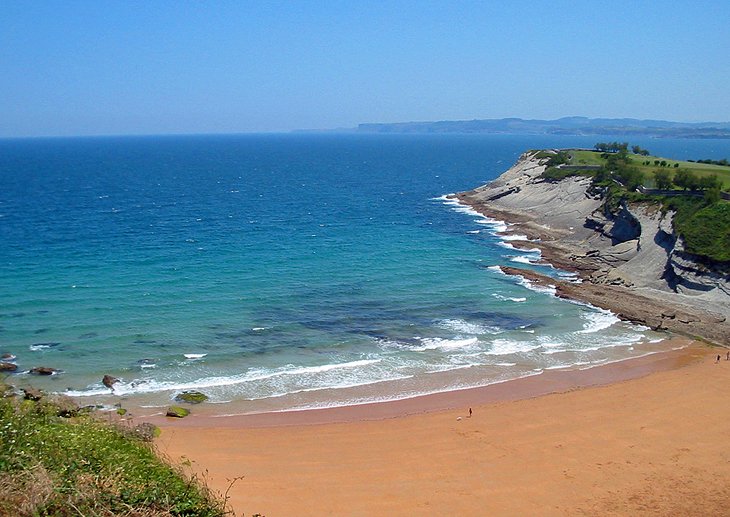
In the Puerto Chico (Little Harbor) district, about a kilometer from the city center, are several excellent beaches.
The Playa de El Bocal is a small, sheltered, relatively undiscovered beach; its isolated setting offers a wonderful escape to nature. El Bocal Beach boasts fine golden sand and moderate waves. Signposts indicate safety hazards.
The Playa de Los Molinucos (next to the Playa del Sardinero) is another small sandy beach with mild waves near Santander's Municipal Golf Course.
Tourists should keep in mind that El Bocal and Los Molinucos beaches do not have public toilet facilities or other amenities.
Museo de Prehistoria y Arqueología de Cantabria
This exceptional museum allows visitors to discover the prehistoric world of the Paleolithic era and Iron Age. The extensive collection displays around 1,200 objects, and many of the items were found in the prehistoric caves of the Cantabria region. A highlight is the ''bâtons de commandement,'' an artistically rendered piece made from stags' antlers.
The collection also includes Roman-era antiquities from ancient cities (now archaeological sites) of Julióbriga and Castro Urdiale. Other interesting artifacts are the pre-Roman Celtic funerary monuments. The medieval exhibit features a rare belt buckle made of ivory found at the Santa María de Hito archaeology site.
For a better understanding of the collection and the history, visitors can opt for a guided tour.
Address: Calle Bailén, Santander
Museo de Artes Moderno y Contemporáneo de Santander y Cantabria
The Santander and Cantabria Museum of Modern and Contemporary Art has a rich collection of art from the 19th and 20th centuries, as well as a small selection of works created recently (in the 21st century). The collection offers a broad representation of works by hundreds of artists, primarily of the Cantabrian region and other areas of Spain.
Most notably the museum displays the art works of famous Spanish painter Francisco de Goya. Other artists featured include Alexandra Aguiar of Portugal, Jorge Abot of Buenos Aires, Aldo Iacobelli of Naples, and Federico de Madrazo y Kuntz of Rome.
Throughout the year, the museum hosts interesting temporary expositions.
Address: 6 Calle Rubio, Santander
Day Trip to the Guggenheim Museum in Bilbao
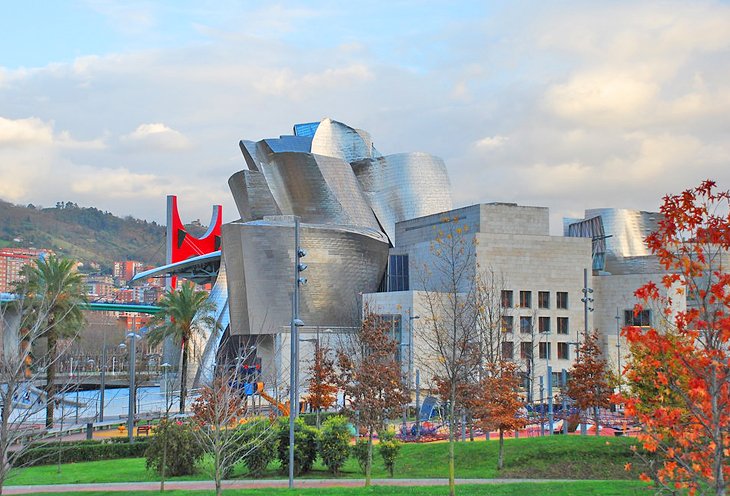
Just an hour drive from Santander is Bilbao, home of the Guggenheim Museum. The Guggenheim is in itself a piece of art, and the building, which was designed by Frank Gehry, sparked an entirely new type of tourism, architourism, named for the sudden influx of tourists who came to see this architectural marvel.
Of course, the museum's contents are equally impressive, including 24,000 square meters of exhibition space that houses an astounding variety of art work, including paintings, drawings, photography, and sculpture.
There are several other excellent museums in Bilbao, including the Museum of Fine Arts, an archaeology museum, and a maritime museum. Visitors should be sure to leave some time to explore the Old Town and sample the uniquely Basque pintxos (tapas) in the Plaza Nueva.
Visit the Altamira Caves
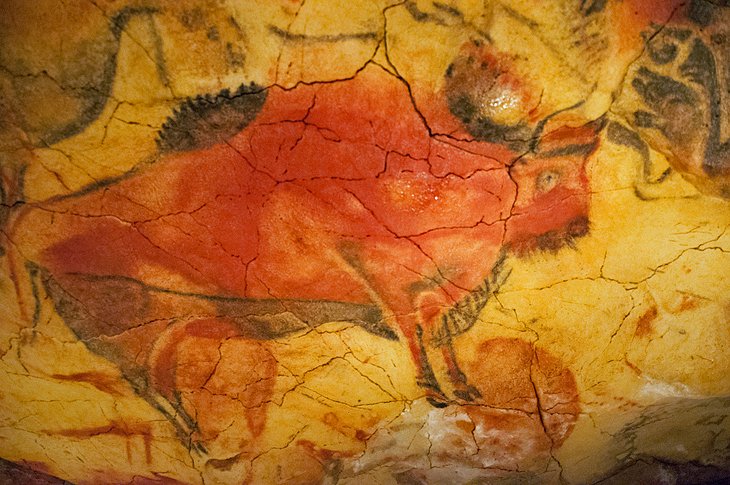
About 35 kilometers from Santander and two kilometers from Santillana del Mar are the famous Altamira Caves, with 15,000-year-old Stone Age rock paintings. These prehistoric works of art are without parallel for their representational skill, vivid coloring, and excellent state of preservation. Most of them are dated to the late Magdalenian period (circa 15,000 BC - 10,000 BC) though some more primitive paintings are about 10,000 years older.
One part of the cave, the Sala de Pinturas, is called the "Sistine Chapel of cave art" because of its beauty and vivid colors, predominantly red, ochre, and brown from natural minerals. The ceiling of the chamber is covered with paintings of animals, including several bison, a red wild horse, and a wild boar. The Stone Age artists used the structure of the rock and the areas of shadow to achieve spatial effect and movement.
Day Trip to Santillana del Mar
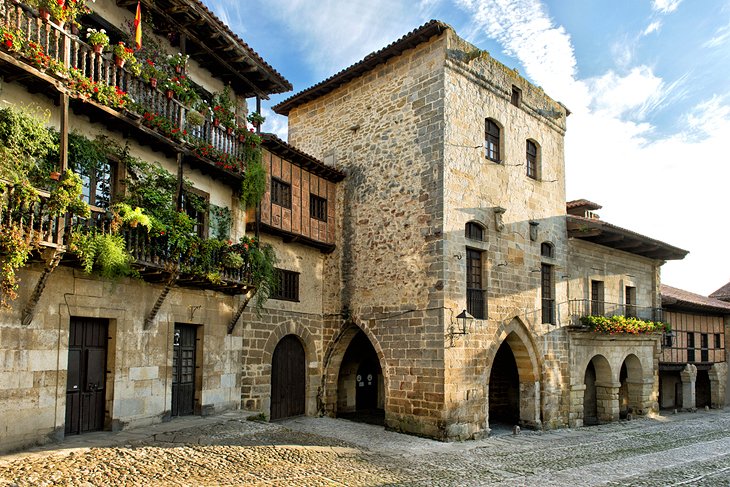
This charming medieval town lies less than 30 kilometers from Santander. Despite its name, Santillana del Mar is not by the sea and instead is a few kilometers away from the coast. The town is full of old-world charm, with cobblestone streets, medieval defense towers, and elegant Renaissance palaces.
During the Middle Ages, Santillana was an important stop on the Way of Saint James pilgrimage trail to Santiago de Compostela. Pilgrims would pay their respects at the town's Collegiate Church of Santa María.
Map of Attractions & Things to Do in Santander
More Related Articles on PlanetWare.com
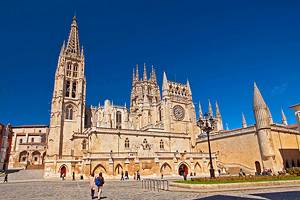
Gothic Splendor in Burgos: Those who enjoy Santander's cathedral may be interested in the UNESCO-listed cathedral in Burgos, an impressive white limestone structure that exemplifies Spanish Gothic architecture.
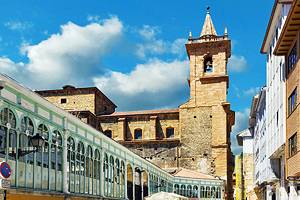
Ancient Churches of Oviedo: The historic town of Oviedo is renowned for its pre-Romanesque churches. The city is also renowned for its Gothic cathedral, the Catedral de Oviedo, which dates to the 14th and 15th centuries.
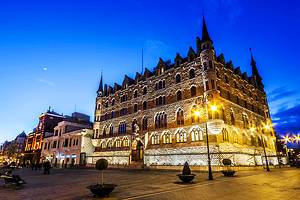
Rich History of León: Another city famous for its cathedral, as well as a monastery is León. Rich in cultural heritage, this historic city is bursting with remarkable landmarks, including the Neo-Gothic Museo Casa Botines Gaudí and the Romanesque Collegiate Church of Saint Isidore.