15 Top-Rated Attractions & Things to Do in Bilbao
When Frank Gehry's Guggenheim Museum appeared along the riverbank of Bilbao in 1997, the phenomenon of "architourism" was born. Visitors began to flock here to see the Guggenheim's astounding modern architecture and extensive contemporary art collection.
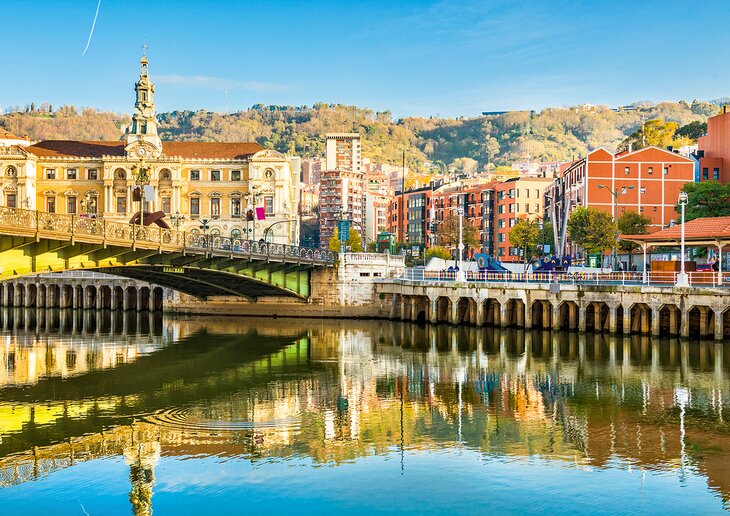
The Guggenheim is a highlight of Bilbao and also just the beginning of the cultural attractions. This happening city has several other interesting museums, a charming Old Town (Casco Viejo), and exceptional gourmet restaurants.
As the capital of the Vizcaya province in Spain's Basque Country, Bilbao delivers on the region's tradition of gastronomic excellence. Throughout the city are casual eateries that serve pintxos, the Basque twist on tapas. You will have fun sampling the local specialties while exploring the atmospheric pedestrian streets of the Casco Viejo.
Bilbao boasts six Michelin-starred restaurants; several are close to tourist attractions: the Nerua restaurant within the Guggenheim Museum, the Ola Martín Berasategui restaurant and Restaurante Mina near the Mercado de la Ribera, and Restaurante Zortziko a short walk from the Museum of Fine Arts.
Discover the best places to visit in this vibrant city with our list of the top attractions and things to do in Bilbao.
See also: Where to Stay in Bilbao
- 1. Guggenheim Museum
- 2. Museo de Bellas Artes de Bilbao
- 3. Explore Casco Viejo (Old Town)
- 4. Bridges of Bilbao
- 5. Sample Pintxos in the Plaza Nueva
- 6. Euskal Museoa Bilbao (Museo Vasco)
- 7. Catedral de Santiago
- 8. Bizkaia Archaeological Museum
- 9. Parque Doña Casilda de Iturrizar
- 10. Basilica de Begoña
- 11. Museo Marítimo Itsasmuseum Bilbao
- 12. Palacio Euskalduna (Conference and Music Center)
- 13. Mercado de la Ribera
- 14. Funicular de Artxanda and Mount Artxanda
- 15. Gran Vía de Don Diego López de Haro
- Where to Stay in Bilbao for Sightseeing
- Map of Attractions & Things to Do in Bilbao
1. Guggenheim Museum
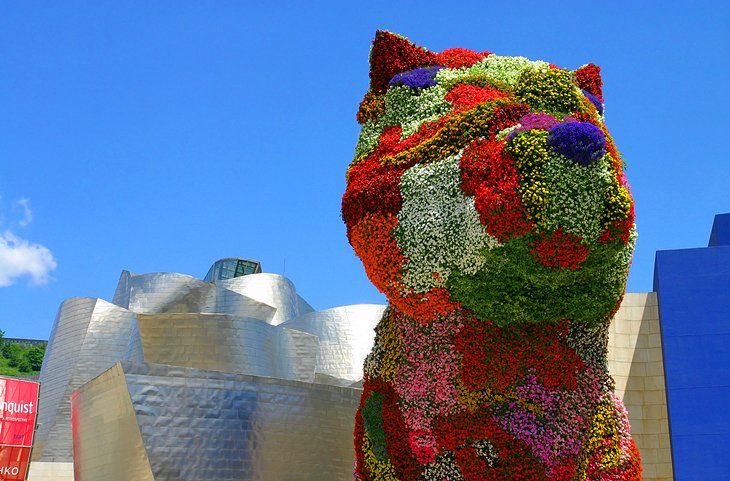
While the Guggenheim Museum holds a prestigious collection, the building itself is a spectacular work of art. This groundbreaking example of 20th-century architecture was designed by famous architect Frank Gehry. The sleek, swirling, sculpture-like structure provides a striking backdrop for art appreciation.
Inside the building, artworks are displayed within 24,000 square meters of luminous exhibition space. Highlights include an abstract oil painting by Mark Rothko; the colorful Villa Borghese painting by Willem de Kooning; Only with Wind, Time, and Sound and Sunflowers by Anselm Kiefer; and The Raft of the Medusa painting by José Manuel Ballester.
The most noteworthy of the museum's sculpture installations are the nine-meter-tall spider sculpture called Maman by Louise Bourgeois and the gigantic topiary dog full of flower blossoms called Puppy, the work of Jeff Koons.
To learn more about the museum's architecture and art collection, try a private tour of the Guggenheim Museum, which includes museum admission and a narrative that explains the stories behind many of the museum's most famous works of art.
A short walk from the Guggenheim Museum is the Michelin-starred Etxanobe Atelier (8 Juan de Ajuriaguerra). This innovative gastronomic restaurant serves modern Spanish cuisine with a focus on fresh seafood and high-quality seasonal ingredients.
Address: 2 Avenida Abandoibarra, Bilbao
2. Museo de Bellas Artes de Bilbao
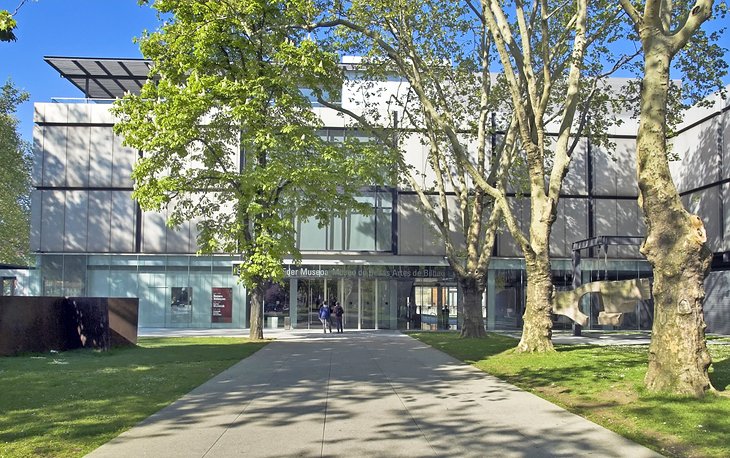
The Bilbao Fine Arts Museum is renowned for its collection of European paintings. The museum presents a wide selection of artworks, including many masterpieces, dating from the 14th to 19th centuries.
Dutch and Flemish paintings of the 15th to 17th centuries are well represented, with masterpieces such as Money Changers by Quentin Matsys and Virgin and Child by Dirk Bouts, as well as works by Anthony van Dyck and Martin de Vos of the 17th-century Flemish school.
The 16th- to 17th-century Spanish painting assortment features The Annunciation by El Greco, Virgin and Child with Saint John by Zurbarán, as well as works by Velázquez and Jusepe de Ribera. Another highlight is the portrait of Fernández de Moratín by Francisco de Goya.
The collection also covers Italian paintings of the 16th to 17th centuries and 19th-century French paintings, including Gauguin's Laveuses à Arles (Washerwomen in Arles).
One of Bilbao's Michelin-starred restaurants is near the museum. Restaurante Zortziko (17 Calle Alameda Mazarredo) serves innovative haute cuisine featuring stunning presentations.
Address: 2 Plaza del Museo, Bilbao
3. Explore Casco Viejo (Old Town)
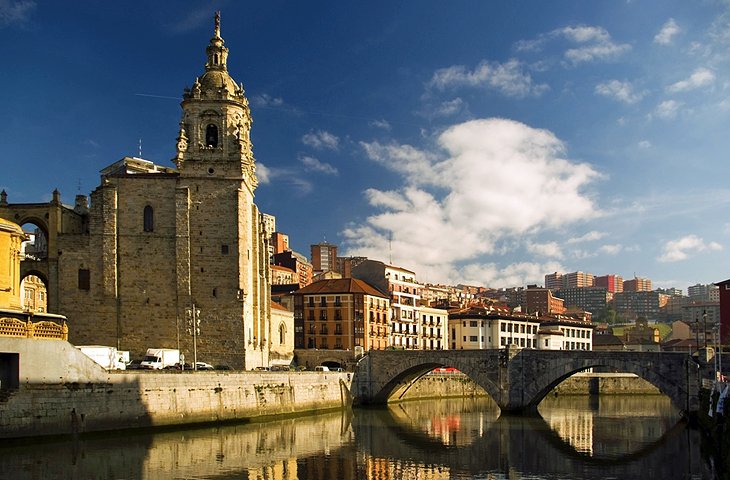
The atmospheric Casco Viejo extends along the right bank of the river between the San Antón Bridge and the Church of San Nicolás. Five bridges link the Old Town with the New Town (Ensanche).
The core of the Casco Viejo lies around the Siete Calles (Seven Streets): Somera, Artecalle, Tendería, Belosticalle, Carnicería Vieja, Barrencalle, and Barrencalle Barena. It's a delightful experience to explore these quaint historic streets that are lined with small boutiques and cafés.
In the northern section of the Old Town around the Puente del Arenal is the Paseo del Arenal, the main thoroughfare of this part of Bilbao.
Near the Paseo del Arenal, on the Plaza de Arriaga, is the Teatro Arriaga Antzokia. This elegant Neo-Baroque theater was inspired by the Palais Garnier (Opera House) in Paris. Built in 1890 and later renovated, the Arriaga Theater Antzokia stages classical music concerts, opera, dance, and theater performances.
Another important landmark in the Casco Viejo is the Iglesia de San Nicolás de Bari. This Baroque church features a unique octagonally shaped interior. The beautiful carved altar and some of the paintings are the work of Juan de Mena.
A short walk from the Iglesia de San Nicolás de Bari is the Plaza Nueva, also known as Plaza Barria. This bustling square features several restaurants and cafés with outdoor terraces. Locals frequent the square to socialize and to shop at the market held here on Sundays.
4. Bridges of Bilbao
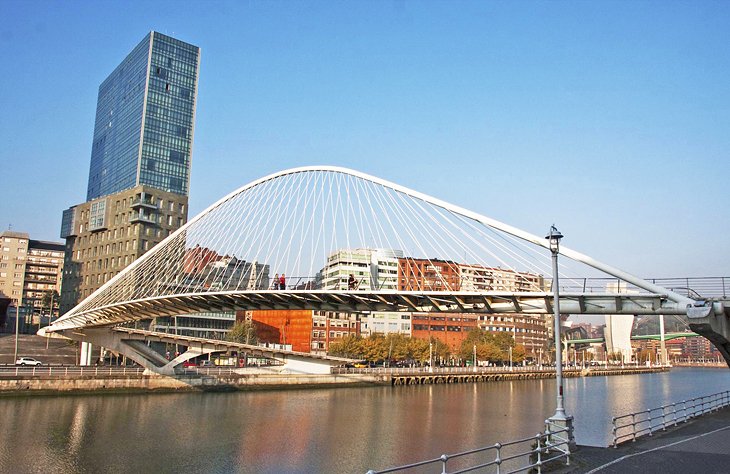
For breathtaking views of Bilbao, head to La Salve Bridge, which crosses the estuary next to the Guggenheim Museum. The bridge features "Arcos Rojos" ("Red Arches") designed by French artist Daniel Buren in honor of the Guggenheim's 10th anniversary.
Just a few blocks down, you will find the Zubizuri Bridge that leads to the Calle Campo de Volantín waterfront promenade. This pedestrian-only bridge was created by the famous Spanish architect Santiago Calatrava and is distinguished by its ultra-modern arched design.
North of the city at the entrance to the estuary, the Vizcaya Bridge is a UNESCO World Heritage Site built in 1893 during the industrial revolution, designed by Alberto Palacio. This was the world's first bridge built from a combination of steel cables and iron.
5. Sample Pintxos in the Plaza Nueva
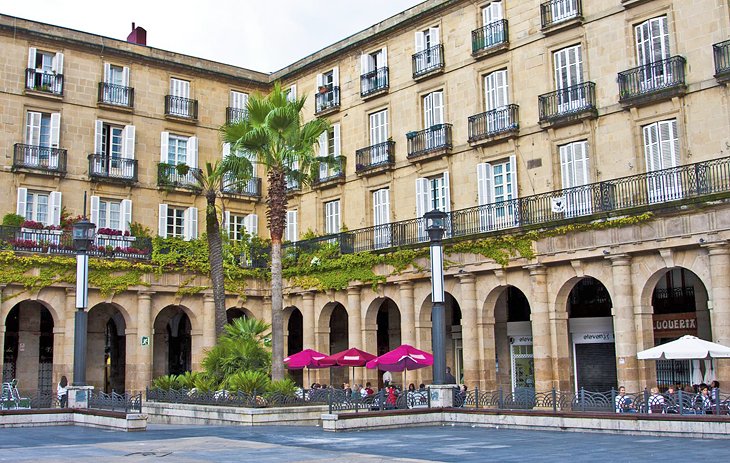
In the Casco Viejo, the Plaza Nueva (also known as Plaza Barria) is a Neoclassical city square built in the mid-19th century. The square is enclosed by elegant arcaded buildings that house restaurants, cafés, and cozy tapas bars at the street level. Outdoor seating spills out onto the square in warm weather.
The Plaza Nueva is a favorite meeting place for locals. On sunny days, the square becomes a center of social life, a sort of open-air living room. In the evenings, groups of friends socialize at the tapas bars. This square is the perfect place to begin a pintxos sampling experience.
Pintxos are a uniquely Basque version of tapas, named for their presentation. These bite-sized appetizers or small-portioned dishes are traditionally served on a toothpick or skewer. They are also referred to as pinchos, the Spanish word for "spike."
To sample a wide range of specialties, visit several pintxos bars. Order one snack at each place, then move on. Pintxos-hopping allows you to get a sense of the local culture. You will become immersed in the convivial ambience.
6. Euskal Museoa Bilbao (Museo Vasco)
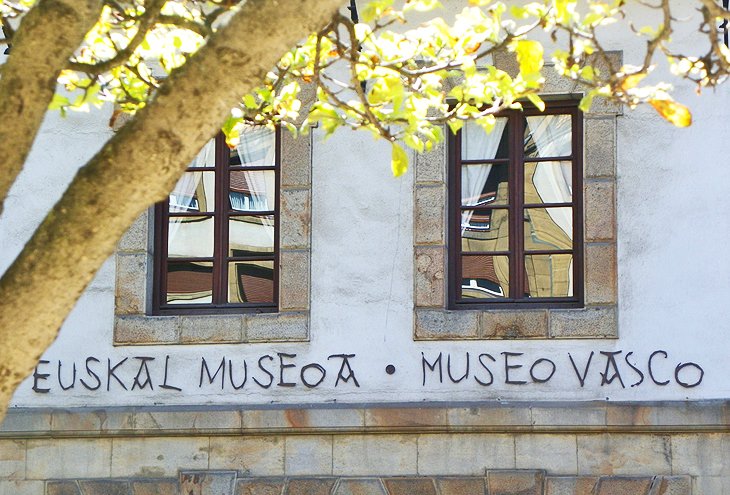
Discover the unique culture and history of the Basque region at the Euskal Museoa Bilbao (Bilbao Basque Museum). In the Casco Viejo, the museum has three different departments that document the Basque way of life: archeology, ethnography, and history.
The archeology section displays prehistoric finds from sites in the Basque country, such as memorial stones and pieces of sculpture (including the mysterious idol of Mikeldi). The ethnography department displays Basque crafts and folk art.
The history department is mainly devoted to the history of Bilbao and its seafaring activities from the 16th to the 19th centuries. Various exhibits illustrate the world of fishing, shipping, navigation, and other commerce of the region.
The museum is currently closed for renovations.
Address: 4 Plaza Miguel de Unamuno, Bilbao
7. Catedral de Santiago
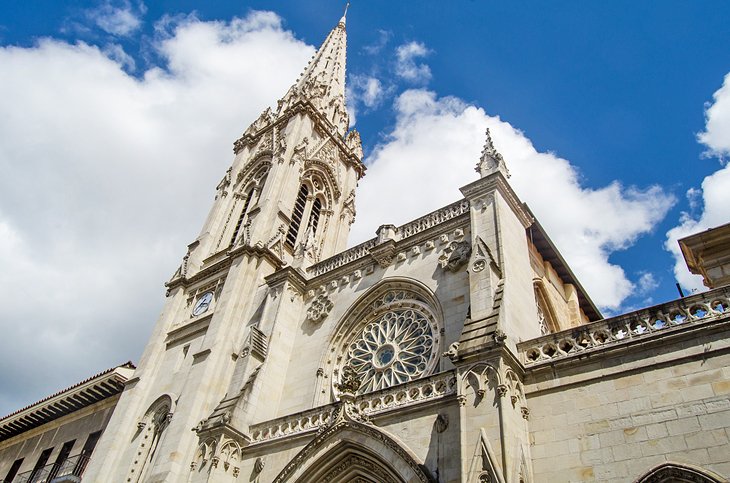
At the heart of the Casco Viejo, the Cathedral of Santiago exemplifies Basque Gothic architecture. The cathedral dates to the 15th century; however, the facade and tower were rebuilt in the 19th century in Gothic Revival style.
Step inside to admire the majestic sanctuary, which features three naves and rib-vaulted ceilings. The main nave soars to a height of 22 meters, lending a sense of spaciousness and grandeur. Artistic highlights of the interior are the ornate Gothic choir stalls and cloister.
The cathedral is open to the public for tourist visits Monday through Saturday (from 10am until 6:30pm).
Mass is celebrated at the cathedral every day at 7pm. On Sundays, there is an additional Mass (which is bilingual) at noon.
Address: 1 Plaza de Santiago, Bilbao
8. Bizkaia Archaeological Museum
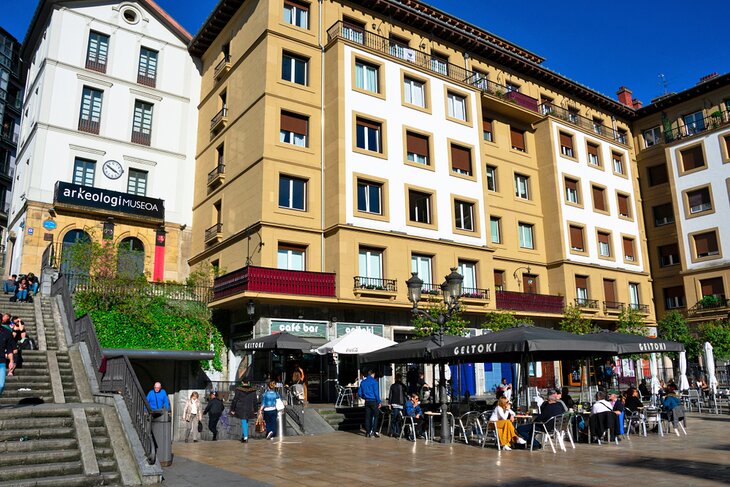
In the Casco Viejo, the Bizkaia Archaeological Museum presents an overview of Basque heritage throughout the centuries. Exhibits cover everything from the prehistoric era to recent times.
On display are archaeological objects from local excavations, such as fossils, pottery, ceramics, and other items.
The museum is open to the public Tuesday through Sunday. Free guided tours are available. Temporary exhibits and lectures take place at the museum throughout the year.
Address: 2 Calzada de Mallona, Bilbao
9. Parque Doña Casilda de Iturrizar
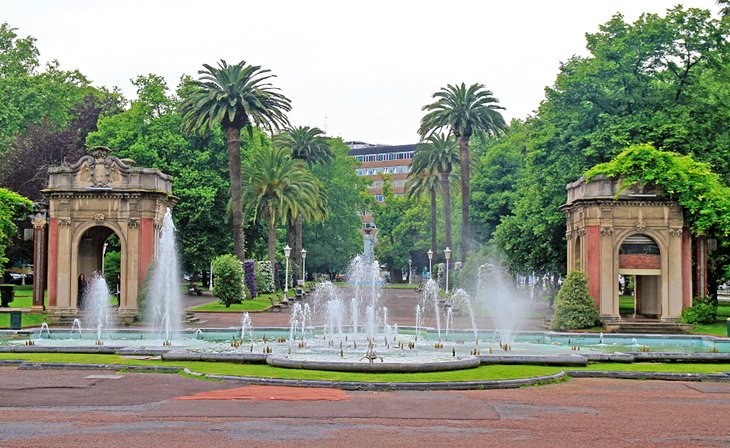
The Doña Casilda Park offers a welcome respite from the city's urban bustle. With its winding pathways and park benches, the park is a lovely place to go for a stroll and relax.
This expansive green space is beautifully landscaped in the Romantic style. Neoclassical statues and fountains add a touch of refinement.
The park's large lake is home to many little ducks and provides a charming spot for rowing boats, among other things to do. Other special features of the park are the old-fashioned merry-go-round, the outdoor theater, and a botanical garden.
The Museum of Fine Arts is at the edge of the park beyond the street of Artetxe Kondearen Zumarkalea.
Also nearby is the gourmet restaurant Aizian (29 Lehendakari Leizaola), which serves exquisite Basque cuisine with a modern flair. The dining room features views of the park.
Location: Between Gran Vía and Paseo de Abandoibarra, Bilbao
10. Basilica de Begoña
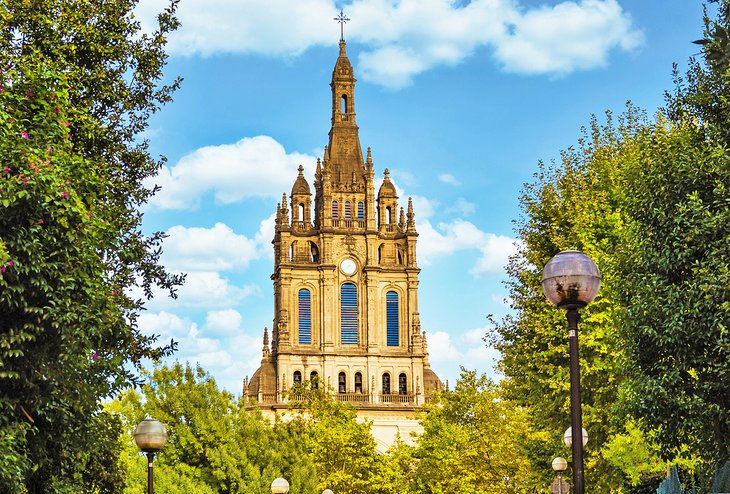
The district of Begoña lies on a higher level above the Old Town. This picturesque hilltop is home to an important pilgrimage church, the Basilica de Begoña.
Built in the 16th century, the church has an image of the Virgin of Begoña, patroness of the city, and a lovely painting of The Pilgrimage of Begoña.
The easiest way to arrive at the church is by taking the lift from behind the Church of San Nicolás. Another option is the footpath, which requires a 20-minute walk to the top of the hill.
Address: 38 Virgen de Begoña, Bilbao
11. Museo Marítimo Itsasmuseum Bilbao
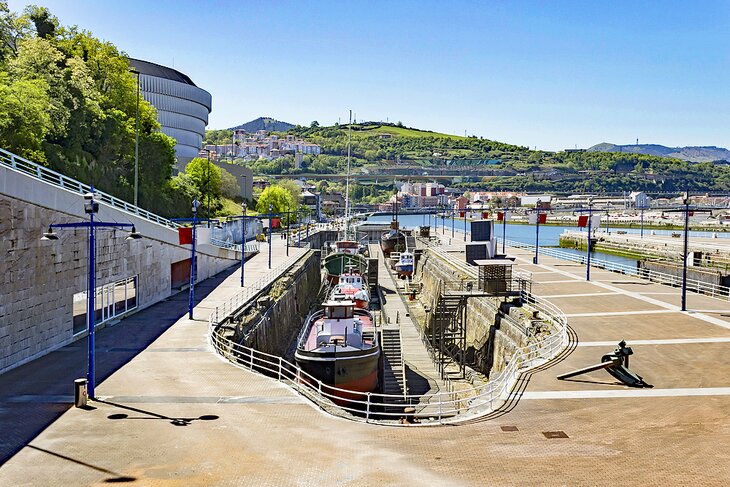
The Bilbao Maritime Museum immerses you in the world of seafaring. The museum has an outdoor exhibition area that includes the docks of the Bilbao Estuary, as well as restored vessels.
Inside the museum, exhibits educate visitors about the environment of the Bilbao Estuary, the history of the maritime industry, and the traditions of the people who have made their living from the estuary.
The museum is open daily except Mondays. Well-designed to welcome visitors, the museum has a cafeteria and a gift shop.
Address: 1 Muelle Ramón de la Sota, Bilbao
12. Palacio Euskalduna (Conference and Music Center)
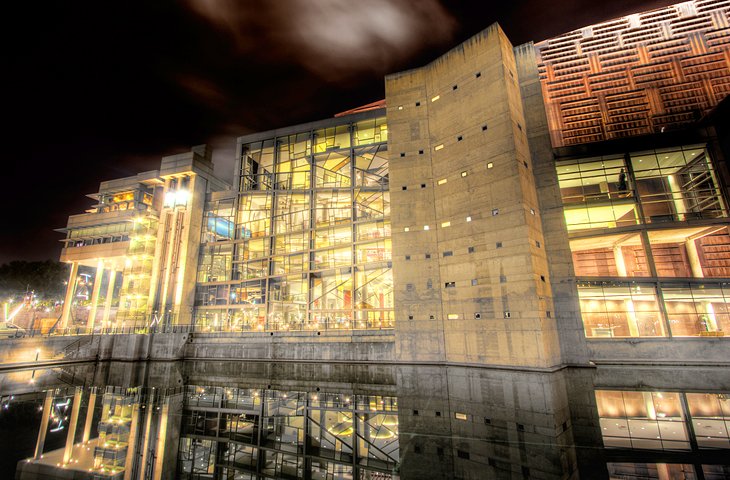
The Euskalduna Music and Conference Hall hosts conferences and cultural events. Within this striking contemporary building is a theater used to stage symphony, ballet, and opera performances. The auditorium is renowned for its acoustics.
Just a 10-minute walk from the Palacio Euskalduna is one of Bilbao's renowned Michelin-starred restaurants, Zarate Jatetxea. This creative Basque restaurant specializes in locally caught seafood. The chef also owns a shop that sells fresh fish.
Address: 4 Avenida de Abandoibarra, Bilbao
13. Mercado de la Ribera
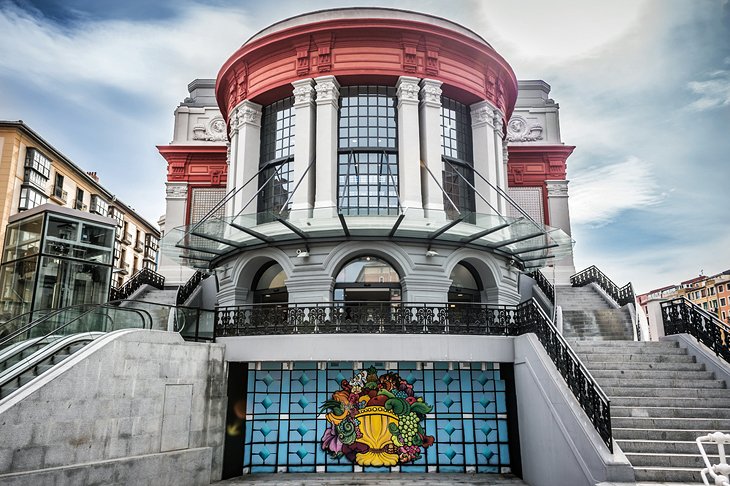
The Ribera Market is found in the heart of the Casco Viejo, where it draws local shoppers and restaurant chefs. This is the best place in the city to find high-quality Basque culinary products, fresh fruits and vegetables, seafood, cheese, mushrooms, and other gourmet food products.
Although the building was designed for functionality, the market hall is a bright and cheerful space with skylights that provide natural light. The exterior features whimsical Art Deco designs, floral decorations, and lattice windows.
For those who'd rather leave the cooking to the experts, two of Bilbao's renowned gastronomic restaurants are found nearby. The Michelin-starred Restaurante Mina is on the Muelle Marzana, a short walk across the river from the market, and the Ola Martín Berasategui restaurant is found within the Hotel Takyo on Calle Ribera, which is just steps away from the market.
Address: Mercado de la Ribera, 22 bis Ribera, Bilbao
14. Funicular de Artxanda and Mount Artxanda
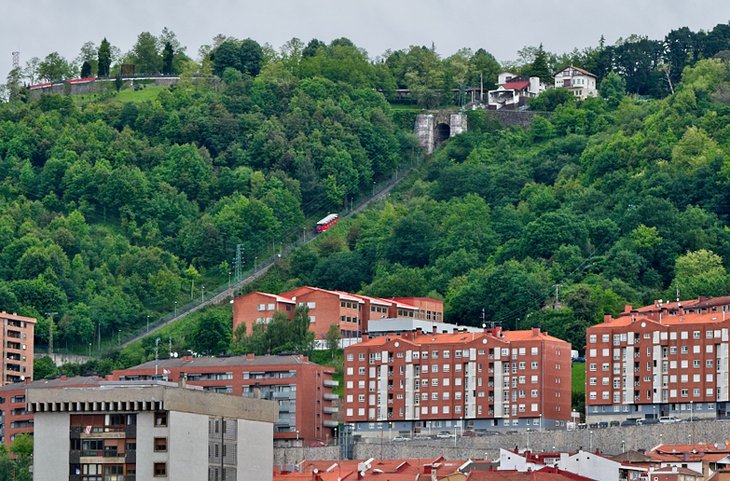
This cableway, affectionately known as the "Funi," offers a wonderful way to take in the scenery of Bilbao. The Artxanda Funicular takes only three minutes to travel through the hillside of the Arangoiti neighborhood to the top of Mount Artxanda, a truly rewarding destination.
From the summit, you are awed by panoramic views of Bilbao's urban landscape. Around the Mount Artxanda summit are lovely areas for taking a walk.
The funicular runs daily, and trains depart every 15 minutes from the Plaza del Funicular (a 10-minute walk from the City Hall).
15. Gran Vía de Don Diego López de Haro
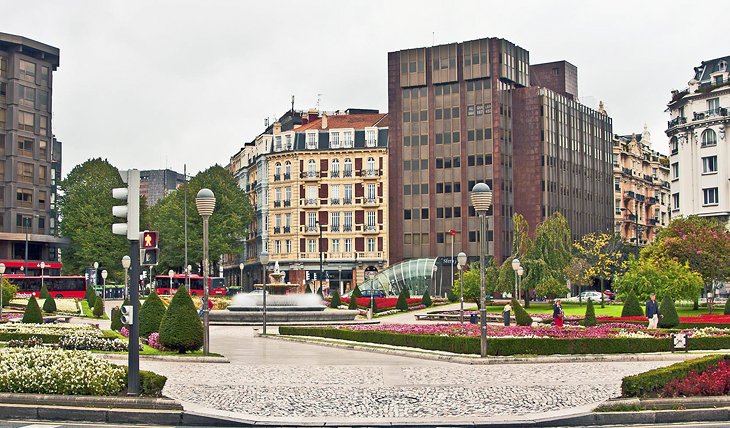
More commonly referred to simply as the "Gran Vía," this is Bilbao's main thoroughfare, home to commercial and government buildings, as well as a bustling neighborhood.
The Gran Vía stretches for 1.5 kilometers from the Plaza Circular (near the Maritime Museum) to the Plaza del Sagrado Corazón. On the way, it runs adjacent to Don Casilda Park, and then through the Ensanche district's Plaza de Federico Moyúa, home of the Chávarri Palace.
Take a stroll down the Gran Vía to admire more of the city's architecture while perusing high-end boutiques and then stopping at one of the many gourmet restaurants, cafés, or fancy pastry shops.
Where to Stay in Bilbao for Sightseeing
Luxury Hotels:
- Sitting just across the street from the Guggenheim, guests at the Gran Hotel Domine Bilbao can admire Jeff Koons' Puppy topiary day and night. This trendy five-star hotel offers the best in modern luxury, with a sleek design, a scenic roof terrace, and ultra-modern bathrooms. Hotel amenities include a restaurant, fitness center, and spa.
- The Hotel Carlton is another luxury five-star hotel, housed in a Historic Monument on the centrally located Plaza de Federico Moyúa within easy walking distance of the Guggenheim Museum and the Museo de Bellas Artes. Guest rooms and suites are both classic and modern, and hotel services include an on-site restaurant, room service, and concierge.
Mid-Range Hotels:
- The NH Collection Villa de Bilbao is a four-star hotel on Gran Vía de Don Diego López de Haro, adjacent to Don Casilda Park and within a few minutes' walk to the Museum of Fine Arts and the Guggenheim. The hotel is popular with families, offering large suites and in-room conveniences like mini-fridges and microwaves. Décor is contemporary and sleek, with modern amenities and an excellent restaurant.
- Another four-star hotel with mid-range pricing is Hotel Miró, a boutique hotel centrally located between the Guggenheim and the Museum of Fine Arts and within easy walking distance to the Casco Viejo. The hotel displays an excellent collection of contemporary art. Amenities include a fitness center, and complimentary tea and coffee in the lounge.
Budget Hotels:
- Casual Bilbao Gurea is a budget-friendly bed-and-breakfast with a central and picturesque Old Town location. Guest rooms are bright and modern, with private bathrooms. Ideal for those traveling with children, the hotel offers family rooms, a "playground room," children's television networks, and kids' seats with the hotel's free bicycle rentals.
- Bilbao City Rooms is a small budget hotel in a central location near the Guggenheim and the Museum of Fine Arts. The guest rooms are compact but feature cheerful modern decor and include conveniences like mini-fridges and microwaves.
Map of Attractions & Things to Do in Bilbao
More Related Articles on PlanetWare.com
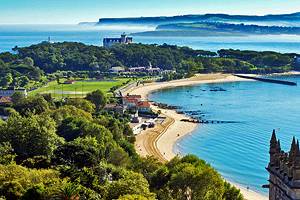
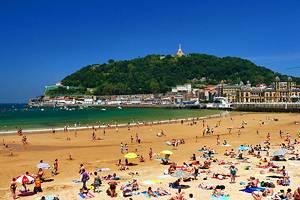
Sunny Santander: For those who are visiting northern Spain and seeking relaxation on golden-sand beaches, Santander is a delightful holiday destination during the summer months. The small city sits just over an hour's drive from Bilbao, and has many historic and cultural attractions, including the Museum of Prehistory and the Museum of Modern and Contemporary Art.
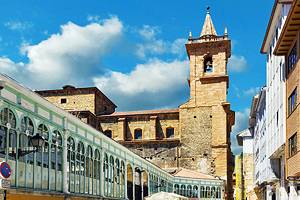
Exploring Oviedo: Farther west along the coast, Oviedo is best known for the architecture and historic significance of its churches, including the Catedral de Oviedo, as well as several beautiful examples of 9th-century buildings at the Iglesia de Santa Maria del Naranco, Iglesia de San Julián de los Prados, and Iglesia San Tirso, among others.
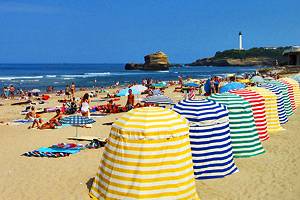
Beautiful Biarritz: Just across the French border, you will find many things to see and do in Biarritz. This elegant beach resort town is just a 90-minute drive from Bilbao.