12 Top-Rated Attractions in Selçuk and Ephesus
The ancient city of Ephesus is one of Turkey's best known historical tourist attractions. Its dazzling marble-columned temples and colonnaded streets are every history buff's dream, and it's one of the best places to visit in the world if you want to imagine life in the classical era.
Once you've finished rambling through the ruins, there are plenty more things to do in the vicinity. Ephesus sits on the edge of the vibrant town of Selçuk, which has long been a favorite stop for independent travelers.
With a castle, excellent museum, Byzantine basilica, and the remnants of a Roman aqueduct running straight through the center, this little town may be overshadowed by the mammoth ruin next door but offers bundles of extra sightseeing to offer those who choose to spend a few days here.
Discover more things to see and do with our list of the top attractions in Selçuk and Ephesus.
- 1. Be Awestruck amid the Vast Ruins of Ephesus
- 2. Admire Artemis inside Ephesus Museum
- 3. Explore the Remains of the Basilica of St. John
- 4. Visit the Scant Remains of the Temple of Artemis
- 5. Pilgrimage to the Meryemana
- 6. Soak Up the Views from Ayasuluk Fortress
- 7. Admire the Isa Bey Mosque
- 8. Stroll the Remnants of the Byzantine Aqueduct
- 9. Head to the Grotto of the Seven Sleepers
- 10. Day Trip to Sirince
- 11. Explore the Town of Tire
- 12. Relax on Pamucak Beach
- Where to Stay for Sightseeing in Selçuk
- Map of Attractions in Selçuk and Ephesus
1. Be Awestruck amid the Vast Ruins of Ephesus
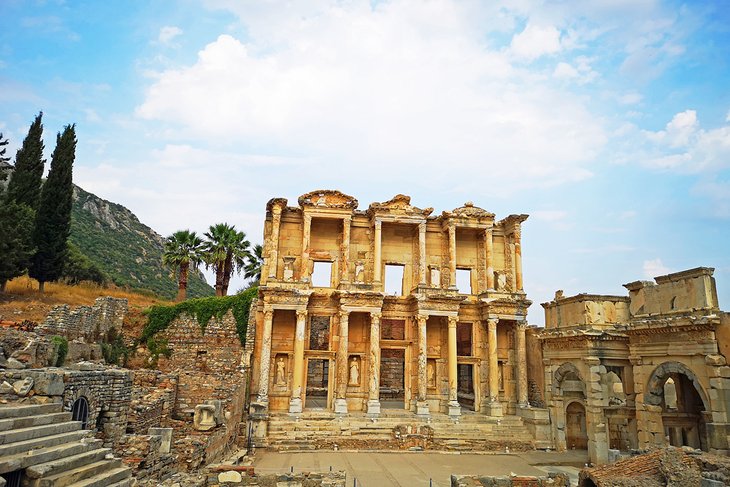
Ephesus is one of Turkey's major sightseeing attractions. This vast and beautiful Greco-Roman city was once home to 250,000 people, and the glorious monuments that remain point to it being a vibrant and rich metropolis.
Supposedly founded by the Ionian prince Androclus in the 10th century BCE, Ephesus was not only a center of trade but a great pilgrimage center, with the Temple of Artemis built in worship of the mother goddess.
During the Roman era, the city continued to dazzle, and it was only after the Goths destroyed the city in 263 CE that its importance began to wane.
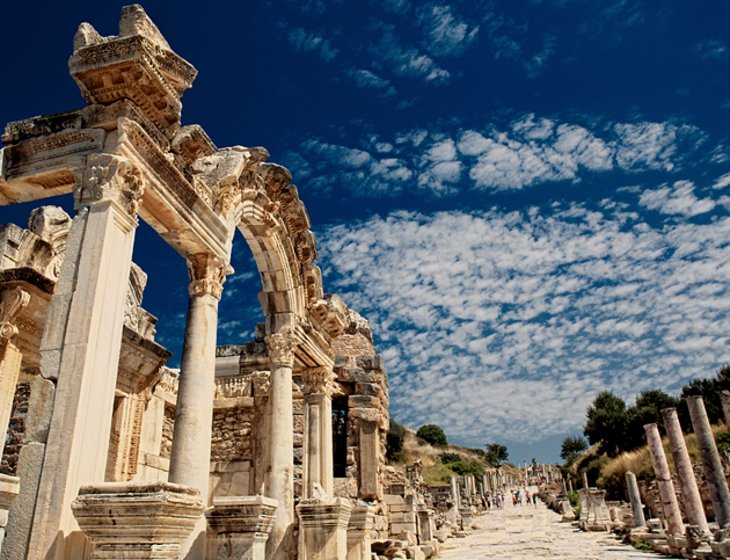
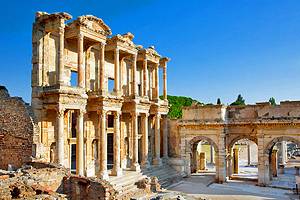
Don't miss the mammoth library (third largest in the ancient world), the well-preserved theater, the Temple of Hadrian, and the terraced houses complex.
The site is huge, so many visitors find hiring a guide allows them to get the most out of their time and understand the site better.
- Read More: Visiting Ephesus: Attractions, Tips & Tours
- Official site: https://muze.gov.tr/
2. Admire Artemis inside Ephesus Museum
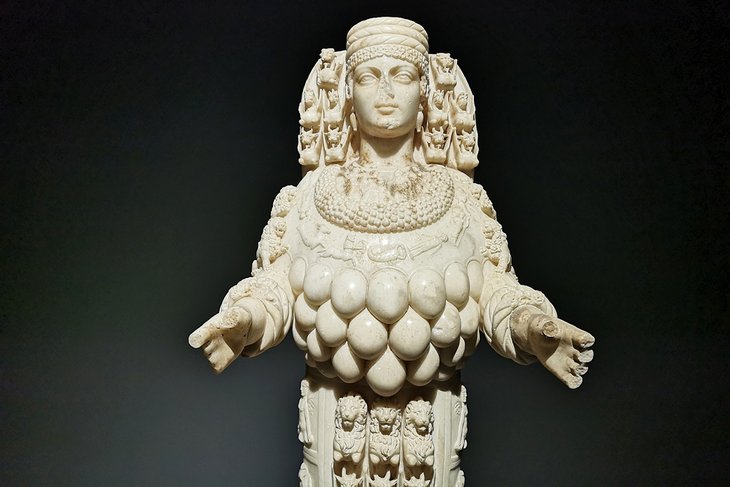
After you've finished visiting Ephesus, head straight to this brilliant museum right in the heart of town.
Some of the best finds from the ancient city and the surrounding area are on show here, including two exquisitely carved Artemis statues (one from the 1st century CE and another from the 2nd century CE) famous for their multi-breasted depiction of the goddess.
Exhibits cover the entire breadth of Ephesus' history, from the earliest history of settlement (7000 BCE) up to the Byzantine era, but the vast amount of artifacts here cover the classical era, with intricately carved statuary from the city's Pollio Monument and Fountain of Trajan among the standout displays in the collection.
Also don't miss the highly detailed ivory frieze, depicting the Roman army, unearthed from the terraced house complex and the bronze statue of an Egyptian priest dating from the 6th century BCE, which showcases the city's long history of trade with its regional neighbors.
Address: Ugur Mumcu Sevgi Yolu Caddesi, Selçuk
Official site: https://muze.gov.tr/
3. Explore the Remains of the Basilica of St. John
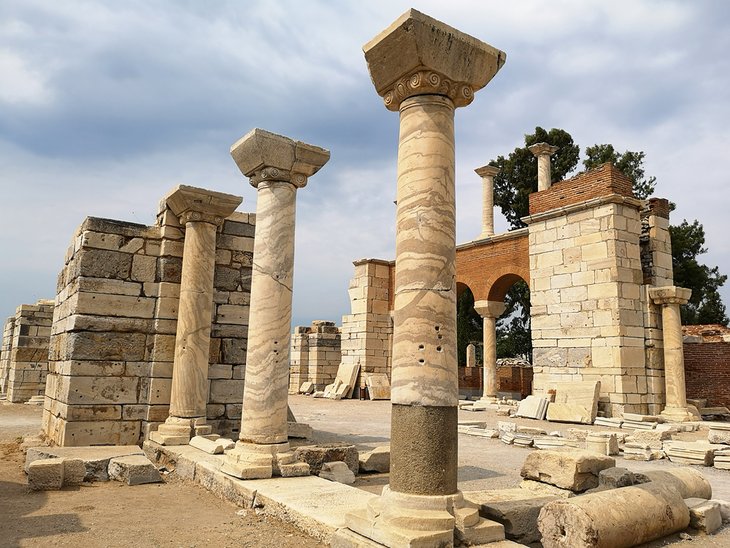
This citadel-like basilica once occupied the whole breadth of the hill it sits on and was ranked with the Hagia Sophia in Constantinople (now the Aya Sofya) as one of the Byzantine Empire's largest churches.
According to tradition, the grave of St. John is under the church. Originally, a mausoleum with a domed roof borne on four columns was built over the grave, but the Emperor Justinian replaced this simple monument with a three-aisled basilica on a Latin-cross plan boasting six domed roofs.
Including the narthex at the western end and the arcaded courtyard, the basilica was 130 meters long and 40 meters wide.
After the Seljuks captured Ephesus in 1130, the church was converted into a mosque and later served as a bazaar until it was finally destroyed by an earthquake.
Although only partially restored, the basilica ruins that remain give a good idea of the awesome size of the original building.
Address: St. Jean Sokak
Official site: https://muze.gov.tr/
4. Visit the Scant Remains of the Temple of Artemis
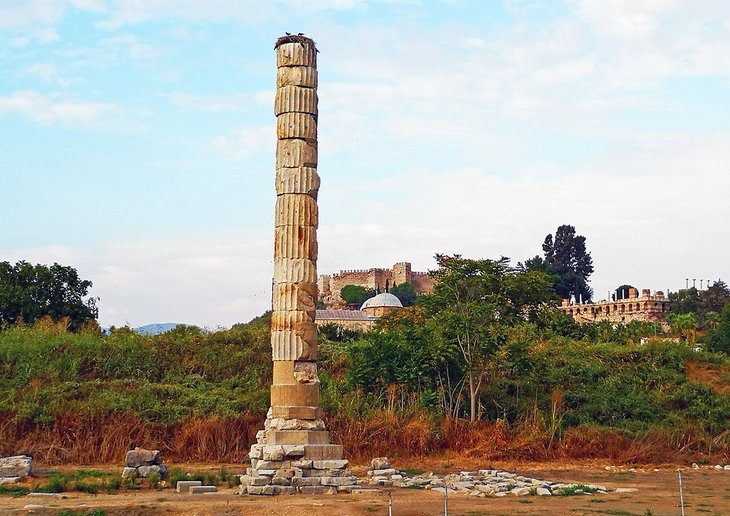
Just one lonely column (topped by a stork's nest) is all that remains of the Temple of Artemis, once one of the Seven Wonders of the Ancient World.
Excavations carried out by archaeologist JT Wood here showed that the site was originally occupied by a stone platform on which the cult image of the goddess stood, while underneath were rooms where votive offerings were presented.
The renowned gigantic marble temple of Seven Wonders fame was built in the 6th century BCE and boasted a staggering 127 columns.
Although destroyed by fire and other disasters across the centuries, it was twice restored and rebuilt before finally falling into a state of complete dilapidation in the Byzantine era, when its stones began being used as a quarry for building material. The most famous major Byzantine monument that reused Temple of Artemis stone was the Hagia Sophia, where some of the temple's columns and marble slabs can still be seen.
Address: Artemis Sokak
5. Pilgrimage to the Meryemana
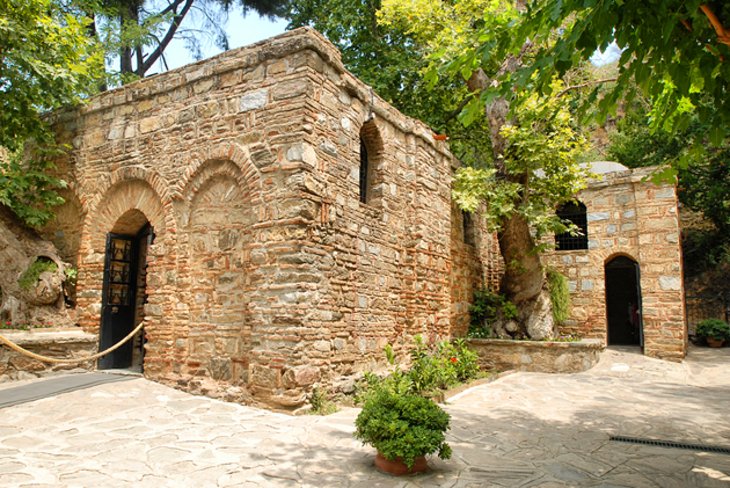
The Meryemana is a major Christian pilgrimage site and has a curious history. Tradition holds that the Virgin Mary journeyed to Ephesus with St. John, and is said to have died here.
The main building here dates from the Byzantine era (6th century), but its association with the Virgin only began in the 19th century, following the visions of the German nun, Katharina Emmerich, who gave a precise description of the situation and appearance of a house at Ephesus in which she claimed the Virgin had lived and died.
In 1891, on the basis of this account, a French priest discovered the ruins of a small church, which had evidently belonged to a monastery and this is now revered as the Virgin's house.
The chapel here is tiny, and be aware that the site is often crowded with tour bus groups.
A small wishing well is on-site, where it is customary to tie a piece of cloth and make a wish.
Address: Meryem Ana Yolu
6. Soak Up the Views from Ayasuluk Fortress
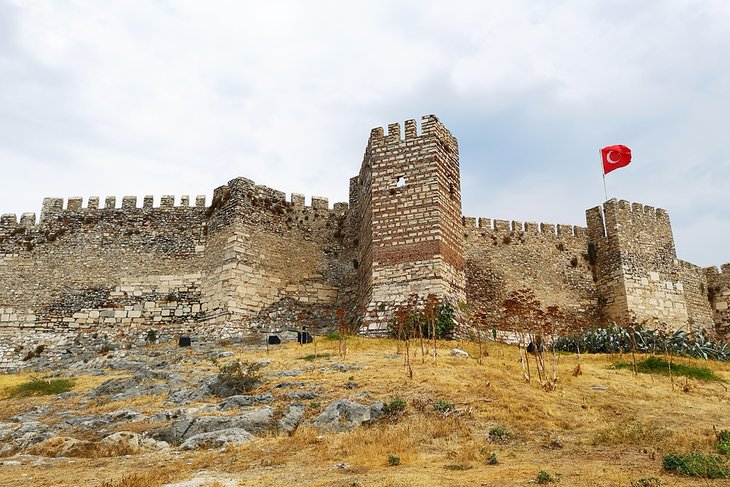
Ayasuluk Fortress sits on the hill above the Basilica of St. John and is accessed by a trail that leads up from behind the basilica. This hilltop site has been settled since the Neolithic period, but the fortress dates from the Byzantine era, and the fortifications were extended by the Seljuks.
The fortress area was closed for years due to archaeologists excavating the site, but it has now been opened to visitors.
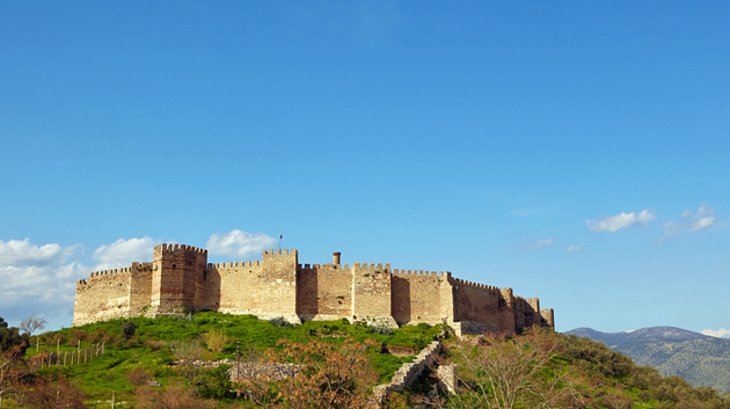
The mighty enclosure wall had 15 rectangular towers. Inside, there's not much to see, except for a small Seljuk-era mosque, but the views over town and the surrounding countryside are wonderful from the hilltop, making a trip here well worth the uphill walk.
Address: St. Jean Sokak
Official site: https://muze.gov.tr/
7. Admire the Isa Bey Mosque
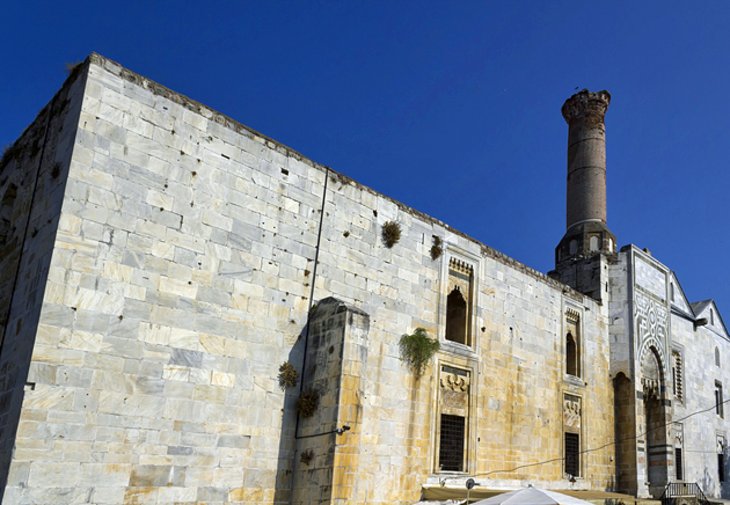
This Seljuk-era mosque is a beautiful example of the fine architecture of the 14th century. Its tall outer walls enclose a large arcaded courtyard leading to a double-domed prayer hall. The large columns of black granite used in the structure were recycled from the Roman baths.
Above the richly decorated main entrance is an elaborate calligraphic inscription. Dated January 10, 1375, it identifies Ali, son of Mushimish al-Damishki, as the architect.
Visitors are welcome to visit the interior outside of prayer times. To gain entry, make sure you are dressed appropriately, with shoulders and knees covered. Female visitors should wear a headscarf.
Address: St. Jean Sokak, Selçuk
8. Stroll the Remnants of the Byzantine Aqueduct
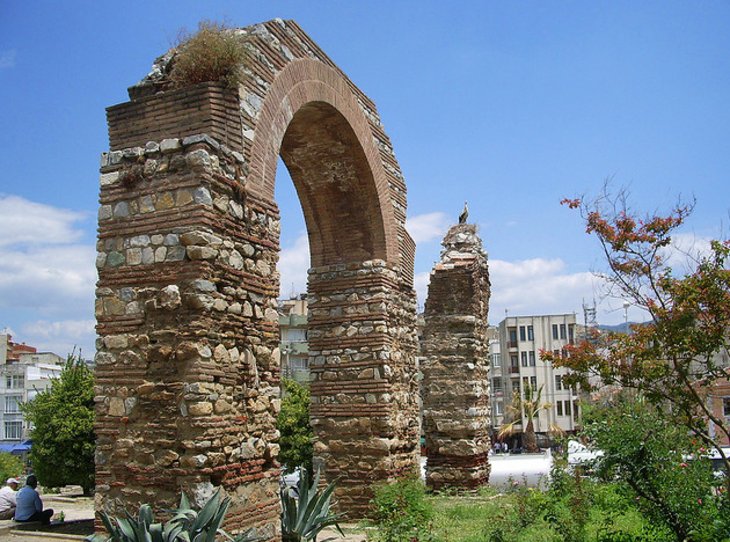
Running through the center of Selçuk are the remaining broken arches of this Byzantine aqueduct, which is more of a tourist attraction these days due to the huge stork nests that top some of the arches.
If you arrive in town in spring or early summer, you'll likely be able to spot storks sitting regally in the nests.
The best chunk of aqueduct remains is found on Inönü Caddesi, right in the town center just across from the train station. There's another section on St. Jean Caddesi, leading up to the Basilica of St. John.
After dark, the aqueduct remnants are lit up and make a great subject for some night shots of town.
Address: Inönü Caddesi, Selçuk
9. Head to the Grotto of the Seven Sleepers
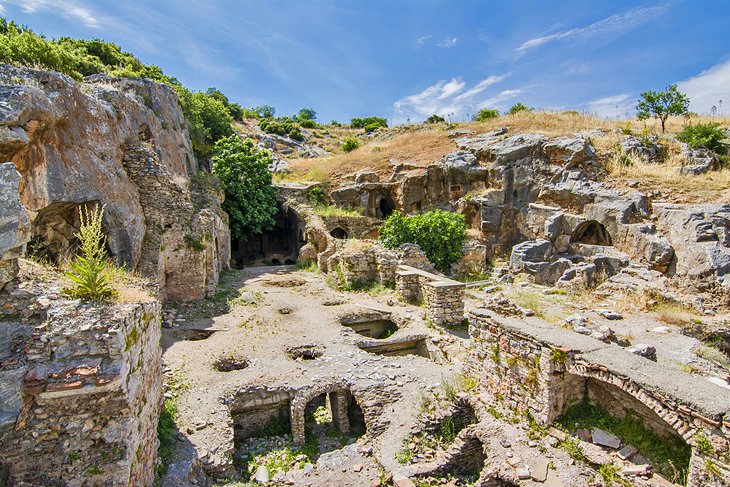
Approximately two kilometers down a road from the Ephesus ruins is this small cave system with an interesting local legend attached to it.
Supposedly, in 250 CE, the Emperor Decius persecuted seven early Christian converts who then were sealed up by the emperor in this cave. Two hundred years later, the Christians awoke to find the Roman world had become Christian and lived peacefully in Ephesus for the rest of their days. When they died, they were buried back here in the cave, and it became a pilgrimage center.
There's not a huge amount to see inside the cave except some tombs, but just before the cave entrance is an outdoor terrace where local women cook traditional gözleme (flatbreads), which make for a great lunch after visiting Ephesus.
10. Day Trip to Sirince
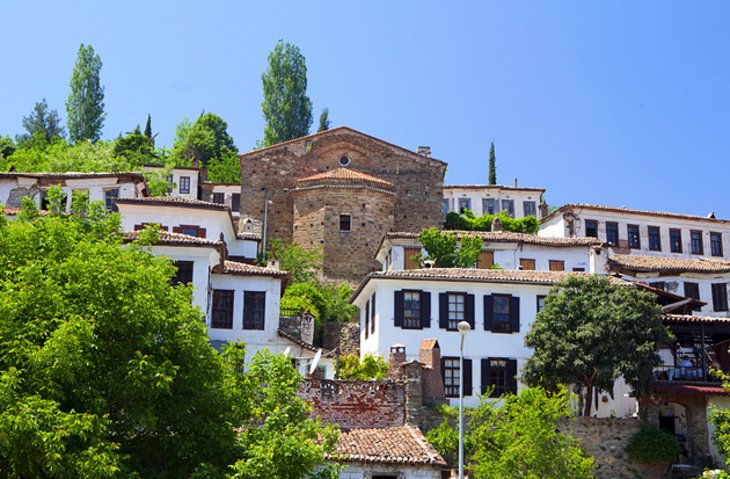
Sweet little Sirince is a picture-perfect village of red-roofed stone houses that cascade down a hill slope surrounded by dense forest.
It was a Greek village until the Population Exchange of the early 20th century, when ethnic Turks shuttled here from Greece were housed in the newly abandoned homes.
It's a bit of a stiff climb up the cobblestone alleys to the top of the village, where you can visit the Church of St. John the Baptist. Inside are some severely-damaged frescoes, but the real reason to hike up the hill is to take panoramic pictures of the village from here.
Sirence is eight kilometers east of Selçuk.
11. Explore the Town of Tire
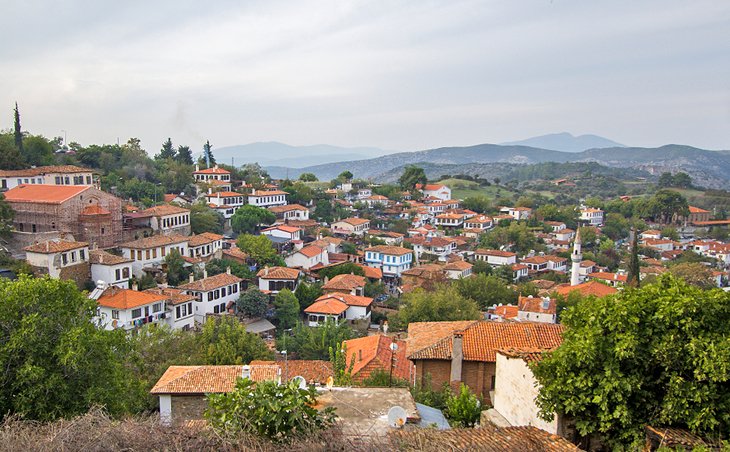
If you're looking to sample rural Turkish life, the farming hamlet of Tire, 40 kilometers north of Selçuk, is a great place for a wander. The town is renowned for its felt-making tradition, and you can still see master felt craftsmen at work in the village.
If you come here on a Tuesday, you can also see Tire's famous market full of delicious local foodstuffs.
On the way to Tire (near the turnoff for Tire, 15 kilometers northeast of Selçuk, close to the village of Belevi) is a burial mound and the remains of a monumental structure reminiscent of the Mausoleum of Halicarnassus in Bodrum.
These remnants are thought to date from the 4th century BCE and are believed to be part of ancient Bonita. The sarcophagus found in the mausoleum is on display in the Ephesus Museum.
12. Relax on Pamucak Beach
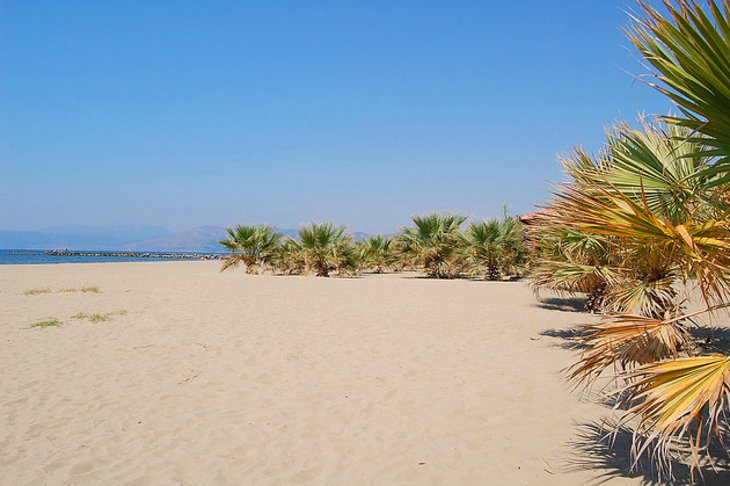
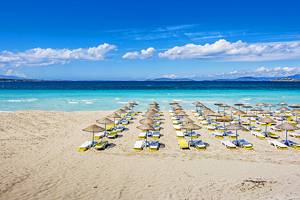
When you've had your fill of ancient ruins and are looking to relax, this prime piece of sand, about seven kilometers from Selçuk on the road to Kuşadası is the top place to chill out and easily fit some sun and swimming action into your sightseeing itinerary.
It can get very busy on weekends, particularly during summer, so if possible leave your sunbathing for a weekday.
Do as the locals do, and bring a picnic. If you're here during late winter and early spring, when it's too chilly to be hitting the beach, you can usually spot flamingos in the nearby estuary.
Where to Stay for Sightseeing in Selçuk
Luxury Hotels:
- Set in a beautiful stone and timber building Akanthus Hotel has a prime location overlooking Selçuk's red-tile roofs, a concierge to help you with any query, a small pool in the tranquil inner courtyard, and an included breakfast.
- Ayasoluk Boutique Hotel has just 17 rooms, with personalized service, an included breakfast, a restaurant, good-sized pool area, and more of those red-tile roof views across the village.
Mid-Range Hotels:
- Saint John Hotel has classically designed rooms, most of which come with balconies, a central courtyard with a lap pool, an included breakfast, restaurant, and rooftop terrace.
- The historic and family-run Hotel Kalehan is one of the oldest hotels in this region and, with its tranquil garden setting, is a relaxing place to stay. There's a lovely pool area and restaurant, and breakfast is included.
Budget Hotels:
- Family-run Homeros Pension is one of Selçuk's top guesthouses and is a cozy, friendly place to stay. There are great village views from the rooftop, rooms are full of charming local crafts and antiques, and breakfast is included.
Map of Attractions in Selçuk and Ephesus
More Related Articles on PlanetWare.com
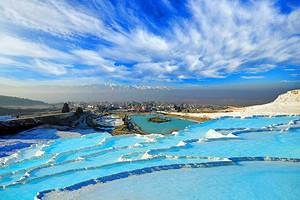
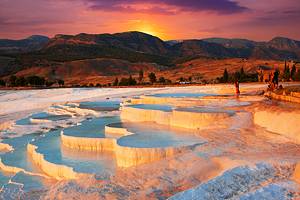
More Ruins: Head inland to Pamukkale, where Roman ruins sit atop the famous calcite terraces, then down the coast to Fethiye, which makes a good base to explore the surrounding hills scattered with Lycian ruins.
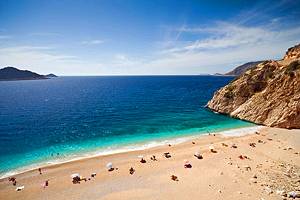
Explore Coastal Scenery: After all that history at Ephesus, beeline to the coast. Head down the coast to Kas for kayaking over underwater ruins or up the coast to Bodrum for beach time and boat trips.