Exploring Laodikeia: A Visitor's Guide
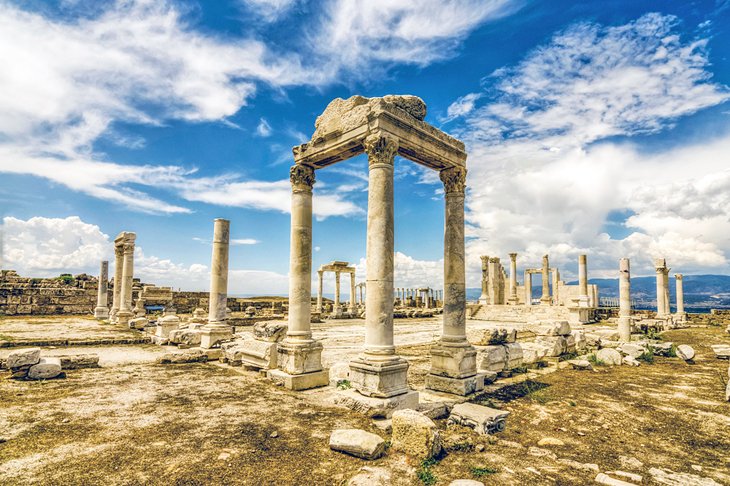
The sprawling ruins of this city are where Cicero once called home.
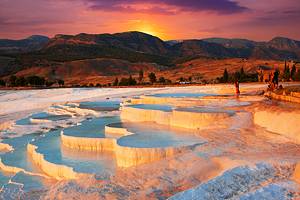
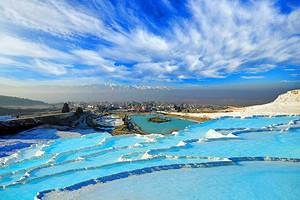
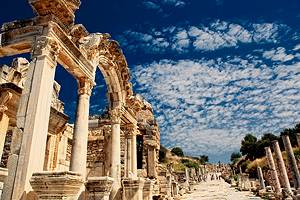
Laodikeia often gets missed by tourists on the rush from the coast to Pamukkale to view the world-famous white terraces, but the remnants of this once grand Roman city, about five kilometers north of Denizli and eight kilometers from Pamukkale, are well worth spending an extra night in Pamukkale for.
One of the major bonuses of rambling through the ruins here is the lack of crowds.
Unlike Ephesus or Pamukkale's Hierapolis, Laodikeia is much less known, so a visit here makes for a very tranquil sightseeing experience.
History
Referred to as Eskihisar (Old Castle) by locals, the ruined site of ancient Laodikeia (or Laodicea) was built on the site of an earlier settlement known originally as Diospolis and later as Rhoas.
Laodikeia was founded by Antiochos II of Syria (261-246 BCE), who named it after his wife, Laodice.
Part of the kingdom of Pergamum after the Treaty of Apameia in 188 BCE, the city subsequently passed into Roman hands.
Its commercial activities and especially its wool and textile industries made it one of the wealthiest cities in Asia Minor, and after a devastating earthquake in CE 60, the wealthy citizens were able to rebuild the city out of their own resources.
Laodikeia was home to one of the Roman Empire's oldest Christian communities and ranked among the Seven Churches of Asia (as stated in Revelations 1:11; 3:14; Colossians 4:13ff).
After its conquest by the Seljuks in the late 11th century, the city fell into decay, and in the 13th century, the remaining inhabitants abandoned the site and moved to Ladik (modern-day Denizli).
The Site
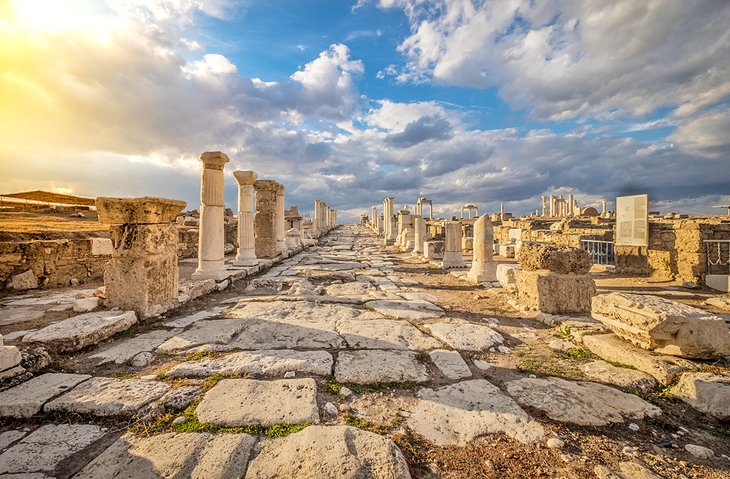
The remains of Laodikeia are scattered over an undulating plateau (one square kilometer), which is dissected by the road from Eskihisar to Goncali.
Syria Street
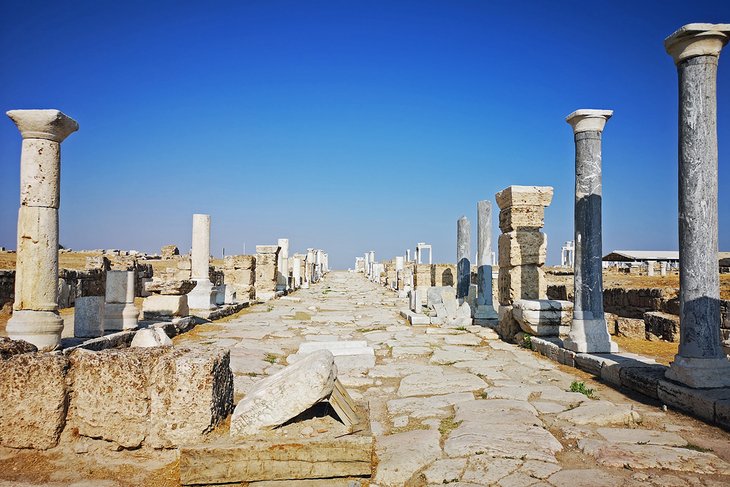
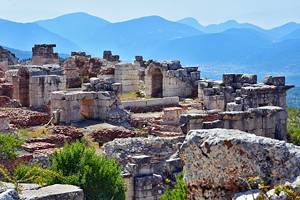
The main set of excavated ruins lies in the northern section of the site, on or accessed off colonnaded Syria Street.
Syria Street is entered through the remnants of the eastern Byzantine gate and was one of Laodikeia's main roads from the 1st century onwards.
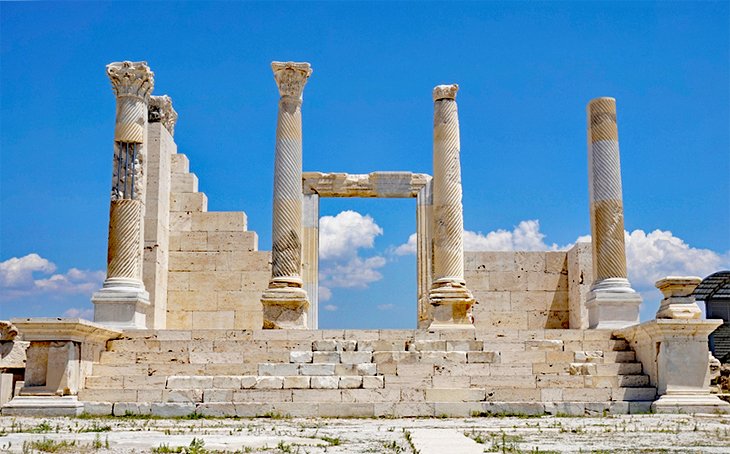
Once lined by important buildings, today Temple A, with its courtyard and re-erected columns, is one of the street's major monuments. Archaeologists have raised a glass roof over the temple's sub-chamber, creating a viewing platform down into the vaulted chamber below.
Next door to Temple A are the remains of the Septimus Severus Nymphaeum, after which you come to the vast complex of the sacred agora, with its large propylon.
The sacred agora would have been a major place of worship during the Roman era, with temples dedicated to Athena and Zeus. It was later converted into an agora in the Byzantine period.
On the opposite side of the road is the city's large, rectangular central agora, which was once lined with shops. The agora's central column has been re-erected.
The Church of Laodikeia
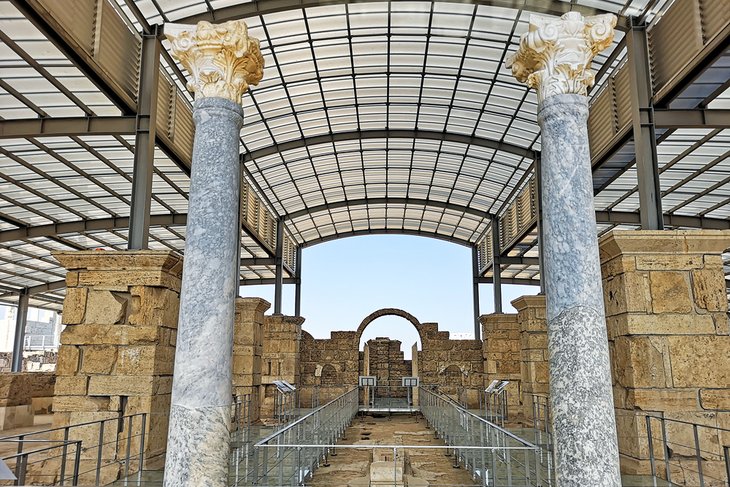
For Christian visitors, Laodikeia's church (one of the "Seven Churches of Asia") is the highlight of a visit here.
Built during the early Byzantine era, during the reign of Emperor Constantine, the church was substantially rebuilt after the CE 494 earthquake and became a major pilgrimage center during the 4th century. It was finally completely destroyed by an earthquake in the 7th century.
A raised glass walkway provides access around the church where substantial sections of mosaic floors have been unearthed.
The mosaic floors in the south nave are particularly well preserved, with panels decorated by floral motifs and geometric patterns.
The Theaters
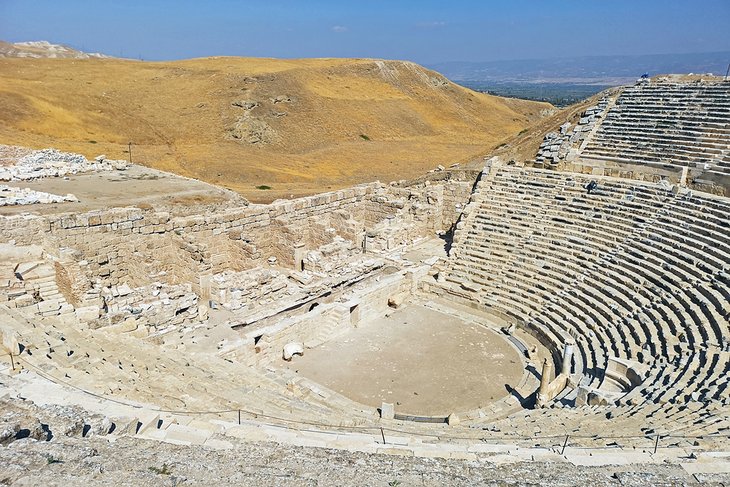
Heading north from the church, you arrive at the unexcavated north theater, with its panoramic views across the countryside to the white travertines of Pamukkale.
The theater was built in the 2nd century and originally had a cavea of 49 rows, split into two tiers, which could sit 12,000 spectators.
From here, it's only a short walk, passing the northern entrance of the sacred agora's colonnaded street, to the west theater, which has been undergoing a thorough restoration in recent years.
The west theater is Laodikeia's earliest theater building, dating from the Hellenistic era, and could have sat 15,000 spectators.
Stadium Street
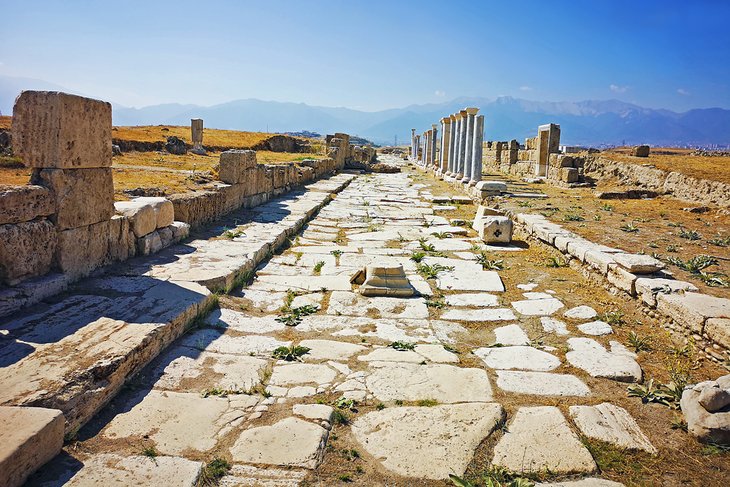
Stadium Street runs south from the west theater. The major highlight monument is the recently excavated fresco travertine panel wall, which sits on the intersection of Stadium Street with Syria Street.
Destroyed and buried by the 494 CE earthquake, the wall is thought to date back to the 3rd-century reign of the Roman Emperor Gallienus.
Measuring 59 meters long and nine meters high, the wall, with its eastern side covered in fragments of preserved fresco panels, has been painstakingly re-erected and was only opened to visitors in 2020.
The Southern Section
On the southwest side of the site are a number of buildings constructed under the Emperor Vespasian (69-79 CE) including a stadium (350 x 60 meters) and a large building known as the palati, which was both a gymnasium and a bathhouse.
An aqueduct bringing water from the spring of Baspinar (beside the old administrative offices in Denizli) ended in a five-meter-high water tower where water was distributed to the various parts of the city. A short distance beyond the city walls is the necropolis.
More Related Articles on PlanetWare.com
More Classical Ruins: The most famous ruins in the area are Ephesus, renowned for its state of excellent preservation, which allows you to really get a feel for Roman life. The remnants of Hierapolis atop the summit of Pamukkale's white terraces are also wonderful to explore and are easily combined with a Laodikeia trip. Heading north, don't miss Pergamum, with its theater and acropolis perched on the hilltop overlooking the modern town of Bergama below. Back on the coast, Fethiye makes a good base for day trips to the cities of the Lycian League that thrived during the Roman era.