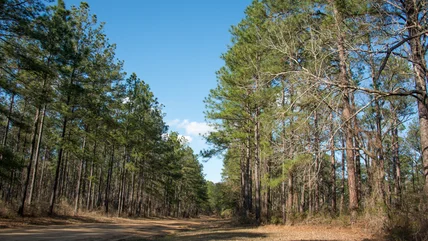
Louisiana's Only National Forest Is A Unique Destination With Gorgeous Foliage
Looking for a peaceful getaway? Explore a landscape of pine forests, hidden lakes, and unforgettable outdoor adventures in the heart of Louisiana.
Read More

Looking for a peaceful getaway? Explore a landscape of pine forests, hidden lakes, and unforgettable outdoor adventures in the heart of Louisiana.
Read More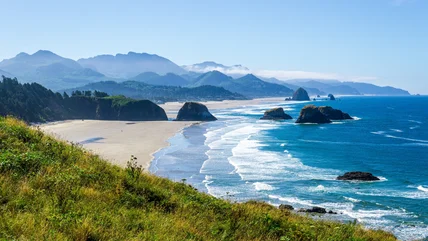
This Oregon coastal city with an interesting name has been lauded for its stunning beaches, and it also boasts breweries and a vibrant arts scene.
Read More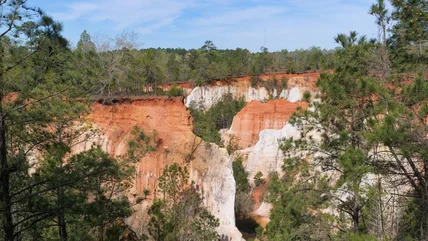
For a state park with unique scenery in Georgia, head to the state's "Little Grand Canyon" that is full of beautiful canyon views and fun trails.
Read More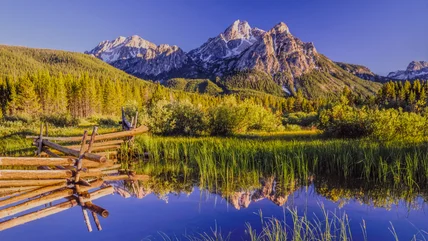
It's hard to find a more remotely beautiful area than the Sawtooth Mountains, and this popular national recreation area is a great place to take in the view.
Read More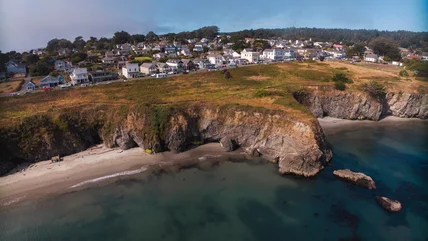
For unmatched views of the Pacific Ocean, bohemian vibes, and farm-to-table restaurants, visit this charming village in Northern California.
Read More
Maine is a great place for outdoor adventure, and one of this state's best parks boasts incredible wildlife, mountains, fall foliage, and scenic nature views.
Read More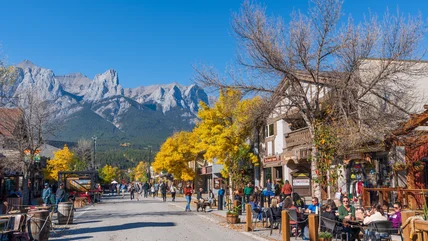
For a less-crowded alternative to Banff, take a trip to this Canadian city tucked in nature and surrounded by stunning foliage, river hikes, and mountain views.
Read More
Despite being one of the smallest U.S. states, New Hampshire is packed with adventure, from sky-high mountain railways to exquisite scenic drives.
Read More
Experience Grand Canyon beauty on the East Coast during a day of hiking, camping, and picnicking at this stunning gorge in the heart of Vermont.
Read More
While you might be more familiar with Charleston, South Carolina, Charleston, West Virginia is also well worth a visit -- here's what you need to see.
Read More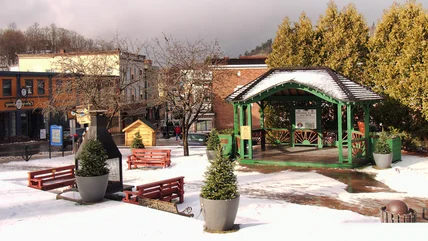
This picturesque Upstate New York village in the mountains celebrates winter with a massive annual carnival, along with snowy outdoor activities.
Read More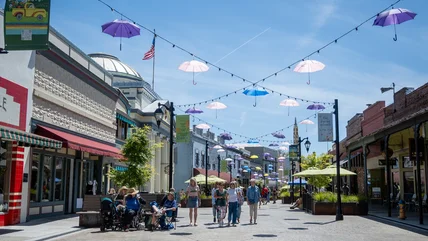
Walk a charming pedestrian promenade, visit old mining grounds, and sample delicious Cornish pasties in this underrated town near the Sierra Nevada mountains.
Read More
For the perfect winter vacation on the slopes, head to this gorgeous Colorado mountain spot that offers scenic views of the Rockies and a walkable resort town.
Read More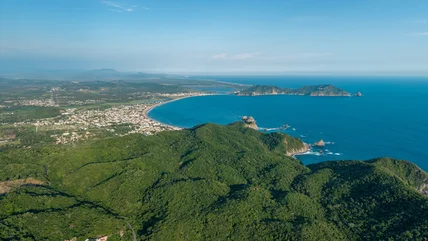
Skip the touristy spots in Mexico and visit this coastline, known as the "Happy Coast," dotted with undeveloped beaches and charming local towns.
Read More
This resort on a private island in Georgia comes alive in the winter, with thousands of decorative lights, nearly 100 Christmas trees, and numerous events.
Read More
With seven mountain areas and over 100 trails, there's something for every member of the family at this expansive Upstate New York ski resort.
Read More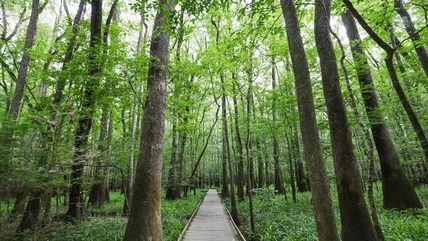
Nothing beats packing up the camper van and heading into nature, but watch out at this national park that has banned RVs and other camping vehicles.
Read More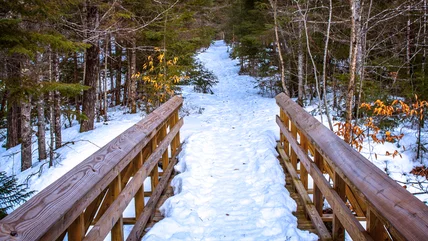
In the middle of the Adirondack Mountains, this New York village offers everything you need for a winter getaway, from holiday-themed hikes to ice fishing.
Read More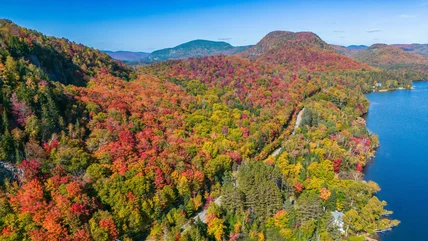
This fall, head to this Canadian national park, where you can ride a gondola over the foliage, hike stunning mountain trails, and refuel with poutine.
Read More
This overlooked California city has tons to do, from underground tours to State Capitol visits to food festivals celebrating the local farm-to-table culture.
Read More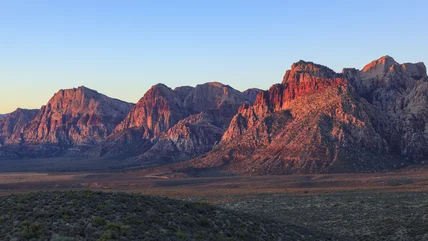
For a break from your days watching shows and playing cards in Las Vegas, head to this nearby scenic canyon and conservation area that is perfect for day hikes.
Read More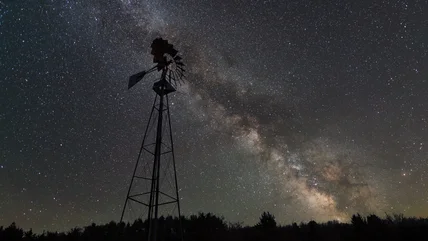
For those who love stargazing, make sure to stop by this gorgeous Pennsylvania state park that has designated stargazing zones complete with telescope pads.
Read More
From historic recording studios to vibrant honky tonks, and an incredible food scene, this bustling city is brimming with unforgettable experiences.
Read More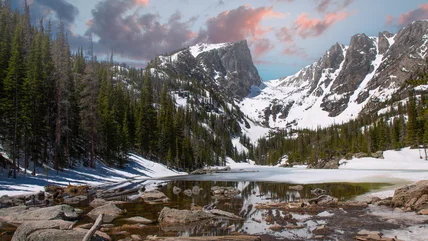
With stunning alpine scenery, epic hikes, wildlife sightings, and plenty more to enjoy, this Colorado national park is a must-visit gem for outdoor enthusiasts.
Read More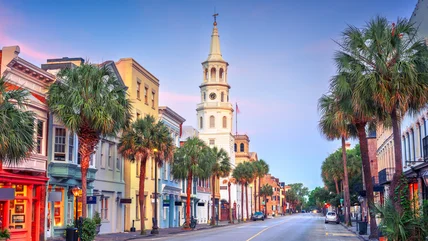
From Civil War landmarks to fresh seafood and lush gardens, this captivating South Carolina city offers a rich cultural experience in a picturesque setting.
Read More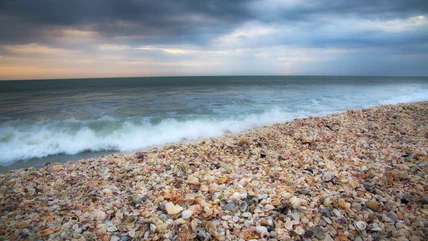
Discover a family-friendly coastal paradise where stunning beaches, abundant seashells, and outdoor adventures come together for the perfect getaway.
Read More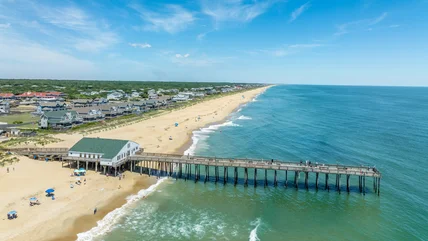
North Carolina is as diverse as it is beautiful, with show-stopping mountain ranges, world-class institutions, soaring sand dunes, and rich history.
Read More