
Colorado's Renowned Ski Resort Town Is Perfect For A Family-Friendly Winter Getaway
Whether you're a new skiier or have spent several seasons on the slopes, this is one of the best places in the U.S. to bring your family for a ski trip.
Read More

Whether you're a new skiier or have spent several seasons on the slopes, this is one of the best places in the U.S. to bring your family for a ski trip.
Read More
This outdoor California attraction is iconic, but according to one study, it's not worthing visiting due to safety concerns, low ratings, and other factors.
Read More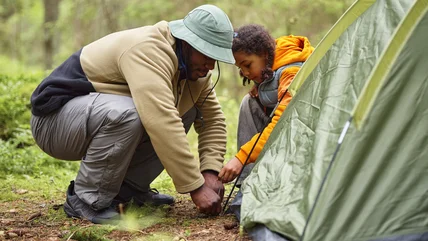
California campsites can get booked full quickly, but with the passage of a new state law, it might be a lot easier to find a place to pitch your tent.
Read More
This small Texas town may have a population under 2,000, but it's packed with galleries, public art, and history, as well as diverse eateries and cozy hotels.
Read More
This city tucked along Oregon's coast is beloved by visitors for its remoteness, along with its whale watching, movie filming locations, and scenery.
Read More
Far from crowded rinks, this charming winter destination invites travelers to experience skating in its purest form, surrounded by beautiful scenery.
Read More
A charming Midwestern city transforms into a storybook winter escape with historic streets, seasonal festivals, and cozy small-town charm near Lake Michigan.
Read More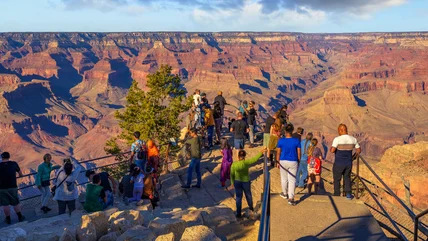
A visit to the Grand Canyon comes with risks, and understanding how to explore safely can make the difference between a memorable trip and a dangerous mistake.
Read More
A surprising domestic flight route has recently been selected as North America’s busiest, outperforming most major U.S. air corridors in recent years.
Read More
They say that beauty is in the eye of the beholder, but according to visitors, these U.S. cities are objectively the most beautiful in the country.
Read More
Visiting a U.S. national park in 2026 could look very different, as new identification rules are reshaping how visitors access these iconic sites.
Read More
This European outdoor activity, which boasts multiple wellness benefits, is now available in spots across the U.S., from New York to Oregon.
Read More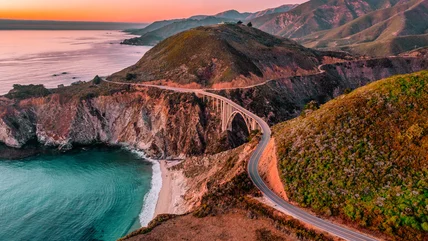
The Pacific Coast Highway, often considered America's most scenic road, takes travelers past spectacular scenery and ocean views that seem to go on forever.
Read More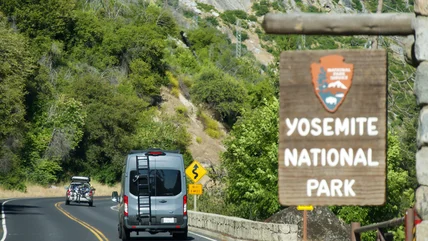
The National Park System offers so many wonders to explore that will leave you in awe of the country's vast beauty. Don't miss these destinations.
Read More
Get read for a brand-new adventure coming to the Dallas area. This theme park is poised to become a family favorite with fun for kids and parents alike.
Read More
To avoid the crowds and packed parking lots of summer, head to these national parks in the winter for fewer tourists and more space to enjoy the outdoors.
Read More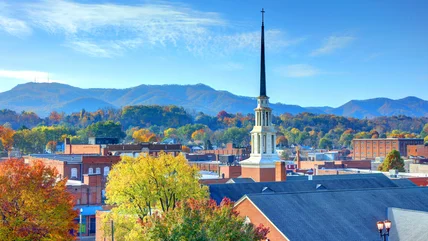
Part of Tennessee's Tri-Cities, this destination is packed with over two dozen parks plus hiking trails, mountain views, cycling paths, and family-friendly fun.
Read More
While Walt Disney World is definitely a park everyone should visit once in their life, there's a lot more to see in the rest of the state of Florida.
Read More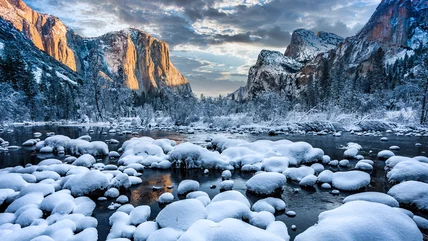
California may be most famous for its endless summer, but winter is just as enchanting in the Golden State, making it ideal for a weekend getaway.
Read More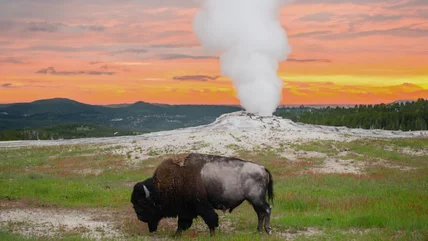
This spot became the first national park in the world thanks to its stunning geysers and geothermal activity, which you can witness during a hike.
Read More
Wellness travel in 2026 is evolving beyond regular spa experiences, driven by new concepts around health, connection, nature, and intentional living.
Read More
Planning a standout trip in 2026? These 15 expert-approved properties from around the globe deliver unforgettable stays where service and style come first.
Read More
For an island destination that offers old-school bars and shops that feel pleasantly stuck in the 1970s, head to this tropical island city in Florida.
Read More
From cutting-edge tasting menus to boundary-pushing cuisine, these 11 world-class restaurants are setting a new benchmark for dining in 2026.
Read More
While pre-arrival requirements will be implemented in some countries in 2026, U.S. passport holders can still visit nearly 180 places without a visa.
Read More
Drawing from a wide range of data and survey results from American travelers, this report reveals the world's best destinations for a safe vacation.
Read More
Across the United States, botanical gardens offer beauty, escape, and inspiration. These 13 standout destinations are worth visiting any time of year.
Read More