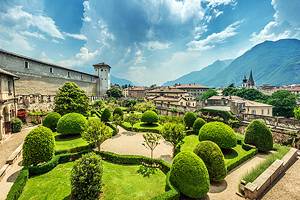
Popular Day Trips from Venice
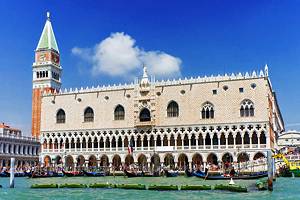
In addition to being one of the top tourist destinations in Italy – and in all of Europe – Venice is also an ideal base for visiting more of Northern Italy's top attractions. Padua, Vicenza, and Verona are easy train rides away, and the magnificent Dolomites form a wall to the north. Thanks to Italy's high-speed trains, even Florence is within reach.
Few foreign tourists go beyond Venice into the part of the Veneto region known as Friuli-Venezia Giulia, nor do they explore the Palladian villas that lie to the northwest. But all these attractions weave closely into the story of Venice. Along the Adriatic coast to the east, you'll find the city's roots in the magnificent remains of towns from which early Christians fled from barbarian hordes before founding Venice.
You'll find suggestions for the best places to visit in this list of popular day trips from Venice.
Murano and Burano
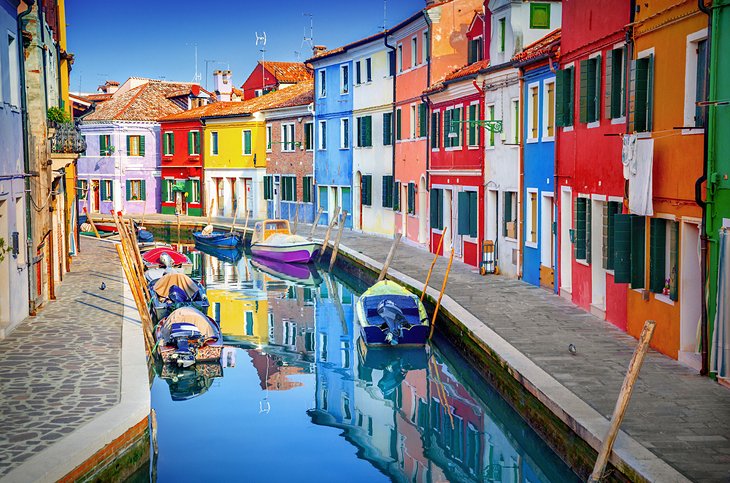
The closest and easiest day trip from Venice is to its islands of Murano and Burano, each a colorful mini-Venice with its canals and bridges, and each one a center for traditional Venetian art.
Murano is the home of Venice's glassblowing industry and has been ever since the glass furnaces were moved here to protect the city from fire. A darker purpose was to isolate the glass experts so they could not give away (or sell) the secrets that gave Venice the monopoly of fine glassware.
Farther away and isolated by distance, Burano was an island of fishermen, and their wives became expert lace makers, an art that survives today. Burano is especially colorful, with its brightly painted houses reflecting in the water.
Verona
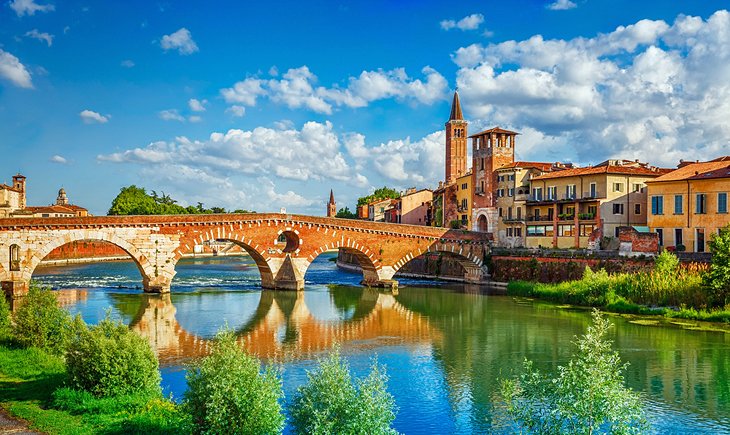
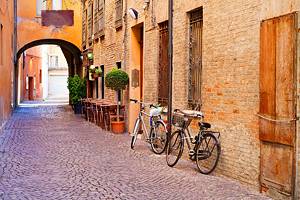
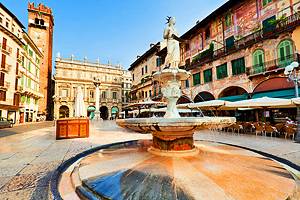
Beyond its romantic associations with the fictional Juliet, Verona is one of northern Italy's most beautiful and fascinating cities for sightseeing. The narrow stone-paved streets of its Centro Storico - historic center - are lined by Renaissance and earlier buildings, many of which show the distinct marks of Verona's long years as part of the Venetian Republic.
Arching over its streets are Roman gates, and in its center is one of the finest Roman arenas in existence. Lavishly decorated churches, a castle artfully repurposed as an art museum, and the house that commemorates Shakespeare's tragic heroine will more than fill a day here.
Verona is easy to reach by direct train from Venice, and the attractions of the historic center are within walking distance or a short bus ride from the rail station. Once in the center, you'll find the castle, Juliet's house, and the most significant churches all within an easy walk of the Roman Arena.
- Read More: Tourist Attractions & Things to Do in Verona
Cortina and the Dolomite Mountains
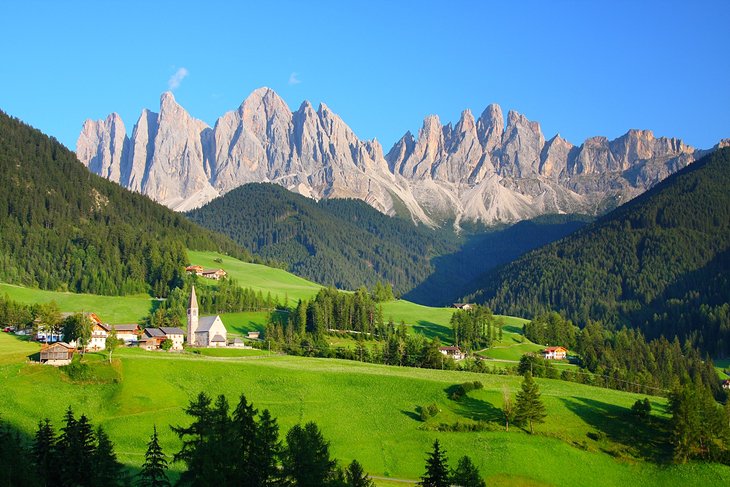
North of Venice rises a landscape that has been listed as a UNESCO World Heritage site for its grandeur, its history, and the way of life that survives in its mountain villages. Crowned by vast snowfields in the winter, these mountains are known for some of the top ski resorts in Italy, among them the famed Cortina d'Ampezzo.
Cortina is a host city for the 2026 Milan-Cortina Winter Olympics, which will be held between February 4 and February 22, 2026.
High among the Dolomites are pristine mountain lakes that reflect their jagged rocky peaks, and tiny Alpine villages hide in the valleys that drop dramatically between ranges.
This is a day trip that needs to be done by car or on a guided bus tour. Trying to get around on public transportation in a single day would be extremely challenging.
Padua
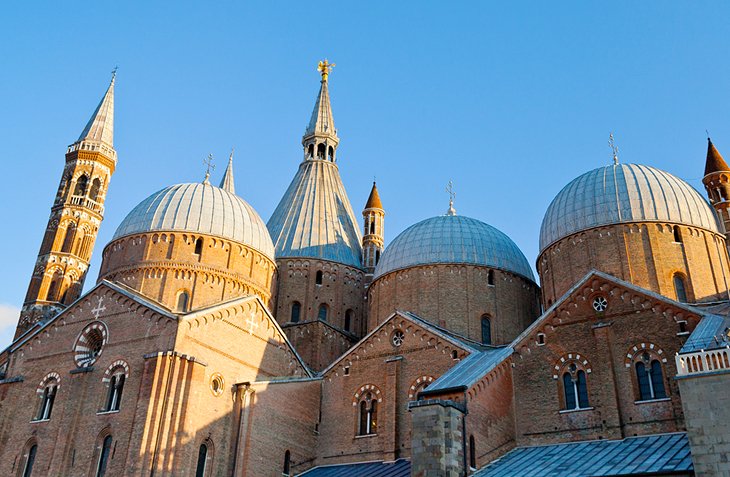
Although the small city of Padua (Padova in Italian) is best known for the shrine and burial place of one of the world's favorite saints, it is known to art lovers for the extraordinary Scrovegni Chapel, completely lined inside by brilliantly colored frescoes painted by Giotto from 1303 to 1306.
Reservations for visiting the Scrovegni Chapel are mandatory, and you should book weeks or months in advance if you are visiting in high season. You cannot walk up and purchase a ticket for immediate entry.
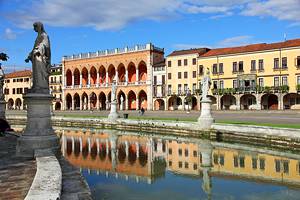
Giotto was not the only major artist who worked here, and their works fill the city's churches. Inside the 13th-century Palazzo della Ragione is Europe's largest medieval hall, its walls covered by more frescoes.
Although the city's art and religious attractions get the most attention from tourists, don't overlook the outstanding collections in the Civic Museum, which include fourth-century mosaics and pre-Roman finds from as far back as the eighth century BC. You can reach Padua by train in anywhere from 15 to 30 minutes.
- Read More: Tourist Attractions in Padua
Florence
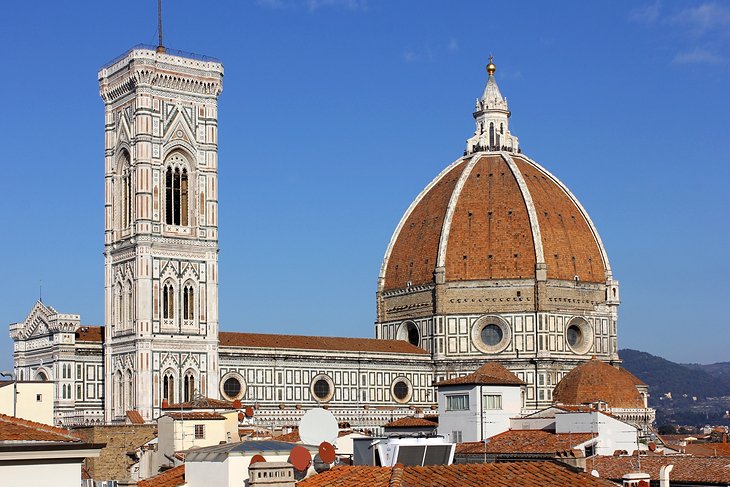
The Renaissance, which inspired Venetian artists like Titian and the Bellini family to some of their greatest heights, began in Florence. Thanks to high-speed trains, you can get a sampling of the rich legacy of Florentine painters, sculptors, and architects on a day trip from Venice.
The city's most prominent – literally – attraction is Brunelleschi's towering dome (Duomo) on the great Cathedral of Santa Maria del Fiore. You could spend a day just enjoying all the art treasures in that complex, which includes the Baptistery with Gilberti's bronze reliefs; the graceful bell tower by Giotto; and a museum filled with masterpieces by Michelangelo, Donatello, and other masters.
You can reach Florence in a little over two hours on a high-speed train, but there are several ways of getting from Venice to Florence; it just depends on how much time you want to spend traveling.
- Read More: Tourist Attractions in Florence
Vicenza
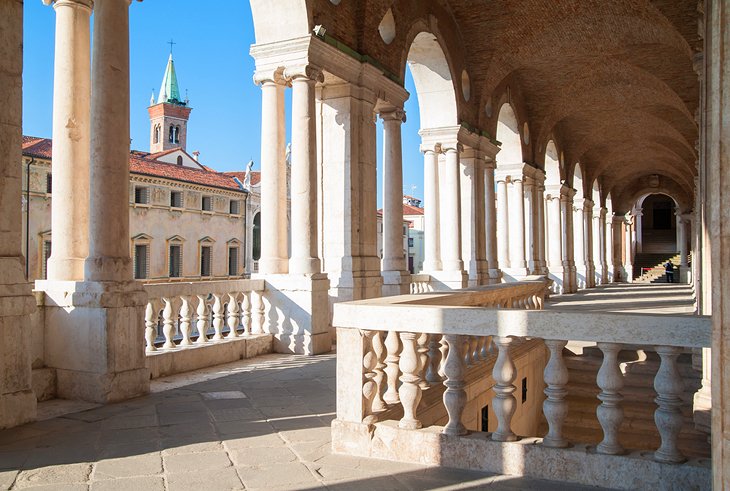
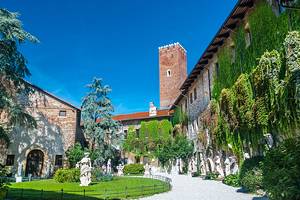
Between the attractions of Padua and Verona, Vicenza is often forgotten by tourists, but it's worth seeing for its multitude of buildings by the great 16th-century architect Andrea Palladio. His work, which has inspired architects ever since, was cited in naming the city a UNESCO World Heritage site.
Three of his major works are here. His masterpiece, the elegant Basilica Palladiana, forms one side of the main piazza, with its double row of colonnades. His last work, the Teatro Olimpico is a Renaissance version of the ancient Roman theaters, and with a clever optical illusion, it tricks your eyes into seeing a deep stage when it is actually very shallow.
Palladio's most recognized work to Americans is the villa La Rotunda, the inspiration for Thomas Jefferson's home at Monticello. This has very limited opening hours for visiting the interior, but the gardens are open more often. The nearby Villa Valmarana is lavishly decorated in frescoes by Giambattista Tiepolo and his son.
- Read More: Tourist Attractions in Vicenza
Brenta Canal
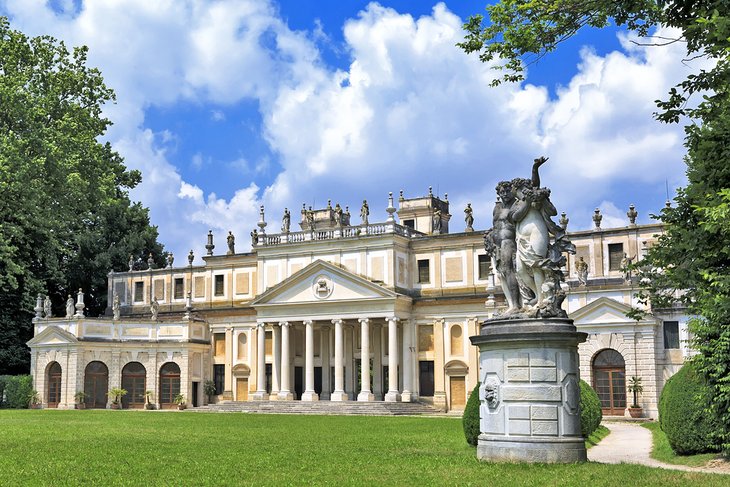
The section of the River Brenta between Padua and its mouth at the Adriatic Sea in Venice has been canalized since the days of the Venetian Republic. Wealthy Venetian families built palaces along its shore, where they fled the city's heat in the summer.
The Brenta is still a popular place to go in the summer, when an excursion boat makes daily trips, stopping at palaces along the way. The favorite of these is in Stra, just outside Padua, where the 18th-century Villa Pisani (also called Villa Nazionale) sits amid splendid gardens.
The highlight of its 100-plus furnished rooms is the ballroom with its spectacular ceiling painting by Tiepolo in 1762. The villa has a distinguished history, having belonged to both Napoleon and later to the Hapsburg emperors. Be sure to try your luck in the world's most puzzling garden maze.
The Villa Widmann-Foscari-Rezzonico is worth visiting, as well. In the summer, you can cruise the canal between Padua and Venice.
Bassano del Grappa
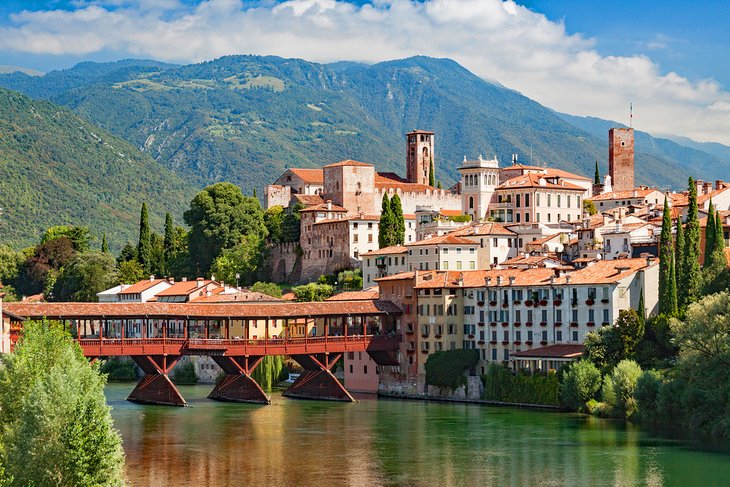
Frequent trains from Venice will take you north to the charming town of Bassano del Grappa, in the Dolomite foothills. The favorite landmark for photographers is the Ponte degli Alpini, a long covered bridge designed by Palladio.
The bridge was destroyed strategically in World War II by Italian partisans and later reproduced by Alpini soldiers. The Museo degli Alpini has memorabilia and photos from both world wars and of the famed mountain troops. In Piazza Garibaldi are the 13th-century Torre Civica and the even older Church of San Francesco, with 15th-century frescoes.
Bassano del Grappa has a long history as a pottery-making center, and you'll see examples of it in shops near the bridge. In a former convent cloister, the Museo Civico has more on the craft's history, and you can see more examples at the rococo Palazzo Sturm.
Villa Barbaro
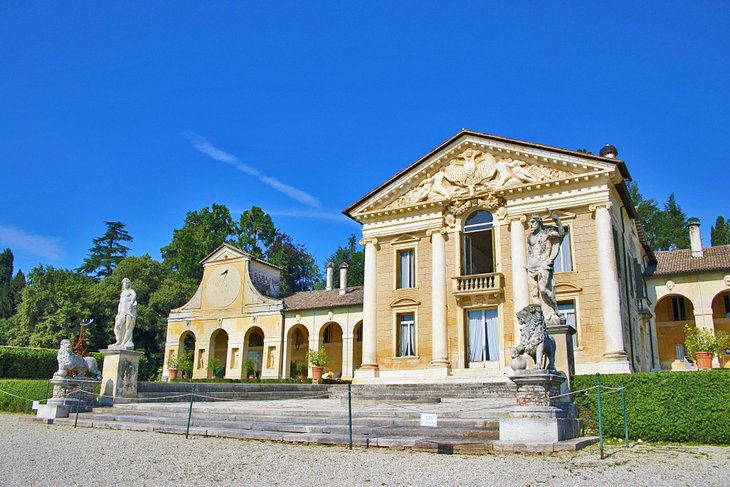
Not far from Asolo, Villa Barbaro may well be the most perfect marriage of painting and architecture of any Italian villa. Andrea Palladio, who gave his name to an entirely new style of architecture that is a reference point for builders even today, designed a number of country estates and summer palaces in the 16th century.
For this one, however, he worked with the artist Veronese, and the lavish interior they created together showcases the genius of each. What appear to be architectural details are actually trompe l'oeil frescoes, creating sculpture, columns, balustrades, even windows, where none exist, and adding a playful touch along with a sense of light and spaciousness.
This is often called the zenith of artistic achievement in Veneto's villas. If you can see only one of Palladian's villas, which were accorded a UNESCO World Heritage listing, make it Villa Barbaro.
On the grounds are the Tempietto, Palladio's only church outside Rome, and a carriage museum.
Public transportation for a day trip here is limited. This is best done by car.
Address: Via Cornuda 7, Maser Treviso
Aquileia Cathedral
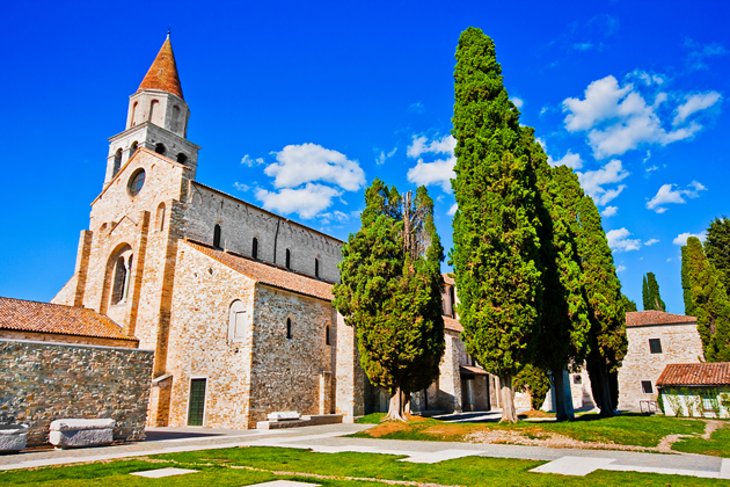
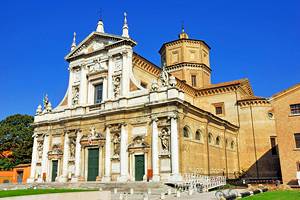
St. Mark is thought to have spread Christianity to Roman Aquileia, one of the greatest and wealthiest cities of ancient Italy. Its basilica has been listed as a UNESCO World Heritage Site for its major role in the evangelization of central Europe, as well as for its astonishing fourth-century mosaics.
The star attraction of the ninth-century basilica is from the earlier one that Attila the Hun burned in AD 425. Discovered in 1909, the fourth-century floors are the largest Paleo-Christian mosaic floor known in Western Europe. But it's not just their sheer magnitude that will fascinate you: the bird and animal designs are so intricate and detailed that you can see the expressions on the faces of people and animals they depict.
As if this weren't enough reason to visit, below the sanctuary is a ninth-century crypt whose walls and ceiling are covered in Byzantine-style frescoes from the 12th century. Behind the church is a moving cemetery from World War I, beyond which is the excavated Roman harbor, the partially reconstructed Forum, and the Museo Paleocristiano with sculptures, mosaics, glass, and other Roman artifacts.
Location: Località Monastero, Aquileia
Friuli
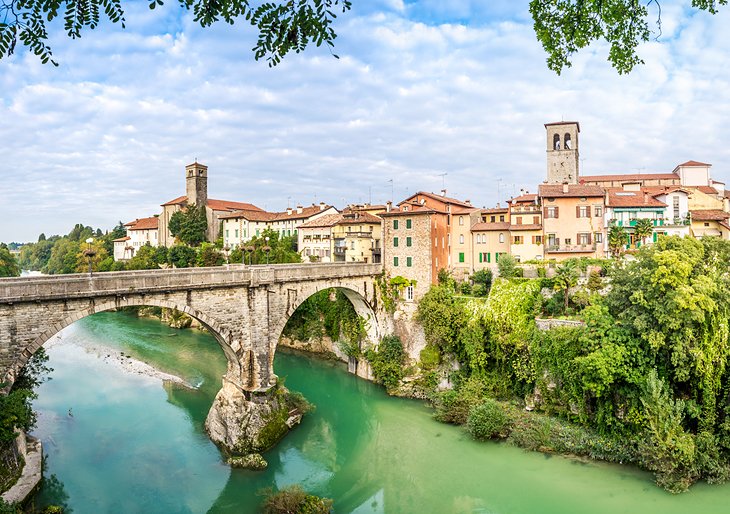
The Friuli region stretches northeast from Venice through scenic vine-covered foothills into the Dolomite Alps. Scattered in this lovely countryside are small towns and villages that seem remote from the busy tourist centers, and where you can gain a feel for the Italian countryside and rural way of life.
Don't miss beautiful Cividale del Friuli, hanging on the edge of a ravine of erosion-sculpted limestone cliffs and spanned by the graceful arched Devil's Bridge. Among its buildings from the Middle Ages, you'll find an eighth-century Longobard temple, a passageway leading to a Celtic burial chamber from the third century BC, and a masterful silver altarpiece in the cathedral.
Further north, the towns lie amid ever-taller craggy mountains. The area is perfect for a leisurely driving tour when you tire of crowded city streets.
Asolo
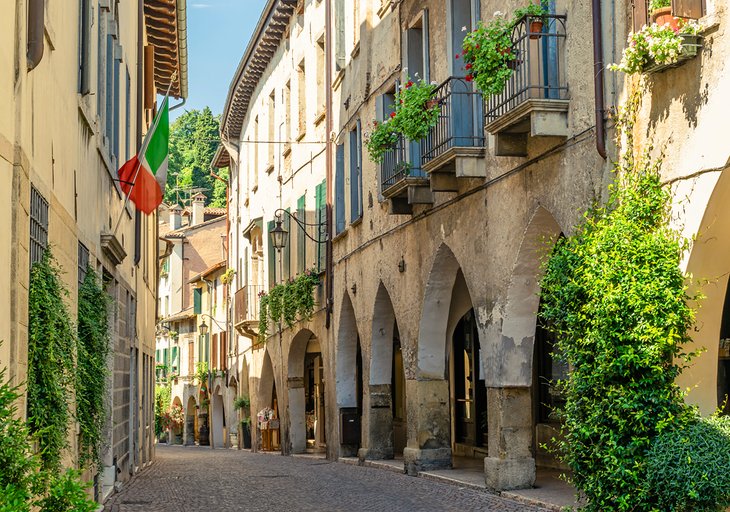
A 90-minute drive from Venice, Asolo is a popular Sunday outing for local families, who stroll the arcaded streets to admire the frescoed houses and enjoy a meal in one of its restaurants. Queen Caterina of Cyprus was once given Asolo in exchange for the island of Cyprus, and later, Asolo was a favorite retreat of poet Robert Browning and other artists and literary figures.
You can find mementos of them in the Museo Civico, housed in the elegant 15th-century Loggia della Ragione. From Queen Caterina's castle, Castello della Regina, you'll get views across the city and surrounding hills. A trip to Asolo can easily be combined with a visit to the Palladian Villa Barbaro and a stop to see the impressive fortifications of Castelfranco.
Map of Day Trips from Venice
More Related Articles on PlanetWare.com
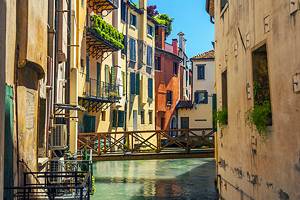
More Places to Visit on Day Trips from Venice: For a relaxing small-town experience, refreshing after the busy streets of Venice, travel the short distance to Treviso, often called "Little Venice" for its canals and lion-guarded gates. The gardens at Villa Barbarigo at Valsanzibio, south of Padua, were built for a wealthy Venetian family, and are some of the most beautiful gardens in Italy.
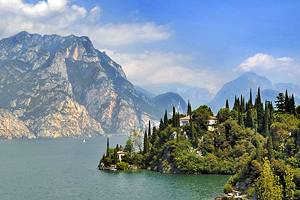
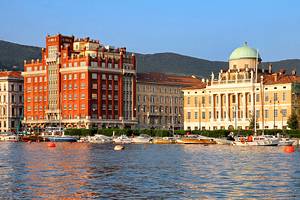
Exploring More of Northern Italy: East of Venice, and not on Italy's main tourist routes, Trieste shows its history as a part of Austria, with its architecture reminiscent of Hapsburg palaces. And from here, you can make day trips into neighboring Slovenia. But luring tourists in the other direction are all the things to do around Lake Garda, an especially popular place to go for families.