

Rome, Italy's 10 Most Iconic Tourist Attractions You Can't Miss
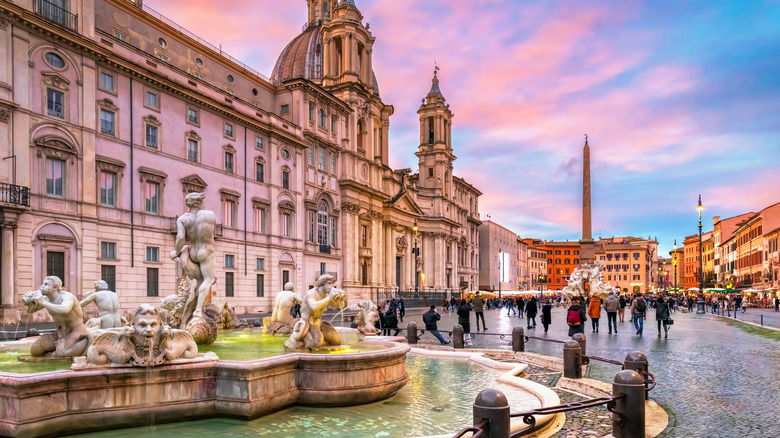
Rome is called the Eternal City for a reason. Even now, thousands of years after Agrippa, Livia, Augustus, and more roamed ancient streets, there's a magic in Rome that I've personally never been able to find anywhere else on Earth. From sipping lemon spritzes by the Colosseum to finding off-the-beaten path restaurants and leather goods shops, exploring Rome is one of this writer's favorite travel hobbies. No matter how many times I go back, I still find new ruins or piazzas with every visit.
In this guide, we'll take a journey through the best things to do in Rome and most iconic places to visit. These destinations define Rome's enduring beauty and fascinating history. Whether you're gazing up at the Pantheon's oculus or tossing a coin into the Trevi Fountain, each of these locations will transport you to another time. If you're planning your first Roman holiday, consider this your starting point. If you've been before, think of it as a chance to rediscover Rome with fresh eyes the next time you visit.
The Colosseum
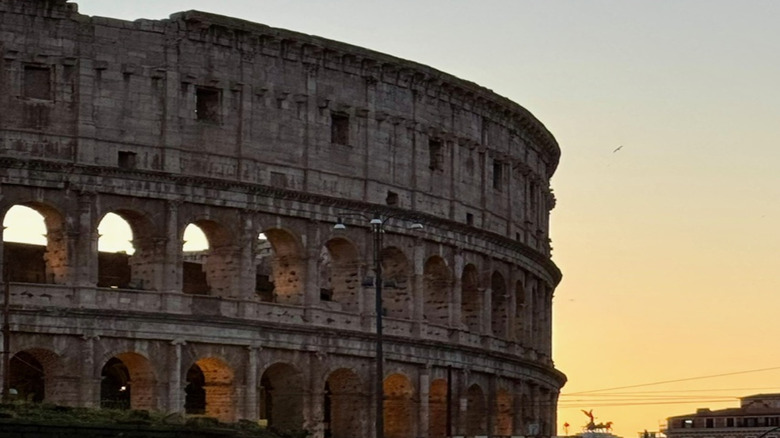
No visit to Rome would be complete without touring the Colosseum, arguably the city's most recognizable landmark. Originally – and officially – known as the Flavian Amphitheatre, this massive structure was named after the trio of Flavian dynasty emperors who oversaw its construction: Vespasian, Titus, and Domitian. The moniker "Colosseum" was not used until later, and likely refers to the now-destroyed 98-foot-tall "Colossus of Nero" statue that once stood nearby. Completed in 80 CE, this amphitheater hosted spectacular gladiatorial contests, mock battles, and other public entertainment for as many as 80,000 spectators. Nearly 2,000 years later, walking through the Colosseum's stone corridors and seeing the ancient graffiti is still an incredibly awe-inspiring experience.
If you plan to go inside the Colosseum, it is worth noting that buying advance tickets is essential. After all, it is one of the most popular tourist attractions in the world. There are multiple ticket packages available, some of which include access to the Roman Forum-Palatine archeological area and the underground chambers where gladiators once prepared for battle. The Colosseum is free to visit one day a month, but be prepared for bigger crowds if you plan to take advantage of free admission.
For a truly unforgettable stay, this apartment on Airbnb is situated across the street from the amphitheater, directly on top of a site that once housed gladiator barracks. There's nothing like waking up and having your morning coffee and a breakfast pizza at Colosseum Bar while watching the sun rising over this famous symbol of the Roman Empire.
The Pantheon
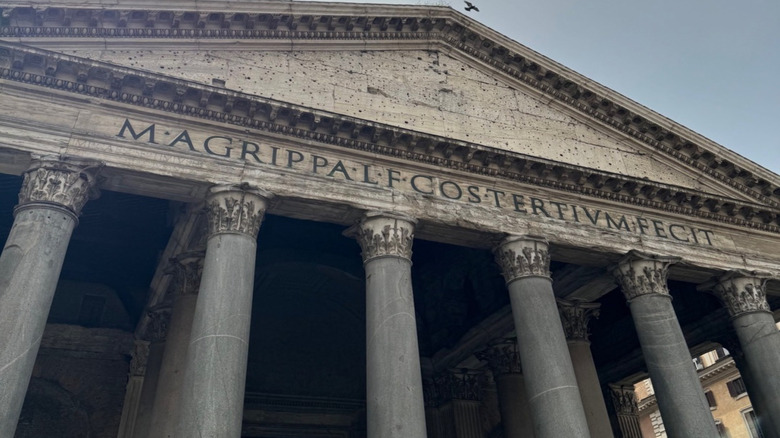
The Pantheon is my favorite building in Rome, bar none. My breath is momentarily taken away the moment I enter the Piazza Della Rotonda. Unlike the Colosseum, it is typically possible to purchase walk-up tickets at the Pantheon with just a brief wait in line. Nearly 2,000 years after it was built, this Roman temple still inspires architects and travelers alike with its perfectly proportioned dome — the largest unreinforced concrete dome in the world — and the oculus at its center, which opens directly to the sky. Sunlight and rain pours through this opening, altering the ambiance inside. Although many people think of the Pantheon after the Colosseum, the Trevi Fountain, and other Roman landmarks, it is actually one of the most imitated buildings in the architectural world. One excellent example is The Rotunda at the University of Virginia, designed by Thomas Jefferson.
The Pantheon blends divine geometry, celestial light, and Roman mystery. Its 25-foot-tall bronze entry doors are another architectural marvel, weighing several tons apiece and still hanging on their original hinges. These are, in fact, the oldest doors that are still in use in Rome. Originally constructed as a temple for all Roman gods, the Pantheon was later consecrated as a Christian church by Pope Boniface IV in the 7th century. This transformation helped preserve the Pantheon through centuries of religious and political upheaval. Today, it is one of the Eternal City's most well-preserved ancient structures, still serving as a functioning Basilica for worshippers today. It is also the burial place of multiple popes, Renaissance artists like Raphael, and the Savoys.
The Roman Forum and Palatine Hill
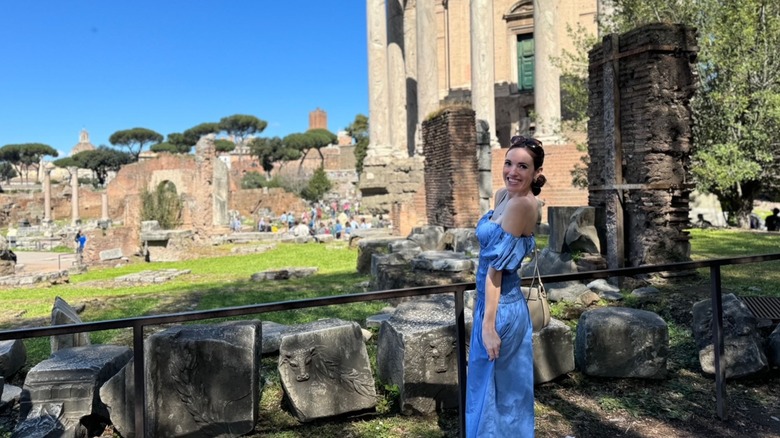
I often tell my friends and family that a piece of my heart lives in the Roman Forum. Once the bustling center of public life in the Empire, the Forum was home to towering temples, five triumphal arches, and markets where politics, commerce, and religion converged. As you walk down into this ancient site as a modern traveler, you can almost hear Cicero giving a speech and see politicians in togas rushing to Palatine Hill, which rises just beyond the Forum itself. This is the legendary birthplace of Rome, where lore says Romulus founded the city, and the site of imperial palaces that were once home to emperors like Augustus Caesar. Climbing to the top offers one of the most stunning panoramic views of Rome, with the ruins of the Forum directly below and the Colosseum in the background.
There are multiple ticket packages that allow you to visit the Forum and Palatine Hill, but always double check the details before purchasing. I've personally witnessed visitors with the wrong ticket or group tour package be turned away from Palatine Hill when it is sold out for the day. If you're climbing up Palatine Hill, don't miss Livia's House, situated within the Palatine complex. One of my favorite structures to tour, its painted frescoes are still astonishingly vivid, offering a rare glimpse into the domestic life of the Roman elite during the 1st century. Fans of HBO's "Rome" and the British series "Domina" will especially appreciate visiting Livia's residence. The ruins of the Forum and Palatine Hill are a reminder that Rome certainly wasn't built in a day, but its legacy has lasted for two millennia.
The Vatican Museums and Sistine Chapel
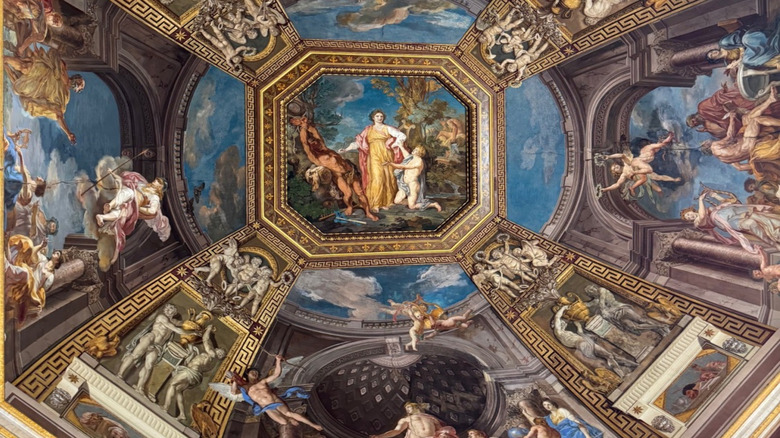
The Vatican Museums are so big that many first-time visitors underestimate their scale. I count myself among them. The first time I visited, I must have said, "This place is massive," at least a dozen times. The Italian masterpieces steal the show — most frescoes were painted by Michelangelo following his completion of the Sistine Chapel, but don't miss the Raphael Rooms and Tommasco Conca's stunning scenes on the vaulted ceiling. The Vatican's collection also includes a surprisingly large number of ancient Egyptian artifacts, including mummies, sarcophagi, and hieroglyphic carvings, in the Gregorian Egyptian Museum. This museum was curated by the prominent Egyptologist Barnabite Father Luigi Ungarelli in the early 19th century.
The highlight for most people who visit the Vatican Museums is the Sistine Chapel. Michelangelo Buonarroti was commissioned to do this project in 1508, and completed it four years later. The ceiling tells multiple Biblical stories, with the central nine panels depicting the Stories of Genesis. "The Last Judgment," depicting scenes from the Book of Revelation, is widely considered one of the most renowned pieces of Christian art. In addition to their intrinsic artistic value, the breathtaking ceiling frescoes are a pop culture icon in and of themselves, with references in everything from "Good Will Hunting" to Family Guy." Remember, the museums are part of an active religious complex, so it's not unusual to see nuns, priests, and even bishops going about their daily business during your visit.
St. Peter's Basilica
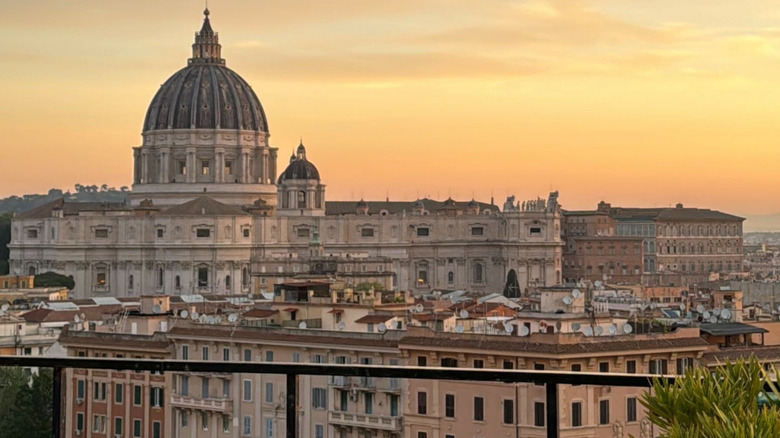
At the center of Vatican City stands St. Peter's Basilica, the world's largest church and a symbol of the Christian religion worldwide. A triumph of Renaissance and Baroque architecture, work on the basilica began in the 16th century when Pope Julius II selected Donato Bramante to serve as lead architect on the project. Sadly, Bramante died in 1514, which delayed construction. The basilica was eventually completed under Jacopo Barozzi, with the assistance of Giacomo Della Porta. The basilica's soaring dome, Michelangelo's final masterpiece, was completed by Della Porta after he died. St. Peter's Basilica still dominates Rome's skyline and is as much an artistic achievement as a religious site. For the most unique view of St. Peter's Basilica, head to Aventine Hill.
Inside, the basilica is a functioning church, but is also a veritable art museum. The first stop for many visitors is Michelangelo's Pietà, a world-famous Carrera marble sculpture of Mary cradling the body of Christ. It was carved when the artist was only 23 years old — to put this in perspective, Michelangelo was appointed chief architect of St. Peter's when he was 71. Other highlights for art lovers include the gilded Tomb of Saint Peter and the beautifully tiled Vatican Sacristy. For those willing to climb 551 stairs, ascending to the top of St. Peter's dome rewards you with a spectacular view of Rome. Whether you're a Catholic pilgrim or simply have a passion for history, a trip to St. Peter's Basilica is transcendent. As with many Roman sites, it is imperative to purchase the proper ticket for this experience, as access to the dome is not included with a basic ticket.
Trevi Fountain

Arguably the most famous fountain in the world, the Trevi Fountain is a masterpiece of Baroque drama that will take your breath away. There are replicas around the globe, including one in Brazil and at Caesars Palace in Las Vegas, one of the world's largest hotels — but, nothing compares to the real thing. Although the origins of the fountain date to the Aqua Virgo aqueduct in the year 19 BC, its present-day iteration was designed by Nicola Salvi in the 18th century and completed by Giuseppe Pannini. The fountain depicts Oceanus, god of the sea, commanding a chariot surrounded by mythological figures. Its scale is almost surreal, stretching 86 feet high and 160 feet wide.
Despite the occasionally crushing crowds, the Trevi Fountain is a can't-miss experience for your next Roman holiday. The fountain's size, the cool mist in the air, and the sound of the water will make you feel like you're living in a movie version of your life. Likely for this very reason, the Trevi Fountain has been featured in multiple Hollywood films. Tradition says that tossing a coin into the fountain ensures a return to Rome. Millions of visitors throw their change into Trevi annually, with the proceeds donated to charity. Since the fountain is located in a public space and is free to view, the best way to avoid crowds is to go very early in the morning or late at night. However, you can still get excellent photos if you find yourself at the fountain midday. I've included a personal photo here as an example. If you're taking photos with an iPhone or Android, I highly recommend using the 0.5 millimeter or wide-angle camera setting for the best captures without the crowds.
The Spanish Steps and Piazza di Spagna
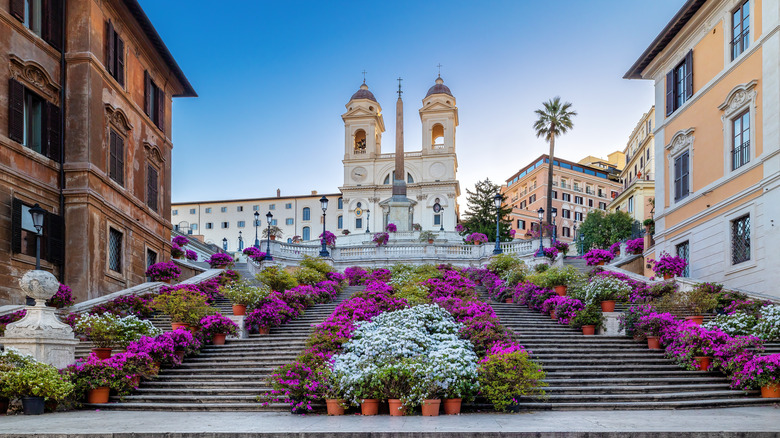
The Spanish Steps are among Rome's most well-known sites. This elegant 18th-century staircase rises from the lively Piazza di Spagna to the Trinità dei Monti church on the hill overlooking the plaza. Completed in 1725, the staircase consists of 135 steps and is named after the Embassy of Spain to the Holy See, located within the Piazza. For centuries, the steps have been a popular gathering place for the wealthy, as well as artists. Legendary poet John Keats even spent the last months of his life in a house facing the Spanish Steps. Today, true to form, the area at the base of the steps serves as Rome's luxury shopping epicenter. Designer boutiques like Prada, Ferragamo, and Chanel are all within easy walking distance. I highly recommend an espresso from Antico Caffè Greco while you're in this neighborhood.
Climbing to the top of the Spanish Steps offers beautiful views of the city, and though it's a mild ascent compared to Paris' Sacré-Cœur, you'll still feel that you've earned a moment to rest and take in the scenery. The Spanish Steps are free to visit, but as with the Trevi Fountain, you are likely to encounter crowds during mid-morning to early afternoon. The best time to visit is early in the morning or late afternoon as the shops close. If you are also interested in seeing the interior of Trinità dei Monti, the church offers guided tours with admission on select dates.
Piazza Navona
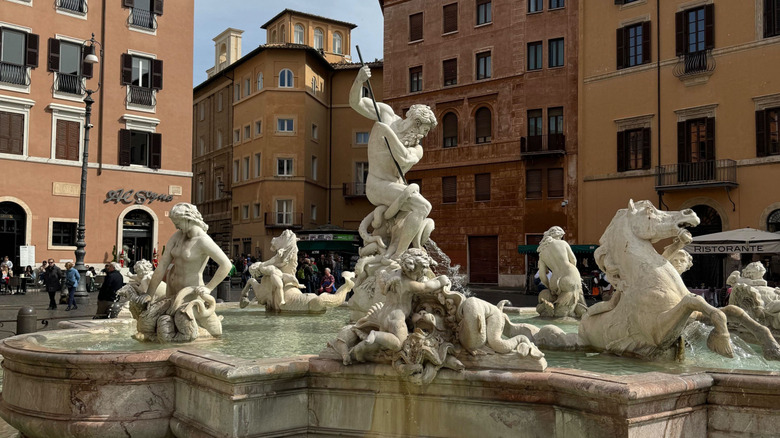
Built over the site of Emperor Domitian's 1st-century stadium, where up to 20,000 spectators would gather to watch athletic competitions, Piazza Navona is still one of the most popular public spaces in Rome today. The square retains the shape of the original Circus Agonalis, but now offers background noise that includes café chatter, street musicians, and artists selling their wares. Among the best-reviewed restaurants with a view of Piazza Navona are Camillo a Piazza Navona, Fontana dei Quattro Fiumi, and Vivi Bistrot.
In addition to shopping and dining, Piazza Navona's fountains are a huge draw for travelers. Gian Lorenzo Bernini's Fountain of the Four Rivers was completed in 1651. Each of its four sculpted river gods represents a different continent — the Nile, the Danube, the Ganges, and the Río de la Plata. Together, they represent the global reach of the Catholic Church. The plaza also features two other fountains, both built by Giacomo Della Porta, who served as an apprentice to Michelangelo. Whether you visit during the day to purchase artwork from a street artist or stop at night to admire the illuminated fountains, Piazza Navona is a must-see spot during any trip to Rome.
Mamertine Prison
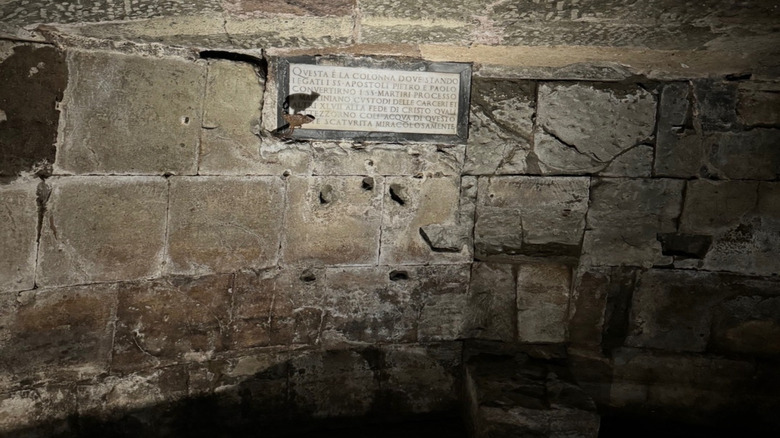
Located beside the Roman Forum at the foot of the Capitoline Hill, Mamertine Prison (Carcer Tullianum) is one of the city's oldest and most haunting archaeological sites. Dating back to the 7th century BC, this underground chamber once served as Rome's state prison, holding enemies of the Empire before their executions or public trials. Among its most legendary inmates were Saints Peter and Paul, who, according to tradition, were imprisoned here before their martyrdom. Used until the 4th century BC, this is nothing like modern prisons. I remember being shocked by how small it is the first time I visited; a single hole in the floor was used to lower prisoners into a small open pit, and it was also the only way out. If you're drawn to the darker, somewhat chilling corners of Roman history, Mamertine is absolutely worth adding to your itinerary.
In contrast to the soaring, light-filled interiors of Rome's famous churches, Mamertine has low stone ceilings, narrow passageways, and the feeling that you can't escape even if you wanted to — which was, obviously, the entire point. You can explore the two subterranean chambers, which include a small altar and a spring used by Saint Peter to baptize the prisoners. While you can tour the prison on your own with an audio guide, I recommend booking a guided tour for this site — I found the guide's information to be invaluable as we navigated the labyrinth of Mamertine.
Trastevere
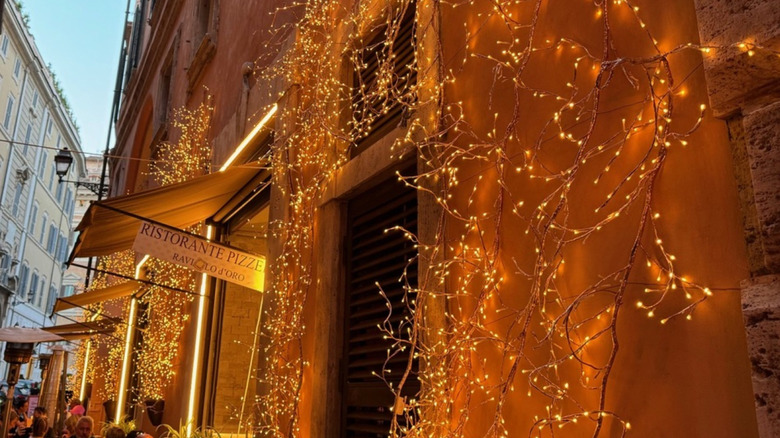
Although it isn't a single site, one of the best ways to experience Rome like a local is to visit Trastevere. This neighborhood is located just across the Tiber River, south of Vatican City. Historically a working-class neighborhood, this area is known for its narrow cobblestone lanes, medieval homes, ivy-covered restaurants, and lively piazzas. Trastevere captures the essence of "la dolce vita" better than just about anywhere else in the city. The neighborhood itself is ancient and has been one of the 14 districts of Rome since the days of the first Roman emperor.
You won't feel like a tourist when you're in Trastevere. By day, it's a bustling hub of locally-owned boutiques and historic spots like the Basilica of Santa Maria, one of Rome's oldest churches. However, the real magic unfolds at night. Trattorias come to life, fairy lights twinkle everywhere, and musicians play jazz and Italian folk music on every corner. Don't miss restaurants like Tonnarello or Da Enzo al 29 for classic pasta dishes, and snag a scoop of gelato from Otaleg as you stroll. Trastevere is one of the best places to fall in love with Rome, whether it's your first trip to the city or you've visited a dozen times before.
Methodology
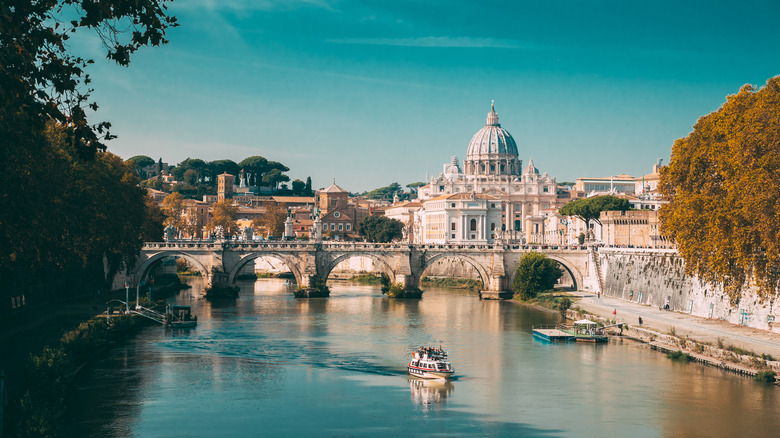
This guide is largely informed by my own experiences in Rome. I've visited five times, uncovering new areas and deepening my appreciation for its most renowned landmarks during each week-long trip. To ensure a well-rounded perspective, I also relied on reputable review platforms like Tripadvisor, as well as trusted travel guides such as RomeSite, noting which locations consistently resonate with travelers.
In a city with such rich history, each site was chosen for its historical and cultural significance, including world-famous landmarks like the Colosseum, Pantheon, and the Trevi Fountain. Combining expertise, research, and my genuine love for the Eternal City, this list highlights the best of Rome's captivating attractions and timeless beauty. Whether you're planning a romantic trip to Rome or a memorable getaway with friends, these destinations belong on your itinerary.