Tourist Attractions in Brussels
Brussels, capital of Belgium, principal seat of the Belgian Royal Family, and capital of the European Union, is a remarkably small, easygoing, and human-sized city for all its importance.
Unlike beautiful Bruges and Ghent, with their hordes of tourists, Brussels is Belgium's main economic and educational hub, which gives the city a more workaday feel than other towns.
Here, you get a proper feel for Belgian life, especially its fantastic restaurant and café culture.
Although Brussels may not have the star tourist attractions of other Belgian towns, the capital has more than enough things to do to keep visitors occupied for a couple of days, with a clutch of world-class museums and art galleries, the European Quarter, as well as quirkier sightseeing highlights, such as the Atomium.
The city is an architectural gem. It's the world capital of Art Nouveau architecture and home to the UNESCO-listed Horta Museum. You'll also be impressed with the fine collection of well-preserved Gothic and Baroque buildings.
Of course, don't forget to stock up on Brussels' famous chocolate! Find out more about what to see and things to do in Brussels.
Stroll through Grand Place (Grote Markt)
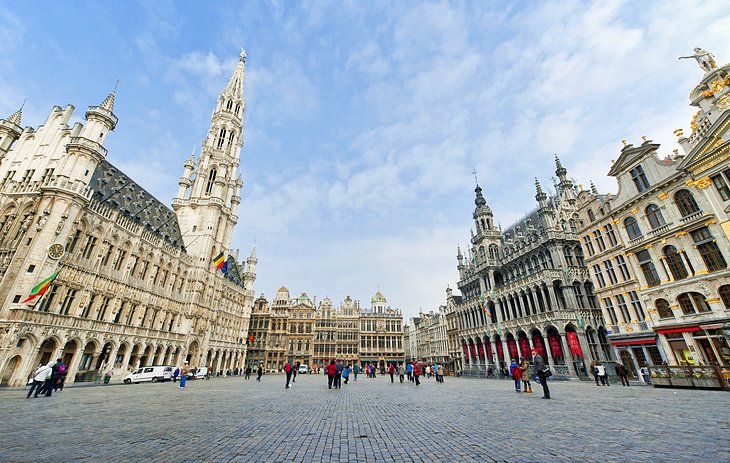
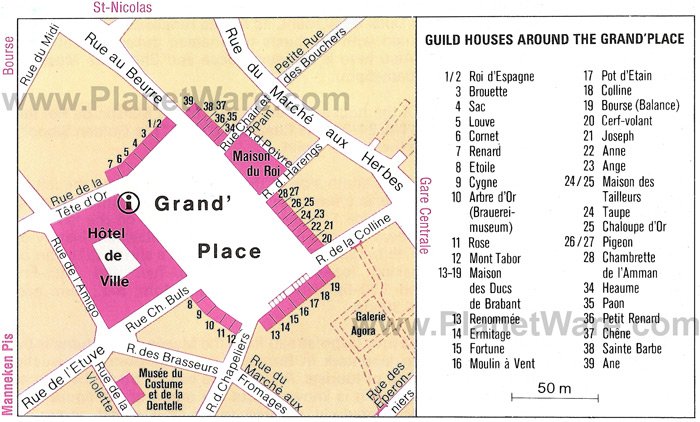
Right in the heart of Brussels Old Town, the city's main plaza (known as Grand Place) is one of the best preserved in Europe and the city's top tourist attraction. Much of the square's elegant character is due to the unique architecture of its elegant Gildehuizen (guild houses) with their magnificent gables, pilasters, and balustrades, ornately carved stonework, and rich gold decoration.
In the evening, the true beauty shines. As darkness falls, the buildings are lit in a soft glow, giving the square a magical feeling.
Grand Place's defining character is its uniformity of Baroque style, with some Flemish influences. The harmony of its architecture is achieved by the short period of construction here, with most buildings raised between 1696 and 1700. The history of the Grand Place dates back much earlier, though. It was first established in the 11th century and evolved soon after to become the political and economic center for the city.
The most recognizable building on the square is the Hôtel de Ville (Town Hall), built in 1402 with the intention of upstaging the Stadhuis in the rival city of Bruges.
Inside are several magnificent rooms. Among the most impressive are the Maximilian Chamber, hung with Brussels tapestries; the large Council Chamber with a superb ceiling by Victor Janssens and tapestries to his designs; the great banqueting hall and the Marriage Chamber, both beautifully paneled; and the Escalier d'Honneur, with murals illustrating the history of Brussels.
Outside is a reclining statue of Everard t'Serclaes, a 14th-century hero. Local legend says that rubbing the statue's arm (or the dog, or the angel's face) brings good luck. Give it a try to ensure your trip goes well.
Address: Grand Place, Central Brussels
Visit Mannekin Pis
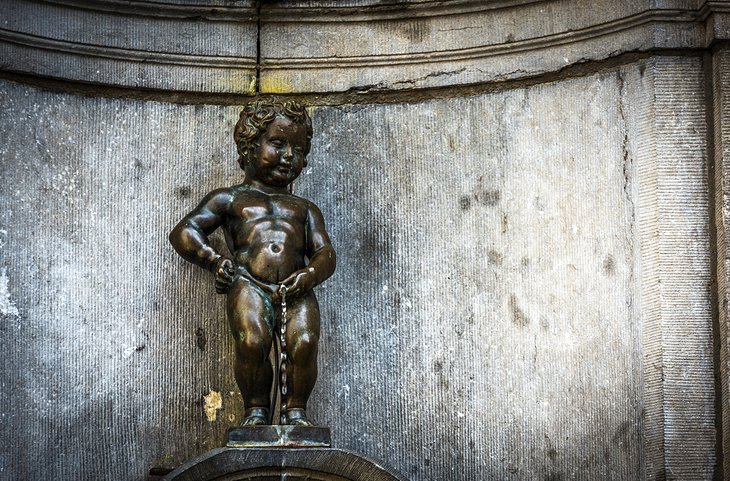
Along the Rue de l'Etuve is Brussels' best-known landmark, the Manneken Pis, usually besieged by a throng of tourists.
Although he can be traced back to at least 1388, nothing much is known about the origin of the figure of a little boy urinating, popularly referred to as "the oldest citizen of Brussels."
The Manneken is, however, surrounded by various legends. According to one, the fountain is a memorial to a courageous infant who averted a conflagration; according to another, it commemorates the son of a count who succumbed to a pressing urge while taking part in a procession.
The present statue was made in 1619 by Jérôme Duquesnoy the Elder and has been stolen on several occasions, though always recovered. During major celebrations, events, and festivals in Brussels, the statue is famed for being dressed in costume.
Note that to see a collection of the range of costumes Mannekin Pis has been dressed in over the years, visit the Garderobe Mannekin Pis just down the road. This small museum displays around 140 costumes from the foundation's very extensive wardrobe collection.
Manneken Pis is not alone; he has other company, such as Jeanneke Pis (near the Delirium Café), and the dog, Zinneke Pis (on Rue des Chartreux).
Address: Rue de l'Etuve, Central Brussels
Official site: https://www.mannekenpis.brussels/en/
Saint-Michel Cathedral (Sint-Michiels Kathedraal)
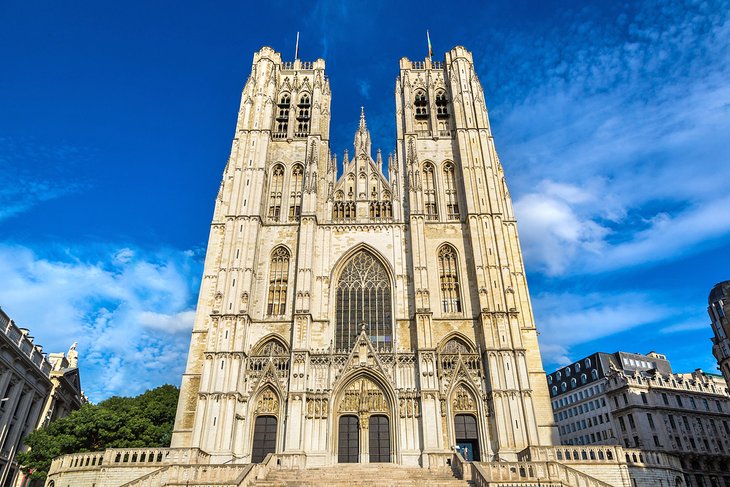
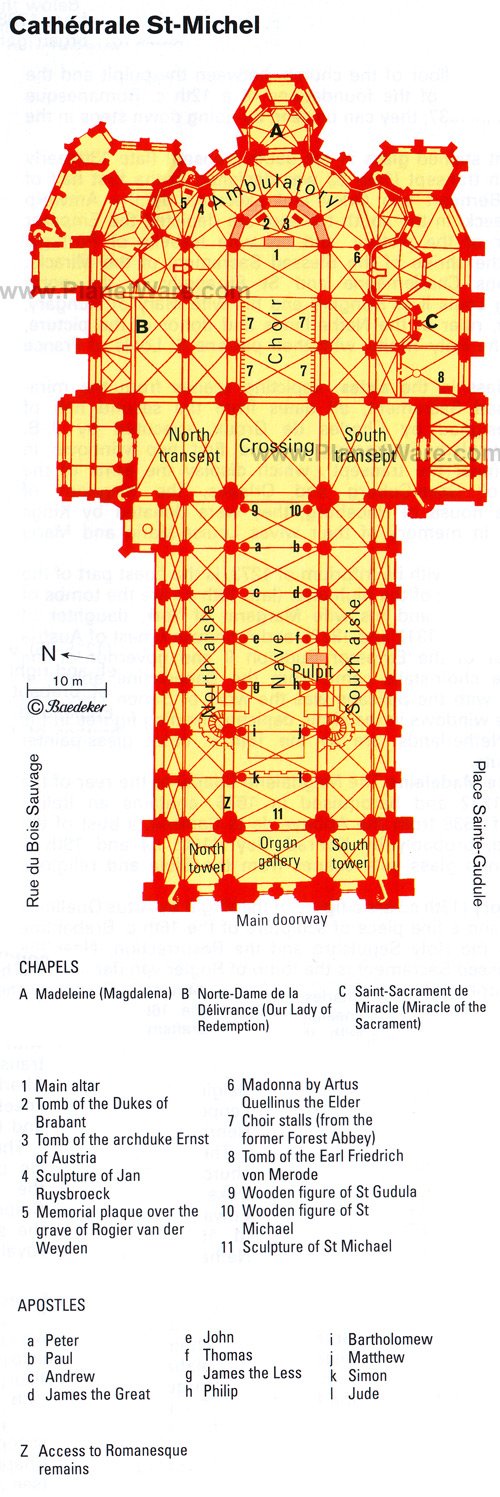
Dedicated to St. Michael and St. Gudula (the patron saints of Brussels), this Gothic church was first founded in 1225 but only completed in the 15th century.
The facade is impressive, rising majestically above a broad flight of steps and crowned with twin 69-meter-high towers designed by Jan van Ruysbroeck.
The beautifully proportioned interior (108 meters by 50 meters) is lavishly furnished and is home to some outstanding stained glass windows created by Bernard van Orley.
Head to the transepts to see the finest examples depicting Charles V and Isabella of Portugal (south transept) and the Hungarian royal pair Louis II and Mary (north transept), and then into the Chapel of the Holy Sacrament, to the left of the choir, where the window illustrates the story of the Miracle of the Host.
Address: Parvis Street Gudule, Central Brussels
Official site: www.cathedralisbruxellensis.be
See Belgium's Famed Comic Heritage at the Belgian Comic Strip Center
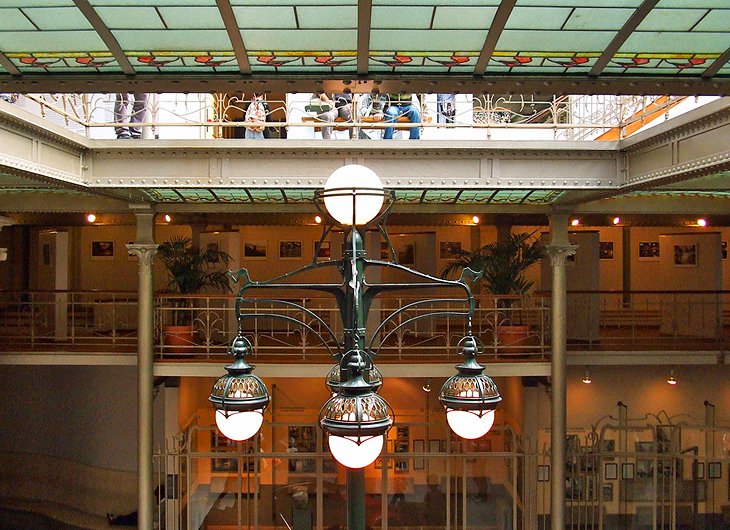
This gorgeous 1906 building, designed by Victor Horta, is home to the wonderful Comic Strip Center, devoted to the history of cartoons and comic strips in the country that gave the world The Smurfs and Tintin.
A constantly rotating exhibition of 200 original comic strip drawings by Belgian and French comic artists is shown here.
In addition, the museum documents the rise in popularity of Belgian and French comic strips through a cleverly curated collection of original manuscripts, draft sketches, and imaginatively reconstructed sets including Lucky Luke's saloon and Tim, Struppi, and Captain Haddock's moon rocket.
Address: Maison Waucquez, 20 Rue des Sables, Central Brussels
Official site: https://www.cbbd.be/fr/accueil
Tour the Place Royale (Koningsplein)
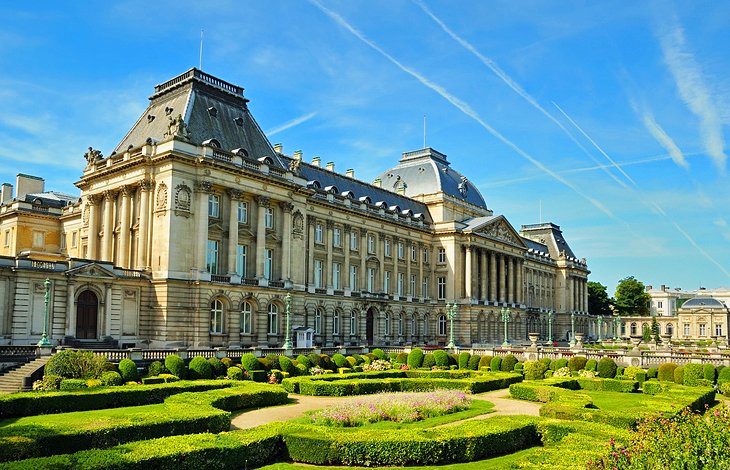
A favorite attraction for photo-ops, the most important building on this square is the Royal Palace (Palais Royal), which is used by the Belgian royal family as an official residence.
The Belgian flag, flown from the roof, signals the sovereign's presence. Normally, from late July to late August, free guided tours of the palace's interior, taking in the grand reception rooms and halls, are available; however, tours are suspended until further notice due to extensive ongoing renovations.
Surrounding the palace is an ensemble of cultural buildings boasting Neoclassical facades.
The Palais des Académies, home of the Royal Academy of Sciences and once the residence of the Crown Prince of Orange, and the Palais des Beaux-Arts (Paleis voor Schone Kunste) on the west side of the plaza, designed and built in the 1920s by Victor Horta, are two of the finest examples.
Address: Place des Palais, Central Brussels
View the Masterpieces inside the Belgian Royal Museum of Fine Arts
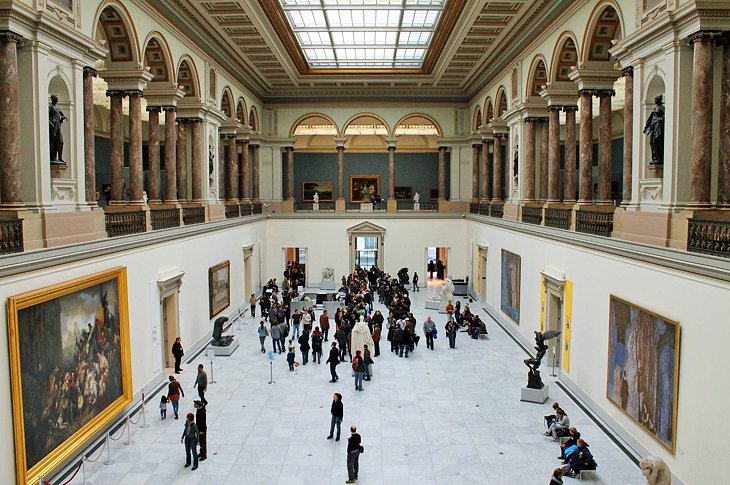
Belgium's Royal Museum of Fine Arts (1875-81) combines three separate art museums, which together are one of the largest and best art galleries in the world.
The museum grew out of a collection first set up in 1797 and was originally housed in the former palace of Charles of Lorraine. This was transferred to the newly established Musées Royaux in 1846.
The Musée Old Masters holds a collection of famous works by Flemish and Dutch Old Masters. Well-known works on display here include Gerard David's Adoration of the Magi, Rogier van der Weyden's The Mourning of Christ, Pietà by Petrus Christus, and Dirk Bouts' Judgement of the Emperor Otto.
Neighboring the main building is the Musée Magritte, dedicated to the work of Belgian surrealist artist René Magritte. This museum holds the largest Magritte collection in the world and is considered by many visitors to Brussels as the highlight of the city's many art tourist attractions.
Magritte (1898-1967) was one of the major artists of Belgium's surrealist art scene, and the museum displays its collection of his work chronologically, so visitors can view how his art changed across the years according to world events and his own personal and political influences.
Address: Rue du Musée 9, Central Brussels
Official site: www.fine-arts-museum.be
Enter the Atomium
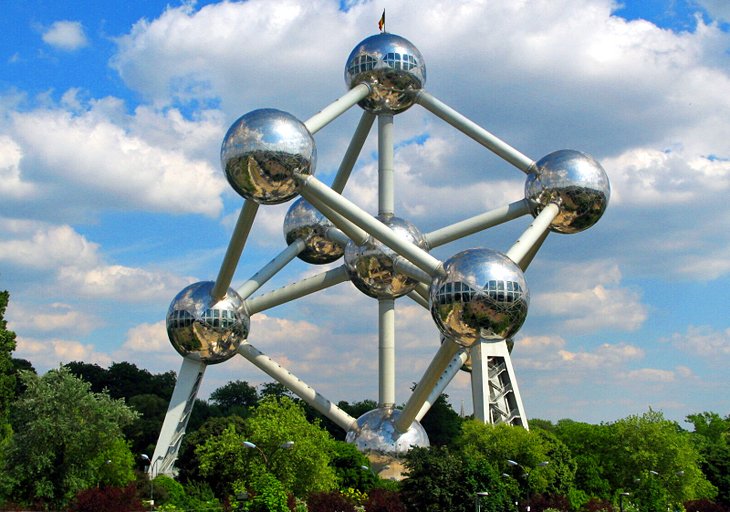
Along with Manneken Pis, the Atomium is Brussels' best-known landmark attraction, and although it's a bit of a journey by tram to get out here, the bizarre 102-meter-high steel and aluminum structure, designed by the architect André Waterkeyn for the 1958 Brussels World Exhibition, is the city's most surreal sight.
The building represents a molecule of iron magnified 165 million times.
Today, visitors can enter the building to explore its sci-fi-style interiors. The lower spheres are home to a permanent exhibition on the history of the structure. The upper sphere has incredible panoramas across the city.
Address: Eeuwfeestlaan 20, Boulevard du Centenaire
Official site: http://atomium.be/
Explore Coudenberg Palace Archaeological Site
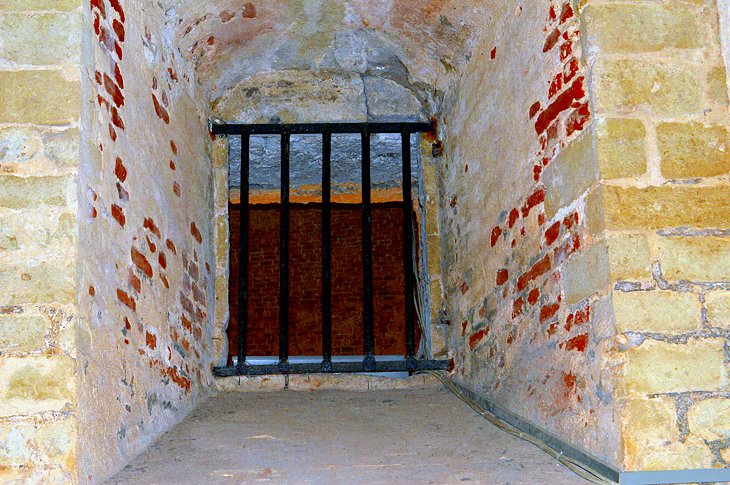
One of Brussels' most unique things to do is explore this active archaeological site, which was rediscovered in the 1980s.
Coudenberg Palace has been excavated to reveal the cellars and tunnels of the former Palace of Brussels, as well as forgotten streets that had been buried beneath the city for centuries.
The foundations of the medieval palace have been cleared to allow tourists the opportunity to explore, and the museum has free audio guides that take you through the dig site.
There are also interactive programs that encourage children to become involved, like the "Underground Treasure Hunt," which includes a flashlight, treasure map, period costume pieces, and a puzzle for them to solve.
Address: Place des Palais 7, Brussels
Official site: https://coudenberg.brussels/en
View Mont des Arts
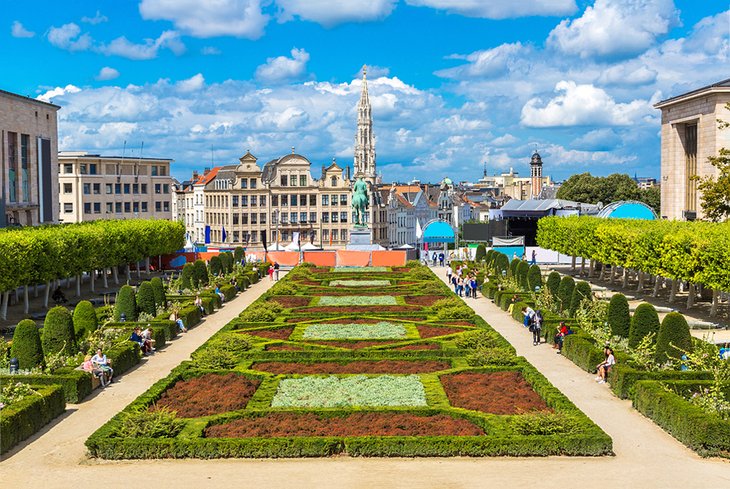
The Mont des Arts was created between 1956 and 1958, occupying the elevated site between the Place Royale and the Place de l'Albertine.
The architecturally imposing complex of large buildings includes the Bibliothèque Albert I and the strikingly modern Palais de la Dynastie and Palais Congrès.
At the top of the stairs in the square between them is a fine view of the lower central city. Here, you can look down across the formal gardens to the iconic spire of the Town Hall in the Grand Place. Sunset at this location is especially beguiling.
The Bibliothèque Albert I was founded during the period of Burgundian rule and comprises more than three million volumes, together with a valuable collection of manuscripts and several interesting museums.
Address: Boulevard de l' Empereur, Central Brussels
Admire the Stained Glass of Notre-Dame du Sablon
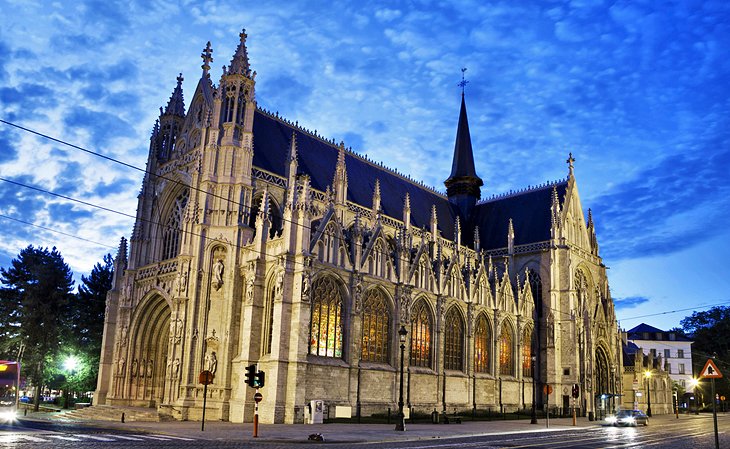
The 15th- to 16th-century church of Notre-Dame du Sablon (Onze Lieve Vrouw op de Zavel), generally considered one of the loveliest Late Gothic churches in Belgium, was built as a replacement for a small chapel first erected on the sandy expanse of the Sablon by the Crossbowmen's Guild in 1304.
The interior of the church is breathtaking, in particular because of its marvelous stained glass. Also of interest is the burial chapel of the Thurn und Taxis family, partly the work of Luc Fayd'herbe.
Kept in the sacrarium is a figure of the Virgin, a copy, so legend has it, of a Madonna brought to the chapel in 1348 by a woman from Antwerp, Baet Soetens, to whom the Virgin had appeared.
The church is situated in a delightful neighborhood, and on weekends, a renowned antique market is held in the Place du Grand Sabon. The nearby streets are also lined with Brussels' most high-end chocolatiers, including Pierre Marcolini and Wittamer, along with art galleries and cafes.
Address: Rue de la Regence, Central Brussels
Visit the Museums of Parc du Cinquantenaire
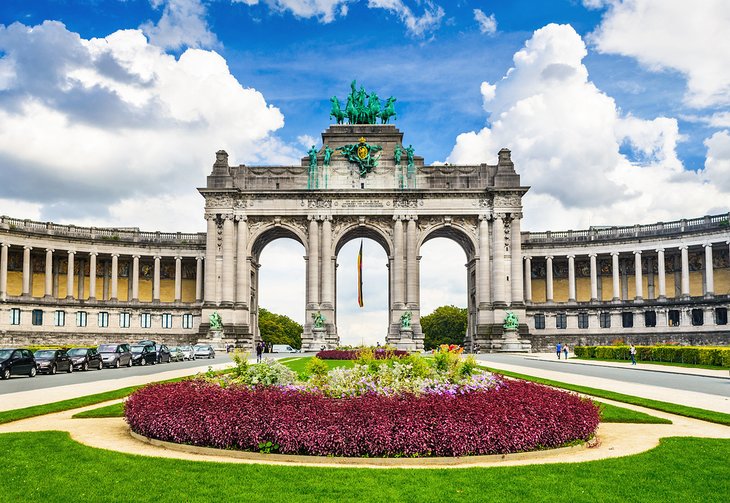
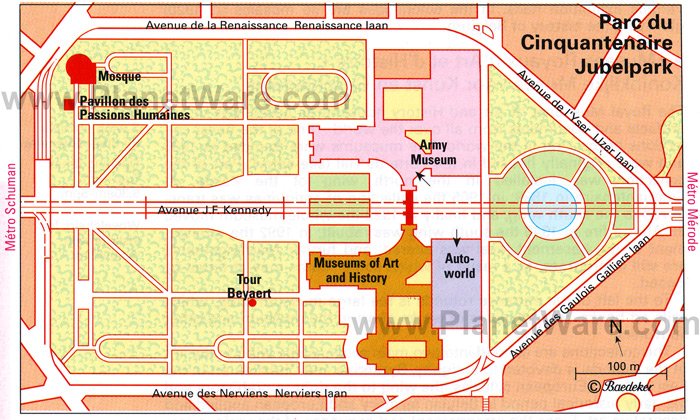
The Parc du Cinquantenaire was established in 1880 to commemorate the country's 50th anniversary and houses two of Brussels' most interesting museums.
Its centerpiece is the monumental Palais du Cinquantenaire, the two wings of which, linked in 1905 by a massive Triumphal Arch designed by the French architect Charles Girault. Head up to the top of the arch (the entrance is through the Military Museum), from here you'll have a stunning panoramic view of the European Quarter on one side and the park and city on the other.
The Art and History Museum, located on one side of the arch, is home to Belgium's national archaeology collections, featuring pieces from around the world, as well as one of the most extensive tapestry collections in the world.
The Belgian Army Museum and Museum of Military History (Koninklijk Museum van het Leger en van de Militaire Geschiedenis) on the other side of the arch, provides an overview of the development of military technology and of the major campaigns fought on Belgian soil.
Address: Avenue de la Renaissance, Central Brussels
Stroll the Parkland Surrounding Château Royal
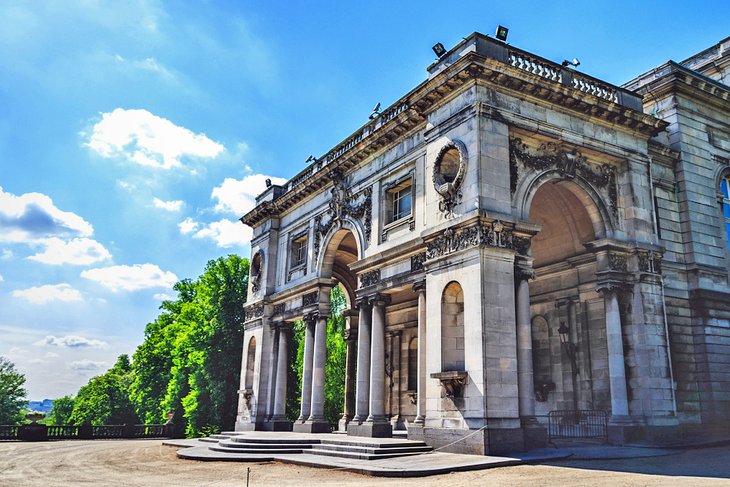
Although the Château Royal, home of the Belgian Royal Family, is not itself open to the public, the park surrounding it at Laeken is.
There are delightful footpaths and a number of attractions worth seeing, such as the monument to Leopold I at the center of the circular flowerbed in front of the palace.
The Japanese Tower, in the northernmost corner of the park, was originally built for the Paris Exhibition of 1900.
The hothouses, erected in Leopold II's time, are the highlight of the gardens and are open to the public during April and May when many of the plants are in flower.
Address: Avenue de Madrid, Laeken, Brussels
Enjoy the Cupola View at Basilique Nationale du Sacré Coeur
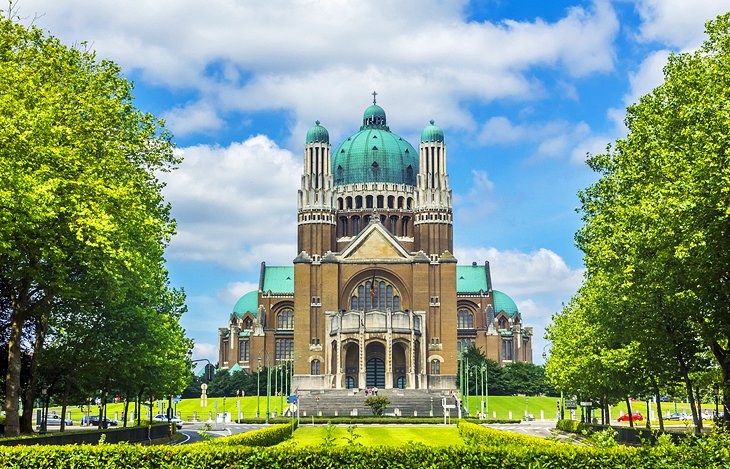
The Koekelberg district is dominated by the massive Basilique Nationale du Sacré Coeur (Nationale Basiliek van het Heilig Hart), the fifth largest church in the world and brainchild of Leopold II, begun in 1905 to mark the country's 75th anniversary. The church is considered the largest Art Deco structure ever built.
The building was only completed in 1970. Not surprisingly, it displays something of a mixture of styles, impressing nevertheless by its sheer size (141 meters by 107 meters).
Inside is an excellent collection of art and an ongoing exhibition on the history of the basilica.The picture of Christ giving his blessing, which hangs above the altar, is by Georges Minne. From the cupola is a breathtaking view of the city and across the countryside to Antwerp. Binoculars can be rented on-site.
Address: Parvis de la Basilique 1, Koekelberg, Brussels
Official site: http://www.basilicakoekelberg.be/documents/home.xml?lang=en
Explore the Abbaye de la Cambre
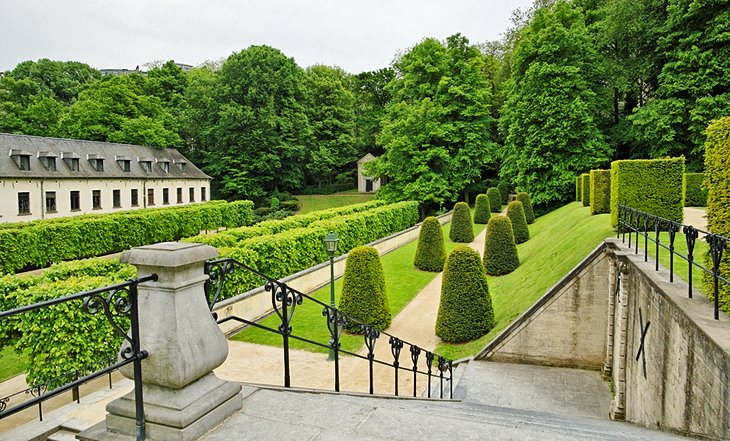
In 1200, Cistercian nuns founded an abbey here, which was later destroyed in the 16th century but then rebuilt.
Now, set in lovely French gardens, the abbey houses the National Geographical Institute and an art college.
The former 14th-century abbey church is a slender, elegant building with Baroque vaulting.
Inside is a painting by Albert Bouts (The Mocking of Christ) and the shrine of St. Boniface, a 13th-century Bishop of Brussels. The windows of the cloister are decorated with the arms of more than 40 abbesses and nuns.
Address: Rue du Monastere, Saint Gilles, Brussels
Learn about Chocolate at Choco Story Brussels
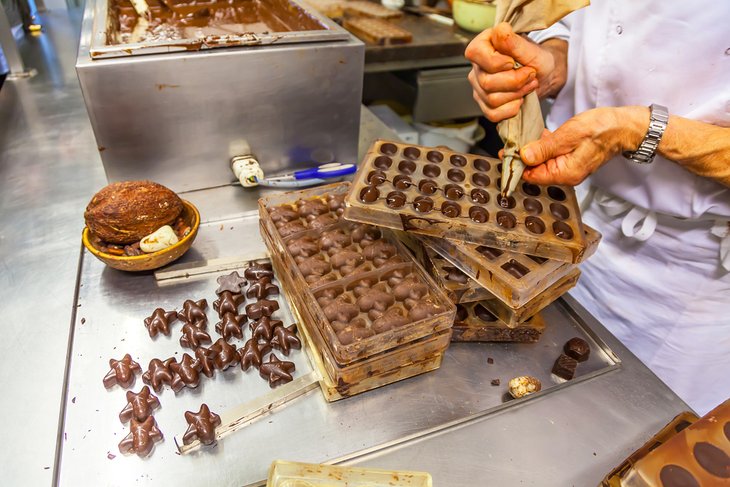
Right in central Brussels, this specialist museum's exhibits both tell the history of chocolate from the cocoa tree's early use by the Mayans and Aztecs through to the modern day, and show how chocolate is produced from the cocoa bean.
The museum's chocolatiers also do live chocolate-making demonstrations of Belgium's famous praline chocolates, with free tastings, throughout the day.
This is a good stop if you've got small children in tow, and you need to break up an itinerary heavy on art museums and architecture. The museum also hosts chocolate-making workshops, where the chocolatier will guide you in creating your own chocolate.
Address: 41 Rue de l'Etuve, Brussels
Official site: https://choco-story-brussels.be/en
Meunier Museum
The house and studio of Constantin Meunier (1831-1905) is now home to a museum dedicated to his work.
Meunier was a Belgian artist who, in his later paintings and sculptural works, concentrated on a social realist style that was hugely influential on artists throughout the early years of the 20th century. His sculptures of industrial workers are particularly well known.
The museum displays a selection of approximately 150 paintings, drawings, sculptures, and plaster models from its collection of 700, providing an excellent grounding and introduction to Meunier's work.
The building itself, which Meunier had built towards the end of his life, is a good example of Brussels' vernacular terraced housing.
Address: 59 Rue de l'Abbaye, 1050 Ixelles
Official site: https://www.fine-arts-museum.be/en/museums/musee-meunier-museum#
Shop inside the Royal Gallery Saint-Hubert
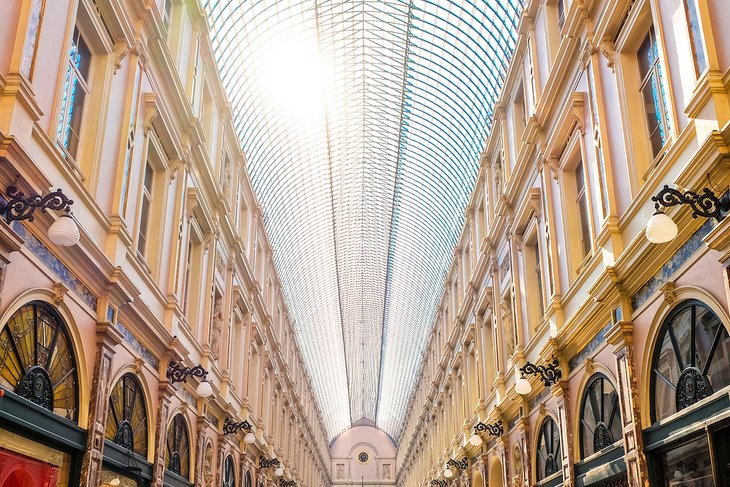
This elegant shopping arcade was designed by Belgian architect Jean-Pierre Cluysenaer and opened to the public in 1847.
Built in the popular, ornate Italianate style, with a glass-panel roof and arched shopfronts, the grand 213-meter-long arcade revolutionized retail architecture in Europe, replacing the narrow market alleys that had gone before and becoming the continent's first shopping center.
Its opening set off a trend for building similar arcades both elsewhere in central Brussels and in other cities across Europe.
Today, the Royal Gallery Saint-Hubert is prime territory for shoppers, especially if you want to pick up and take home some of Belgium's famed specialist chocolates, with plenty of chocolatiers in residence along the arcade's length.
The cafés within the arcade are also a good choice for an atmospheric break between sightseeing in central Brussels.
Address: 5 Galerie du Roi
Official site: https://www.grsh.be/en/home/
Find Foodie Treats at Place du Châtelain Market
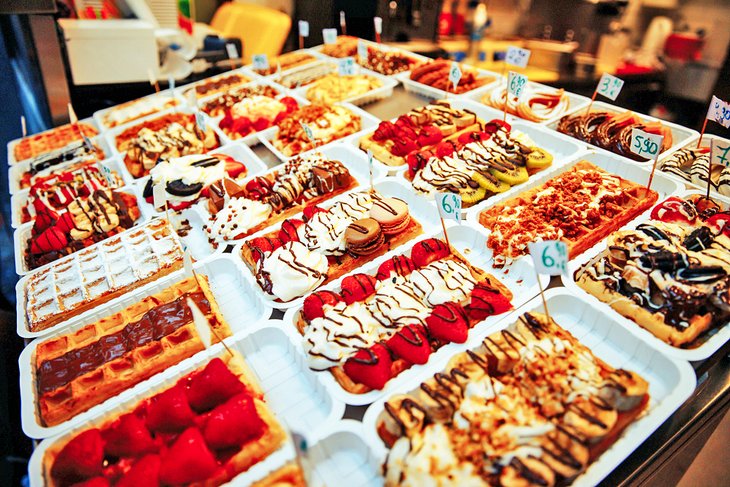
Head to Place du Châtelain on a Wednesday for the weekly food market, where you'll find everything from fruit and vegetables to pop-up stalls and cafés selling both local Belgian foods and cuisines from across the world.
For visitors looking for foodie souvenirs, there are plenty of traders selling local cheeses and cured meats, as well as fresh produce and baked goods.
Many people head here, though, for the market's casual dining options, with food stalls here offering everything from waffles and vegan burgers to Vietnamese and Middle Eastern dishes.
The market takes place every Wednesday from midday to 7pm. The surrounding streets are also full of cafés and restaurants, so the area is a lively dining hub throughout the week.
Map of Attractions & Things to Do in Brussels
Brussels, Belgium - Climate Chart
| Average minimum and maximum temperatures for Brussels, Belgium in °C | |||||||||||
| J | F | M | A | M | J | J | A | S | O | N | D |
| 5 0 | 6 0 | 9 2 | 13 5 | 17 8 | 20 11 | 22 13 | 22 13 | 19 11 | 14 8 | 9 3 | 6 1 |
| PlanetWare.com | |||||||||||
| Average monthly precipitation totals for Brussels, Belgium in mm. | |||||||||||
| 66 | 53 | 74 | 58 | 71 | 79 | 76 | 64 | 58 | 71 | 79 | 76 |
| Average minimum and maximum temperatures for Brussels, Belgium in °F | |||||||||||
| J | F | M | A | M | J | J | A | S | O | N | D |
| 41 31 | 43 32 | 48 35 | 54 40 | 63 46 | 67 51 | 71 54 | 71 54 | 66 50 | 57 45 | 48 37 | 42 33 |
| PlanetWare.com | |||||||||||
| Average monthly precipitation totals for Brussels, Belgium in inches. | |||||||||||
| 2.6 | 2.1 | 2.9 | 2.3 | 2.8 | 3.1 | 3.0 | 2.5 | 2.3 | 2.8 | 3.1 | 3.0 |
More Must-See Places to Visit near Brussels
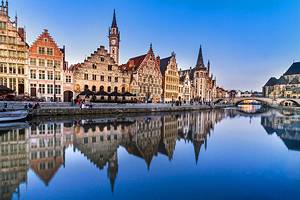
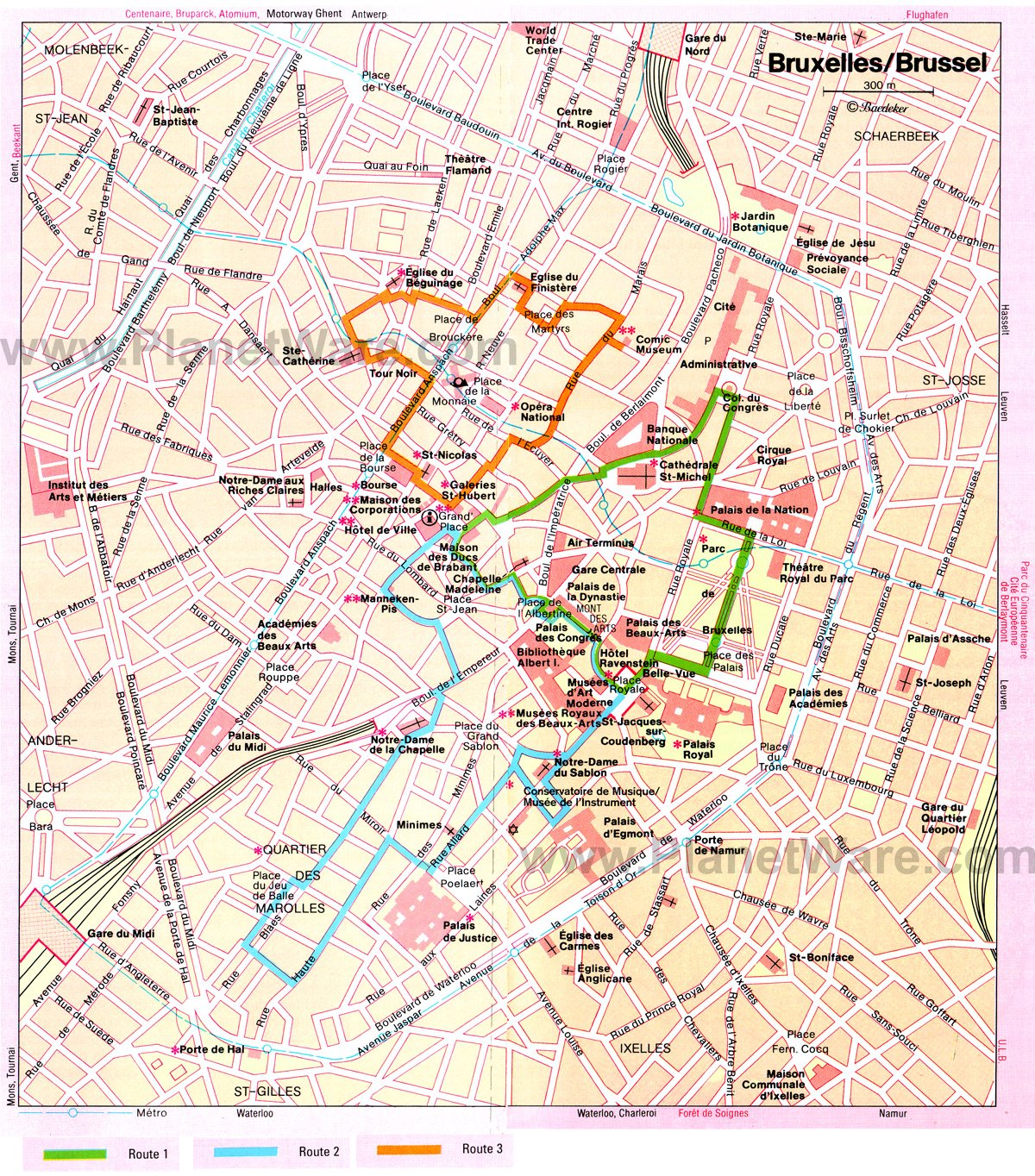
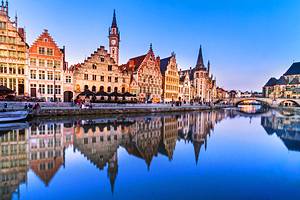
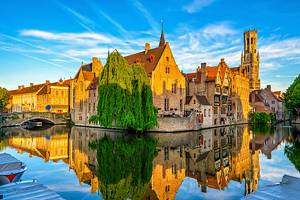
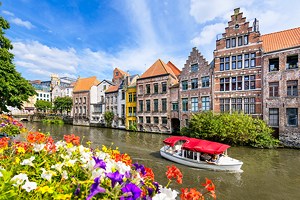
Brussels, Bruges & Ghent: Brussels sits in the center of the country, making it the perfect home base for trips to some of Belgium's top tourist attractions, as well as sightseeing in neighboring countries. Near the coast to the northwest, in the Flanders region, the city of Bruges is a favorite tourist destination because of its medieval architecture and romantic canals. Between here and Brussels, the smaller city of Ghent has a similar ensemble of narrow alleys, beautiful buildings, and canal boats, without the mass of tourists.
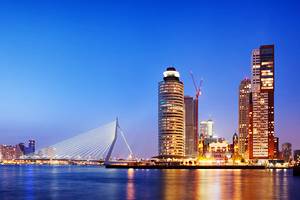
North Belgium & The Netherlands: To the north of Brussels, the town of Antwerp gained its fame as a center of art and craftsmanship and is home to several noteworthy museums. The border with the Netherlands is not far from here, where you can explore the stunning churches of Breda, enjoy vibrant entertainment in Rotterdam, visit the countless museums of The Hague, or even spend some time enjoying the iconic city of Amsterdam.
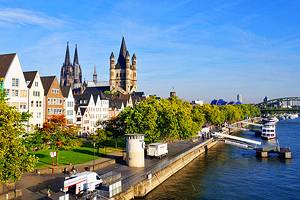
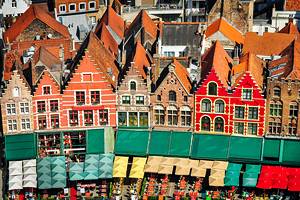
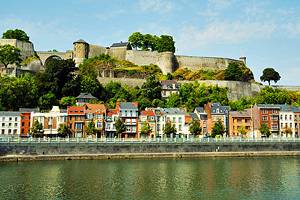
Leuven, Liege & Germany: Back in Belgium, the small university town of Leuven sits east of Brussels on the way to Liège, the country's third largest city, which is celebrated for its industrial roots. Near the border with Germany, the cities of Cologne, Bonn, and Düsseldorf are easily within reach. West of Liège, Namur's central location at the junction of the Sambre and the Meuse Rivers made it an important trade city, and its citadel was a strategic military site, resulting in an interesting array of architectural choices.
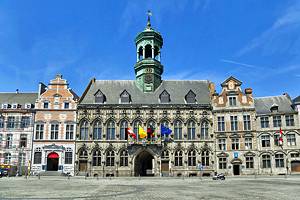
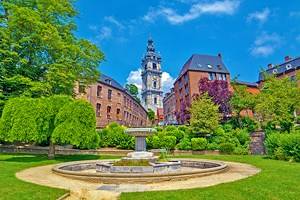
Mons & France: Farther west and sitting near the border with France, the city of Mons (Bergen) is between Brussels and Paris, and is known for its impressive buildings and festivals. The town of Ypres sits closer to Belgium's coast, famous for being the site of major WWI battles, and just to the south in France, the city of Lille has many Flemish influences.