14 Top-Rated Tourist Attractions in Dunedin
New Zealand's little piece of Scottish heritage lies in the South Island.
Dunedin, named after the Gaelic for Edinburgh, "Dun Edin," was founded by Presbyterian Scottish immigrants, and that legacy can still be proudly felt today.
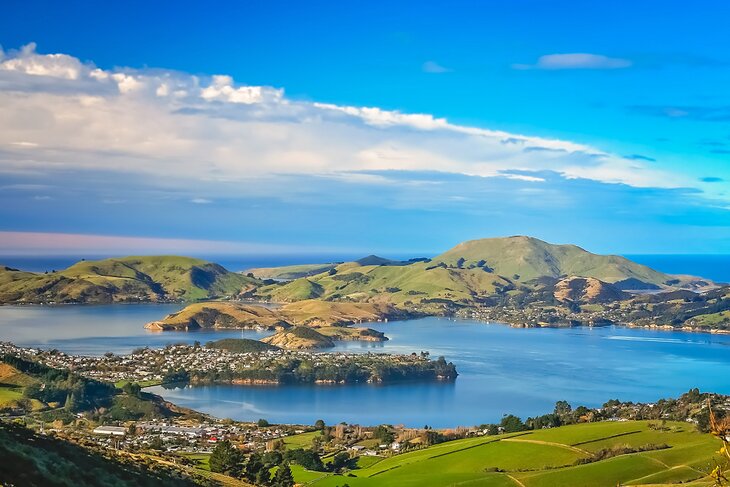
Small and extremely hilly—the city lays claim to the steepest residential street in the world—Dunedin is tucked into the inner corner of Otago Harbour's wild and windswept coastline, with rugged beaches, raw clifftop landscapes, and even the world's only mainland colony of royal albatross, right on the city's doorstep.
The town center itself is compact and easily navigated on foot, with many fine examples of late 19th-century architecture still well preserved.
To find out more about the best places to visit in this beautiful city, be sure to review our list of the top attractions in Dunedin New Zealand.
See also: Where to Stay in Dunedin
- 1. Larnach Castle
- 2. Dunedin Railway Station
- 3. Taiaroa Head & The Royal Albatross Centre
- 4. Toitu Otago Settlers Museum
- 5. Dunedin Botanic Garden
- 6. Otago Museum
- 7. Olveston Historic Home
- 8. Tunnel Beach
- 9. Dunedin Public Art Gallery
- 10. Port Chalmers
- 11. Signal Hill
- 12. Moeraki Boulders
- 13. Dunedin Railways
- 14. Orokonui Ecosanctuary
- Where to Stay in Dunedin for Sightseeing
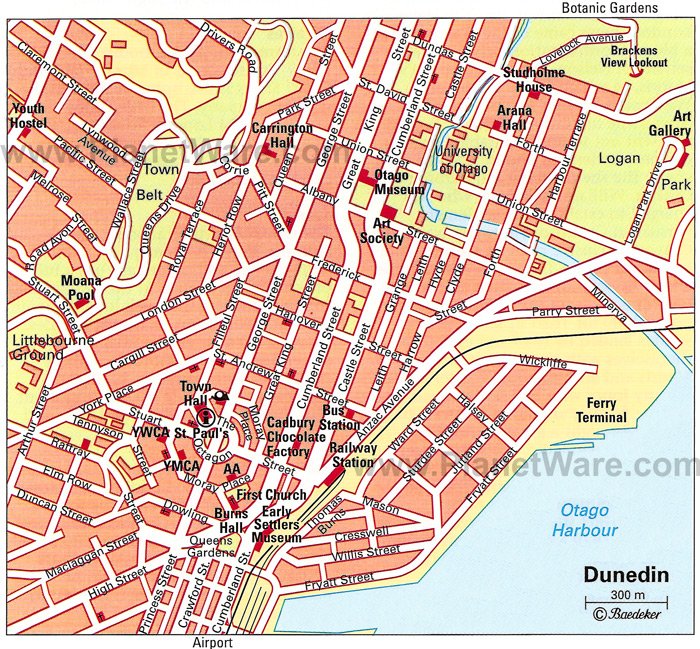
- Map of Tourist Attractions in Dunedin
1. Larnach Castle
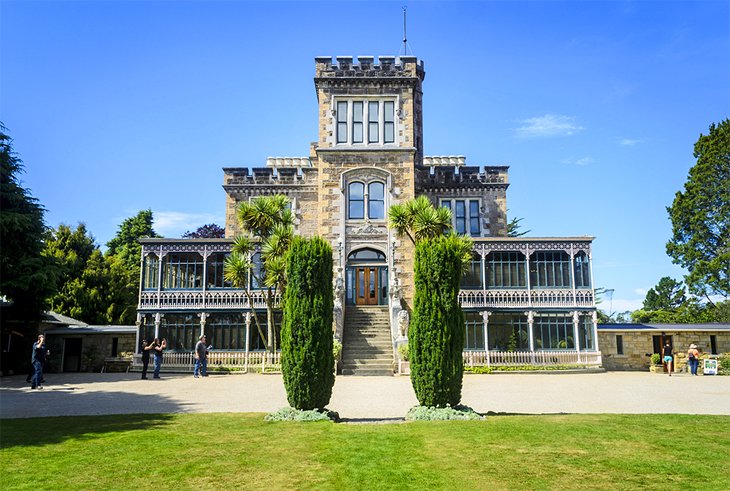
Dunedin's top tourist attraction is Larnach Castle, New Zealand's only castle.
It was built in the late 19th-century by wealthy banker William Larnach who made his fortune during Otago's gold rush years.
No expense was spared in its construction, with Italian marble, Welsh slate, and Venetian glass being shipped in to create a sumptuous house with a façade similar to the Scottish castles of Larnarch's roots.
Despite Larnach's wealth and career success, he led a tragic life, with both his wife and favorite daughter dying young. In 1898, while serving as a politician in Wellington, he committed suicide.
After his death, the castle fell into decline, serving as an asylum, soldiers' barracks, and nunnery until it was purchased by the Barker family in 1967 who undertook a mammoth restoration project to restore the castle to its former grandeur.
Today, this fascinating complex with its tower, interiors full of period furniture, stables, and gorgeous sprawling gardens are open to the public to explore.
Although it's about 14 kilometers outside downtown Dunedin, you won't want to miss the views from the castle tower or the chance to enjoy a high tea in the historic old ballroom café.
Address: 145 Camp Road, Dunedin
Official site: www.larnachcastle.co.nz
2. Dunedin Railway Station
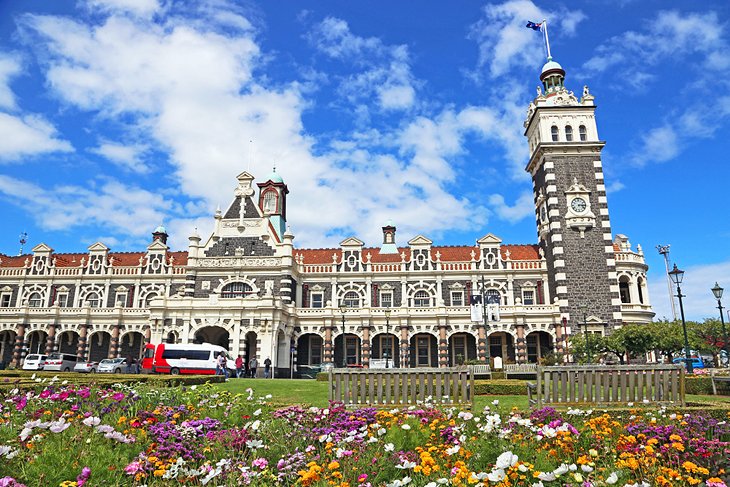
Dunedin's beautiful Railway Station was built in Edwardian Baroque style in 1904 by George Troup who incorporated flourishes of Neo-Gothic design into the building.
Though mocked for his "gingerbread" style, the architect was knighted for his work, and the station is now the city's most celebrated piece of architecture.
The exterior uses both dark basalt and limestone to create a checkered appearance with ornate detailing in abundance, and the interior is magnificent, with colonnades, balustrades, and mosaic paving.
The station is still in use and is the departure point for Dunedin Railways' scenic rail trips to the Taieri Gorge. It's also home of the New Zealand Sports Hall of Fame, a must-see for fans of rugby and cricket.
Every Saturday morning, Otago Farmer's Market sets up shop next door in the train station car park. This is an excellent opportunity to buy fresh local produce and food products all grown or made in the Otago region.
There are plenty of vendors selling baked goods, artisan condiments, and locally produced items, as well as fruit, vegetables, meat, and fish. It also has plenty of café stalls dishing up coffee and breakfast-brunch style dishes for hungry market-browsers.
Address: Anzac Square, Dunedin
3. Taiaroa Head & The Royal Albatross Centre
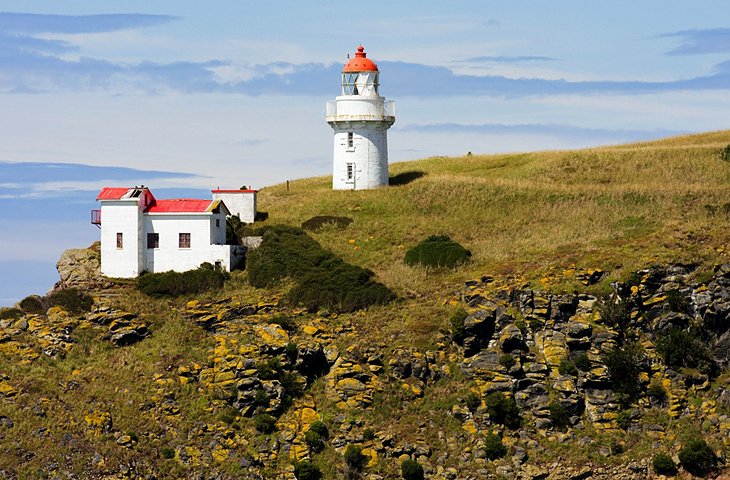
At the tip of Otago Peninsula, 30 kilometers from Dunedin city center, lies Taiaroa Head with its wonderful wildlife reserve and Royal Albatross Centre.
The rocky cliffs here are home to not only a large colony of royal albatross but also red-billed gulls, royal spoonbills, rare Stewart Island shag, and southern fur seals.
This is the world's only mainland breeding colony of royal albatross, and tours from the visitor center allow you to marvel at these mammoth sea birds close up.
The classic one-hour guided Albatross Tour includes a film presentation in the visitor center followed by a short walk to the observatory where there is prime viewing of the albatrosses.
The visitor center also offers opportunities to visit the tunnels of Fort Taiaroa, built originally in the late 19th century and used during World War I and World War II as part of New Zealand's line of defense.
Bird-watchers and nature lovers can also take a tour to nearby Pilots Beach where there is a colony of little blue penguins.
Address: Harington Point Road, Otago Peninsula
Official site: http://albatross.org.nz/
4. Toitu Otago Settlers Museum
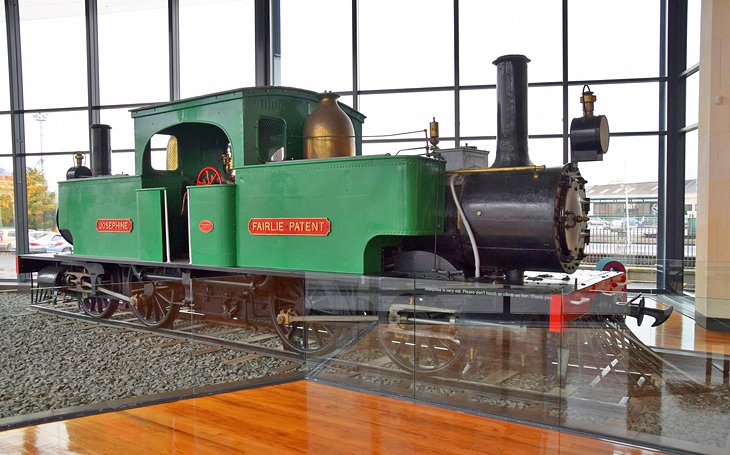
This modern museum weaves the story of Otago's people, from the first Maori, to the settlers who flocked here in the 19th century during the Otago gold rush, and into the modern era.
Excellent multimedia and interactive displays highlight Dunedin's emergence, settled by Scottish Presbyterians and its gold rush heyday, when it became the country's most important commercial hub.
The Encounters Gallery tells the story of the first meetings between the local Maori tribes and the whalers and sealers, while the Smith Gallery holds a huge and fascinating collection of portraits of Otago pioneers. Tours are available, and a gift shop and café are located on-site.
Just a few steps away from the museum, St. Paul's Cathedral features a rich choral and organ recital program.
Address: 31 Queens Garden, Dunedin
Official site: www.toituosm.com
5. Dunedin Botanic Garden
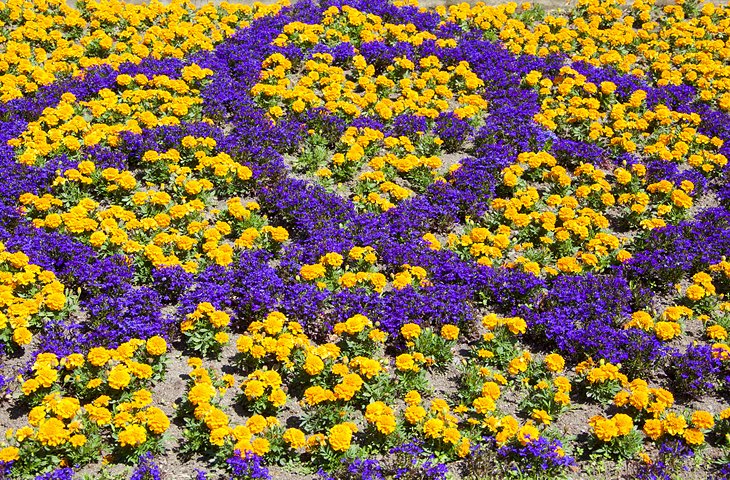
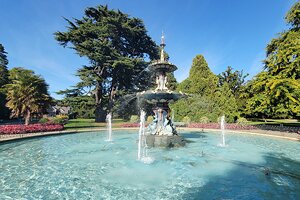
If you are looking for things to do in Dunedin outdoors this is a great place to visit. Established in 1863, Dunedin Botanic Garden was New Zealand's first botanic garden and is home to 6,800 different plant species.
Both native and European plants are displayed here over a vast 30-hectare hilltop with plenty of mature shady trees and great views from the lawns.
The Rhododendron Dell covers four hectares in the southeast corner of the garden and contains around 3,000 flowers. It is a magnificent sight when in full flower between August and October.
The entire botanic garden makes for great strolling between the flower beds, especially along marked routes such as the Dunedin Volcano Trail and Tree Trail.
Don't miss the Edwardian-style Winter Garden Glasshouse with its tropical and desert plants, and the tranquil sunken herb garden, along with the many sculptures dotted liberally around the attraction.
For more Dunedin garden viewing, Lan Yuan Dunedin Chinese Garden is right in the city center and has been landscaped to replicate traditional classic gardens of China. This garden was created as a tribute to, and recognition of, the many Chinese people who arrived in Otago during the gold rush of the 1860s.
In addition to its Asian flowers and trees, the garden boasts a traditional tea house.
Address: 12 Opoho Road, North Dunedin, Dunedin
Official site: www.dunedinbotanicgarden.co.nz
6. Otago Museum
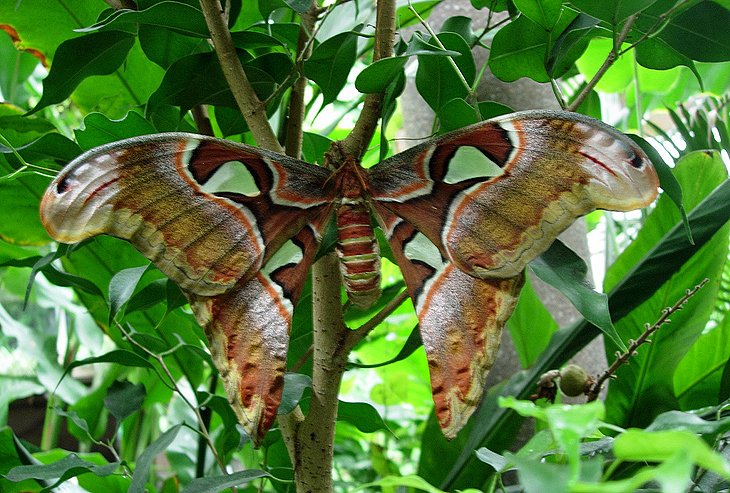
Housed in a handsome heritage building dating from 1876, Otago Museum is full of information on New Zealand's natural and cultural heritage, and is home to one of the country's largest museum collections.
The Tangata Whenua galleries focus on the life of the South Island's Maori people with a strong collection of art and treasured objects.
A particular highlight of the museum for families is the butterfly-filled rainforest in the Tuhura Science Centre exhibition, where children can get up close with hundreds of different butterfly species.
There are also galleries devoted to geology, nature, and pacific people, and a small but well-curated People of the World exhibit room, with artifacts from across the world including an Egyptian mummy.
There's also a large collection related to the extinct Moa, a large flightless bird that once roamed the land. A must-stop for those in the area on sightseeing trips, the museum also offers a variety of guided tour options. A café and shop are located on-site.
Address: 419 Great King Street, North Dunedin, Dunedin
Official site: http://otagomuseum.nz/
7. Olveston Historic Home
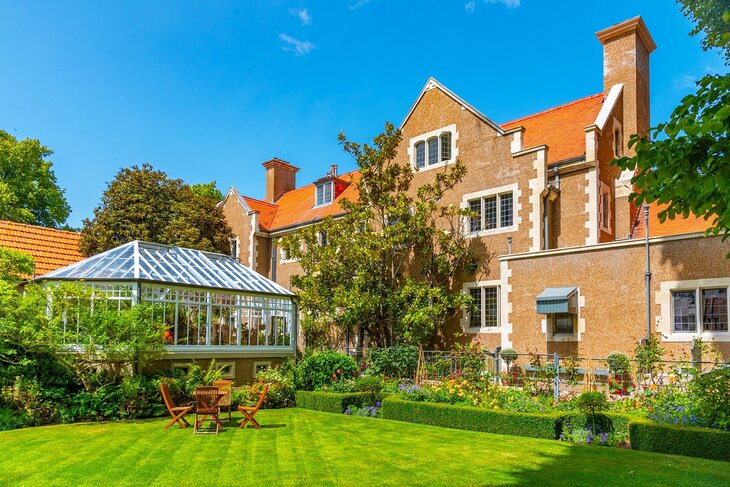
This historic home, dating from 1906, was built by avid collector and local philanthropist David Theomin as his family's house.
English architect Sir George Ernest designed the striking façade of North Otago limestone and Moeraki pebbles that takes particular inspiration from the English Arts and Crafts Movement of the time.
Inside the house, the rooms hold Theomin's astounding collection of artifacts from across the world, with a particular emphasis on East Asia, including an impressive collection of Chinese jade and Japanese weaponry.
There is also a wealth of fine artwork hung throughout the house. Informative guided tours are available, while those looking to learn the etiquette and rules of croquet can sign up for a one hour session.
Another small local museum worth a visit while you're in town is the Dunedin Gasworks Museum, a preserved historic attraction that details the history of this once vital municipal utility.
Address: 42 Royal Terrace, Dunedin
Official Site: https://www.olveston.co.nz/
8. Tunnel Beach
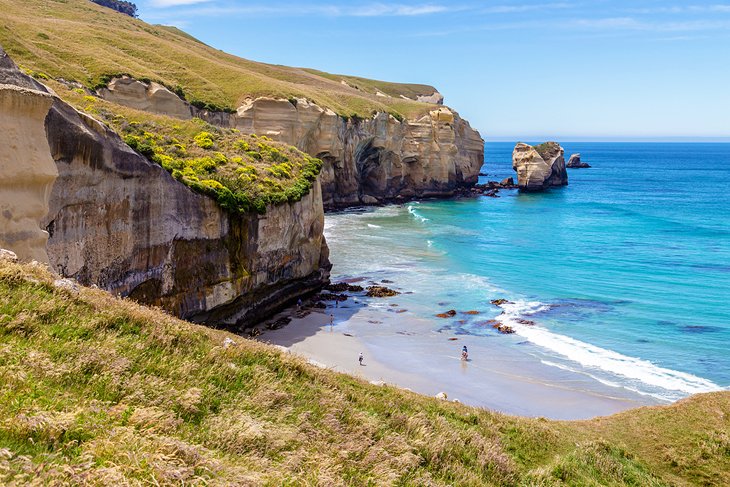
The sandstone cliffs of Tunnel Beach are great for an atmospheric seaside hike.
This stormy, wind-whipped coastline located just south of the central city is rimmed by a rocky headline of high cliffs and arches that have been carved out by the stormy sea and salty winds over millennia.
During the 1870s, a tunnel was hand-hewn out of the rock down to the small secluded beach, allowing easy access. It's still in use today, and requires descending (and later climbing back up) 72 steps; it's well worth it, but caution is required, as the tunnel and steps can be slippery when wet.
The entire area is great for fossil fossicking so keep your eyes peeled for specimens while you stroll. From the cliffs, there are incredible panoramic views across the southern ocean.
Address: Blackhead Road, Dunedin
9. Dunedin Public Art Gallery

One of New Zealand's premier art galleries, Dunedin Public Art Gallery houses an extensive collection of work by local artists, with paintings from the early colonial era right up to the present.
It is also home to a significant collection of important international artworks including an impressive holding of Japanese prints, New Zealand's only Monet, and paintings by Machiavelli and Turner.
There is also a gallery devoted to decorative arts displaying textiles, ceramics, and glass objects.
Of particular note is the large collection of paintings by Dunedin-born artist Frances Hodgkins who went on to become renowned in the Neo-romantic art movement in England in the early years of the 20th century.
Another local artist worth mentioning is Bruce Mahalski. A one-kilometer walk to the north from Dunedin Public Art Gallery is his Dunedin Museum of Natural Mystery, which features a fascinating collection of bone art, ethnographic artworks, along with fascinating and unusual artifacts from across the globe.
Address: 30 The Octagon, Dunedin
Official site: www.dunedin.art.museum
10. Port Chalmers
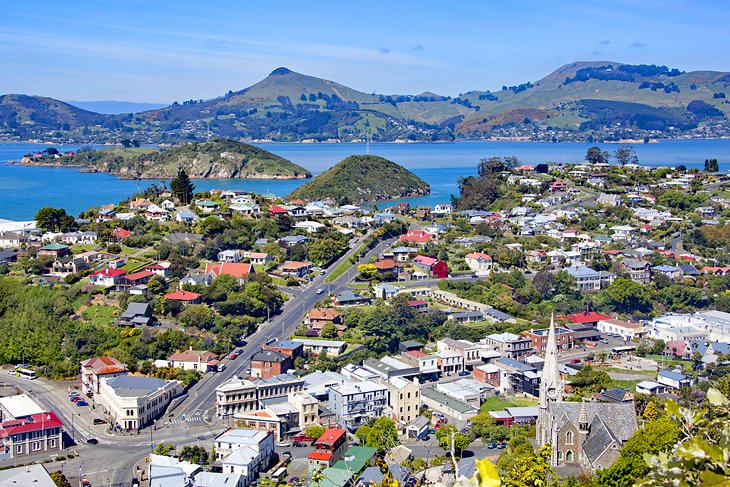
Just 12 kilometers north of Dunedin is the deep-water harbor of Port Chalmers, named after Dr. Thomas Chalmers, one of the founders of the Free Church of Scotland. It's a popular hub for artists and is home to plenty of café culture and private art galleries.
It was from here in 1844 that the colonization of Otago first began; and also from here that Scott, Shackleton, and Byrd set out on their Antarctic expeditions. The Scott Memorial here commemorates Captain Scott, who sailed from Port Chalmers on his last tragic expedition in 1910.
The Port Chalmers Flagstaff on the Aurora Terrace Lookout was once a signal station, keeping watch on shipping traffic in Otago Harbour.
Worth a look is the Port Chalmers Seafaring Museum, in the former post office, which displays a variety of material on the history of the port and the pioneers who first settled Otago.
11. Signal Hill
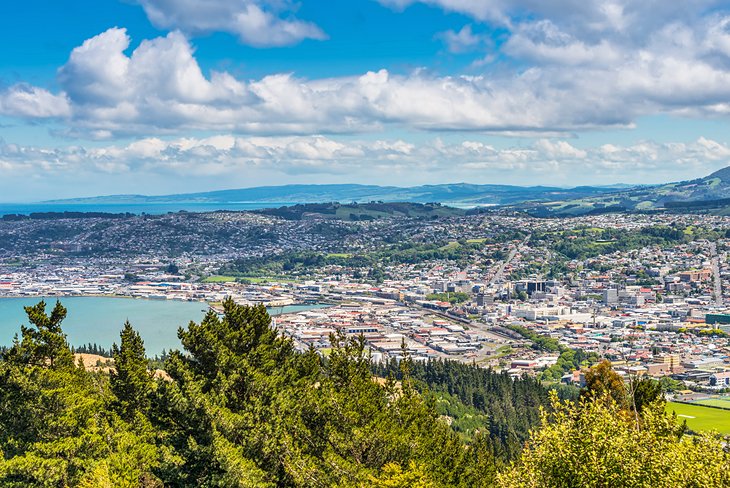
For great views over Otago Harbour and the city, the walk up to Signal Hill (393 meters) is a must do. From the top, there are far reaching panoramas stretching across Dunedin.
The summit is marked by a monument commemorating the 100th anniversary in 1940 of the Treaty of Waitangi, New Zealand's founding document.
The monument incorporates bronze figures symbolizing the past and the future and contains a piece of rock from Edinburgh Castle, which was an anniversary gift from Scotland.
The track up the hill is accessed from Opoho Road and Signal Hill Road, and tackling it is one of the top free things to do in Dunedin.
Address: Signal Hill Road, Dunedin
12. Moeraki Boulders
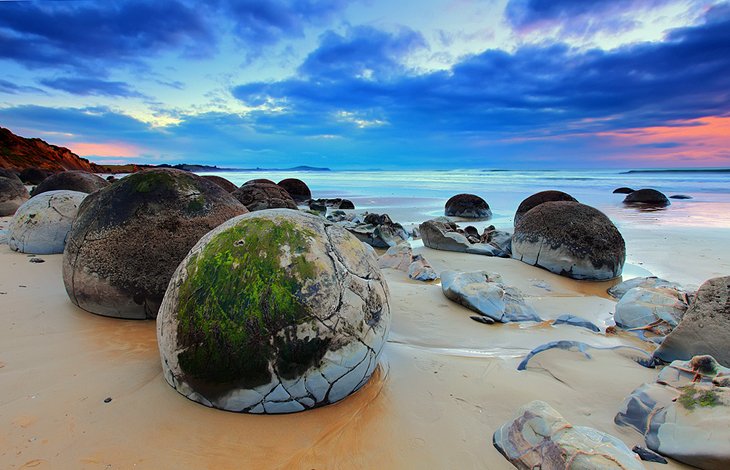
One of the best day trips from Dunedin is to the famed Moeraki Boulders on Koekohe Beach near the provincial town of Moeraki, 75 kilometers north from Dunedin.
These 50 smooth, spherical boulders are a magical sight on this otherwise lonely sweep of beach, looking like left over marbles from a game played by giants.
The largest of them weighs 50 tonnes and some are three meters wide. The boulders are concretions (ball-shaped masses of hard matter) that were once part of the coastline cliffs but are all that were left behind as the cliffs wore away due to wave erosion over millions of years.
Official site: www.moerakiboulders.com
13. Dunedin Railways
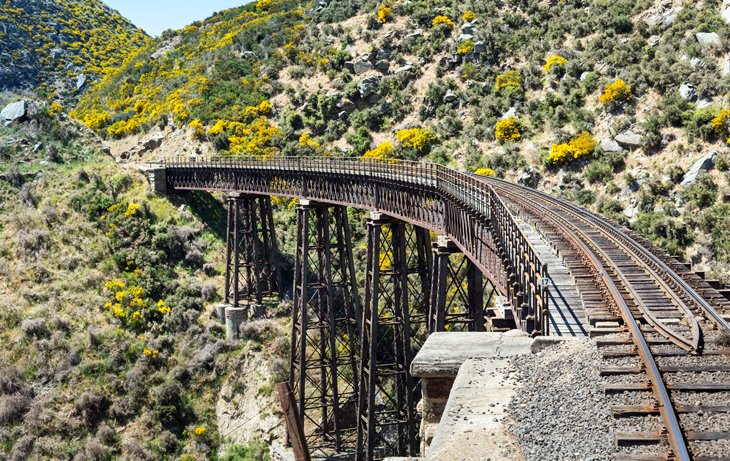
A journey on the Dunedin Railways is a fantastic slice of New Zealand's dramatic scenery and a highlight for train buffs traveling aboard restored historic train carriages through the startlingly beautiful Otago hinterland.
The trip — renowned as one of the world's best rail journeys — travels across the mammoth gash of the Taieri Gorge on a high viaduct, as well as heading across copious high bridges and through 10 tunnels carved out of the hillsides showcasing the engineering marvels of the country's early rail pioneers.
At scenic stops along the way, passengers can disembark for photos, and each train carriage also has an open-air platform for photos during the journey.
The journey departs from Dunedin Railway Station and takes four hours return. Another option is the Seasider train journey, which follows the spectacular coastline to Palmerston.
Address: 22 Anzac Ave, Dunedin
Official site: http://www.dunedinrailways.co.nz/
14. Orokonui Ecosanctuary

Although one of the newest attractions in the area, the Orokonui Ecosanctuary (Te Korowai o Mihiwaka) has been some 30-plus years in the making.
Situated an easy 20 kilometer drive north of Dunedin, this fascinating biodiversity site covers an impressive 307 hectares of Coastal Otago woodland in the Orokonui Valley.
Non-native pests have been removed from the site, and a predator fence completely surrounds the sanctuary, allowing native plant and animal species to flourish, including a number of endangered species, such as the Takahe, a large flightless bird reintroduced to the area.
To get the most out of your visit, pre-book a guided tour on the sanctuary's website. Options include a one-hour highlights tour, which includes the chance to spot a variety of creatures as you explore the old forest with your guide, or a two-hour tour that delves into the sanctuary's inhabitants in greater detail.
Self-guided tours are also recommended and can be tacked onto the end of a formal tour if time allows. A highlight of a visit is the architecturally pleasing visitor center, which in addition to providing details of the attraction's wildlife and plant life, boasts a great café.
Address: 600 Blueskin Road, Dunedin
Official site: https://orokonui.nz
Where to Stay in Dunedin for Sightseeing
To ensure you make the most of the awesome sightseeing Dunedin has to offer, we recommend these unique hotels located near the city's top attractions such as the sumptuous Larnach Castle:
Luxury Hotels:
- For a truly unique and memorable luxury getaway, book a stay at the exquisite Larnach Castle Lodge. This chic 4-star luxury lodge is located in the castle grounds and boasts harbor and ocean views, themed rooms, and access to the attraction's beautiful gardens.
- Closer to the city's downtown attractions, the historic Distinction Dunedin Hotel offers guests a choice of studios and one- to two-bedroom units, along with room service, a great breakfast buffet, and a well-equipped fitness center.
- Perched directly across from the beach, the modern Hotel St. Clair features bright rooms with views over the ocean, studios, and one-bedrooms with kitchenettes and balconies, plus a good restaurant.
Mid-Range Hotels:
- A quality experience can also be enjoyed at Bluestone on George, a mid-range apartment-style hotel in a convenient central location featuring stylish suites with kitchenettes, bathrooms with under-floor heating, and a fitness center.
- The Amross Motel is another good option in this category and is notable for its affordable rates, friendly owners, handy location near shops and restaurants, and its mix of studios and apartments with kitchenettes.
- Also worth considering, Scenic Hotel Dunedin City is steps away from the Toitu Otago Settlers Museum and features good rooms, a great breakfast buffet, plus laundry (request a room with a balcony if available).
Budget Hotels:
- Heading up our recommendations of budget-friendly accommodations, the Kiwis Nest has a distinct home-away-from-home feeling with a mix of private and shared rooms, along with free tea and coffee.
- As much fun as it sounds, Hogwartz Backpacker Hostel is set in a charming, centrally located, 19th-century building featuring a mix of dorms with shared bathrooms and private studios, along with kitchens and dining areas, plus barbecues.
- The Sahara Guesthouse & Motel is also worth considering and comes with a mix of rooms with shared bathrooms to private studios with kitchenettes, plus a common area with TV.
Map of Tourist Attractions in Dunedin
More Related Articles on PlanetWare.com
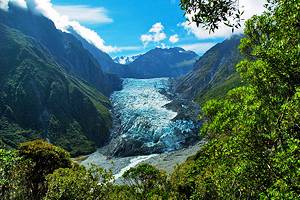
The Nature of Things: New Zealand is a paradise for nature lovers. Favorite places for tourists include the breathtaking coastal scenery of Bay of Islands, famous for its marine reserves and whale watching excursions. Equally stunning is the Westland's Region's awesome Franz Josef Glacier, one of the country's top hiking destinations. Finally, consider a trip to Fiordland National Park, an area of rugged coastal scenery that can easily be explored via tour boat.
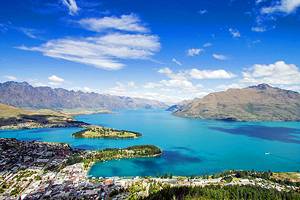
Fun Cities: If your idea of fun is outdoor adventures, head straight to Queenstown, known the world over for its wide array of outdoor pursuits, from bungee jumping to rock climbing to skiing. The quaint city of Napier is also famous, this time for its many well-preserved 1930s-era art deco buildings. Don't miss a chance to explore the attractions in Auckland, experience fine dining and fun restaurants, and enjoy the wonderful vibe of the city.
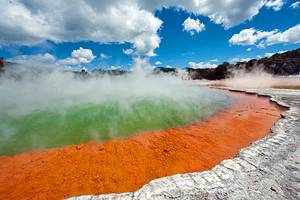
New Zealand Vacation Ideas: Popular tourist destinations include Rotorua, popular for its spectacular volcanic pools and geysers, along with its Maori cultural attractions. If you really want to immerse yourself in Maori culture, check out the town of Taupo, famous for its Mine Bay Maori Rock Carvings. Finally, be sure to spend time in Wellington, a lovely city known for the country's top museum: the Museum of New Zealand (Te Papa).