16 Top-Rated Tourist Attractions in Rotorua
Lively Rotorua is the epicenter for viewing New Zealand's volcanic landscapes of seething, steaming geysers and mud pools. The low-slung town is full of geothermal activity (you'll notice the smell as soon as you arrive), which has created a moonscape of wildly-colored silica terraces and bubbling ponds on Rotorua's doorstep.
The surrounding region is dotted with lakes and large tracts of native forest that make a wonderful contrast to the stark and violent landscapes of the geothermal areas.
The town is also renowned as a center for Maori culture and is one of the best places in the country to see traditional Maori performances and delve into the history and heritage of the local tribes.
Rotorua is also an excellent base for visiting two of New Zealand's most popular tourist attractions: the glowworm caves of Waitomo and the perfectly preserved movie set of Hobbiton, left over from Peter Jackson's Lord of the Rings and Hobbit films. Check out details of these and other things to do with our list of the top attractions in Rotorua.
- 1. Waimangu Volcanic Valley
- 2. Rotorua Museum
- 3. Te Wairoa
- 4. Wai-O-Tapu
- 5. Whakarewarewa: A Maori Village
- 6. Te Puia
- 7. Hells Gate Geothermal Park
- 8. Waitomo Glowworm Caves
- 9. Hobbiton
- 10. Kaituna River White Water Rafting
- 11. Mount Ngongotaha Scenic Reserve
- 12. Agrodome
- 13. Mokoia Island
- 14. Kaharoa Conservation Area
- 15. Tarawera Trail
- 16. Whirinaki Forest Park
- Where to Stay in Rotorua for Sightseeing
- Map of Tourist Attractions in Rotorua
1. Waimangu Volcanic Valley
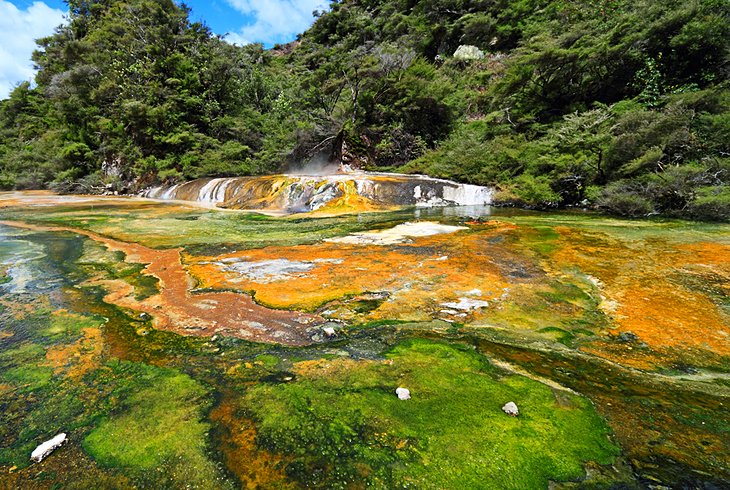
Rotorua is the heart of New Zealand's geothermal attractions, and Waimangu Volcanic Valley is one of the most popular places to see the seething mud and steaming silica terraces. A series of walkways allow visitors to view the smoke-filled craters and bizarre acid-yellow and lime-green terraces safely. The inferno crater is a highlight, with its huge geyser billowing into action.
The trail meanders all the way to the shore of Lake Rotomahana, where boat trips are offered to view more geothermal features. For history fans, the 45-minute boat loop is a must-do, as the cruise takes you across the site of the famed pink and white terraces (once called the eighth wonder of the world and similar to the travertines of Pamukkale in Turkey), which were destroyed when Mount Tarawera erupted in 1886.
Address: 587 Waimangu Road, Rotorua
Official site: www.waimangu.co.nz
2. Rotorua Museum
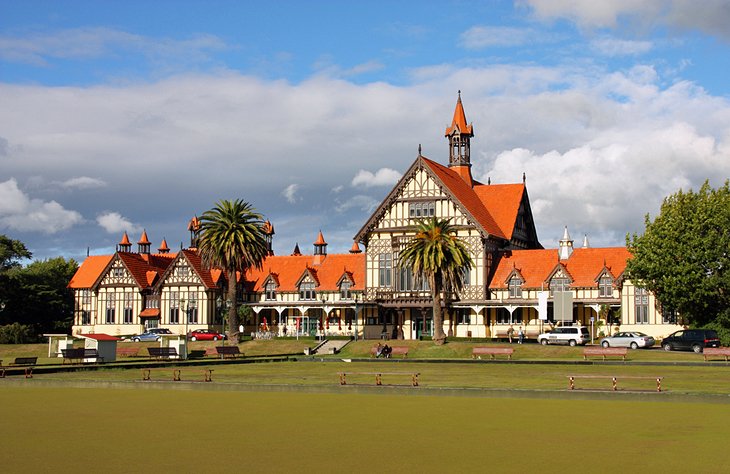
Amid the tranquil Government Gardens, which lie on the shores of Lake Rotorua, is the ornate Tudor-style Old Bath House building that now contains the Rotorua Museum. Inside, a series of permanent exhibitions tell the story of Rotorua's cultural history, from its pre-European era to the present.
The well-collated Nga Pumanawa o Te Arawa gallery focuses on the history of the Te Arawa Maori Tribe, while the rooftop terrace (with stunning panoramas across the lake) and basement of the museum provide a look at the building's 1908 origins, when it was a famed spa resort.
Fascinating ethnology exhibits span the people of the Pacific, and other galleries spotlight the social history of Rotorua and the natural surroundings.
Address: Government Gardens, Oruawhata Drive, Rotorua
Official site: www.rotoruamuseum.co.nz
3. Te Wairoa
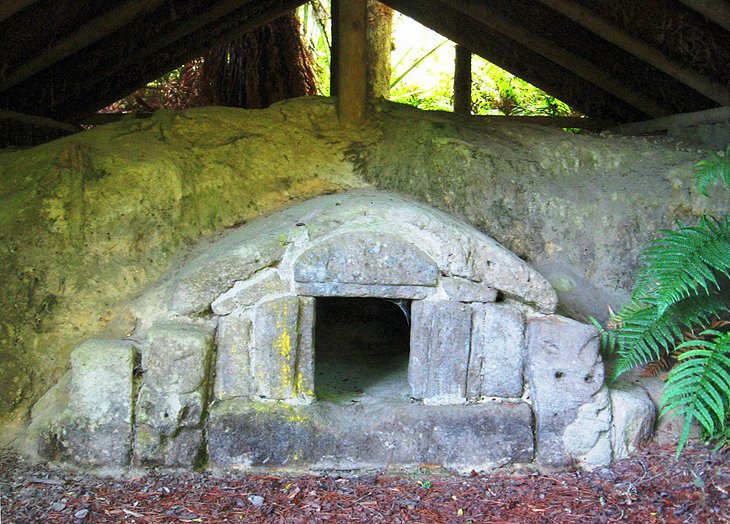
Established in 1852 by a Christian missionary, Te Wairoa was envisioned as a model Maori village, which could also cater to the many foreign visitors arriving to see the famed pink and white terraces nearby. The village, though, was to have a short history. On June 10, 1886, Mount Tarawera erupted followed by Lake Rotomahana exploding, covering Te Wairoa with a layer of mud up to two meters thick.
Although most villagers were able to escape, 17 lives were lost. Archaeological excavations here began in the 1930s, and the site now reveals the floorplans of the original buildings.
The on-site museum displays items recovered from the site during the excavations and also contains a detailed geological exhibit of the pink and white terraces, which now lie under Lake Rotomahana. A pretty walking trail leads from the archaeological site through native bush to Wairere Falls.
Address: 1180 Tarawera Road, Rotorua 3076
Official site: www.buriedvillage.co.nz
4. Wai-O-Tapu
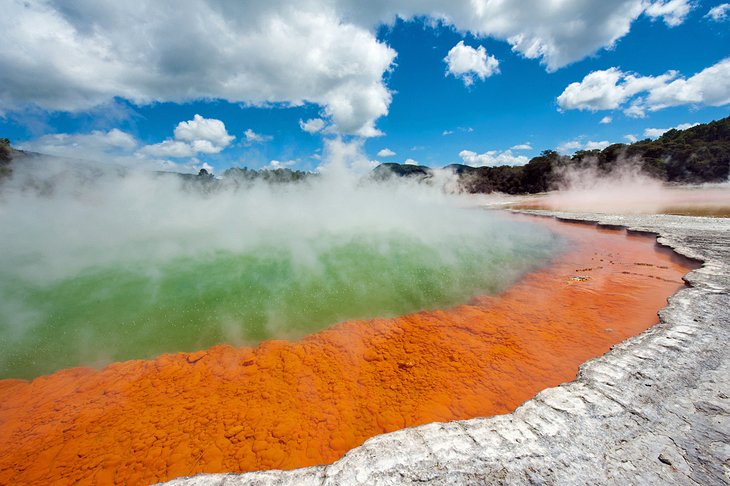
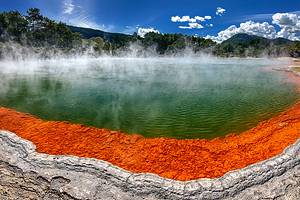
More geothermal oddities await at Wai-O-Tapu, home to the Lady Knox geyser, which erupts at 10.15am every morning with water shooting up to 20 meters in the air. This colorful area brims with volcanic activity, with bubbling mud pools formed by a collapsed mud-volcano, water pools tinted fluorescent green, and steaming terraces in shades of bright yellow and lurid orange all creating a surreal and otherworldly landscape.
A series of walkways throughout the Wai-O-Tapu park allows you to traverse the area for good views of all the volcanic sights. Be sure to spend a little time in the visitor center. In addition to its detailed information regarding the attraction, there's also a shop and café on site.
A great way to ensure you get to see the very best of the attraction is via a Rotorua Eco Thermal small group tour. These fun morning excursions are led by professional guides and include the highlights of the hot springs and geothermal formations, including the Lady Knox Geyser.
Address: 201 Waiotapu Loop Road, Rotorua 3073
Official site: www.waiotapu.co.nz
5. Whakarewarewa: A Maori Village
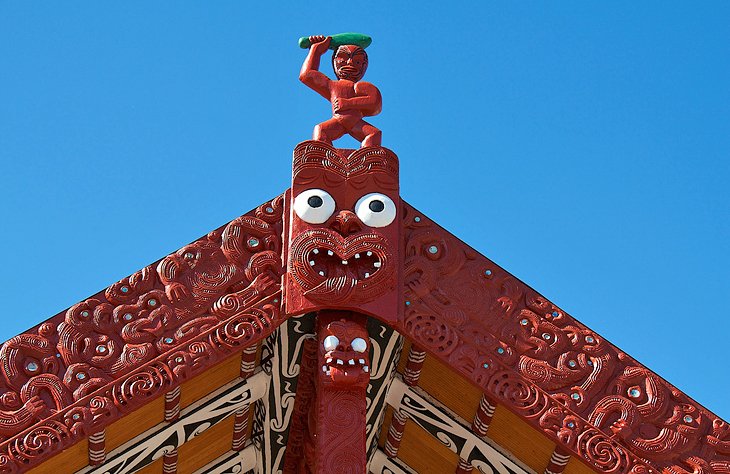
Amid the steam vents and hot pools of the Whakarewarewa geothermal area of Rotorua is the Maori village of Whakarewarewa. Here, the Tuhourangi/Ngati Wahiao tribes welcome visitors to experience the culture and heritage of the Maori people.
Hourly guided tours of the village include a performance of the Haka and other traditional Maori songs by the Te Pakira cultural group and a look at how the local residents use geothermal energy for cooking and heating.
Those wanting to delve deeper into the rich culture of New Zealand's indigenous people can stay overnight in the village Marae (meeting house). Want to stay a little longer? The facility also boasts a campsite.
Address: 17 Tryon Street, Rotorua
Official site: www.whakarewarewa.com
6. Te Puia
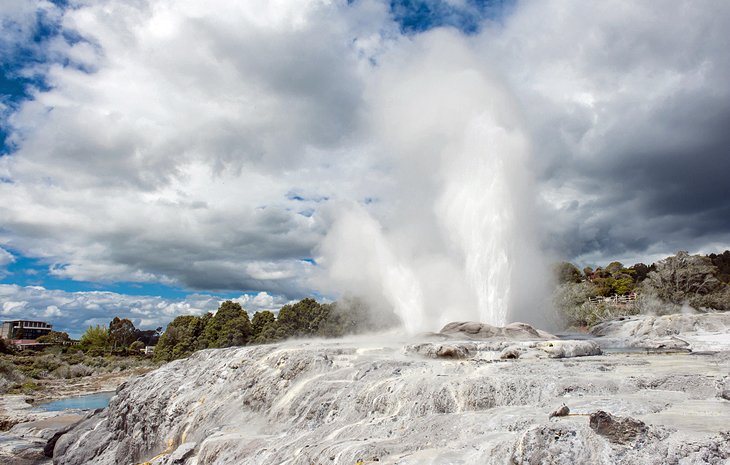
Home to Rotorua's Pohutu Geyser, Te Puia has plenty of geothermal marvels to explore. Located on the outskirts of the town center, Pohutu Geyser is the Southern Hemisphere's largest geyser and sprays water up to 30 meters in the air in eruptions that can last for days on end (one eruption lasted for 250 days). However, these days, eruptions are more likely to last a few minutes.
Nearby is another active geyser, Te Tohu, which also has regular, although smaller, eruptions.
As well as all the geyser action, there are steaming alkaline springs in the area, which the Maori use for cooking, and bubbling mud pools.
When the geothermal sightseeing has finished, the Te Puia park has a kiwi house, where you can see New Zealand's rare and nocturnal national bird up close. It's also home to the New Zealand Maori Arts and Crafts Institute, where you can watch masters and students working on traditional wood and bone carvings and learn about the preservation of Maori artistry.
Address: Hemo Road, Tihiotonga, Rotorua 3040
Official site: www.tepuia.com
7. Hells Gate Geothermal Park
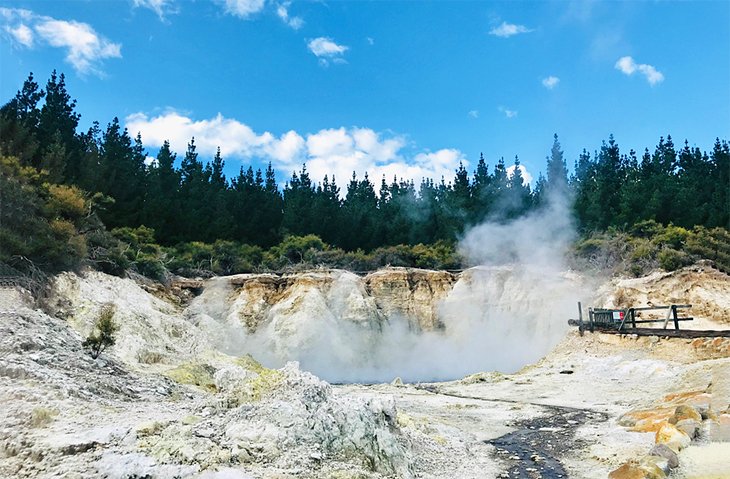
Set amid 50 acres of steaming, boiling geothermal activity-and boasting the Southern Hemisphere's hottest waterfall and some of the most active and violently bubbling hot mud you'll ever see-Hells Gate Geothermal Park certainly lives up to its name.
The Kakahi Falls were once used for bathing by Maori warriors, with the plummeting water cascading over the rocks at a steady 40 degrees Celsius, while the aptly named Inferno area is a steamy vision of pools and bubbling mud that heats up to 100 degrees Celsius.
A little less hot, and much less violent, are the neighboring Hells Gate spa facilities, where you can chill out in geothermal mud baths and sulfurous hot springs.
Address: State Highway 30 Tikitere, Rotorua 3010
Official site: www.hellsgate.co.nz
8. Waitomo Glowworm Caves
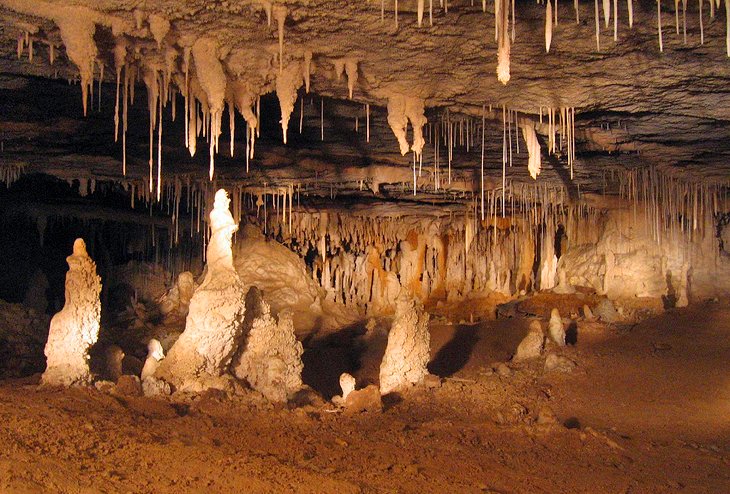
The Waitomo Glowworm Caves are one of New Zealand's most popular sights, and for good reason. This deep limestone cave system, littered with huge stalactites, is home to hundreds of thousands of glowworms (Arachnocampa Luminosa) who illuminate the rock ceilings and walls in a spectacular display of twinkling, tiny spotlights. Boat tours (every half hour) head 250 meters into the subterranean passages of these cathedral-like caverns to witness the phenomenon.
As well as the main caves, the Waitomo area has several surrounding caves for more underground adventures. Both Ruakuri Cave and Aranui Cave can be accessed on foot and allow you to observe the weird limestone formations and stalactites and stalagmites up close, while Ruakuri Cave is also the setting for black water rafting tours deep into the caverns.
Address: 39 Waitomo Village Road, Otorohanga; 139 kilometers west of Rotorua
Official site: www.waitomo.com
9. Hobbiton
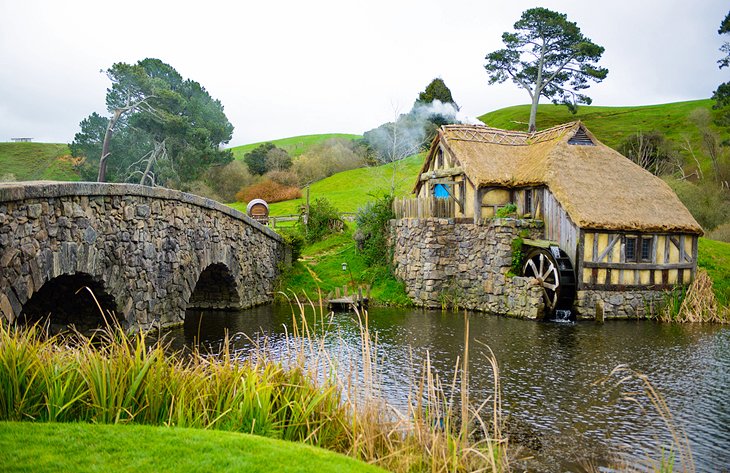
Fans of The Lord of the Rings trilogy and Hobbit films will want to make a beeline to the small town of Matamata for a pilgrimage to the film set of Hobbiton. The entire village created for the movies directed by Peter Jackson is set on the private Alexander Farm. It has been faithfully preserved by the owners, who now guide tours to the site for movie buffs seeking to revel in a slice of Middle-Earth.
With the troglodyte houses of The Shire sitting snuggled into the hillside and the mill and inn standing amid rolling lush green countryside, it truly feels as if you've stepped into Tolkien's fantasy world. Regular themed events and festivals are also held here (check the website for details).
Address: 501 Buckland Road, Matamata; 67 kilometers northwest of Rotorua
Official site: www.hobbitontours.com
10. Kaituna River White Water Rafting
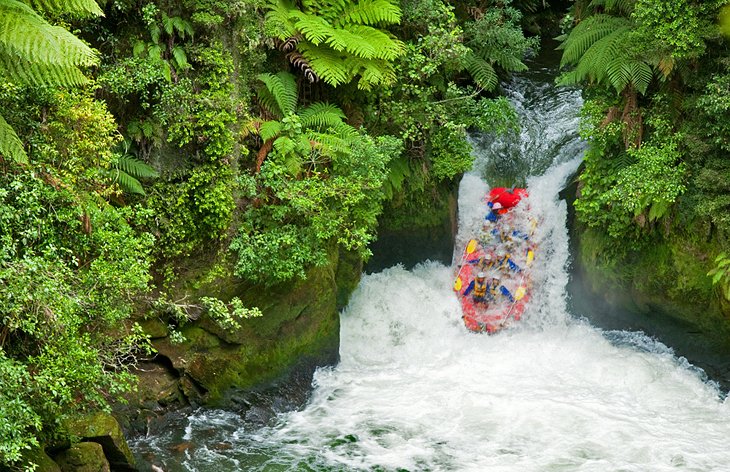
One of the most popular adventures in Rotorua, Kaituna River White Water Rafting is a must-do when visiting this area of outstanding natural beauty.
Fast and furious rapids are the order of the day, and during your three-hour white water trip, you'll be left breathless not just by the pace of the action, but also the jaw-dropping scenery of the canyons and rain forest you pass through. A highlight is the plummet over Tutea Falls, a near vertical drop into the pool below (yes, you'll get wet!). Cliff-diving is also included for those up to it.
While no experience is necessary-these tours are led by professionals-some age restrictions apply. Equipment such as wetsuits, helmets, floating devices, and boots are included with your tour package. Hotel pickup and drop-off is also included.
11. Mount Ngongotaha Scenic Reserve
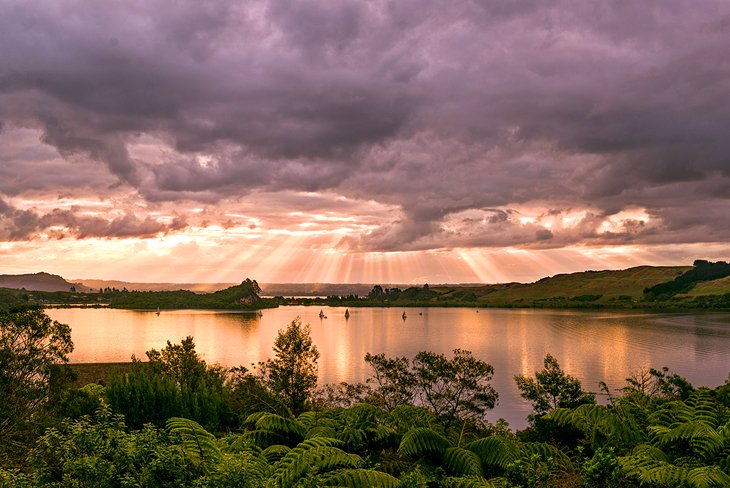
This thickly forest-clad reserve on the volcanic cone of the 757-meter-tall Mount Ngongotaha has two excellent and easy walking trails right on the edge of Rotorua.
The Nature Walk offers a short, three-kilometer stroll through native bush, with many information boards highlighting the native fauna along the way.
The Jubilee Trail is a tougher walk and heads up to the summit on a five-kilometer hike thoroughly enclosed by the tall trees and ferns with their incredible array of green hues. A full loop can be walked by taking Mountain Road down from the summit where you'll get amazing panoramas over Lake Rotorua all the way.
Address: Western Heights, Rotorua 3015
12. Agrodome
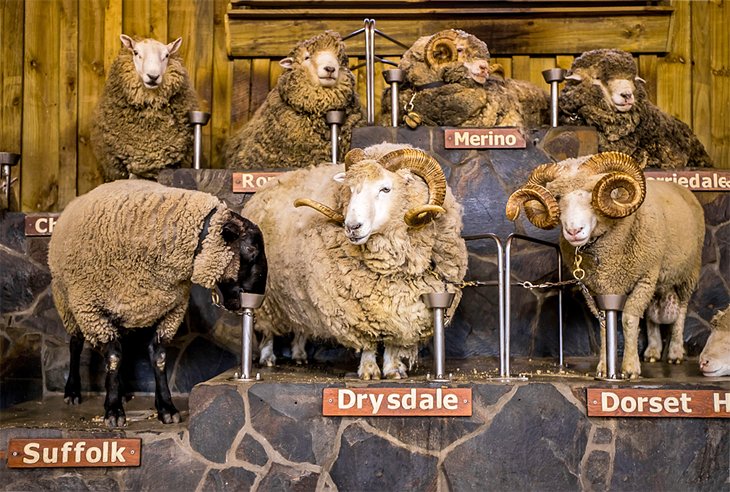
Traveling with kids? Then the Agrodome in Ngongotaha is a must-visit. This 350-acre working farm features plenty of things to do for families, including a popular farm show featuring 19 sheep breeds, shearing demonstrations, sheep dog trials, and a chance to feed the lambs or milk a cow. Interacting with these furry creatures is all part of the fun, especially in the farmyard nursery where you can see (and pet) newborns.
Tractor tours are also included with admission, along with a look at the on-site woolen mill. Tickets for the Agrodome Sheep Show and Farm Tour can be purchased in advance.
Address: 141 Western Road, Ngongotaha, Rotorua 3010
Official site: https://www.agrodome.co.nz
13. Mokoia Island
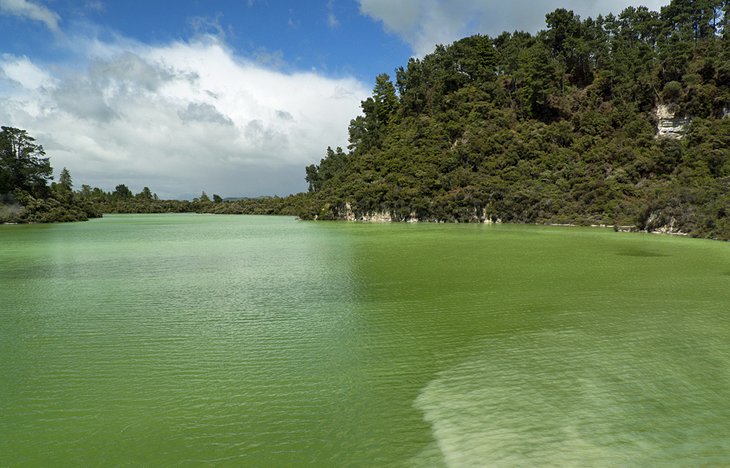
The sacred island of Mokoia is an important wildlife sanctuary for some of New Zealand's rare and endangered birdlife. For the local Te Arawa Maori tribe, this island sitting on Lake Rotorua is steeped in ancient myths and is the setting for the Maori love story of star-crossed lovers Hinemoa and Tutanekai.
Guided tours of the island include opportunities to spot indigenous bird species such as kiwi, kokako, and saddleback and to delve into Maori culture, as local guides explain the deep significance of the island for the Maori people and also demonstrate how the Maori use the native flora for medicinal and cooking purposes.
14. Kaharoa Conservation Area
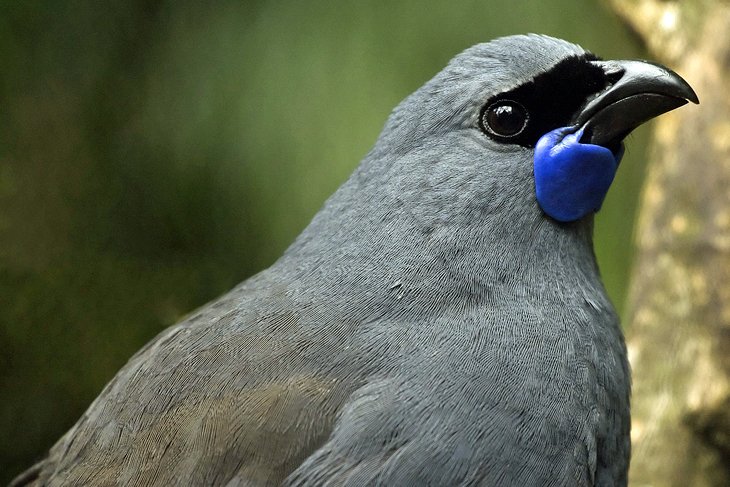
The kokako is one of New Zealand's most endangered birds, and fewer than 1,400 are thought to still live on the North Island. The Kaharoa Conservation Area is one of the best places to hear their distinctive birdsong and spot them.
The easy 1.2-kilometer Kaharoa Kokako Track (also known as Hollow's Track) is a must for nature lovers and bird-watchers who want to try to get a glimpse of the kokako in its natural habitat. The forest here, full of huge king ferns and totara trees, is also home to plenty of easily seen native birds, including tuis and bellbirds.
Address: Kapukapu Road, 36 kilometers north of Rotorua
15. Tarawera Trail
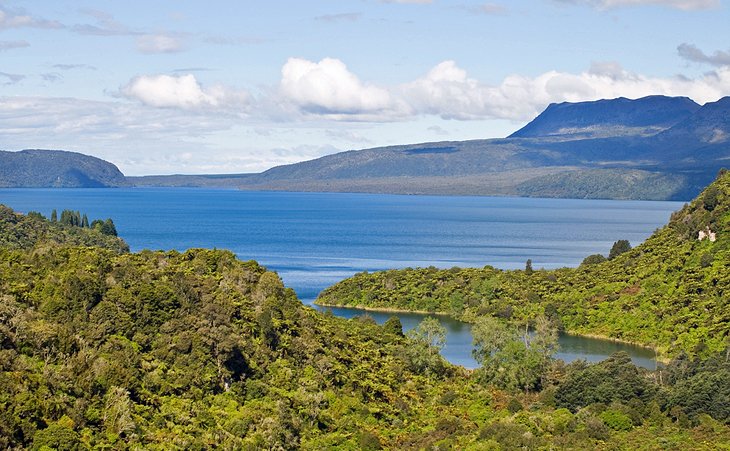
The Tarawera Trail traverses the hilly shoreline of Lake Tarawera for 15 kilometers for panoramic views across the myriad greens of the countryside and the shimmering lake. Backpackers can set up camp at a designated camping ground along the trail, but it's also an excellent day hike to experience the rolling landscape of the lake areas around Rotorua.
The trail ends at Te Rata Bay (also known as Hot Water Beach), where a natural hot spring flows into the lake, and hikers can soak their feet in the hot water. A handy lake water taxi travels to and from the bay for walkers to hop on when they've finished.
Location: Lake Tarawera, 15 kilometers south of Rotorua
16. Whirinaki Forest Park
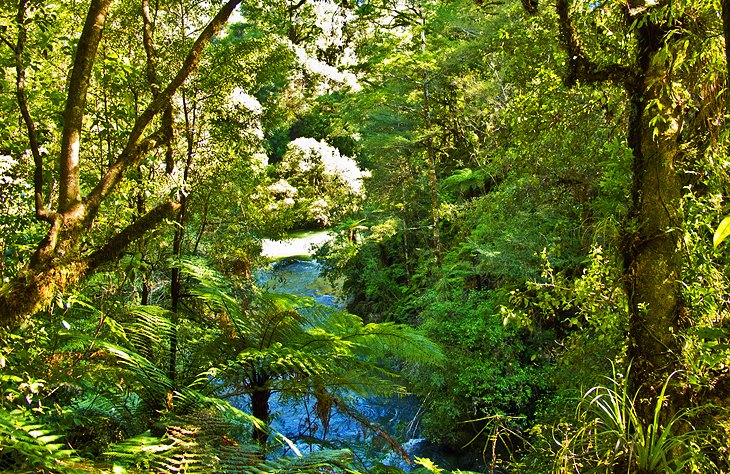
The native podocarp forest in this conservation area has made this one of the North Island's most well-loved national parks and a beacon for hikers, campers, and mountain bikers. Whirinaki Forest Park covers 55,000 hectares of biodiverse New Zealand temperate rainforest with a dense undergrowth of ferns and a high canopy of rimu, kahikatea, and totara trees.
The trail network here is excellent, allowing everything from a short afternoon amble to multi-day treks. For travelers with more time, the Whirinaki Trail offers a chance to savor the full gamut of the scenery here on a two-to-five-day trek.
Location: Whirinaki Forest, 91 kilometers south of Rotorua
Where to Stay in Rotorua for Sightseeing
Rotorua offers a variety of great accommodation options for travelers, many of them located close to top tourist attractions, such as the many geothermal features that dot the area. To help you find the most suitable accommodations, we've gathered together a few of our favorites:
- Luxury Hotels: The Regent of Rotorua adds a splash of luxury to your hotel experience and features classy rooms and suites in a beautiful setting close to downtown Rotorua, along with a restaurant, natural mineral pool, and spa services. Ratcheting the luxury stakes up a notch, the five-star Peppers on the Point - Lake Rotorua is set in a 1930s mansion and comes with larger suites with balconies, sundecks, and private hot tubs, along with a lovely lounge and relaxing gardens. The five-star Koura Lodge is also posh, with B&B-style accommodations featuring separate sitting rooms, along with high-end amenities such as a sauna and private jetty.
- Mid-Range Hotels: Novotel Rotorua Lakeside is a quality mid-range hotel offering guests great views over Lake Rotorua, a mix of standard hotel rooms and suites, a casual restaurant, a heated indoor pool, and a great breakfast buffet. Another good choice is the Holiday Inn Rotorua, popular for its proximity to Whakarewarewa Maori Village, shuttle service, restaurant, and outdoor heated pool. At the higher end of this price category, Quest Rotorua Central is a great choice and offers apartment-style accommodations, in-room breakfasts, and an on-site shop.
- Budget Hotels: YHA Rotorua is a popular hostel for backpackers, close to public transit, and features mixed dorm-style rooms, lockers, a shared kitchen plus dining rooms and BBQs. Rotorua Hideaway Lodge is another affordable option, featuring motel-style rooms along with larger apartments (some with kitchens), and a playground for the kids. Also worth a look is BK's Rotorua Motor Lodge, a popular choice for its proximity to attractions, as well as its larger suites with kitchenettes.
Map of Tourist Attractions in Rotorua
More Related Articles on PlanetWare.com
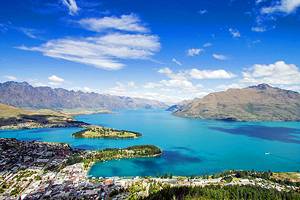
Natural Wonders: New Zealand boasts more than its fair share of natural splendor. Highlights for visitors looking for incredible scenery include Fiordland National Park, popular for its majestic mountains, deep fiords, and outdoor adventures. Also worth including on your New Zealand itinerary, the Westland Region is where you'll find the spectacular Franz Josef Glacier. If you're looking for a great base from which to explore New Zealand's top natural wonders, consider a stay in lovely Queenstown, a lakeside destination that's referred to as the country's "adventure capital."
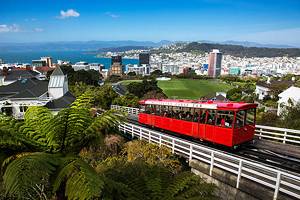
City Stays & Urban Getaways: Auckland is the country's largest city and, as such, has pretty much everything you need for the perfect New Zealand vacation: museums and art galleries, great family attractions, and plenty of shopping and dining experiences. The country's capital, Wellington, is also worth visiting and can also serve as a good base for hiking adventures. Even smaller, the town of Napier offers numerous examples of Art Deco architecture, most of it dating from the 1930s.
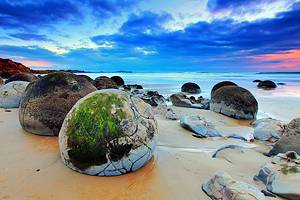
New Zealand Vacation Ideas: Those wanting to explore the country's colonial past can do so in Dunedin, popular for its rich Scottish heritage. The town of Taupo also features a variety of historic sites, including a number focusing on the Maori culture. Finally, be sure to consider adding the beautiful Bay of Islands to your New Zealand travel itinerary, especially if you're interested in marine animal experiences, such as whale watching.