Attractions & Places to Visit in Erfurt
Erfurt, the capital of Thuringia, is an old university city with a rich history that dates back more than 1,200 years. Once the meeting place of church Synods and Imperial Diets, it was here that the Congress of Erfurt took place in 1808 when Napoleon met with the Tsar of Russia and the German Princes in an attempt to reaffirm old alliances.
As well as being an important center for agriculture and gardening, Erfurt is known as the "many-towered city" for the spires of its cathedral and numerous churches. It's also famous as the place where Martin Luther reputedly had his vision that was to spark the Reformation.
Erfurt is also a great city to explore on foot, and for a fun family thing to do, join one of the regular free walking tours of the many attractions found in the city's Old Town (Altstadt). These family-friendly adventures are hosted daily by Erfurt Tourist Information.
You can find out more about the best places to visit with our list of the top tourist attractions and things to do in Erfurt, Germany.
Take a Tour of Erfurt Cathedral
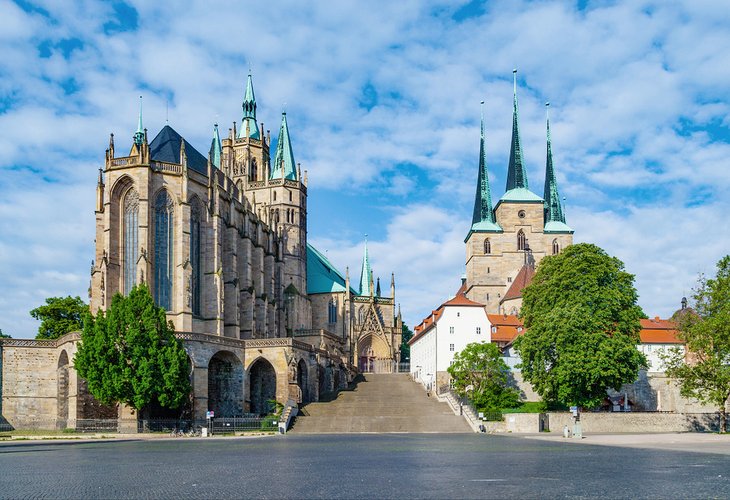
Roman Catholic Erfurt Cathedral (Erfurter Dom), also known as St. Mary's Cathedral, was founded in AD 742. It was replaced by a Romanesque basilica in 1154, and later additions included its High Gothic choir from 1370 and its three 19th-century towers.
The central tower houses the largest surviving medieval-era bell in the world, the Maria Gloriosa. Also known as the Erfurt Bell, it's famed the world over for the clarity of its tone. The cathedral's 15 tall windows in the choir are masterpieces of medieval stained glass and are unique in Germany for their size and unity of theme.
Among the cathedral's other treasures are its sumptuous Baroque high altar, the finely-carved 14th-century choir-stalls, a stucco figure of the Virgin from 1160, and the mid-13th-century tomb of Count von Gleichen and his two wives. A pleasant café is located on-site, and English language tours can be booked (a fun audioguide for kids and families is also available). For a special treat, be sure to return after nightfall when the cathedral is lit up to spectacular effect.
Address: Domstufen 1, 99084 Erfurt, Germany
See Europe's Oldest Synagogue and its Historic Treasures
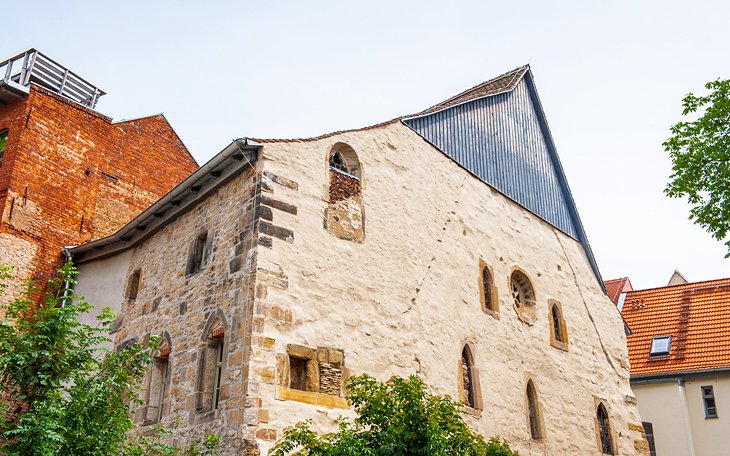
Built around AD 1100, the Old Synagogue (Alte Synagoge) in Erfurt is the oldest and most famous such religious site in Europe. Today, this well preserved medieval structure houses the excellent Erfurt Treasure (Erfurter Schatz), an extremely rare hoard of coins and jewelry believed to have been hidden during the Black Death of 1349 and the subsequent persecution of the city's Jewish population.
Discovered in 1998 in the city's old Jewish district and believed to have been hidden during a massacre of the Jewish community in the 1300s, the collection includes more than 3,140 silver coins, some 700 gold pieces, and 14 ingots from the 13th and 14th centuries. Also of interest are its reproductions of the original medieval Erfurt Hebrew Manuscripts, now held in the Berlin State Library. Guided tours lasting between 60 to 90 minutes are available.
Other sites related to the city's Jewish community are the Small Synagogue, a 19th-century house of worship, which now houses displays of Jewish life in Erfurt, and the Mikveh, a 13th-century bath used for religious ceremonies, now a museum. Together these sites provide a fascinating look into Jewish culture and lives in this part of Europe during the medieval period.
Address: Waagegasse 8, 99084 Erfurt
Official site: http://juedisches-leben.erfurt.de/jl/en/
Visit St. Severus Church and Domplatz
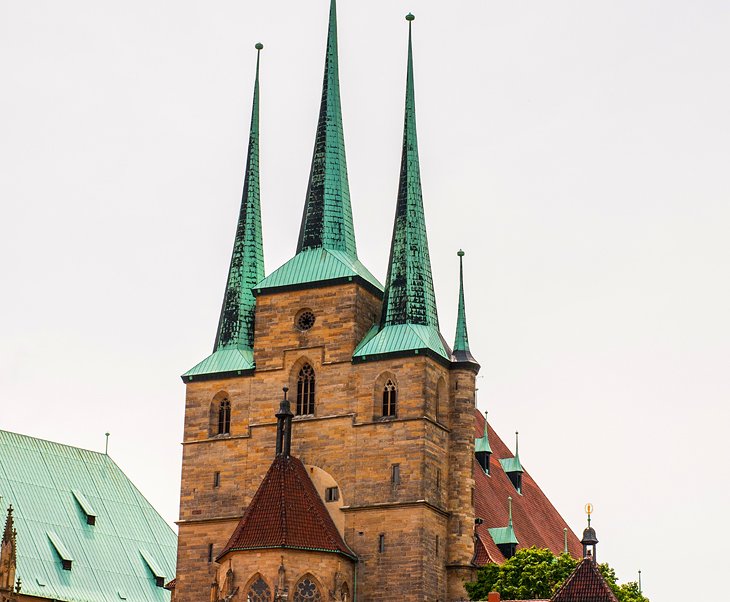
St. Severus Church, or the Severikirche, was first mentioned in 1121. Perched atop Erfurt's Domberg (Cathedral Hill), this lovely Early Gothic hall-church boasts double lateral aisles and a richly furnished interior, which includes the tomb of St. Severus from 1365 and a spectacular 15-meter-high font.
Joined to Erfurt Cathedral via a 70-step staircase, these two structures dominate the Domplatz, the historic cathedral square with its handsome old buildings. Also here is the 18th-century Grüne Apotheke (Green Pharmacy) and Zur Hohen Lilie, one of the finest Renaissance buildings in Erfurt.
Guided tours of St. Severus Church are available for a small charge, and can be combined with a tour of the neighboring cathedral.
Address: Severihof 2, 99084 Erfurt
Explore the Old Fish Market (Fischmarkt)
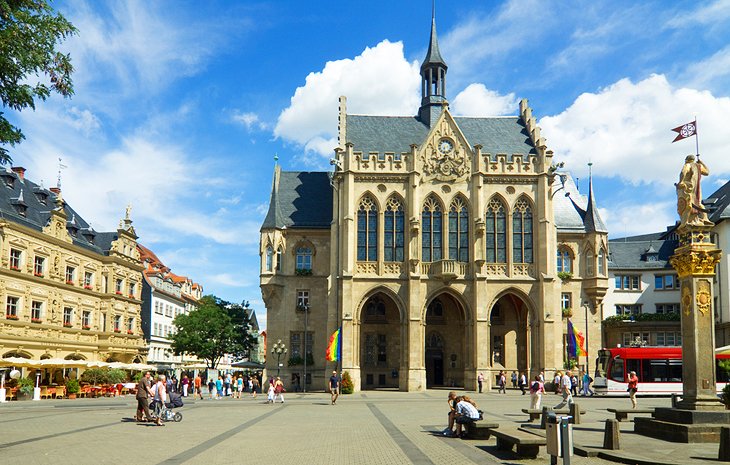
Erfurt's Marktstrasse leads into the Fischmarkt, or Fish Market, where the city's old trade routes once intersected. Highlights of the old square are a figure of Roland from 1591, and Zum Roten Ochsen and Zum Breiten Herd, two richly decorated Renaissance buildings.
Also of note is the attractive Neo-Gothic Town Hall (Rathaus). Built in 1874, it's notable for the large murals of local legends and characters adorning its interior walls. And be sure to look out for the Church of St. Aegidius. Located at the east end of the Old Merchant Bridge (see #5 below), it offers excellent views of the old city from its tower.
Address: Fischmarkt 1, 99084 Erfurt, Germany
Cross Over (or Under) the Old Merchants' Bridge
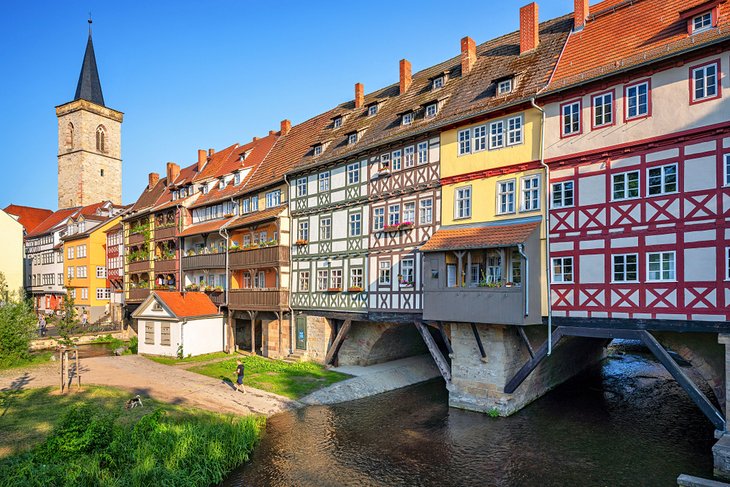
A short stroll to the northeast of the Fischmarkt is the city's famous Krämerbrücke, or Merchants' Bridge. First written about in 1117, this magnificent 125-meter-long medieval bridge spans the River Gera and is unique for the many old houses lining its sides. Little changed in 500 years, it's the longest such bridge in Europe.
It's a wonderful place to explore on foot - especially during the Merchants' Bridge Festival in June - and is full of quaint galleries, boutique shops, cafés, and restaurants. It's also still home to some 80 residents, who occupy the pleasant old townhomes that line the bridge.
Address: Krämerbrücke, 99084 Erfurt
Official site: www.kraemerbruecke.de/en
Learn about Erfurt's Martin Luther Connection at the Augustinian Monastery
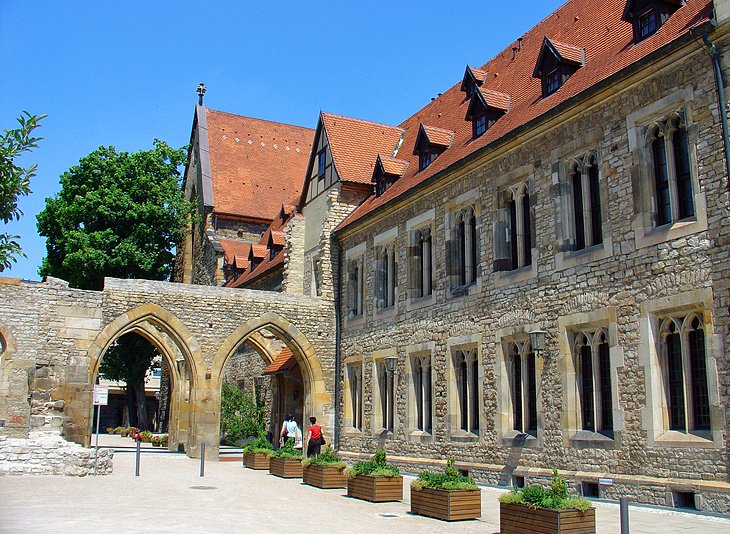
Augustinerstrasse is best known for its splendid 13th-century Augustinian Monastery (Augustinerkloster). Founded in 1277 and known in full as Protestant Augustinian Monastery Erfurt, it was here that the young Martin Luther became a monk in 1505. The property can be visited by guided English language tours, which include a look at Luther's tiny room, the Lutherzelle.
Other highlights include the beautiful Comthureihof from 1593 and the St. Elisabeth Chapel with its murals. There's also a fascinating exhibit called Bible Monastery Luther, which details the famous Reformer's time here.
Also of interest are the Georgenburse, the former student quarters where Luther resided as a 17-year-old in 1501. Other highlighths include the Luther Stone, a monument marking the place where the Reformer pledged to become a monk after being saved from death during a storm; and the Luther Trail, which connects Erfurt with 30 other sites across Thuringia. For a truly memorable experience, look into booking an overnight stay at the monastery.
Address: Augustinerstraße 10, 99084 Erfurt
Official site: www.augustinerkloster.de/en/
Shop in Anger
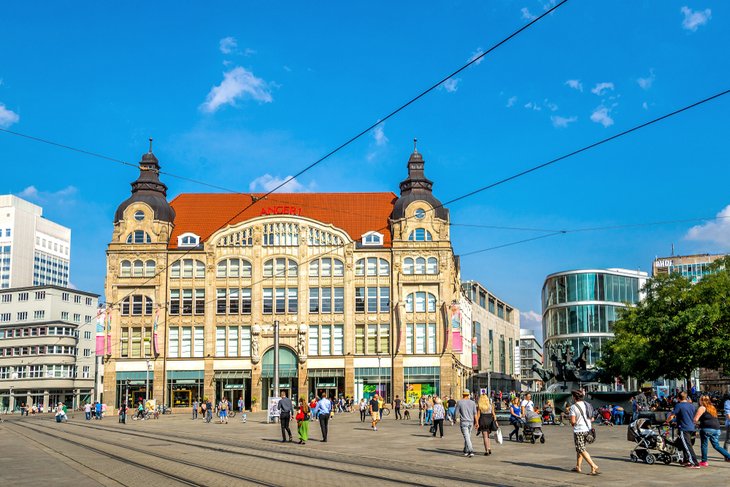
One of Erfurt's oldest streets, Anger has traditionally been the city's main shopping and trade area. Where once textiles, wool, and wheat were traded in Angerplatz, the central square where the street starts, numerous shops can now be found, from small craft and antique shops to fancy boutiques, galleries, and department stores.
Other tourist attractions include the Angermuseum, housed in the richly decorated Baroque Packhof, with displays of arts and crafts from the Middle Ages to modern times; and the Municipal Museum, housed in the richly decorated Haus Zum Stockfisch. This Late Renaissance building dates from 1607 and outlines the history of the city through informative displays and artifacts.
Anger is also where you'll find St. Bartholomew's Tower (Bartholomäusturm). This 12th-century structure is famous for its carillon of 60 bells.
Visit Petersberg Citadel
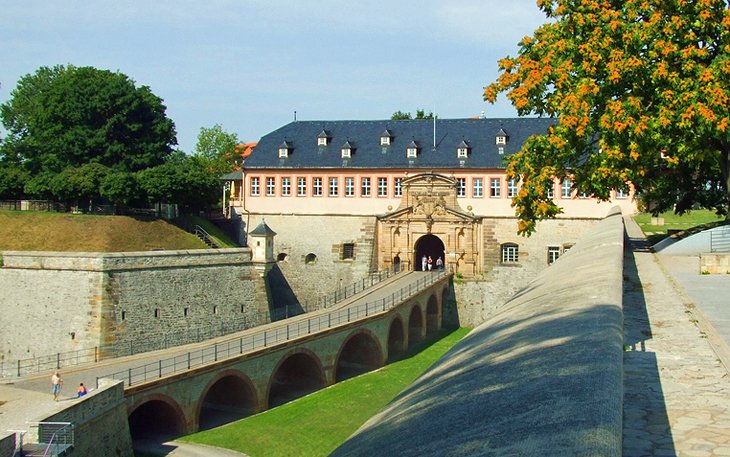
Another old district of Erfurt that must be visited is Petersberg, or St. Peter's Hill. Here, you'll find St. Peter's Church (Peterskirche), a splendid Romanesque aisled basilica built on the site of an 11th-century monastery and one of the earliest buildings of the Hirsau school in Thuringia.
Also of interest is Petersberg Citadel (Zitadelle Petersberg). Considered one of Europe's largest and best-preserved Baroque fortresses, the citadel is famous for its over two kilometers of sturdy stone walls. It was built in the 17th-century, and a highlight is exploring the fort's extensive maze of underground tunnels. These are accessible as part of a two-hour guided tour of the fortress. Along the way, you'll also see evidence of a Napoleonic-era tunnel, which joined Petersberg Citadel to the smaller Cyriaksburg Citadel.
Also worth visiting is the fort's fully-restored 19th-century bakery, which also includes a café. English language tours are available and can be organized through the local tourism office.
Address: Petersberg, 99084 Erfurt
Get Back to Nature at Erfurt Zoopark

To the north of Erfurt, on the Roter Berg, is the family-friendly Erfurt Zoo. This fun attraction is home to over 1,060 animals representing some 193 or so species. The zoo is particularly well known for its rare breeds of monkeys, including black-and-white colobuses, John's langurs, Entellus langurs, and Douc langurs.
Other highlights of this 153-acre site overlooking the old city are its African elephants, lions, giraffes, and white rhinos. There's also an interesting aquarium that's worth seeing. Also notable is the fun petting zoo area for those traveling with children, as well as a playground with water activities.
Guided tours are available, and an on-site restaurant, café, and snack bar serve a variety of family-friendly meals.
Address: Am Zoopark 1 99087 Erfurt
The Angermuseum
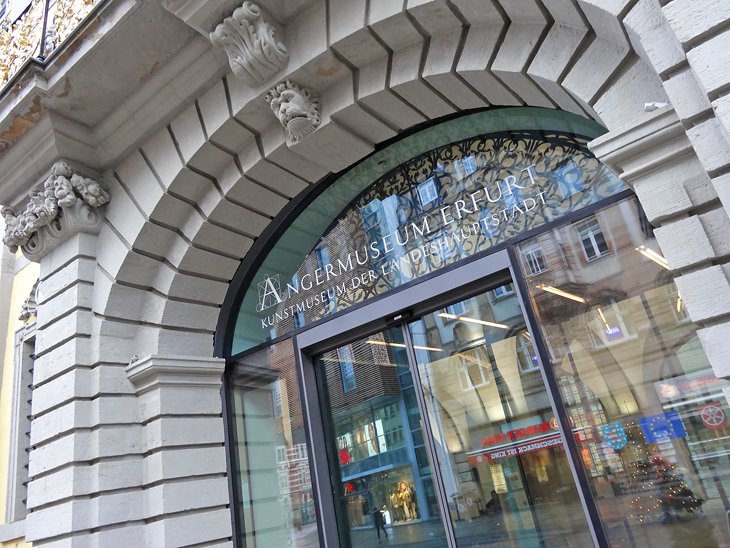
The city's first public museum, the Angermuseum was established in 1886 in a historic building notable for housing Erfurt's old public scales. Highlights of the museum's impressive collection of artwork includes examples by such notable German artists as Friedrich Nerly the Elder, famous for his paintings and sketches of Venice.
All told, the museum now houses over 700 paintings of scenes from Italy. German Expressionists represented here include Emil Nolde, Max Pechstein, and Gerhard Marcks, along with a number of rare murals by Erich Heckel.
Also on view are fine examples of graphic art, as well as medieval religious sculptures and paintings. German crafts are represented by a number of rare glass pieces (some as old as 800 years), porcelain, and jewelry.
The Erfurt Natural History Museum (Naturkundemuseum Erfurt) is also worth a visit. It's notable for its interesting displays relating to the geology and animal population of Thuringia.
Address: Anger 18, 99084 Erfurt
Take a Stroll around egapark Erfurt
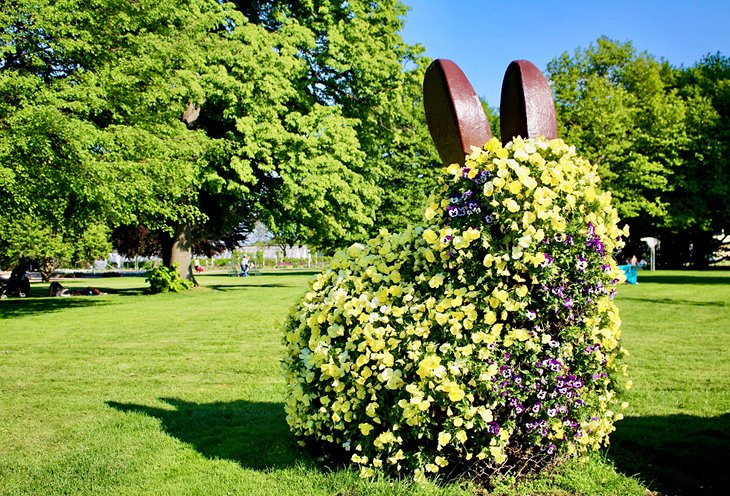
Erfurt is also known for its many pleasant public parks and green spaces. One of the best is egapark Erfurt. Established in the 1960s, it's notable for its many period sculptures, and for being home to Europe's largest ornamental flowerbed.
Other attractions here include a pleasant Japanese rock and water garden, a rose garden, and a number of tropical greenhouses. If traveling as a family, be sure to take the kids to the butterfly house. Afterwards, let them blow off steam in what's billed as the state's biggest playground, which includes a petting farm.
Also of interest is Cyriaksburg Castle. Although a relatively small citadel, it's worth visiting for the German Horticultural Museum (Deutsches Gartenbaumuseum), with its interesting displays and exhibits relating to the country's strong affinity to gardening over the centuries.
Address: Gothaer Str. 38, 99094 Erfurt
Memorial and Educational Site Andreasstraße
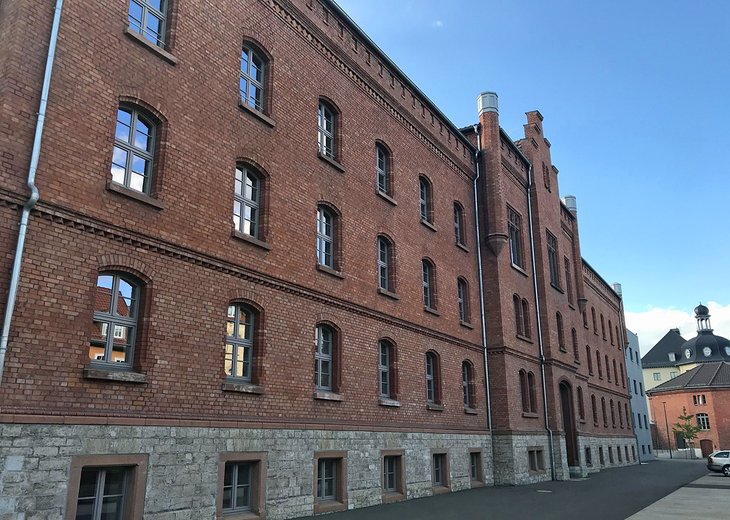
Erfurt is also where you'll find two important museums that deal with more recent history: the Nazi and Communist regimes. The first of these, the Memorial and Education Centre Andreasstraße (Gedenk- Und Bildungsstatte Andreasstrass) deals with the socialist dictatorship that occupied the region after the war and until the fall of the Berlin Wall in 1989.
Housed in a former prison run by the infamous Stasi police, the museum's permanent exhibits include fascinating multi-media presentations covering matters such as revolution and imprisonment, as well as a chilling look at the nature of dictatorship. Other highlights include the chance to visit a fully restored prison wing. English language guided tours are available by arrangement.
Equally sobering is Remembrance Topf & Sons - Builders of the Auschwitz Oven (Erinnerungsort Topf & Söhne - Die Ofenbauer von Auschwitz). Housed in the former factory where the infamous ovens and related equipment used to murder millions in Auschwitz was made, this educational center and museum has, since 2011, served as a chilling reminder of the horrors of the Nazi dictatorship. This shocking story of industrial collaboration includes displays from the company's archives and artifacts from the concentration camps in which they were complicit in genocide.
Address: Andreasstraße 37a, 99084 Erfurt
Official site: https://stiftung-ettersberg.de/en/andreasstrasse/
Take a Side Trip to Molsdorf Palace and Park
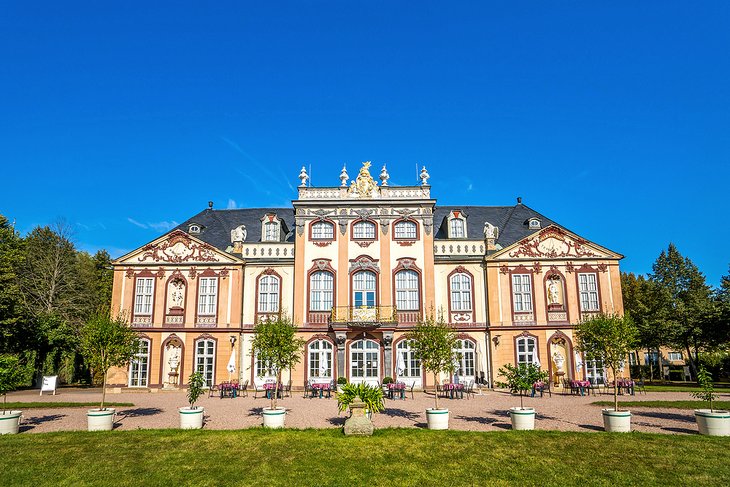
Just 10 kilometers southwest of Erfurt, the moated Molsdorf Palace and Park (Schloss Molsdorf) is one of the finest Rococo palaces in Thuringia. Built by Count von Gotter as a summer palace between 1736 and 1745 and thoroughly restored, it's now a museum open to the public.
Highlights include a hidden spiral staircase in the Count's bedroom; sumptuous period interior décor; and numerous pieces of artwork, including statues and vases. An on-site museum offers fascinating details of the palace's construction and history, as well as the colorful life of Count von Gotter. Guided tours are available.
A café is on-site and overlooks the beautiful park, laid out in 1826 and fun to spend time exploring.
Address: Schloßplatz 6, 99094 Erfurt
Day Trip to Naumburg to see Naumburg Cathedral
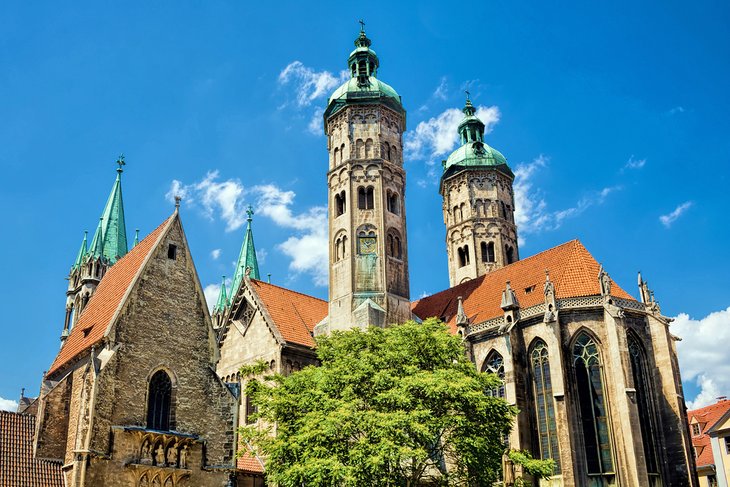
Located about 100 kilometers northwest of Erfurt is the Late Romanesque and Early Gothic Cathedral of Saints Peter and Paul (Naumburger Dom St. Peter und St. Paul) in Naumburg. Widely regarded as one of Europe's finest cathedrals - it was also recognized as a UNESCO World heritage Site in 2018 - this aisled cruciform basilica with its vaulted roof, twin choirs, four towers, and Romanesque crypt, was built in 1170. It's perhaps best known for the 12 figures of the donors who funded its construction.
Set in the West Choir, these life-size masterpieces, known locally as "Stifterfiguren," were carved from limestone by an unknown local artist in 1250 and include two that have since become known as the city's most famous couple: Ekkehard and Uta.
Other interior highlights of outstanding quality in Naumburg Cathedral are the reliefs of the Passion on the west choir screen, the medieval stained glass in some of the windows, several altars and sculptures, and a number of fine monuments. On the south side of the cathedral, incorporated in the cloister, is the parish Church of St. Mary (Marienkirche).
Address: Domplatz 16, 06618 Naumburg (Saale)
Official site: www.naumburger-dom.de/en/
Take a Trip to Coburg Fortress
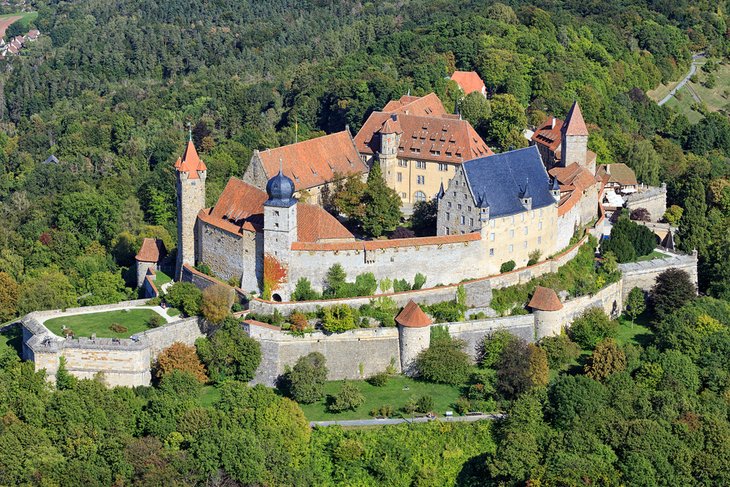
Located about 90 kilometers south of Erfurt, the former ducal capital of Coburg lies on the southern slopes of the Thuringian Forest on the river Itz, a tributary of the Main. Looming over the city, Coburg Fortress (Veste Coburg) is one of the largest castles in Germany, dating mainly from the 16th century and restored in the 19th and 20th centuries.
The art collections in the Luther rooms here feature impressive displays of old glass, porcelain, and decorated earthenware. Extending up the hill to the castle lies the beautiful Hofgarten (Court Garden) with many important monuments and the mausoleum of the Dukes.
Other Coburg palaces to visit include the magnificent Ehrenburg, formerly the ducal palace, Schloss Rosenau, and Callenberg Palace, a medieval castle with centuries of royal history to reveal.
In the town center, the attractive Markt is a lovely place for a stroll with its Town Hall (Rathaus) dating from 1579 and the former government offices in a richly decorated Late Renaissance building of 1599.
Address: Veste Coburg 1, 96450 Coburg
Official site: www.kunstsammlungen-coburg.de/en/home/
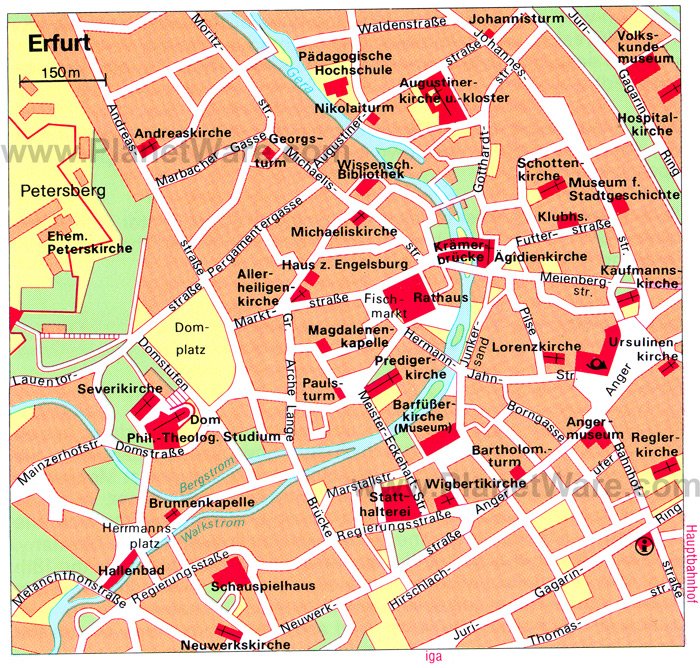
Map of Attractions & Things to Do in Erfurt
More Related Articles on PlanetWare.com
Take the Train: Just 15 minutes east of Erfurt by rail is Weimar. Widely considered the cultural capital of Germany, it's here you'll find Goethe House, the home for 50 years of famed writer Johann Wolfgang von Goethe, as well as the Bauhaus Museum, a superb facility that commemorates Germany's most important design movement.
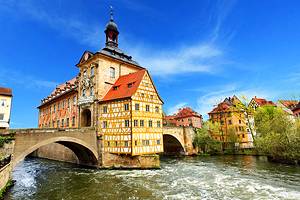
Just 45 minutes farther east are the attractions of Leipzig, including its historic Mädlerpassage, a superb old shopping arcade that is a delight to explore on foot. Bamberg, 45 minutes by train to the south, is another must-visit, this time for its Old Town Hall (Altes Rathaus), famous for being built in the middle of a bridge.
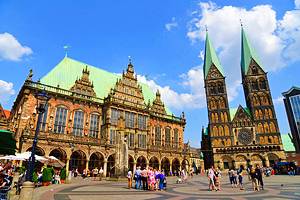
Magnificent Marketplaces: Germany's historic towns and cities are wonderful places to explore, especially those that have managed to preserve their old marketplaces, or Marktplatz (which is a lot of them!). Favorites include historic Hanover, whose Old Town area centers around the Marktplatz and its attractive church, Marktkirche, as well as the northern port city of Bremen, known for its Marktplatz statue of Roland, the country's best-known knight.
Another important Marktplatz can be enjoyed in Wittenberg. Famous as the birthplace of Reformer Martin Luther, the city's Marktplatz has been declared a UNESCO World Heritage Site for the sheer number of important historic buildings located around it.
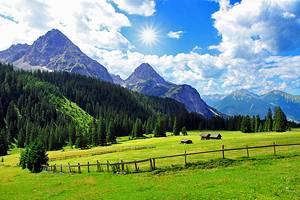
Bavaria Bound: Bavaria is not only one of the most famous of Germany's states, it's also one of the top places to visit. Fun things to do here include exploring the Bavarian Alps, home to the spectacular Zugspitze, part of the popular Garmisch-Partenkirchen resort region, and the Berchtesgaden National Park, a popular destination for hikers from across Europe.
Bavaria is also where you'll find beautiful Lake Constance, popular for its historic old towns and villages, its lakeside hiking and biking trails, as well as for being home to the magnificent 'flower island' of Mainau.