Highlights of Pergamum (Bergama) & the North Aegean
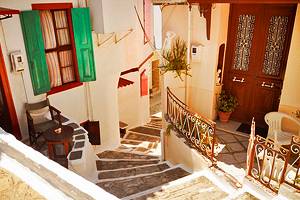
From the hilltop Hellenistic ruins of ancient Pergamum that loom over the town of Bergama to quaint coastal villages of cobblestone streets lined with pastel-hued houses, the North Aegean region is packed full of sights.
Despite its historic tourist attractions and coastal scenery, this area tends to be overlooked by foreign travelers in their rush to get to Turkey's big-hitter ruins farther south along the coast. If you have time up your sleeve, though, the North Aegean doesn't disappoint.
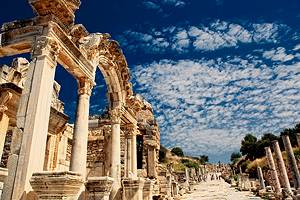
Pergamum (Bergama) itself is reason enough to add the North Aegean into your itinerary with its mighty hill summit ruins one of the best places to visit in Turkey to capture a sense of the Classical era.
The North Aegean is also where many city Turks come for their holidays, in sleepy beachfront towns that burst into life every summer. They have no idea why international tourists seem to miss the North Aegean either, but they're happy to keep it Turkey's best-kept coastal secret for a while longer.
For ideas on things to do, read our list of the top highlights of Pergamum (Bergama) and the North Aegean.
Admire Pergamum's Acropolis (Bergama Akropol)
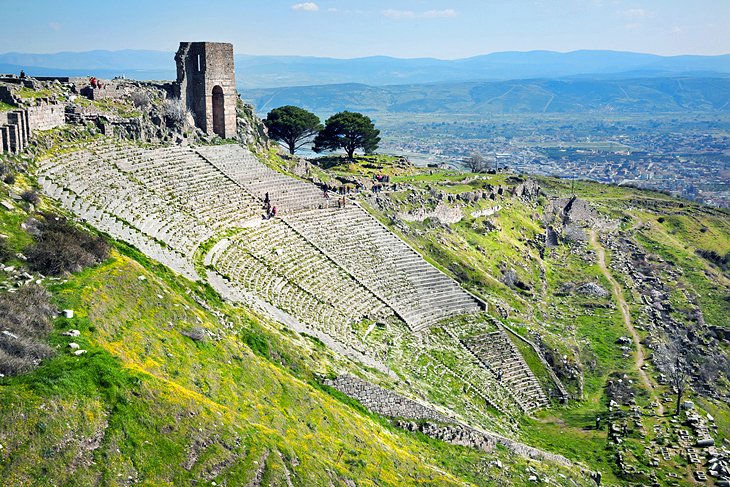
The ancient site of Pergamum (also often known as Pergamon and called Bergama in Turkish) should win an award for its stunning location alone.
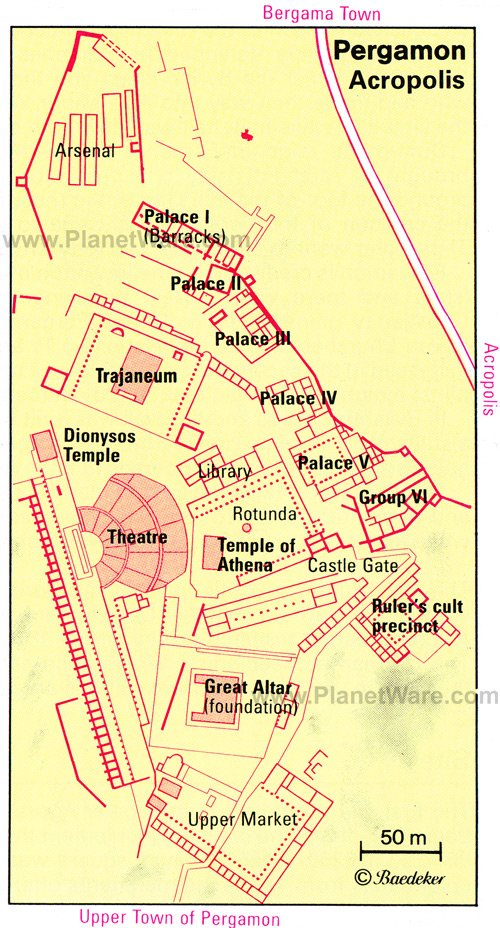
Rolling across the hillside, five kilometers from the modern town of Bergama (there is a cable car if you have no car and don't fancy the steep ascent), Pergamum's Acropolis area was once the beating heart of a powerful Hellenistic city.
The most striking feature is the 15,000-seat theater, set into the steep southwest slope of the hill and reached by a narrow flight of steps from the Temple of Athena.
Adjoining the temple are the ruins of Pergamum's famed library, built around 170 BCE and once home to one of the largest libraries in the ancient world with 200,000 volumes (later carried off to Alexandria by Mark Antony as a gift to Cleopatra).
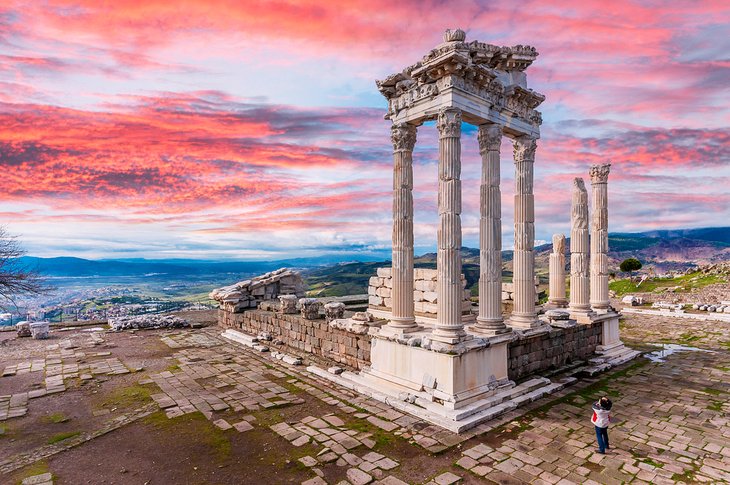
To the west of the library is the Temple of Trajan, built in the Roman era, with its marble colonnaded terrace.
Below the theater, you can see the remnants of the Great Altar (Altar of Zeus) dating from the 2nd century BCE.
You'll have to imagine what the altar looked like when it was covered with its original elaborate friezes depicting scenes from the Gigantomachy (the great battle between the Olympian gods and the Gigantes) as it was all carted off to Berlin by German archaeologists in the 1870s.
Today the friezes are known as the Altar of Pergamon and form the highlight exhibit of Berlin's Pergamon Museum.
Despite the ruins here being nearly wholly from the Hellenistic era, for Christian visitors traveling in Turkey, Pergamum's Acropolis is often an important stop on a biblical tour, as the Pergamum church was one of the seven churches of the Revelation (along with Ephesus and Laodikeia).
Official site: https://muze.gov.tr
Explore Pergamum's Asclepion (Bergama Asklepion)
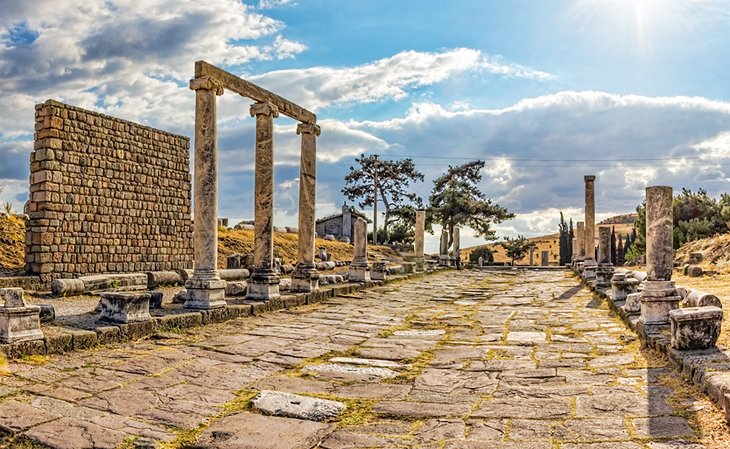
This ancient spa is a two-kilometer uphill hike from the modern town of Bergama.
During the 2nd century, it thrived as a major healing center, with mud bath treatments and the use of herbal remedies, and many of its remaining buildings date from its Roman-era glory days rather than the earlier Hellenistic period.
The physician Galen was born in Pergamum and returned to practice medicine here after his studies in the great centers of the Roman world. The work he did here would go on to become the founding elements of Western medicine.
An imposing colonnaded street leads you into the main complex, which holds a sacred well, library, Roman theater, and the Temples of Asclepius and Telesphorus. These temples are where patients would pray for recovery to the gods of medicine.
Official site: https://muze.gov.tr
View Bergama's Red Basilica
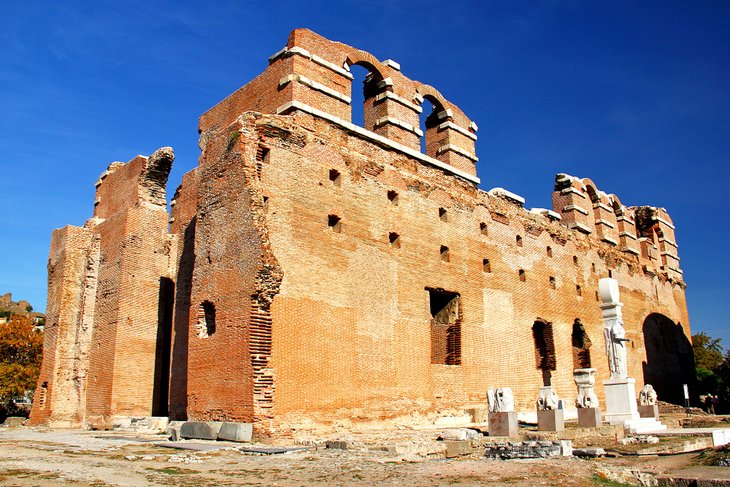
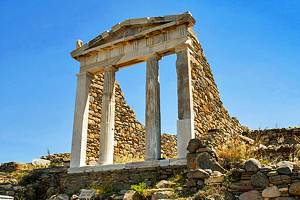
This massive red-brick ruin, which sits in Bergama town, was originally built by Hadrian (CE 117-138) as a temple dedicated to the gods Serapis and Isis.
Later, in the Byzantine era, it was converted into a church and dedicated to the Apostle John, who had earlier named Pergamum as one of the seven churches of the Revelation (also sometimes known as the seven churches of Asia Minor).
During the time of John writing the letters that would become the Biblical book of Revelation (around CE 96), Pergamum's Christian congregation (referred to as the Pergamum church) suffered great persecution and were regarded as a seditious sect, which is why Pergamum is referred to in Revelation as the place "where Satan has his throne."
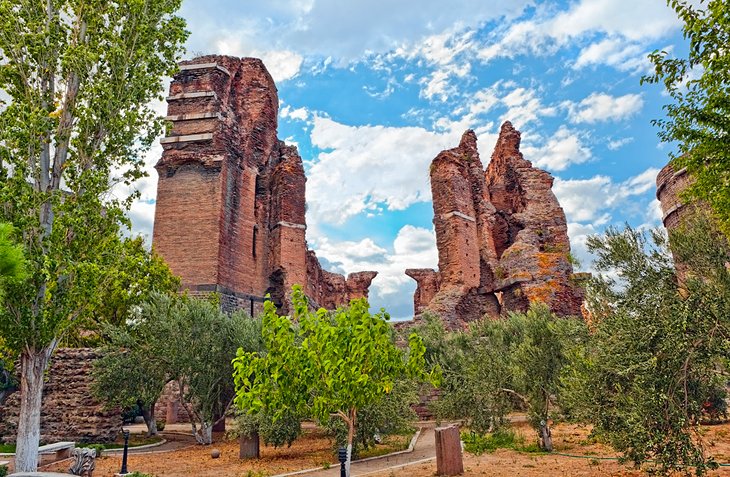
Some people believe that John could be referring specifically to this grandiose pagan temple as the throne of Satan, while others believe it could be a reference to the Altar of Zeus.
Although the interior of the Red Basilica is severely ruined, the building is definitely worthy of a visit just to witness the sheer bulk of the remaining walls, which give a great idea of how foreboding and impressive the temple must have looked when fully standing.
The interior was divided into three aisles by two rows of columns. The central aisle ended in a semi-circular apse, with a crypt underneath.
Address: Kınık Caddesi, Bergama
Official site: https://muze.gov.tr
Visit Bergama Archaeological Museum
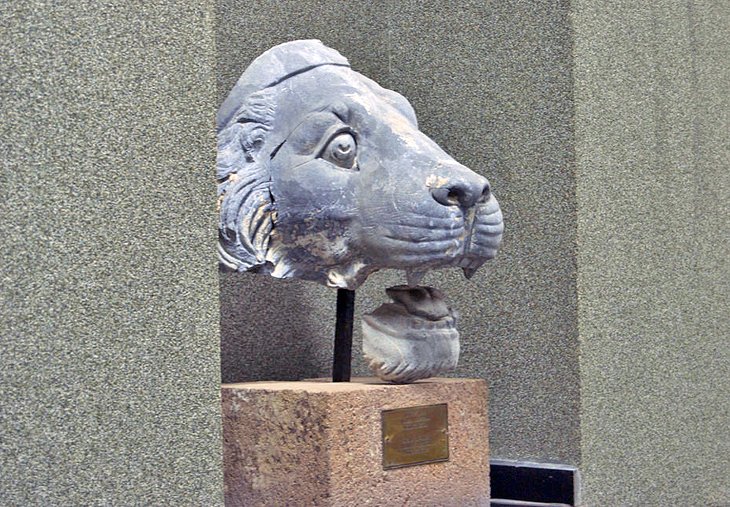
When you've finished your sightseeing around the ruins of Ancient Pergamum, don't forget to poke your head in Bergama's small but well laid out museum.
Excellent exhibits here display finds from both the Acropolis and Asclepion, including intricately detailed Hellenistic friezes and Roman mosaics and statuary. Of particular note is the display of "Pergamum School" statues of gods dating from the 4th century.
Inside the museum, you can also see a replica of the Altar of Pergamon that today sits in Berlin's Pergamon Museum.
A less interesting ethnography section has some rather sad and dusty looking dioramas displaying typical scenes from Ottoman-era life.
Address: Cumhuriyet Caddesi, Bergama
Official site: https://muze.gov.tr
Relax on Bozcaada
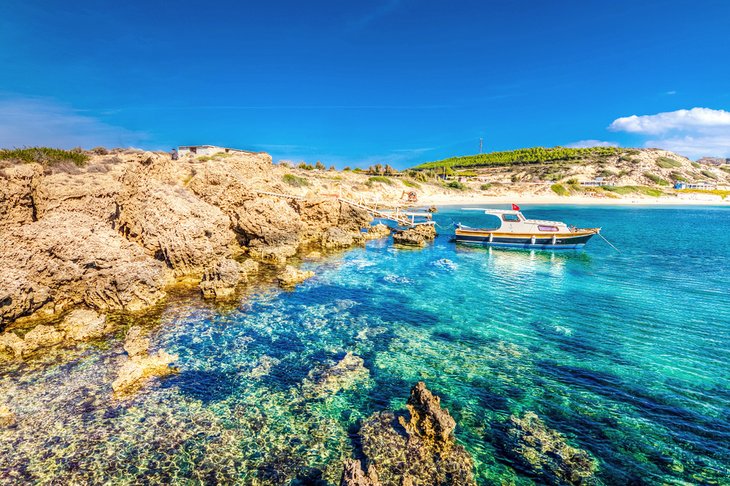
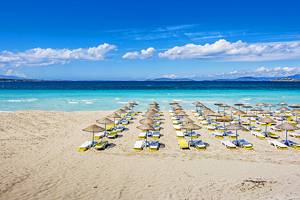
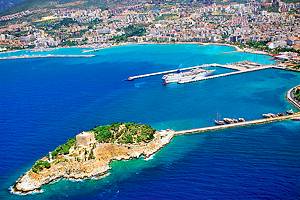
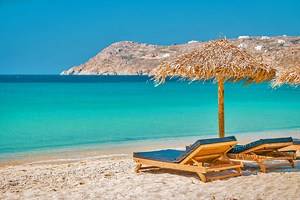
Tiny Bozcaada is a sun-worshiper's paradise, with glorious beaches backed by vine-covered green slopes.
It's one of Turkey's most famous island summer escapes and a hugely popular vacation destination with city-siders from Istanbul and Izmir, who come here to relax, soak up the sun and sand, and hang out at the many chichi cafés.
Little Bozcaada town is the island hub, with a warren of cobblestone alleys wrapped around a Byzantine-era castle that looks across the harbor.
Two of the most popular stretches of sand are Ayazma Beach and Ayana Beach.
Ferries to Bozcaada run regularly throughout the day from Yükyeri ferry terminal on the mainland, near the town of Geyikli. During the summer months, there are also daily ferry departures from Çanakkale.
Soak Up the Holiday Scene in Alaçatı Village
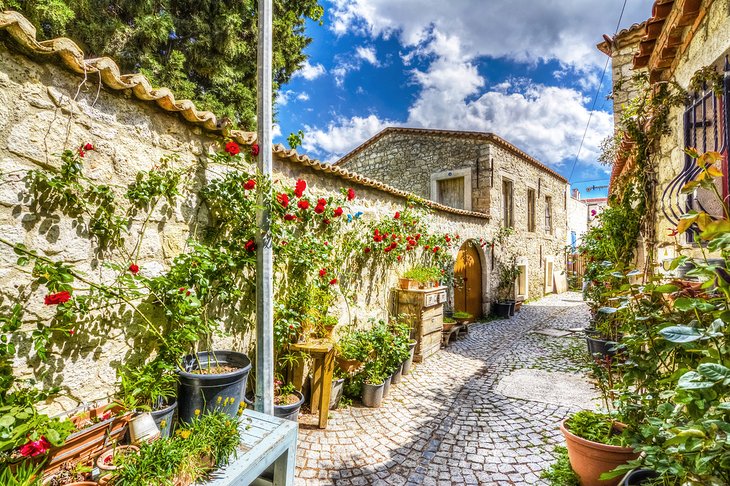
One of Turkey's chicest summer vacation destinations, Alaçatı is a boutique-hotel haven with a burgeoning foodie scene. It's the prime beach town of Turkey's Çeşme Peninsula, sitting 77 kilometers west of Izmir.
The beautifully restored, traditional stone houses of the village host cafés and restaurants specializing in local Aegean dishes, and if Turkey's famed culinary scene is high on your reasons for visiting then an Alaçatı stop should be on your itinerary.
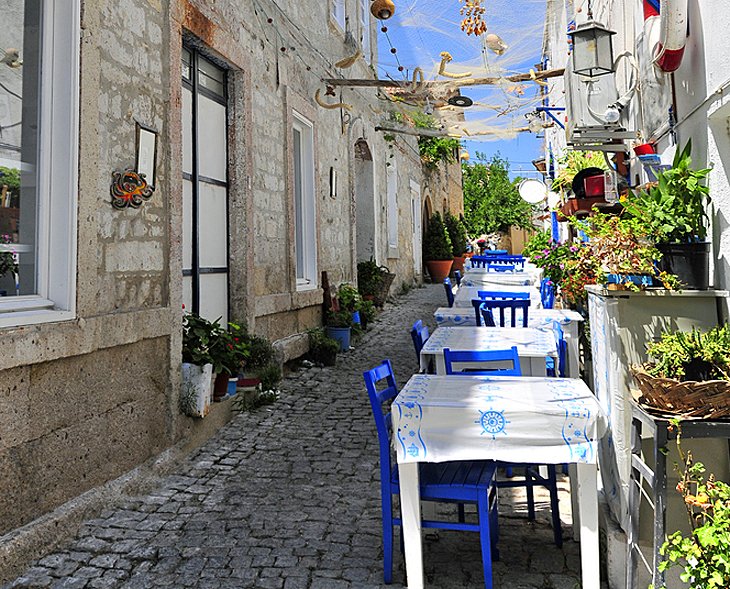
Alaçatı is also a major windsurfing spot with an annual international windsurfing competition. Whether you're a complete beginner or seasoned pro, this is a great place to learn or improve your windsurfing skills, with plenty of windsurfing companies offering lessons on the beach.
Stroll the Historic Lanes of Ayvalık
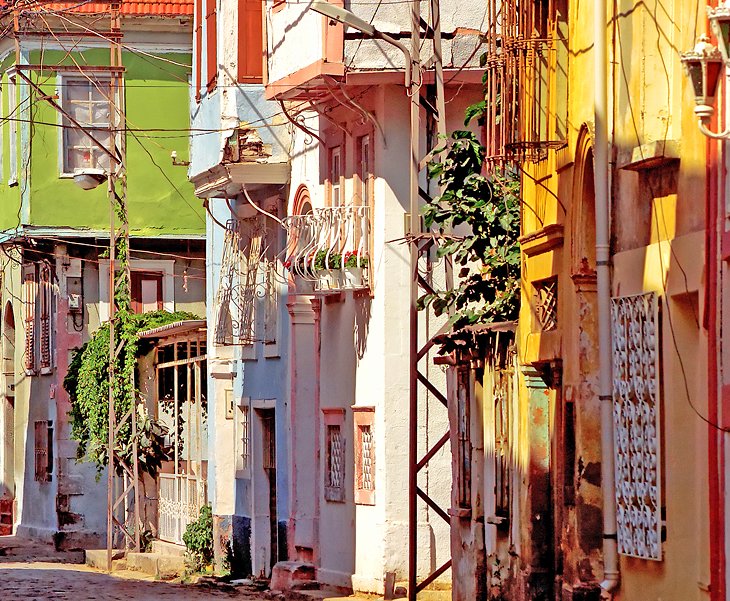
One of the North Aegean's prettiest towns, Ayvalık is all crumbling, vine-draped stone houses in pretty soft pastels, which lead down to a bustling harbor, where fishing boats jostle with excursion vessels and yachts.
If you're here on a Thursday, don't miss the huge and lively market on Nese Sokak, where you can get a real vibe of local life. Otherwise this is a top place to head out onto the sea for some sunbathing and swimming (or diving) action.
Down at the harbor dozens of excursion boats head out on cruises during the summer months for trips around the bay.
Check Out the Ruins of Assos
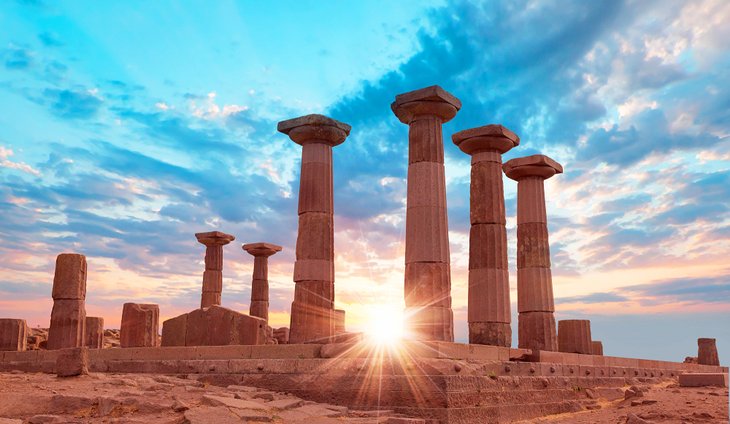
The Temple of Athena, with its panoramic views across the Aegean Sea, is a reminder of the glorious past of ancient Assos which was founded in the 8th century BCE on Turkey's Biga Peninsula.
Once home to philosophers such as Aristotle, today the modern village of Behramkale, beside the ruins, is a quietly charming place to sit back and marvel at the former splendor.
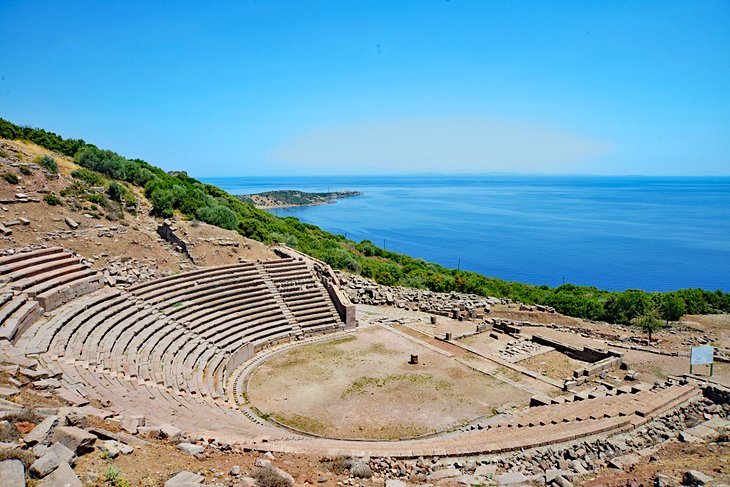
The temple is the major tourist attraction, but the Assos ruins also include a theater, necropolis and remnants of much later medieval walls to explore.
Assos is 148 kilometers northwest from Bergama and 86 kilometers south of Çanakkale, so it makes for a good stop-off on a drive down the Aegean Coast between the two towns.
Enjoy a City Break in Izmir
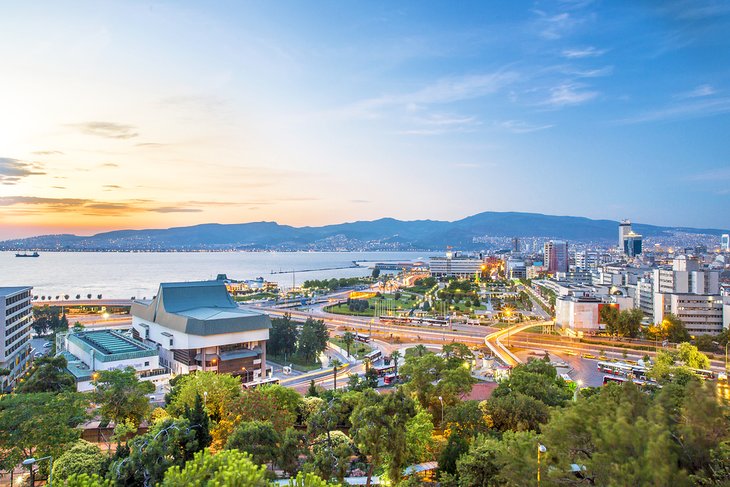
One of Turkey's most vibrant cities, Izmir is a bustling port with a history that stretches back to the 11th century BCE, when a settlement of Greeks founded the colony of Smyrna here.
Over the centuries, Smyrna grew into one of the Mediterranean's most important cities, surviving and thriving through countless empirical changes up to and through the Ottoman era.
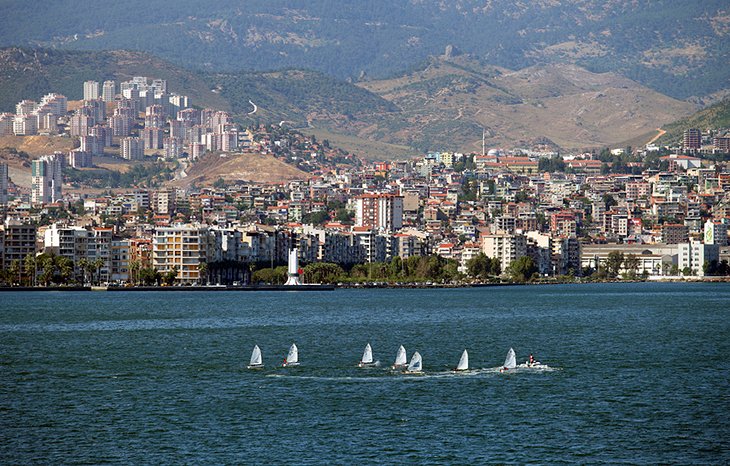
During Turkey's War of Independence in 1922, much of old Smyrna was burnt to the ground, which is why the city today is so strikingly modern.
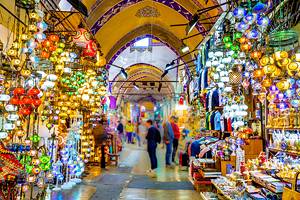
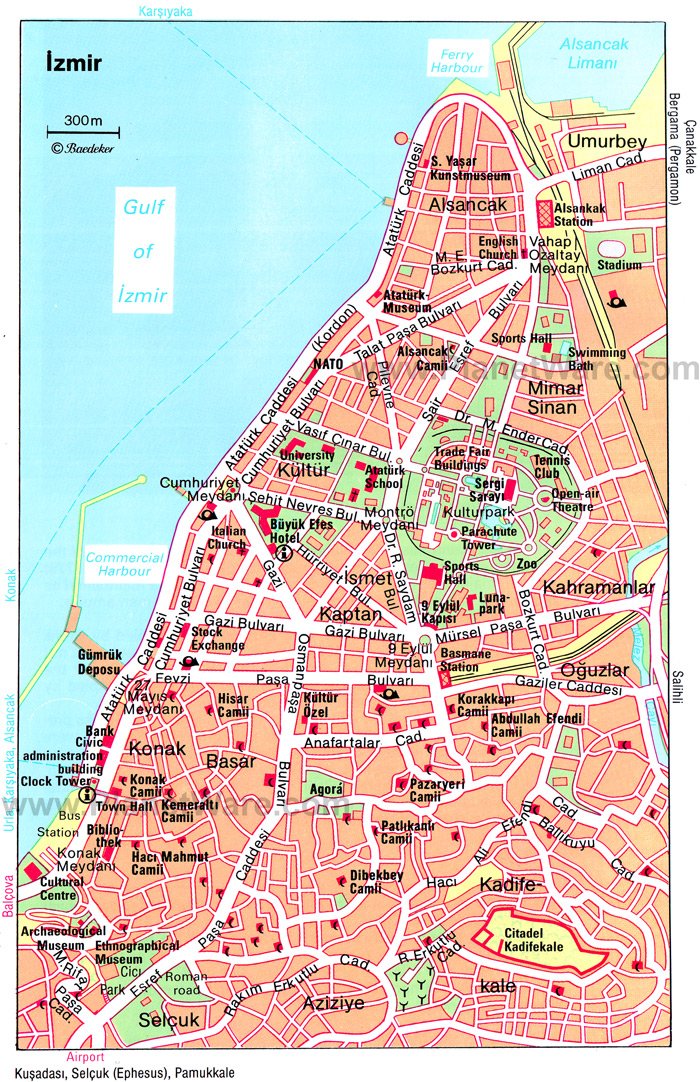
This means that despite its long and illustrious past, historical attractions are few and far between within the city, although the vast Kemeraltı Bazaar area in the city center is one of the surviving historic areas and is a fascinating district to wander in.
More Related Articles on PlanetWare.com
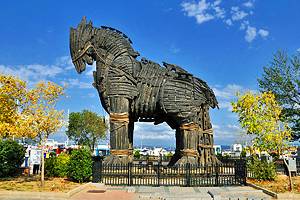
Aegean Itinerary Ideas: You can make a great itinerary starting from Istanbul that combines visiting Pergamum and this area with visits to Çanakkale for the WWI memorials of the Gallipoli Peninsula and the famed ruins of Troy.
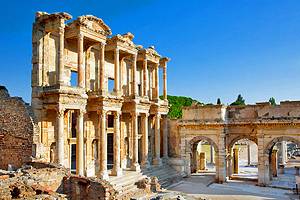
From Izmir: If you want to use Izmir as a base, you can easily visit the huge and well-preserved ruins of Ephesus from here, and the charming village of Selçuk, with the excellent Ephesus Museum and its clutch of atmospheric Byzantine ruins in the center of town.