Tourist Attractions in England
A former resident of the UK and now a frequent visitor, Author Bryan Dearsley spent eight weeks touring England while on assignment for Planetware.
One of the most popular travel destinations in the world, England offers almost endless possibilities for vacationers seeking things to do and top attractions to visit.
Part of the beautiful British Isles, this small but influential country bursts with fascinating history, exciting cities, and rich cultural traditions. Historic sites are at every turn, from prehistoric megaliths and ancient Roman sites to centuries-old castles and town centers dating back to the Middle Ages.
England is also extremely easy to get around, with its most popular tourist destinations well connected by trains and buses. Alternatively, you can drive between points of interest on a well-planned system of motorways. Whether you choose to tour the country by car or public transport, you're guaranteed an unforgettable experience.
To help you get the most out of your travel itinerary, be sure to use our list of the best places to visit in England.
Stonehenge, Wiltshire
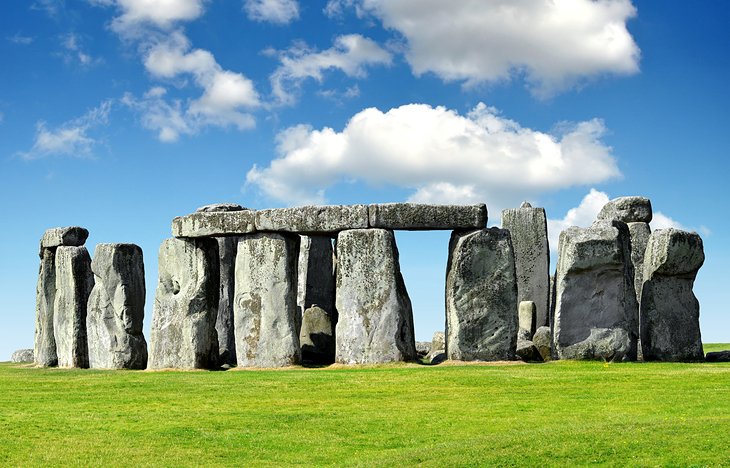
Stonehenge, 10 miles north of the historic city of Salisbury on Salisbury Plain, is Europe's best-known prehistoric monument. It's so popular that visitors need to purchase a timed ticket in advance to guarantee entry.
Exhibitions at the excellent Stonehenge Visitor Centre set the stage for a visit. Here, you'll find displays explaining through audio-visual experiences and more than 250 ancient objects how the megaliths were erected between 3000 and 1500 BCE. They also offer fascinating insights and information about life during this time.
After walking around the various viewing points adjacent to these enormous stones, visit the authentic replicas of Neolithic Houses to see the tools and implements of everyday Neolithic life. A highlight is watching staff, and volunteers provide demonstrations of traditional skills from 4,500 years ago.
Although you can no longer go inside the circle to wander among the stones during normal opening hours, you can reserve special early morning or late evening access into the circle through English Heritage, which manages the site.
Tickets, especially for summer and peak times, can sell out weeks or even months in advance, so plan accordingly. If you can't get tickets, consider walking the public footpaths that surround the site, which offer views of one side of the stones from afar without needing a ticket.
- Read More: From London to Stonehenge: Ways to Get There
Tower of London, City of London
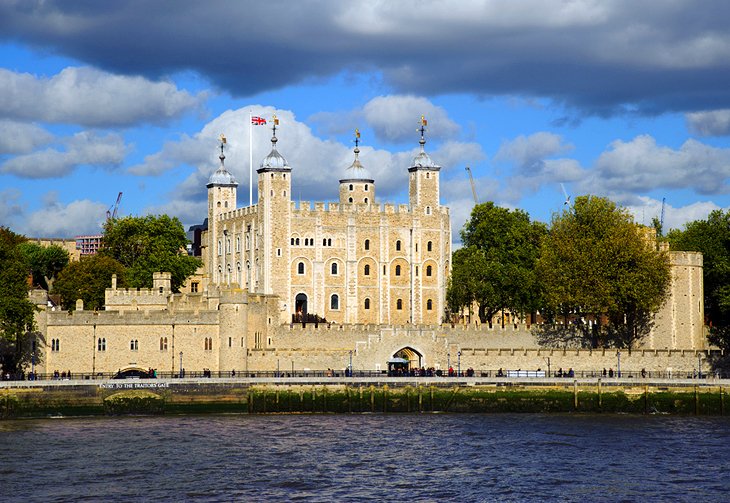
Prison, palace, treasure vault, observatory, and menagerie: the Tower of London has done it all, and it's one of the top attractions in London. Widely considered the most important building in England, there's enough to see and do at this World Heritage Site to keep visitors busy for hours.
The centerpiece of this Thames-side fortress is the White Tower. Built in 1078 by William the Conqueror, it's home to amazing exhibits, such as Line of Kings. The world's oldest visitor attraction, the collection was established in 1652 with a remarkable display of royal armor.
Other highlights include the impressive Crown Jewels exhibition, classic Yeoman Warder Tours, the Royal Mint, and exhibits and displays regarding prisoners and executions. All told, the Tower of London covers some 18 acres, so there's a great deal of exploring to do.
If you're traveling with children, be sure to check for special events for kids. These include a fun "Knights School" and other immersive programs that provide a fun insight into the castle's history.
- Read More: Visiting the Tower of London: Highlights
The Roman Baths and Georgian City of Bath, Somerset
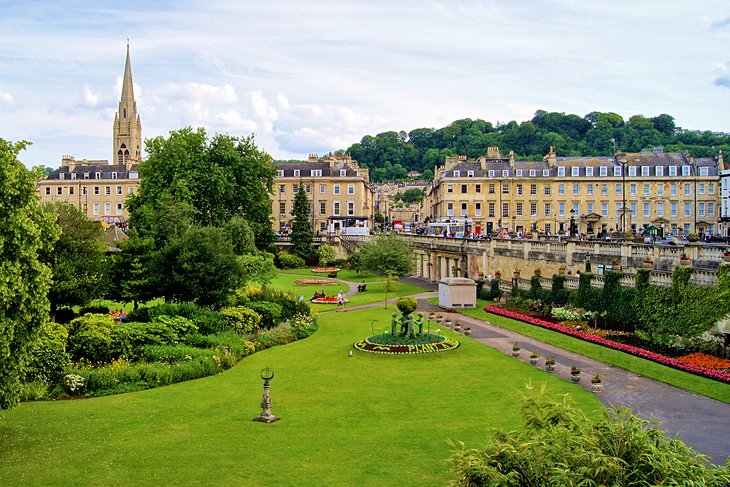
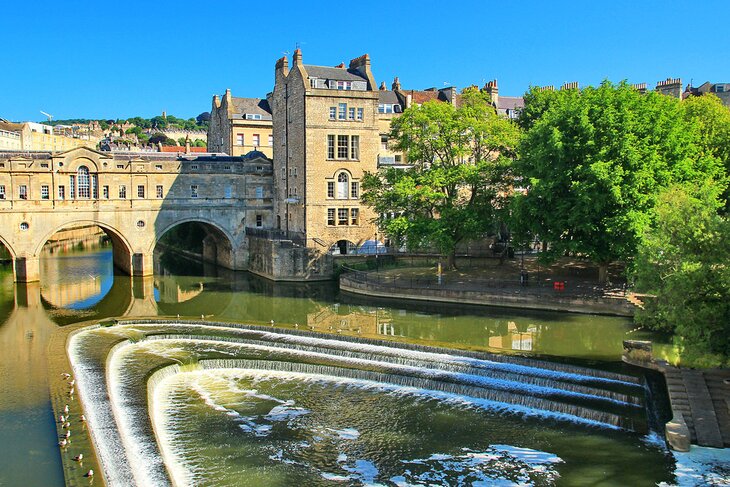
If you only have time to visit one of the nicest small cities in England, you couldn't do much better than Bath. This remarkably beautiful city in Somerset boasts more fantastic tourist attractions than you could hope to visit in a day.
The city is most famous for the magnificent 2,000-year-old Roman Baths built around the city's rejuvenating hot springs. The baths feature an excellent self-guided audio tour, and if you want, you can taste the waters in the Pump Room at the end of your tour.
The city is equally well known for its honey-colored Georgian Townhouses, such as those located on Royal Crescent. One of them, #1 Royal Crescent, is open to the public and offers a fascinating look at life in Bath during the Georgian period. Some 500 of the city's buildings are considered of historical or architectural importance, a fact that has resulted in the entire city being granted World Heritage status.
Among the most interesting to visit today are the Holborne Museum with its large collections of artworks, silver, and period furniture; the famous Assembly Rooms, star of countless period dramas on TV and home to the interesting Fashion Museum; and the Jane Austen Centre and its neighbor Mary Shelley's House of Frankenstein, which tell the stories of two of Bath's most famous residents.
Bath also makes an ideal location from which to explore some of England's most stunning countryside, including the Avon Valley, the Mendip Hills, the Cotswolds, and countless other fantastic Somerset landmarks.
The British Museum, Bloomsbury, London

With collections of antiquities that are among the world's finest, a visit to the British Museum is undoubtedly one of the top free things to do in London. This superb museum holds more than 13 million artifacts from Assyria, Babylonia, Egypt, Greece, the Roman Empire, China, and Europe. The most famous ancient artifacts are the Elgin Marbles from the Parthenon in Athens, as well as the famous Rosetta Stone.
But there are many other outstanding pieces on show here that help make this one of the best places to visit in London. The Ancient Egyptian collection is the largest outside of Cairo, and the hoard of Roman silver dating from the fourth century known as the Mildenhall Treasure, unearthed in Suffolk in 1942, is nothing short of spectacular.
If you are with a group and somehow get separated, a great spot to reconnect is the Great Court. The stunning glass roof is a remarkable architectural feature.
If you've got time, be sure to look into joining a guided tour or participating in a workshop or lecture. Fun private after-hours tours are also available. Dining and shopping opportunities are also located on-site.
Address: Great Russell Street, Bloomsbury, London, England
Official site: www.britishmuseum.org
York Minster and Historic Yorkshire
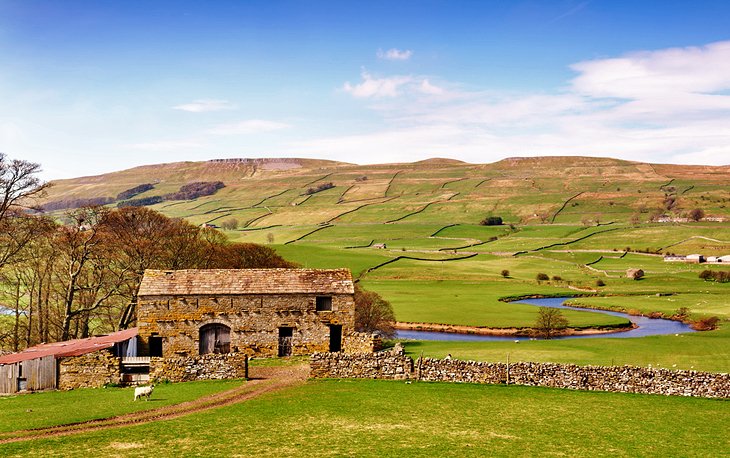
Magnificent York Minster is second in importance in the Church of England only to the cathedral at Canterbury. It stands in the center of the historic city of York, surrounded by half-timbered homes and shops, medieval guildhalls, and churches. Be sure to climb to the top of the Central Tower for lovely views of York and the surrounding countryside.
In turn, York's romantic streets are surrounded by three miles of magnificent town walls that you can walk atop for spectacular views over the city and its surroundings. Don't miss The Shambles, a charming medieval street with overhanging timber-framed buildings, rumored to have inspired Diagon Alley in the Harry Potter films.
The city is also home to the National Railway Museum, one of England's more popular tourist attractions.
York is also a good base from which to explore northeast England, in particular the rugged beauty of the Yorkshire Dales and the North York Moors. Elsewhere in this corner of the country, you'll find some of England's most beautiful historic towns and cities, including Durham, famous for its castle and cathedral, and Beverley, which also boasts an attractive minster.
- Read More: Tourist Attractions in York, England
Windsor Castle, Berkshire
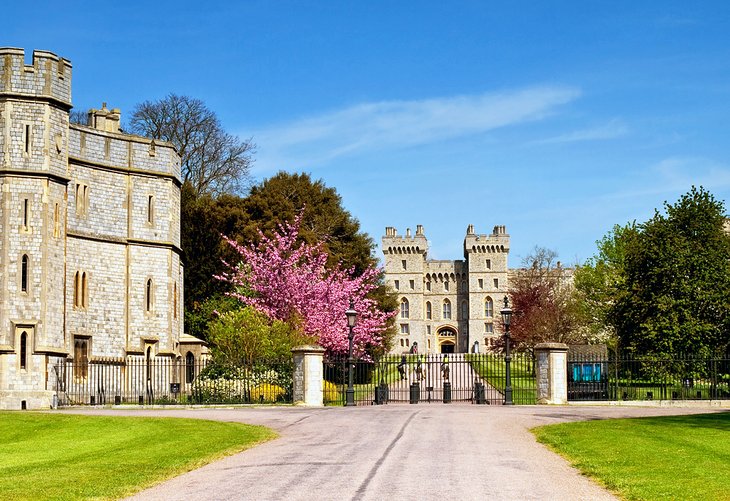
England is a country that's deeply rooted in tradition, history, pageantry, and pomp. Little surprise, then, that some of the biggest draws for tourists here revolve around the Royal Family, who have played an important role in shaping the country, along with many other parts of the world, for centuries.
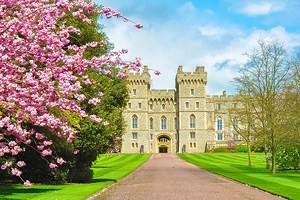
If you've only got time to squeeze in one royal attraction, make it Windsor Castle. An easy 40-minute train ride from Central London, Windsor Castle is famous as one of the Royal Family's official residences, and throws its doors open to visitors regularly when the King is away.
And it's rich in history, able to trace its roots all the way back to the 11th century, when a triumphant William the Conqueror had a fortress erected on this very spot. Highlights of a visit to Windsor Castle include the castle's chapel, the State Apartments, as well as the magnificent Queen's Gallery.
And bring your walking shoes. The grounds are huge, stretching for some six miles around the castle and providing some of the best selfie opportunities anywhere with this historic building as a backdrop.
Address: Windsor Castle, Windsor, Berkshire, England
Chester Zoo, Cheshire
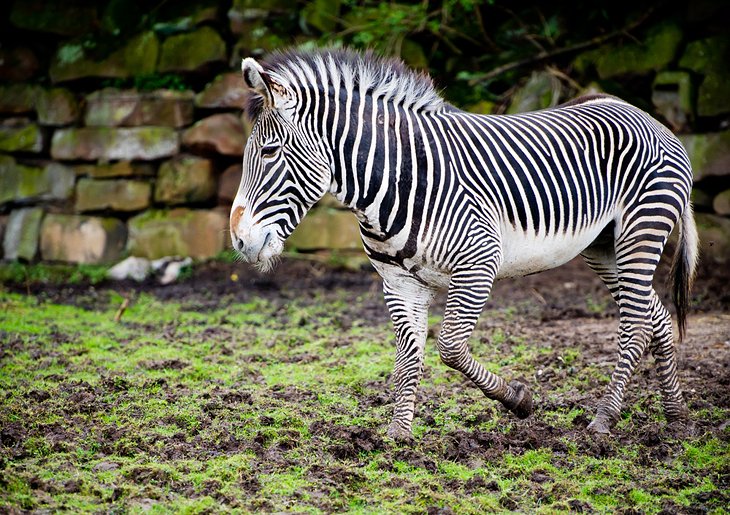
Located in Upton in Cheshire, just over a mile north of Chester city center, Chester Zoo is England's most visited attraction outside of London and is one of the best places to visit in England for families.
The more than 11,000 animals living in this 125-acre site represent about 400 different species. But the zoo's appeal reaches beyond just animal lovers, with prizewinning landscaped gardens also available for visitors to enjoy.
You can tour these extensive grounds on foot, via complimentary shuttle between key areas, or by the Lazy River Boat trip, to reach highlights that include Chimpanzee Island, a penguin pool, and Europe's largest tropical house. There are plenty of other fun things to do at Chester Zoo, too, so expect to easily spend a day enjoying this top tourist attraction.
While in Chester, take time to walk its old city walls, the best preserved of their kind in Britain. You should also spend time exploring Chester's other distinctive feature: its galleried walkways. Known as the "Chester Rows," these impressive medieval architectural gems run the full length of stone and half-timbered buildings dating from the 14th century, and make for a unique and picturesque setting.
Chester Cathedral is also worth exploring if you can squeeze it into your travel itinerary. So, too, are Lower Bridge Street and Watergate Street, both of them home to numerous picturesque old buildings.
Address: Cedar House, Caughall Road, Chester, Cheshire, England
- Read More: Tourist Attractions in Chester
Lake District National Park, Cumbria
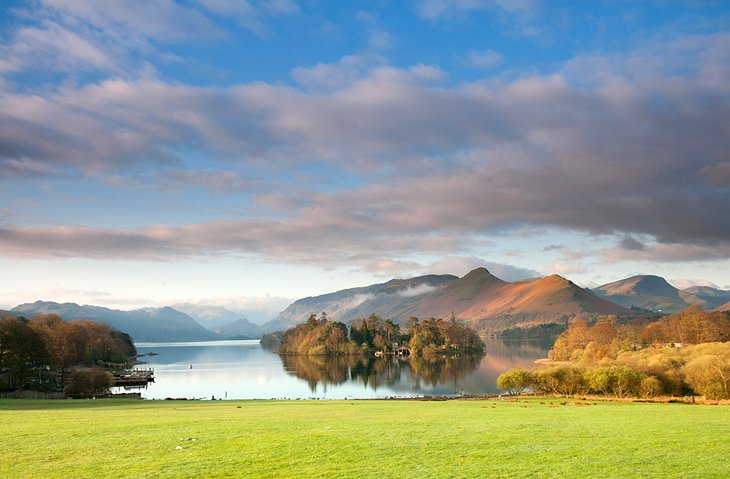
Covering some 900 square miles, Lake District National Park is a must-visit destination for travelers to England. With 12 of the country's largest lakes and more than 2,000 miles of rights of way waiting to be explored, it's little wonder the region continues to inspire, with its magnificent views and scenery straight out of a painting.
Other things to do include visiting the park's many fells, including Scafell Pike, which at 3,210 feet is the highest mountain in England. Be sure to also spend time exploring some of the lovely little towns and villages dotted throughout the region, such as Grasmere.
Better still, hop aboard a tour boat excursion across Lake Windermere and Ullswater, and you'll be rewarded with some of the best scenery anywhere in the country. For a more personal experience and one on your timeline, consider renting a rowboat or kayak on a smaller lake, such as Grasmere or Rydal Water.
Address: Murley Moss, Oxenholme Road, Kendal, Cumbria, England
Canterbury Cathedral, Kent
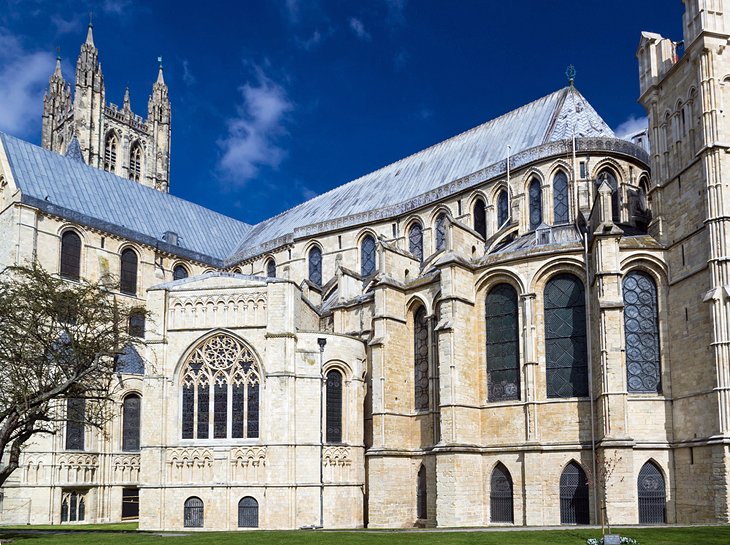
Located in the heart of the historic city that bears its name, Canterbury Cathedral, a UNESCO World Heritage Site, is home to the Archbishop of Canterbury and is the cradle of English Christianity.
The cathedral is simply stunning, and the medieval stained-glass windows, particularly the 'Miracle Windows' that depict the healing miracles attributed to Thomas Becket, are national treasures.
It all started when St. Augustine converted the pagan Anglo Saxons here in 597 when he became the first bishop. Excellent guided tours of the cathedral are available, and for a truly memorable experience, consider booking an overnight stay in the grounds at Canterbury Cathedral Lodge.
But there's much more to this beautiful medieval city than just its cathedral. Canterbury is also a popular cultural and entertainment destination with great shopping, galleries, and cafés, as well as attractions such as those focused on Chaucer's medieval England and the city's Roman past.
Some of the other best places to visit in Canterbury include the Old City, the ruins of St. Augustine's Abbey, and medieval Beaney House.
Address: 11 The Precincts, Canterbury, Kent, England
Liverpool & The Beatles, Merseyside
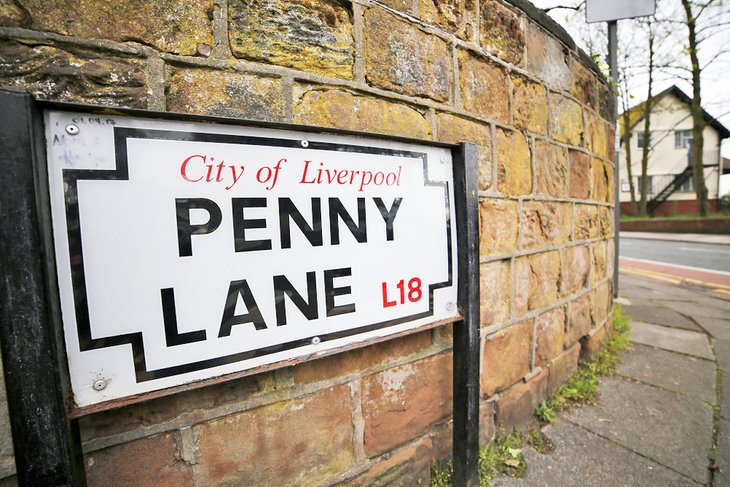
As English as an afternoon tea, references to The Beatles are everywhere in Liverpool. Located in the northwest of the country, Liverpool is around three hours from London by rail and offers music fans plenty of opportunities to soak up some city sites, along with Fab-Four-related attractions.
Topping your list should be The Beatles Story. Located in the revitalized Albert Dock area of the city, this fun museum features enough facts and exhibits to keep the biggest fans busy for hours. Other related points of interest in Liverpool include visiting the famous Cavern Club, along with the real places about which they sang, including Strawberry Fields and Penny Lane.
Other must-dos include themed walks and guided tours, visiting the former homes of Paul McCartney and John Lennon, and getting in some souvenir shopping at The Beatles Shop, located just steps away from the Cavern Club.
Eden Project, Cornwall
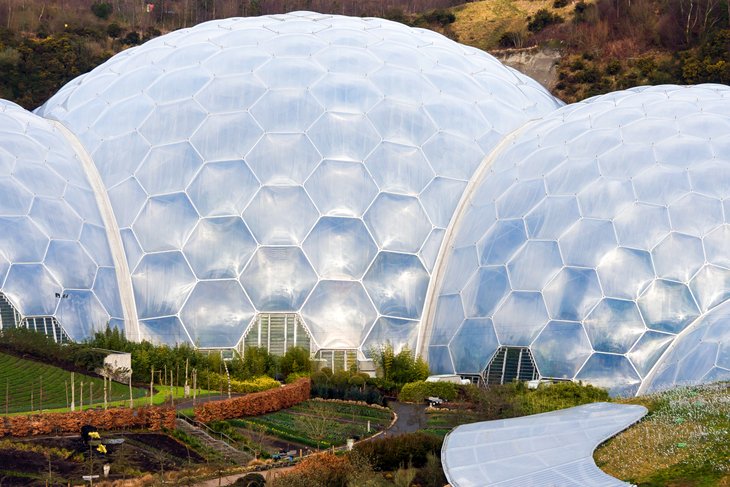
The incredible Eden Project is a collection of unique artificial biomes containing an amazing collection of plants from around the world.
Located in a reclaimed quarry in Cornwall, this spectacular botanical gardens complex consists of huge domes that look rather like massive igloo-shaped greenhouses. Each of these impressive (and futuristic-looking) buildings houses thousands of different plant species in tropical and Mediterranean environments.
As well as these stunning displays of plant life, the Eden Project hosts numerous arts and music events year-round. If you're able to extend your visit, consider booking a stay at the on-site hostel or enjoy a meal in one of its restaurants. Adventure activities such as ziplining and giant swings are also available.
Address: Bodelva, Par, Cornwall, England
The Cotswolds
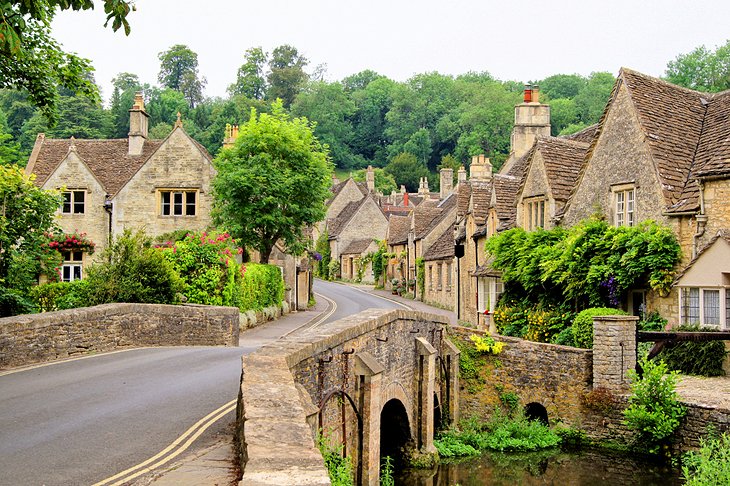
The Cotswolds cover some 787 square miles and encompass parts of some of England's prettiest counties: Gloucestershire, Oxfordshire, Wiltshire, Somerset, Worcestershire, and Warwickshire. And all of it begs to be explored.
Designated an Area of Outstanding Natural Beauty due to its rare limestone grassland habitats and old-growth beech woodlands, the beauty of the Cotswolds has much to do with its quaint villages and towns. You might start with Bourton-on-the-Water, often called 'Venice of the Cotswolds', Bibury, known for Arlington Row, or Broadway for its tower views and charming High Street.
Like so much of England, the Cotswolds is perfect to discover on foot. One of the best routes is along the Cotswold Way, a 102-mile footpath with spectacular views of the Severn Valley and the Vale of Evesham. This route runs the length of the Cotswolds and can be picked up pretty much anywhere you visit.
The National Gallery, City of Westminster, London
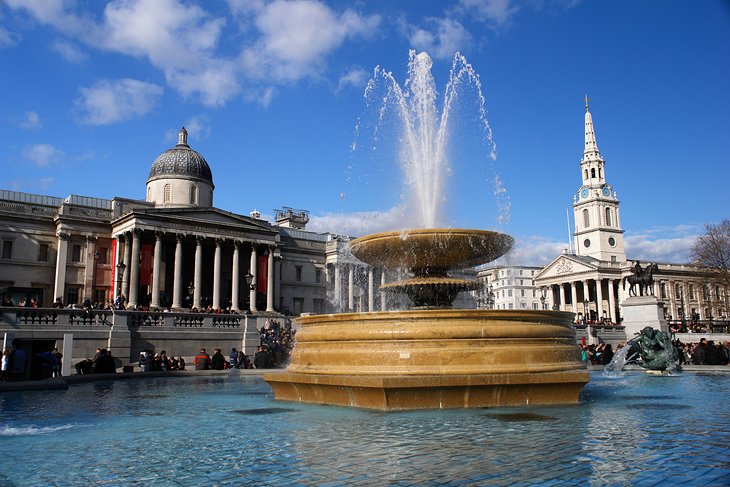
Displaying one of the most comprehensive collections of paintings in the world, the National Gallery is London's second-most visited museum. The collections, which present an almost complete cross-section of European painting from 1260 until 1920, are especially strong in the Dutch Masters and the Italian Schools of the 15th and 16th centuries.
In the Italian galleries, look for works by Fra Angelico, Giotto, Bellini, Botticelli, Correggio, Titian, Tintoretto, and Veronese. It's also where you'll find Leonardo da Vinci's Madonna and Child with St. Anne and John the Baptist, Raphael's The Crucifixion, and The Entombment by Michelangelo.
In the German and Dutch galleries are works by Dürer, van Dyck, Frans Hals, Vermeer, and Rembrandt. Among artists from the 18th century through 1920, standout works are by Hogarth, Reynolds, Sargent, Gainsborough, Constable, and Turner. French works include those by Ingres, Delacroix, Daumier, Monet (including The Water-Lily Pond), Manet, Degas, Renoir, and Cezanne.
With no-cost admission, a visit to the National Gallery is one of the top things to do in London for free. Guided tours and lunchtime lectures are also available for free and are highly recommended.
Address: Trafalgar Square, City of Westminster, London, England
Warwick Castle, Warwickshire
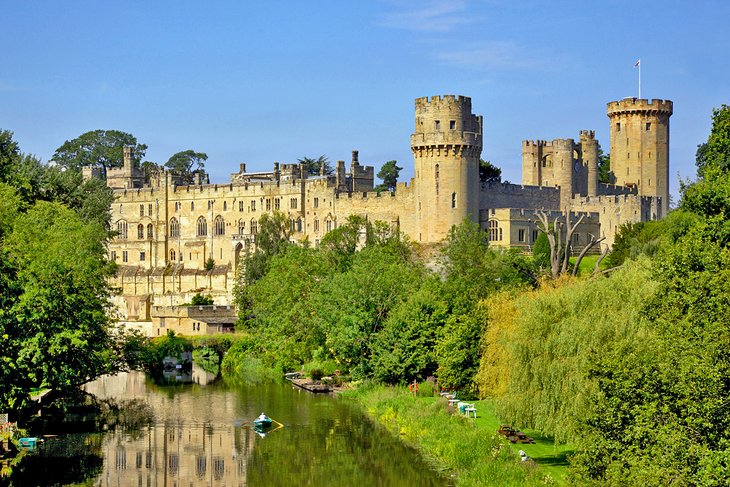
If you're looking for a truly memorable English excursion for the whole family, and one that offers a fascinating insight into life in medieval times, you couldn't do much better than visit Warwick Castle.
Located in the beautiful city of Warwick on the River Avon, this impressive fortress has dominated the landscape and history of the region for more than 900 years. Today, it serves as a backdrop to medieval-themed events and reenactments, from jousting festivals to fairs and concerts.
Warwick is also a great base from which to explore the Cotswolds, as well as nearby towns such as Stratford-upon-Avon, famous as the birthplace of William Shakespeare. Bigger city destinations, including Liverpool, the hometown of The Beatles, as well as Birmingham and Coventry, are an easy drive away.
Address: Stratford Road / West Street, Warwick, Warwickshire, England
- Read More: Tourist Attractions in Warwick, England
Tate Modern, Southwark, London
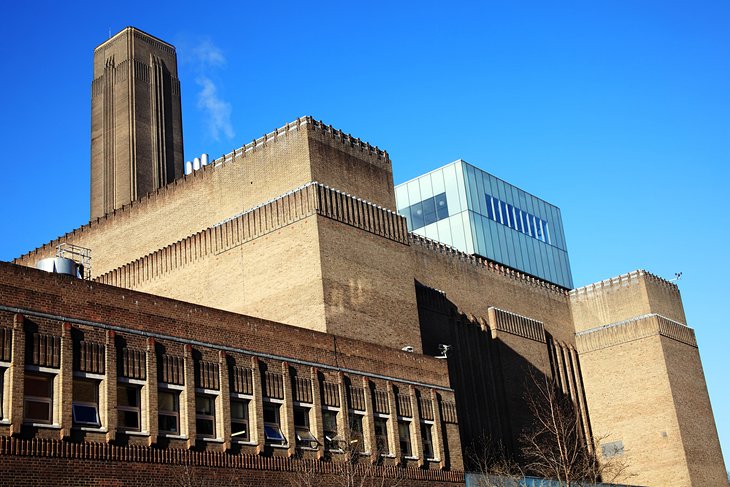
The Tate Modern is one of England's most visited attractions. Housed in the former Bankside Power Station, with stunning industrial architecture, the museum is urban renewal at its best.
Now regarded as among the world's best and certainly one of the largest museums of modern and contemporary art, the Tate Modern shows a wide range of artistic expression, including paintings, works on paper, sculpture, films, performances, installations, and other forms of artistic expression.
Among the well-known artists represented here are Picasso, Rothko, Dali, Matisse, and Modigliani. Be sure to go to the viewing level for 360-degree views of the London skyline and the River Thames far below.
Other galleries under the Tate umbrella that you should consider visiting in England include Tate Britain (also in London), Tate Liverpool, and Tate St. Ives in Cornwall.
Address: Bankside, Southwark, London
Official site: www.tate.org.uk
Royal Museums Greenwich, London
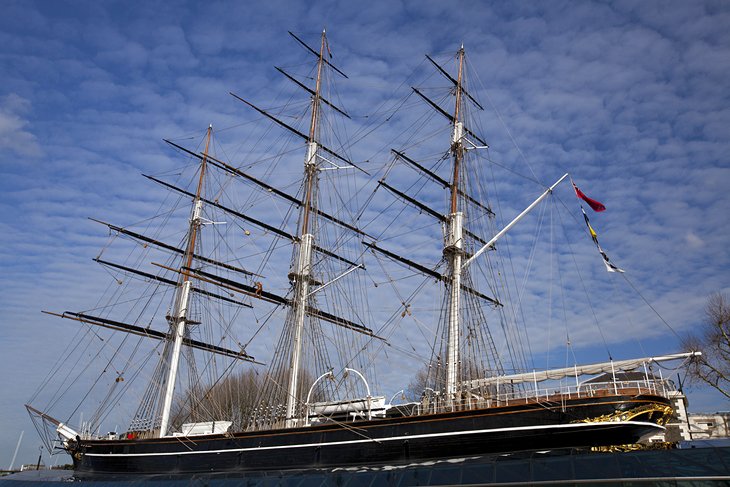
Downstream from Tower Bridge, Greenwich holds England's largest expanses of preserved historic architecture and parks. And although lovers of things maritime will certainly gravitate to Greenwich, there's a lot more there than just ships and boats.
The highlight for most visitors is the Cutty Sark, the last surviving of the 19th-century clippers from the lucrative tea trade between Britain and China. Built in 1869, the Cutty Sark was one of the finest and fastest ships of its day, and you can board it to explore the clipper, from its figurehead to the sailors' quarters below decks. For a special treat, book an afternoon tea overlooking the ship.
At the Discover Greenwich Visitor Centre, exhibits showcase more than 500 years of maritime history. The National Maritime Museum is the largest of its kind in the world, featuring the Royal Navy from Tudor times to the Napoleonic Wars. Queen's House is famous for its architecture and the Tulip Stairs, and the nearby Old Royal Naval College is notable for its painted hall.
Greenwich Park, dating from the 15th century and the oldest of London's eight Royal Parks, is filled with beautiful gardens and walking paths, and here you'll find the Old Royal Observatory and the Prime Meridian Line, marked by a steel rod in the floor of the Meridian Building. This is the zero meridian of longitude, dividing the world into eastern and western halves; you can stand with one foot in each hemisphere.
If you're hungry, add a great English breakfast from Heap's Sausage Cafe to your list of things to do in Greenwich.
Address: King William Walk, Greenwich, London, England
Official site: www.rmg.co.uk
More Related Articles on PlanetWare.com
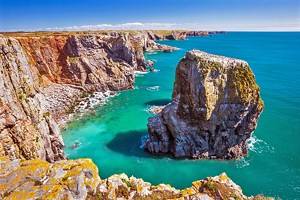
Plan a City Fix: After touring the best places to visit in London, you may want to see more of England's great cities. The largest of these, including Manchester, Liverpool, Birmingham, and Bristol, are all easy to reach by train. From the latter, you can easily nip over into wonderful Wales to visit its lively capital of Cardiff.
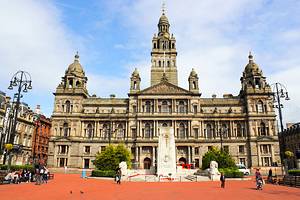
Beyond Borders: If you're visiting the popular attractions in Chester, cross into North Wales and perhaps on to Snowdonia National Park. North of England is Bonnie Scotland, with its glorious highlands and art-rich cities of Glasgow and Edinburgh. With the "Chunnel" speeding up crossing the English Channel by the EuroStar, you can be in the French capital of Paris in only 2.5 hours.