Attractions & Places to Visit in Birmingham, UK
Author Bryan Dearsley explored The Midlands, including the city of Birmingham.
Birmingham is Britain's second largest city, and its location in the West Midlands makes it a great place to begin exploring popular tourist spots such as the Cotswolds and Malvern Hills areas. It's especially fun to embark on tours by canal boat: Birmingham's canals were a byproduct of the Industrial Revolution, and today this extensive canal network is used mostly for pleasure boating.
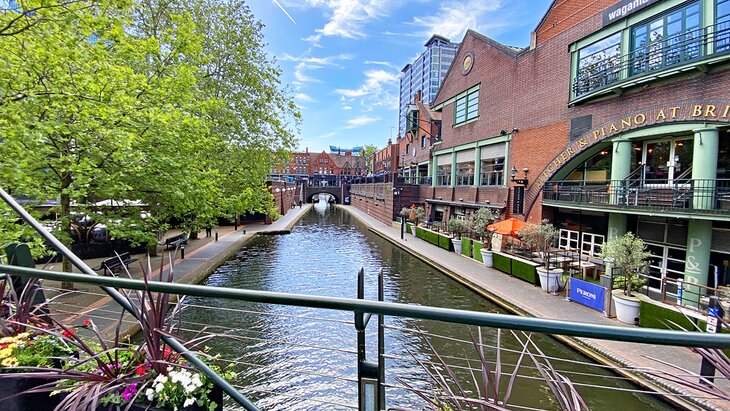
The city has a larger canal system than Venice. Little wonder then that one of the top free things to do in Birmingham is exploring the preserved canals and historic buildings of the iconic Gas Street Basin.
These days, the city is best known for its jewelry and food stuffs, as well as its numerous cultural activities and festivals, and, most recently, for having hosted the 2022 Commonwealth Games. A popular annual event here is the world's largest St. Patrick's Day Parade.
To ensure you can cram as much as possible into your itinerary, be sure to refer to our list of the top attractions and things to in Birmingham, England.
Explore Victoria Square & the City Center
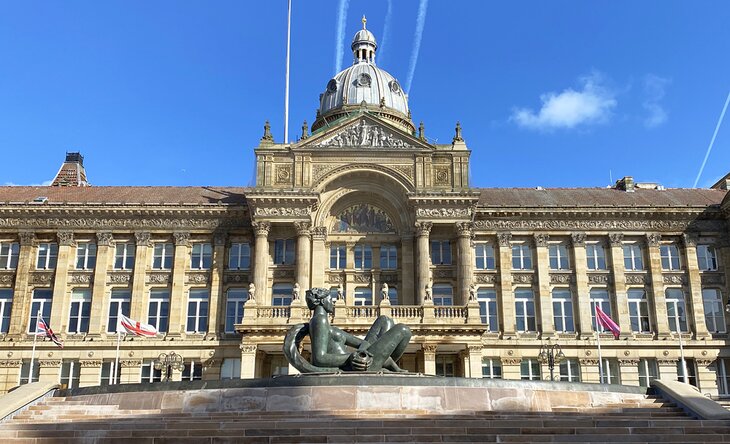
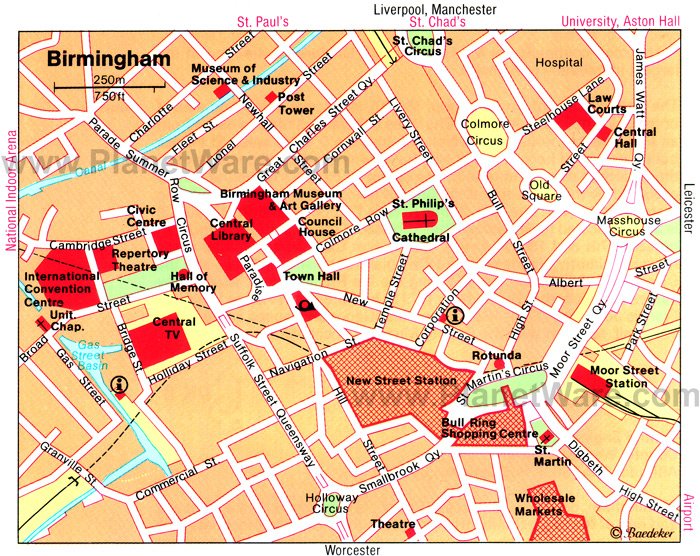
The heart of Birmingham revolves around the pedestrian-friendly Victoria Square, an area that can be explored via the Birmingham City Centre Path. Along the way, you'll discover the attractive old Town Hall, built in 1832 and a masterpiece of Victorian architecture. Resembling a Roman temple, this impressive structure features 40 ornate Corinthian columns made of Anglesey marble.
It's been the center of the city's music scene since hosting the first performance of Mendelssohn's Elijah in 1847. Nowadays, its impressive Symphony Hall, with its world-class acoustics and stunning auditorium, regularly features A-list singers and performers and is also home to the City of Birmingham Symphony Orchestra.
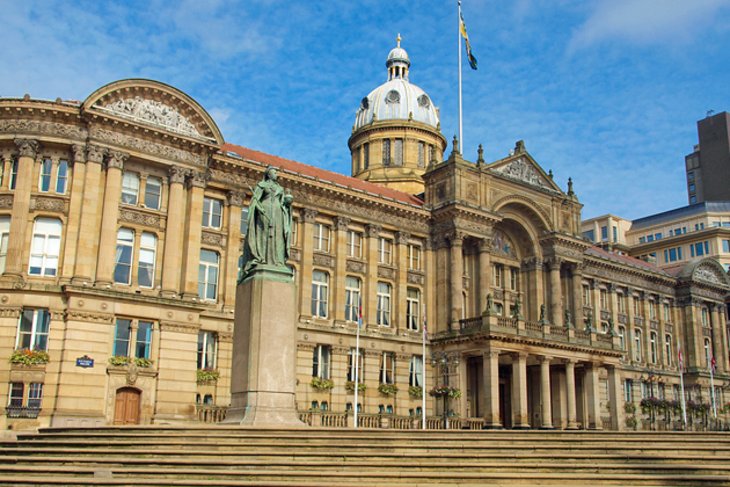
Adorning the forecourt are two memorials, one to Queen Victoria and another to inventor James Watt. The Renaissance-style Council House, built in 1874, with its famous "Big Brum" clock (a slang phrase for Birmingham) is close by.
Other old-city sites to visit include pedestrian-only Chamberlain Square and the Central Library. The library is home to the largest Shakespeare collection outside the United States, boasting 50,000 volumes in 90 languages.
See the Birmingham Back to Backs
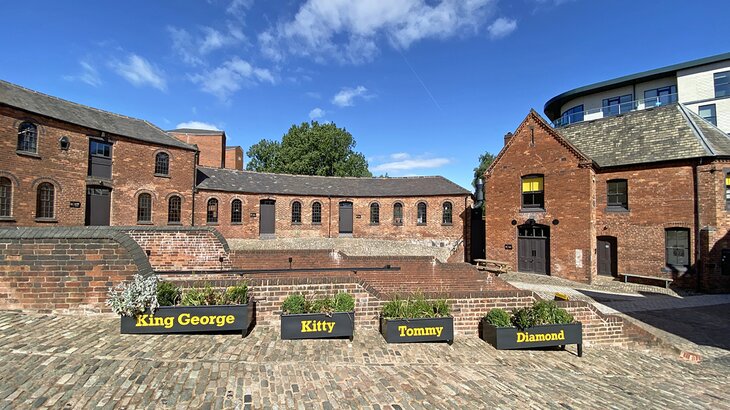
Well worth visiting and within easy walking distance of the city center, the Birmingham Back to Backs attraction is a unique collection of the small back-to-back homes once so prolific throughout the city. Built around a central courtyard — in this case, Court 15 — in the mid-19th century, these homes offer a unique insight into the often difficult conditions in which the working classes lived.
Interesting displays also provide an insight into these workers' important contribution to city life. Other highlights include a traditional 1930s sweet shop, along with a souvenir shop, or participating in one of the fun workshops held here regularly.
For a first-rate tourist experience, consider booking one of the attraction's two cottages for an overnight stay. Admission is by guided tour only.
Address: 50-54 Inge Street, Birmingham
Official site: www.nationaltrust.org.uk/birmingham-back-to-backs/
Visit The Roundhouse & Gas Street Basin
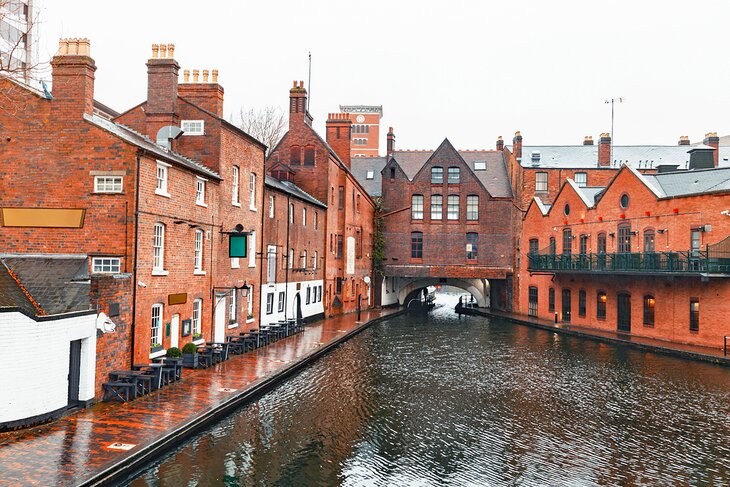
Birmingham is justifiably proud of its industrial heritage. Nowhere is this more evident than along its extensive canal network. Highlights of this remarkably well-preserved canal system include the Roundhouse.
Built in 1874 and originally used as a storehouse and stables, this horseshoe-shaped building today makes for a perfect base from which to explore the canals, whether on foot or from one of the fun guided kayak and bike sightseeing tours available. A small museum on-site shows the development and later preservation of the building.
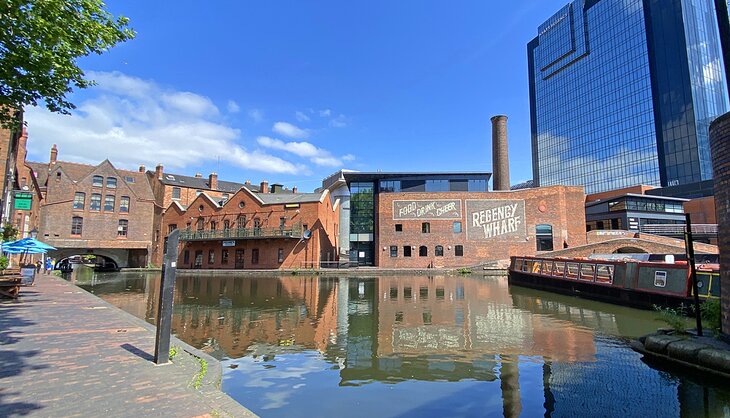
After a pleasant waterside stroll along Canalside Walk, you'll find yourself in Gas Street Basin. Constructed as an inland port for horse-drawn barges hauling cargo, this wide basin's surrounding old warehouses have been carefully restored and now house everything from restaurants to cafés and boutique shops.
Address: 1 Sheepcote Street, Birmingham
Official site: https://roundhousebirmingham.org.uk
Take a Tour of Birmingham Museum & Art Gallery
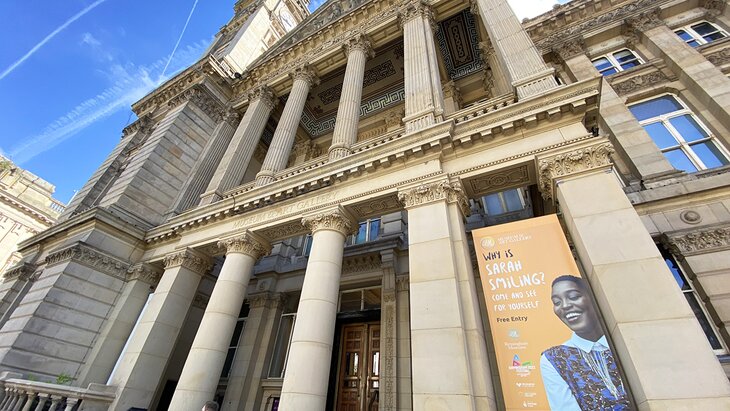
The Birmingham Museum and Art Gallery, opened in 1885, is considered one of the finest such museums outside of London. Its art treasures include a collection of works by Pre-Raphaelite painters, as well as artwork from the 17th to 19th centuries and sculptures by Rodin and James Tower.
There are also interesting displays related to the city's history, including archaeological finds dating back to the Stone Age, along with the impressive Pinto Collection with its 6,000-plus toys and other items made of wood. A gift shop is located on-site, and if you're interested in a great high tea experience, the exquisite Edwardian Tearooms is worth a visit.
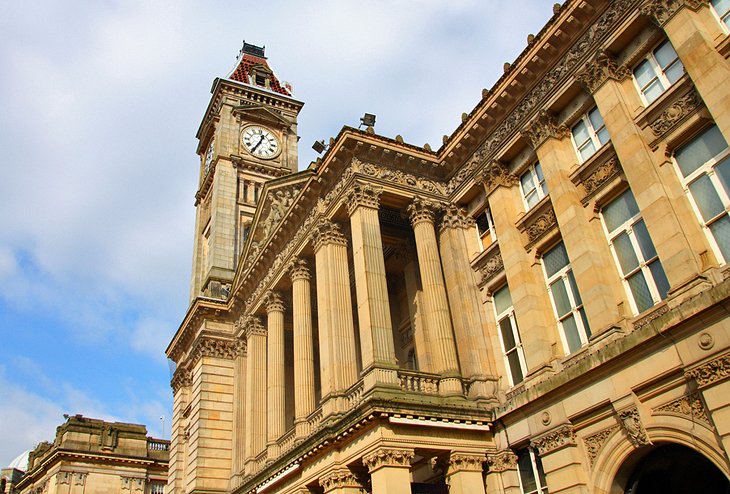
If there's time in your schedule, pay a visit to The Ikon Gallery, a contemporary art museum located in a heritage building that's worth exploring.
Address: Chamberlain Square, Birmingham
Official site: www.birminghammuseums.org.uk/bmag
See the Blooms at Birmingham Botanical Gardens
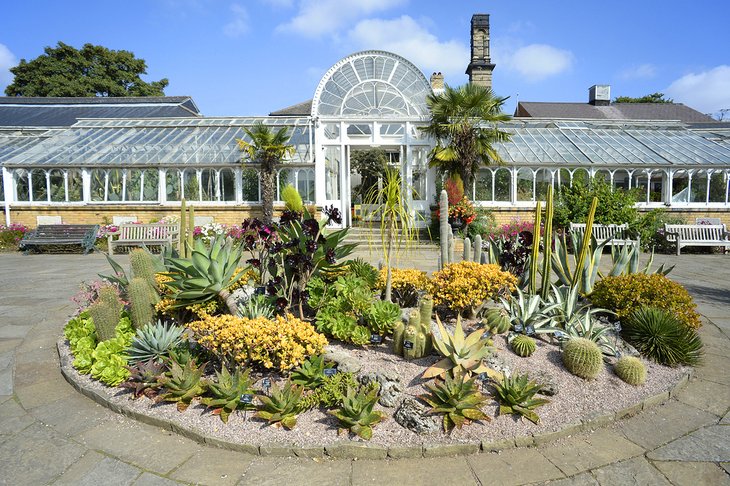
Another great tourist attraction that should be included on your West Midlands travel itinerary is The Birmingham Botanical Gardens.
Spread across 15 acres in the affluent suburbs of Edgbaston, these 19th-century gardens are easy to get to from the city center and home to countless species. A visit is very much like stepping back in time, thanks to the perfectly preserved Victorian-era glasshouses and other period park features.
It's particularly well known for its collection of bonsai trees, including one that's over 250 years old. In addition to the more than 7,000 plants from across the globe, you'll also enjoy seeing a variety of wildlife, including rare tropical birds and a butterfly house. Other on-site amenities include a gift shop, a tearoom, plus playgrounds for the kids.
Address: Westbourne Road, Birmingham
Official site: www.birminghambotanicalgardens.org.uk
Get Smart at Thinktank, Birmingham Science Museum
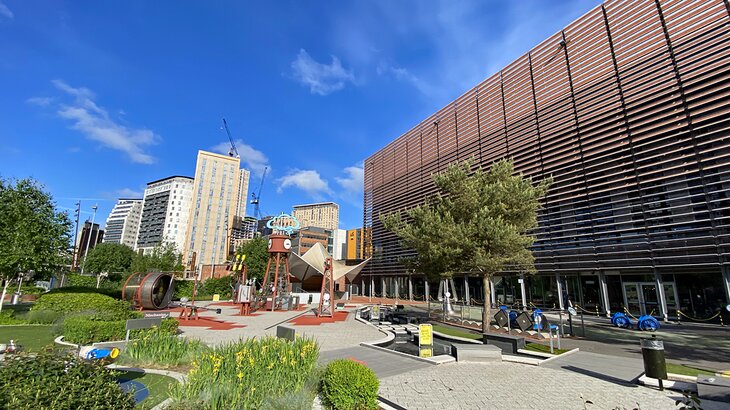
Families traveling with budding young scientists won't want to miss Thinktank, Birmingham Science Museum. This award-winning museum includes a large number of fascinating science-related exhibits, many of them hands-on and interactive.
Highlights include an impressive collection of steam-powered machines, from locomotives to tractors, as well as industrial machinery, many related to Birmingham's important role as an industrial center through the centuries. Other fun displays include a chocolate packaging machine and the Spitfire Gallery, with its authentic WWII-era aircraft (including one of 10,000 Spitfires made locally).
Be sure to also visit the Science Garden, with its human-sized hamster wheel and kids' adventure playground. The Thinktank Planetarium, with its fascinating tours of the stars and planets, is another great way to keep the whole family entertained.
Address: Millennium Point, Curzon Street, Birmingham
Official site: www.birminghammuseums.org.uk/thinktank
Take the Family to the National SEA LIFE Centre Birmingham
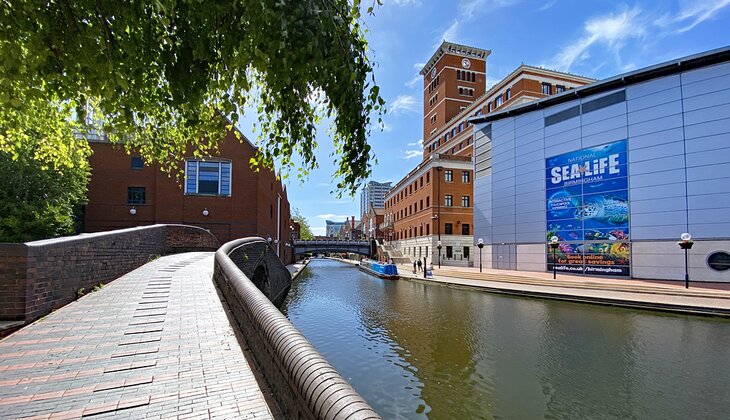
One of Birmingham's most-visited tourist attractions, the National SEA LIFE Centre is home to an impressive 60-plus exhibits related to marine life. Pride of place goes to the aquarium's massive million-liter ocean tank, with its unique underwater tunnel, which allows visitors an uninterrupted view of the diverse sea life on display, including everything from reef sharks to giant turtles.
All told, some 2,000 critters call the aquarium home, including numerous rare seahorses, giant octopi, lobsters, crabs, and stingrays. The attraction's big stars, though, are its playful otters (look out for Mango and Starsky), along with its penguins.
Housed in the impressive Penguin Ice Adventure habitat, these fascinating creatures are fun to watch as they frolic. A 4-D cinema is also on site and offers regular educational programming. If time and budget permit, book one of the fun behind-the-scenes or penguin-feeding experiences.
To make a full family day out of it, pop across the canal to the LEGOLAND Discovery Centre. In addition to plenty of hands-on building brick experiences to enjoy, there's a fun 3-D cinema, an indoor playground, along with a café and a LEGO shop.
Address: The Water's Edge, Brindley Place, Birmingham
Official site: www.visitsealife.com/birmingham/
Wander the Jewellery Quarter
The Jewellery Quarter is an area of Birmingham that is steeped in tradition. Here, more than 200 jewelers' workshops and silversmiths produce 40 percent of Britain's jewelry, chiefly in the vicinity of the Clock Tower on the corner of Vyse and Frederick Streets and around the Georgian church of St. Paul's.
Be sure to visit the area's top sightseeing spot, the Museum of the Jewellery Quarter, which offers an insider's look at the trade in the fascinating Smith & Pepper Factory. Also worth checking out is the nearby Hall of Memory opposite Baskerville House, erected in 1925 to commemorate the 14,000 city men who lost their lives in WWI, and St. Paul's Square with its attractive church.
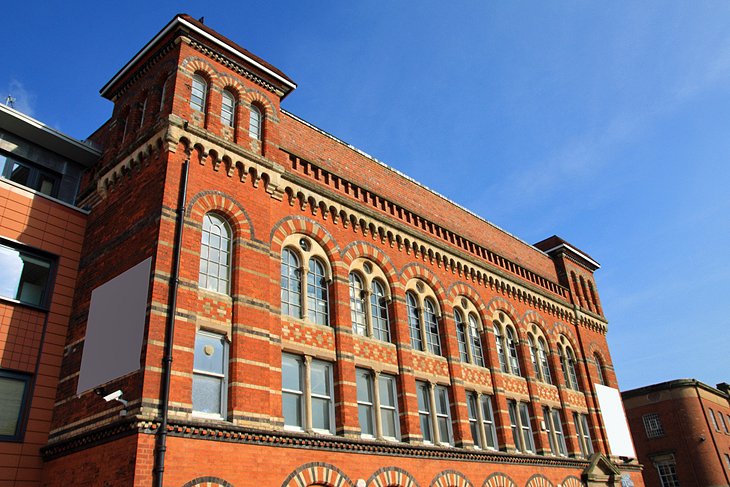
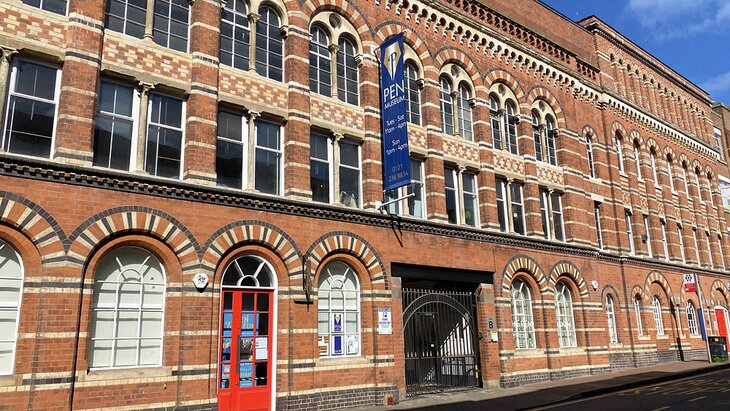
If time permits, be sure to pop over to the Pen Museum. Situated in the Jewellery Quarter's old pen factory, this first-rate museum showcases the city's former role as a hotbed of pen making along with the history of writing instruments. A special treat is having the opportunity to make your own steel nib using the same machinery and techniques used in the 19th century. Also fun is the reproduction Victorian schoolroom, where guests can practice their penmanship using traditional quills.
Address: Vyse Street, Hockley, Birmingham
Official site: www.jewelleryquarter.net
Enjoy a Concert at St. Philip's Cathedral
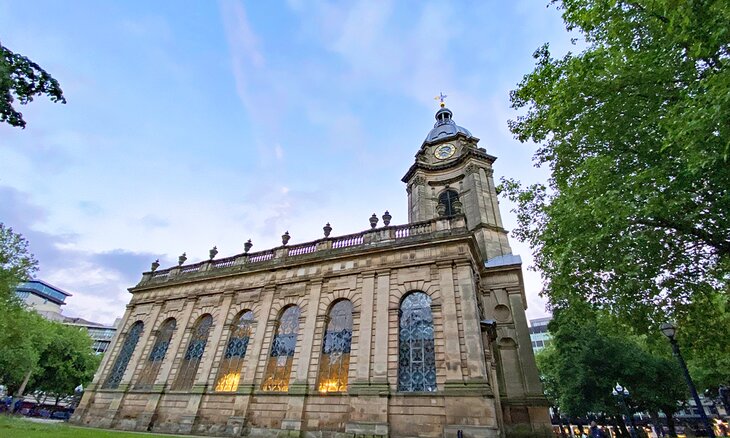
Built in 1715, St. Philip's Cathedral, the third smallest in England, began life as a parish church and was elevated to its present status in 1905. The cathedral was gutted during a bombing raid in 1940, but foresight saw its famous stained-glass windows by Burne-Jones (1884) removed a few weeks prior.
Returned to their rightful place when the cathedral was rebuilt in 1948, these significant treasures are now a highlight of any trip to Birmingham. Be sure to check the cathedral's website prior to your visit for details of talks, seminars, exhibits, and concerts.
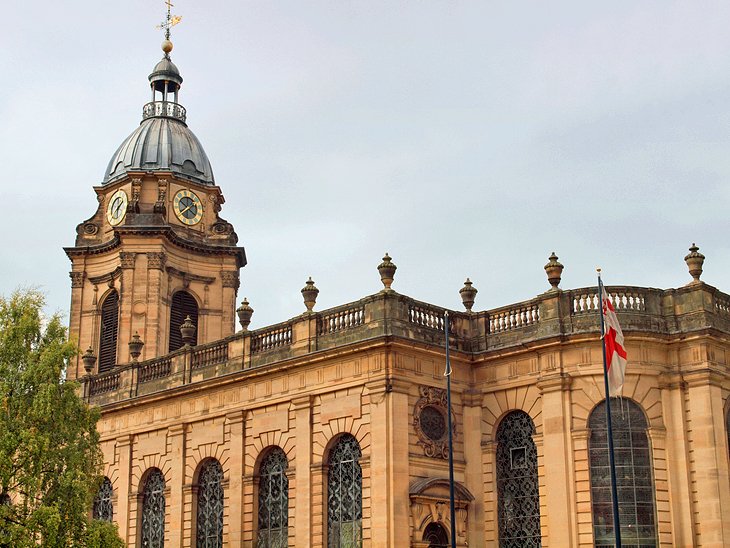
Another religious structure worth visiting is St. Martin's Church. Dating from the 13th century, it also features windows by Burne-Jones.
Address: Colmore Row, Birmingham
Official site: www.birminghamcathedral.com
Barber Institute of Fine Arts
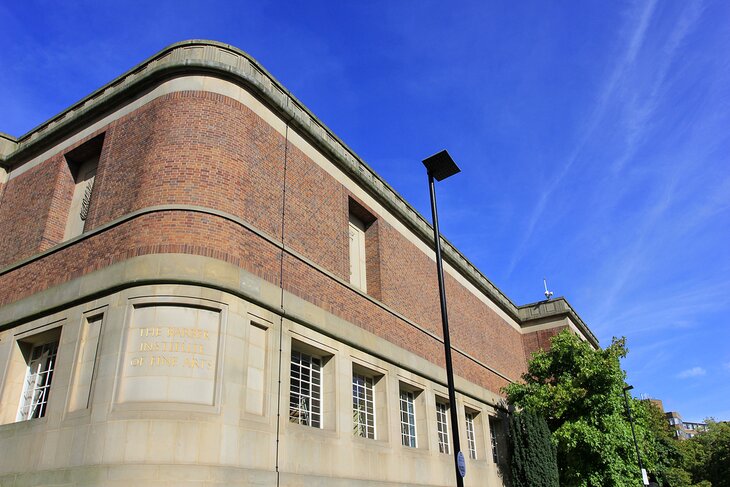
Located close to Birmingham University, the Barber Institute of Fine Arts houses an excellent collection of art from the Renaissance to the 20th century. Highlights include masterpieces by the likes of Botticelli, Bellini, Tintoretto, Rubens, Rembrandt, Watteau, Manet, Monet, Gainsborough, Constable, and Degas.
The building itself should also be explored, especially for its excellent statue of George I. If time permits be sure to check out the institute's schedule of classical lunchtime and evening concerts. Guided tours are available, and a shop and café are located on-site.
Location: University of Birmingham, Edgbaston, Birmingham
Official site: http://barber.org.uk/
Take a Fun Trip to the NEC & Resorts World Birmingham

A visit to the National Exhibition Centre (NEC) and Resorts World Birmingham makes for a fun day out. They are located a 25-minute train ride east of Birmingham, near the city's airport. Opened in 1976 and one of the country's largest and most important exhibition centers, the NEC regularly hosts musical concerts and a wide variety of consumer shows.
The real fun, though, takes place next door at Resorts World Birmingham. Opened in 2015, this large entertainment complex offers plenty of fun things to do for all ages. Designed to resemble a cruise ship, the attraction's seven-story-tall centerpiece is home to numerous restaurants, shops, a spa, and a hotel. If you've time, book a sumptuous afternoon tea in the ritzy Sky By The Water restaurant, so named for its great views over the complex grounds and its large lake.
A must-visit for families, the new Bear Grylls Adventure offers plenty of exciting experiences. Located between the NEC and Resorts World Birmingham, this thrilling indoor/outdoor attraction features everything from an assault-style climbing course to high ropes, axe throwing, archery, and even a shark dive, to name but a few.
Address: Pendigo Way, Marston Green, Birmingham
Official site: www.resortsworldbirmingham.co.uk
See the Cute Creatures at Birmingham Wildlife Conservation Park
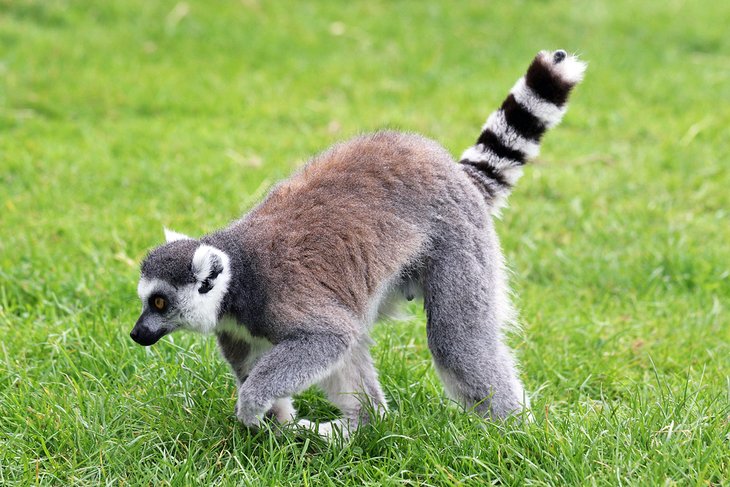
A fun creature-focused attraction that's well worth seeing for those traveling with kids is the Birmingham Wildlife Conservation Park. This city-run attraction on the edge of Cannon Hill Park is a small zoo that's home to a variety of animals including red pandas, lemurs, and meerkats.
Established in 1964, the zoo has also become important for its research and breeding programs. A variety of fun experiences are available for kids, including some that allow unique hands-on experiences based around the care and upkeep of a variety of the gentler species.
At the very least, be sure to check the zoo's website for details of feeding times, when you can often see these cute creatures at their liveliest.
Address: Pershore Road, Birmingham
Official site: www.birmingham.gov.uk/conservationpark
Satisfy Your Sweet Tooth at Cadbury World, Bournville
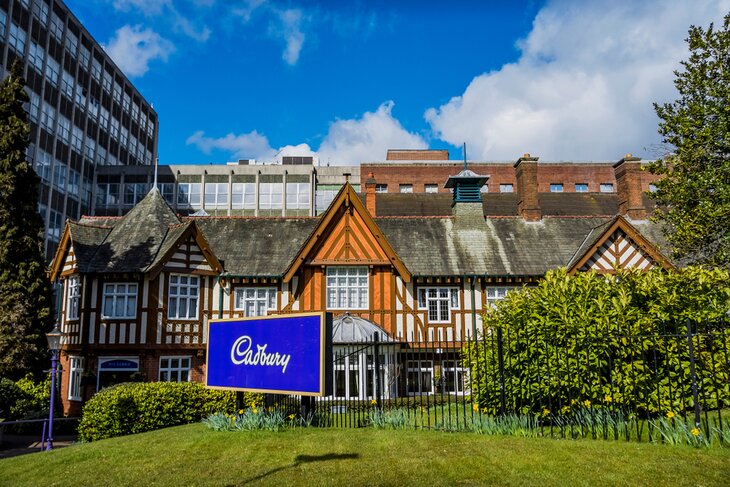
Located in Cadbury's Bournville manufacturing site, just a short drive from Birmingham, Cadbury World is one of the area's largest and most popular attractions. It welcomes more than 500,000 visitors each year. With a focus on fun, visitors get to discover the history of chocolate, as well as the manufacturing process through a number of excellent themed interactive exhibits.
Along the way, guests learn the story of the Cadbury business, one of the world's largest confectioneries, as well as having a chance to enjoy theme-park-like attractions suitable for families. A highlight is exploring the Bull Street attraction with its replica shops reminiscent of the 1820s.
Be sure to also try your hand at making your own confectionary, as well as getting in some shopping in the world's largest Cadbury's sweet shop. Afterwards, be sure to spend a little time exploring the picture-perfect village of Bournville itself, built by the Cadbury family after 1860 specifically to house their large workforce.
Address: Linden Road, Bournville
Official site: www.cadburyworld.co.uk/
Step Back in Time at Black Country Living Museum, Dudley
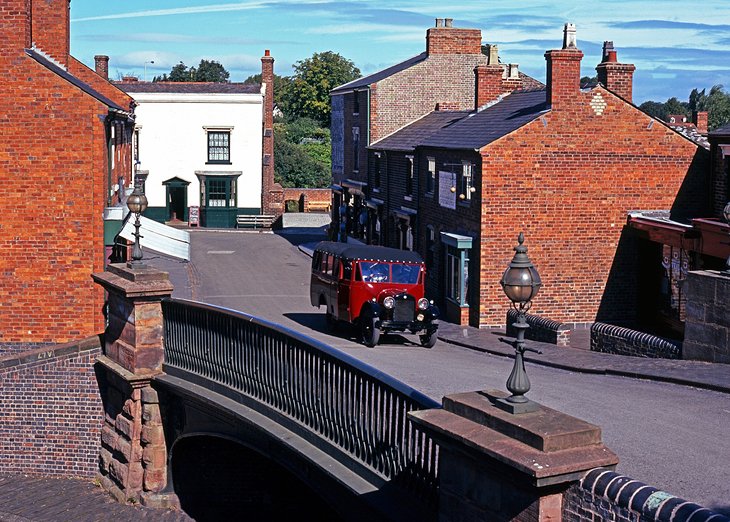
In the town of Dudley, just nine miles west of Birmingham, The Black Country Living Museum occupies a 26-acre site and offers visitors a vivid insight into the history of mining (hence the "black"). An old mine shaft and reconstructed turn-of-the-century industrial community consisting of 50 authentic buildings, many of them dismantled and rebuilt on the property, can be explored.
It's also fun to wander around the neighboring network of canals, a part of the adventure that takes place in an authentic narrow boat once used to transport coal.
Other highlights of this fascinating open-air museum include the chance to interact with costumed guides well-versed in the histories of the local people. There are also plenty of unique shopping opportunities, vintage trams, buses, and commercial vehicles, as well as a traditional English fun fair from the 19th century.
Located between Birmingham and Coventry, Sarehole Mill Museum is an old water mill that dates back to the mid 1500s. Located on the River Cole in Hall Green, it's fun diversion if you're able to get here, and contains fascinating exhibits on its history, as well as one that deals with J.R.R. Tolkien, who as a child lived only a few hundred yards away.
Address: Tipton Road, Dudley
Official site: www.bclm.co.uk
Birmingham, United Kingdom - Climate Chart
| Average minimum and maximum temperatures for Birmingham, United Kingdom in °C | |||||||||||
| J | F | M | A | M | J | J | A | S | O | N | D |
| 6 0 | 6 0 | 9 2 | 12 3 | 15 6 | 19 9 | 21 11 | 20 11 | 18 9 | 14 6 | 9 3 | 7 1 |
| PlanetWare.com | |||||||||||
| Average monthly precipitation totals for Birmingham, United Kingdom in mm. | |||||||||||
| 56 | 48 | 51 | 48 | 56 | 56 | 46 | 66 | 53 | 53 | 58 | 66 |
| Average minimum and maximum temperatures for Birmingham, United Kingdom in °F | |||||||||||
| J | F | M | A | M | J | J | A | S | O | N | D |
| 42 32 | 43 32 | 48 34 | 53 37 | 59 42 | 65 48 | 69 52 | 68 51 | 63 47 | 56 43 | 48 37 | 44 34 |
| PlanetWare.com | |||||||||||
| Average monthly precipitation totals for Birmingham, United Kingdom in inches. | |||||||||||
| 2.2 | 1.9 | 2.0 | 1.9 | 2.2 | 2.2 | 1.8 | 2.6 | 2.1 | 2.1 | 2.3 | 2.6 |
More Related Articles on PlanetWare.com
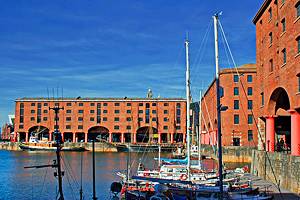
Easy Day Trips: The city of Manchester makes for a fun day trip from Birmingham, with its museums and revitalized city center being easy to get to by car or train. Lovely Liverpool is about the same distance (and as easy to get to), and is popular for its many Beatles-related things to do. Although a little further afield, Bristol can also be enjoyed in a day, with a stop at the beautiful Cheddar Gorge being a must-do along the way.
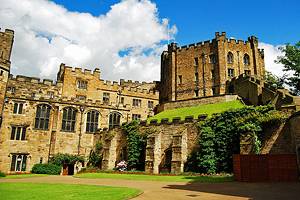
Great Weekend Getaways: The charming city of Chester makes for a great weekend getaway when in England, and is famous for its historic city walls and medieval architecture. Another historic cathedral city worth staying at is Durham, which also features a well-preserved castle and numerous cobbled streets. The northern city of Hull is not without its charms, too, including its museum quarter and excellent maritime museum.
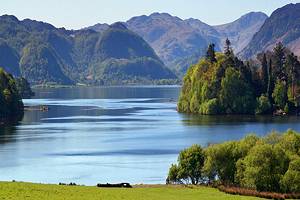
England Travel Ideas: Be sure to set vacation time aside for a visit to England's capital, the city of London, a popular place to visit for its ancient castle (the Tower of London) and Buckingham Palace. The English Lake District makes for another great place to stay, famous for lovely Lake Windermere and its endless water sports and hiking opportunities. The lovely city of Winchester is another great option, especially as it's located close to the country's top tourist attraction, Stonehenge.