

England's 13 Best Destinations That Tourists Will Love

From the tribes that once inhabited the land, to the Roman Era, to the English Renaissance period, England is an island with a long and fascinating history. It's also a place of immense natural beauty, from its rolling lowland hills to the hidden cove with dramatic cliffs in Nanjizal Beach. It's also home to laid-back coastal communities, medieval villages, and thriving cosmopolitan cities.
Whether you're fascinated with British royalty or would rather get lost in the English countryside, there's something to see and do in every corner of the United Kingdom. It's the kind of place you can spend months exploring, every region offering a different kind of adventure. But, if you've only got a few days or weeks to spare, here are 13 of the best destinations in England that tourists can't get enough of.
London
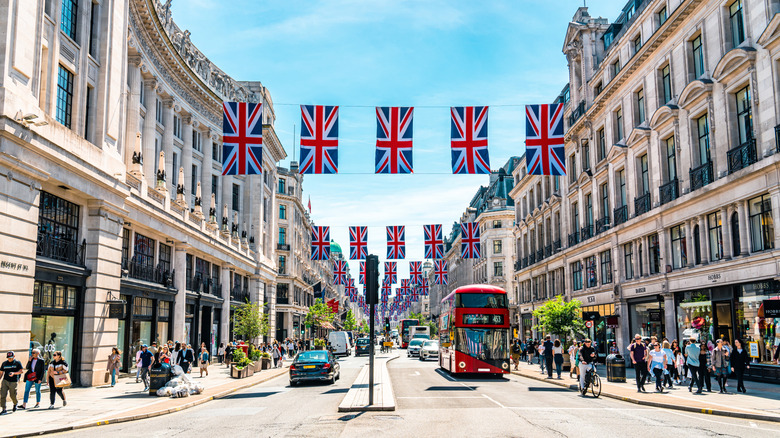
A vibrant modern city with a storied past, London is brimming with incredible sights and experiences. You could spend weeks — if not months — immersed in the local culture, heritage, and history of London and still not get enough.
Drink in panoramic views of the city from atop the London Eye, the 443-foot tall observation wheel along the River Thames. From the comfort of the Eye's gondolas, the half-hour ride offers panoramic vistas of the London skyline and many of its famous landmarks, such as The Shard and Buckingham Palace. Take a sightseeing cruise on the Thames for a dreamy view of the Tower Bridge and Shakespeare's Globe Theater, a working theater and modern recreation of the original Globe where Shakespeare's plays were once performed. Around the city, you'll find a host of famous museums with free admission to its permanent collections, including the famous British Museum — home to the famous Rosetta Stone – the Tate Modern, and The National Gallery.
You don't need a packed itinerary to experience the essence of this 2000-year-old city. Simply step outside and explore London's bustling streets, a showcase of architecture from bygone eras and a living testament to the city's rich heritage. Whether you're strolling down Fleet Street or popping into a pub for a cheeky pint, you'll be glad London was at the top of your England itinerary.
Westminster
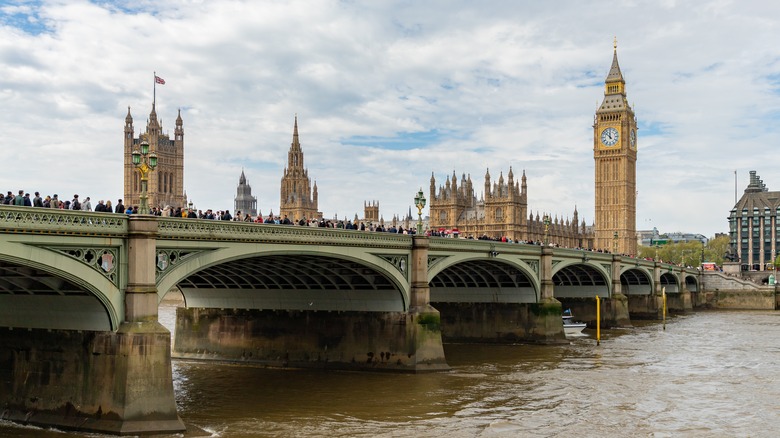
Technically part of Greater London, the city of Westminster contains so many must-see points of interest that you'll want to carve out time just for this historic central borough. Located in London's West End on the north bank of the Thames, Westminster has served as one of England's most important political, religious, and cultural centers since Edward the Confessor established his palace here in the 11th century. At its heart in Parliament Square is the Westminster Abbey, a historic royal church that has overseen the coronation of Britain's rulers for nearly a millennium.
Also in Parliament Square, you can find the Palace of Westminster, known more commonly as the Houses of Parliament, as well as the neo-Gothic facade of Middlesex Guildhall, home to the Supreme Court of the United Kingdom and the Judicial Committee of the Privy Council. Within the square, you'll also find the famous Big Ben clock tower and statues of Winston Churchill, Nelson Mandela, and a number of other famous historical figures.
Nearby, you can visit the Churchill War Rooms, the secret wartime headquarters that helped steer the course of World War II. Other must-visit landmarks such as Westminster Cathedral, Buckingham Palace, Piccadilly Circus, Hyde Park, and Trafalgar Square are located in this borough.
Hadrian's Wall
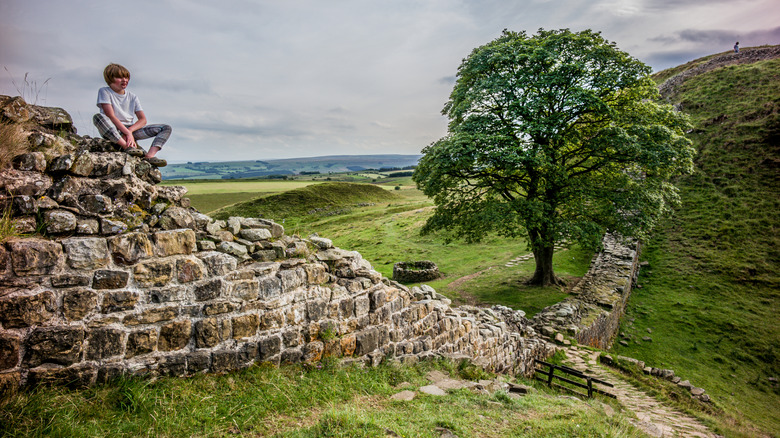
Situated in England's scenic Northwest region — recommended by Rick Steves for its historical sights — Hadrian's Wall stands as a testament to the country's Roman past. Built under the rule of Roman emperor Hadrian after his trip to Britain in 122 AD, the wall served as the empire's northwestern border for close to 300 years. At the time, it also served as a place of trade and commerce.
The wall, which stretches for 73 miles along the scenic Northumberland and Cumbria counties, is a World Heritage Site with a number of fascinating stops along the way. The length of the wall is dotted with ruins, ancient forts, and other historic points of interest. Along the Birdoswald Roman Trail, you'll find the Lanercost Priory, a 13th-century monastery that is still in use today. Along the Chesters Trail is the ancient Temple of Mithras. The Housesteads Trail features one of the best-preserved forts in England and some of the most captivating views of the wall. Finally, the Corbridge Roman Trail, which connects to Newcastle upon Tyne, leads to the ruins of a tiny ancient temple located smack dab in a modern residential community.
The Cotswolds

For dreamy rural British countryside that feels like something straight out of a fairy tale, you can't do much better than the Cotswolds. Imagine a picturesque landscape of sun-dappled stone villages sprawled across rolling green hills and meadows. It's the kind of place one might expect to see a knight bounding along on his noble steed or an extravagant carriage filled with Regency-era debutantes.
The region is full of grand estates, manors, country homes, and castles, many of which can be toured for a small fee. Once home to Queen Katherine Parr, the final wife of King Henry VII, Sudeley Castle is home to many beautiful gardens and St. Mary's Chapel, where the late queen lies entombed. Or, visit the stunning Blenheim Palace in Oxfordshire, a decadent marvel of 18th-century Baroque architecture where Sir Winston Churchill once resided.
Travelers searching for a quaint country experience will find no shortage of charming villages to explore in the Cotswolds in communities like Bourton, Chipping Norton, Broadway, and Stow-on-the-Wold. Whether you're browsing independent shops for artisan goods, popping in for coffee or a pint, or just strolling the darling little villages of the Cotswolds, life here moves at a delightfully slower pace.
Bath
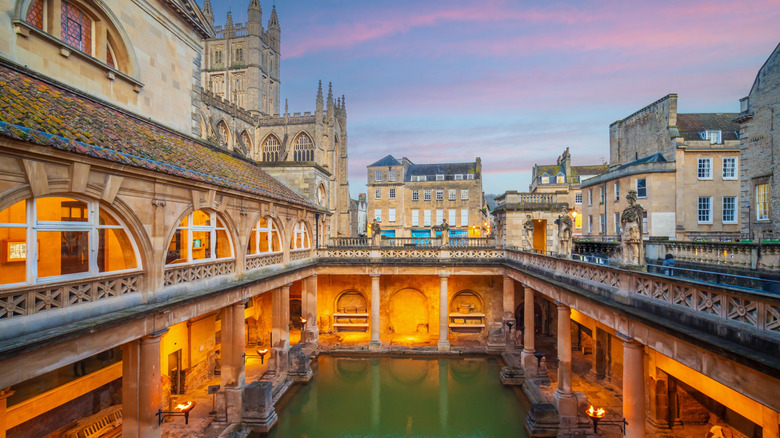
Located in the county of Somerset, Bath is home to an extraordinary Roman spa dating back 2,000 years. If you love Jane Austen or the "Bridgerton" series, this destination is a must-see for its historic 18th-century architecture. Named the world's best spa city in 2025, this UNESCO World Heritage Site is the go-to spot for relaxation.
Bath is best explored on foot, especially if you're the kind of person who loves quaint shops and scenery. Travel up Bathwick Hill to take in the view from Bath Skyline, a historic site overlooking the city. From there, travel through Bathwick Meadow to the Sydney Buildings, a historic road full of dozens of buildings dating back to the Georgian and Regency periods. Next, take the Horseshoe Walk down to the canal, which you'll follow to a cluster of charming storefronts selling books, antiques, coffee, treats, and trinkets.
If you want to get active, visit the Bath Boating Station and take a ride on the River Avon aboard a charming antique-style boat you can picnic on as you row. Just a short distance away, take a stroll around Dundas to visit the historic Dundas Aqueduct. Of course, be sure to make time for a visit to the Roman Baths where the Romans once worshipped the goddess Sulis Minerva while bathing in the local thermal spring waters.
The Lake District

Some of the world's most scenic camping can be found in England's Lake District, a 912-square-mile region of rolling hills, lakes, rivers, and forests dotted with charming towns — and recognized as a UNESCO World Heritage Site. Choose from an array of plentiful campsites or boutique hotels to rest your head before setting out to explore the region's many festivals and sightseeing destinations.
No matter what time of year you visit, there's almost always something to see and experience here. Visit Penrith in late October for the annual Winter Droving, a medieval-style festival where the streets are taken over by masked performers, buskers, and musicians as the aroma of roasted chestnuts and mulled wine fill the air. Dine aboard a replica of the Orient Express at Bassenthwaite Lake Station, located near the picturesque Dubwath Silver Meadows. Or, travel up to the colorful Claife Viewing Station for breathtaking views of the lake and English countryside before traveling on foot to Wray Castle.
Spend some time with Peter Rabbit in the enchanting World of Beatrix Potter immersive exhibition. Then, step into what Rick Steves calls "a mini-Stonehenge," a rock formation from the Neolithic period called the Castlerigg Stone Circle. With the Helvellyn and High Seat Mountains as its backdrop, this mysterious stone circle is a must-see.
The Peak District

Of the many underrated UK destinations for a picture perfect getaway, the Peak District is one you can't afford to miss. Spread across north central England at the southern end of the Pennine Hills, the Peak District is England's oldest national park. The region is divided into two distinct areas: the White Peak, with its peaceful villages, and the Dark Peak, with its rugged gritstone moors, bogs, and heather-covered hills.
If you're into hiking and climbing, the Peak District is a destination worthy of your bucket list. Here, you'll find plenty of natural landmarks like the Trinnacle and Thor's Cave, steep limestone formations that sit nearly 900 feet above sea level. There's also Bleaklow, the site of a B-29 bomber aircraft wreck. Or, take in the view from above on a cable car flight to the Heights of Abraham.
Also in the Peak District, tourists can visit stately Chatsworth House, owned by the Devonshire family for 17 generations and home to a vast collection of artwork. Visit the town of Buxton for its Victorian and Georgian architecture, thermal spas, ornamental gardens, and charming Spring Gardens shopping district. While you're there, check out Poole's Cavern, a stunning limestone cavern formed over millions of years.
Cornwall and the Isles of Scilly
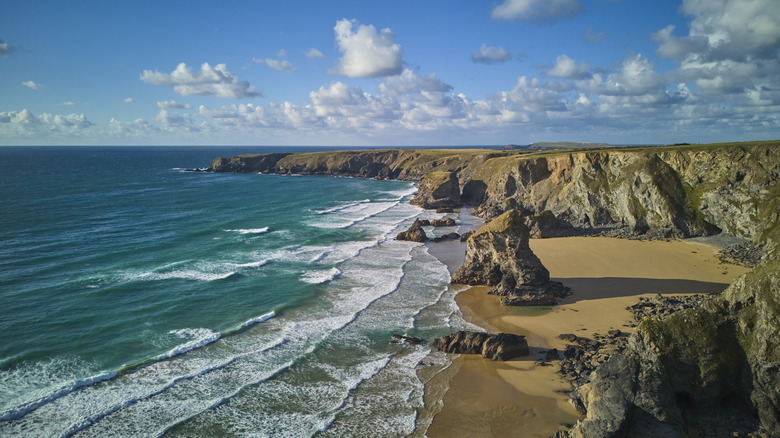
Located on England's southwestern tip is the coastal community of Cornwall, a region filled with Celtic heritage, tranquil beaches, dreamy coastal towns, and enchanting coves. Just off the coast is the Isles of Scilly, an archipelago known for its clear blue waters. You'll find fascinating rock formations along Kynance Cove, especially if you visit the region at low tide. Be sure to stroll along the Lizard Peninsula and visit the Lizard Lighthouse Heritage Center. Take a trip through the subterranean world of Cornwall's mines and caves with an underground tour, visit the famous cliff-top Minack Theatre in Penzance, and explore the lush biomes of the Eden Project. Surfing, shopping, and strolling around the countryside are great ways to while away your time in Cornwall. And of course, you'll want to taste the local Cornish pastry — baked turnovers filled with meat, potatoes, and vegetables.
If you're into castles, forts, and abbeys, you'll love Cornwall as it is home to many. Climb up to Pendennis Castle, the Tudor-era artillery fort of King Henry VIII. Or in Tintagel, you'll find Bossiney Castle, a national heritage site once home to an 11th-century wooden castle. If you plan to check out as many castles as possible while you're in Cornwall, consider investing in a Cornwall Heritage Trust membership, which lets you visit all of its sites for free. Memberships start at £18, or $24 USD per year, at the time of writing.
Bristol
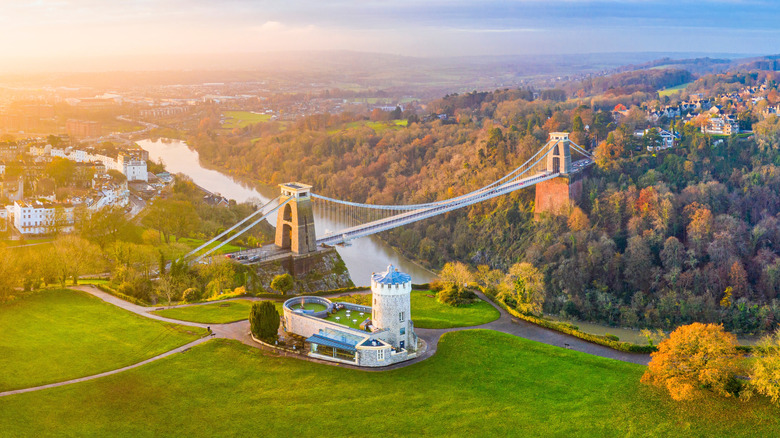
Located in the southwest of England along the River Avon near its confluence with the Severn Estuary, Bristol is an inland city with a maritime history and a vibrant bohemian, artistic heritage. As the home of world-famous artist Banksy, Bristol's street art is one of its biggest draws for visitors.
Start with a walking tour of Bristol's graffiti to get a sense of the community's creative vibe. The neighborhood of Stokes Croft is considered a major street art center in Bristol, with many of the local businesses commissioning street art from local artists. Move on to Bristol's colorful enclave of Bedminster to check out famous street art like the Six Sisters murals lining the shops of North Street. Next, travel down Nelson Street, Park Street, and down to the Bristol Harbourside. Various guided walking tours are offered in Bristol, taking visitors to all of the Banksy displays and renowned murals around the city.
While in Bristol, be sure to visit the Brandon Hill wildlife area. Right in the center of the park is the 105-foot Cabot Tower, built in 1897 in tribute to John Cabot's North American voyage. Ensure that the tower is open before you arrive, so you can climb to the top for panoramic views of Bristol.
England's narrowboat canals
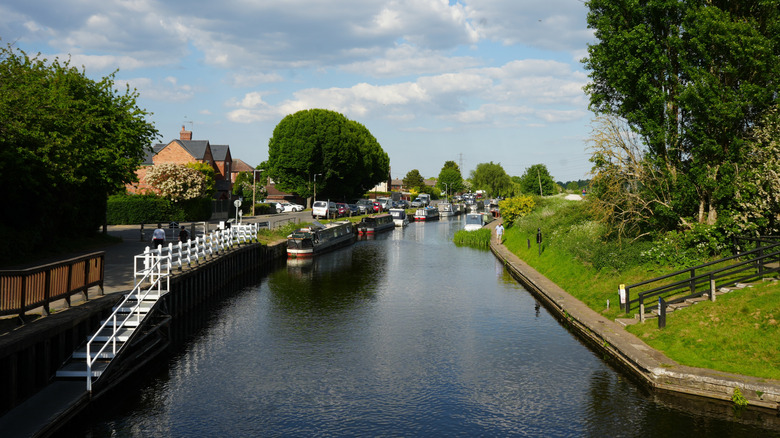
Once a crucial mode of transportation during the Industrial Revolution, the United Kingdom's 2,000 miles of narrow canals and waterways now serve as one of the most relaxing ways to tour the British countryside. From uncrowded destinations like Little Venice in London, tourists can take a trip on a narrowboat, a canal boat less than seven feet wide and up to 70 feet long. You can even rent your own longboat and drive it yourself, navigating through England's locks in the comfort of a boat with a fully-equipped galley and cozy beds. You don't even need a license to operate one, just a crew with at least two adults to steer and navigate the locks safely. However, a route with many locks is best suited for groups with multiple adults who are able to help.
Whether you join a boat tour or venture out on your own vessel, there are tons of destinations to experience along the way. The 45-mile route around Birmingham provides convenient access to shops, restaurants, and pubs, along with many scenic detours. Travel through Yorkshire beginning with Tuel Lane lock in Sowerby Bridge — the deepest lock on Britain's canal system.
The Jurassic Coast
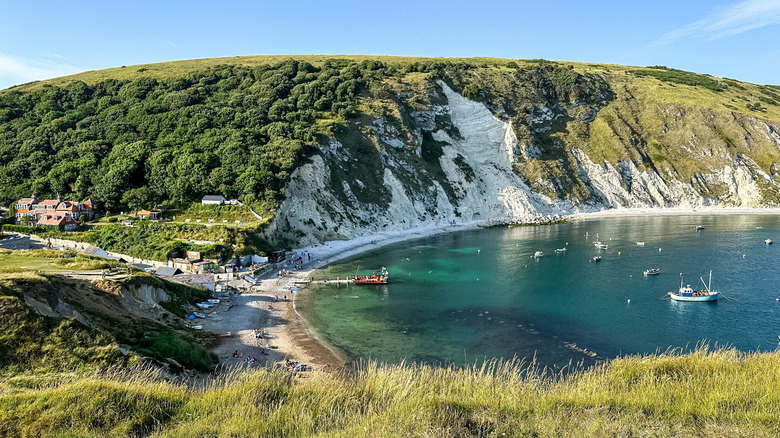
A 95-mile swath of coastline extending from Exmouth in Devon to Studland Bay in Dorset, the Jurassic Coast is a UNESCO World Heritage Site famous for its dramatic and fossil-rich cliffs. Along Dorset's Monmouth Beach, low tide often reveals the fossils of the ancient creatures that once lived in the Jurassic seas.
The best way to experience the Jurassic Coast is simply by walking around the area's beaches and coasts, although camping and sailing around the coastline will make your visit unforgettable. The ethereal atmosphere that provided the haunting backdrop for "Broadchurch" presents some of nature's most breathtaking scenery, particularly in West Bay. The Old Harry Rocks and the circular bay of Lulworth Cove are two stunning Jurassic Coast destinations you won't want to miss.
While you're in Dorset, visit the 1000-year-old Corfe Castle and its surrounding village. Explore the working Portland Bill lighthouse, or travel by ferry to experience the good life in the "millionaire's playground" of Sandbanks, where the most expensive homes in the UK can be found.
Stratford-Upon-Avon
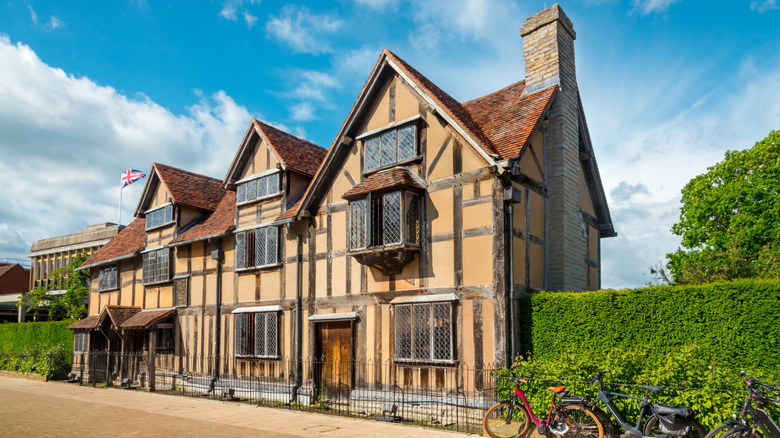
Fans of classic literary arts must cross Stratford-upon-Avon off their bucket list. Located in England's West Midlands, Stratford-upon-Avon is the medieval market town where William Shakespeare lived. Here, you can visit the home where Shakespeare was born and spent the first few years of his marriage. Next, stop by the classroom where Shakespeare learned to read and write as a child in the 1570s and learn more about what life was like during that period. Then, tour Anne Hathaway's cottage, the 15th-century farmhouse where Shakespeare's wife was born in 1556. Finally, head to the Holy Trinity Church and pay a visit to Shakespeare's grave.
After your Shakespeare tour, stroll along the river or grab a pint in the charming surrounding town. Head to Stratford Canal Basin near the world-famous Shakespeare Theatre to check out Stratford-upon-Avon's shopping and dining district, stopping at local businesses housed in boats that are permanently docked along the Canal Basin. Or, visit the Stratford Butterfly Farm, an indoor tropical oasis and the largest of its kind in the United Kingdom.
York
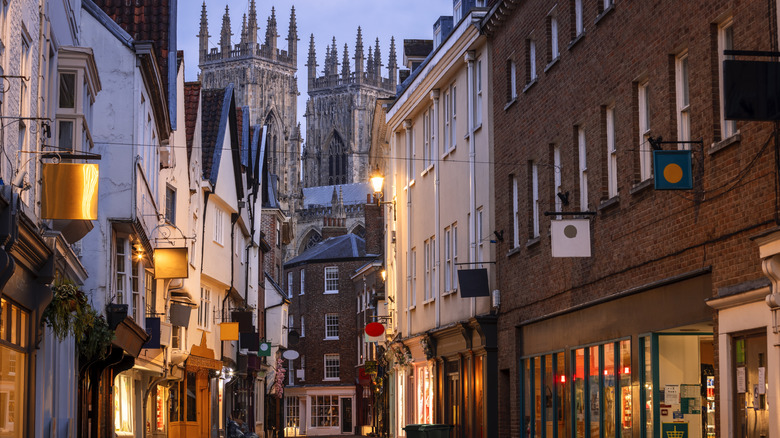
An ancient walled city where Romans once walked, York has a rich history shaped by Viking invasions and a thriving medieval past. The first thing you should do in York is locate the city walls, which surround York's historic center. The well-preserved medieval city walls, which date back to the 13th century, take about two hours to walk around, if you're so inclined.
Next, travel back to the Roman era at the York Museum Gardens, where the Multangular Tower, a 15-foot fortress dating back to the 3rd century, can be found. Here, you can also visit the York Observatory, Yorkshire's oldest observatory dating back to about 1832. St. Mary's Abbey, a Benedictine monastery built in 1088 AD, and the ruins of the medieval St. Leonards Hospital can also be found on the property. Afterward, head over to Barley Hall, a restored medieval townhouse with hands-on family activities.
Methodology

To choose the top tourist destinations in England, I began with Tripadvisor and Reddit to see which places seemed to be the most popular. I also looked for specific recommendations from locals, selecting those that were consistently mentioned and highly praised by residents and visitors alike.
Each destination is rich with history, something that most visitors to England seem to appreciate. So, I spent a good deal of time immersing myself in the historical landscape of each destination, consulting the online Encyclopedia Brittanica as well my own wealth of print books from my years spent in graduate college as an English major. Also helpful to my research was the UNESCO World Heritage Site database, English Heritage, and Britain Express. For the most accurate and up-to-date information, I consulted tourism boards such as Visit Britain, Visit London, Visit Dorset, Visit York, Visit Britsol, the art blog Inspiring City, and many more. Details about national parks and outdoor attractions were provided by the UK heritage conservation authority National Trust.