World Heritage Sites
Author Lana Law has visited many of the top World Heritage Sites on her global journeys.
For centuries, or even millennia, some of the most astounding sites of ancient times were forgotten or hidden from the world, buried under jungles, deserts, or farmers' fields around the globe. Rumors of lost cities or chance discoveries by people going about their everyday lives have led to unimaginable finds that are today open for the world to see. Many of these have been designated UNESCO World Heritage Sites.
Some of these incredible sites have been attracting tourists for hundreds of years and are as fascinating now as they were when they were first uncovered. It may be a cliché to say there has never been a better time to explore the greatest sites on the planet, but it is also true. While they're all significant, some are arguably more impressive than others.
Explore ancient wonders with our list of the best World Heritage Sites.
- Machu Picchu, Peru
- Pyramids of Giza, Egypt
- Bagan, Myanmar
- Angkor Wat, Cambodia
- Great Wall of China
- Roman Colosseum, Italy
- Acropolis of Athens, Greece
- Stonehenge, England
- Borobudur, Indonesia
- Mesa Verde, USA
- Terracotta Army, China
- Petra, Jordan
- Mayan Ruins of Tikal, Guatemala
- Lascaux and Lascaux II, France
- Chichen Itza, Mexico
- Leshan Giant Buddha, China
- Easter Island
- Cappadocia
- Taj Mahal
- Map of World Heritage Sites
Machu Picchu, Peru
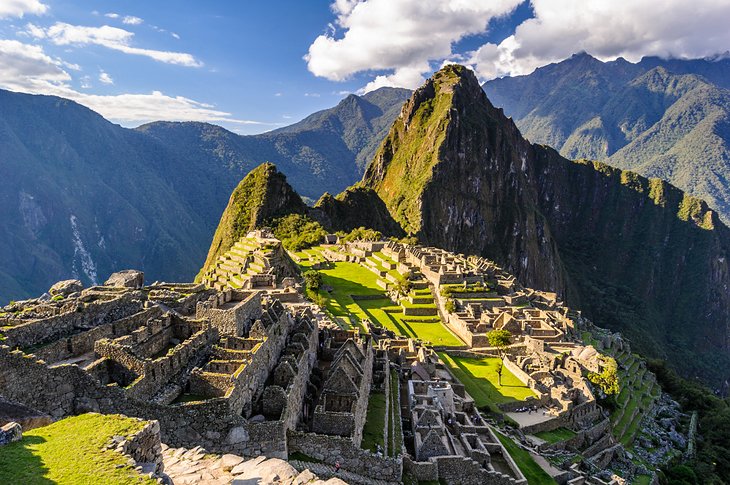
Highlights: An ancient 15th-century city high in the Andes with breathtaking views
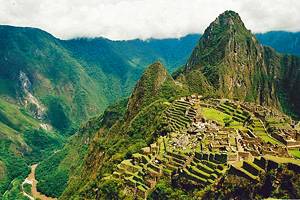
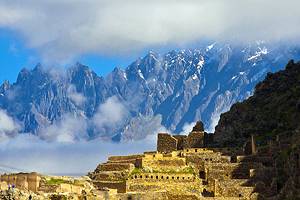
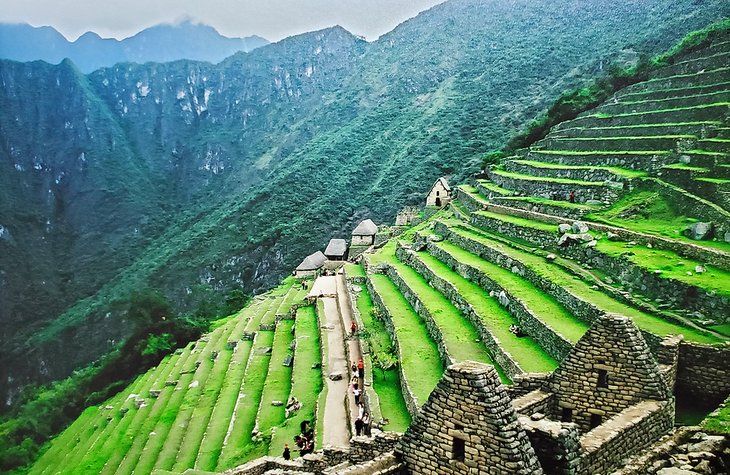
Built in lush, mountainous terrain high above the Urubamba River, Machu Picchu lies in one of the most stunning settings of any archeological site in the world. This ancient city of Incas cascades down steep walls on each side of the mountain, with terraced steps that disappear over cliff edges into the valley below.
These incredible ruins have been restored and are well-maintained, giving visitors a good indication of what the city might have looked like when it was occupied during the 15th and 16th centuries.
Many people visit Peru for the sole purpose of seeing Machu Picchu, and the journey to the ruins can be an adventure in and of itself, depending on how travelers choose to reach the site.
Adventurous souls can opt for a guided, multi-day hike and camping trip along the famous Inca Trail to reach the site, or choose the easier option of accessing the ruins by bus from the small town of Aguas Calientes at the base of the hill, which most visitors get to by train from Cusco or the Sacred Valley.
Pyramids of Giza, Egypt
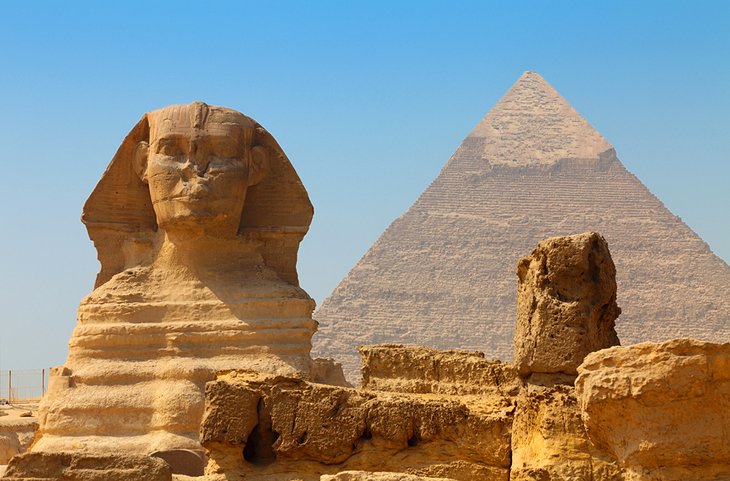
Highlights: Majestic monuments set in the desert plains speak to human ingenuity
One of the most iconic sites in the world, the Pyramids of Giza, just outside Cairo, is a surreal sight rising from the barren desert landscape. Standing guard nearby, and almost as impressive, is the Sphinx, gazing blankly out over the land.
The pyramids were built as tombs for the Pharaohs, the largest of which was constructed between 2560 and 2540 BCE. To put their age in perspective, they were already more than 2,600 years old when the Colosseum in Rome was being built. Today, these giant monuments are the sole surviving member of the Seven Wonders of the Ancient World.
For a memorable experience, take a sunset camel ride in front of the pyramids, one of the top things to do in Egypt. Also, be sure to follow the inner tunnels in the Pyramid of Chephren or the Pyramid of Cheops to the burial chamber deep inside.
- Read More: Pyramids of Giza: A Visitor's Guide
Bagan, Myanmar
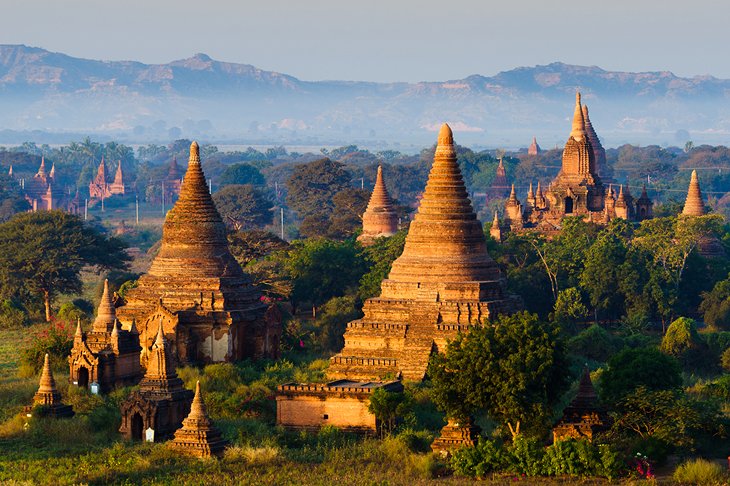
Highlights: Countless thousand-year-old temples spread across an enchanting landscape
Thousands of ancient temples and stupas stretch endlessly across the landscape at Bagan, where the silhouette of the temple spires against the sky in the early morning or late day is a magical sight. The area is known for having the largest concentration of Buddhist temples in the world, many of which were built in the 1000s and 1100s, when it was the capital of the Pagan Kingdom.
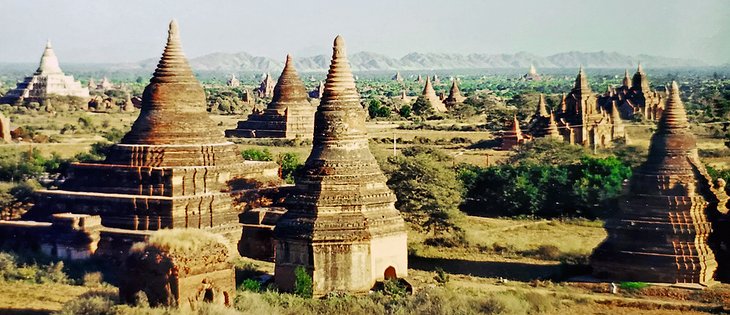
Some of these have been restored, and others are little more than ruins. They also range in size and level of sophistication, creating an intriguing mix of structures that make visitors want to keep exploring the site. You can tour the area on rickety old bicycles, hire a horse and cart, take a hot air balloon ride over the site, or simply hire a taxi. Each of these methods has its own appeal.
Angkor Wat, Cambodia
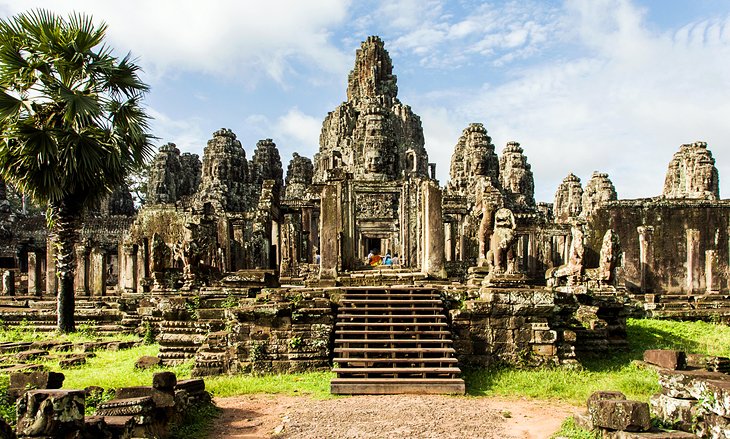
Highlights: Ruins from the 12th century showcase the architectural mastery of the ancient Khmers
In a unique jungle setting, not far from the city of Siem Reap, Angkor Wat is known for being the world's largest religious monument, but it is more than sheer size that makes the Angkor complex so interesting. The site was built by the Khmers in the 12th century, and the architecture is nothing less than stunning.
The site has an intriguing mix of excavated and unexcavated temples in varying shapes, sizes, and states of decay, with some buildings taking on a mystical appearance as they're swallowed up by trees and roots. Huge stone carved faces peer out in all directions. Extensive and intricate bas-reliefs line the walls and doorways. Crumbling passageways and steep stone stairs call out for exploration.
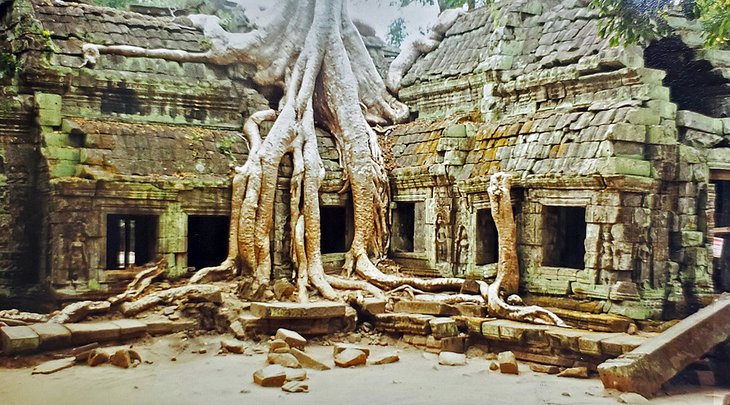
Before its fall in the 15th century, Angkor Wat was the largest city in the world. The complex is huge, and you may want to spend a couple of days taking in the site.
Great Wall of China
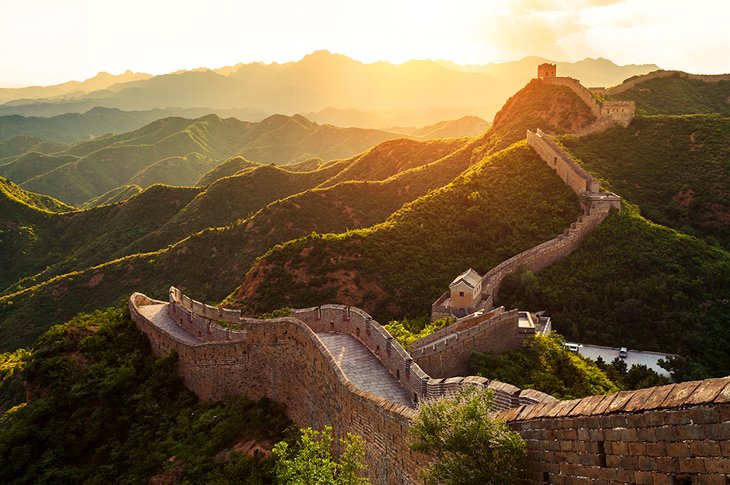
Highlights: Wonderful views from atop this Ming Dynasty marvel, cultural history
Stretching almost 6,000 kilometers as it snakes its way through forests and mountains, the Great Wall of China is one of those undeniable bucket list sites that have long inspired great adventures. This massive wall, connecting battlements and watchtowers, was built over the centuries, with the oldest sections dating back to the 7th century BCE.
Today, you can opt to simply visit the wall on a day trip from Beijing, or tackle whole sections of it on organized, multi-day trips. Some sections of the wall have been restored, while other sections are badly in need of repair.
The Great Wall of China is one of China's most photographed attractions.
Read More: Tourist Attractions in Beijing
Roman Colosseum, Italy
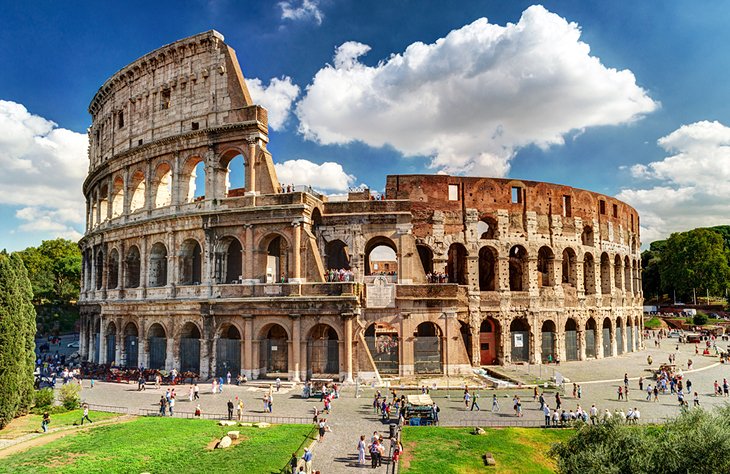
Highlights: An iconic 50,000-seat ancient amphitheater that is a must-see when visiting Rome
One of the most recognizable structures in the world, the Roman Colosseum is the largest building remaining from Roman times. Its imposing presence in the city center of modern-day Rome is a testament to the incredible history of the city and the achievements of the Roman Empire.
Visitors popping up from the nearest subway stop or turning a corner and seeing it for the first time can't help but be stunned by its immense presence. Construction began on the structure in 72 CE, and today, it is still one of the greatest tourist attractions in the world.
The Italian Government has recently announced that the floor of the Colosseum, once the battlegrounds of brave gladiators, will be restored to its former glory. This will allow the Colosseum to be used for cultural and other special events and for visitors to imagine what it would have been like to stand and look up at the roaring crowds. This work is expected to be completed in 2023.
- Read More: Visiting the Colosseum: Highlights
Acropolis of Athens, Greece
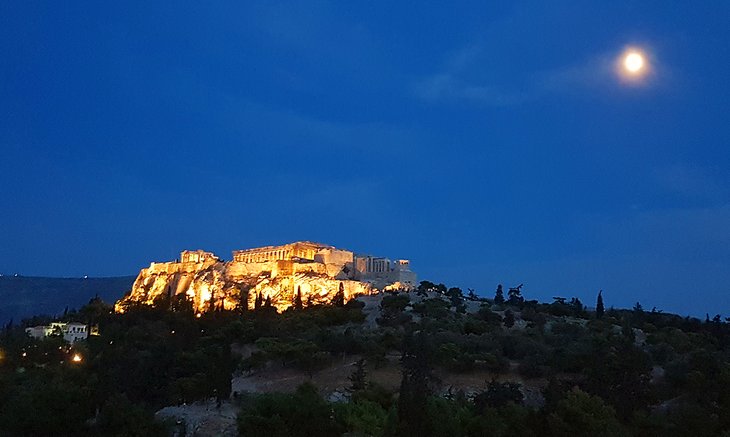
Highlights: Ancient monuments dating from the 4th century BCE, fantastic views over Athens
Towering over the city of Athens from its hilltop perch, the Acropolis stands as a proud monument to Ancient Greece. Dating from between the 5th and 4th century BCE and dominating the site, the Parthenon is the largest and most recognizable structure from this period and symbolizes the extensive history of this country.
Just steps away from modern-day Athens, the Acropolis is a powerful sight, glistening in the Mediterranean sun during the day and lit for dramatic effect at night. For first-time visitors to the city, it is an awe-inspiring sight and sets the stage for travelers carrying on to other parts of Greece.
Stonehenge, England
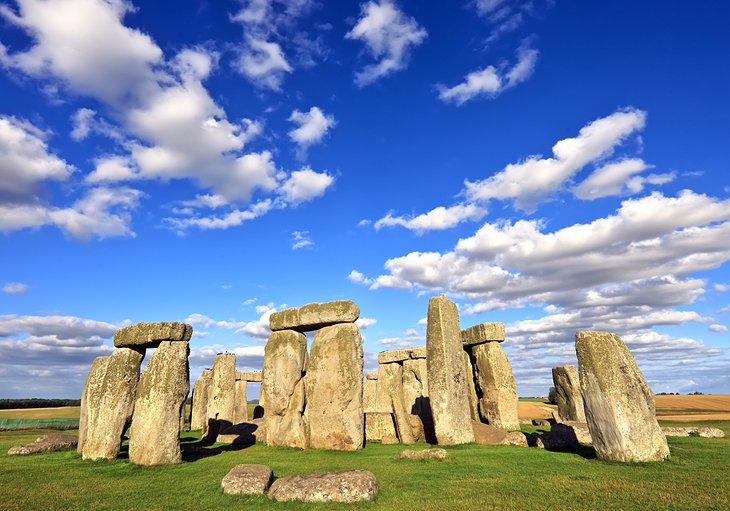
Highlights: Mysterious stones over 4,000 years old give the site a mystical air
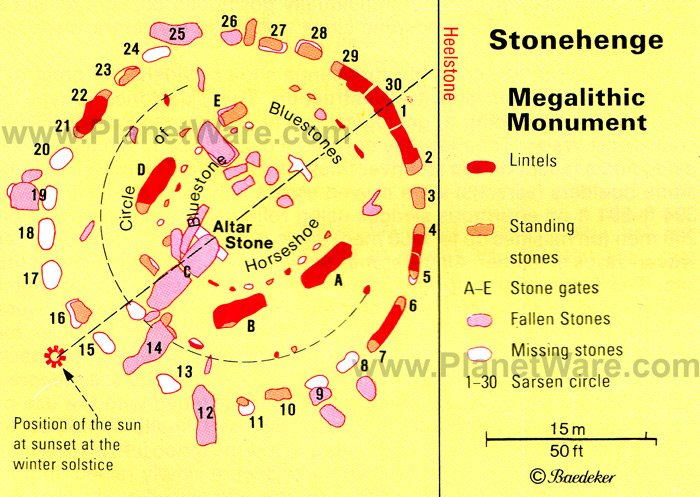
This incredible prehistoric monument is one of the United Kingdom's most visited attractions and certainly one of its most unique places to visit, drawing huge numbers of visitors each year. The monument is thought to have been erected between 3000-1500 BCE, but there is no record of its origin or purpose, leading to all kinds of speculation and myths, some of which suggest religious or astronomical significance.
As a result, the Bronze Age ring of standing stones holds an almost mystical fascination, particularly around the summer and winter solstices, when the light from the sunrise and sunset is aligned with the stones. Located near the city of Salisbury, and not far from Bath, Stonehenge can be easily visited on a day trip from London.
Borobudur, Indonesia
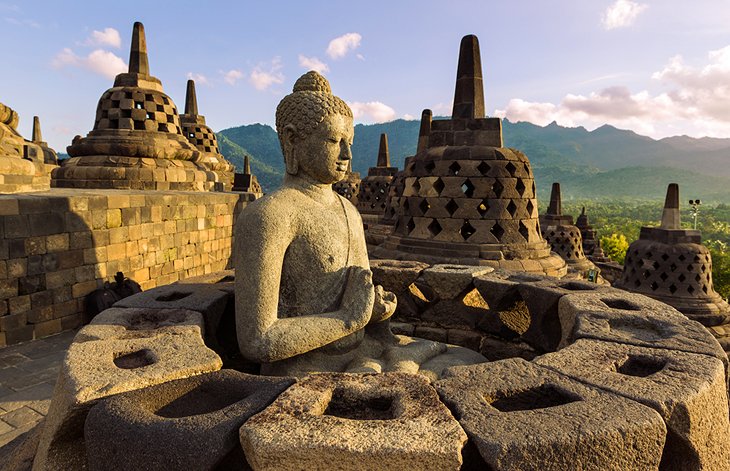
Highlights: A massive temple site nearly 1,400 years old, stunning views of volcanoes in the distance
Borobudur is one of the most important Buddhist sites in the world and certainly one of Indonesia's most famous landmarks. Set in lush, tropical surroundings, with mountains and volcanoes rising in the distance, the site is visually stunning and soothingly peaceful.
Located on the island of Java, near Yogyakarta, this massive temple complex was constructed in the 700s, but two to three hundred years later, the site was abandoned, possibly due to volcanic eruptions in the area, and went relatively undisturbed for centuries. The site was uncovered in the 1800s by the British and later restored. Today, it is one of the most important tourist attractions in Indonesia and one of the best places to photograph in the country.
Mesa Verde, USA
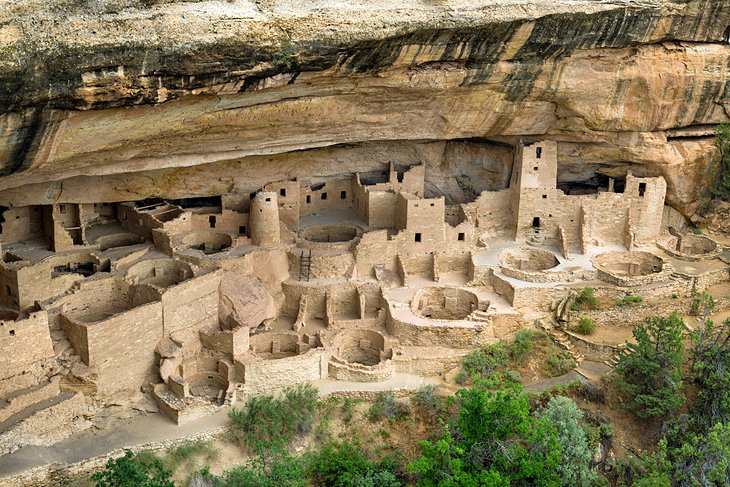
Highlights: Fascinating cliff dwellings perched under massive rock ledges
Mesa Verde is home to one of the most visually stunning archeological sites in the USA and some of the most well-preserved Indian ruins in North America. The most impressive sites are the cliff dwellings tucked precariously into the canyon walls, but the entire area, including the forest-covered plateau, contains a vast array of ruins.
The Ancestral Puebloans inhabited this area of what is now Colorado for hundreds of years, living on top of the plateau between the 6th and 12th centuries and then in the cliff dwellings until the late 13th century. The drive up to the site is along a gently twisting road to the top of the mesa, where you can tour the sites on the plateau by car to see pit houses and other ruins, and enjoy stunning views of the dwellings in the canyon walls.
Those who are up for a slight physical challenge can take a guided tour through some of the cliff dwellings, climbing up ladders and exploring the site in detail.
Terracotta Army, China
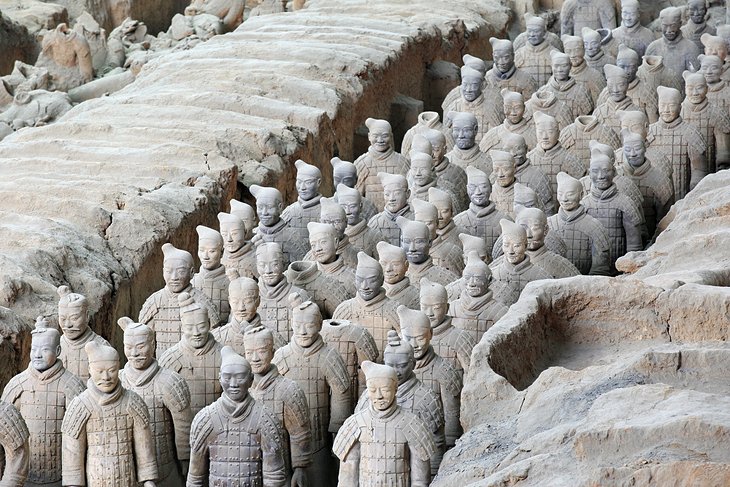
Highlights: An incredible display of nearly 8,000 intricately carved clay warriors
Standing guard over the first emperor of China, Qin Shi Huang, the Terracotta Army is like no other archeological site in the world.
Thousands upon thousands of life-sized warriors, each with a unique face, stand in rows, where they have stood since they were buried here in the 3rd century BCE. It is estimated that some 700,000 workers were involved in the creation of the site, which is thought to have approximately 8,000 clay warriors.
The site remained undiscovered for millennia, until a farmer was digging a well in the 1970s and uncovered the treasure. Some of the site remains intentionally not excavated, but you can't help but be more than impressed by the massive army that stands before you.
Petra, Jordan
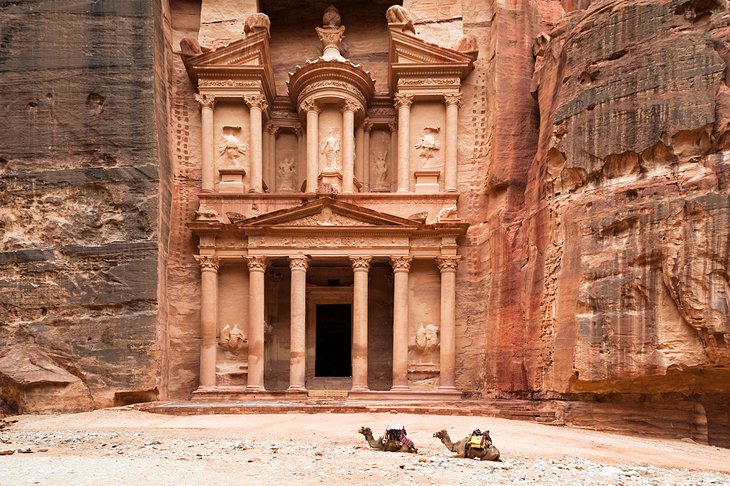
Highlights: A 5,000-year-old city carved out of rose-red stone, reached via a secret passageway
A dramatic, narrow rock gorge allows entrance to the ancient city of Petra, a stone city with dwellings hewn into sandstone walls. This ancient capital city of the Nabataeans has roots that trace back to as early as the 4th or 5th century BCE. Discovered by the West in the early 1800s, it has been referred to as "the rose city" for the color of the rock, and for obvious reasons, "the carved city."
Situated in a mountainous area with limited access, it held a strategic position on an important trade route in the region. Today, Petra is the most important tourist attraction in Jordan.
Read More: Visiting Petra: A Visitor's Guide
Mayan Ruins of Tikal, Guatemala
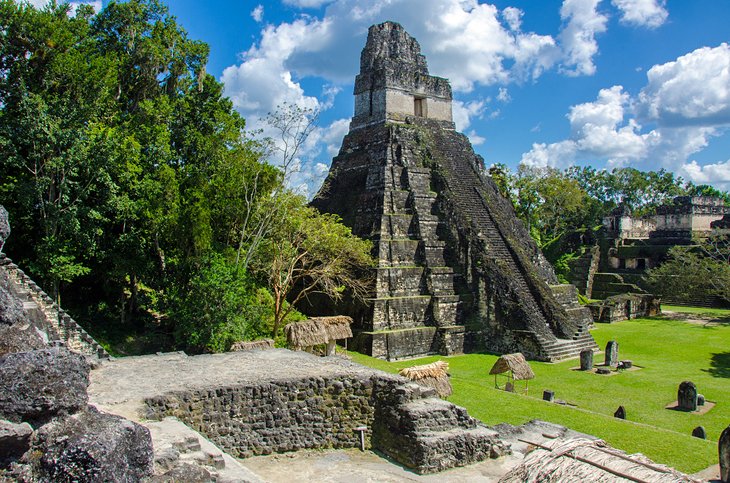
Highlights: A partially restored ancient city buried in the Guatemalan jungle with more than 3,000 structures
The ancient Mayan city of Tikal is one of the greatest archeological sites in Central America. Located in northern Guatemala and surrounded by jungle, the site comprises more than 3,000 structures from a city that existed between 600 BCE and 900 CE. Ancient pyramids, temples, plazas, and foundations of all kinds of buildings reveal a complex society that housed tens of thousands of people.
The site was rediscovered in the mid-1800s and opened to the public in the 1950s. Some of the site has been restored, but work continues, with some areas not yet mapped or excavated at all. The ruins are in Tikal National Park, a biosphere reserve protecting the forest and wildlife in the area, considered one of the best places to photograph in Guatemala
Lascaux and Lascaux II, France
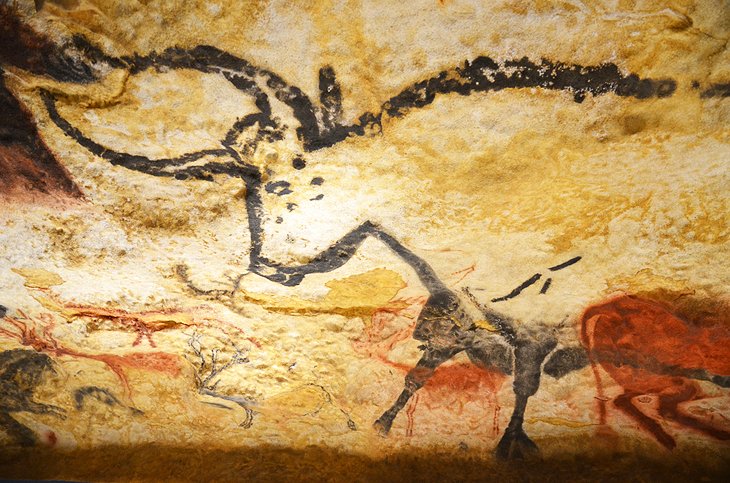
Highlights: Incredible cave artwork more than 17,000 years old
The Lascaux Cave in the Dordogne region of France contains extraordinary cave paintings, thought to be some of the finest in the world from the Paleolithic period. These detailed paintings from more than 17,000 years ago primarily depict animals that are believed to have lived here during that time frame.
The paintings were discovered in 1940 but were later recreated at an adjacent site known as Lascaux II, 200 meters away, to protect the original site from damage. Painstaking care was taken in the construction of Lascaux II to create a detailed, accurate reproduction of the original cave and the paintings.
Chichen Itza, Mexico
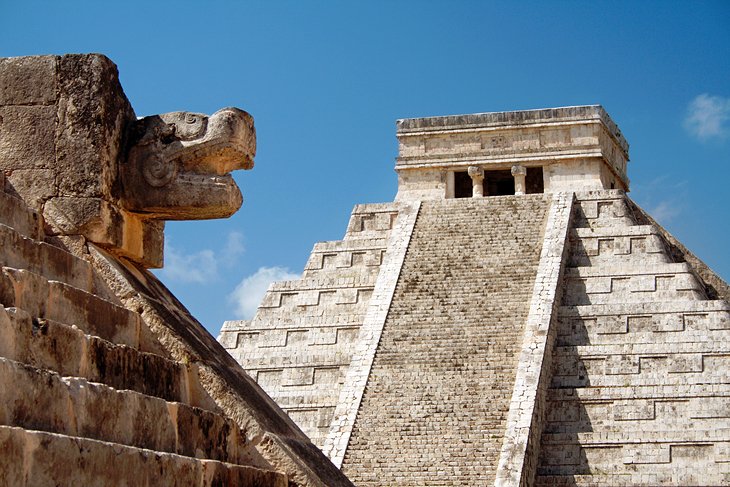
Highlight: Mexico's best restored ancient Mayan city
In the flat jungle interior of Mexico's Yucatan Peninsula, within easy day-tripping distance of Cancun and the Mayan Riviera, is the ancient Mayan city of Chichen Itza. This great city of the Mayans was an important center from the 7th to the 13th centuries and was, for a time, the regional capital.
Today, it is one of the most well-restored Mayan sites in Mexico, offering an astounding glimpse into this culture. It is also one of Mexico's biggest tourist attractions. The huge pyramid is the most recognizable symbol of Chichen Itza, but the site is very large, with many ruins to explore.
Leshan Giant Buddha, China
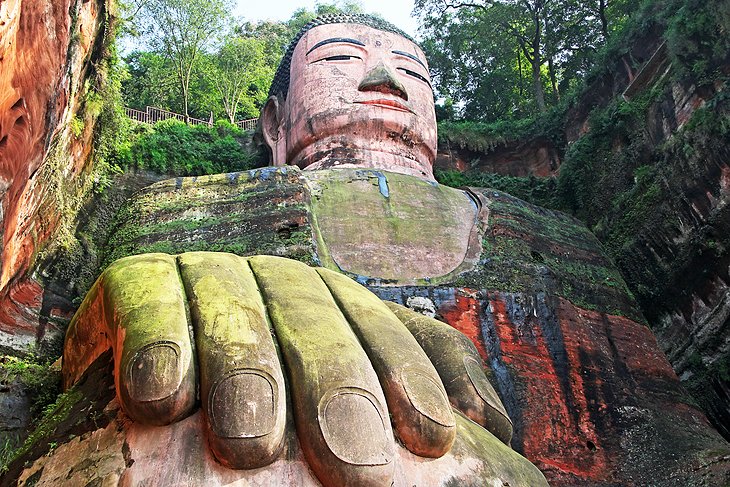
Highlight: A giant Buddha carved into a cliff wall standing over 300 feet tall
Carved out of a red sandstone cliff wall, the Leshan Giant Buddha stands 71 meters and is the tallest stone Buddha in the world. Started by a single monk in 713 CE and completed 90 years later by his followers in 803 CE, the statue looks out over the confluence of the Minjiang, Dadu, and Qingyi Rivers. It was built with the hope that it would bestow calm waters for the boats that ply this waterway.
The statement "The mountain is a Buddha and the Buddha is a mountain" is said to be attributed to this enormous statue. You can view the Leshan Giant Buddha from very close range at either the base or near the head, each offering very different perspectives.
Easter Island
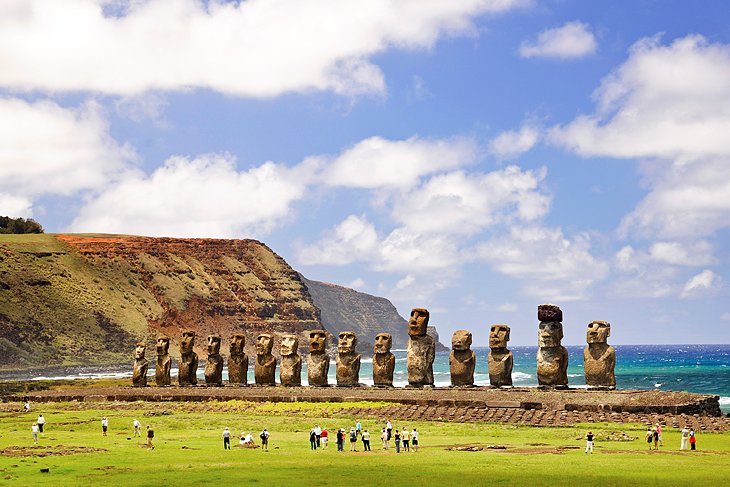
Highlights: Giant stone monuments from the 12th century stand as silent sentinels
Easter Island is a Chilean island in the South Pacific Ocean, famous for the giant statues known as Moais, which dot the landscape. Created by the Rapa Nui people, who are thought to have inhabited the island from the 12th century onward, hundreds of Moais are spread around the island.
Some are partially toppled, while others stand erect; some stand on ahu (stone platforms), and many still remain at the quarry where they were created. Ranging in size from a meter to 20 meters, each carving is unique and thought to symbolize an ancestor.
Cappadocia
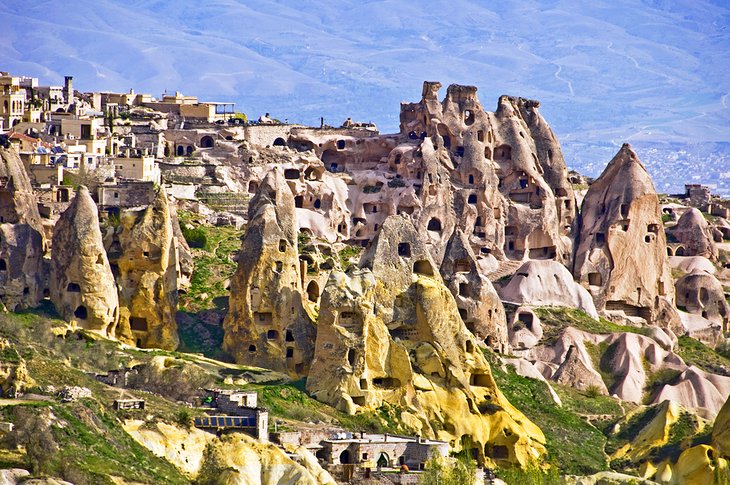
Highlights: 5,000-year-old caves carved out of strange rock formations, sunrise balloon tours
Perhaps one of the more bizarre World Heritage Sites, Cappadocia is a place of flowing rock formations and stone-capped chimneys that just beg to be photographed. Many of the formations are located in the Monks Valley and Goreme. Consider taking one of the many hiking trails that allow you to get up close.
Nearby, in the village of Uchisar, and equally unusual, are the ancient cave homes built by the people of the Bronze Age, some 5,000 years ago. Carved out of the soft rock, the caves were later used by Christians escaping religious persecution.
One of the highlights of a trip is a sunrise hot air balloon ride over Cappadocia. Even if you don't take a ride, the sight of a multitude of balloons rising over the crazy landscape is well worth a photo or two.
Taj Mahal
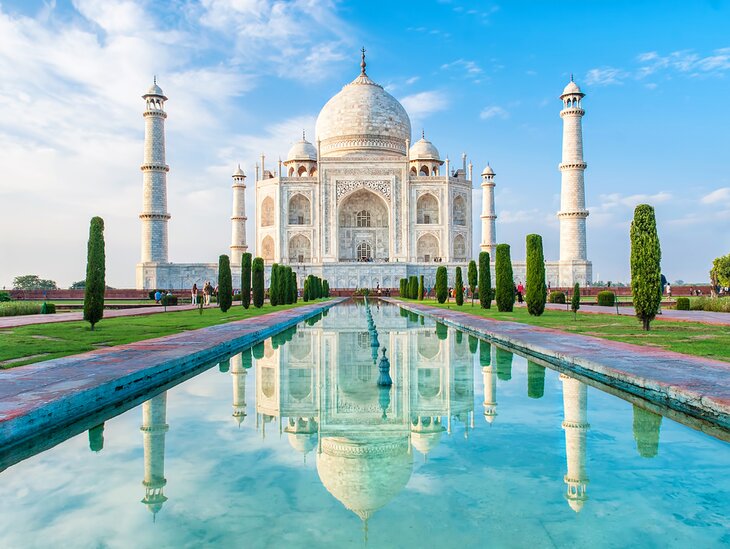
Highlights: White marble that glows and shimmers in the sun, intricate workmanship and detail work
An incredible testament to one man's love for his wife is embodied in the fantastic architecture of the Taj Mahal. Standing proudly for nearly 400 years, this site tops the list of India's tourist attractions, drawing millions each year.
Glowing white in the hot Indian sun, the marble seems to shimmer and glow in the heat and makes for beautiful photos. Up close, the intricate carving and inlaid stones are fascinating and show the level of craftsmanship that went into creating the building.
Pleasant walking trails, fountains, and gardens surround the monument. On the far side, the Yamuna River flows slowly by.
Map of World Heritage Sites
More Related Articles on PlanetWare.com
Natural World Heritage Sites: While many people think of World Heritage Sites as being cultural, UNESCO also designates Natural World Heritage Sites. For information on these, see our articles on the underwater wonders of the Great Barrier Reef in Australia or the mountainous landscape of Banff National Park in the Canadian Rockies.
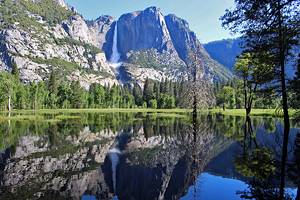
In the United States, have a look at Yosemite National Park to discover one of the most famous landscapes in America, or Yellowstone National Park to discover the geysers and other geothermal attractions. Lastly, don't miss a chance to see the Grand Canyon in Arizona, or walk below the giant redwoods in Redwoods National and State Parks.