
What Mexico Tourism Officials Mean When They Say 'Every Canadian Is Worth Two Americans'
More Canadians are flocking to the golden beaches of Los Cabos than ever before, and tourism officials are taking note of the value they bring.
Read More
More Canadians are flocking to the golden beaches of Los Cabos than ever before, and tourism officials are taking note of the value they bring.
Read More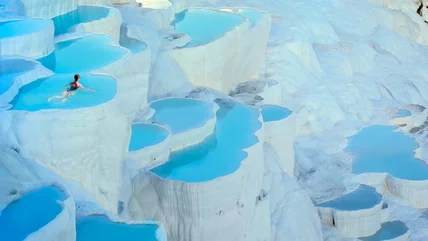
The world's best hot springs offer the perfect combination of natural beauty, rich history, and pure relaxation for the ultimate restorative getaway.
Read More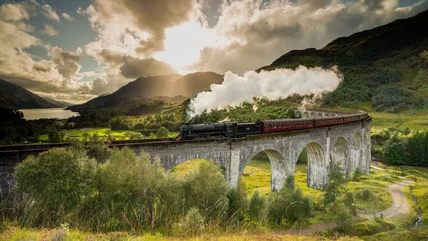
Forget flying, the world's most scenic train rides offer jaw-dropping views of mountains, coastlines, jungles, and deserts from a comfortable seat.
Read More
Traveling off the grid doesn't have to involve camping. There are other ways to take a break from tech -- and some of them are quite luxurious.
Read More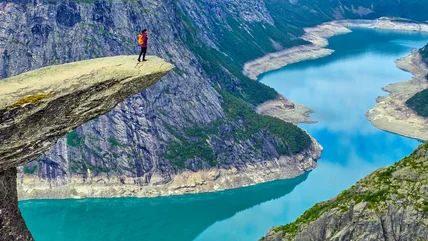
There are many places in the world to add to your bucket list, but these 13 deserve a spot at the top of the list. Get your camera ready for these scenic views.
Read More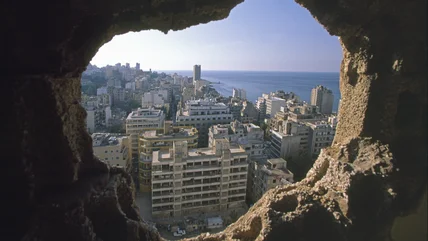
Once built for luxury and prestige, these 11 abandoned hotels now sit frozen in time, marked by events like war, disaster, and sudden collapse.
Read More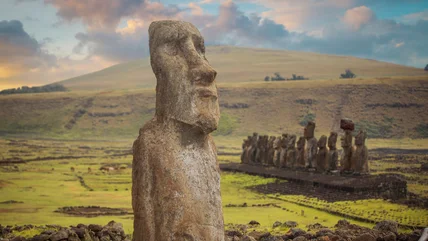
Humans have been all over the planet, but there are plenty of things that have yet to be discovered. And many discoveries remain unexplained.
Read More
Wellness travel in 2026 is evolving beyond regular spa experiences, driven by new concepts around health, connection, nature, and intentional living.
Read More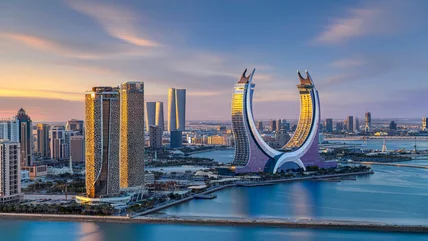
Planning a standout trip in 2026? These 15 expert-approved properties from around the globe deliver unforgettable stays where service and style come first.
Read More
From cutting-edge tasting menus to boundary-pushing cuisine, these 11 world-class restaurants are setting a new benchmark for dining in 2026.
Read More
While pre-arrival requirements will be implemented in some countries in 2026, U.S. passport holders can still visit nearly 180 places without a visa.
Read More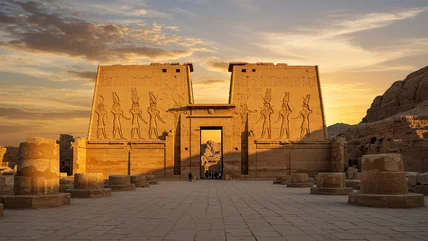
These affordable destinations are proof that budget travel doesn’t mean sacrificing safety, comfort, or once-in-a-lifetime experiences in 2026.
Read More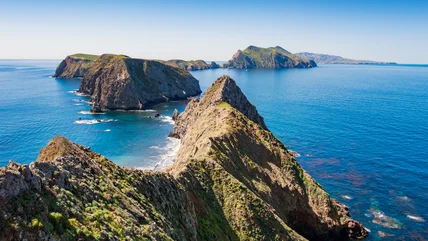
Off the coast of Southern California lies a national park unlike any other that's brimming with epic scenery, rare wildlife, and incredible outdoor experiences.
Read More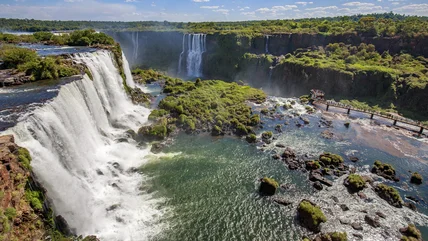
Brazil is a huge country, so planning your itinerary to this South American country can pose quite a challenge. We've made it easier for you.
Read More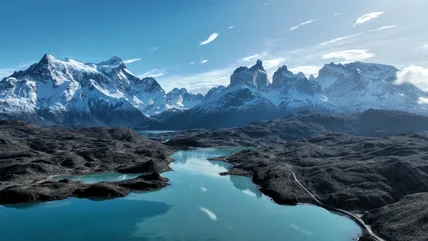
Planning your first trip to Chile? Explore the country’s can’t-miss natural landscapes, cultural hotspots, and unforgettable outdoor adventures.
Read More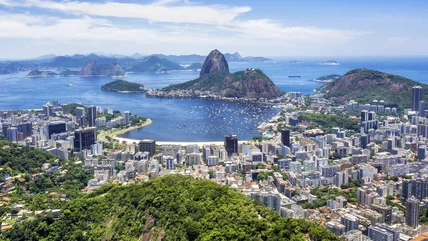
Discover Rio de Janeiro through its most unforgettable views, vibrant neighborhoods, and iconic landmarks that first-time travelers simply can’t miss.
Read More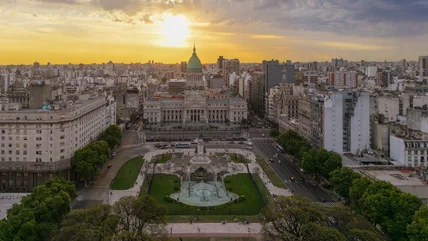
Argentina is such a large country that it can be difficult to know where to start when exploring this South American destination. Don't miss these spots!
Read More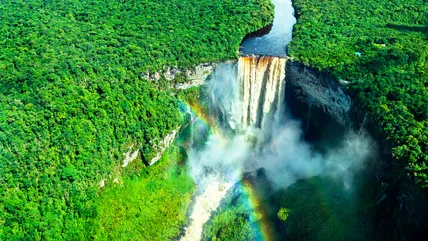
While one might assume that countries in South America speaks Spanish, this one, which is a hidden gem full of unique animals and waterfalls, speaks English.
Read More
Restrooms in Mexico might not resemble your bathroom back home, and one feature often taken for granted may be missing when you enter the toilet stall.
Read More
From ancient civilizations to vast coral reefs that can be seen from outer space, this is your definitive guide to the world's must-see destinations.
Read More
To decide which area of Mexico to visit on your next trip, check out this breakdown of Mexico's cultural regions and what to do and see in each.
Read More
Escape to paradise on a journey through 15 breathtaking island destinations that redefine beauty — from tropical oasis to volcanic peaks and beyond.
Read More
From ancient canyons to massive waterfalls and formations visible from space, these breathtaking natural wonders showcase our planet's raw power.
Read More