

Yellowstone National Park's 12 Must-See Attractions To Explore During Your Visit
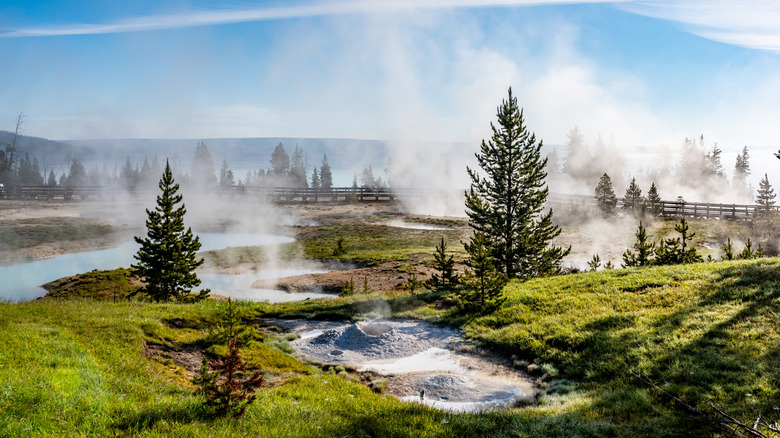
Named for the Yellowstone River that courses northeastward from Wyoming into Montana and eventually into North Dakota, Yellowstone National Park is a natural treasure that has been federally preserved since 1872. Yellowstone was officially named the first national park — not only in the U.S. but in the world — largely because its impressive geology crosses state lines, so it required a unique designation. Most of the park predominantly comprises the northwestern corner of Wyoming, plus narrow strips along the borders of southern Montana and eastern Idaho.
For thousands of years prior to white settlers expanding westward across North America, numerous Native American tribes called the region home. Today, the National Park Service recognizes more than two dozen tribes that continue to have connections to Yellowstone National Park and sustain time-honored relationships with the land. Beyond this, the park also sits on top of an active volcano — which is the source of its unique hydrothermal features. The landscape encompasses a giant caldera formed more than 630,000 years ago when a massive eruption occurred. Thanks to this geological activity deep in the earth, Yellowstone is home to remarkable sites like Grand Prismatic Spring, Mount Washburn, and the iconic Old Faithful geyser.
The 2.2 million-acre park continues to attract millions of annual tourists hoping to view incredible wildlife, stay in historic lodges, camp under the stars, take scenic drives and stagecoach tours, hike along more than 1,100 miles of trails, and more. Below, discover 12 must-see attractions around this historic park.
Count on Old Faithful
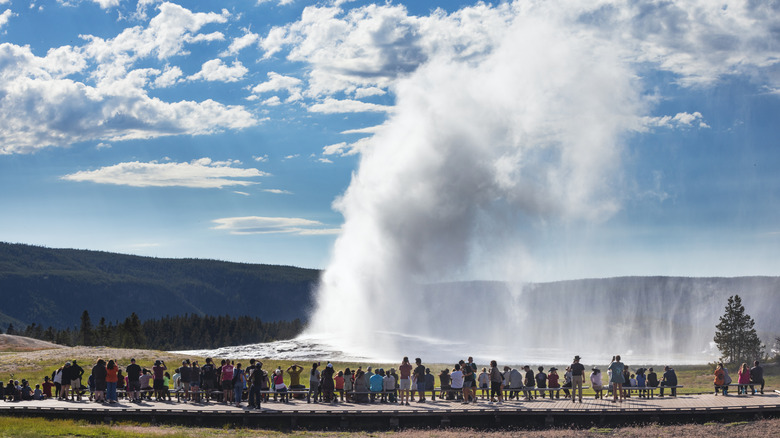
There are hundreds of geysers in Yellowstone, 500 to 700 of which erupt at different times throughout the year. Six geysers within Yellowstone National Park can be predicted with regularity, including what is arguably the region's most iconic feature: Old Faithful. Even though its intervals have increased over the past few decades — possibly due to developments and natural changes to the subterranean water networks — it's still as reliable as ever.
Yellowstone's geysers, which comprise the biggest concentration of the features anywhere in the world, are one of the tell-tale signs of the active volcano atop which the park sits. Walk along the boardwalks in the Upper Geyser Basin area to watch the phenomenon from a safe distance. Eruption predictions are posted on the Yellowstone National Park official website and at the Old Faithful Visitor Education Center, when it's open for the season.
Alternatively, you can take in the view in comfort — or with a bite to eat — from the Old Faithful Lodge, whether you stop into the dining room or book an overnight stay. Finally, there's also the nearby Old Faithful Inn, one of the National Park Service's most-loved and historic rustic lodges.
Let your eyes adjust at the Grand Prismatic Spring
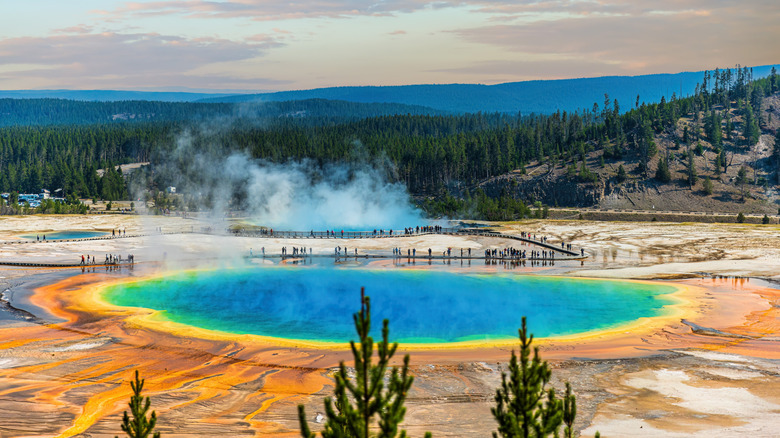
Yellowstone's largest hot spring spans up to 330 feet wide, 121 feet deep, and is known for its otherworldly colors. Known as the Grand Prismatic Spring, its rainbow-like gradients are a result of microorganisms called thermophiles which live in very hot water. Their colors indicate the temperature in different parts of the pool, with the hottest zones supporting yellow or colorless varieties, while thermophiles tinted orange, green, or brown are found in cooler areas.
Located in the Midway Geyser Basin, Yellowstone's Grand Prismatic Spring is located north of Old Faithful within a unique ecological environment. The basin is also home to the huge crater containing the Excelsior Geyser, from which more than 4,000 gallons of hot water gush each minute. Walk along the boardwalks and trails to take in views from different perspectives or hit up the Grand Prismatic Spring Overlook Trail, accessed from the Fairy Falls trailhead, on a 1.2-mile out-and-back route that climbs just over 100 feet in elevation.
Keep in mind that, especially if visiting between June and August, when the park sees more than half of its total annual visitors, parking can be difficult. Midway Geyser Basin is no exception, and it's especially busy between 10 a.m. and 6 p.m. For a view with fewer crowds, arrive early in the morning to secure a spot and enjoy a quieter experience.
Explore the Mammoth Hot Springs area
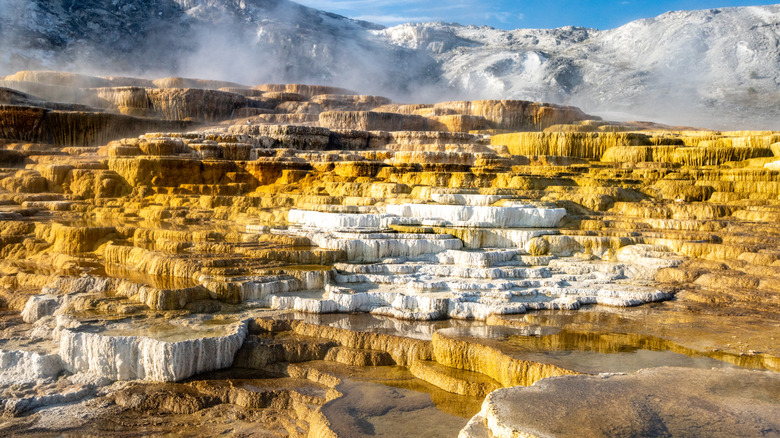
Located in the less-crowded northern part of the park, Mammoth Hot Springs is worth checking out for its unique terraces made of travertine, a kind of limestone. Boardwalks provide a picturesque and safe way to see the features up close, but you can also drive along the 1-mile Upper Terrace Drive loop that takes you past a number of features — including Orange Spring Mound and New Highland Terrace. From the drive, you can also access some of the Mammoth Hot Springs trails in case you prefer to hike in. A major plus, this area is also great for wildlife sightings, as deer, elk, and bison are regular roamers.
Although Yellowstone National Park is open all year, many roads are typically closed to regular vehicle traffic during the winter. As such, most tourists prefer to visit between June and August. So, if you want fewer crowds, aim for shoulder season or consider a winter visit — a spectacular time to take in the scenery.
If you're hoping to extend your stay, there are two campgrounds to choose from in the area: Indian Creek Campground, which is open during the warmer months, and Mammoth Campground, which is the only one in the park open year-round. Among a few helpful things you should know before camping in Yellowstone National Park is that some sites in the Mammoth Campground operate on a first-come, first-served between October 15 and April 1. For more creature comforts, stay at the Mammoth Hot Springs Hotel and Cabins, which is also open during the winter.
Revisit the park's origins at Fort Yellowstone
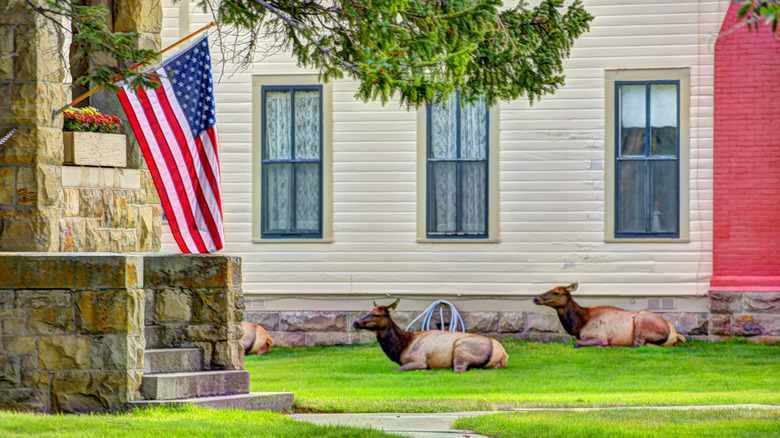
Just south of Mammoth Hot Springs, parkgoers can visit a turn-of-the-20th-century fort that was used when the U.S. Army managed the park, way before the National Park Service existed. When Yellowstone National Park was established in 1872, there weren't any formal programs or rangers whose responsibility it was to preserve its delicate habitats, keep natural monuments from being pillaged by souvenir hunters, and protect wildlife from poachers.
Instead, between 1886 and 1918, the army was in charge, and what eventually became known as Fort Yellowstone is where they established their headquarters. Today, a total of 35 buildings are preserved from that era, along with a cemetery that contains the graves of more than 50 people buried there. Formally designated as a National Historic Landmark District, visiting will take you back in time to the birthplace of many of the conservation policies that laid the groundwork for the entire National Park Service.
Look over the Grand Canyon of the Yellowstone
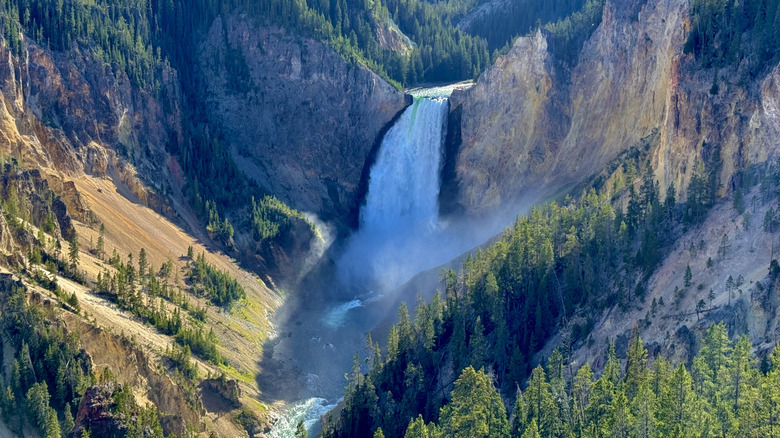
A popular place for hiking thanks to its vistas and waterfalls, the Yellowstone River's very own Grand Canyon might not be as huge as Arizona's, but it's still postcard-worthy — with a gorge that stretches for 20 miles and reaches depths of up to 1,000 feet. First formed more than 600,000 years ago after a giant eruption created a caldera, the canyon gradually filled with lava flows, ultimately narrowing into a gorge about 160,000 to 140,000 years ago. Even then, however, it likely looked quite different than it does now, as hydrothermal features continue to deepen and reshape it.
For lovers of great vistas, the Grand Canyon of the Yellowstone is a breathtaking marvel with several overlooks. These can be reached along both the north and south rims via numerous trails accessible through the North Rim Drive, South Rim Drive, or Brink of the Upper Falls Drive. Two waterfalls are particularly worth visiting: Upper Falls, which features a drop of more than 100 feet, and Lower Falls, standing at more than 300 feet high.
The Grand Canyon of the Yellowstone also lends its name to the nearby Canyon Village, a hub of the park situated along Grand Loop Road. Apart from being a convenient spot to rest, it's also a great place to familiarize yourself with the area or set up a home base during your visit. There, you can check into Canyon Lodge and Cabins, see exhibits and grab information at the Canyon Visitor Education Center, or embark on a scenic hike.
Visit the Grizzly & Wolf Discovery Center
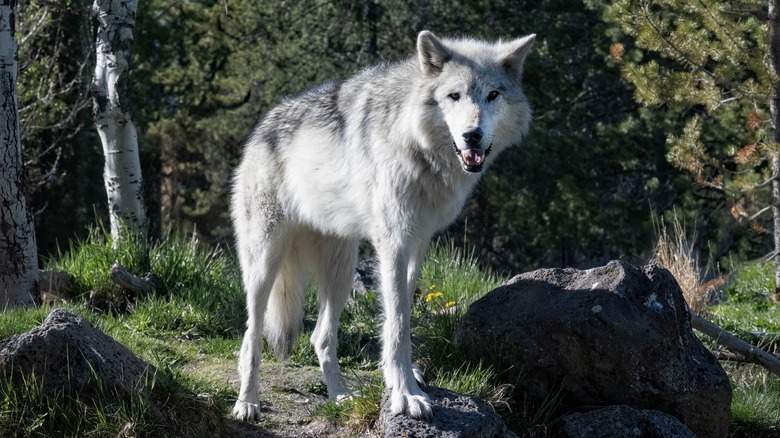
Technically located just outside park limits in West Yellowstone, Montana, next to the West Entrance, the Grizzly & Wolf Discovery Center is a nonprofit educational stop perfect for learning about the wildlife that roams this amazing countryside and how they're protected. With engaging and immersive exhibits, the center focuses on wolves, bears, river otters, and more.
Once at the center, head to the Naturalist Cabin to observe gray wolves and learn about their pack dynamics. Between May and November, you also have the opportunity to come see remarkable birds of prey, like great horned owls, red-tailed hawks, and bald eagles. Finally, the Banks of the Yellowstone River Otter Exhibit offers a look at North American river otters in a simulated habitat alongside native fish, amphibians, and reptiles, with interactive elements for kids.
The Grizzly & Wolf Discovery Center is open every day of the year. As of this writing, adult admission costs $16.50, while kids get in for $11.50, and tickets are good for two consecutive days. For an exclusive and memorable experience, guests can book behind-the-scenes tour, which takes a maximum group size of four people through the facility for an in-depth look at how the animals are cared for. Starting January 2026, the fee for this experience is $125 per person.
See wildlife in the Lamar Valley
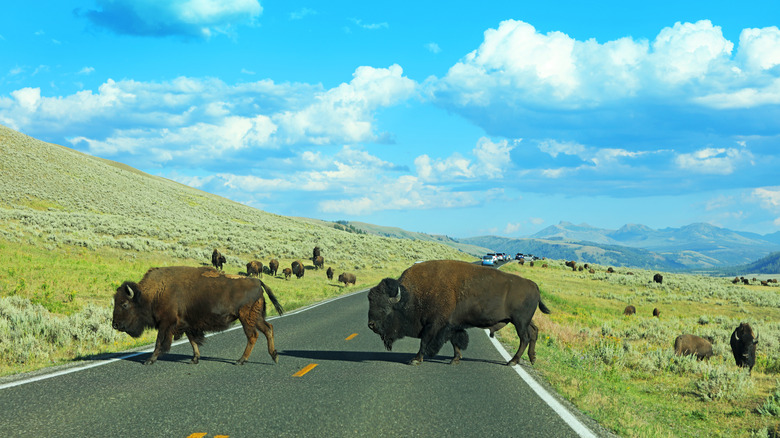
If wildlife-viewing is at the top of your Yellowstone list, head to the Lamar Valley. Also known as the northern range, it's one of the premier spots for wildlife in the north end of the park. Specifically, Lamar Valley is home to some of the continent's largest herds of wild bison and elk — yet another reason Yellowstone National Park is so popular with travelers, along with its stunning grasslands, dense forests, and mountains.
Beyond its impressive herds, the Lamar Valley is also a region where gray wolves — which were reintroduced to the park in 1995 — thrive on the bounty of food available. If you're lucky, you may also spot coyotes, big cats like bobcats and cougars, and elusive red foxes.
That said, when observing the animals, it's important to keep in mind a few rules to prevent a wildlife sighting from turning into a dangerous encounter. No matter how tempting it might seem to inch a little closer, always maintain a safe distance, never feed the animals, and avoid making any sudden movements or loud noises that could startle them.
Hike Mount Washburn
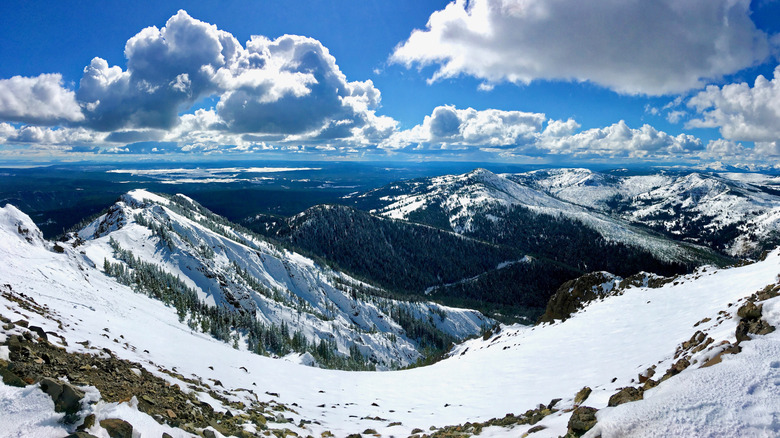
Part of the Washburn Mountain Range, which is entirely encompassed within the park — a distinction shared with only one other range, the Red Mountains — Mount Washburn is a great spot for day hiking that offers amazing views from the top of its 10,219-foot summit. In fact, depending on the weather, you might even see across a distance of up to 50 miles.
Starting from Dunraven Pass Trailhead and a parking area along Chittenden Road, two moderately difficult allow access to the summit. Specificially, Dunraven Pass ascends about 1,400 feet over the course of 7 miles and takes approximately four hours to walk out and back. Meanwhile, the route from Chittenden Road is marginally more strenuous at around 1,500 feet of elevation gain over a 5.8-mile out-and-back hike. The latter is also open to bikers, in case you'd rather tackle the climb aboard two wheels. Once en route, keep an eye out for bighorn sheep, which often roam around the area.
Cozu up in a historic lodge
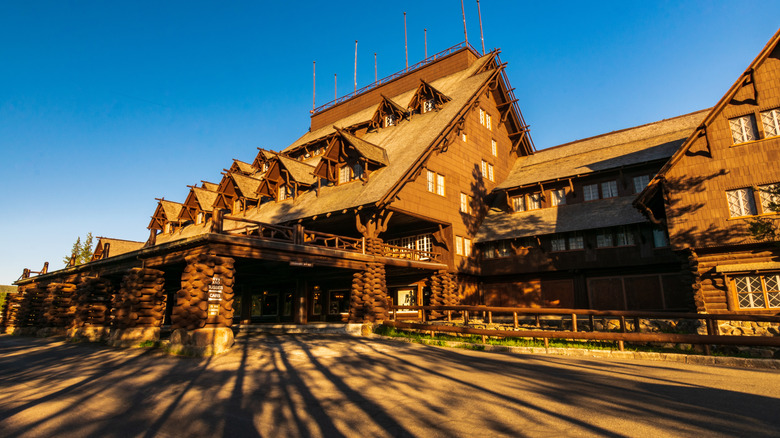
Yellowstone boasts nine lodges altogether, several of which offer the option of both hotel-style and cabin-style accommodations. Although most are open seasonally from May to October, two are open in winter: Mammoth Springs Hotel & Cabins and Old Faithful Snow Lodge & Cabins. The latter of which is open from April to October and again from December to March, with exact dates varying by year. It's always a good idea to reserve ahead — especially for perennially in-demand lodges like Old Faithful Inn.
Alternatively, if you're on more of a budget, or if staying a little bit closer to nature is up your alley, Yellowstone has 12 campgrounds to choose from. As with lodging, it's also advisable to book these as far ahead as possible, with reservations opening on a rolling basis six months in advance.
The lodges in Yellowstone offer comfortable, modern amenities. However, none evoke the time-honored rustic character of a national park quite like the Old Faithful Inn. Completed in 1904, the hotel was already a luxurious destination in its own time — featuring electricity, indoor plumbing, and heat from the get-go. That said, it's no surprise that it's considered one of the five most beautiful "parkitecture" hotels in the U.S. Nonetheless, while the Old Faithful Inn is certainly historic, it's not actually the oldest. That distinction goes to the Lake Yellowstone Hotel, which opened in 1891. Although it's gone through several changes over the decades, the property has earned it's place as a grande dame hotel. Even if you don't stay overnight, it's a treat to visit the lobbies, shops, and restaurants that bring these historic inns to life.
Visit the Norris Geyser Basin
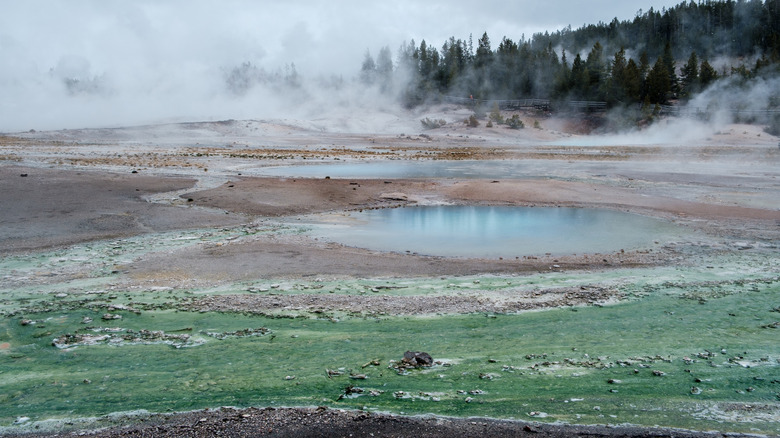
Although Yellowstone's volcano is technically still active, a major eruption is unlikely to happen within the next few thousand years. Nonetheless, its activity is constantly monitored and earthquakes — typically too small to be felt — are a regular occurrence. This ongoing volcanic activity beneath the surface is what powers the park's famous geysers.
Yellowstone's geysers form when water, heated by the volcanic activity deep underground, is pressured to the surface. Rather than gradually streaming or circulating like a hot spring, constriction causes the flow to intermittently stop. However, after enough pressure builds, the constriction gives way — and the water blasts into the air, forming a dramatic spout. This is the case with hydrothermal eruptions like Steamboat Geyser in Norris Geyser Basin, which shoots water more than 300 feet high, making it the world's tallest.
Located in the northwestern part of the park, the Norris Geyser Basin is the most active hydrothermal area in Yellowstone. It also has staying power, boasting the oldest hydrothermal activity in the park. There are two areas to explore here: Porcelain Basin and the Back Basin, each of which provides a completely different experience. As the name might suggest, Porcelain Basin is smooth and devoid of trees, where you can walk along the boardwalk to see (and smell) the ancient and uniquely acidic springs and geysers, which are constantly changing. Meanhile, Back Basin also features hydrothermal areas, but it's much more wooded.
Giddyup on a Stagecoach Adventure
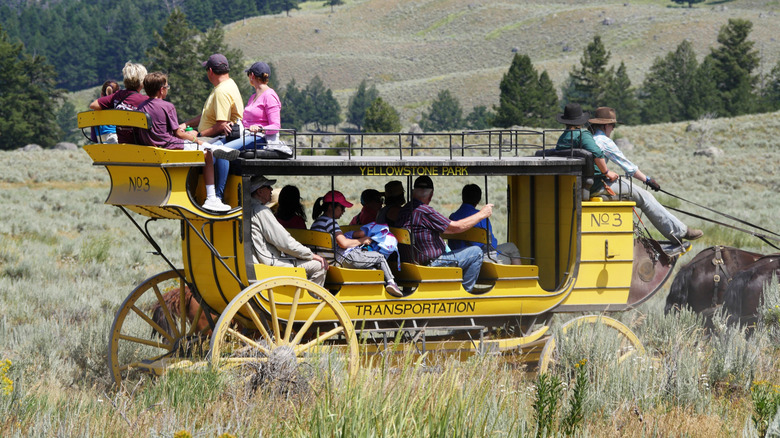
Not so different to how people would have traversed the area 100 years ago or more, a Stagecoach Adventure is a great family-friendly way to experience Yellowstone. Provided by the Yellowstone National Park Lodges, tours on the replica coaches depart from the Roosevelt Corrals near Tower Junction. Lasting 45 minutes, guests can ride along an old stagecoach road through Pleasant Valley. Alternatively, visitors eight and up can also hop on a horseback adventure for up to two hours. While some of these experiences can add up, there are still plenty of clever tricks to visit Yellowstone National Park on a tight budget.
Whether visiting in the summer or winter, guided tours are an excellent way to experience the park — especially if you don't have a ton of time or it's your first visit. That said, there are myriad types of tours, from guided fishing expeditions to backcountry hiking trips; so even if you've visited before, these excursions can offer new ways to experience familiar areas.
Dozens of providers are officially authorized to provide tours, with great options provided by companies like Beartooth Tours and Greater Yellowstone Adventures. Commercial tour operators are also the only ones admitted on certain roads in the winter, so if you plan to see the park during the colder months, it's worth considering options like a snowshoe tour or a multi-day wildlife safari.
Cruise Yellowstone Lake
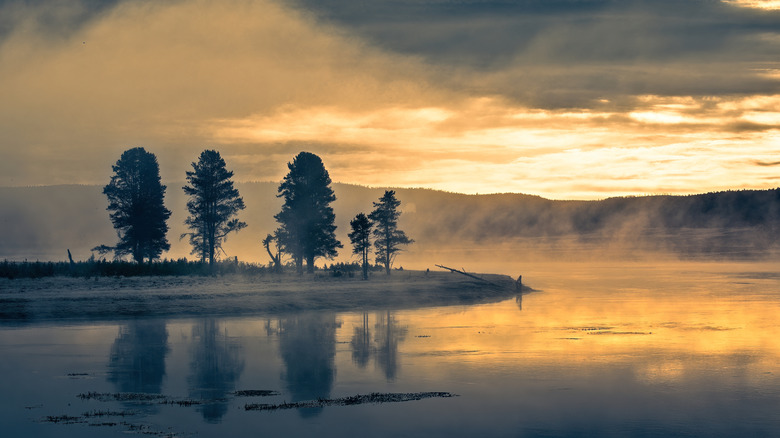
Yellowstone Lake is the largest freshwater lake in North America, located at more than 7,000 feet above sea level. With a surface area of about 132 square miles, and more than 140 miles of shoreline, the lake offers stunning views from a variety of vantage points, whether on foot or from the water.
If you have your own, boating season begins on the Saturday of Memorial Day weekend and continues through October 31. Make sure to carefully clean your vessel ahead of your visit and review official guidance about keeping invasive aquatic species out of the park, as a 30-day dry time may be required along with an inspection receipt for inboard vessels. No matter the type, Yellowstone requires a permit to launch once you arrive.
Yellowstone Lake is also a splendid place to put in a kayak or canoe, whether solo or alongside a local tour company. Alternatively, hop aboard the Lake Queen II, operated by Yellowstone National Park Lodges, for a one-hour narrated trip that offers insight into the lake's history and ecology.
Methodology
In a park that spans well over 2 million acres and has been federally protected for more than 150 years, narrowing down 12 things to see is no easy task. To find some of the best, we researched the official National Park Service website, relied on the author's personal experience, and consulted areas or attractions that visitors have highly rated on TripAdvisor, Google, and AllTrails. For additional historical context and specific information about opening times, admission, and exhibits, we referred to official sites like AmericanRivers.org, Yellowstone.org, YellowstoneNationalParkLodges.com, and GrizzlyDiscoveryCtr.org.