Attractions & Things to Do in Zermatt
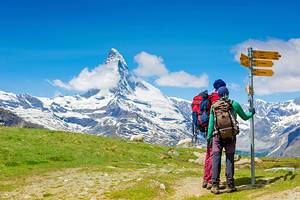
In a green valley enclosed between steep mountainsides, the climbing and winter sports capital of the Valais region is also one of Switzerland's great international resorts. Zermatt is dominated by the definitive mountain, the huge and gracefully curved Matterhorn, making almost any angle a postcard view.

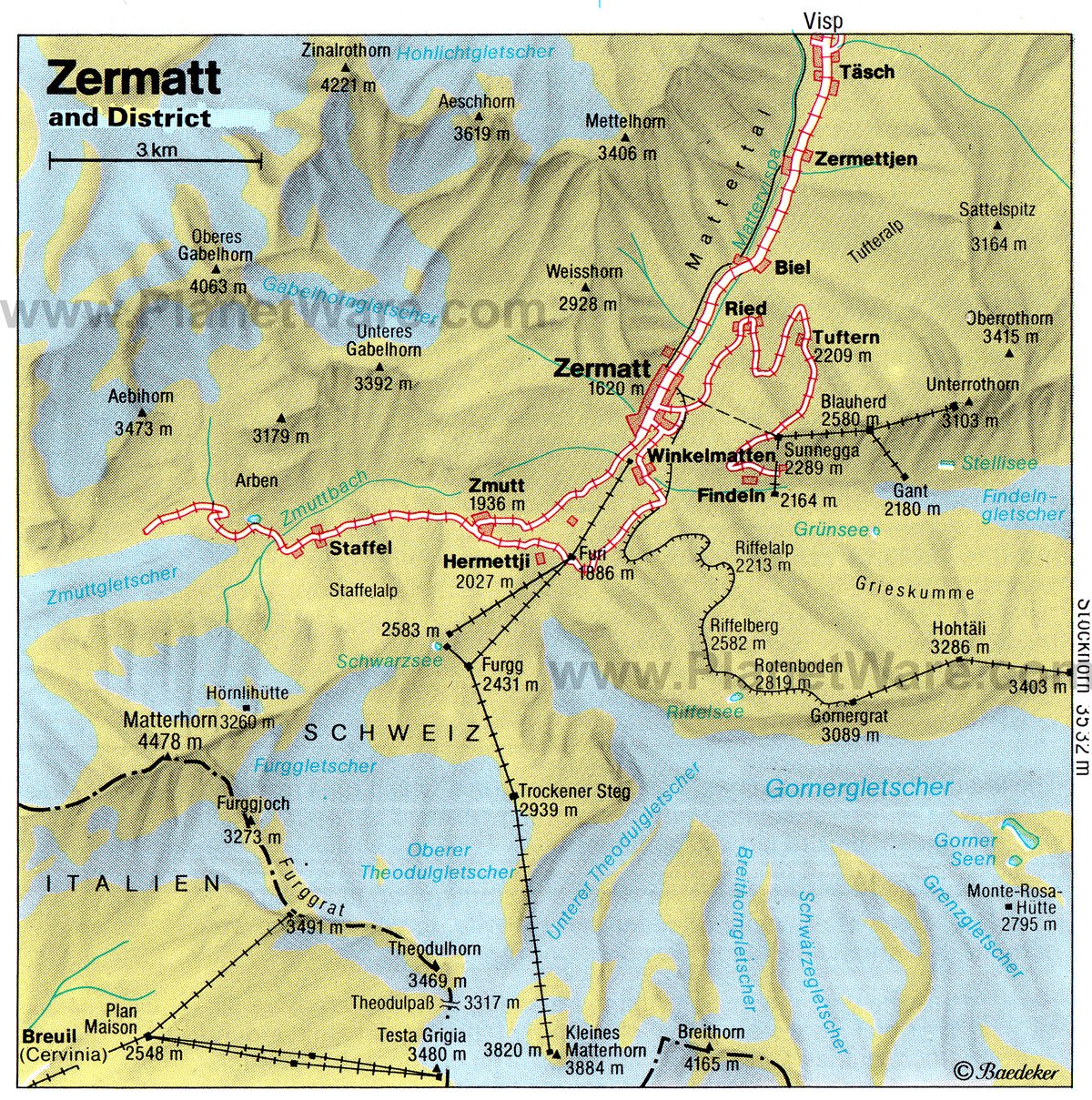
You can't drive to Zermatt. The closest you can get by automobile is a large carpark, about five kilometers from the village, to which there are shuttles by electric vehicles. Trains from Brig deposit passengers right in the village; from here, a rack railroad, funicular, and cableways lift visitors to an endless series of panoramic Alpine views, as well as skiing and hiking trails.
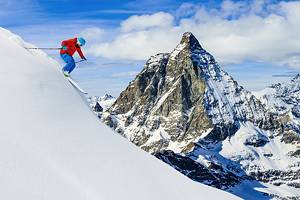
Zermatt is famous for its magnificent long ski runs, with terrain for all skill levels, but it also offers outdoor sports for other seasons. There is a mountain trail for cyclists from the Winkelmatten up to the Furi, and the Zermatt Alpin Center offers expert guides for climbers year-round.
Hotels, fine restaurants, and luxury spas abound in Zermatt, but summer or winter, it's the mountains that are still the prime tourist attraction.
Discover the best things to do during your visit with our list of the top tourist attractions in Zermatt.
The Matterhorn

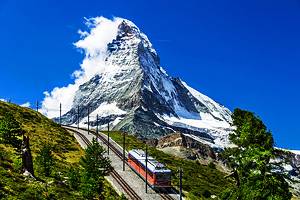
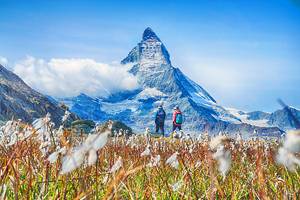
Without the sharp pyramid of the Matterhorn rising as a dramatic backdrop, Zermatt would be another pretty little Swiss village instead of a world-famous symbol of the Alps and of Switzerland itself. Along with making Zermatt the Swiss poster child, the mountain defines the town and gives it a year-round appeal that no other ski resort can match.
The 4,478-meter peak has four distinct faces, one for each compass point. These are divided by sharp ridges, and below the steep peak lie several glaciers. Three of the faces are in Switzerland, and the south face overlooks Valtournenche, one of the top ski resorts in Italy. To the east of Matterhorn's peak is the Theodul Pass, which was an important trade route in Roman and medieval times.
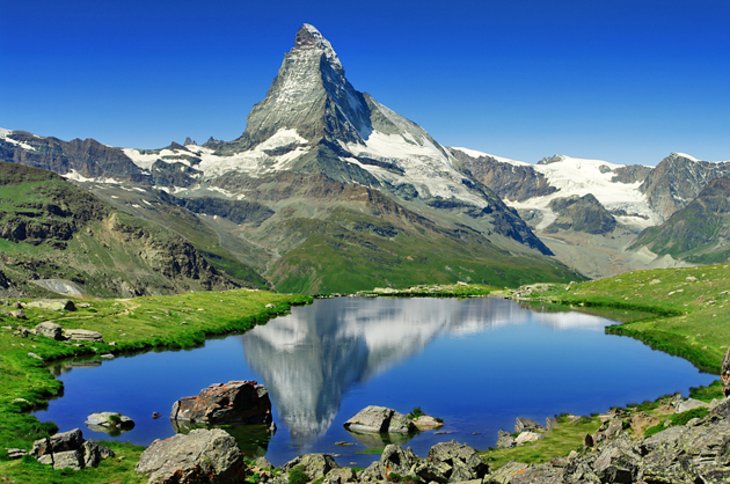
The Matterhorn was first climbed in 1865 by a British team of five and two Swiss guides. Although a few thousand people master it each year, it should still only be attempted by well-experienced climbers.
Skiing and Winter Sports

Thanks to the surrounding glaciers, Zermatt offers year-round skiing, with ski terrain at altitudes between 2,500 and 3,900 meters and Switzerland's highest vertical drop, more than 2,133 meters. In the summer, you can ski on the Breithorn plateau, via the cableway to the Kleines Matterhorn, and on the 3,500-meter Plateau Rosa near the Theodul Pass.

One of the great ski experiences in the Alps is taking the lifts to the top and skiing over the Theodul Pass and down into the Italian ski resort of Cervina. The world's highest 3S cableway opened in 2019, carrying 2,000 skiers an hour to the Matterhorn Glacier, at 3,883 meters altitude, where you can ski year-round. The mountain scenery up here is fantastic. Note that these high mountain lifts are frequently closed on windy days.
Skiing at Zermatt is a very civilized affair. Dining on the ski slopes can be a high-end experience and one that often involves making a reservation at the slope-side restaurants. The popular Chez Vrony restaurant is even mentioned in the Michelin Guide. If you're not up for a full meal, you can simply enjoy relaxing on sunny decks and appreciating the scenery.
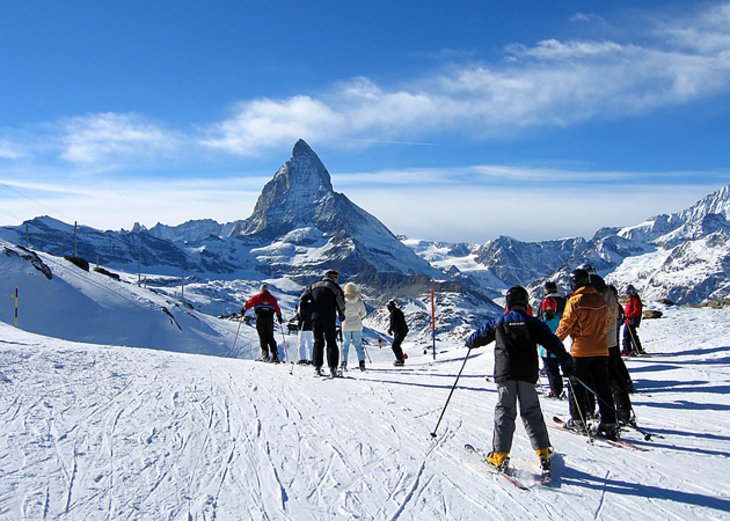
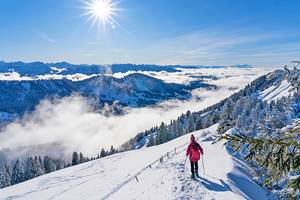
Heli-skiing, high-altitude ski tours, Nordic trails, and night skiing are other options, but you don't need to ski to enjoy winter sports here. There are natural-ice skating rinks, snowshoe trails, and several curling rinks. Because it is far enough away from major cities, Zermatt doesn't attract the big weekend crowds, and you can access three separate ski areas on one pass.
Ride the Gornergrat Railway
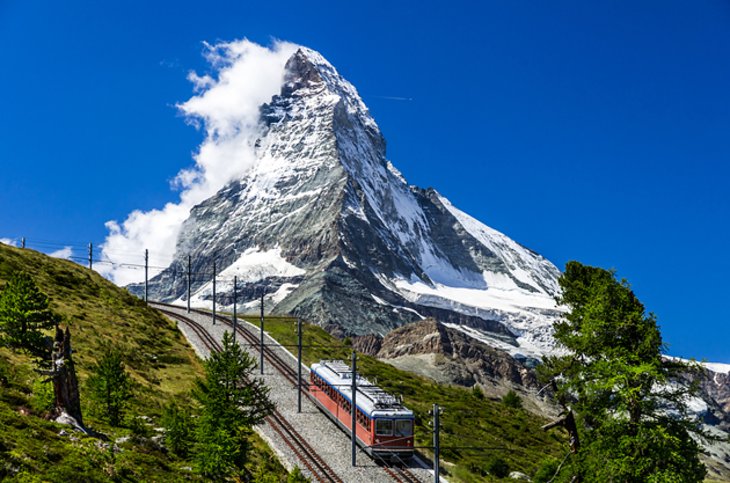
The Gornergrat Bahn, Europe's highest mountain railroad running over open country, takes 45 minutes to climb 10 kilometers to the summit of the Gornergrat. The rack-railroad climbs the east side of Nikolai valley and up the slopes of the Riffelberg in a wide curve, with ever more impressive views of the Matterhorn. Riffelberg, at 2,582 meters altitude, has a hotel and restaurant with a terrace that is a popular sundeck for skiers.
A few minutes' walk below the Rotenboden station, at 2,819 meters, is the Riffelsee with the peak of the Matterhorn mirrored in its water - the view is at its most spectacular in the morning. The line then runs high above the Gorner glacier to the summit station, at 3,089 meters, from which it is only a five-minute climb to the famous Gornergrat observatory on a rocky ridge above the Gorner glacier.
From here is one of the most magnificent panoramas in the Alps: in the middle, the Matterhorn, with the Breithorn, the twin peaks of Zwillinge, the Lyskamm, and Monte Rosa to the left; to the north, the peaks of the Mischabel group, including the 4,545-meter Dom - the highest peak entirely within Switzerland.
You can walk from the Gornergrat back down to Zermatt. The path drops steeply for the first 90 minutes to the Findel Glacier Restaurant where a 45-minute detour leads up to the Findel Glacier. From the restaurant, the walk continues via the resort village of Findeln, from which it is about an hour to Zermatt.
Dining in Zermatt

After a busy day on the slopes skiing in the winter, or hiking or mountain biking the trails in the summer, a great meal is always a pleasure. Fortunately, and not surprisingly, Zermatt has an excellent selection of restaurants to satisfy most cravings. Home to four Michelin-starred restaurants, the foodie scene here thrives with the latest innovations from some of the world's best chefs.
The following four are all Michelin-starred restaurants in Zermatt. Located in the Backstage Hotel Vernissage is Capri, the place to go for wonderful Italian, and After Seven, where you can enjoy a surprise menu of Florian Neubauer's creations. For a relaxed, leisurely meal, try the 3.5-hour tasting menu at Brasserie Uno. Right in the center of town at the exclusive Grand Hotel Zermatterhof is Alpine Gourmet Prato Borni featuring two set menus, Heimat (local cuisine) and Fernweh (international cuisines).
If your budget is a bit more mainstream but you still want a good meal, excellent restaurants line Zermatt's main thoroughfares. One of the more popular family restaurants is Grampi's, where you'll find hearty Italian fare and excellent wood oven-fired pizzas in a chalet-style atmosphere. For an authentic fondue meal, Schäferstube is an upper-end restaurant with a rustic ambiance. This small hole-in-the-wall place has both fondue and raclette menus.
If you're looking for a good restaurant on the mountain, you have several choices. Chez Vrony is a popular ski-to Michelin-mentioned restaurant with a rustic charm. You need to book this well in advance. Another great choice is the Chalet Ried Restaurant, which is closer to the bottom of the mountain and can be a nice place to stop near the end of your ski day. You can dine inside or outside, but you are more likely to get a spot without a reservation if you opt for the outside deck.
If you are visiting Zermatt for a few days or longer in high season and are interested in fine dining, consider your choices ahead of time and make a reservation well in advance.
Kleines Matterhorn
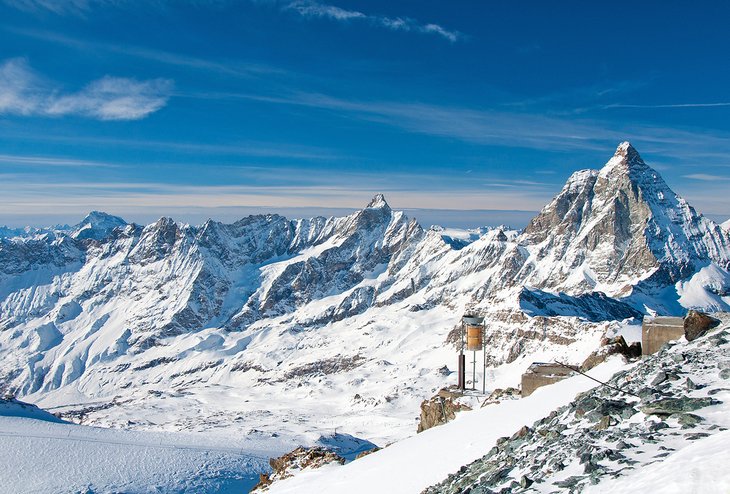
One of the most spectacular trips – in a place where spectacular scenery becomes almost ordinary – is on the highest cable car in Europe, from the Trockener Steg to the north face of the Kleines Matterhorn. From the upper station, there is a lift to the summit of the Kleines Matterhorn, at 3,884 meters.
A cableway from Furgg leads to the Schwarzsee, an Alpine lake with a restaurant. Inside the glacier that lies between the Klein Matterhorn and the Breithorn is the Glacier Palace, which you can access via a lift that takes you 15 meters below the surface into a world of sparkling crystals. Carved out of the glacier are tunnels and halls with ice sculptures and a snack bar.
Sunnegga
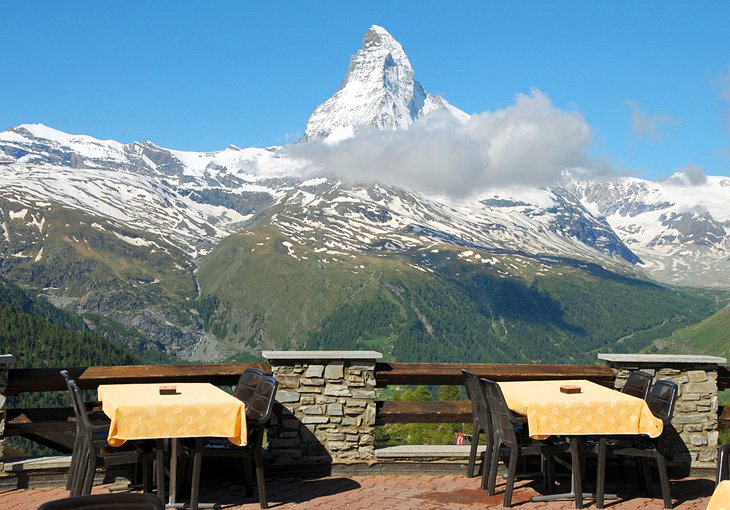
A funicular climbs in a tunnel from the center of Zermatt to the Sunnegga sun terrace at 2,289 meters. Here, you'll find a year-round restaurant, and in the summer, several other attractions. Children splash in the crystal water of the Leisee, and there is a marmot watching station to see these furry little mammals that live in alpine burrows. This is also the starting point for several hikes.
In winter, Wolli's adventure park is a non-threatening first ski experience for beginners, and experienced skiers continue on the gondolas, chairlifts, and a cable car up to the Rothorn area's trails and snowfields. You can also link from here to the Gornergrat ski pistes.
Hinterdorf

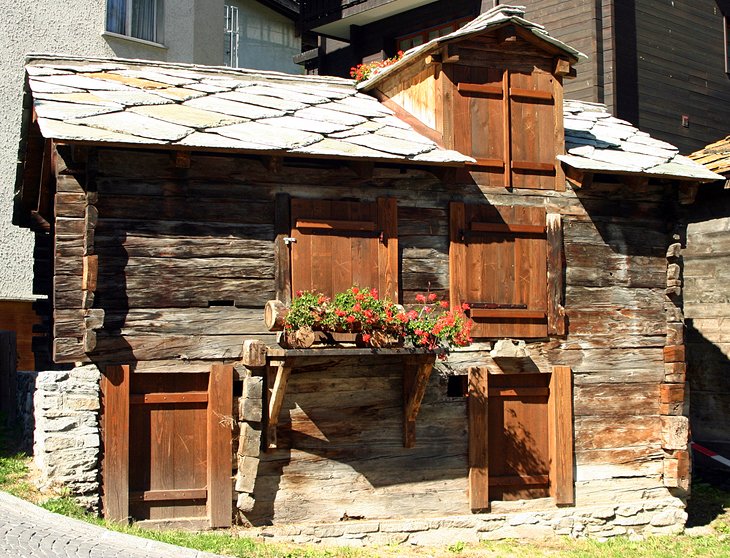
One area of Zermatt that you won't want to miss is the Hinterdorf. Located higher up in the village of Zermatt, beyond the Monte Rosa Hotel (the first lodging built for early climbers and where you can take a historical tour), is the Hinterdorf, a warren of narrow lanes, weathered old wooden chalets, barns, stables, and storehouses. This area offers a look at a much earlier period in Zermatt's history.

Buildings in the Hinterdorf date from between the 16th and 18th centuries, built of the particularly dense local larch wood and with roofs of stone slab to withstand the weight of snow. These storehouses have large circular slabs of stone on the supporting posts to deter mice. The cats that wander these streets also help with that job now.
Zermatt is one of the few places where you can see such a group of well-preserved old Valais village buildings. For a guided tour with historical insights, ask at the Tourist Office.
Toboggan down the Gornergrat
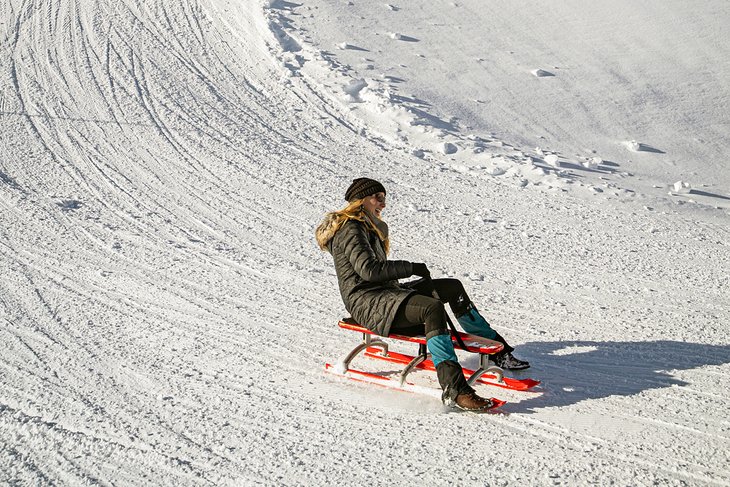
The highest toboggan run in the Alps begins at the Gornergrat Railway's Rotenboden station, extending 1.5 kilometers down to the Riffelberg. During the 10-minute ride, you'll see one of the mountain's most spectacular panoramic views.
Depending on your skill – and thrill – level, you can rent one of several types of toboggan, from the traditional double-runner sled to faster Ghosky or Snooc models. The former has a fixed seat on two skis; the latter has a single ski with an attached seat. There are sleds with seats for children, as well.
The train runs every 10 minutes, and with a Sledding Ticket you can ride from Zermatt up to the Rotenboden and make as many sled runs between Rotenboden and Riffelberg as you like, returning to the top between runs.
Day Trip to Brig: Stockalper Palace and UNESCO World Nature Forum
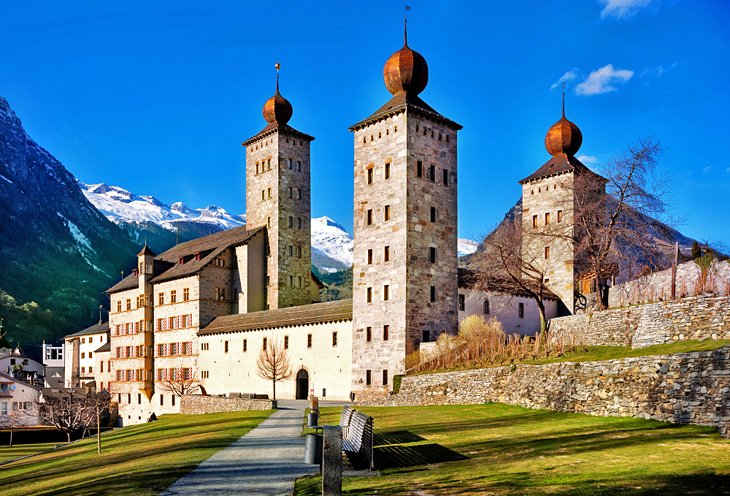
Although visitors to Zermatt pass through it in droves, few stop or return for a longer visit to Brig. That's a shame, as this town along the upper Rhone is an attractive one, with two important tourist attractions.
Brig was important since Roman times as the gateway to the Simplon Pass, and it has Switzerland's finest Baroque palace, the 17th-century Stockalper Palace (Stockalperschloss). Built by the early business magnate Kaspar Stockalper, it is open for tours of its grandiose halls and an exhibit on the history and importance of the Simplon Pass. This exhibition and the beautiful palace gardens are free.
Across the river in the Naters neighborhood, the World Nature Forum is the base camp for the UNESCO World Heritage Swiss Alps Jungfrau-Aletsch, with interactive and multi-sensory exhibitions on the Alps. The films, interactive displays, and artifacts engage visitors in the grandeur of the mountains, their history, and their future in the face of climate change and rapidly melting glaciers. In the Panorama area, UNESCO World Heritage films are projected on a 100-square-meter screen.
Address: Stockalper Palace, Alte Simplonstrasse 28, Brig; World Nature Forum, Bahnhofstrasse 9a, Naters, Brig
Matterhorn Museum
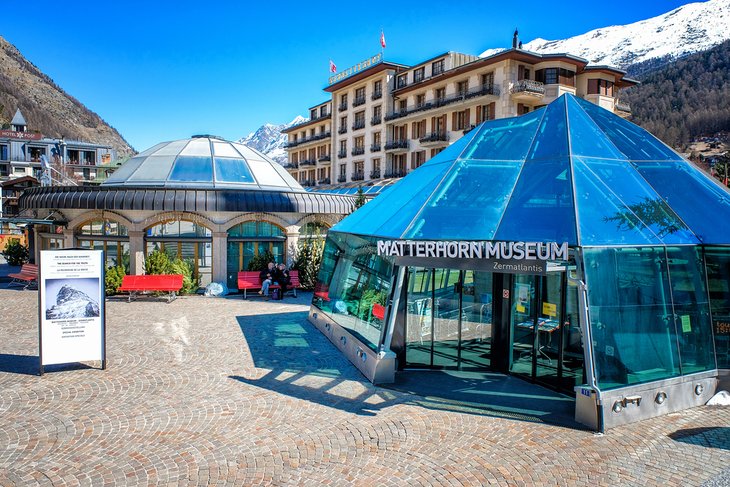
The history of Zermatt as a resort is closely tied to the early climbers, and you'll learn their fascinating story in this well-designed contemporary museum. You'll see dramatic excerpts from Der Berg Ruft (The Mountain Calls), filmed in Zermatt from 1937 to 1938, along with artifacts, photos, and a relief of the Matterhorn showing the different routes to the summit.
But there's a lot more than climbing here. You'll see furnishings and home interiors illustrating mountain life, and dip further into the past with finds from the Neolithic Age.
Outside the museum is one of Zermatt's most popular highlights, the charming 1906 Marmot Fountain. A family of bronze marmots cavorts among the cascades, polished to a high shine by the pats of a century of passers-by. Behind the fountain is a beautiful life-sized bronze ibex.
Address: Kirchplatz, Zermatt
Hike through the Gorner Gorge
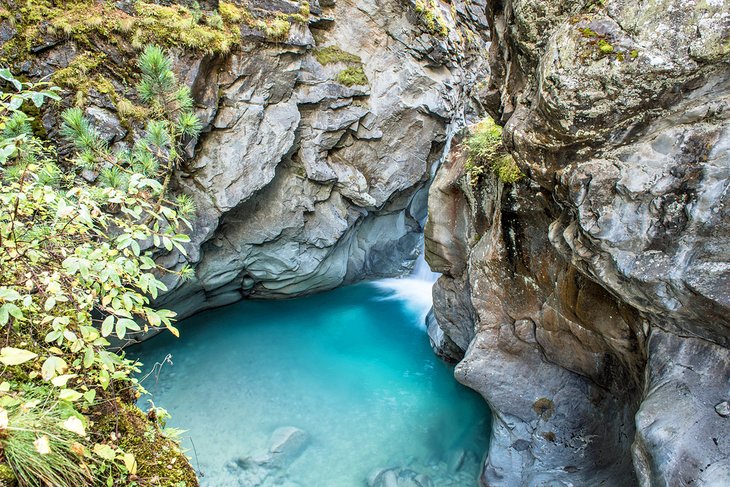
Since the last ice age, the melting snows and ice from the Gorner Glacier have swelled the Gornervispe each spring, and as it swirls and churns through the rock, it has carved a dramatic chasm. About a 15-minute walk from the village of Zermatt, wooden walkways descend into this world of waterfalls where greenish serpentine rock is carved into fantastic shapes over thousands of years. Mosses and ferns thrive in the constant mists that rise from the churning water.
In the winter, you can book an adventure trip through the gorge with a mountain guide.
Theodul Glacier and Pass
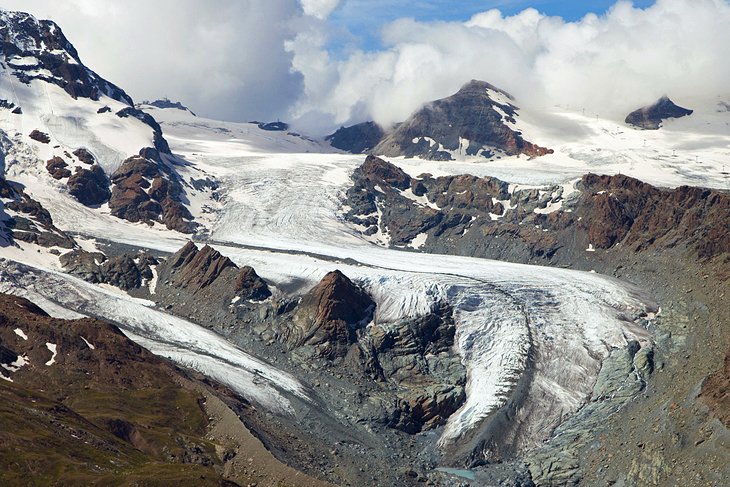
Cable cars ascend from Zermatt to Winkelmatten via Furi to the Schwarzsee, and via Furi and Furgg to the Trockener Steg at the upper Theodul Glacier, an altitude of 2,939 meters. From the Trockener Steg, a ski lift, also open in the summer, goes up to the Furgg saddle at 3,365 meters on the Italian border. Another ski lift runs via Gandegg to the Theodul Pass.
You can take a five-hour glacier tour with a guide, hiking to the Hermettji then, 2.25 hours beyond, cross the crevassed Upper Theodul glacier with a rope to the pass. The Theodul Pass was already being used in the fourth century as a route into Italy.
From Testa Grigia, near the top, a cable car runs down to Cervina, a resort town on the Italian side. In the winter, skiers cross the frontier to ski both areas in the same day.
Dossen Glacier Garden
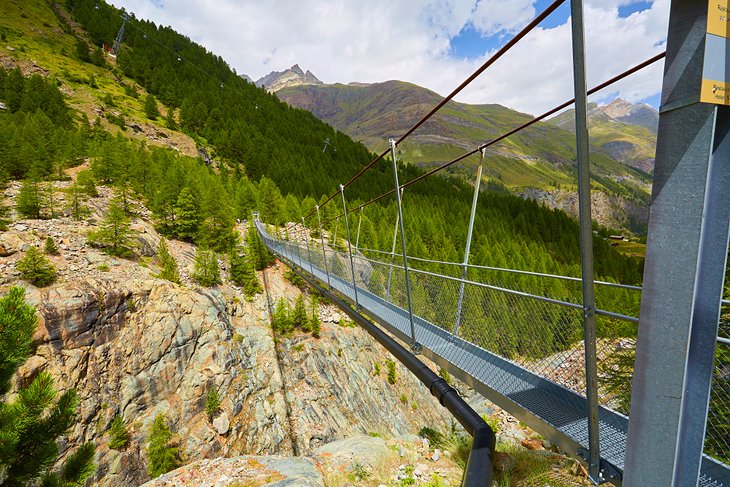
From the cable car station at Furi, it's about a half-hour walk to the Dossen Glacier Garden, where you can see the effects of the last ice age on the landscape as the Gorner Glacier, the second largest in the Alps, retreated. Giant potholes, carved into solid rock by the swirling whirlpools under glacial waterfalls, look as though some giant scoop has gouged them out.
You can also see the remains of a soapstone quarry here. The soft stone was easy to work and was used for vessels and ovens. A circular walk crosses a 100-meter footbridge suspended 90 meters above a ravine.
Explore the Rhône Valley
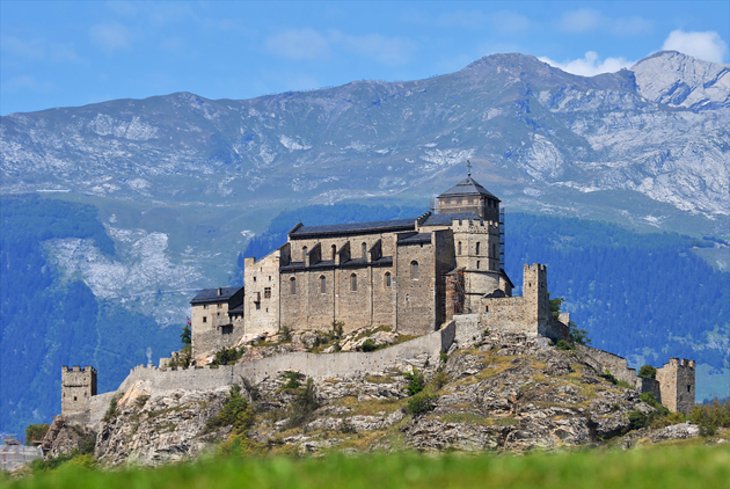
Road and rail access to Zermatt is through the upper valley of the Rhône River as it winds through the Valais from its source in the glaciers into Lake Geneva and on to France. The wide valley, known for its gardens and orchards, is well worth exploring. The starting point for a tour along the Rhone is Brig (see above), the gateway to the Simplon Pass.
Sion, capital of Valais, is dominated by two picturesque, castle-crowned crags. The Château de Valère, and 12th-century church of Notre-Dame-de-Valère that it surrounds, were built on Roman foundations atop one of the crags. The ruined Château De Tourbillon, built in 1294, crowns the other.
The Tour des Sorciers (Wizard's Tower) is a 12th-century relic of the medieval fortifications. Martigny was an important Roman town, gateway to the Great St. Bernard Pass and now to the Mont Blanc Tunnel. Above the valley are the famed ski areas of Verbier and Crans-Montana.
English Church
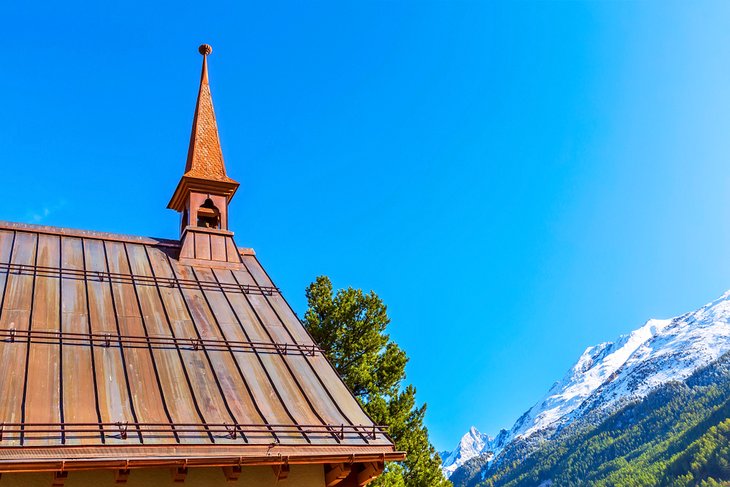
Built in 1870 by the Alpine Club, the Church of St. Peter provided a place of worship for English guests, who at that time made up most of those coming to Zermatt. Many of the donations that financed it were in memory of climbers who had lost their lives in the ascent, and the graves of several of these are in its churchyard.
Inside are a number of plaques in memory of mountaineers with close ties to Zermatt and the surrounding peaks.
More Related Articles on PlanetWare.com
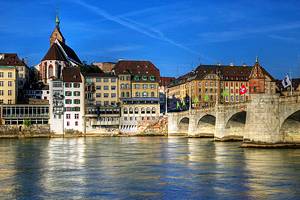
More Places to Visit in Switzerland: After seeing the most famous Swiss ski resort in the Valais region, consider visiting St. Moritz, the resort that first promoted winter vacations. Discover more tourist attractions in Switzerland with our pages on the best attractions in Zurich and top day trips from Zurich. If you plan on visiting any of the following cities, be sure to see our articles on attractions in Basel, Bern, and Lausanne.
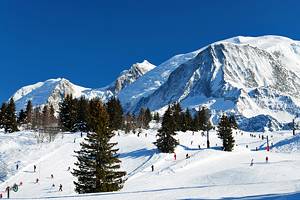
More Great Places to Ski: Zermatt and St. Moritz are not the only ski resorts in Switzerland; you can learn about those elsewhere in the Alps in our articles on the best ski resorts in Italy, Austria, and France.