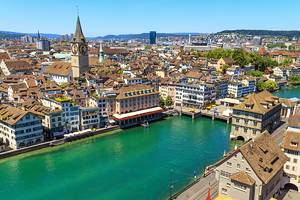
18 Popular Tourist Attractions in Switzerland
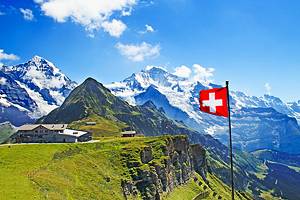
Switzerland's natural beauty is as addictive as its mouthwatering chocolates – one taste and you'll be left craving more. Whether you are on the hiking trails outside Zermatt, laying eyes on the iconic Matterhorn for the first time, or marveling at the Eiger, Mönch, and Jungfrau mountains schussing down a ski trail beginning atop the Jungfraujoch, Switzerland seduces quickly.
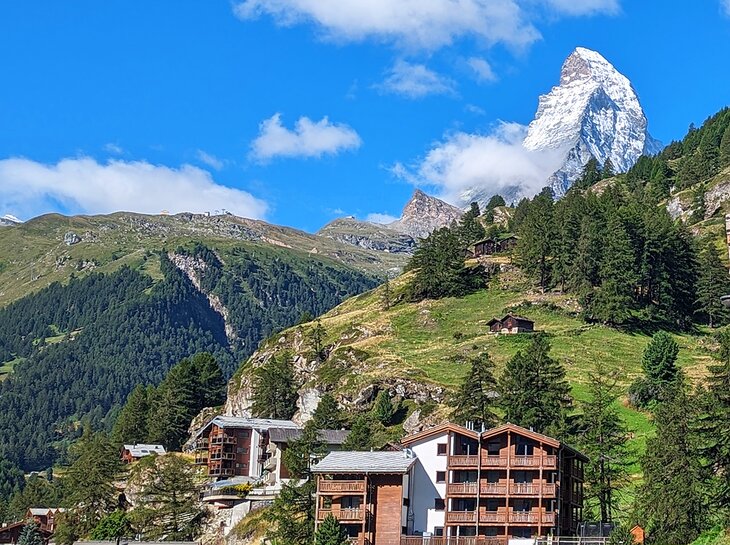
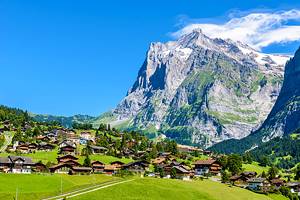
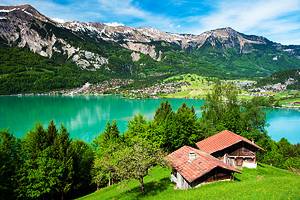
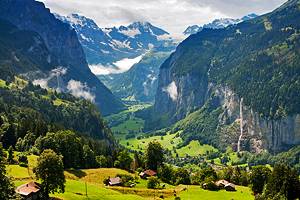
This landlocked central European country is home to two mountain ranges, the Alps in the south and the Jura in the northwest. But Switzerland's natural attractions don't stop with peaks and glaciers. You'll also find glimmering turquoise lakes, emerald valleys where tingling bell-wearing cows and sheep graze, charming chalets, and flower box-filled villages that look ripped from the pages of a fairytale storybook.
Amid all this natural beauty are also some fantastic urban diversions and places to visit. With four official languages (French, German, Italian, and Romansch), Switzerland has a multicultural sophistication to its cities, which all offer something different when it comes to history and culture.
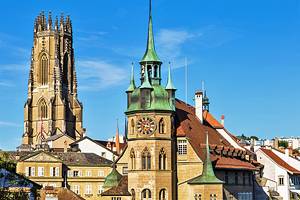
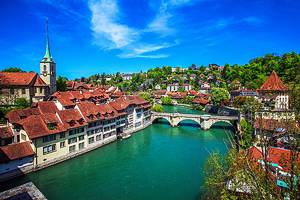
French speaking Geneva is home to four major offices of the United Nations and has a large international population. German speaking Zurich is Switzerland's largest city and financial center, known for its shopping, museums, and nightlife. The capital city of Bern boasts a medieval old town with a famous moving puppet clock tower and a stunning riverfront locale.
Switzerland is a four-season destination with countless things to do for outdoor adventurists. In winter you can partake in snow sports at world-class resorts, while summers are perfect for hiking, biking, climbing, and paragliding.
Getting around Switzerland is easy. Although you can rent a car and drive, we recommend utilizing its excellent train system that goes almost everywhere in the country. Trains are fast, mostly on time, and allow you to just sit back and soak up the stunning scenery.
Explore in more depth by checking out our list of top attractions and places to visit in Switzerland
The Matterhorn
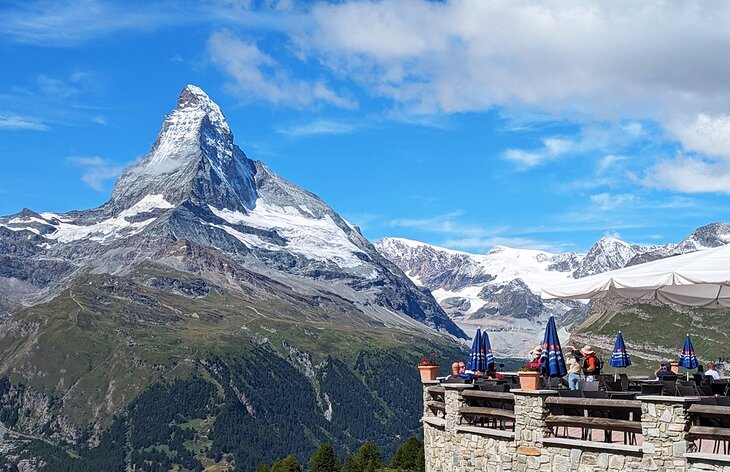
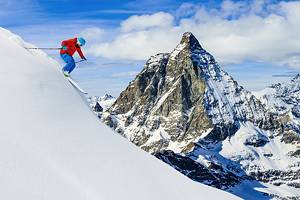
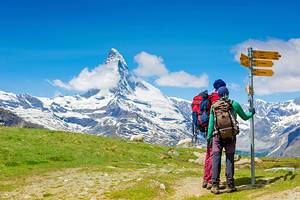
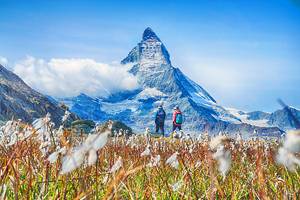
You'll never forget the first time you see Switzerland's most symbolic mountain, the Matterhorn. Maybe you arrive in the charming village of Zermatt, at its base, on a clear blue day and the 4,478-meter high, tooth-shaped mountain looms clearly in front of you. Or maybe it is spitting rain when you first set foot in the car-free town, and it isn't until the next morning that you witness the emblematic peak emerging from a sea of dissipating clouds. Whichever way you first see this legendary mountain, it will remain seared into your memory for years to come. It's that impressive.
One of the highest mountains in the Alps, the Matterhorn sits on the border with Italy. It has four steep faces rising to its craggy tip. Climbers have been intrigued by this mountain from the first successful summit in 1865 by British climber Edward Whymper and his team. The trip still ended tragically when four of the climbers fell to their deaths during the descent.
Today, thousands of experienced climbers come here in a summit bid each summer. There are several routes to the top of this mountain, which is not accessible by cable car. The easiest route is the Hörnligrat, which begins in Zermatt.
Things to Do at the Matterhorn
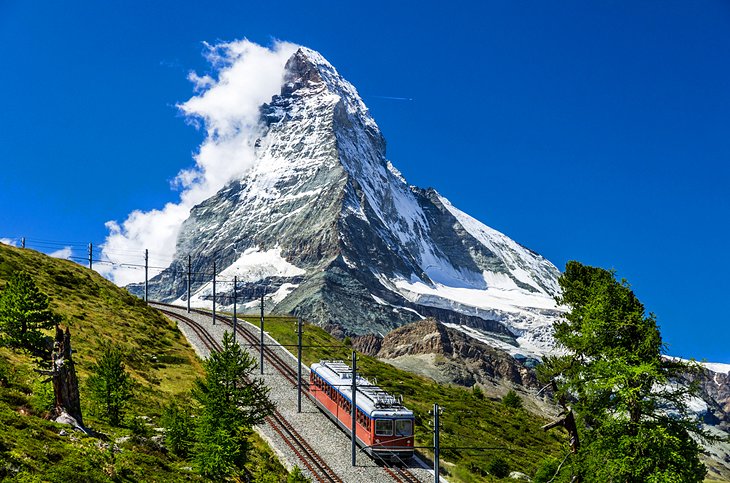
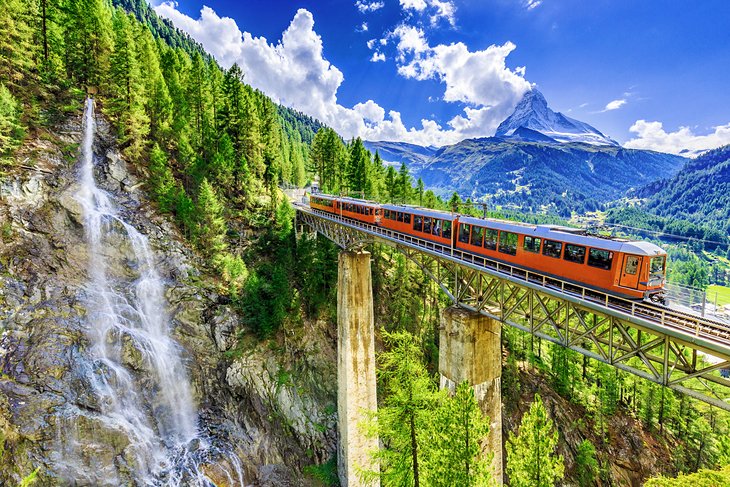
If you don't have the skills to summit the Matterhorn, there are still plenty of ways to experience the mountain. One top excursion is to ride the Gornegrat Bahn cog railway to the summit of the 1,620-meter Gornergrat mountain for stunning Matterhorn views. Europe's highest open-air cog railway, and the first fully electric train of its kind, departs from Zermatt station multiple times per day.
The ride itself is also bound to leave you speechless. Taking 33 minutes and climbing 1,469 meters it crosses dramatic bridges, passes turquoise-hued mountain lakes, and at times clings to the side of the mountain with views down into rocky ravines.
Once you reach the mountaintop, you'll find an observation deck with views in all directions including a view of Switzerland's highest mountain and the second biggest glacier in the Alps. Keep an eye out for wild ibex near the viewing platform in summer.
Europe's highest-altitude hotel, the Kulmhotel Gornegrat is also here. Besides lodging, it has a restaurant and shops open to the public. There is excellent hiking in summer, while Switzerland's highest sledding hill provides winter fun.
Zermatt
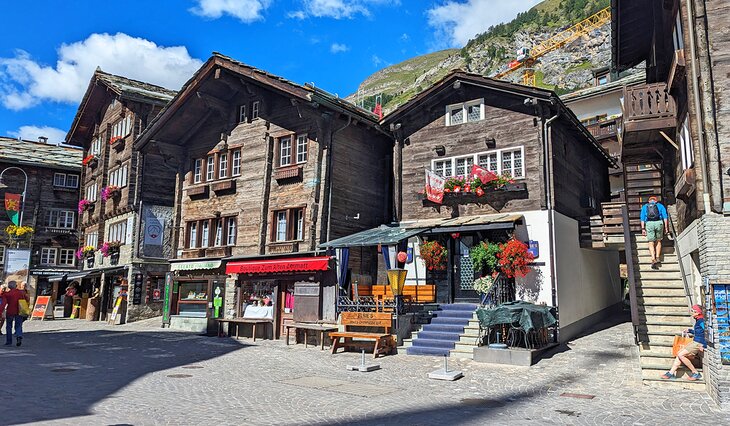
At the foot of the Matterhorn, lies the charming village of Zermatt, a top international resort that is one of the most popular ski destinations in Switzerland, and a hiking, biking, and climbing paradise in summer.
Laid out along just a few main streets with a surreal-looking blue river running through it, motorized vehicles except for official electric taxis are banned to preserve the air quality and the town's peaceful ambiance.
Zermatt can also only be reached via the Matterhorn Gotthard railway through the towns of Visp or Brig, or helicopter (very pricy). If you drive to the region, you'll need to park your car down the valley in the town of Tasch, and then continue by train. As such, staying in Zermatt truly feels like you hiked into a remote mountain paradise.
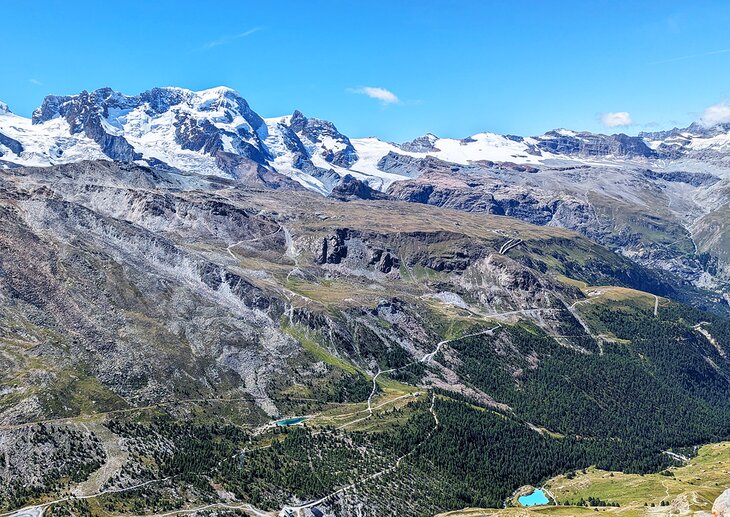
In the winter, skiers can play on more than 300 kilometers of slopes accessed via the Sunnegga funicular, the Blauherd, Rothorn, Furi, Matterhorn Glacier Paradise, and Riffleberg gondolas along with the Gornergrat Railway.
In the summer, these slopes turn into hiking and mountain biking trails.
The Five Lakes Trail is one of the most popular hikes, beginning at the top of the Blauherd gondola and eventually taking you back to town via a series of five lakes, three of which you can see the reflection of the Matterhorn in on a clear, windless day. If you want to paraglide, this is also available.
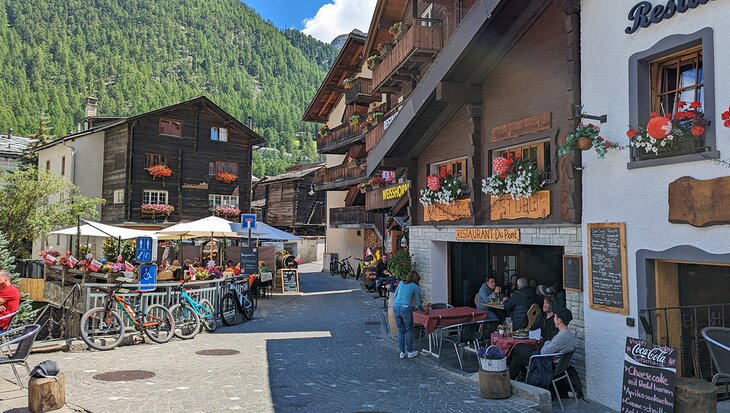
Back in town, you'll find dozens of shops, restaurants (order Raclette, a cheese and potato dish that is a regional specialty), and hotels. If you are interested in history, pay a visit to the Matterhorn Museum, which tells the story of the mountain village turned international holiday resort. It also provides facts and photos from the Matterhorn's first ascent.
Jungfraujoch: The Top of Europe
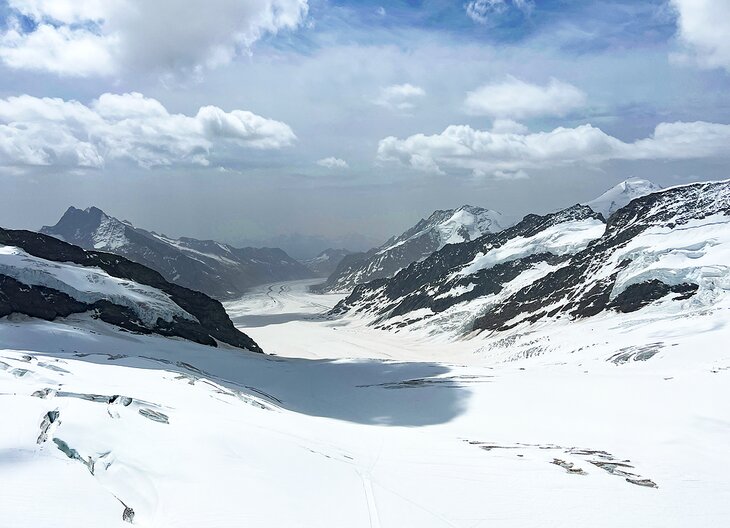
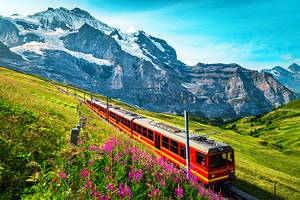
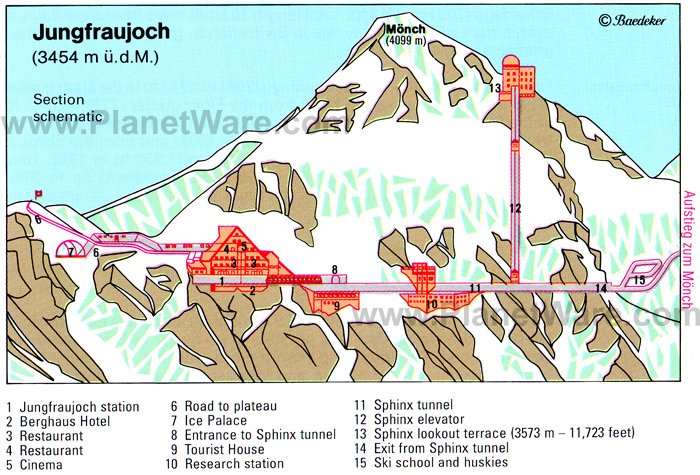
Since 1912, tourists have been making their way to the fairytale-like village of Grindelwald for an excursion to the Top of Europe (also known as Jungfraujoch). As its name suggests, it's the highest train station in Europe.
It offers panoramic views of the UNESCO-recognized Jungfrau region that will make your jaw drop. The Sphinx Observatory, an astronomical observatory that looks like a Bond villain lair perched 3,454 meters above sea level, is the best place to see the magnificent Aletsch Glacier and the 4,000-meter peaks that flank it. With snow 365 days per year, it's also a prime spot to get a break from Europe's heat in the summertime.
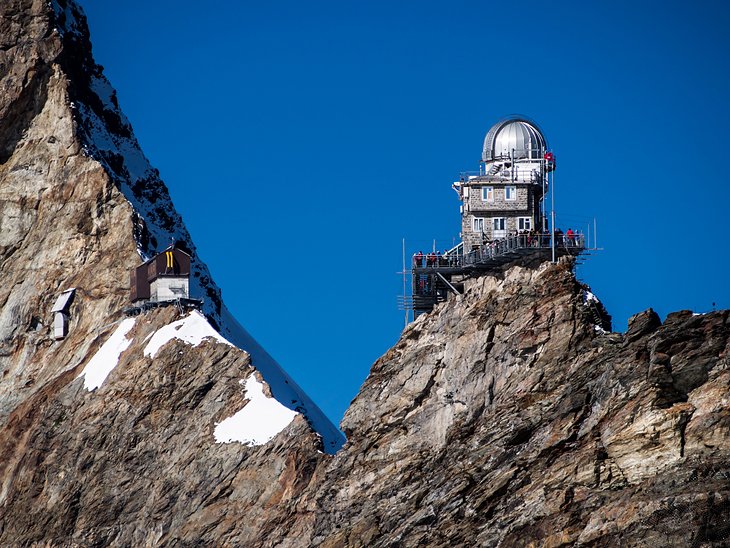
This famous attraction has come a long way in the last 100 years, giving tourists lots of things to do at the top. Step into the 360-degree cinematic experience room for a closer look at the glacier and the Swiss Alps (perfect for ensuring you still get a wonderful view on a foggy day). Walk through a 250-meter-long corridor with artifacts and exhibits on the history of the miners who built the railway to Jungfraujoch—the antique mining equipment hanging on the walls will give you a deeper respect for these early pioneers.
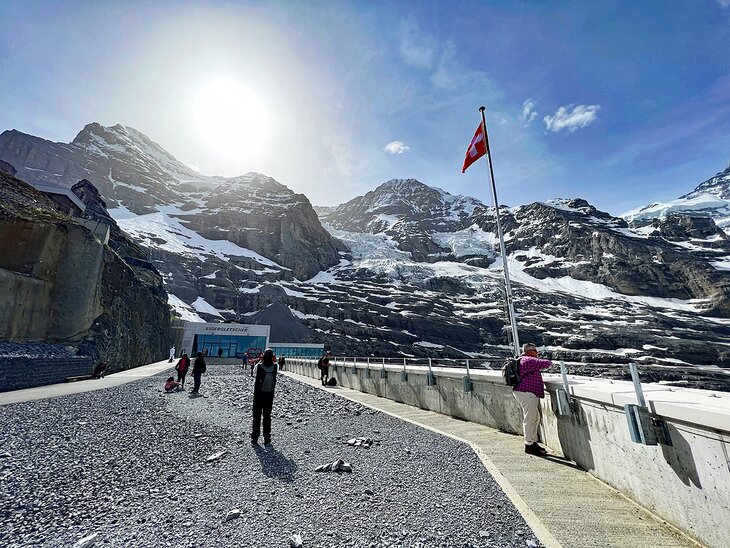
Peek inside a giant snow globe that depicts the region with charming moving figures, like yodelers and gondolas. Then, glide through the Ice Palace. Frozen from floor to ceiling, it features smooth, icy hallways filled with ice sculptures of animals, including several penguins around an igloo.
Jungfraujoach's highly sustainable cable car, the Eiger Express, shortened the journey between Grindelwald and Jungfraujoch from 45 minutes to just 15 minutes when it opened in late 2020. That makes it possible to summit the Top of Europe on a day trip from Interlaken or even Zurich, but if you have time, it's worth sticking around Grindelwald to hike for a few days.
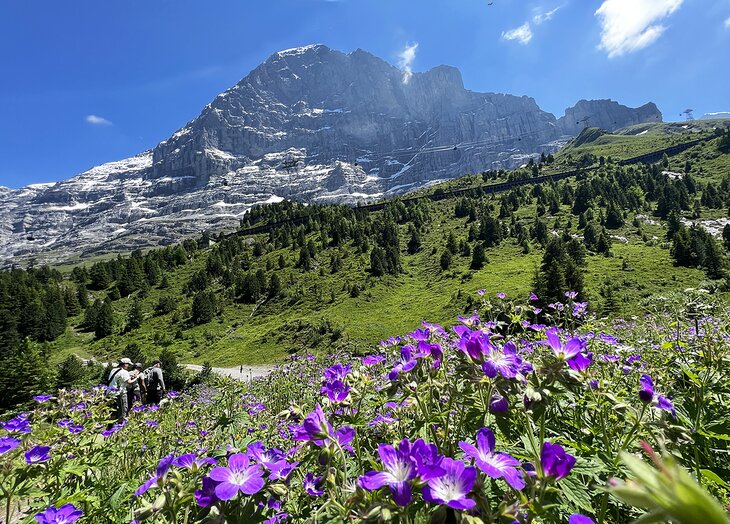
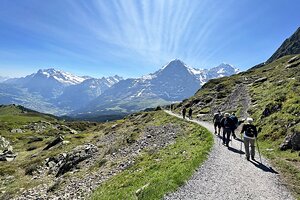
The trails here are among the most beautiful in the world and most trailheads are easily accessible through the town's network of cable cars and gondolas. The aptly named Panorama Trail takes you along paths lined by wildflowers with a backdrop of snow-capped peaks, while the Grindelwald First cable car station puts you on the path to the world-famous Bachalpsee lake.
You can also break up your days of hiking with adventure activities. Grindelwald First is home to a zip line that soars at 80 kilometers per hour and a mountain cart attraction that lets you race down winding gravel paths, plus a trail you can tackle on a "trottibike"—a unique cross between a scooter and a bike that's surprisingly fast.
Interlaken
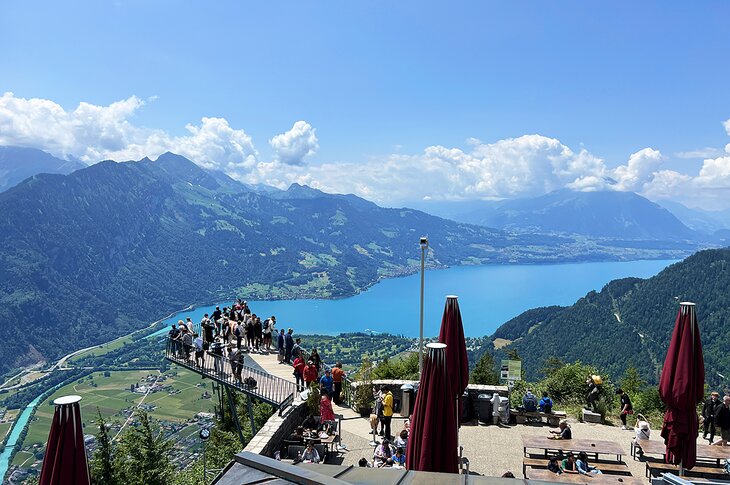
Nestled on a strip of land between two glassy lakes, Interlaken looks like a postcard brought to life. The enchanting resort town has been a popular vacation destination for centuries, giving tourists a home base to explore the Bernese Oberland. Visit in the spring or summer to take in the striking sight of the town's lush gardens blooming with the snow-dusted Eiger, Jungfrau, and Mönch towering in the background.
Interlaken's proximity to Lake Thun to the west and Lake Brienz to the east, along with soaring alpine mountains, has helped it become the "Adventure Capital of Europe"—and it offers thrills for any taste.
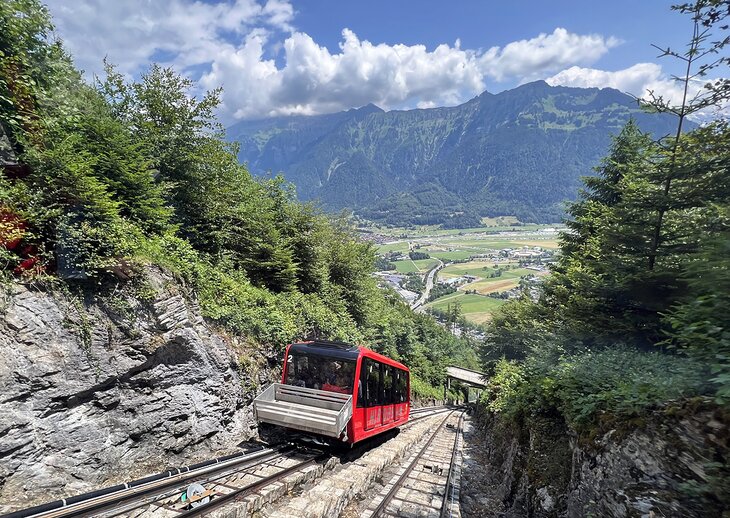
Want to hike? Take a 10-minute ride on the Interlaken Harderbahn, a funicular railway that's more than 100 years old, to the Harder Kulm (Interlaken's closest mountain). A brick path lined with quirky Swiss statues takes you to the trailhead for the Harder Kulm Circular Path, a relatively easy, forested path that opens up to panoramic views of Interlaken.
From mountainside slopes, you can also take the sky on a paragliding adventure in the summer, or slip on a pair of skis and zip down fresh powder in one of five winter sports areas around Interlaken. It's also a lovely place to get out on the water. Rent kayaks, row boats, and pedal boats for a serene experience on the lakes. Or challenge yourself to wakeboarding, windsurfing, or water skiing.
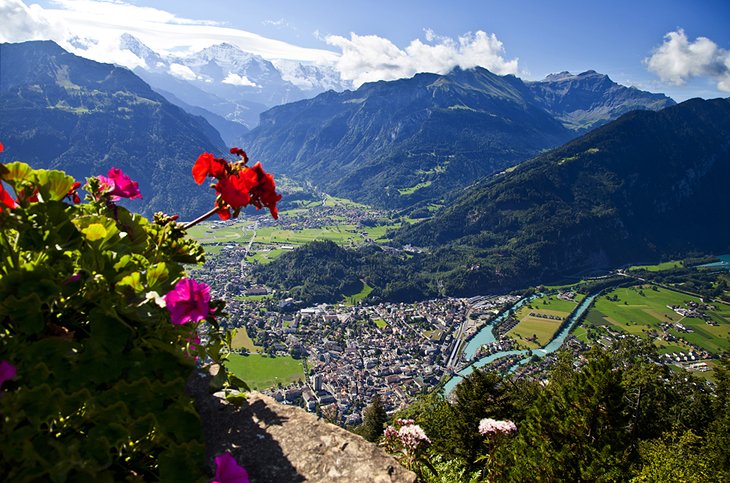
The beautiful part about Interlaken, though, is that it's as much a place for excitement as it is for a laid-back retreat. Once you've gotten your share of adrenaline, wind down with a stroll on the Höheweg, Interlaken's main boulevard, or find a moment of peace at the Garden of Friendship, the country's first Japanese garden.
Skiing in Switzerland

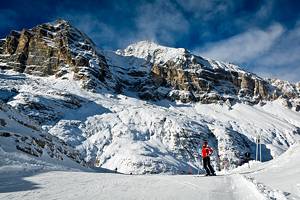
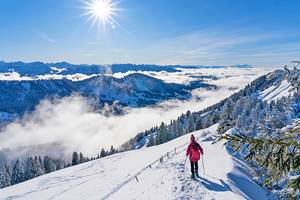
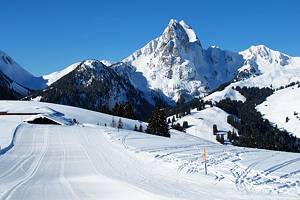
The soaring peaks of the Swiss Alps have been drawing legions of skiers for decades. The largest ski resorts are located in the south near the Italian and French borders and include world-famous destinations like Zermatt, St. Moritz, Verbier, and Davos-Klosters.
Renowned for their skiing and luxurious offerings, these Alpine villages, some of which are wonderfully car-free, ooze authenticity and are delightful places on and off the mountain.

Switzerland's fairytale-like alpine scenery adds a touch of magic to almost every ski run. Add to this fantastic on-hill dining that includes Michelin-star-level cuisine served in cozy mountain restaurants and Après ski that is second to none in many cases, and it's easy to see why skiing in Switzerland is so popular.
The hallmark Swiss efficiency is on display at all resorts with most boasting of incredible lift infrastructure that ensures you get back to the top quickly and comfortably. The equipment is modern and safe.
Read More: Ski Resorts in Switzerland
Lucerne
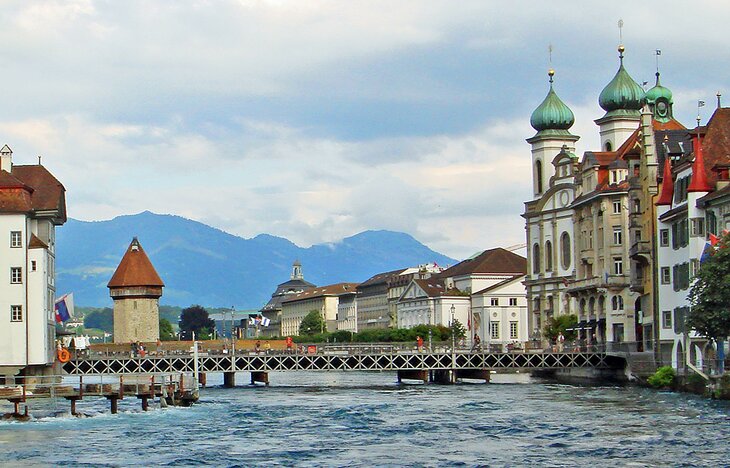
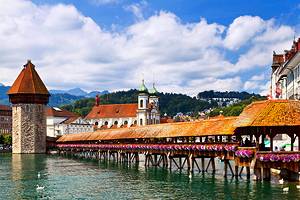
Imagine a sparkling blue lake surrounded by mountains, a car-free medieval old town, covered bridges, waterfront promenades, frescoed historic buildings, and sun-splashed plazas with bubbling fountains. No wonder Lucerne (in German, Luzern) is a top spot for tourists.
Famed for its music concerts, this quintessential Swiss town lures renowned soloists, conductors, and orchestras to its annual International Music Festival. The Culture and Convention Center is home to one of the world's leading concert halls.
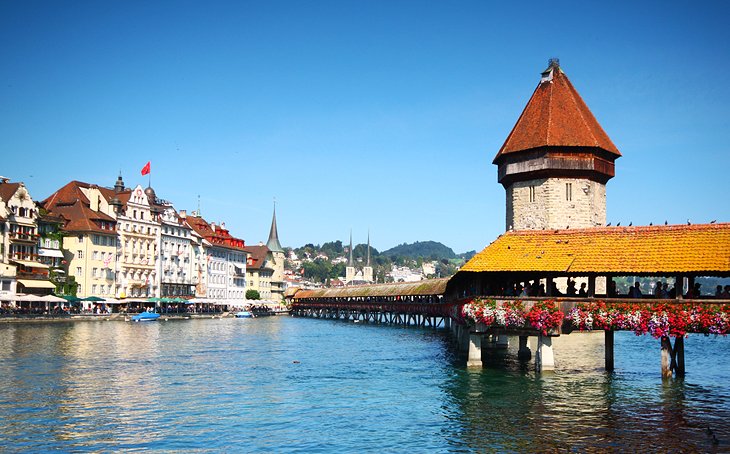
One of the city's most famous landmarks is the Chapel Bridge, built in the 14th century. In a small park, lies the famous Lion Monument, a poignant sculpture of a dying lion, which honors the heroic death of Swiss Guards during the attack on the Tuileries in the French Revolution. History buffs will enjoy the Swiss Transport Museum with extensive exhibits on all forms of transport, including air and space travel, railroad locomotives, and a Planetarium.
For beautiful views of Lucerne, the Alps, and the lake, ride the funicular to the Dietschiberg on the north side of Lake Lucerne; cruise up Mt. Pilatus on the cableway; or head to the Rigi, a famous lookout point.
- Read More: Tourist Attractions in Lucerne
Lake Geneva
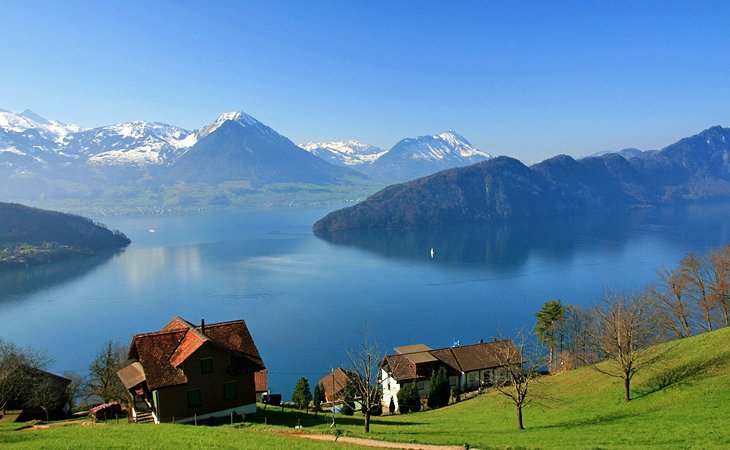
Lake Geneva, Europe's largest Alpine lake, straddles the Swiss/French border, and laps at the shores of some of Switzerland's most popular cities. The city of Geneva (in French Genève; in German Genf) sits between pretty snowcapped peaks at the point where the Rhône spills into Lake Geneva.
This French-speaking "capital of peace" is the European seat of the United Nations and exudes a pleasing blend of French joie de vivre and Swiss structure. Promenades, parks, and gardens surround the lake, and the old town is a lovely spot to stroll among the historic buildings. The Jet d'Eau, a fountain in Lake Geneva shooting water 150 meters into the air, is a famous landmark. Cultural attractions include the Opera House and the Grand Théâtre, which stages international acts.
Also on the lake, about 62 kilometers from Geneva, Lausanne boasts lovely views over the surrounding region and the lake, with the Alps rising in the distance. Take a stroll through the medieval old town with its cute cafés and boutiques and stunning Gothic cathedral. At the foot of the Alps, on Lake Geneva, Montreux hosts the world-famous Montreux Jazz Festival in June/July.
- Read More: Tourist Attractions in Geneva
Chateau de Chillon, Montreux
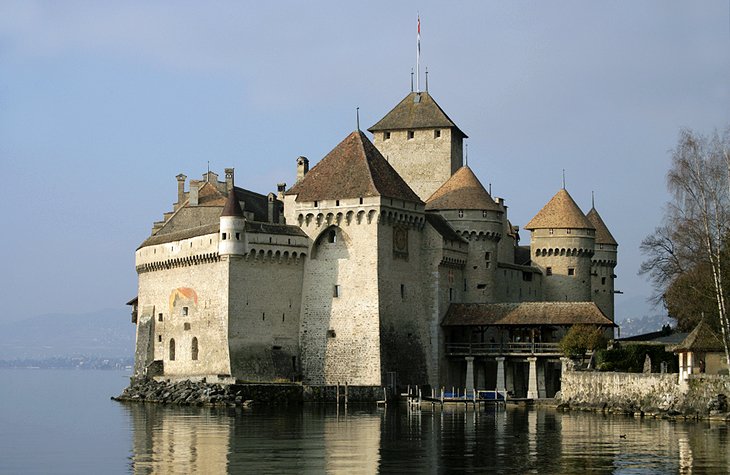
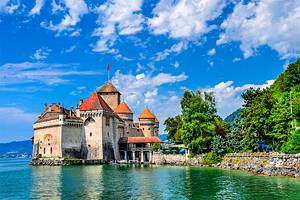
On the shores of Lake Geneva, near Montreux, the Chateau de Chillon (Chillon Castle) has inspired artists and writers for centuries. Lord Byron, Jean Jacques Rousseau, and Victor Hugo are among the luminaries who have written about this architectural treasure.
Once the stronghold of the Counts and Dukes of Savoy from the 12th century, the complex encompasses about 25 buildings clustered around three courtyards. Highlights include the Great Halls, with magnificent views of Lake Geneva; the Gothic underground rooms; the Chapel, adorned with 14th-century paintings; and the Camera Domini, a bedroom occupied by the Duke of Savoy decorated with medieval murals.
St. Moritz
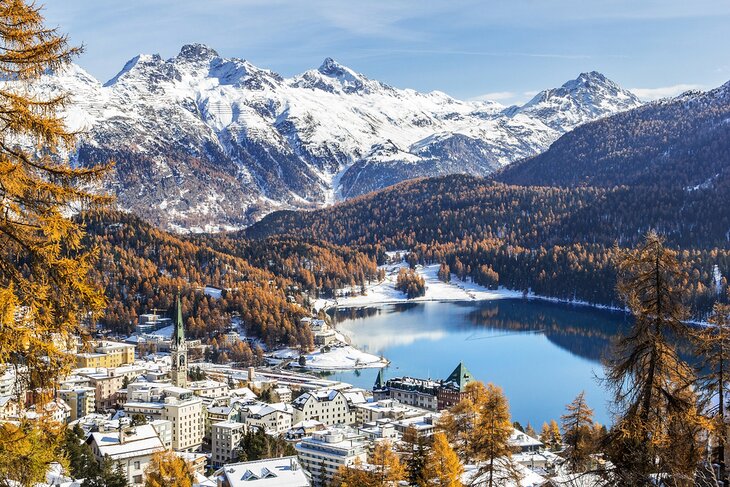
St. Moritz is a city of firsts. The world's first electric light clicked on here in December 1878. In 1889 it hosted the Alps' first golf tournament and in 1935 began operating one of Switzerland's first ski lifts. Additionally, the town is considered the birthplace of Alpine winter tourism after a hotelier convinced British summer guests to winter here in 1864. It went on to host the Winter Olympics twice (1928 and 1948).
In the Upper Engadin region in southeast Switzerland, in a valley surrounded by the Alps, today it is one of the world's most ritzy ski resorts, favored by billionaires and celebrities. It has 350 kilometers of ski and snowboard runs with some of Switzerland's steepest terrain.
Winter sports run the gamut, from skiing, snowboarding, skating, and bobsledding to tobogganing. One of the oldest natural ice runs for toboggans on the planet is found here, the famous 1.2-kilometer-long Cresta Run. There is also a snowboard fun park and 150 kilometers of winter walking and cross-country ski trails.
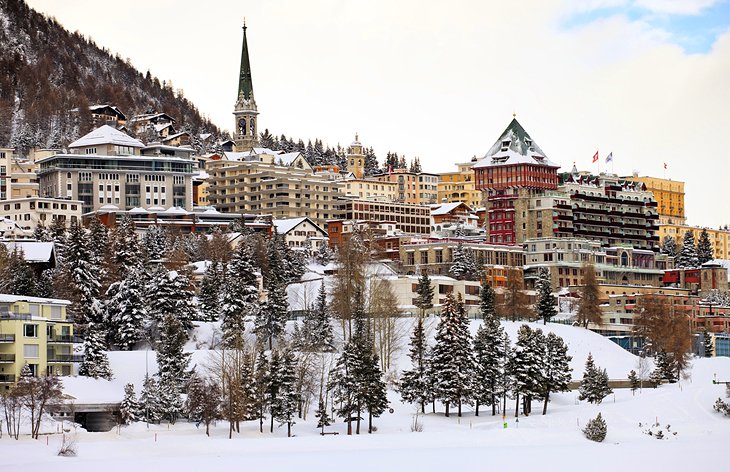
In summer, St. Moritz attracts hikers, bikers, horseback riders, and rock climbers. If you prefer to golf, you can play four courses with fantastic mountain views. You can also enjoy the iron-rich natural mineral hot springs here year-round. They were discovered about 3,000 years ago.
Adding to all this spectacular mountain scenery, St. Moritz is a cultural crossroads. Romansch, German, Italian, French, and English are all spoken in the surrounding areas, not to mention the different languages of the many well-heeled international visitors and expats.
The town is divided into two parts: St. Moritz Dorf sits on a sunny terrace overlooking the Lake of St. Moritz. The other part of town, lakeside St. Moritz Bad on the valley floor, is a health resort with less expensive lodging.
Bern
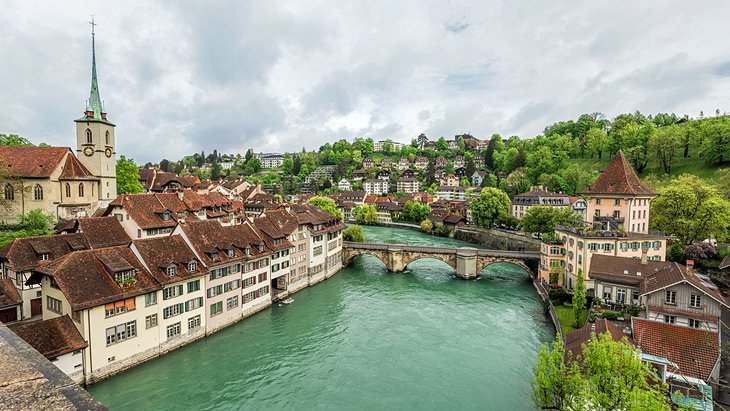
In a stunning location, perched on a peninsula of the River Aare, the Swiss capital of Bern exudes old-world charm, and the city's medieval old town is a UNESCO World Heritage Site. Strolling along the cobbled streets, visitors can explore the tallest cathedral in Switzerland, with panoramic views from its tower; 16th-century fountains; the Zytglogge medieval clock tower with moving puppets; and six kilometers of shopping arcades, called "Lauben" by the locals. The Rose Garden (Rosengarten) offers beautiful views of the old town center.
Bern has many tourist attractions waiting to be discovered, including excellent museums. Art lovers will appreciate the impressive galleries, including the Zentrum Paul Klee, the world's largest collection of works by this famous artist, and the Bern Museum of Art (Kunstmuseum).
Don't miss the markets, held in the Bundesplatz (parliament square) with views of the elegant Renaissance-style parliament building (Bundeshaus). Families will also enjoy a visit to the Bear Park.
Lake Lugano and Ticino
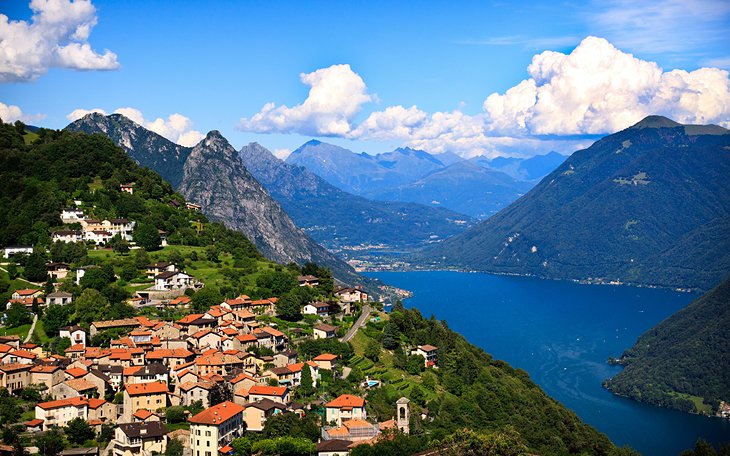
Lake Lugano lies on the Swiss/Italian border in Ticino, Switzerland's only official Italian-speaking canton, and offers a tantalizing taste of the Mediterranean. Citrus, figs, palms, and pomegranates flourish in the mild climate here–even as snowcapped peaks beckon in the distance.
In the towns around Lake Lugano and Lake Maggiore to the west, the feel of Italy is unmistakable in the architecture, the piazzas, and the passion for fine food, which spills over the Italian borders from the south, east, and west.
Visitors can explore the area by touring the lake on one of the white steamers or renting a boat. For a panoramic overview, Monte San Salvatore offers one of the most spectacular vistas of the surrounding countryside, lake, and snow-capped peaks.
Lugano, a financial center and the largest and most significant town in Ticino, is a popular summer resort. Northwest of Lugano, in sun-drenched Locarno on Lake Maggiore, Swiss lakeside living takes on a subtropical touch with warm days, blossoming gardens, and palm-studded estates. In Bellinzona, capital of the canton, three magnificent castles are UNESCO World Heritage sites.
Zurich
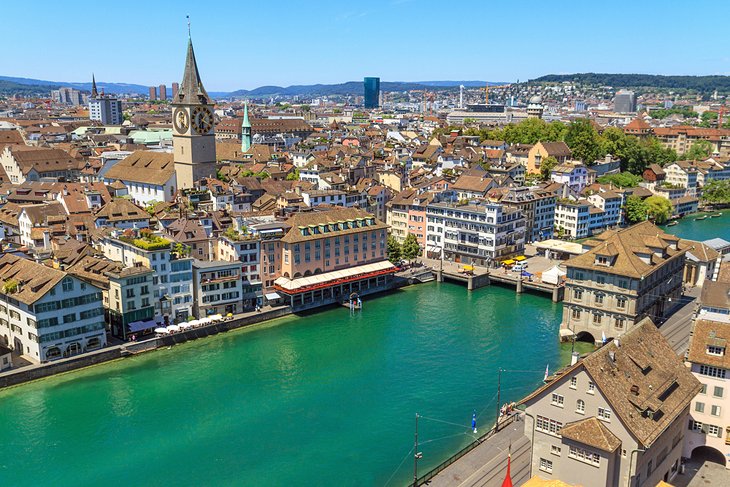
Zurich is Switzerland's largest city, a major transportation hub, and a top starting point for travelers. The city lies at the northwestern end of Lake Zurich astride the river Limmat. Beyond its buttoned-up façade, this affluent banking capital boasts a rich line-up of cultural treasures.
A great place to begin a walking tour is the cobbled streets of the Old Town with its quaint shops, cafés, and galleries. After the Old Town, soak up a bit of Zurich's natural beauty with a stroll along the river Limmat towards Lake Zurich. A wide paved walkway follows the shoreline, where small terraces serving snacks and drinks attract the locals on sunny days. For incredible mountain views and a view down the entire lake, continue onwards to the point at Zurichhorn Park.
Those with a penchant for fashion will not want to miss the mile-long Bahnhofstrasse, one of Europe's finest shopping strands, beckons with designer stores selling fashion, watches, and jewelry.

Venturing away from the boutiques, visitors will find more than 50 museums and 100 art galleries, as well as many other tourist attractions. A top pick is the Kunsthaus Zürich, the museum of fine arts, with an impressive collection of art from the Middle Ages to the present day. Another favorite is the Rietberg Museum, which focuses on non-European art with many works from China, India, and Africa.

A short stroll from Zürich's main station, the Swiss National Museum, in a Gothic chateau, spotlights Swiss cultural history. Families will love the Zurich Zoo with an elephant park, penguin parade, and Madagascar pavilion. From the city, take a train ride to Uetliberg Mountain for panoramic views of the city and countryside.
- Read More: Tourist Attractions in Zürich
The Rhine Falls
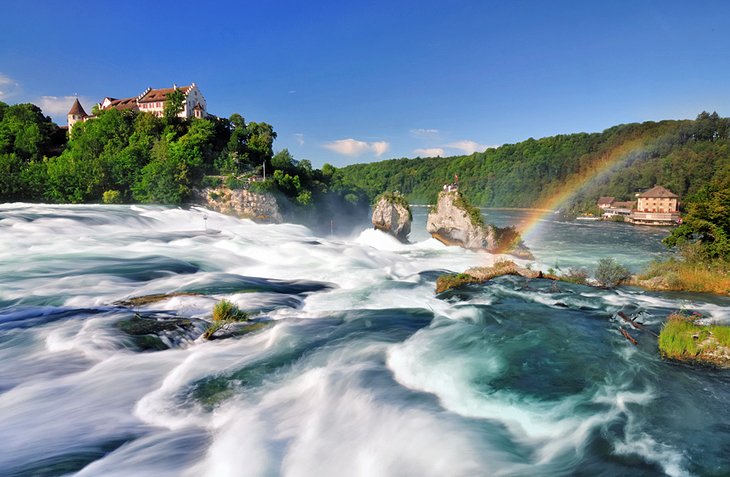
Spanning 150 meters, the Rhine Falls (Rheinfall) at Schaffhausen are the largest falls in Europe. The best time to visit is during June and July when the mountain snow melts, and the falls swell in volume to spill over a 21-meter-high ledge of Jurassic limestone.
Boat trips up the Rhine provide excellent views of the falls, as do the viewing platforms on both sides of the river.
Swiss National Park
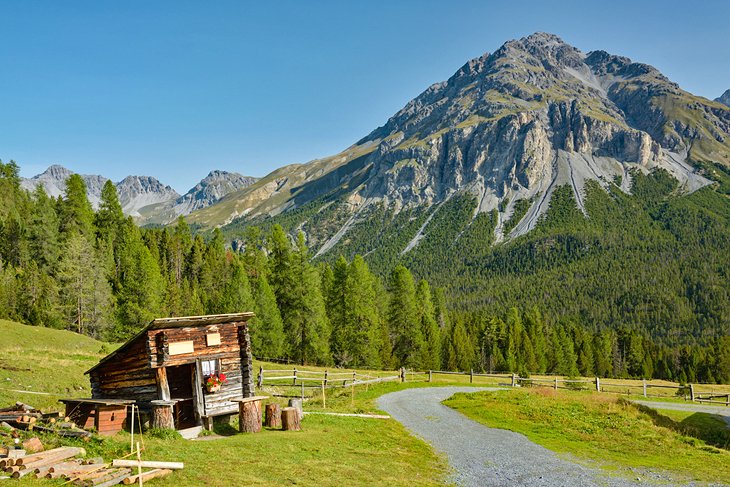
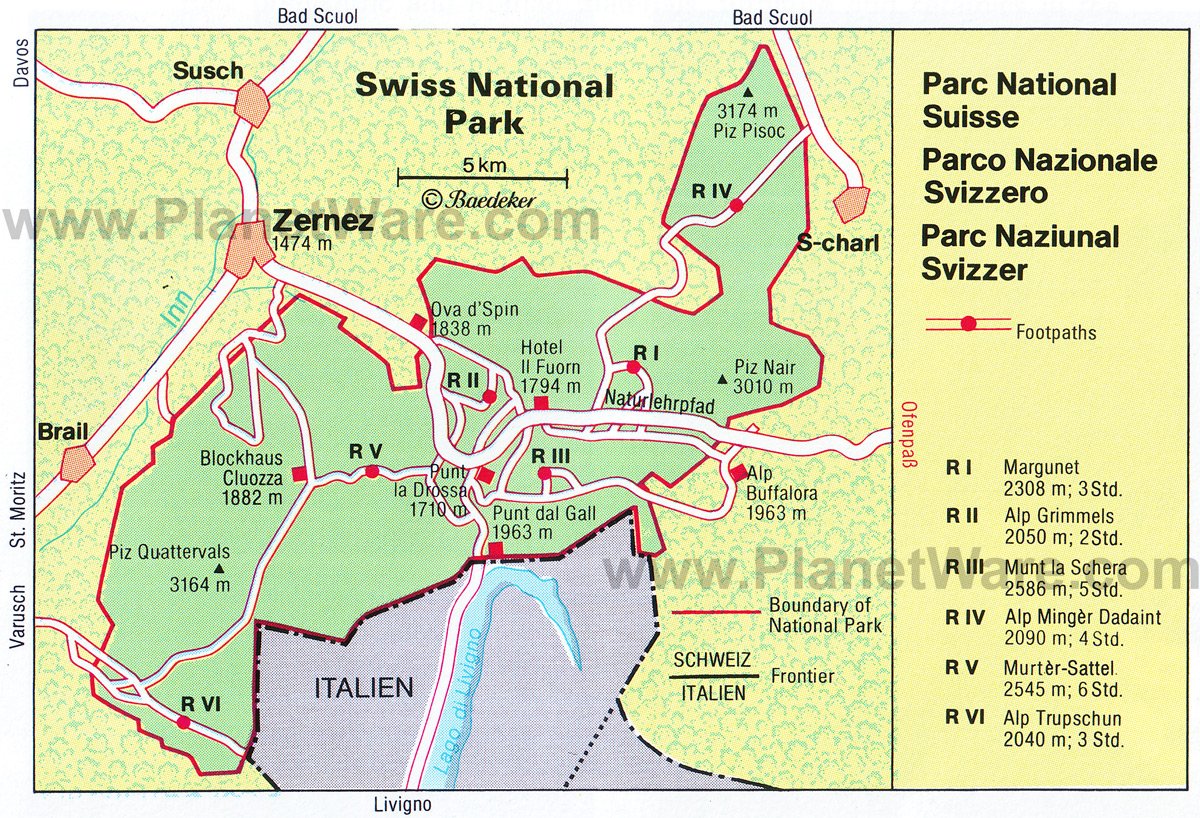
Founded in 1914, Swiss National Park in the Engadine Valley is the oldest reserve in the Alps. The park sits right on the border with Italy and encompasses more than 170 square kilometers of flower-dotted hollows, fast-flowing rivers, and limestone crags. The scenery is especially dramatic in winter when the forested mountains are covered in a blanket of snow, and the views from the cross-country ski trails are stunning.
Nature lovers can explore the region on the large network of trails, though veering off these paths is forbidden in an effort to preserve the natural ecosystems. More than 5,000 species of wildlife call the park home, including marmot, red deer, chamois, ibex, fox, and more than 100 species of birds.
The Albula/Bernina Railway Line
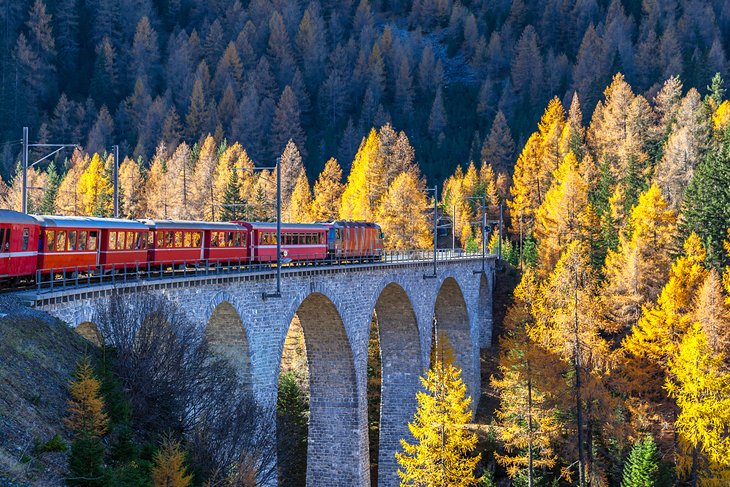
One of the very few railway lines in the world designated as a UNESCO World Cultural Heritage listing, the Albula/Bernina line on the Rheatian Railways offers a majestic ride not to be missed. The route extends throughout the Albula and Bernina landscapes, covering 122 kilometers and winding through almost 200 bridges, the Graubünden mountains, and a number of tunnels and viaducts along the way.
A ride on this train means panoramic seats that overlook unspoiled mountain landscapes, including the Piz Bernina, the highest mountain in the Eastern Alps at just over 4,000 meters tall. The train operates all year long, and the views are just as magical in summer as they are in winter.
Oberhofen Castle
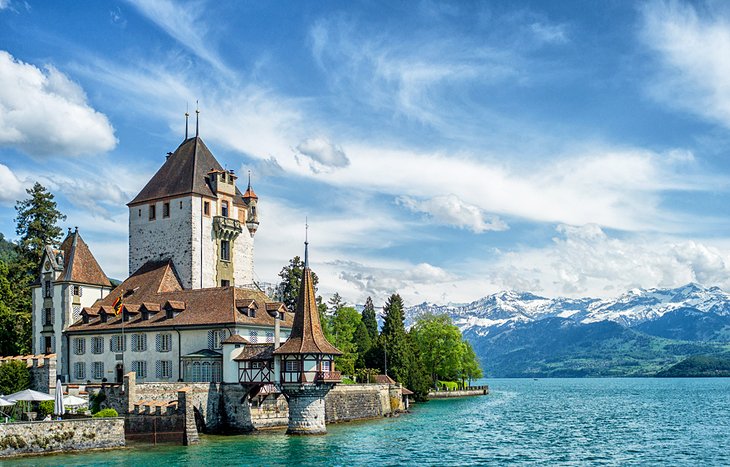
Right on the shore of Lake Thun and surrounded by a 2.5-hectare park, this 13th-century castle is one of the most breathtaking in Switzerland. Because Oberhofen Castle changed hands many times through the centuries, and new owners kept adding rooms to it, the result is a magical mix of many styles: Bernese Baroque-style buildings, Romantic-style facades, and Prussian-inspired exotic new areas (including a library and a smoking room).
The castle also houses a living museum showcasing the times and lives of feudal societies that called the castle (and its surroundings) home from the 16th to the 19th centuries.
Swiss Grand Canyon
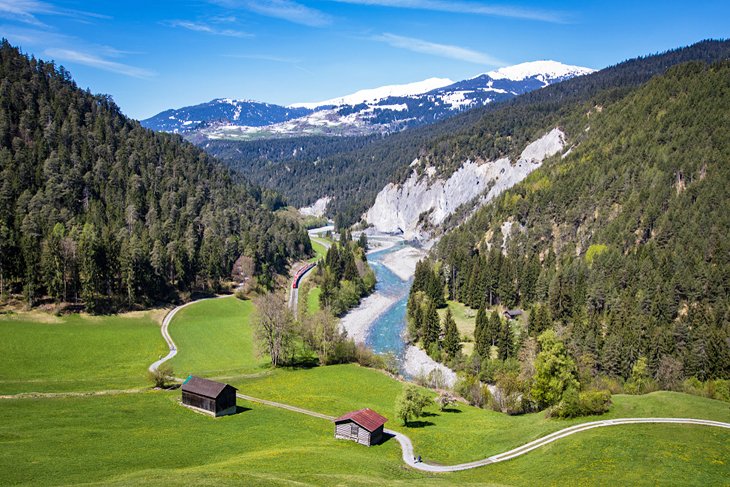
The Ruinaulta (also known as the "Swiss Grand Canyon") is a deep gorge surrounded by expansive meadows and forested cliffs. Located in Eastern Switzerland, it was created over 10,000 years ago–when the Ice Age Rhine Glacier retreated, it led to a chain of events that resulted in a massive rockslide in the Rhine Valley. As the Rhine River seeped through the rock walls, the gorge was filled with water.
Today, the Swiss Grand Canyon is not only one of the most beautiful areas in Switzerland, but also a preferred destination for hikers, bird-watchers, and nature lovers. It's possible to raft the rapids here between May and October, or rent a canoe or kayak for a gentler route with stunning views of the steep cliffs all around.
Gruyères
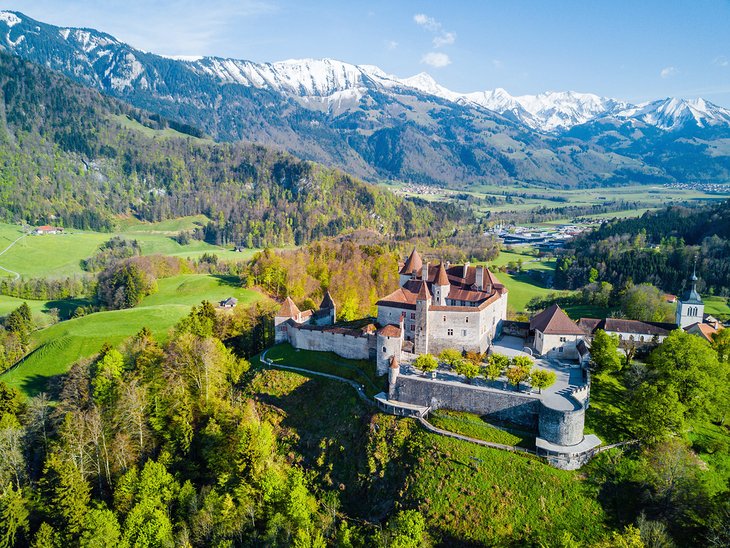
Even if you don't know anything about this small medieval town, you've probably heard about the hard yellow cheese that made its name famous. Today, that's one of the town's main attractions. Visitors can tour a cheese factory, sample the local specialties, and wave to the cows that call the surrounding green hills home. If cheese isn't enough, the Maison Cailler Chocolate Factory also operates in town.
Gruyères might be tiny – it covers an area of just 28.4 square kilometers and is home to around 2,000 permanent residents – but it makes up for it with plenty of things to do, including the 13th-century Castle of Gruyères and its two small arts and regional museums, as well as Saint-Germain Castle, which was bought by Swiss surrealist painter and sculptor H. R. Giger, and it now houses a museum dedicated to his work. The Tibet Museum, housed in an old church in town, is also worth a visit.
Stunning landscapes surround Gruyères, including the Gorges de la Jogne (favorite with hikers) and the nearby Mont Moléson, popular with climbers in the warmer months and home to ski and snowshoe trails during winter.
Best Time of the Year to Visit Switzerland
The best time to visit Switzerland depends partly on why you're going there. If you're going for the skiing, then of course winter is the best time to visit. For mountain hiking, summer is best, as it's warm even high up in the mountains, and you won't encounter much rain to disrupt your outdoor plans.
If your visit to Switzerland will include a bit of everything, then the months between April and June are your best choice. You'll still find some snow if you arrive early in this period, and warm days if you arrive later on.
Temperatures vary between 15 and 22 degrees Celsius, and you'll get a bit of rain, but you'll also see long days with plenty of sunshine, perfect for hiking and sightseeing. May is the most unpredictable month weather-wise – you might see rain and cold evenings or sunshine with temperatures in the low 20s.
Since the summer crowds don't arrive until July, and the winter crowds are long gone, you'll get more privacy and a chance to grab better deals on flights and accommodations.