
Rick Steves Says Switzerland's Top 3 Trains Are The Most Scenic Rides In Europe
If you're looking for grand vistas that don't require you to pay attention to the road the whole time, consider these train rides in Switzerland instead.
Read More

If you're looking for grand vistas that don't require you to pay attention to the road the whole time, consider these train rides in Switzerland instead.
Read More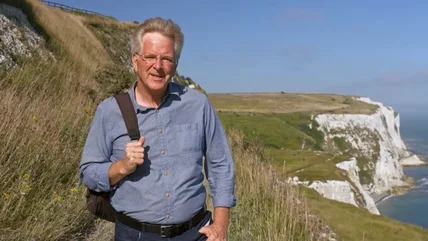
This place in Europe attracts tourists thanks to its ferry rides and famous landscape, but Rick Steves thinks a different spot 73 miles away is more charming.
Read More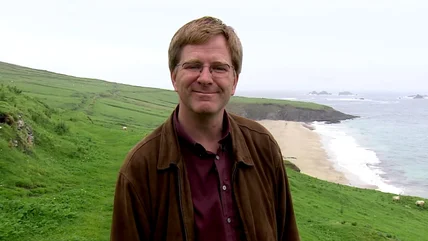
This European town is a popular stop, especially for road-tripping sightseers, but according to Rick Steves, it's an inauthentic tourist trap.
Read More
Rick Steves isn't impressed by one famous European destination, but travelers passing through will still find landmarks, history, and worthwhile things to do.
Read More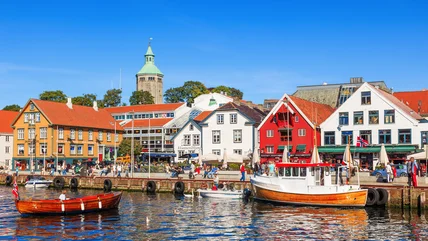
Rick Steves isn't a fan of this coastal destination in Europe. However, there's still plenty to experience there, from stunning nature to foodie favorites.
Read More
The beer gardens across Germany are one of the most unique ways to experience the country's traditions, but learn these cultural faux pas before saying "prost!"
Read More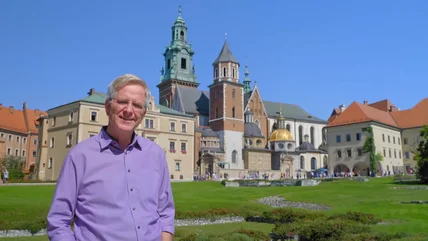
Follow Rick Steves' advice and spend time in this European city, which has retained much of its pre-WWII character in its streets, parks, and architecture.
Read More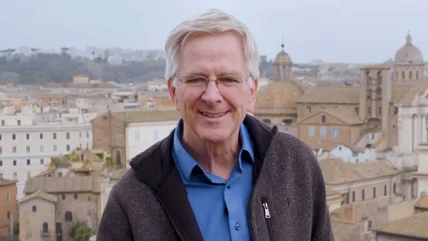
While this hack may save you money while sightseeing in Europe, travel pro Rick Steves says it makes it harder to enjoy the continent's iconic attractions.
Read More
This part of Europe is known for its high prices, but travelers can fill their bellies for less (and even snag leftovers) by following this simple tip.
Read More
According to travel pro Rick Steves, this destination in Europe is "dull," but there are still a few historical sites there that may be worth visiting.
Read More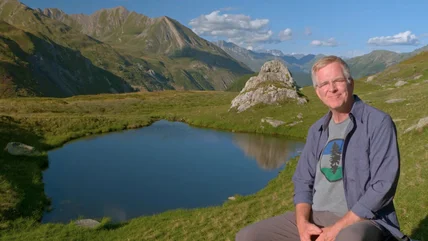
When the famed authority on European exploration gives travel advice, it's usually a good idea to listen. This tip may help you avoid a painful headache.
Read More
Europe is a big place, with an overwhelming number of destinations and sites to choose from. And if you're not careful, you might fall for a "phony" attraction.
Read More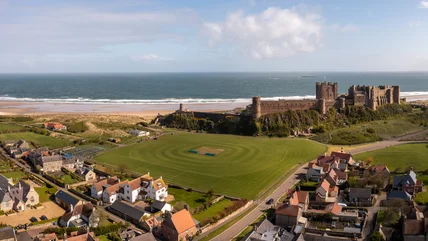
This charming English village is packed with history, from its vast castle grounds and church to a unique museum honoring a local Victorian hero.
Read More
If you're traveling to a European country where you don't speak the local language, and you have certain dietary needs and preferences, be mindful of this term.
Read More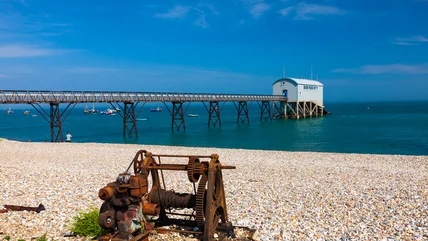
Skip the tourist-trap destinations in Europe and take a trip to this historical English fishing town with clean water for swimming and fresh seafood.
Read More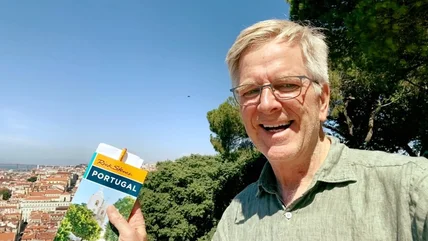
If you plan to visit a European destination during the peak tourist season, this clever tip will help you organize your itinerary around the crowds and lines.
Read More
If you need a quick meal on a budget while visiting Europe's major tourist destinations, try this surprising tip from travel pro Rick Steves.
Read More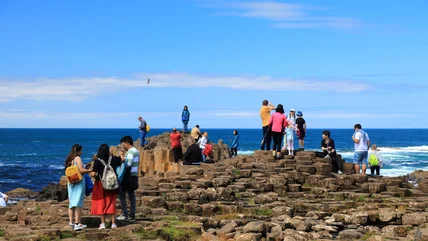
The shores of the United Kingdom are home to some stunning formations and natural wonders, but tourists have been harming one hotspot too often.
Read More
Rick Steves knows how to make the most out of a vacation in Europe, and one particular hack will help you experience tasty treats on a budget.
Read More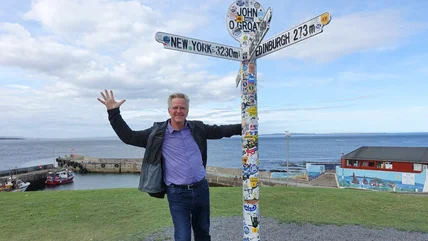
If you visit Europe (or other destinations) often and love to shop overseas, you may want to follow this practical tip from Rick Steves before your next trip.
Read More
From Germany to Italy, this casual, on-the-go meal is commonly found across Europe and will fill you up without breaking your travel budget.
Read More
When traveling in Europe, you'll need to have some local currency on hand, and there are several tips to know that can help you maximize your money.
Read More
If you're used to the sprawling all-inclusive resorts found in the Caribbean, be aware of these differences before booking a resort in a European destination.
Read More
According to travel pro Rick Steves, there's one sneaky way you might lose money when shopping in Europe. Here's how to avoid it and stretch your budget.
Read More
Travel expert Rick Steves knows that hotels in Europe can be pricey, which is why he suggests booking this type of accommodation to stay on budget.
Read More
Try new dishes and fill your belly in restaurants in Europe, all while saving money, with this simple tip recommended by guidebook author Rick Steves.
Read More
After all that walking, eating, and exploring in Europe, you may experience pain or other ailments. Here's how Rick Steves says to handle medical issues abroad.
Read More