Day Trips from Amsterdam
After you've enjoyed the many wonderful tourist attractions in Amsterdam, it's easy to hop on a train or join a tour to see some of the many other places to visit in the Netherlands. Because the country is relatively small, you can reach most of its highlights in day trips from Amsterdam.
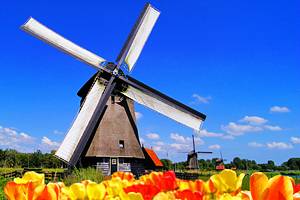
The spectacular gardens and tulip fields of Keukenhof are one of the most popular excursions, an easy half-day trip from Amsterdam. Other contenders for your time include the charming old fishing towns along the Ijsselmeer, the former Zuiderzee, and the open-air museum in Enkhuizen. Both are located just a little north of Amsterdam. You can also visit the country's largest concentration of historic Dutch windmills at Zaanse Schans.
Haarlem, Hoorn, and the famed porcelain makers in Delft are not too far away, either. And day trips from Amsterdam can also take you to two highly appealing cities in neighboring Belgium: Brussels and Bruges.
Discover the most rewarding things to do near the city with our list of the best day trips from Amsterdam.
See the "Garden of Europe": Keukenhof Gardens
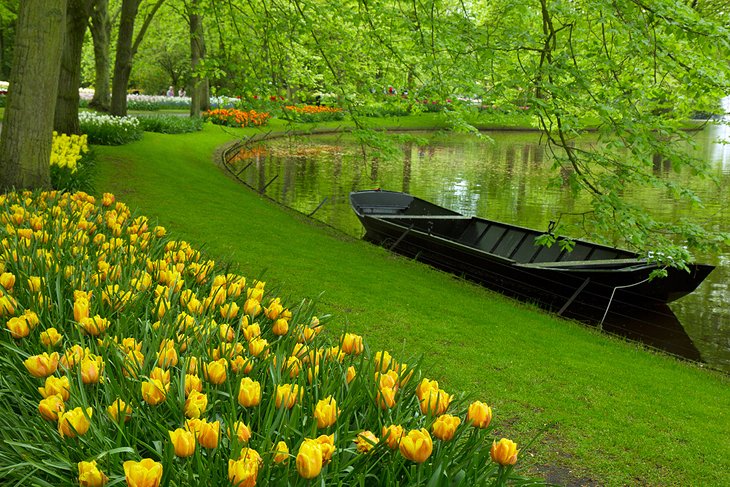
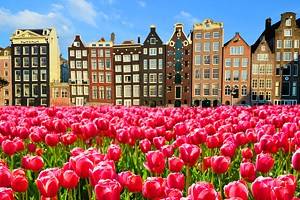
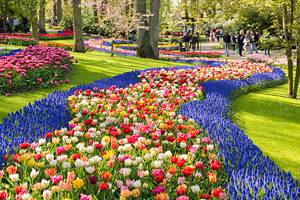
The Netherlands is well known the world over for its flowers, in particular its tulips. Just 38 kilometers southwest of Amsterdam, on the outskirts of the town of Lisse, is the spectacular Keukenhof Gardens. Also known as the Garden of Europe, Keukenhof, which literally translates as "kitchen gardens," is the best place to view the country's rich floral bounty.
Widely considered one of the world's most beautiful spring gardens, Keukenhof itself covers some 79 acres of land in the area known as the Netherlands' bulb belt, and is set in a picture-perfect landscape that once formed the kitchen garden (or keuken) of a large country estate.
In a complex that also includes restaurants, patios, and exhibitions, more than 700 varieties of tulips, hyacinths, crocuses, and daffodils are grown. All told, in excess of seven million flower bulbs are planted each year here. Keukenhof Gardens is also home to numerous flower-related events and festivals, from flower shows to markets and concerts.
Address: Stationsweg 166A, 2161 AM Lisse, Netherlands
Official site: https://keukenhof.nl/en/
Explore Enkhuizen and the Zuiderzee Museum
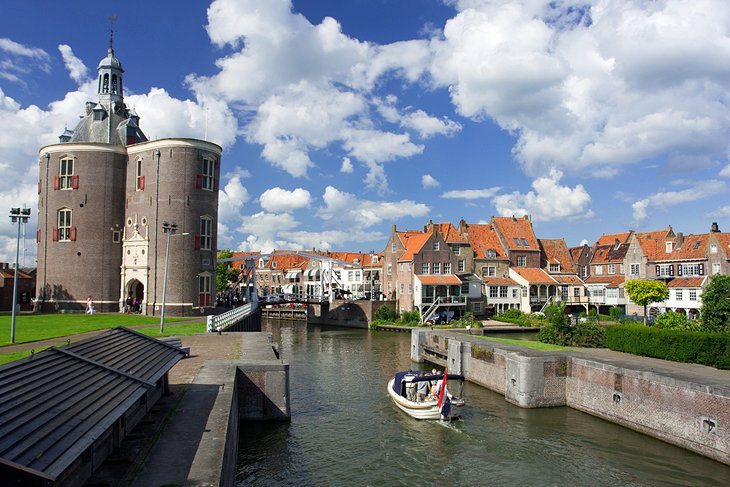
Located on the Ijsselmeer, a shallow lake that was once part of the former Zuiderzee, Enkhuizen is one of the prettiest towns in the Netherlands.
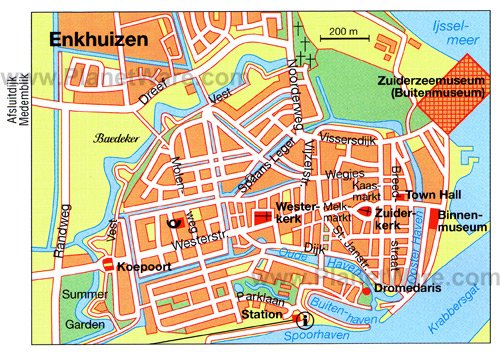
Enkhuizen has a number of important historical attractions, among them two 15th-century churches and its 17th-century town walls and gates. A highlight is the Dromedaris Tower. This relic of the town's fortifications was built in 1540, and its carillon ranks among the finest in the Netherlands.
From the town's picturesque harbor, you can take the ferry to the Zuiderzee Museum, an open-air museum that focuses on the rich cultural traditions of the area. Here, you'll find fascinating displays of the Zuiderzee's maritime history and the ongoing process of land reclamation.
Highlights include a number of preserved 17th-century buildings, many old boats, as well as artifacts relating to the region's fishing traditions. Also on the IJsselmeer, about 40 minutes south of Enkhuizen, is the old fishing village of Volendam. It's well worth a visit to see its traditional fishing boats and colorful houses.
Address: Wierdijk 12 - 22, 1601 LA Enkhuizen, Netherlands
Official site: www.zuiderzeemuseum.nl/en/page/487/hoofdmenu-engels
Visit Alkmaar Cheese Market
Situated about 42 kilometers north of Amsterdam on the North Holland Canal and just eight kilometers from the North Sea is the charming town of Alkmaar. Filled with fine architectural monuments and old guild-houses from the 16th to 18th centuries, Alkmaar makes for a delightful day trip from Amsterdam.
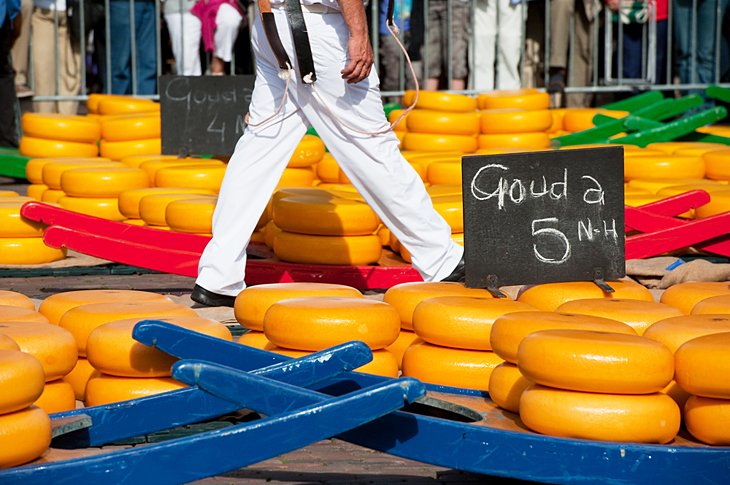
But the real highlight of an excursion to this picturesque town is the world-famous Dutch Cheese Market (Kaasdragersgilde Kaasmarkt Alkmaar). One of the best-known tourist attractions in the Netherlands, the cheese market is held every Friday in front of the town's Weigh-House in strict accordance with centuries-old traditions.
The first such market was held here in the 1590s, and it's a fascinating sight to watch as the square is covered with more than 23 tons of large, round Edam and Gouda cheeses. Adding to the experience is watching the cheese porters. Dressed in white and wearing hats in the colors of their guild, these porters carry sometimes as many as 80 Edam cheeses on cradle-like racks to be weighed. Before anything can be shipped off, the crowds are welcomed and bells are rung. English language explanations of the rituals are offered at 11:20am.
Afterwards, pop into the Alkmaar Cheese Museum. Located in the Weigh House, it contains interesting displays and exhibits on the history of cheesemaking and its importance to the local culture and economy.
Address: Houttil 26, 1811 JM Alkmaar, Netherlands
Official site: www.kaasmarkt.nl/en
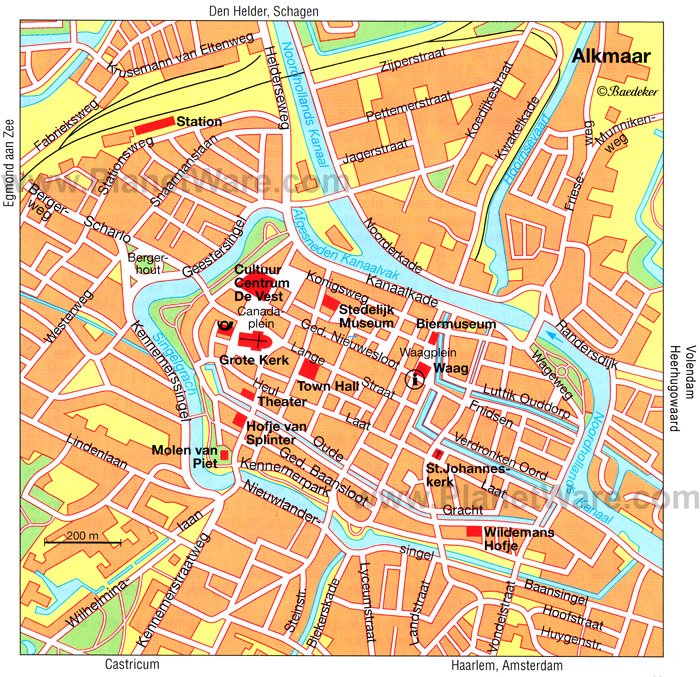
Stroll the Streets of Historic Haarlem
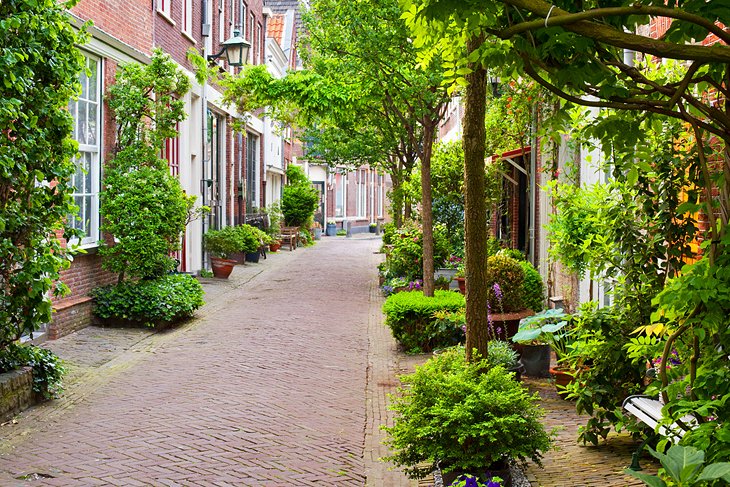
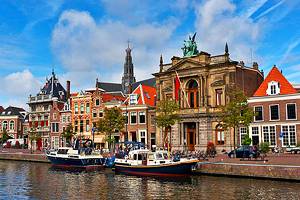
Set on the little River Spaarne, about 19 kilometers west of Amsterdam, historic Haarlem is just seven kilometers from the North Sea coast. Established in 1245, Haarlem was a hotbed of artistic endeavor during the 17th century, when it became home to many of the country's most famous painters, some of whose works can be seen in the superb Frans Hals Museum.
A highlight of the city's old main square is the 14th-century Grote Kerk (St. Bavokerk). This huge Late Gothic structure is notable for its slender, 40-meter-tall tower. Also of note are the church's many rich furnishings. Of particular interest are the three old model warships, a nod to the church's role as the chapel of the Seamen's Guild.
Be sure to also check out the famous 18th-century Müller Organ. Said to be one of the greatest such instruments in the world, it's especially famous for its unique tone and decoration.
Finally, be sure to take a peek into the Old City Hall. Built in the 13th century, it's notable for its large tower and plush interior. English language guided tours are available.
- Read More: Attractions & Things to Do in Haarlem
See the Historic Windmills at Zaanse Schans Open-Air Museum
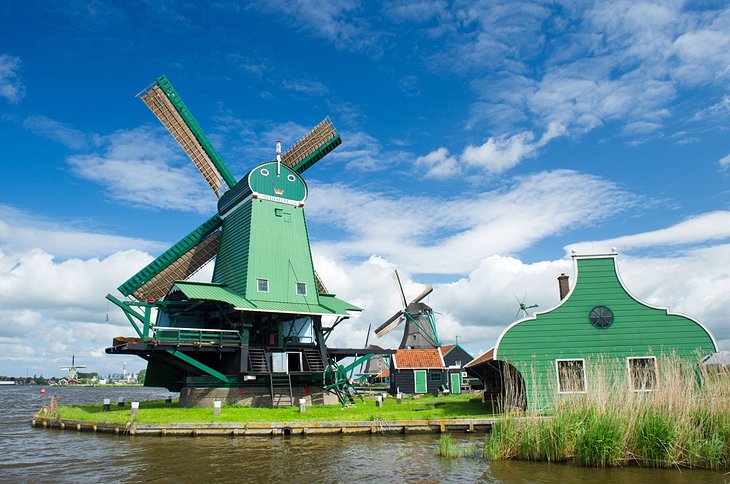
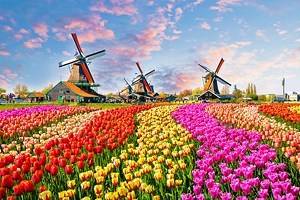
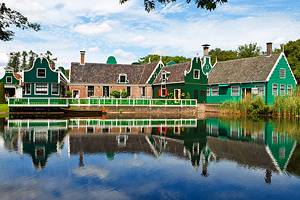
The Zaanse Schans open-air museum (Zaans Museum) is so picture-perfect, it's hard to believe it's actually a real community. Based on the original village of Zaanland as it would have looked around 1700, the museum was established to preserve buildings threatened by industrial development.
Typical old wooden houses and windmills of the 17th and 18th centuries were taken down and carefully restored on the site, providing a vivid impression of life in earlier centuries. The overall effect is further enhanced by the fact that most of the houses are actually occupied.
Other features of note are its large collection of still functioning windmills. These include an oil mill, a paint mill, mustard mill, and a sawmill. Other heritage buildings still in use include a cheese-making dairy, an old bakery, a grocer's shop, a clog-maker's workshop, and a clock museum.
Guided tours are available, as is a very pleasant boat trip on the Zaan. This fun cruise offers great views of the old houses and windmills from the water.
Address: Schansend 7, 1509 AW Zaandam, Netherlands
Official site: www.dezaanseschans.nl/en/
The Canal City of Bruges
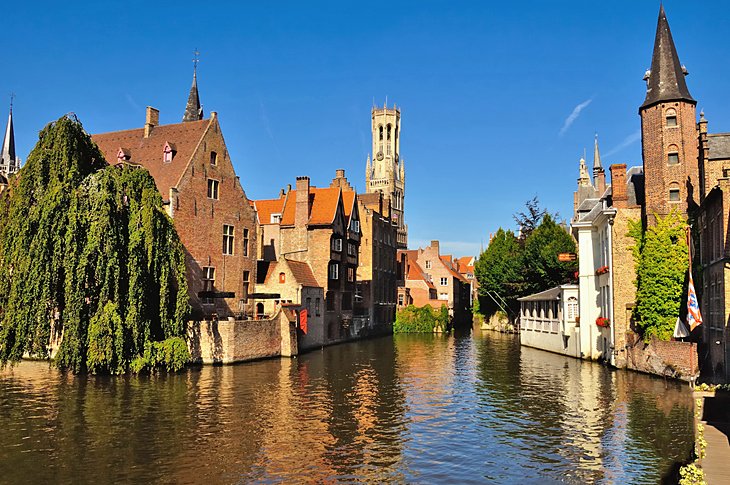
The canals that today make the Belgian city of Bruges one of Europe's most picturesque cities began as waterways connecting it to the Zwin estuary and the North Sea. Cruising or walking along these picturesque waterways will lead you to beautiful views of old houses, graceful bridges, and tiny gardens.
Some of the most popular sightseeing boat tours begin at any of five different landings. And for those wanting to walk, you can download an excellent walking tour map from the city's tourism website.
The market hall, which dates from medieval times and is beautifully preserved, dominates the main square. From its tower are sweeping views of the city's famous spires and steep pitched roofs.
- Read More: Tourist Attractions in Bruges
Beautiful Brussels
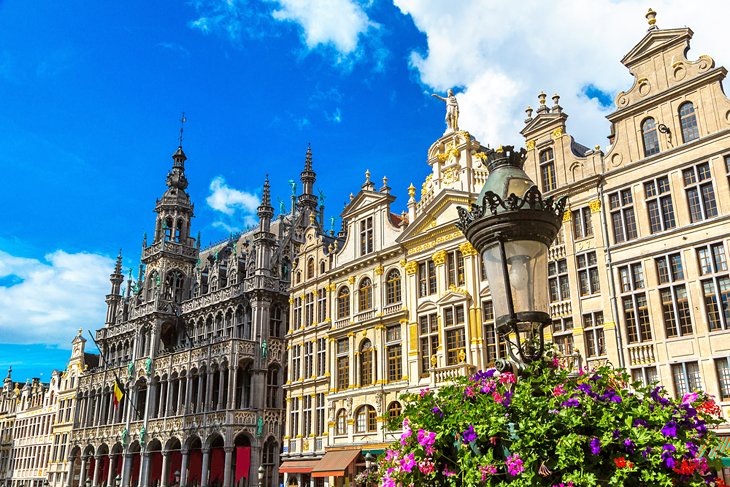
The capital of Belgium, Brussels is also the capital of the European Union. And although it is filled with beautiful Gothic and Baroque buildings and has a number of outstanding art and other museums, you won't find it anywhere near as crowded with tourists as many other European capitals.
Its main square, the Grand Place, is grand indeed, and one of the most elegant and best preserved public squares in all of Europe. Surrounding it are guild houses that were built in the late 1600s in the Baroque style, resplendent in ornately carved gables and balustrades with gold embellishments.
In contrast to these and other Baroque buildings and the older Gothic structures, Brussels is also where you'll find some of the finest examples of Art Nouveau design. The most famous works of the early 20th-century master architect Victor Horta are found in Brussels.
- Read More: Tourist Attractions in Brussels
Delft
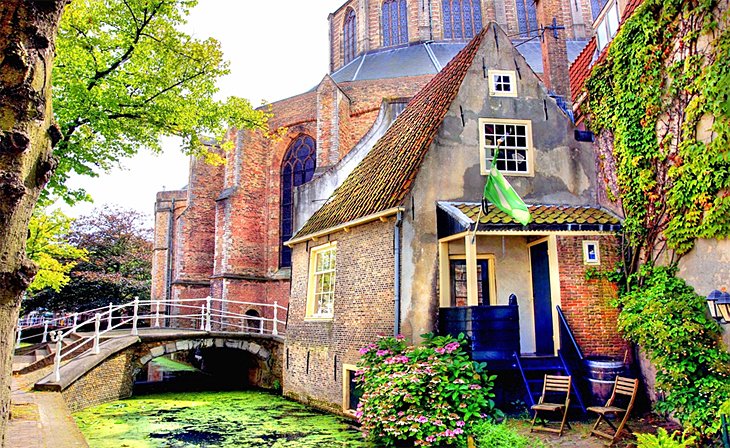
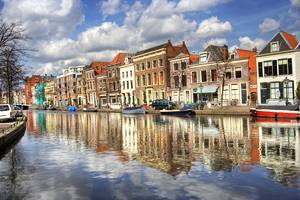
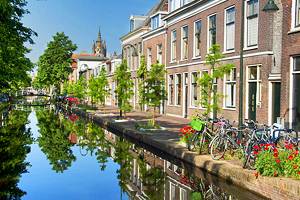
Located south of Amsterdam, between The Hague and Rotterdam, Delft is known worldwide for the famous blue and white porcelain that's been made here since the 1600s. Most of the picturesque Old Town buildings date from the following century, when the Delft's pottery manufacture and export was at its height.
Along with its lovely old houses and canals, Delft has some fine Gothic churches and art museums. Koninklijke Porceleyne Fles (Royal Delft in English) is the only remaining maker of the famous Delftware, and you can watch the artists at work and see the collection of historical pieces.
Address: Rotterdamseweg 196, 2628 AR Delft, Netherlands
Official site: www.royaldelft.com/en_gb/
Read More: Attractions & Things to Do in Delft
The Delta Works and the Maeslant Barrier
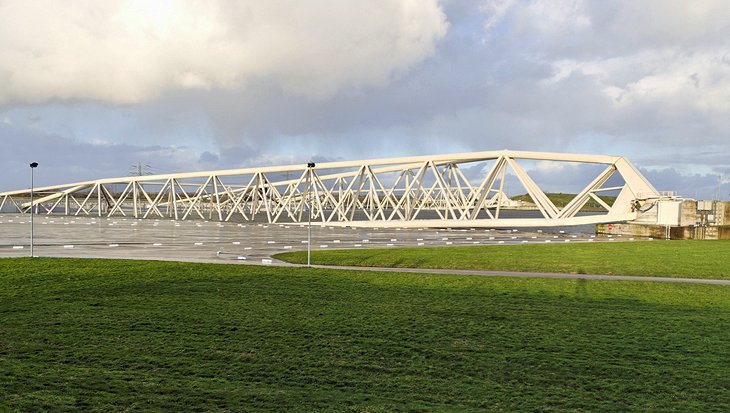
Located about 70 kilometers southwest of Amsterdam just past The Hague on the Hook of Holland, the Maeslant Barrier (Maeslantkering) is just part of the country's massive Delta Works project, an engineering marvel designed to prevent flooding. The final piece of this engineering puzzle, the barrier consists of two huge gates capable of closing off the New Waterway when a storm surge threatens.
The visitor center in the historic Keringhuis provides a fascinating glimpse into the history and construction of the Delta Works project, as well as a chance to view shipping traffic as it sails in and out of Rotterdam. Plan your visit around a test closing of the barrier, details of which can be found on their website.
English language guided tours of the storm surge barrier and museum are available on weekends; reservations are required.
Address: Maeslantkeringweg 139, 3151 ZZ Hoek van Holland
Official site: www.keringhuis.nl/english
Hoorn
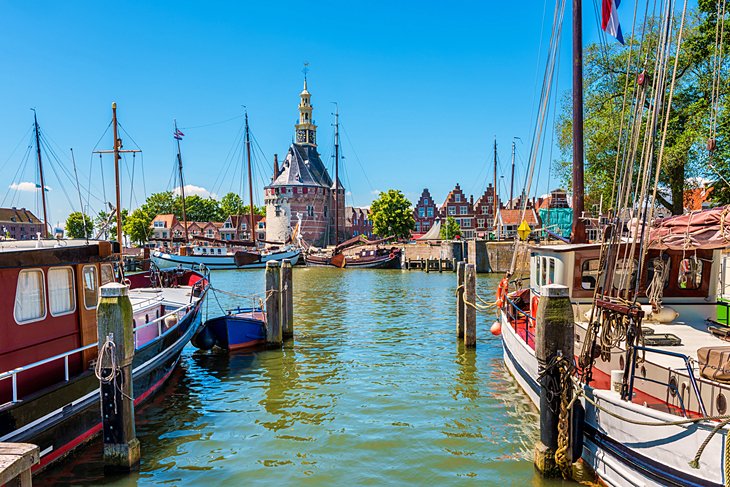
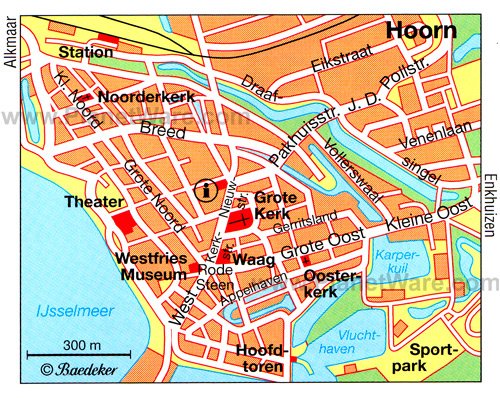
Another of the many quaint towns on the Ijsselmeer, Hoorn is becoming an increasingly popular tourist destination. The big draw here is its many fine historic buildings and picturesque waterside setting.
Highlights of a visit include exploring the town's two yacht harbors lined with their attractive 17th-century gabled houses, galleries, shops, and museums. Also worth seeing is the historic old Town Hall (Stadhuis), built in 1402 and originally home to the convent of St. Cecilia. Interior highlights include the 18th-century Council Chamber with its painting of the naval battle of 1573.
Also of note are the Grote Kerk from 1883 and the former St. Jans Gasthuis, dating from 1563 and known for its early Renaissance façade. The West Frisian Museum (Westfries Museum) displays collections from the 16th to the 18th centuries relating to the history of the town and surrounding area, including group portraits of the once famous marksmen's guilds.
Kampen
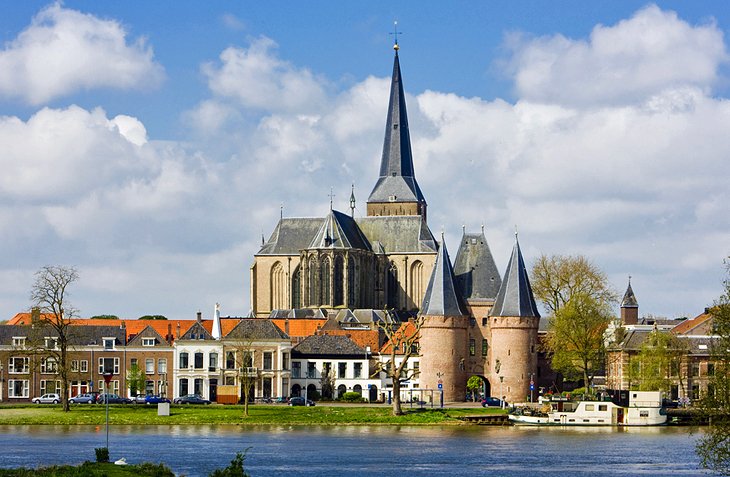
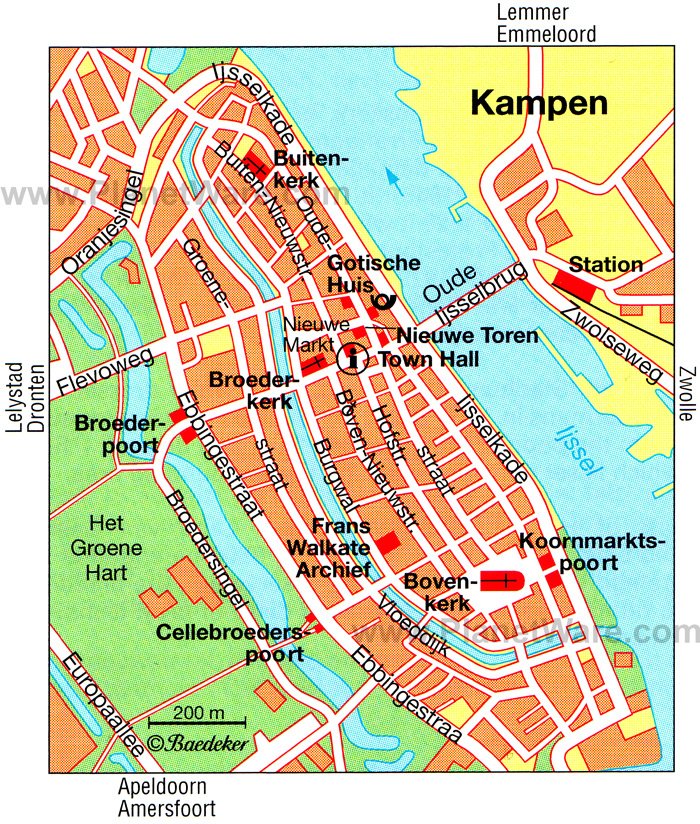
The old Hanseatic town of Kampen lies on the left bank of the IJssel, four kilometers above its outflow into the Ijsselmeer. One of the prettiest towns in the Netherlands, Kampen dates back to the 12th century and was once the country's most important trading center with the Baltic area, as well as France and England.
Kampen has managed to preserve many of its most important old structures, including its 15th-century Town Gates. The best examples are the rectangular Koornmarktspoort, on the banks of the IJssel; the Broederpoort with its four corner towers; and the Cellebroederpoort, a rectangular structure with two round towers.
Immediately west of Kampen Town Hall is the Tower of the Holy Ghost, also known as the New Tower as it was built 1664.
Medemblik by Steam Train
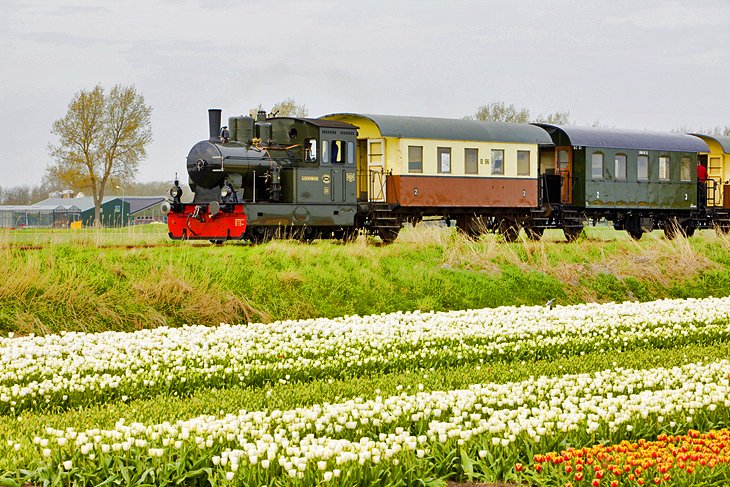
The best way to reach Medemblik is via Stoomtram Hoorn Medemblik, a 20-kilometer heritage railway line that runs from the equally picturesque town of Hoorn. Once there, you'll have plenty of time to explore the town before heading back to Hoorn (the route can also be done in the other direction).
Founded in the 10th century, Medemblik lies on the IJsselmeer and is home to Kasteel Radboud, an old fortress that's been fully restored and makes for a splendid photo. Other highlights include St. Bonifaciuskerk, a Late Gothic hall-church from the 15th century containing the tomb of Lord George Murray, a Jacobite commander at the battle of Culloden in Scotland in 1745; and the 17th-century Weigh House (Waag), used to weigh cheese.
Another must-visit is the Dutch Steam Engine Museum in the old pumping station, home to a collection of steam engines used on ships and in industry, most of them still in working order.
Address: Van Dedemstraat 8, 1624 NN Hoorn
Official site: www.stoomtram.nl/en/