Day Trips from Istanbul
Need to escape from the big city for a day? There are plenty of major historical tourist attractions within day-tripping distance of Istanbul.
The most popular things to do on day trips are the World War I battlefield sites of the Gallipoli Peninsula and the world-famous archaeological site of Troy.
As long as you're willing to fly there and back, you can even get to Ephesus in one day.
For less travel time and a more relaxing day, the best places to visit on a day trip from Istanbul are the tranquil Princes Islands or the popular Black Sea beach resort of Sile. Both are tempting downtime diversions in any Istanbul itinerary.
Find out where to go with our list of the top day trips from Istanbul.
Gallipoli War Cemeteries
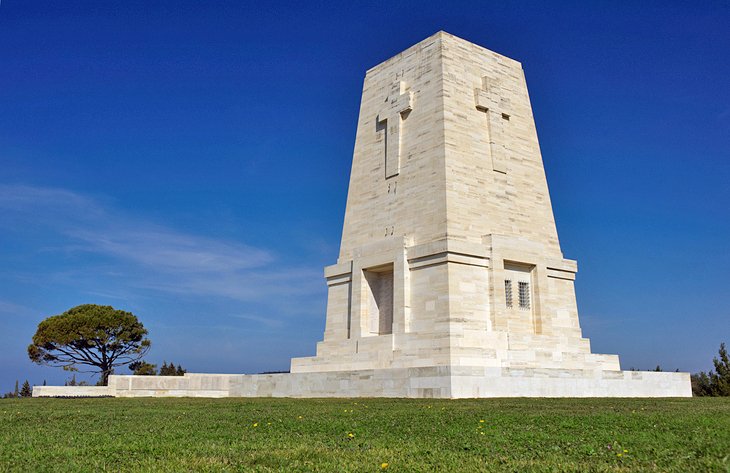
For many Istanbul visitors, the number one day trip is the gorgeous Gallipoli Peninsula, but the main objective is usually not to admire Gallipoli's verdant shoreline scenery. Instead, most who arrive are here to pay their respects to the fallen of World War I.
Scattered across the rugged coast of this thin finger of land are the cemeteries of both Turkish and Allied forces, who fought against each other in the bloody battles of 1915's Gallipoli campaign.
The battlefields and memorials here are now part of the Gallipoli Historical National Park which honors both sides of the war.
In total, over the course of the nine-month campaign, there were more than half a million casualties here, including just over 130,000 deaths, with 86,700 lives lost on the Turkish side and 36,000 deaths for the Allied forces.
For Turkish visitors, Gallipoli holds deep significance, as it was here that a young commanding officer named Mustafa Kemal (who would later become known as Atatürk - founder of the modern Turkish Republic) first made his name.
For foreign visitors from Australia and New Zealand, Gallipoli is also a point of pilgrimage, as soldiers from these countries (known as ANZACS) were deployed in great numbers and suffered heavy casualties here.
The main sites are at Anzac Cove (where the Allies first landed on 25 April, 1915) home to the Anzac Commemorative Site; at Lone Pine, which holds a mammoth cemetery for ANZAC soldiers; Chunuk Bair (where the New Zealand memorial is situated); and 57 Alay, commemorating Mustafa Kemal's Ottoman 57th Regiment, which suffered brutal losses trying to stem the ANZAC advance.
The Gallipoli Peninsula is 300 kilometers southwest of central Istanbul, so be aware that day tours here involve an early morning start (usually 7am) and arrive back in the city around 9pm. Travelers interested in spending more time exploring the area can use the small city of Çanakkale, just a short ferry ride across the Dardanelles Strait from the peninsula, as a base instead.
Troy
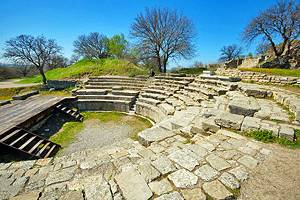
Few archaeological sites are as mythologized as Troy. The ruins here are (supposedly) the site of the famed Trojan War from Homer's Iliad, which pitted the Greeks against the city of Troy.
Heinrich Schliemann first declared this spot Troy in the 1870s, and although archaeological debate rages on, the site is significant for many factors beyond the Greek legend.
This is a multi-layered site of various trading cities that dates from the early Bronze Age right up to the Byzantine period. As a consequence, it has huge importance for archaeological understanding on the contact between the ancient Mediterranean civilizations and it was awarded UNESCO World Heritage status in 1998.
The site can be difficult to navigate due to the number of ruins from different eras here (investing in the audio-guide is a good idea to make sense of what you're seeing).
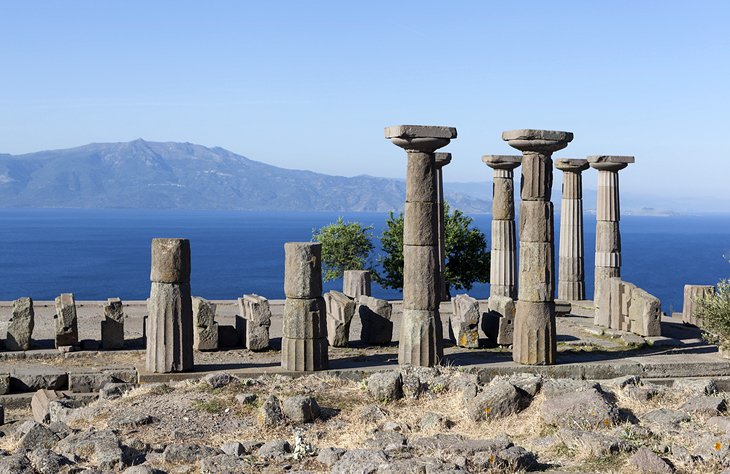
The main highlights, though, are Troy VIII's outer walls and nearby fortifications of Troy IV, the ruins of the fortified town of Troy VI and its Greco-Roman Temple of Athena, and Troy II's megarons.
Whether the ruins are the place where Paris brought Helen, thus beginning the mighty war where Odysseus and Achilles made their names, is probably moot, as Troy is a fascinating site for anyone with a love of history.
Make sure your trip here includes enough time to visit the Museum of Troy, which is a flat, 700-meter walk east from the archaeological site entrance. If you can, visit the museum before heading to the ruins as the collection, with its state-of-the-art curation, offers a thorough grounding in Troy's history and its place in legend and myth which will help get your bearings once you enter the multi-layered archaeological site.
Troy and the Troy Museum are both on the edge of the tiny village of Tevfikiye which is 335 kilometers southwest of central Istanbul and 30 kilometers south of Çanakkale.
Princes' Islands
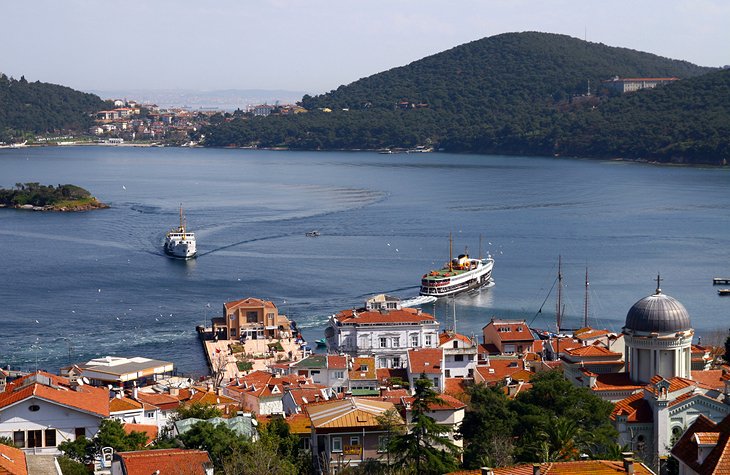
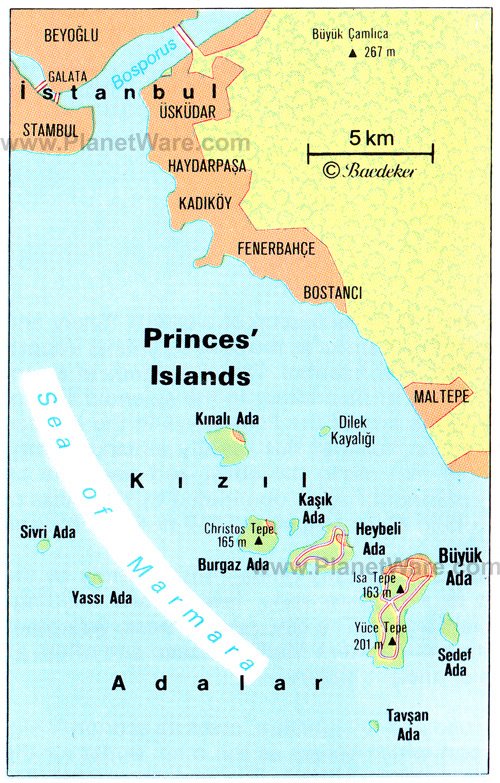
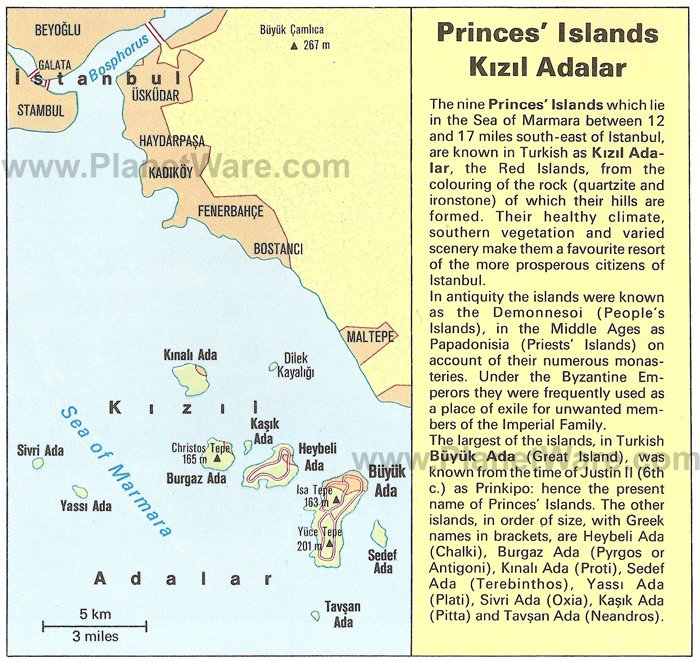
One of Istanbul locals' favorite escapes from the city, and among Turkey's most famous island groups, the Princes' Islands sit in the northeast corner of the Sea of Marmara offering serenely beautiful scenery just an hour's ferry ride away from the city's bustle.
Jumping on the ferry for a day trip to the islands allows travelers to soak up the gorgeous coastal scenery along the way. The Princes' Islands consist of nine islands, but two of them are the most popular stops for day trippers.
Heybeliada (Heybeli Island) has plenty of opportunities for swimming and sunbathing, which are among the most popular things to do for visitors, but it is also home to the lovely Merit Halki Palace, now converted into a hotel, and the Hagia Triada Monastery, built in 1844.
Büyükada (Büyük Island) has the Monastery of Saint George and the Museum of the Princes' Islands. There are no cars on the islands.
If you can, avoid visiting on Saturday and Sunday when, during high summer, it can seem like half of Istanbul has decamped here for the day. To help plan your Princes' Islands day trip, check current ferry times before heading out for the day.
Bosphorus Cruise
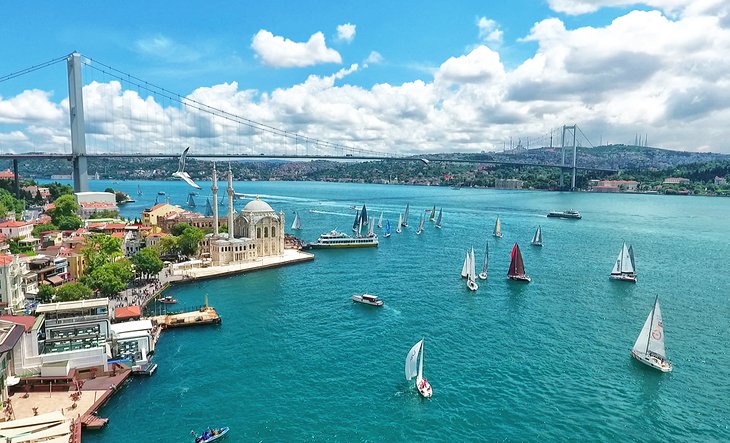
If you want to escape the city bustle but not stray too far from town, getting out on the Bosphorus for the day is a scenic city break. The Bosphorus slices the city in half, separating Europe from Asia, and is a vital thoroughfare for the city.
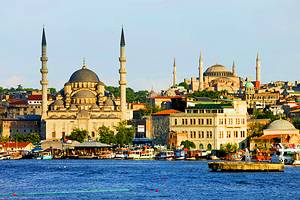
Both full- and half-day cruise trips are hugely popular with Istanbul tourists and also allow you to see the city's famous skyline view of minarets and palaces from its best vantage point.
Full-day trips travel all the way up the strait to the cute-as-a-button village of Anadolu Kavağı, looked over by the craggy fortifications of a Byzantine castle. Tour ferry schedules change throughout the year and can be checked in advance.
Author's Tip: If you're interested in exploring some of the sights along the Bosphorus, rather than simply admiring the view as you chug up the strait, an excellent idea is to buy a single rather than a return ticket and then make your way back into the central city by bus, stopping off along the way.
Çanakkale
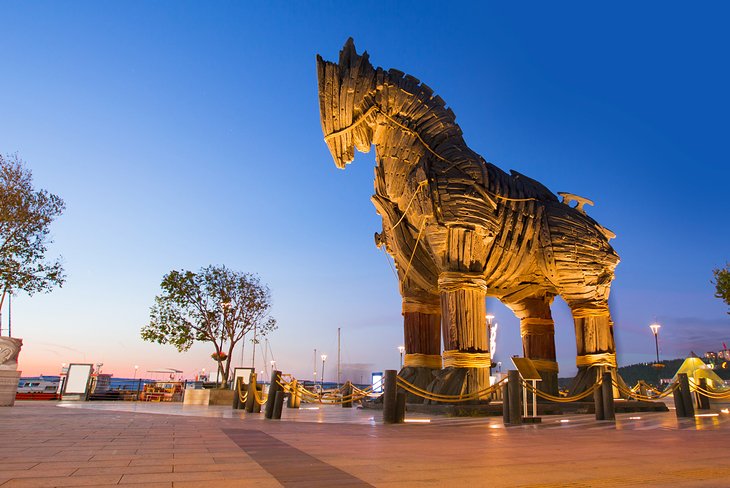
The nearest center to the Gallipoli Peninsula battlefields and to the famed archaeological site of Troy, Çanakkale, 310 kilometers southwest of Istanbul, is a thriving seaside town with a youthful modern buzz.
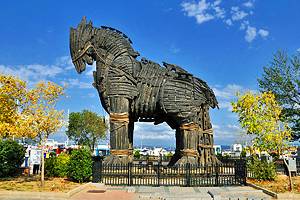
Most visitors only stay long enough in town to have a look at the Trojan Horse monument - a movie prop relic from the 2004 movie Troy - which takes center stage in the town square. However, if you're looking to experience a Turkish town just as energetic as Istanbul but much more approachable in size, it's worthwhile spending a little more time here.
For history buffs, Çanakkale's waterfront is home to the Dardanelles Straits Naval Museum which holds a small but interesting collection of war relics and artifacts from both the Gallipoli battles and the earlier Ottoman era.
While travelers more interested in contemporary life will find the town's café scene, often packed with university students, a great stop off on the way to either the somber battlefields or onwards to Troy.
Golden Horn
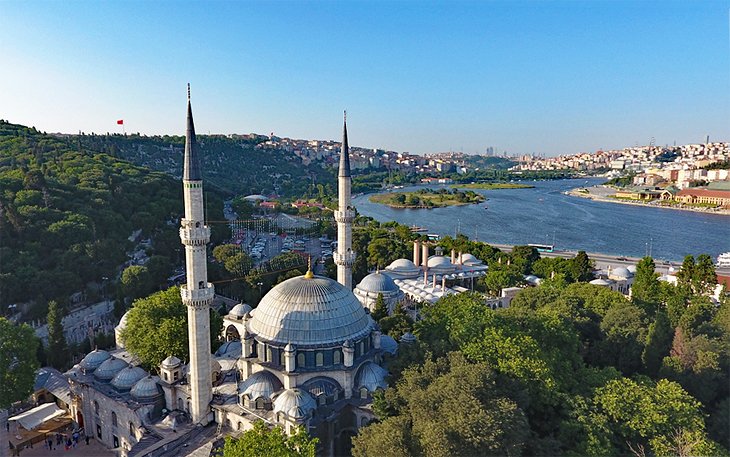
One of the finest natural harbors in the world, the Golden Horn is a seven-kilometer-long curving inlet, opening up from the Bosphorus by Istanbul's Galata Bridge.
In the medieval era, the Golden Horn could be closed to shipping by a chain across its mouth.
As ferry times are less frequent on the Golden Horn than they are on the Bosphorus, the new tram line running to Eyüp has made exploring this area much easier for tourists.
The main attraction on the Golden Horn, and a major pilgrimage site, is Eyüp. Here, you'll see the Türbe of Eyüp (the tomb of the Prophet Muhammad's standard-bearer, who was killed during the first Arab siege of Constantinople in CE 678) and the Eyüp Mosque, built in 1459, where Ottoman sultans were inaugurated.
The hillside here is a historic cemetery, full of ornate tombstones, while the summit above (known as Pierre Loti Hill) is renowned for its café with scenic views across the waterway.
It's also well worth stopping off at the Golden Horn district of Hasköy while visiting this area of the city to visit the ornate 18th-century pavilion of Aynalıkavak Kasrı.
Ephesus
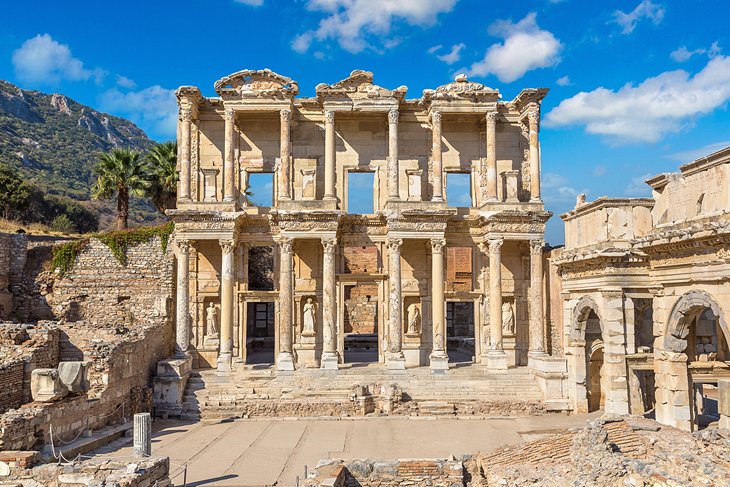
If you have very little time and don't mind an exceptionally early morning and a long day out (think 15 hours), then a day trip to Ephesus from Istanbul is doable.
There will be little time to look at the many other sights in and around Selçuk, but you'll be able to fit in a decent tour of the Ephesus remains.
To do this, you'll need to fly from Istanbul to Izmir and then take transport for the last 60 kilometers south to Selçuk, which sits next to the ruins.
Due to the logistics involved, many visitors planning to do this decide to take a tour.
- Read More: Visiting Ephesus: Attractions
Bursa
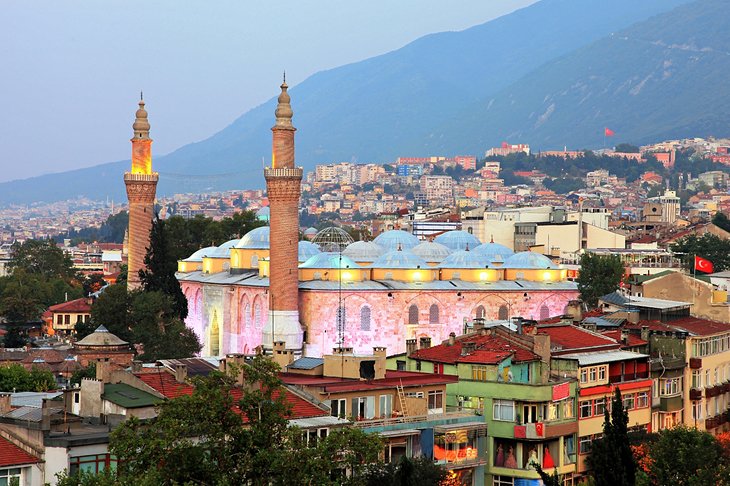
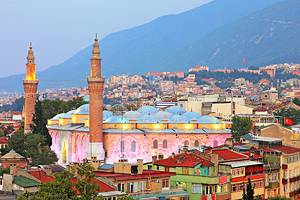
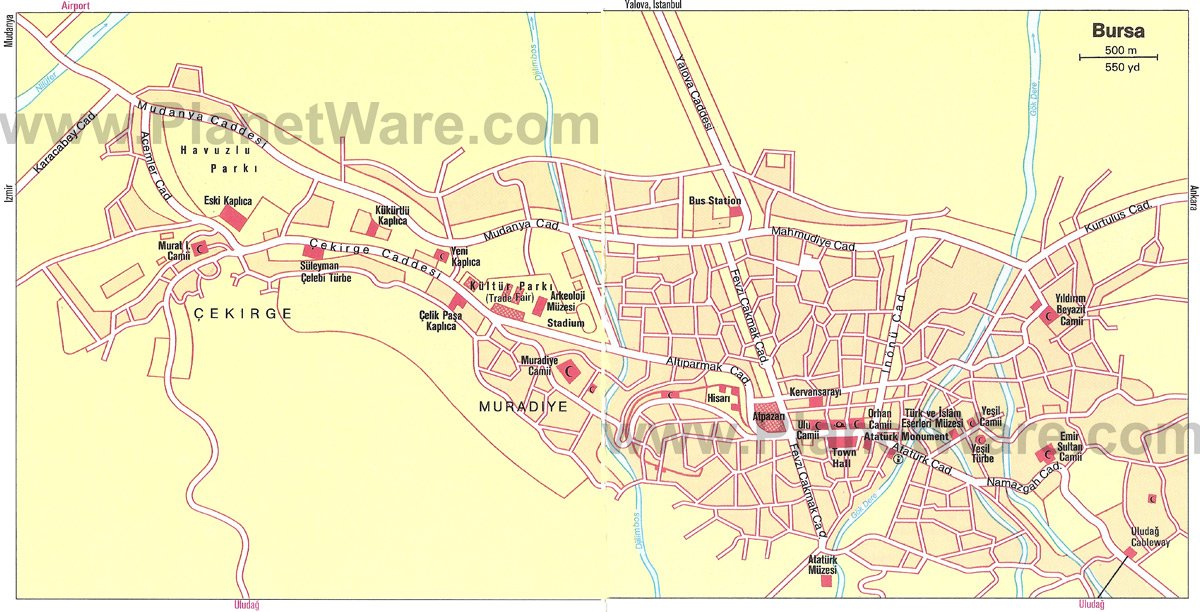
Backed by the tall peaks of Turkey's Uludag (Grand Mountain), Bursa is a modern industrial city with a fascinating historic core. This was the Ottoman Empire's first capital, from where they cast their eyes to Constantinople (modern-day Istanbul) and decided to conquer the Byzantine city.
Although Bursa is quite spread out, most of the historical sites are within easy walking distance from each other, right in the central district.
The mammoth Ulu Cami (grand mosque) is the city's focal point, built by Seljuk Sultan Beyazit I with 20 domes on its roof. The district stretching north behind the mosque is Bursa's Grand Bazaar, with its many restored hans (caravanserais) and bedestens (store houses) now home to shops. Beeline to the Koza Han to pick up fine silk products.
Bursa Citadel only has scattered remnants to see but is also the site of the tombs of Sultans Osman and Orhan, founders of the Ottoman Empire.
Bursa's prettiest mosque is the Yeşil Cami, with intricate tile work and calligraphy on show, while opposite the mosque is the Yeşil Tomb, with a tile-covered mihrab (prayer niche).
The medrese (Islamic school of learning) nearby is now the Turkish and Islamic Arts Museum which is well worth a look for travelers interested in Ottoman art and design.
For more Ottoman artistry, don't miss Bursa's Muradiye Complex, three kilometers west of the center, which contains 12 imperial Ottoman tombs, many of them home to exuberant tile and calligraphy decoration.
While in central Bursa, make sure to lunch at Kebapçı İskender Restaurant on Unlu Caddesi, claimed to be the inventor of Turkey's famed İskender kebap dish. This is a must-do for any foodie wanting to sample some of the country's favorite culinary highlights.
With regular ferries across the Marmara Sea, a Bursa day trip can be easily done from Istanbul.
Sile and Ağva
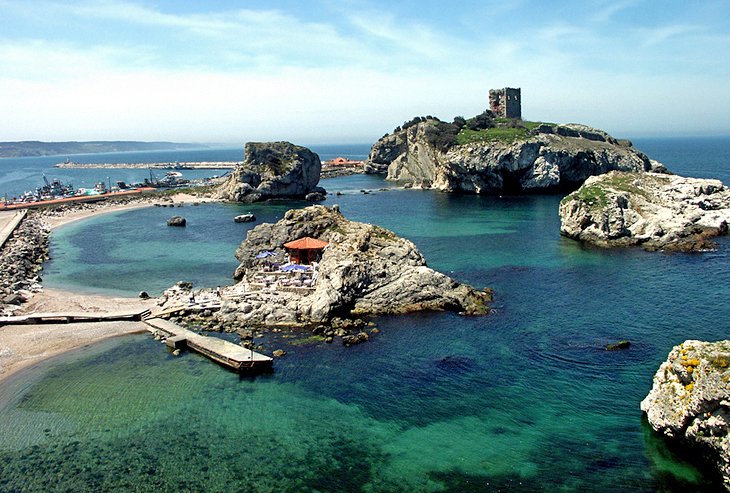
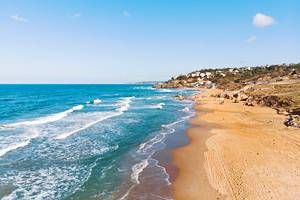
On Turkey's Black Sea Coast, Sile, 85 kilometers northeast of central Istanbul, is primarily a fishing village, but its gorgeous sweep of white sand causes it to turn into a resort during summer, when locals from Istanbul flock here for a day at the beach.
Although the beach is the main drawcard and makes a welcome escape from the hot and busy city streets in the height of August, Sile also has some other highlights for those who don't want to flop out in the sun.
There's a small castle just offshore, built by the Genoese in the 14th century, and a lighthouse that dates from the Ottoman era.
Another 30 kilometers east along the coast, is the resort town of Ağva, surrounded by astonishingly peaceful and pretty coastal scenery, which provides more sunbathing options.
Edirne
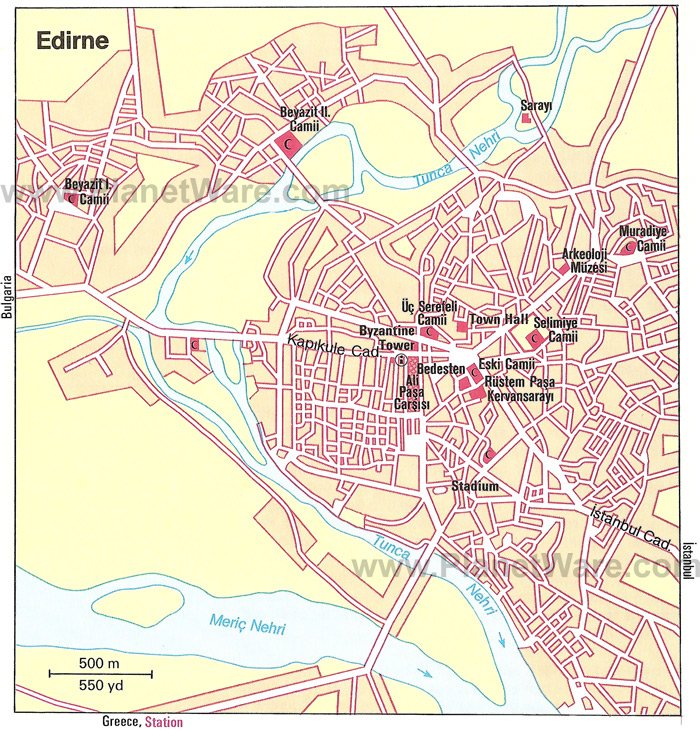
Best known for its oil-wrestling festival, which takes place annually in either June or July, Edirne, 240 kilometers northwest of central Istanbul, is liberally peppered with Ottoman buildings, thanks to its role as the empire's second capital.
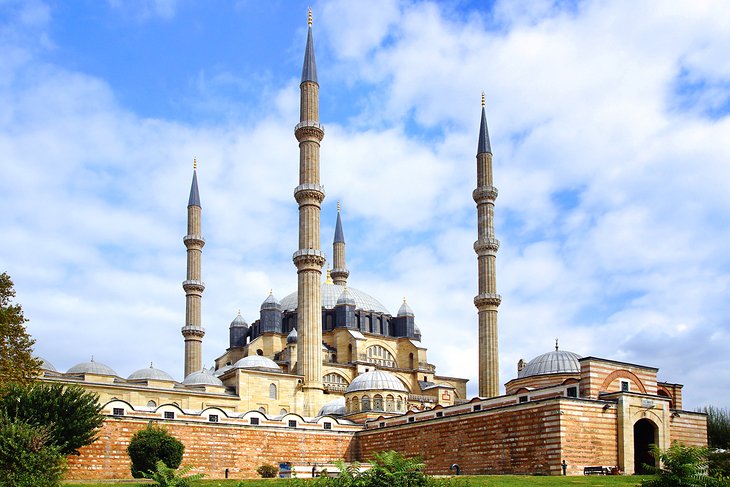
The Selimiye Mosque is the grandest structure in town, built by the renowned Ottoman architect Sinan (who also built Istanbul's Süleymanıye Mosque).
The interior dome, even wider than the dome of the Hagia Sophia, is stupendously impressive.
The exterior courtyard here is host to the Edirne Turkish and Islamic Art Museum with an excellent display of ceramics, clothing, and woodwork from the Ottoman era. Just behind the mosque is the Edirne Archaeological Museum, which holds some interesting exhibits of Thracian steles.
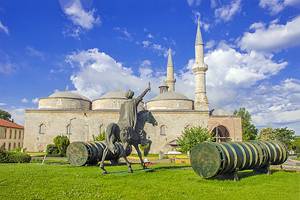
Other historic mosques here are worth a look, including the rather beautiful Sultan Beyazıt II Mosque, the Üç Şerefeli Mosque (with its four different minarets), and the aptly named Old Mosque (Edirne's oldest mosque building).
The real joy of a trip here, though, is wandering the old town streets that were once the medieval heart of the city. Here, you'll find a wealth of Ottoman traditional wooden houses, many gracefully dilapidated and brimming with old-world ambience.
Kilitbahir Fortress
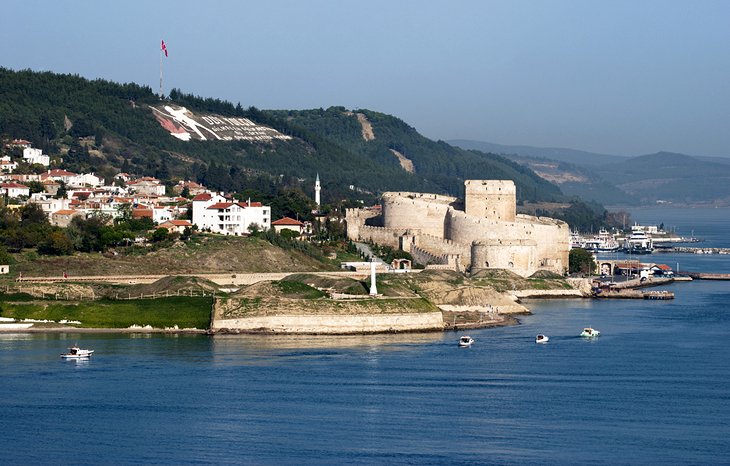
This bulky, well-preserved fortress, overlooking the Dardanelles, sits in the tranquil fishing village of Kilitbahir, directly across the strait from the town of Çanakkale.
First built by Mehmet the Conqueror in the mid-15th century, Kilitbahir was a strategic defense post (its name translates as "lock of the sea") from where the Ottomans controlled this vital waterway.
The interior tower was built by Suleyman the Magnificent in the 16th century. Walking along its sturdy fortifications gives you a good idea of the sheer size of this structure and also allows for excellent panoramic views across the strait.
A visit to Kilitbahir is easily added on to any Gallipoli Peninsula or Çanakkale day trip itinerary.