Attractions & Places to Visit in Western Australia
Western Australia is a land of extremes. Occupying a third of the continent's total area, it's the largest of the Australian states, with less than 10 percent of the country's total population (about 2.21 million people), but you'll be spoiled for choice when it comes to things to do here.
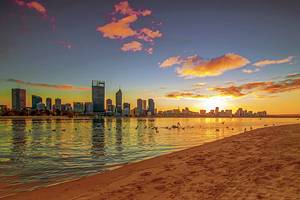
The state's capital, Perth, exudes a vibrant, sophisticated feel. Thanks to a mining boom, it's now the fourth largest city in Australia, flaunting its wealth with shiny skyscrapers, gourmet restaurants, and buzzing entertainment venues. But the beating hot heart of the vast desert and a wild and rugged coastline beckon just beyond.
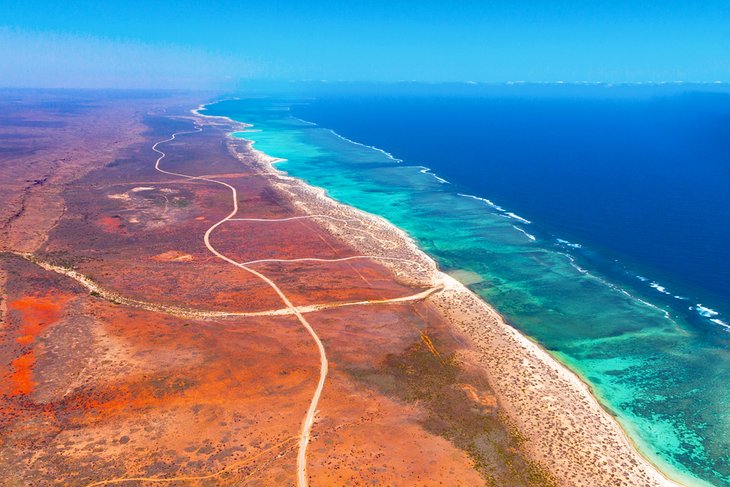
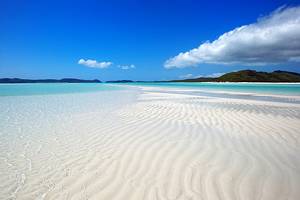
Endless stretches of white-sand beach, rugged red gorges, sweeping fields of wildflowers, and bizarre rock formations are just some of Western Australia's stunning natural attractions, and the state is also famous for its distinctive flora and fauna. Separated from Australia's east coast by the vast Nullarbor Plain, Western Australia ("WA") seems, in many ways, like a land unto itself. Its capital, Perth, is one of the planet's most isolated cities.
Wilderness adventures are a top draw. You can four-wheel-drive along the Kimberley's Gibb River Road, surf big-wave breaks at the Margaret River, bask on the beach with a kangaroo, hand-feed wild dolphins, and swim with whale sharks at the planet's largest fringing coral reef. Learn more about the best places to visit in this diverse state with our list of the top tourist attractions in Western Australia.
Cable Beach, Broome
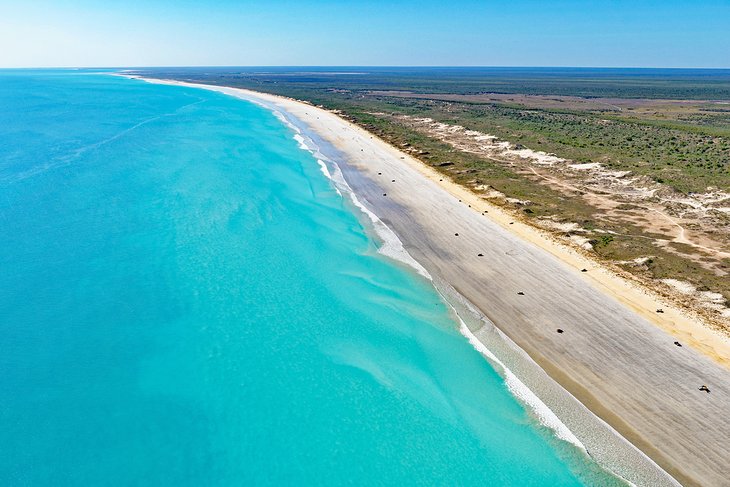
Cable Beach is Broome's crown jewel and one of the most famous places in Western Australia. Backed by striking red cliffs, this iconic shoreline stretches for 22 kilometers, with sweeping white sands and turquoise waters. It's named after the communications cable laid between Broome and Java in 1889.
You can enjoy this beach both on the shore and in the water. Park your 4WD along the shore at dusk and watch as the sun sinks slowly in the sky – it's one of the top things to do in Broome. If you're visiting during the day, make sure you pack a beach umbrella for shelter from the scorching sun.
From November to May, dangerous irukandji jellyfish are found in the waters here, but you can swim at other times of year.
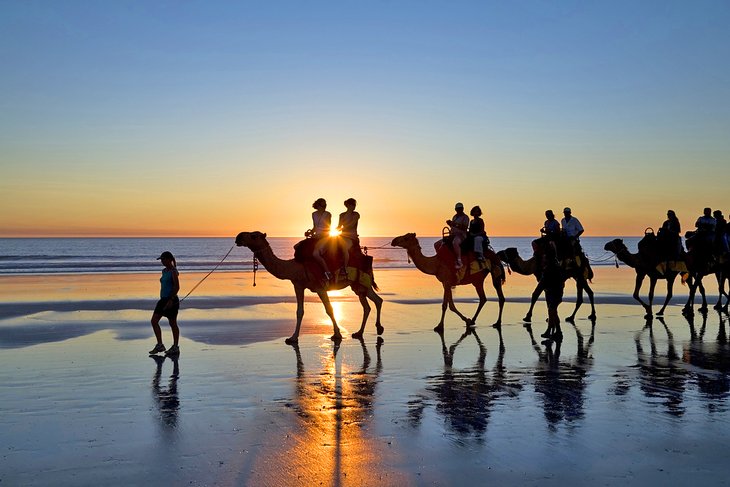
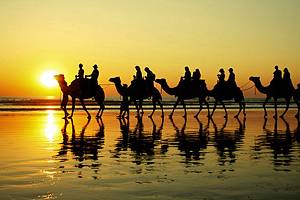
You can also tour this beach by camel. In fact, Cable Beach camel rides are one of the top things to do in WA. Sign up for this signature experience, and plod along the shore silhouetted by the setting sun as a blaze of colors ignites the sky.
Broome is also a popular base for Kimberley adventures, including the Horizontal Waterfall, Cape Leveque, the Gibb River Road, Purnululu (Bungle Bungle) National Park, and Mitchell Falls. These picture-worthy sights are some of the best places to photograph in Australia.
Kings Park & The Western Australian Botanic Garden, Perth
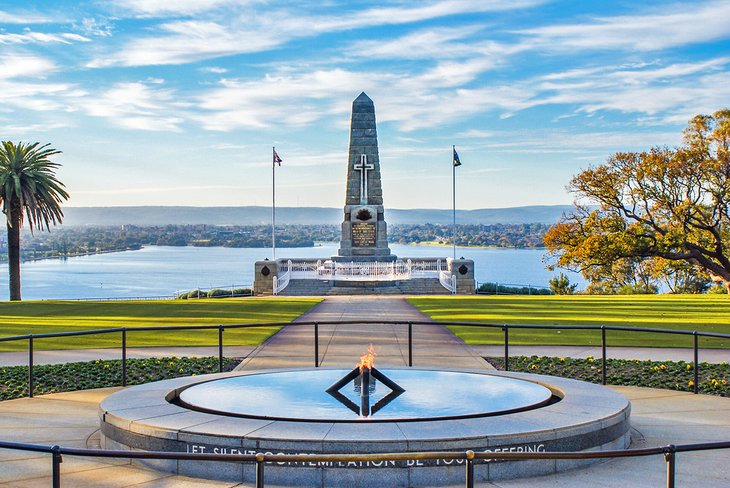
Kings Park is the pride and joy of Perth. When you need a break from the buzz of the city, head here to hike the trails, enjoy a picnic, and admire beautiful views of the Darling Range and Swan River.
You'll find plenty of space to spread out. Kings Park is one of the largest inner-city parks in the world, and almost two-thirds of its 1,000 acres is natural bushland, home to countless species of birds and insects. Tranquil ponds punctuate the gardens, and kids can clamber and swing on the imaginative playgrounds.
One of the best things to do in Kings Park is visit the Western Australian Botanic Garden and hike the Lottery Federation Walkway. Stretching for 620 meters through a canopy of eucalyptus trees, this walking trail offers a panoramic viewpoint over the city. Linger in the gardens to admire the collections of Mediterranean plants from around the world and a spectacular display of wildflowers in the spring.
Other Kings Park highlights include the city views from Fraser Avenue Lookout and Mount Eliza, and the poignant Kings Park State War Memorial, which honors Western Australian service men and women.
Address: Fraser Avenue, West Perth, Western Australia
Official site: http://www.bgpa.wa.gov.au/
Read More: Attractions in Perth, Australia
Jet Boat Tours to the Horizontal Falls
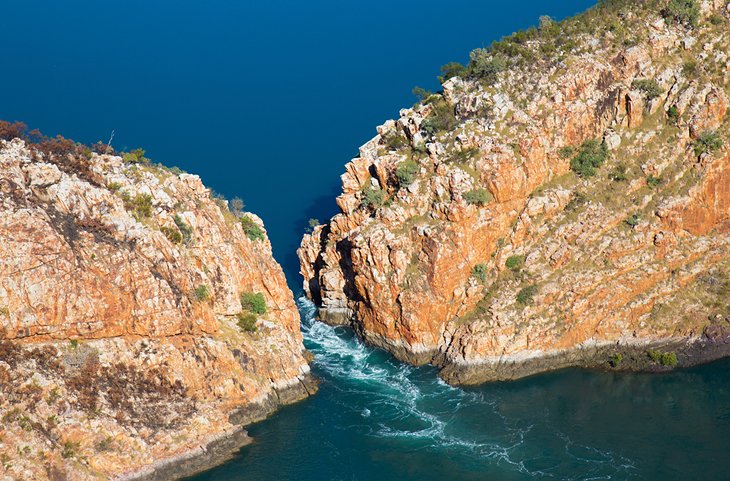
Rugged and remote, the Kimberley Region is ripe with adventures. One of the most popular is a jet boat ride through the spectacular Horizontal Falls. Powerful tides of up to 11 meters squeeze through two narrow gorges to form this curious natural phenomenon. It's also one of the top outdoor adventures in Australia.
The only way to experience this remote attraction is on an organized tour by seaplane and/or jet boat. Tours usually depart from Broome or Derby, and include a scenic flight over the jaw-droppingly beautiful Buccaneer peninsula, a wild stretch of red, cliff-fringed coast washed by turquoise water, and dotted with hundreds of tiny uninhabited islands.
Tours usually involve a water landing on Talbot Bay; a lunch of fresh-caught seafood; an exhilarating jet boat ride through the falls; and, for the more adventurous, an optional shark swim.
When it comes to things to do in Western Australian that really get your heart pumping, this adventure tops the list.
Fremantle
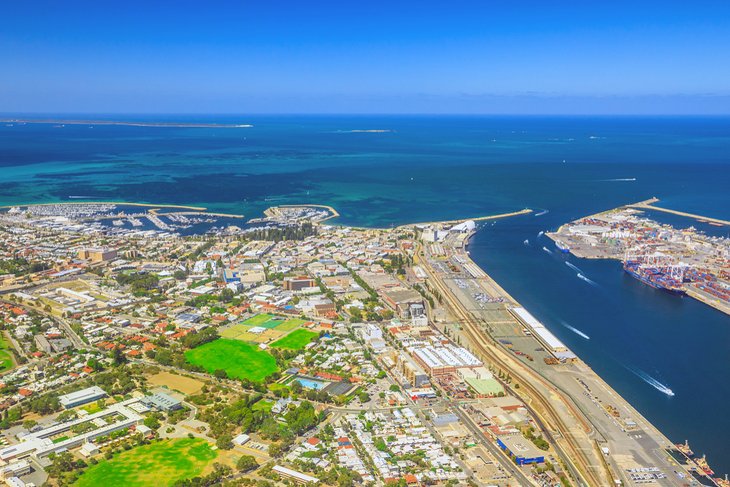
Oozing a hip, boho vibe, Fremantle ("Freo") is Perth's port town. This was the first site of settlement for the Swan River colonists in 1829. Learn all about its rich convict and maritime history and admire some of its elegant Edwardian and Victorian buildings on a guided tram tour or heritage walking tour.
Fremantle also attracts many artists and creative types. Come here for brunch, then linger to browse the art galleries, listen to live music, or shop in the funky boutiques and bookshops. You can also pick up some arts and crafts, street food, or fresh produce at the popular Fremantle Markets.
Interested in maritime history? Head to the Western Australian Museum's Shipwreck Galleries to see the sobering remains of vessels that met their match along the coast, and browse the exhibits at the Western Australian Maritime Museum, which hosts the winning America's Cup yacht, Australia II. Popular whale-watching cruises also depart from Fremantle.
A fun way to access the city from Perth is on a Swan River Cruise.
Swan River Cruises, Perth
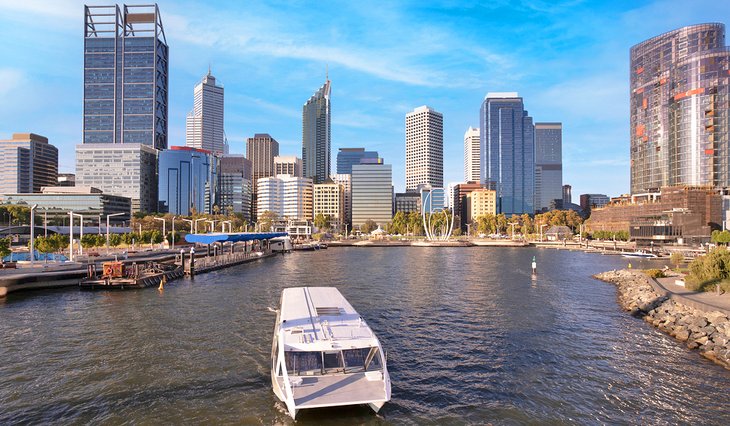
A great way to get a feel for Perth's layout is aboard a Swan River sightseeing cruise. One of the most popular is a cruise between Perth and the historic port of Fremantle. Along the way, you'll cruise past some of Perth's top tourist attractions, including the impressive Bell Tower at Elizabeth Key, Kings Park, and the palatial homes on the riverbank.
Another popular day trip is a cruise upriver to the Swan Valley. This fertile valley is Western Australia's oldest grape-growing region and a hot spot for foodies. Here, you can sample fresh local produce and scrumptious artisan foods, and dine at fabulous restaurants. Most ferries and river cruises depart from Barrack Square Jetty.
The Swan River is also a picturesque setting for outdoor sports. Cast a fishing line, sail, swim, or paddle the calm waters. And if you prefer to enjoy the river on land, you can bike or hike along the many trails, or picnic in riverside parks.
Ningaloo Reef Marine Park & Turquoise Bay
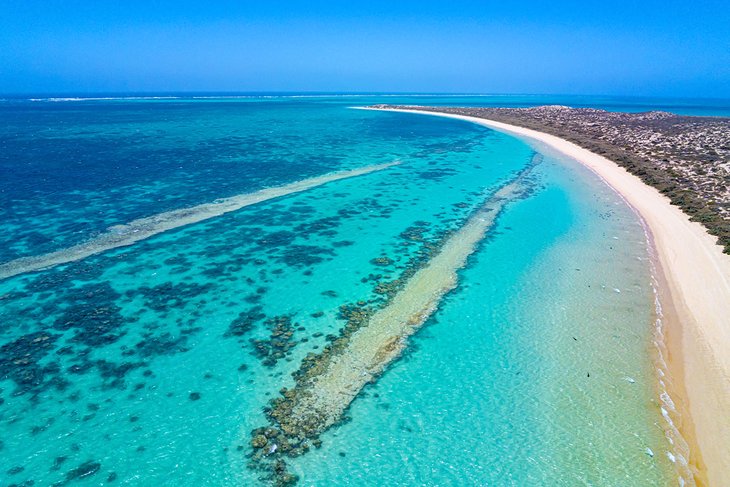
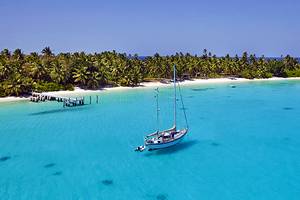
When it comes to places to visit in WA for tropical aquatic adventures, it's hard to beat Ningaloo Reef. A UNESCO World Heritage site, Ningaloo Reef is the world's largest fringing reef. The Ningaloo Reef Marine Park extends for about 260 kilometers and harbors an astounding diversity of marine life. But unlike the Great Barrier Reef, it's easily accessible from shore.
Ningaloo Reef is also one of the few places in the world where you can swim with whale sharks. Visit from March through August to tick this off your Western Australia bucket list. Other Ningaloo marine life includes more than 300 species of coral and 500 species of fish, including manta rays, whale sharks, and turtles, as well as marine mammals like humpback whales and dugongs.
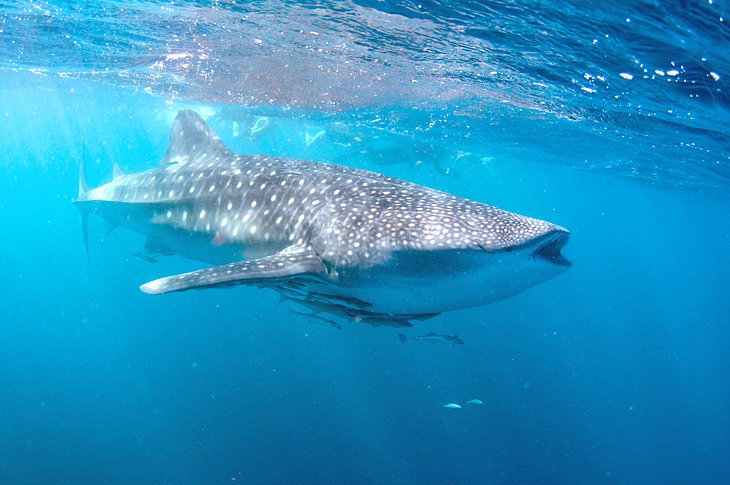
One of the top beaches for snorkeling is beautiful Turquoise Bay. Coral gardens lace this sublime stretch of blinding white sand and crystal-clear water, and you can admire a diversity of fish life in the shallows. Diving is another top thing to do in Ningaloo Reef, and divers can explore numerous wrecks around Point Cloates.
The town of Exmouth on the Coral Coast is the main gateway to Ningaloo Reef and a popular launching point for reef trips. It's also one of the top fishing destinations in Australia. Coral Bay is also a great base, with long, white-sand beaches and ideal conditions for swimming, snorkeling, fishing, and boating.
Ningaloo Reef Marine Park also includes the coastal area of spectacular Cape Range National Park. Here, you can explore rugged limestone cliffs, dunes, and canyons.
Rottnest Island
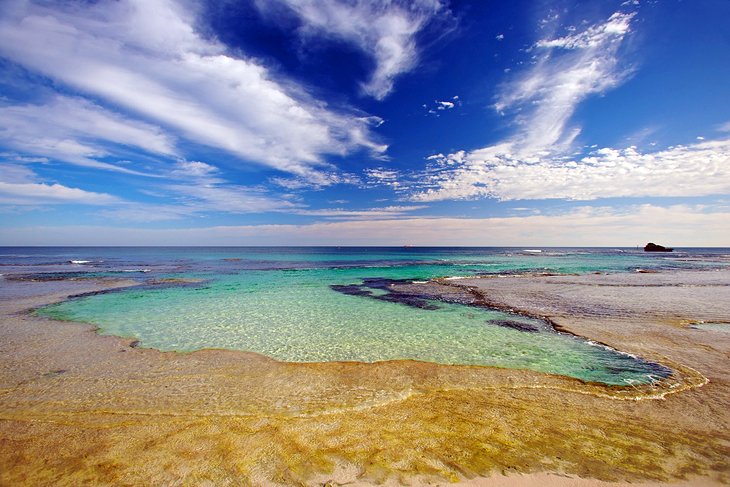
A ferry ride from Perth or Fremantle, Rottnest Island is a car-free nature reserve and one of the most popular day trips from Perth. The Dutch navigator Willem de Vlamingh landed on the island in 1696 and pronounced it an earthly paradise. Mistaking the small marsupials, called quokkas, for rats, he named the island Rottnest ("rats' nest"). Today, the adorable quokkas still inhabit the island and are one of the top things to see in Western Australia.
Sparkling bays, white-sand beaches, and coral reefs fringe the island's shores, providing excellent opportunities for snorkeling and swimming.
Attractions on the island include the Rottnest Museum, housed in an 1857-era barn and threshing mill. Here, you can delve back into the island's history through the collections of historical material and relics of shipwrecks. History buffs, take note: Most of the little limestone houses around the harbor were built by convict labor and are among the oldest buildings in Western Australia.
Explore the underwater world on the Parker Point Snorkel Trail, and soak up beautiful island views from Vlamingh Lookout. Other things to do include hiking the trails, tennis, golf, cycling, and boating.
Margaret River Beaches
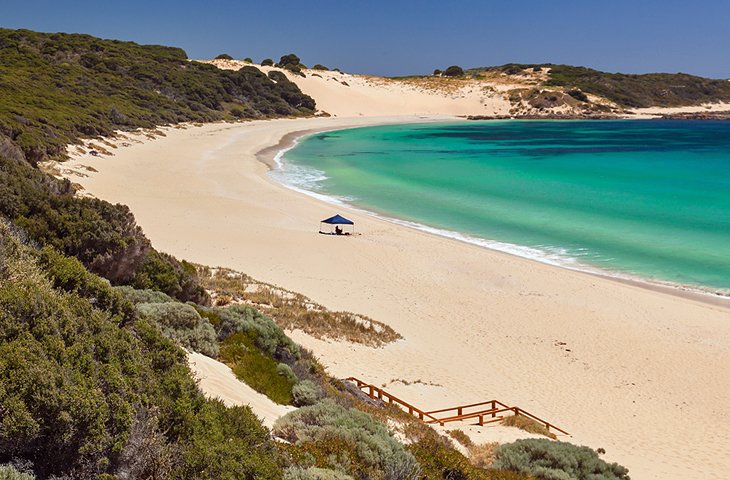
About a 3.5-hour drive south of Perth, Margaret River is a favorite weekend getaway, and its bombshell beaches are one of the top draws. World-class surf breaks, curving rocky coves, and seemingly endless sweeps of dazzling white sand and clear water are among the many coastal beauties here, and with more than 130 beaches to choose from, you'll find the perfect patch of sand for your chosen activity.
Surfers flock here for the consistent big-wave breaks, as well as more than 40 surf spots sprinkled along the coast. Families love the calm bays (Hamelin Bay is a favorite), and wildlife lovers can snorkel and get up close with marine life – stingrays frequently swim in the shallows. From Yallingup Beach to Meelup and the natural spa at Injidup Beach, you'll find the perfect playground for all your aquatic adventures.
When you're looking for a break from the sun, sand, and sea, you'll find plenty of other things to do in the Margaret River region. Hike through towering forests (the Valley of the Giants Tree Top Walk is a favorite thing to do here), delve deep into limestone caves, rock climb, mountain bike, fish, kayak, or book a whale watching tour.
Craving more of a culture fix? Margaret River is also home to vibrant art galleries and gourmet restaurants.
Esperance Bay, Lucky Bay, and Cape Le Grand National Park
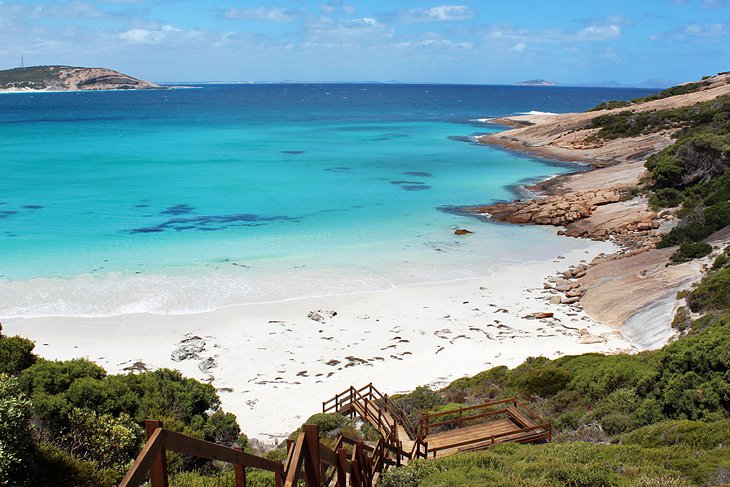
Ravishing beaches, turquoise lagoons, wildflowers, wildlife, and easy accessibility to spectacular national parks make Esperance Bay a haven for nature lovers.
One of the region's top attractions is Lucky Bay in spectacular Cape le Grand National Park. Set against the islands of the Recherche Archipelago, this dazzling stretch of sand is one of Australia's best beaches, and lounging along its sublime shores with wild kangaroos is one of the top free things to do in Western Australia.
Other popular activities along this unspoiled coast include snorkeling, surfing, fishing, and beach safaris. If you're looking for one of the best views in Western Australia, head to Observatory Point and Lookout, which perches above Cape Le Grand National Park's spectacular coastline.
Hikers and bikers love the 40-kilometer Great Ocean Drive, which runs from Esperance to beautiful Twilight Beach. Strangely, the region even offers its own mini replica of Stonehenge. Also in the area, Cape Arid, Fitzgerald River, and Stokes National Parks are popular excursions, famed for their stunning coastal scenery, diverse flora and fauna, and fantastic hiking trails.
Karijini National Park
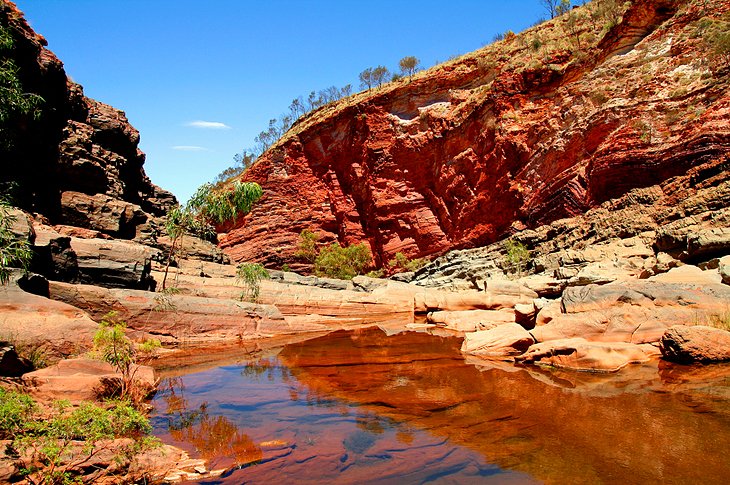
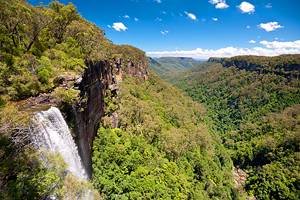
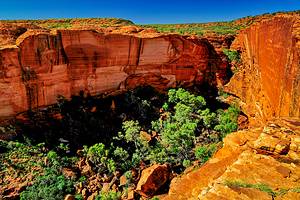
Karijini National Park is one of the largest and most rewarding national parks in Western Australia. Over many millions of years, erosion created steep gorges, up to 100 meters deep, with waterfalls and rock pools bordered by lush foliage.
A track running through the Yampire Gorge leads to most of the scenic highlights of the park. The Fortescue Falls, fed by a groundwater river, do not dry up, even in the heat of summer. You can explore the Kalamina Gorge and its deep waterholes on foot, and it's possible to drive through the Wittenoom Gorge for about 30 kilometers, with shady picnic spots beside natural swimming pools.
The park is home to the second highest peak in Western Australia, Mount Bruce, but the best views are from Oxer Lookout, perched over four red-walled gorges. Four-wheel-drive vehicles are recommended.
Cape Leveque, The Kimberley
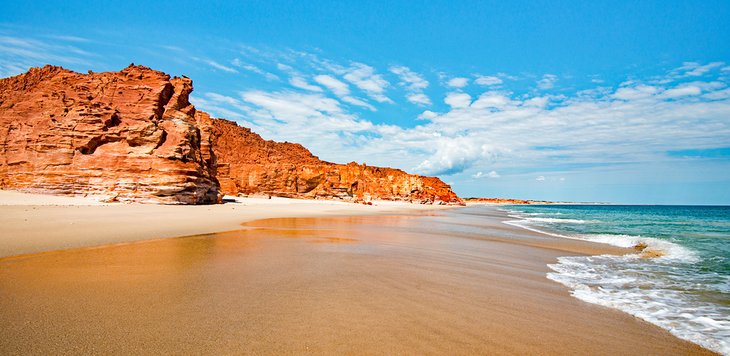
If you're wondering about adventurous things to do in north Western Australia, add Cape Leveque to your sightseeing itinerary. This isolated stretch of coast is an achingly gorgeous area of wild beaches, blue sea, and vermilion-hued cliffs. If you look at a Western Australia attractions map, you'll find this remote area teetering on the tip of the Dampier Peninsula north of Broome.
Getting here is an adventure in itself. You can drive the 200-plus kilometers on a newly sealed road from Broome (the last four kilometers are 4WD only), or take a scenic flight. However you choose to arrive, you'll be gobsmacked by the striking scenery of bright red cliffs, golden sand, and turquoise sea.
Top things to do in Cape Leveque revolve mainly around the water. You can swim and snorkel in the clear waters, book a fishing charter, or look for humpback whales from July to October. Prefer to stay on land? Hike along the cliffs, or sign up for an Aboriginal bush tucker tour with the traditional owners of this rugged coast.
With all this wild beauty, it's no surprise that this is one of the best places to visit in The Kimberley.
Purnululu (Bungle Bungle) National Park, The Kimberley
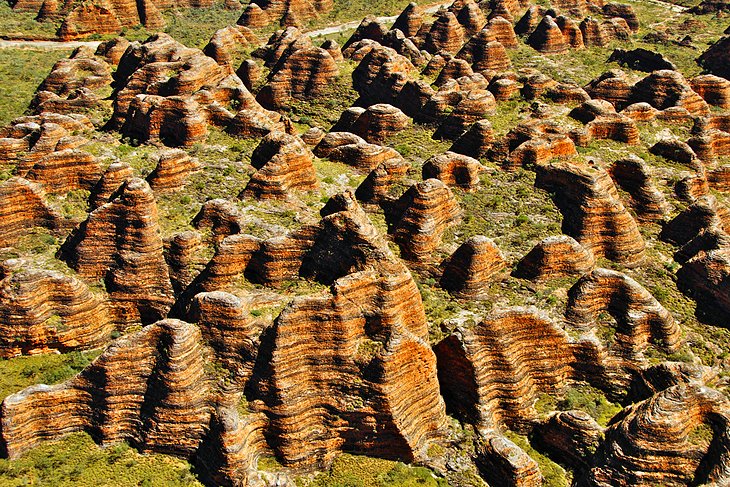
One of Western Australia's hidden gems, the remote and spectacular rock formations of Purnululu (Bungle Bungle) National Park remained unknown to the outside world until 1983. Today, the park in The Kimberley graces both the National and UNESCO World Heritage lists.
Despite its relatively recent discovery, the Bungle Bungle hills and surrounding area were home to Aboriginal tribes for thousands of years. They hold remains of their culture, including ceremonial sites, rock paintings, and a burial ground. Violent summer monsoon rains carved the park's deep gorges and chasms, and the bee-hived shaped rock domes of the Bungle Bungle are made of soft sandstone.
You can explore the main sites on walking trails of varying difficulty. Cathedral Gorge, Piccaninny Gorge, and Echidna Chasm are some of the most popular sites. But perhaps the best way to appreciate the massive scope of these magnificent structures in on a sightseeing flight. Departing from Halls Creek and Kununurra, the flights usually include a visit to the Argyle diamond mine. Longer tours in all-terrain vehicles are also available.
If you're looking for unique places to go in Western Australia, this is a must-see attraction.
Official site: https://parks.dpaw.wa.gov.au/park/purnululu
Perth's Beaches
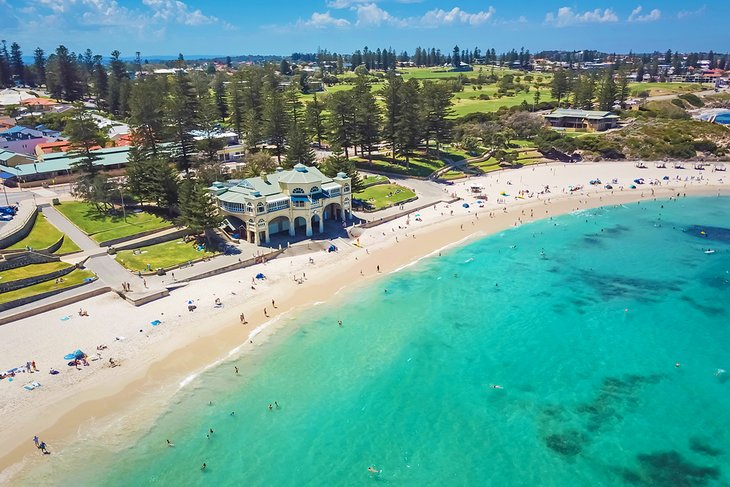
Is basking on a golden beach in between city sightseeing your idea of paradise? You're in luck. Perth is famous for its sun-soaked slices of sand and sea.
One of Perth's most popular beaches, pine-fringed Cottesloe is perfect for people-watching and paddling in the clear waters. You'll also find a hip café culture here. City Beach has a children's playground and plenty of places to enjoy a picnic. Conveniently, both these beaches are less than a 15-minute drive from the city center.
Looking for waves? Head to Trigg Point or Scarborough for some of the most reliable surf breaks. Families love the sheltered inlets on the Swan River – Como, Crawley, and Point Walter are standouts, and Rockingham Beach and Hillarys Boat Harbour are other kid-friendly spots. Port Beach is another favorite. It's about a five-minute drive from Fremantle.
Cape to Cape Track
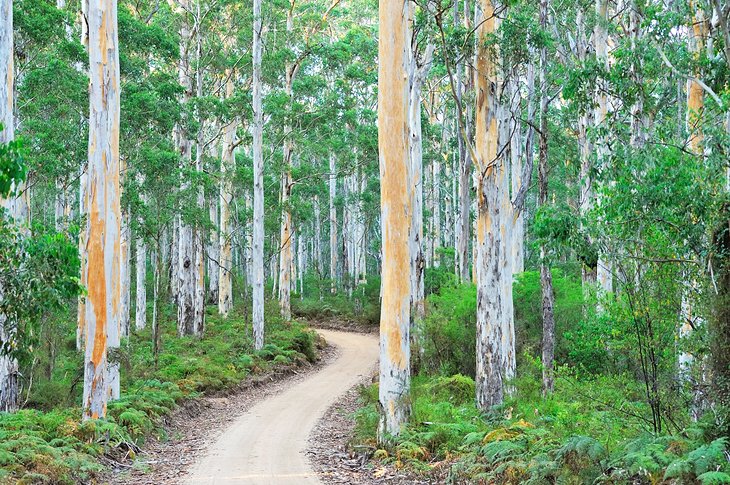
Stretching for 135 kilometers from Cape Naturaliste south to Cape Leeuwin through the Margaret River, the Cape to Cape Track is one of the top hikes in Australia. Stunning beaches, secluded bays, steep sea cliffs, deep caves, rugged headlands, and fields of wildflowers are some of the highlights. You'll also see plenty of wildlife along the way. In areas, the track loops inland, weaving through woodland and dense forests.
Walking through these diverse ecosystems is a rewarding way to explore some of the top natural attractions in southwest Western Australia. Highlights include the beautiful Boranup karri forest, Quininup Falls, and the Wilyabrup sea cliffs. You can also break up the hike into smaller sections depending on your interests, skill level, and time constraints. Tackling the entire walk typically takes between five and seven days.
Guided tours are also available, with camping along the way. Don't want to rough it? You can stay in nearby hotels and lodges, and rest your weary limbs in a plush bed.
Gibb River Road in The Kimberley
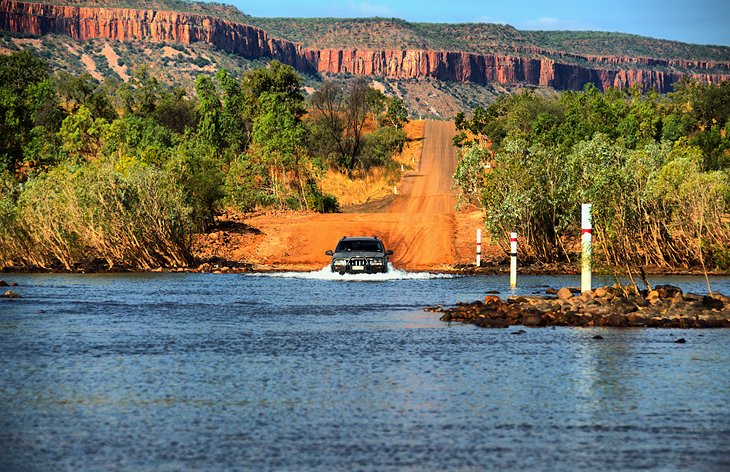
Slicing through the heart of the Kimberley, Gibb River Road is legendary among outback adventures. "The Gibb," as it's called, is an old cattle-droving route running northeast for 600 kilometers from Derby to just short of Wyndham. Recommended for 4WD vehicles, the road threads past rugged red-rock gorges, outback cattle stations, Aboriginal communities, croc-filled rivers, savannah, and magnificent mountain ranges.
Travelers along this route can camp or stay at one of the remote stations in the region. El Questro is one of the most famous. During the rainy season, from November through March, the road is usually closed due to flooding.
The Pinnacles, Nambung National Park
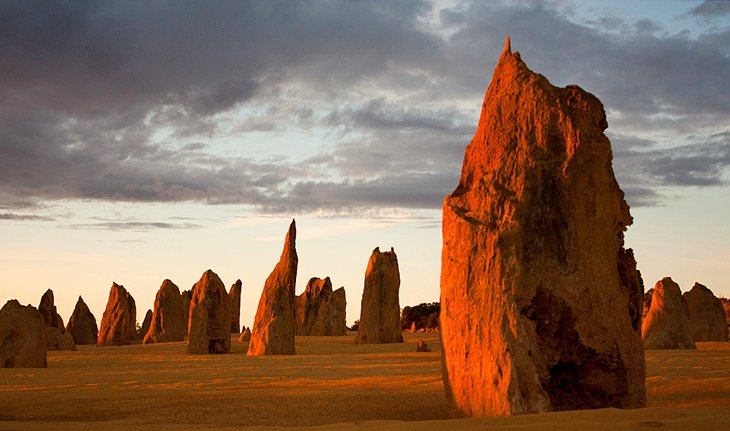
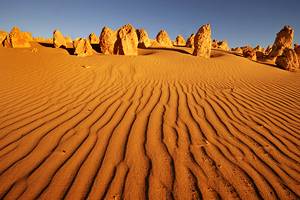
In Nambung National Park, about a two-hour drive from Perth, the Pinnacles are thousands of limestone pillars rising from a lunar-like landscape of yellow sand. These bizarre rock formations range in height from between a few centimeters to four meters.
Controversy persists over their origin, but it seems that a process of chemical change caused by wind and water erosion led to the softer sandstones being washed away, leaving the harder limestone exposed.
You can explore these strange-looking rock spires via a scenic drive or walking trail. The Pinnacles Desert Discovery Centre displays exhibits on the park.
Staircase to the Moon, Broome
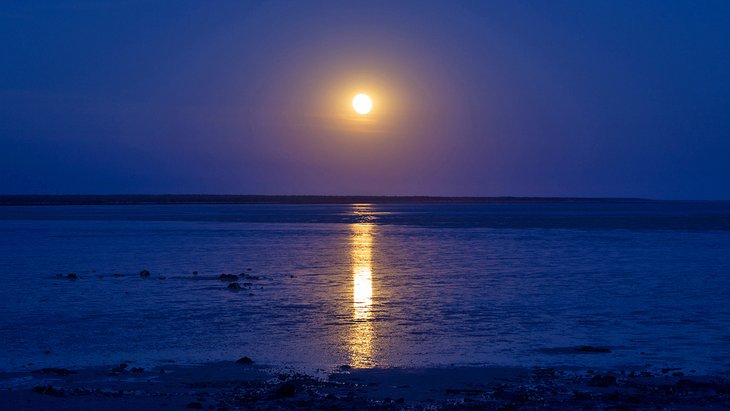
Besides Cable Beach and its rich pearling history, Broome is famous for an unusual natural phenomenon. Called the Staircase to the Moon, this unique event occurs when the full moon rises over Roebuck Bay, about two or three days a month between March and October. Rays of light gleaming on the water create an optical illusion of steps leading to the moon.
If you happen to be in town for this anticipated event, grab your camera and head to the shore of Town Beach. Locals and tourists flock here to watch this spectacle and capture a souvenir image.
Wave Rock
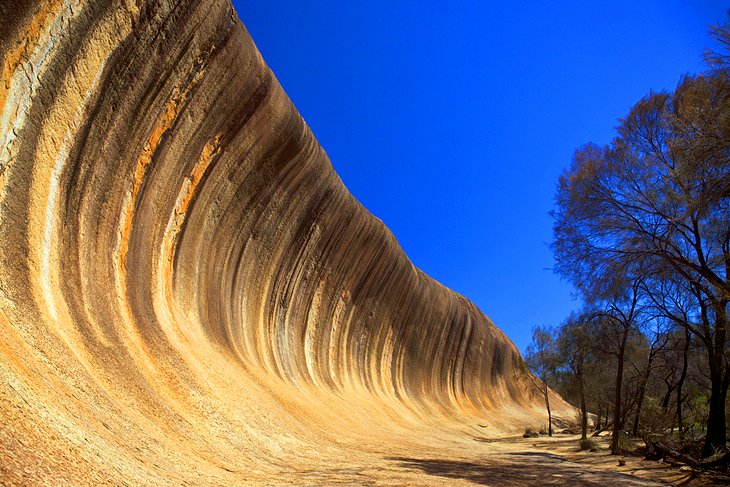
If you're looking for unusual WA tourist attractions, the famous Wave Rock is a must-see. This extraordinary rock formation consists of banded granite, towering 15 meters high, in the form of a wave about to break. Rainwater reacting with different chemical substances in the rock has created a series of vertical stripes in shades of gray, red, and ochre.
In the spring, look for wildflowers growing around its base. From Wave Rock, you can also walk the one-kilometer loop to see Hippo's Yawn, another distinctive rock feature shaped just like a gaping hippo's mouth.
Other curious granite outcrops lie in the surrounding area, including the Humps, the King Rocks, and the Gnamma Hole, and you can explore them on an 80-kilometer driving circuit from Hyden.
Bates Cave, to the north of Hyden, has Aboriginal rock paintings and handprints.
Monkey Mia & the Dolphins
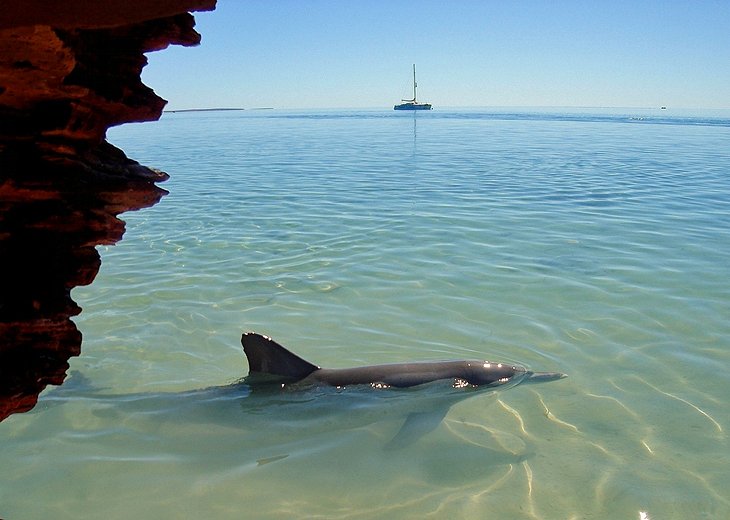
Shark Bay, a UNESCO World Heritage Site, shelters some of the world's largest and richest seagrass beds. But the most famous tourist attractions in Shark Bay are the dolphins of Monkey Mia. Every morning, rangers select a few visitors to hand-feed these friendly dolphins in their natural habitat. The dolphins became accustomed to human beings in the 1960s, when fishermen began throwing the remains of their catch into the sea.
Each year, the number of dolphins at Monkey Mia dwindles, but for the lucky few who get to feed these wild animals, it is an unforgettable experience.
Apart from dolphin watching, you can also enjoy swimming in the beautiful bays, fishing, kayaking, four-wheel-drive adventures, Aboriginal cultural tours, and camel rides here. Shark Bay is also known for its population of dugongs and stromatolites, mats of algae, which are among the oldest life forms on earth.
Monkey Mia lies about 25 kilometers from Denham.
Official site: http://www.sharkbay.org.au/