British Columbia Attractions
|
|
Top Tourist Attractions in British Columbia
British Columbia covers 9.4 per cent of the total area of Canada, making it the third largest province. The province is characterised mainly by the two mountain chains of the Canadian Cordilleras and the geologically deposited plateau.
| Highlights: |
|---|
| Highlights: |
|---|
Inside Passage
Inside PassageFerry between Port Hardy (Vancouver Island) and Prince RupertDistance: 274 nautical miles (about 507 km / 315 mi)Time
Sunshine Coast
The Sunshine Coast off of the coast of British Columbia runs from Howe Sound to Desolation Sound. Some of the locations along here include Gambier Island, Keats Island, Gibsons, Roberts Creek, Sechelt, Halfmoon Bay, Thormanby Island, Secret Cove, Pender Harbour, Ruby Lake, Egmont, Earl's Cove, Nelson Island, Powell River, Lund, Texada Island, Savary Island, and Desolation Sound. Ferries connect the major destinations.
| Highlights: |
|---|
Kootenay National Park
Kootenay National Park is located in the Rocky Mountains and borders with both Banff and Yoho National Parks. Rugged peaks, glaciers, and gorges characterize the scenery.
| Highlights: |
|---|
Yoho National Park
Yoho National Park is home to some of the most spectacular scenery in the Rocky Mountains. High mountains, glaciers, rivers, and forests, provide outstanding terrain for hiking and other outdoor pursuits.
| Highlights: |
|---|
Crowsnest Highway
The Crowsnest Highway runs east-west in southern Alberta and British Columbia, over the Crowsnest Pass. The diverse scenery ranges from mountains and forest, to hills and pasture land.
| Highlights: |
|---|
Glacier National Park
Glacier National Park is located in the Selkirk Range of the Columbia Mountains and is an area of rugged mountains and dramatic scenery. The TransCanada Highway runs through the park, off of which are numerous hiking trails.
| Highlights: |
|---|
| Highlights: |
|---|
| Highlights: |
|---|
Yellowhead Highway
The Yellowhead Highway runs from Winnipeg in central Canada to Prince Rupert on the Pacific Coast.
| Highlights: |
|---|
| Highlights: |
|---|
Stewart Cassiar Highway
The Stewart Cassiar Highway runs from the Yellowhead Highway north to join the Alaska Highway. This scenic stretch is very remote with few facilities along the way.
| Highlights: |
|---|
| Highlights: |
|---|
Columbia River
The Columbia River flows through several mountain ranges to the western edge of the Rockies. It provides hydro-electric power due to a number of dams created to harness its power.
| Highlight: |
|---|
| Highlights: |
|---|
| Highlights: |
|---|
Bowron Lake Provincial Park
33 km (20 mi.) east of Wells along a gravel road brings the visitor to Bowron Lake Provincial Park. This magnificent region, mainly an untamed
Northern Woods and Water Route
Northern Woods and Water RouteThe start of the 2400 km / 1419 mi. Northern Woods and Water Route - 300 km (186 mi.) of it over graveled roads - is Dawson Creek, in British Columbia. It leads through virtually unpopulated territory towards Winnipeg, and there is the possibility of catching a quick fish or seeing game from the road on the way. Service stations are a day's journey apart.Highway 2, west of Athabasca, becomes part of this route, dubbed the Northern Woods and Water Route in 1974, and opening up the northern districts of Canada's four western provinces.This route from Dawson Creek through the north of Alberta and Saskatchewan to Winnipeg in Manitoba gives access to a chain of lakes and rivers, and to delightful, but little visited, provincial parks. At the northern edge of the settlement cornfields and grazing meadows, villages and lonely farmsteads alternate with great expanses of timberland.
| Highlights: |
|---|
Cache Creek, Canada
In Cache Creek, which exists mainly on income from through traffic and tourism, the Caribou Highway 97 branches off to the north. This road then enters truly unspoilt regions of territory, providing relatively quick access to the Yellowhead region and to Alaska. In Ashcroft-Cache Creek there is much that is reminiscent of the old west of Canada. Many cattle farms in the region take in paying guests. The barren hills nearby are becoming increasingly popular with hang-gliders.Cache Creek, lying 670 m (2200 ft) above sea-level and with a population of 1000, was at one time a busy center for freight going north or east. From here "Bernard's Express", a stage-coach service, ran for 50 years; it could reach Barkerville in four days.
Harrison Hot Springs, Canada
Situated on the exceptionally attractive Harrison Lake some 6 km / 4 mi north of Agassiz, Harrison Hot Springs (13 m / 43 ft above sea level; population 700) has a public thermal pool and a 3 km /2 mi long sandy beach (excellent for sunbathing in summer).Boats run trips to Port Douglas at the northern end of the 70 km (43 mi.) lake.The Sasquatch Provincial Park, 10 km / 6 mi further north from Harrison Hot Springs, is a favorite leisure area for local people (sailing, windsurfing, water-skiing, canoeing, etc.). Canoes and paddles can be hired.From Harrison Hot Springs follow the Fraser River eastwards for another 33 km / 20 mi, rejoining TransCanada Highway 1 about 3 km / 2 mi north of Hope.
Thompson River
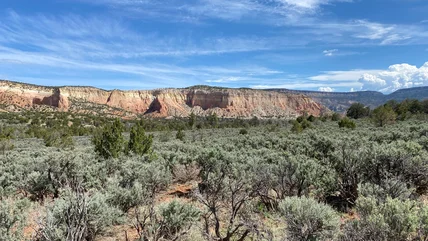
From Lytton the TransCanada Highway follows the Thompson River. As a result of the dry conditions the rocky slopes are relatively devoid of vegetation. The main trees found along the Thompson River are Ponderosa pine or the "sagebrush" so typical of the arid regions of America and cacti which, of course, also thrive in relatively dry conditions. For the most part, crops can be grown only with the aid of artificial irrigation.In the narrow river-valley between Lytton and Spences Bridge there was often scarcely sufficient room for the modern highway to be built by the side of the railway lines, so frequently the road was constructed on steel girders directly above the Thompson River.
Othello-Quintette Tunnels
To get to the Othello-Quintette Tunnels, in Coquihalla Canyon Recreation Area at Coquihalla Canyon Provincial Park, take the Kawkawa Lake road and the Othello road. The tunnel in the Coquihalla Canyon for the Kettle Valley Railway (closed in 1959) will give the visitor the feeling of being back in the good old days of steam, when the Canadian Pacific line was laid between 1911 and 1918 linking the Kootenays with the Pacific.The old railway bridges between the Othello-Quintette Tunnels were replaced with hair-raising foot bridges in the 1960s. Anyone wanting to follow the tunnel trail should definitely take a good torch!
| Highlights: |
|---|
| Highlights: |
|---|
Rossland Historical Museum and Gold Mine Tour, Rossland, Canada
Rossland Historical Museum is home to an outdoor history park and the Le Roi mine. The museum displays information on mining, mining equipment, as well as rock and minerals. It also discusses Rossland's history as it relates to mining and the development of the town.The outdoor park features some hands on experiences, including gold panning.For the more adventurous underground tours are offered of the hard-rock gold mine, providing insight into the mining operation. The tours are guided and last about 45 minutes.
Parksville, Canada
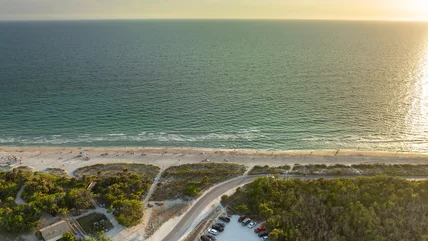
With its long sandy beaches on the tranquil Georgia Strait, Parksville is a favorite summer holiday resort.The area between Parksville and nearby Qualicum Beach has numerous beach side resorts and other forms of accommodation. This has also become a popular winter destination with retirees from other parts of Canada. Over the past two decades the population has grown considerably.
More Canada Resources
- British Columbia Travel Guide by iExplore
Map of British Columbia Attractions