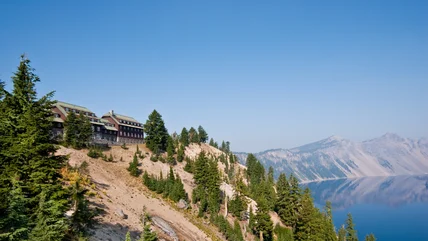
Crater Lake National Park Boasts A Beautiful Hotel With Glorious Nature Views
Tucked inside an iconic national park, this historic lodge pairs dramatic natural scenery with cozy accommodations and a timeless mountain feel.
Read More

Tucked inside an iconic national park, this historic lodge pairs dramatic natural scenery with cozy accommodations and a timeless mountain feel.
Read More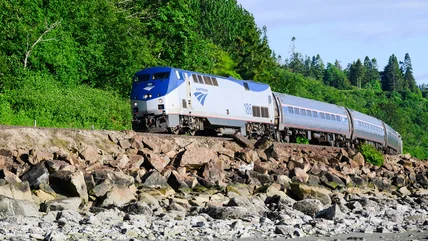
From mountains and deserts to coastlines and rivers, these scenic Amtrak journeys offer a slower, more immersive way to experience the country’s beauty.
Read More
The travel landscape in 2026 looks a little different, with travelers choosing trips and experiences that reflect shifting priorities and new expectations.
Read More
This cozy winter train route offers a relaxed way to experience snowy landscapes, historic towns, and classic scenery from the comfort of your own seat.
Read More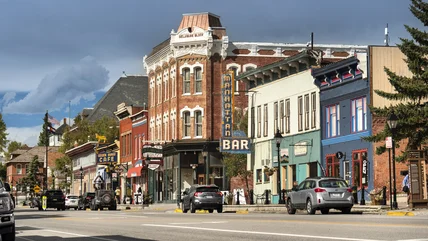
There's more to Colorado than Aspen, and there's also more to its mountains than skiing. Check out these spots for a vacation that's fun for the whole family.
Read More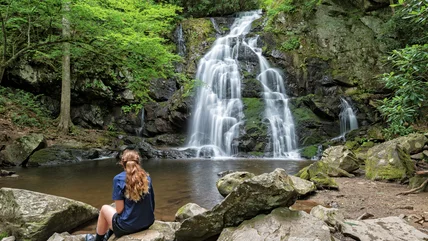
America’s most-visited national park draws millions of visitors with scenic trails, ancient mountains, and endless opportunities to explore the outdoors.
Read More
This Oregon city surrounded by vineyards boasts wine tours and tastings, a fascinating aviation museum, and "Oregon's Favorite Main Street."
Read More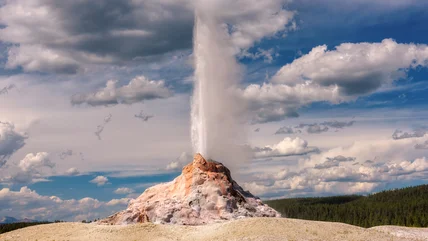
Old Faithful is definitely worth seeing, but it's far from the only impressive geyser. Yellowstone has plenty of other geysers for you to marvel at.
Read More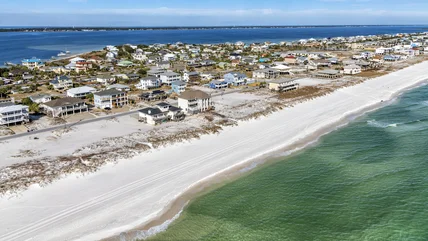
With bright white sand, calm waters, and many nearby attractions, this Florida beach destination proves why it consistently ranks among the country’s best.
Read More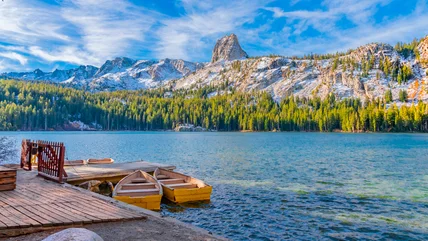
The Sierra Nevada Mountains are one of the most phenomenal landscapes in the U.S., home to small towns of all kinds that are waiting to be explored.
Read More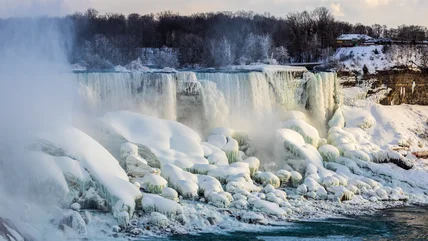
As temperatures drop, the freezing weather transforms one of North America's most beloved landmarks into an icy winter attraction worth seeing in person.
Read More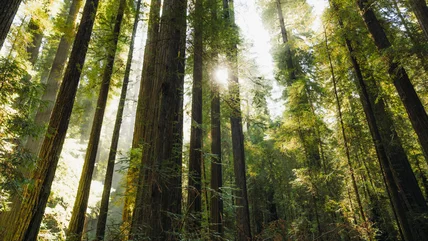
Northern California is home to a protected landscape brimming with scenic landscapes and some of the most immersive nature experiences in the state.
Read More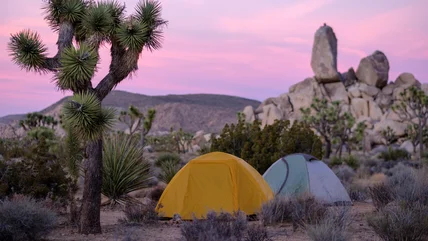
From coastal islands to towering mountains and desert landscapes, California’s national parks offer some of the most memorable camping experiences in the U.S.
Read More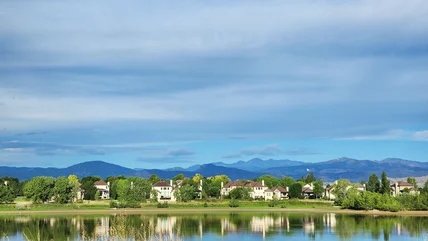
Not too far from Denver is a charming city with a small-town feel and gorgeous views that may just be the most romantic destination in the whole country.
Read More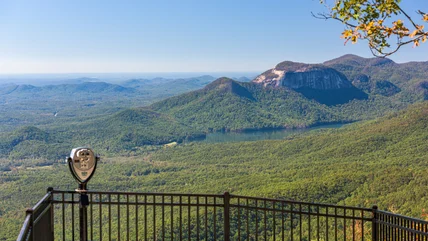
This state park in South Carolina may not attract millions of visitors a year, but it packs a punch with stunning waterfalls, multiple trails, and campsites.
Read More
Thanks to generations of Italian immigrants and their descendants, America's Little Italies are thriving. There are many of them across the country.
Read More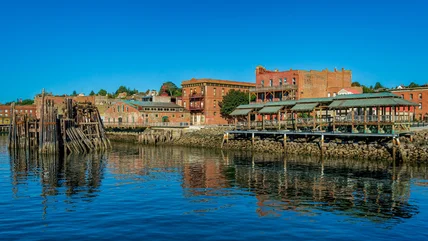
Nestled along the coast, a small Washington city offers dramatic scenery, artistic charm, and a slower pace that feels worlds away from the big city.
Read More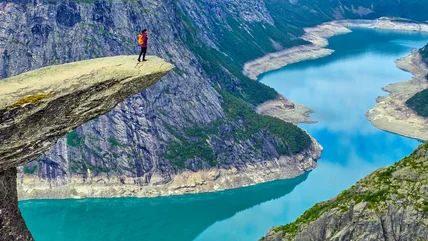
There are many places in the world to add to your bucket list, but these 13 deserve a spot at the top of the list. Get your camera ready for these scenic views.
Read More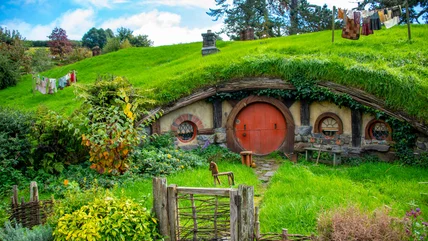
For travelers who love to plan trips around books, these 10 destinations prove that literature and travel can come together to create unforgettable experiences.
Read More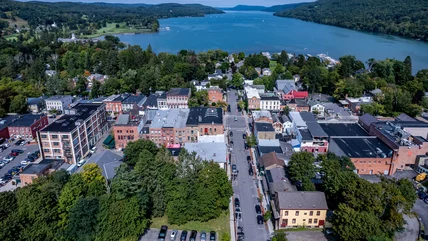
The Empire State is home to nearly 1,000 towns, and while some of them are well-traveled, other less-frequented towns also deserve the spotlight.
Read More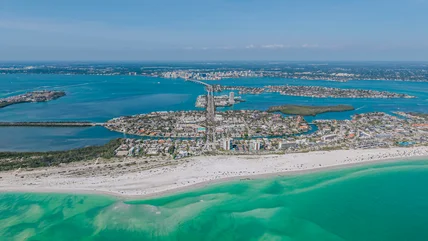
This gulf-side Florida city boasts miles of sandy beaches with tiki huts, playgrounds for children, golf courses, warm weather, and cozy beach houses.
Read More
This picturesque Colorado ski resort offers scenic runs, family-friendly slopes, and a laid-back winter atmosphere far away from the state’s busiest slopes.
Read More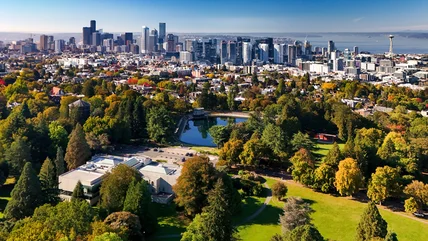
For travelers who enjoy visiting places that have clean air and streets, head to the Pacific Northwest where you can explore the two cleanest cities in the U.S.
Read More
Once built for luxury and prestige, these 11 abandoned hotels now sit frozen in time, marked by events like war, disaster, and sudden collapse.
Read More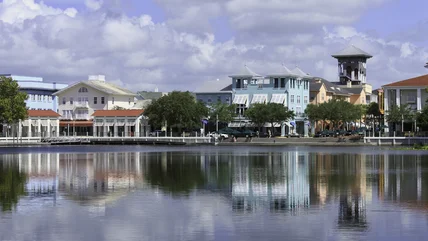
While Florida is a popular destination for families who hit up the theme parks, there's so much more to this state. You won't want to miss these towns!
Read More
A sun-soaked Caribbean destination promises island beauty, relaxed vibes, and stress-free travel for Americans craving an easy tropical escape.
Read More
Let's face it: most of us could use a break in 2026. If you need to unwind, a hectic itinerary might not be for you. Consider booking a wellness vacay, instead.
Read More