

France's Loire Valley Offers Plenty Of Stunning Tourist Attractions To Explore
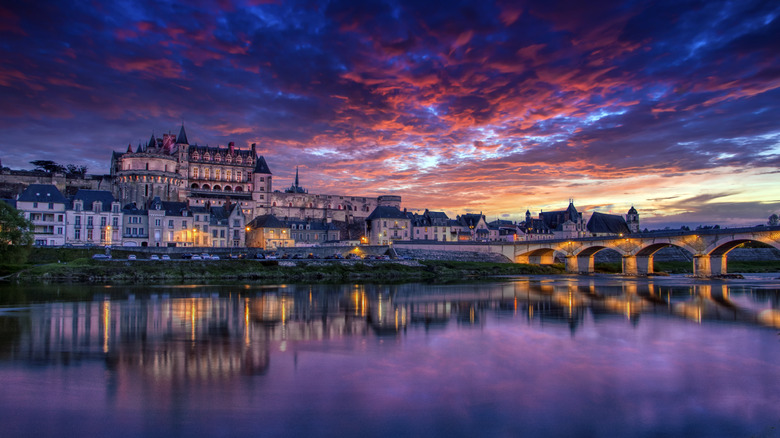
Often called the "Garden of France," the Loire Valley is home to vineyards and orchards, lush riverbanks, and some of Europe's most magical castles. From fortified medieval strongholds to elegant Renaissance palaces, the valley's architectural treasures reveal centuries of royal ambition and cultural refinement. Each of the valley's regal estates tells a story of kings and queens, artists and architects, revolution and revival. In fact, the landscape is so rich that a portion of the valley has earned UNESCO World Heritage status. Nearly 100 castles exist within the UNESCO site, but the total number of castles in the wider region is estimated at nearly 300. All of which, combined with breathtaking natural scenery and charming villages, makes it an ideal setting for a long, relaxing bike or road trip.
Below is a list of 13 splendid sites, with a definitive emphasis on the luxurious castles of the valley, and what makes each one truly special and stunning. This is, of course, what the region is most known for. However, the list also includes several non-castle gems that showcase the best of the region's culture and personality.
Château de Chambord
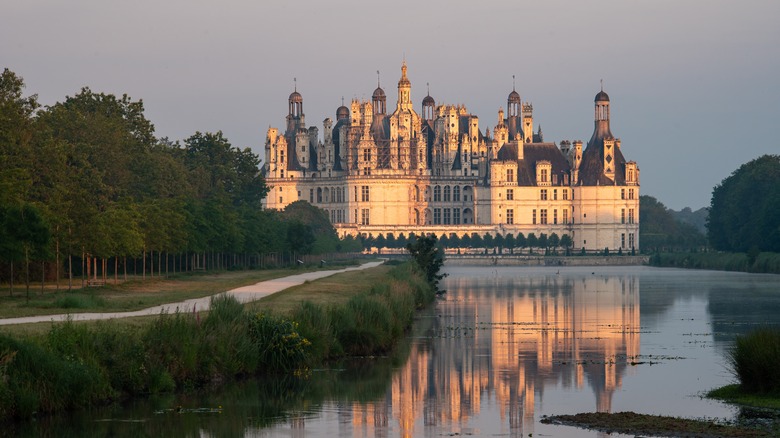
The Château of Chambord is the largest and, some say, most magnificent castle in the Loire Valley. It was constructed by King Francis I more than 500 years ago, and is a fine example of Renaissance architecture. A wall surrounding the estate spans an impressive 20 miles long, while the grounds also include a forest that is the size of Paris, as well as an operational vineyard.
As you arrive, a grand facade featuring more than 300 chimneys, dormer windows, and turrets greets you with a fairytale-like charm. Inside, visitors may tour some of the more than 400 rooms, and explore nearly 300 fireplaces. Keep an eye out for salamanders — sculpted into the ornamental decorations, that is. The animal was the king's personal emblem, and many are scattered throughout the castle. There are also 83 staircases, though one of them is truly special: A double-helix staircase that is said to have been inspired by Leonardo da Vinci, who was close with the king, and represents the height of Renaissance architecture and design.
Massive, meticulously landscaped gardens surround the estate, and visitors can see them up close or from the castle's 360-degree panoramic terraces. The grounds are also home to dozens of bee hives, so be sure to pick up some homemade honey as a souvenir. Every year, visitors can also catch a horse show at the royal stables that offers a theatrical rendition of the history of the castle
Château de Villandry
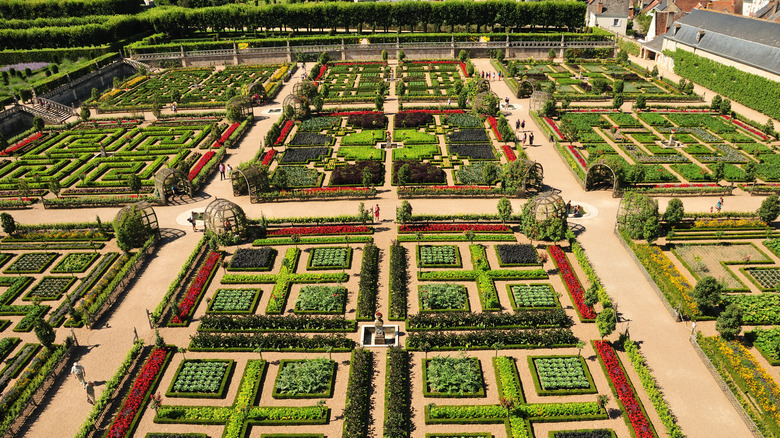
Yes, there's a gorgeous, romantic castle in Villandry. However, the biggest reason travelers come to Château of Villandry is to witness showstopping French garden art and design at its peak. The castle's gardens date back to the Renaissance, and were recently restored to their former glory by Joachim Carvallo, a Spanish doctor who purchased the estate in the 1900s. With extraordinary and tasteful vision, he revived the estate and opened it to the public for the first time in 1910.
Today, the estate features seven separate gardens: the Ornamental Kitchen Garden, the Love Garden and the Garden of the Crosses, the Music Room, the Herb Garden, the Maze, the Sun Garden and the Water Garden. Their scale is hard to believe, and their thematic organization and geometric structures represent meticulous study and research over many years. The star of the show, however, is the Ornamental Kitchen Garden. Designed in the Renaissance style, the space is structured both to enhance plant growth and offer decoration. Along with this, visitors can also explore the Wood, a 22-acre forest that showcases various features of garden art and French history that overlooks the castle's extensive gardens.
Château Royal d'Amboise
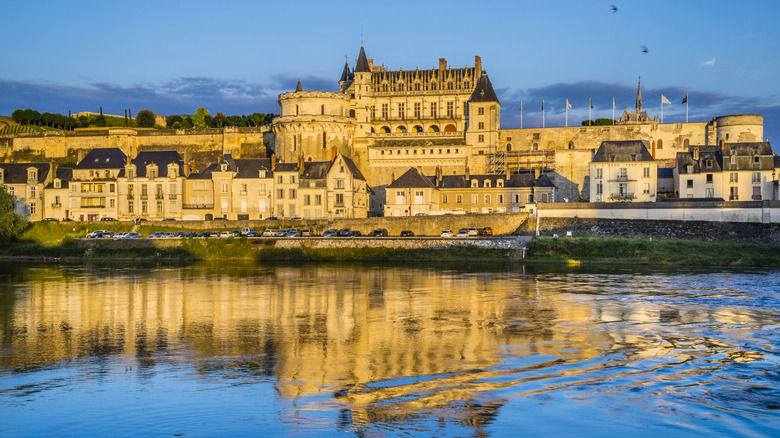
Part of what makes the Château Royal d'Amboise so unique is its position — slightly elevated and overlooking the Loire River, which runs throughout the heart of the valley. In addition to its stunning location, the castle is also the final resting place of one of the greatest artists of all time — Leonardo da Vinci. A such, visitors come here to catch the most stunning views of the entire Loire Valley, as well as pay homage to the artist. The castle's walls are the best place for a sunset photoshoot, with elegant Gothic and Renaissance architecture all around.
The Château Royal d'Amboise was a favorite residence of King Charles VIII, who built it, and King Francis I, who expanded it significantly. Today, visitors can tour the Royal Apartment, which spans three separate floors, and includes the king's bedchamber, the guard room, and the council room. One of the most impressive features of the castle are its two cavalry towers, one of which is open to visitors. These were where dignitaries and distinguished guests entered the fortification, and the view from the inside is remarkable.
During his reign, King Francis I invited Leonardo da Vinci to reside in another nearby castle, where he spent the last three years of his life. According to his wishes, da Vinci was buried at the Château d'Amboise in the small but magnificent Saint Hubert Chapel, where visitors can see the tomb.
Château du Clos Lucé
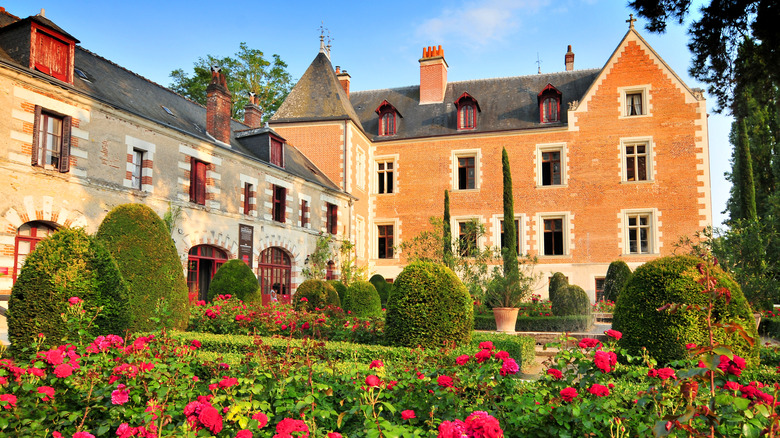
A humble yet gorgeously decorated castle, Château du Clos Lucé was the home where Leonardo da Vinci spent the last three years of his life. He moved there from Italy at the behest of King Francis I, who was in awe of his intellectual prowess. The story of Da Vinci's journey from Milan to the castle is quite remarkable — he's said to have traveled by mule across the Alps, with many of his greatest works in tow, including the Mona Lisa.
The beautifully restored interior of this castle, and its magnificent gardens, are an ode to the height of the Renaissance and one of its greatest masters. Restorations of the castle took over a decade, and involved years of research to ensure visitors an authentic experience. For example, original frescoes were repainted in pigments used during the Renaissance.
Another highlight of the estate, the grounds are filled with beautiful inventions and artwork attributed to da Vinci. For example, there is a life-sized model of da Vinci's aerial screw — a flying vehicle based on the basic concept of a screw to lift off the ground and an antecedent to the helicopter. The museum also offers permanent and rotating exhibits that highlight the polymath's relationship to various aspects of the world around him. Most recently, the museum featured a fascinating exhibition on the theme of "biomimicry," which tells the story of how da Vinci drew inspiration from nature.
Amboise Market
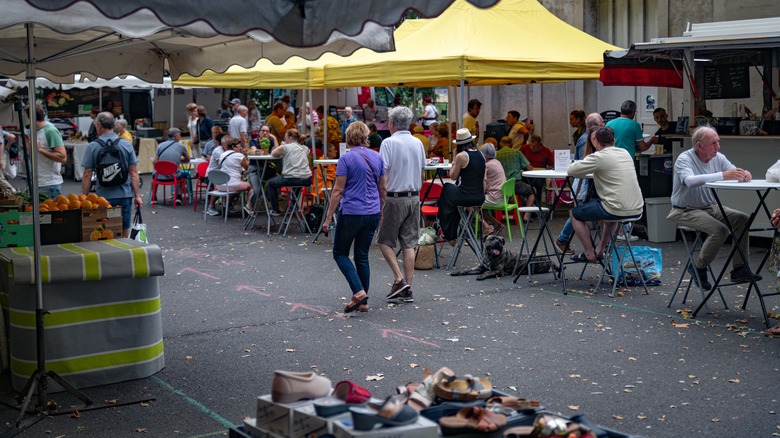
Set at the foot of the Château d'Amboise, the Amboise Market is one of the most vibrant and beloved open-air markets in the Loire Valley. Held every Friday and Sunday year-round along the banks of the Loire River, it's a feast for the senses. The fertile lands surrounding Amboise yield an abundance of local produce — including fresh fruits, vegetables, herbs, and flowers that fill the stalls with color and fragrance.
These artisans carry on generations of regional expertise. Among the market's highlights are the specialties that define the Loire's distinct gastronomic identity. Sample Tours rillettes, a rich, slow-cooked pork spread that pairs beautifully with crusty bread and a glass of local red. Alternatively, cheeses from nearby goat farms offer a creamy, tangy taste of the countryside. And if you have a sweet tooth, don't miss the classic tarte Tatin, a famous caramelized upside-down apple tart. As a gorgeous French wine region, bottles of Loire Valley's famous wine also make for a perfect souvenir of this lively and delicious market experience.
Royal Abbey of Fontevraud
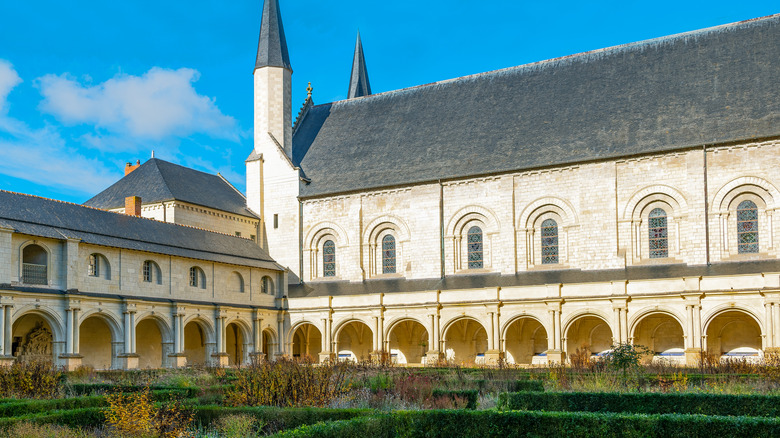
The Royal Abbey of Fontevraud is France's largest collection of monastic buildings, and was once the largest in all of Europe. At its peak, it was said to be home to approximately 5,000 nuns. In 1814, the space was converted into what was known as one of France's hardest prisons during Napoleon's reign. Today, it's home to a modern art museum, a high-end hotel, and a Michelin-starred restaurant.
Take a stroll on the grounds that are open to visitors for self-guided tours. Walk through the church's necropolis of Royal tombs and see monastic mementos from the Fontevrist order that once ran the abbey. For a truly immersive experience, the cozy, four-star hotel is situated in the former priory of Saint-Lazare, and its interior design also echoes the clean white lines and sobriety of its surroundings. Many visitors describe their stay as nothing short of magical.
Dining at the Restaurant of Fontevraud L'Ermitage costs a pretty penny at about $140 per person, but patrons can rest assured the experience is well worth it. The dining room is located in the gorgeous, arched cloister of the abbey, and the meals feature ingredients grown on the estate's 16,000-square-foot organic veggie garden. The museum of modern art is not to be missed, with its collection of more than 800 art objects. Altogether, visitors will get a splendid dose of art and culture at the abbey.
Abbey of Saint-Pierre of Solesmes
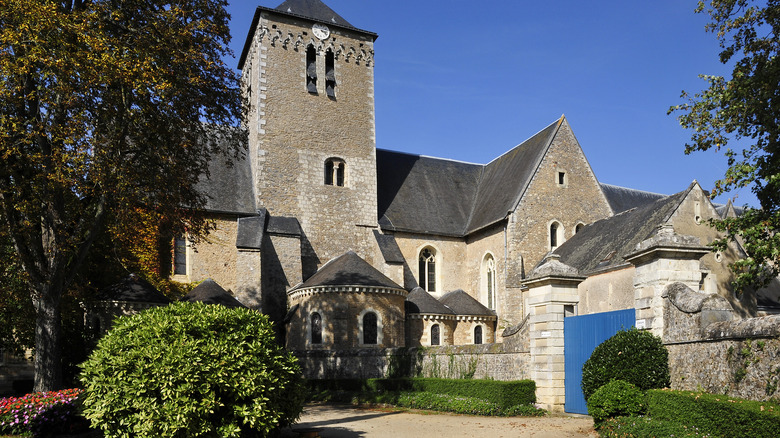
The Abbey of Saint-Pierre of Solesmes sits along the Sarthe River and is world-renowned as the home of Gregorian chant. Founded in the 11th century, the Benedictine monastery has played a defining role in preserving and revitalizing this ancient form of liturgical music. Its monks have dedicated generations to the study and practice of Gregorian chanting, making Solesmes a site of pilgrimage for music scholars, religious people, and curious travelers from all walks of life.
The abbey features Romanesque architecture and peaceful surroundings — a space for peaceful reflection and deep contemplation. Visitors are welcome to attend the monks' daily services, which are entirely sung in Gregorian chant. A profoundly moving experience, the monks' voices echo through the stone walls, creating an atmosphere that feels both timeless and transcendent.
After the service, guests can also explore the serene riverside and visit the charming nearby village of Solesmes. The monastery itself remains an active religious community for the monks, so public access is limited.
Château de Chenonceau
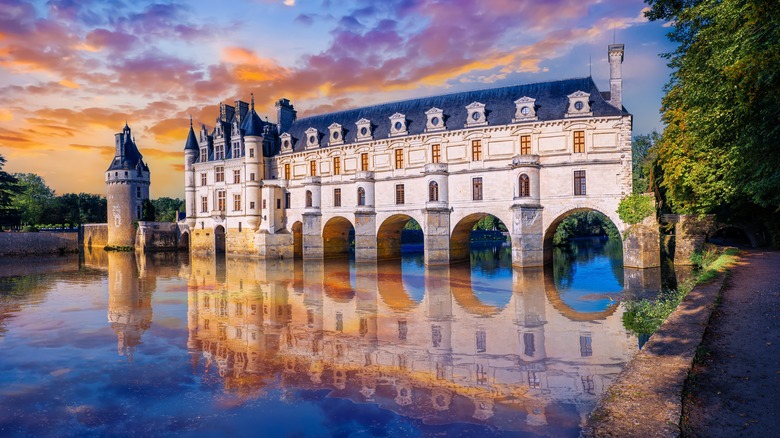
The Château de Chenonceau, often called "The Ladies' Castle," is one of the most breathtaking castles in the Loire Valley. A fairytale castle surrounded by gardens and built in the early 16th century, the site is famous for its graceful arches spanning the River Cher and for a long gallery that stretches over the water.
With a unique design that was guided by influential women such as Diane de Poitiers and Catherine de' Medici, visitors can explore lavishly furnished rooms filled with original artwork, tapestries, and furniture that evoke the castle's royal past. Highlights include the grand gallery over the river, kitchens built directly into the bridge's arches, and Catherine de' Medici's private study from which she is said to have governed France.
Surrounding the castle are meticulously maintained gardens and peaceful forested walkways. Diane de Poitiers' formal garden and Catherine de' Medici's Italian-inspired design remain two of the estate's most impressive features. Visitors can stroll along the riverbanks, tour the flower gardens that supply the castle's daily floral arrangements, or enjoy a boat ride on the Cher for panoramic views.
Maison Louis de Grenelle
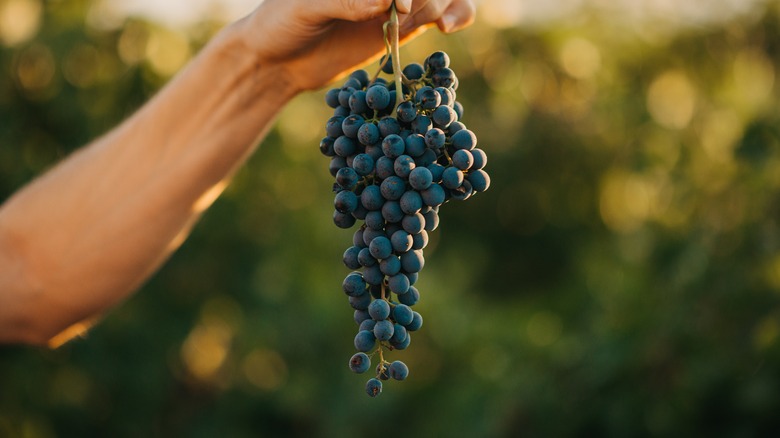
The Maison Louis de Grenelle offers a fascinating glimpse into the region's winemaking heritage. This independent, family-run house specializes in producing sparkling wines. What makes the cellar truly unique, however, is its setting: the winery is housed in vast underground galleries, called troglodyte caves, carved out of tuffeau limestone — the same soft white stone that was used to build many of the Loire's famous castles.
Cool and dry, these caves provide the ideal conditions for the slow aging process that gives the wines their distinctive flavor. Visitors to the estate can take a tour of the near 2 miles of underground tunnels — which reach nearly 40 feet deep — where more than 4 million bottles mature in dim light. Guided tours explain each stage of production — from hand-riddling the bottles, which involves periodically rotating them a quarter of a turn, to the careful blending of the Chenin Blanc, Chardonnay, and Cabernet Franc grape varietals that abound in the region. The temperature in the cave stays at about 54 degrees Fahrenheit, so be sure to bring a sweater. At the end of each tour, visitors can enjoy a very generous tasting of the estate's signature wines.
Château de Cheverny
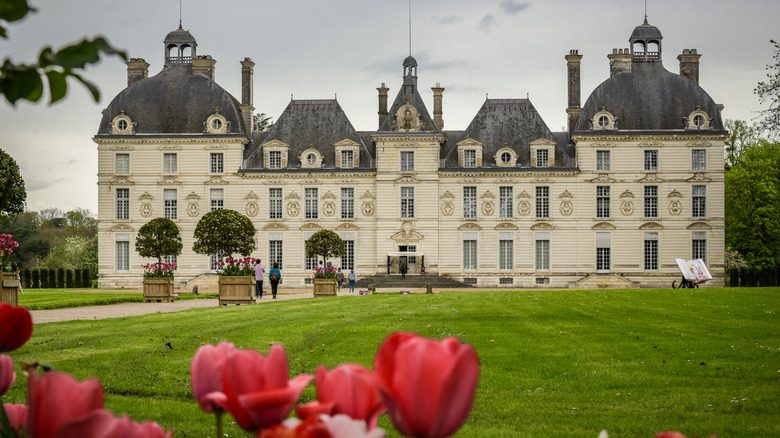
The Château de Cheverny is a masterpiece of classical architecture, and it holds a special place in both French history and popular culture. Its elegant façade and symmetrical design inspired the setting for the widely popular comic "The Adventures of Tintin." Built in the early 17th century, and continuously inhabited by the same family for generations, Cheverny stands out as one of the best-preserved castles in France. Its richly decorated interiors, period furnishings, and fine art collections offer a glimpse into the refined lifestyle of French nobility.
Today, visitors can explore the castle's grand rooms as well as its extensive grounds, which include a formal garden, an English-style park, and a large vegetable garden. The flower garden boasts France's largest tulip collection each spring — numbering 500,000.
Indoor, the museum's permanent Tintin exhibition provides an engaging look at how Belgian comic Hergé transformed Cheverny into a powerful symbol. Using immersive displays and original artwork, the exhibit bridges the worlds of heritage and imagination, appealing to visitors of all ages.
Château d'Angers
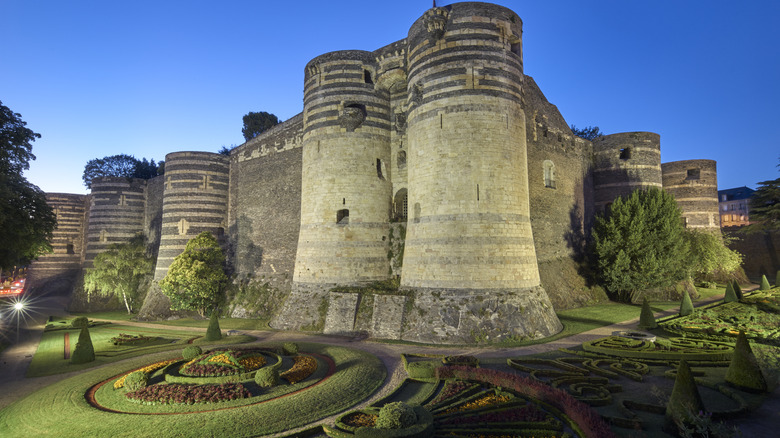
The Château d'Angers is one of the most imposing fortresses in the Loire Valley. Originally built in the 9th century and expanded by the Dukes of Anjou in the 13th century, the castle is distinguished by its massive walls and 17 defensive towers. Once a strategic stronghold for French royalty, it later became the residence of Dukes and a symbol of regional power. Today, its well-preserved ramparts, drawbridge, and portcullis (the oldest in France) offer visitors a vivid glimpse into medieval military architecture and courtly life. To fully appreciate its history and scale, visitors can explore a large portion of the castle's extensive grounds — from the chapel to the gardens — and take in panoramic views of Angers, one of the most underrated university cities in France.
Although impressive above ground, the castle's greatest treasure lies below: the extraordinary Apocalypse Tapestry. A 14th-century masterpiece that spans over 100 individual panels, the piece was commissioned by Louis I, Duke of Anjou, and depicts scenes from the Book of Revelation. At over 300 feet long and rendered in intricate, vividly colored detail, it is the largest surviving medieval tapestry in the world and one of the most important examples of Gothic art.
Château de Brissac
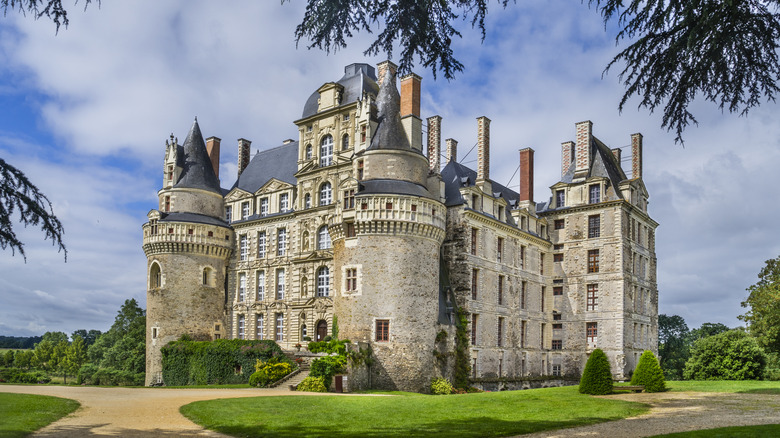
The Château de Brissac is the tallest castle in France, with medieval foundations and Renaissance grandeur that reflect centuries of architectural evolution. Still privately owned, the castle remains the residence of the current Duke of Brissac, making it one of the few Loire castles that continues to serve as a noble family home.
Inside, visitors can explore opulent rooms, ornate furnishings, and artwork that reveal the wealth and prestige of the Brissac line. The Grand Salon's combination of chandeliers, statues, royal portraits, and gilt ceilings is particularly remarkable. As is the lavish, crimson draped opera house — one of the smallest private theaters in Europe. Complementing this is an intricate network of staircases connecting the château's seven floors.
Guided tours of the property provide historical context and even include a tasting of wine produced on-site. Adding to its allure, Château de Brissac is also reputed to be one of the most haunted castles in France. According to local legend, the spirit of the "Green Lady" — the ghost of a noblewoman said to have met a tragic end there — wanders the halls at night.
Château de Montrésor
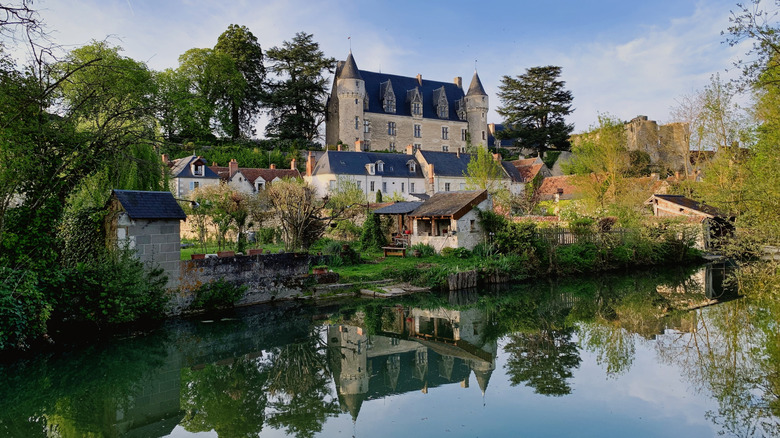
The Château de Montrésor is one of the Loire Valley's most intimate castles. Smaller and less ostentatious than its grander neighbors, it tends to get overlooked. However, this quieter scale means it's much less crowded and touristic than the others. Part of what makes this property so special is its location in the village of Montrésor — officially recognized as one of the most beautiful villages in France. While the medieval origins of the castle date back to the 11th century, much of what visitors see today reflects later restorations that combined Gothic architecture with 19th-century taste.
Inside, the château offers a markedly different aesthetic from most Loire Valley castles. Instead of Renaissance or Baroque splendor, its interiors reflect the warm, richly layered style of France's Second Empire period. In the mid-19th century, it was transformed into a family home filled with fine furnishings, paintings, and personal artifacts. The result is a remarkably preserved domestic interior that visitors can explore alongside its terraced gardens, and the picturesque village that surrounds it.
Methodology
The methodology for determining which sites to include in this article combined travel websites with firsthand visitor insights to ensure a balanced and engaging overview of the Loire Valley's top attractions. Research began with a thorough review of TripAdvisor and the Michelin Guide's top-rated lists, focusing on destinations consistently recognized for their cultural, historical, and aesthetic value. These sources helped identify some of the world-famous landmarks such as Château de Chenonceau and Château d'Angers, as well as lesser-known gems like Château de Montrésor and the Amboise Market.
To complement these sites, several travel blogs, regional, and site-specific tourism websites were also consulted to capture local perspectives and current offerings. This helped provide richer context on seasonal events and unique features of each site included in the list. The result is a curated selection of destinations that represent the Loire Valley's highlights and reflect the authentic flavors, traditions, and history of French royal life that make the region so compelling to explore.