Tourist Attractions in Belfast
Once a powerful ship-building center, bustling Belfast is the capital city of Northern Ireland and the birthplace of the infamous doomed ocean liner, RMS Titanic. Mention Belfast, and, to a certain generation, images of conflict may spring to mind. It would be wrong, however, to jump to such conclusions these days.
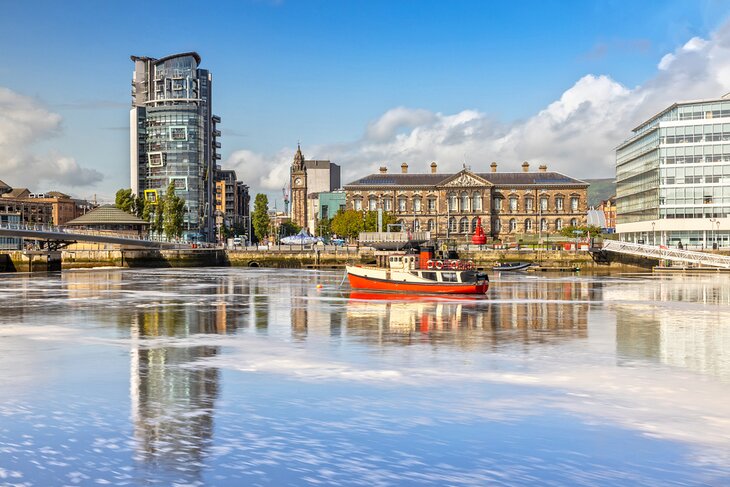
Visit Belfast and evidence of this dramatic rebirth and remarkable transformation is everywhere evident, and visitor numbers continue to increase year-on-year, with good reason. You can expect a warm welcome, a wicked sense of humor, and an enthralling history.
Highlights of a visit include the impressive must-see Titanic Quarter, along with a variety of other points of interest associated with the ill-fated vessel. Excellent shopping experiences can be enjoyed at Victoria and Donegal Squares, along with a variety of restaurants and dining opportunities.
Other fun things to see include discovering the city's superb Victorian architecture and visiting its many noteworthy museums. Be sure to also check out the famous Albert Memorial Clock in Queen's Square.
Whether you're to explore the city or to use it as a base for some fun day trips, be sure to consult our list of the top tourist attractions and things to do in Belfast to help you make the most of your time.
Immerse Yourself in Maritime History at Titanic Belfast
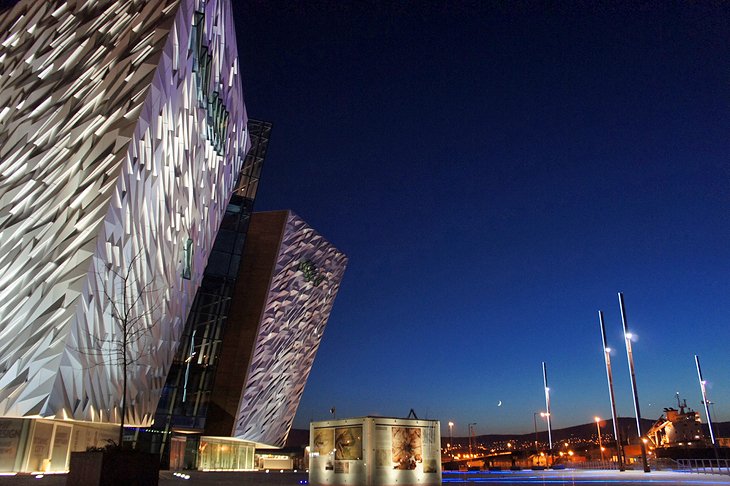
Billed as "the world's largest Titanic visitor attraction," the distinctive-looking Titanic Belfast opened in 2012 and is a landmark building that pays tribute to the story of the city's rich maritime history. Fresh from a major refurbishment, this distinctive building houses nine interactive exhibitions that show how Belfast has developed from a city that once boasted the most powerful shipbuilding industry in the world into a reborn visitor destination.
More than a century ago, the infamous and ill-fated ocean liner, Titanic, was built at this precise spot. There are guided tours around the slipway and gigantic dry-dock, once the heart of the Harland & Wolff shipyards. The building, which is star-shaped to represent the logo of the White Star Line, houses a number of fascinating artifacts related to the ship, including letters, brochures, and menus.
A particular treat is visiting the fully restored tender to the Titanic, the SS Nomadic, which visitors can board and explore for an additional charge. In fact, a great way to learn more about both vessels is by purchasing a Titanic Belfast admission package that includes the SS Nomadic. In addition to having access to the Titanic exhibition, you'll get complimentary access to the Ocean Exploration Center and the SS Nomadic.
For a special treat, why not consider a stay at the Titanic Hotel Belfast? Set in a former shipyard building right next to the main attraction, your accommodations feature period-style furnishings and decor and offer a taste of the opulence those traveling aboard the Titanic would have experienced.
Address: 1 Olympic Way, Queen's Road, Belfast, Northern Ireland
Take in a Concert at Waterfront Hall
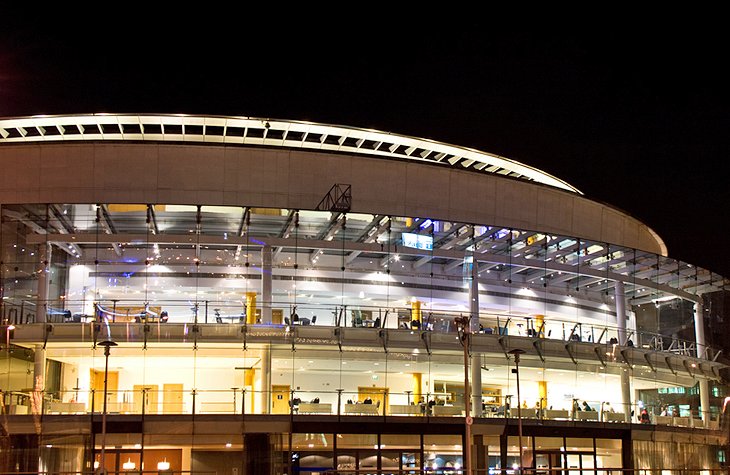
Just over a mile from the Titanic Quarter and overlooking the River Lagan in central Belfast, the Waterfront Hall is a world-class entertainment and conference venue that, in no uncertain terms, reflects the regeneration of the city. Since opening in 1997, the center attracts close to 400,000 concertgoers each year and attracts top musicians and performers from around the world.
When lit up at night, the building is particularly impressive. In fact, many will visit not only for the world-class concerts held here, ranging in style from pop to symphony and opera, but also to dine at the attraction's on-site restaurant, The Arc Brasserie. Somehow, a meal here is all the more magical for the superb panoramic views over the river and beyond.
This world-class venue also hosts an eclectic range of temporary visiting exhibitions, too.
Address: 2 Lanyon Place, Belfast, Northern Ireland
Explore Northern Ireland's History at the Ulster Museum
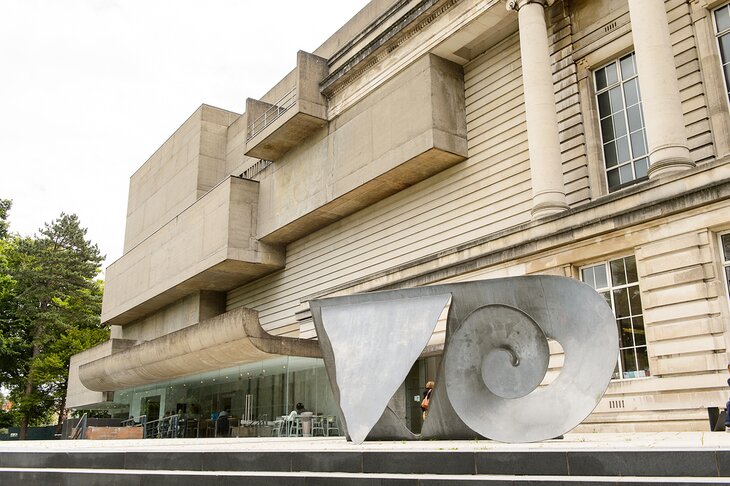
A five-minute drive from the Waterfront Hall will bring you to The Ulster Museum. Having undergone a major refurbishment in recent years, it's now one of Belfast's must-see attractions. This impressive national museum should be high on the list for any visitor for a number of reasons, not least of all that it doesn't shy away from the city's recent troubled past.
Exhibits include a 2,500-year-old Egyptian mummy, Princess Takabuti, who was unwrapped in Belfast in 1835; the Armada Room; and an impressive gallery of modern art masterpieces. Other highlights include collections of ancient relics, a richly diverse collection of art, history, and natural science exhibits spread over several floors.
Two other excellent attractions fall under the Ulster Museum umbrella and are well worth a visit. The Ulster Folk Museum features fascinating displays and interactive exhibits related to regional traditions and culture, including craft demonstrations. The Ulster Transport Museum features vehicles and other machines with a connection to Northern Ireland and is suitable for all ages.
Address: Botanic Court, Belfast, Northern Ireland
Take a Free Tour of Belfast City Hall
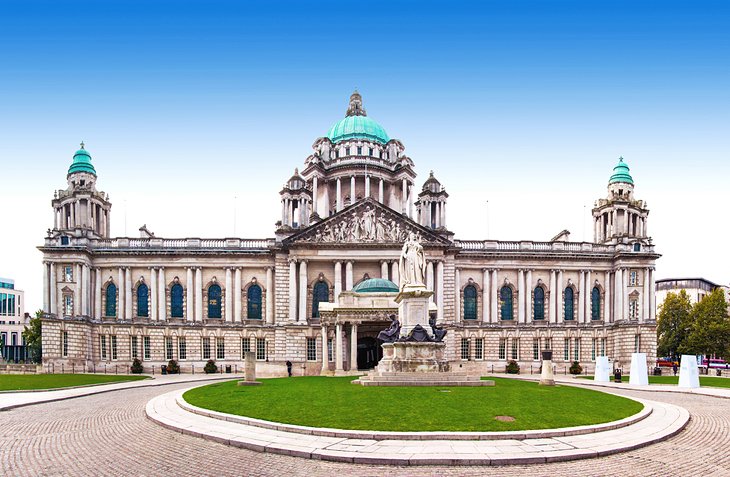
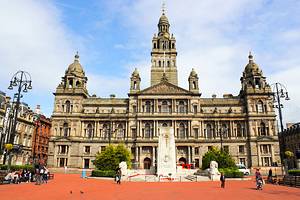
Belfast City Hall is another important government building that should be included on your Northern Ireland travel itinerary. Located in the city center, this handsome structure was built in 1906 and remains one of the most distinctive landmarks in Belfast's downtown core.
Tourists are welcome to explore the building as part of a guided tour, so popular that they've become one of the top free things to do in Belfast. Please note, though, that tours are available on a first-come, first-served basis, so allow plenty of time in your schedule.
Highlights of these one-hour experiences include seeing a good-sized art display and historic stained-glass windows and an exhibit outlining the city's history. Afterward, you can browse the gift shop or visit the café.
Be sure to also visit the grounds of the City Hall, with its Titanic Memorial Gardens and vast lawns. And pack a picnic or grab a takeout from a nearby eatery as there's plenty of room to spread out for an impromptu lunch. A fun free thing to do at night in Belfast is to walk the grounds, as the building is colorfully illuminated.
Address: Donegall Square N, Belfast, Northern Ireland
Explore the Botanic Gardens

A pleasant way to relax for a few hours, the Botanic Gardens was established in 1828 and has been owned by Belfast City Council since 1895 when it became a public park set on 28 acres.
One of the star attractions here is the elegant Palm House. Designed by Sir Charles Lanyon and containing a diversity of tropical plants, it also includes birds of paradise and lush hanging baskets. Comprised of curved iron and glass, the structure is one of the earliest examples of a glasshouse made in this way and demonstrates how advances in technology at the time allowed horticulturists to grow exotic plants.
The Tropical Ravine was built in 1889 and houses exotic delights such as bromeliad, banana, orchids, and cinnamon, and protects some of the world's oldest seed plants. The gardens are also a popular venue for concerts and festivals, and once hosted a concert by the famed Irish band, U2.
Just north of the gardens is Queen's University with its fine Tudor-style buildings.
Address: College Park, Botanic Avenue, Belfast, Northern Ireland
Climb aboard HMS Caroline
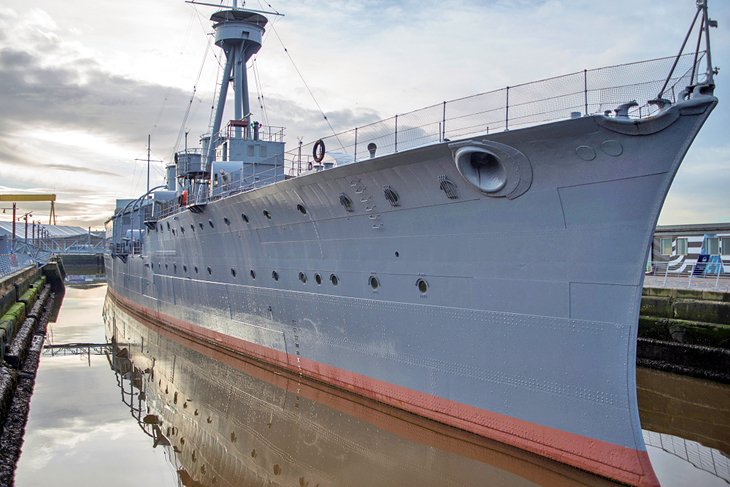
A newer addition to the already excellent collection of attractions in Belfast's Titanic Quarter, HMS Caroline is one of the last surviving vessels to have seen service in both world wars. Recently refurbished, the ship was commissioned in 1914 and patrolled the North Sea, as well as participating in the pivotal Battle of Jutland.
Opened in her present location to the public in 2016, a tour of this floating museum and its visitor center provides a great deal of fascinating information about WW1 and the ship's history.
Highlights include audio-visual displays, tours of the fully-restored sections of the ship, plus educational opportunities that give kids the chance to have some hands-on fun. In addition to a café and gift shop, there's a playground and picnic area on-shore.
Address: Alexandra Dock, Queens Road, Belfast, Northern Ireland
Pay a Visit to Belfast Cathedral: St. Anne's
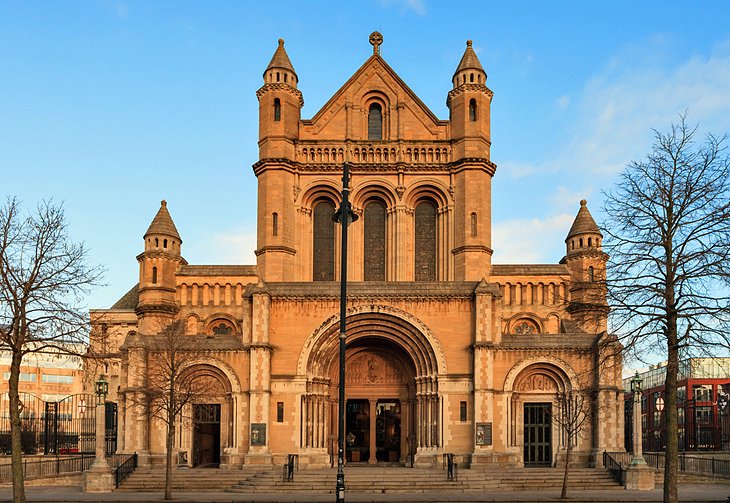
Designed by architect Sir Thomas Drew and begun in 1898, St. Anne's Cathedral is the main church of the Anglican Church of Ireland. Also often referred to as "Belfast Cathedral," it was built in the neo-Romanesque style of the basilican type and has three west doorways adorned with sculpture.
The baptismal chapel features an exquisite mosaic ceiling. Further points of interest are the carved stonework, many fine stained-glass windows, marble tiles on the floor and walls, and delicate woodwork. In the chapel, you'll find the tomb of Sir Edward Carson, leader of the Ulster Unionists, who died in 1935.
Those interested in the Titanic's history will be interested to see the cathedral's own commemoration of the lives lost when the ship sank. Known as the "Titanic Pall," this large indigo-colored tapestry hangs on the cathedral's interior walls. Audio tours are available with admission, and an on-site gift shop sells interesting books related to the cathedral's history.
Address: Donegall Street, Belfast, Northern Ireland
Spend a Night at the Grand Opera House
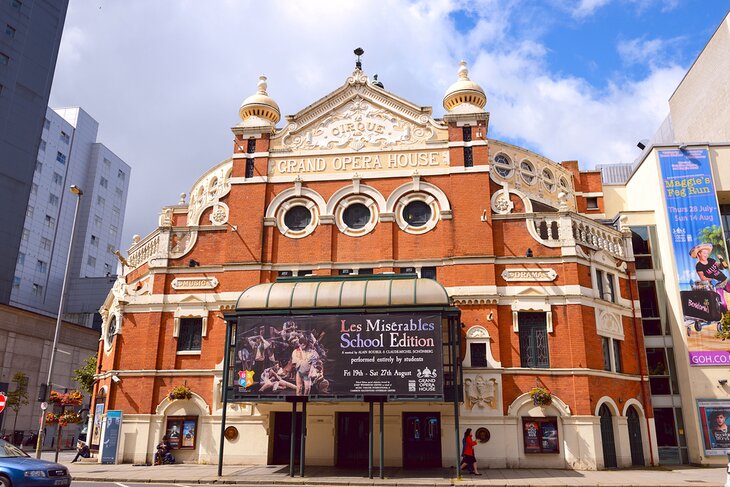
West of the City Hall on Great Victoria Street, the highly ornate Grand Opera House is well worth visiting to take in a show or concert. Dating from 1895, it has seen its share of troubles over the years. In 1972, at the height of the conflict in Northern Ireland, the building was sold to property developers and nearly demolished. Thankfully, due to a campaign, this didn't happen.
Between 1976 and 1980, the structure was extensively restored, including the restoration of the ceiling panels in the main auditorium. A large extension was added in 2006, and these days it hosts musicals, operas, and live performances and is one of the city's true landmarks. Guided tours are available.
Address: 2-4 Great Victoria Street, Belfast, Northern Ireland
Take a Tour of Crumlin Road Gaol
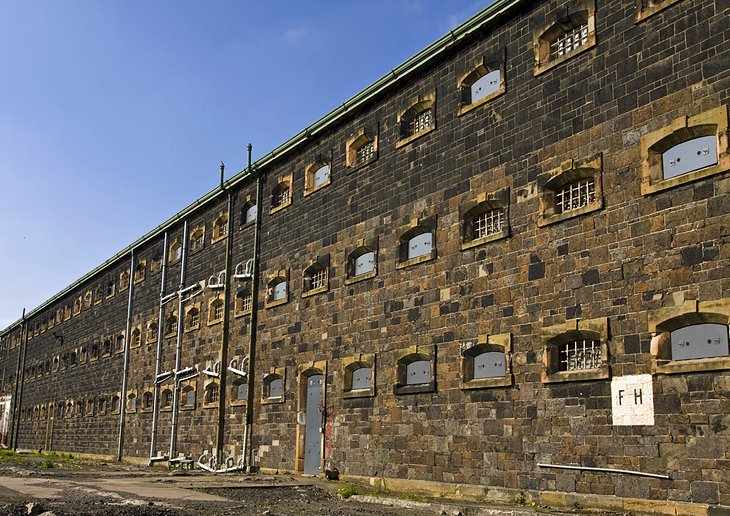
When it closed in 1996, many believed the infamous Crumlin Road prison would never reopen. How wrong they were.
The once notorious jail has quickly become one of Belfast's premier visitor attractions since reopening in 2012. It's now one of the best places to visit to learn about Northern Ireland's history. Fascinating guided tours tell of the women and children who were incarcerated here, as well as the segregation of republican and loyalist prisoners.
You can wander through the underground tunnel that used to connect the jail to the courthouse, sit in the Governor's chair and, rather gruesomely, pay a visit to the condemned men's cell. Guided tours are available, including special themed affairs that even include a show and dinner (Jailhouse Rock, anyone?).
Address: 53-55 Crumlin Road, Belfast, Northern Ireland
Pop into Belfast Castle
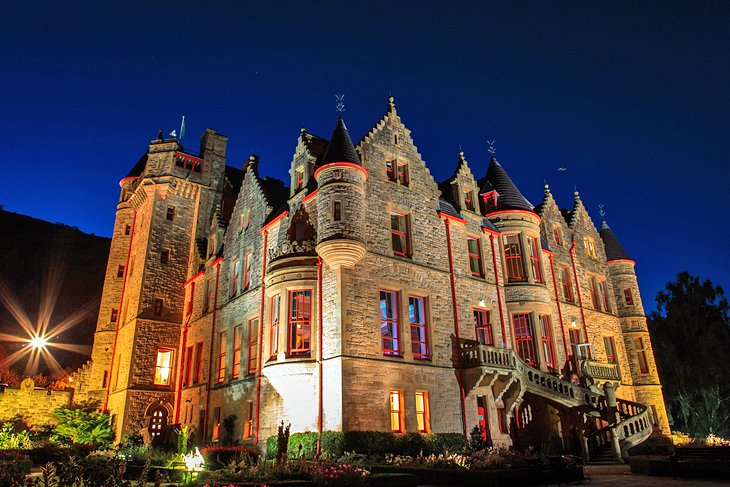
Around six kilometers from the city center along the A2/A6-Antrim Road stands Belfast Castle. There are plenty of events here year-round, and it's a popular wedding venue due to its picturesque location and beautiful historic building.
A castle has existed on this site since the 12th century in many different incarnations. The current structure dates from 1870, although additions and embellishments have taken place since then.
There's a restaurant on-site, along with Cave Hill Visitor Centre. Cave Hill Country Park and the Adventure Playground are well worth exploring, and the grounds are particularly popular for picnics during summer months.
Address: Antrim Road, Belfast, Northern Ireland
See the Animals at Belfast Zoo

Around three minutes' drive from Belfast Castle, Belfast Zoo is set on 55 acres with views over Belfast Lough. Home to more than 140 species of animals, this fun family destination was opened in 1934 and is one of the oldest tourist attractions in Northern Ireland. It was extensively upgraded in recent years, and nowadays in excess of 300,000 people visit the zoo annually.
Highlights of a visit include seeing a wide array of animals including ring-tailed lemurs, Asian elephants, monkeys, Malayan sun bears, Sumatran tigers, and Barbary lions. A must-see here is the rainforest exhibit, which brings together tropical plants with fascinating animals such as sloths and fruit bats.
Check the zoo's website for details of its daily animal talks and feeding schedule.
Address: Antrim Road, Belfast, Northern Ireland
Visit Stormont, The Parliament Buildings
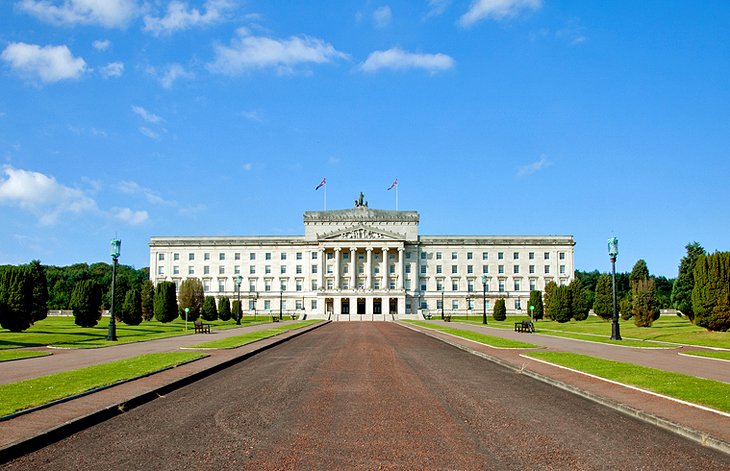
No visit to Belfast, or indeed Northern Ireland, would be complete without at least seeing this grandiose and often controversial building. Known as Stormont, this is the home of the "Power Sharing Executive," or Northern Ireland Assembly. It's also the place where former foes sit down together and carry out the day-to-day business and politics of running the state.
Dating from 1921, it was built to house the then-newly formed government of the Province. It's impossible to miss the statue of Unionist Sir Edward Carson on the front lawn. Despite its controversial legacy, the scenic grounds are popular with day-trippers, joggers, and those simply wishing to escape the city for a while.
The building is open on weekdays for interesting tours of its interior.
Address: 587 Upper Newtownards Road, Belfast, Northern Ireland
Shop at St. George's Market
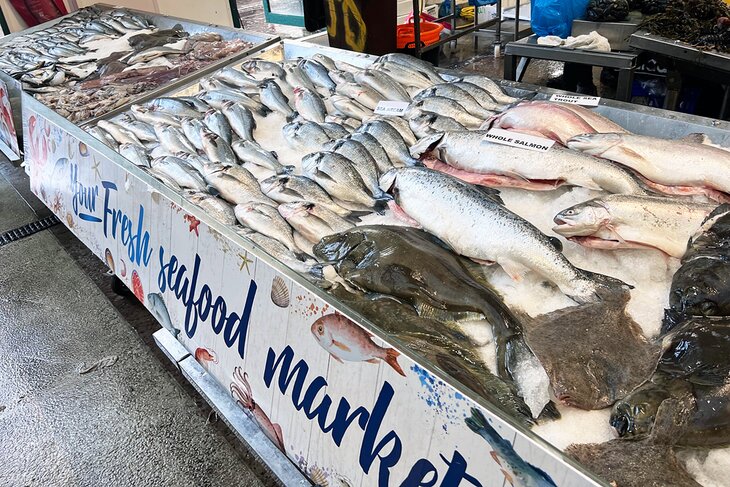
No Belfast itinerary is complete without allocating time to do a little shopping, especially if it includes St. George's Market. The oldest covered market in the city, St. George's Market was completed in 1896 and now provides a place to do business for some 300 vendors selling everything from food to art and crafts.
It has also become an important venue for activities other than shopping, including food festivals, art shows, dance events, and even pop and rock concerts. In addition to its regular market hours, there are a number of special events such as the frequent "Twilight Market," popular for its extended evening hours and entertainment.
Address: 12-20 East Bridge Street, Belfast, Northern Ireland
Take the Family to the W5 Interactive Discovery Centre
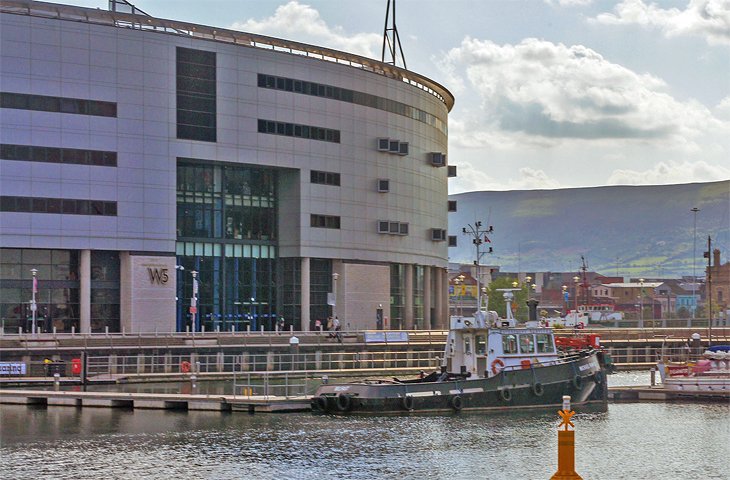
One of the top things to do in Belfast for families is to spend time exploring the W5 Interactive Discovery Centre; it's also another great excuse to visit the Titanic Quarter.
This state-of-the-art science center consists of over 250 hands-on exhibits, encouraging kids to explore a variety of areas of learning spread across four large areas, including displays related to technology and biology, as well as educational programs, events, and workshops.
Star attractions here are "Climbit," a massive multi-story 3D climbing structure; "RoboThespian," a large robotic character that can be controlled by visitors; and "MED-Lab", a fascinating look inside the human body. A café and gift shop are located on-site.
Address: 2 Queens Quay, Belfast, Northern Ireland
More Related Articles on PlanetWare.com
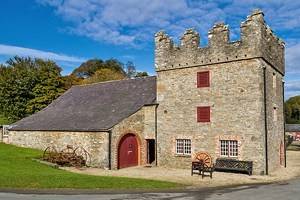
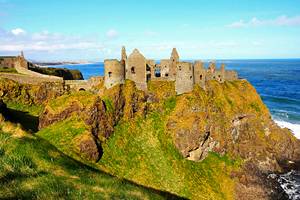
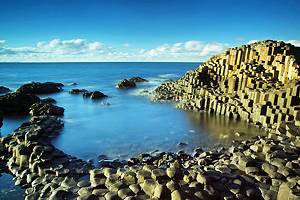
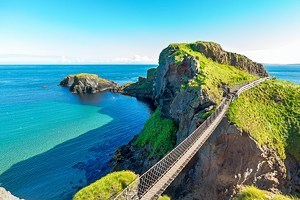
Day Trips from Belfast: Belfast makes for a great jumping-off point for those wanting to explore some of the top attractions in Northern Ireland, as well as Ireland itself. In addition to the spectacular Giants Causeway, great day trip destinations from Belfast also include Carrick-A-Rede Bridge and Dunluce Castle.
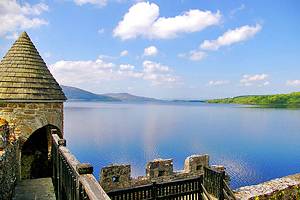
Ireland Vacation Ideas: Given its location at the top end of the island, Belfast makes a great location from which to explore the top attractions in Ireland, most of which are within easy reach. Must-sees within an easy drive include the Irish capital of Dublin with its many museums and parks. The much smaller community of Sligo is also a great drive, and boasts stunning coastal scenery. Also worth a visit, historic Galway is popular for its large public squares and medieval architecture.