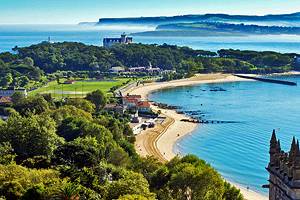
Attractions & Things to Do in Santiago de Compostela
Pilgrims once traveled, by foot, from all over Europe to reach Santiago de Compostela. During the Middle Ages, the city was equal to Jerusalem and Rome as a pilgrimage destination. The aim of this months-long journey, known as the Chemin de Saint-Jacques (or Camino de Santiago) was to arrive at the Tomb of Saint James, housed in the Catedral de Santiago.
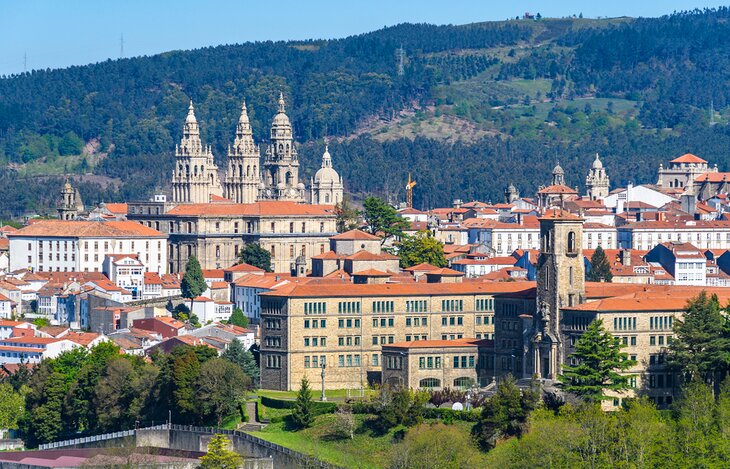
Still one of the most revered shrines in Christendom, Santiago de Compostela continues to draw modern-day pilgrims.
Besides its religious monuments, the city offers many cultural attractions. Interesting museums, a quaint Old Town, and enchanting botanical gardens await if you take time to explore the hidden corners of Santiago de Compostela.
No matter how or why you arrive here, Santiago de Compostela is a rewarding destination at the heart of the beautiful Galicia region. The UNESCO-listed historic center, especially the magnificent Cathedral of Santiago, is not-to-be-missed on a tour of Northern Spain.
Make the most of your time in this fascinating historic city and discover the best places to visit with our list of the top attractions and things to do in Santiago de Compostela.
Catedral de Santiago
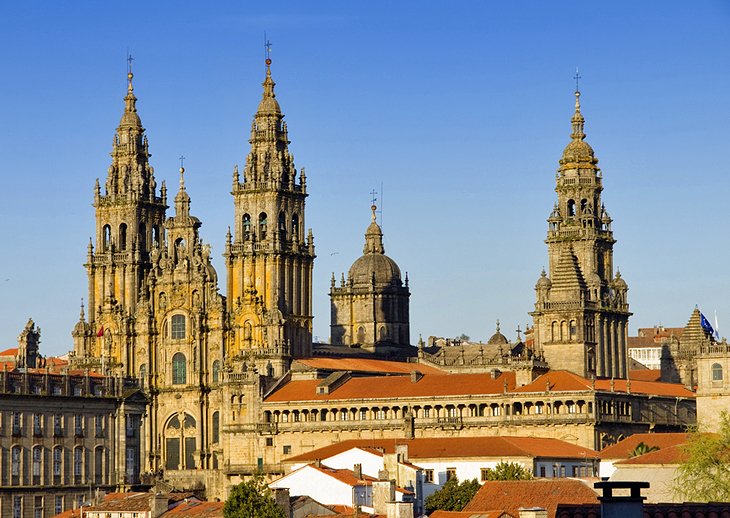
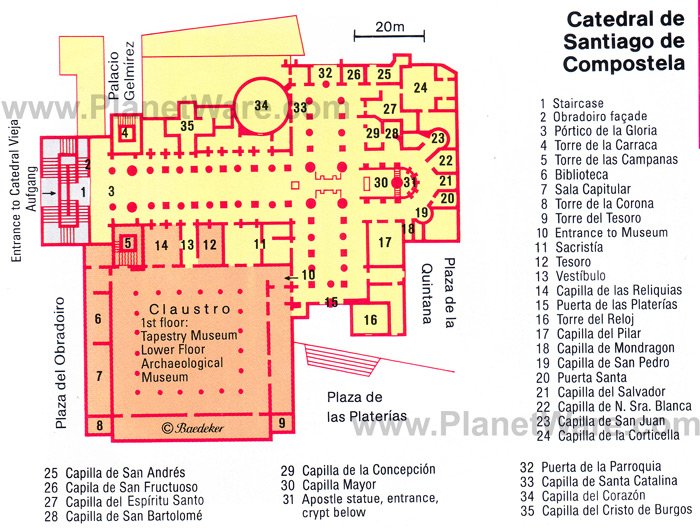
The sight of this magnificent cathedral rewarded medieval pilgrims after lengthy and arduous journeys, and still delights modern-day visitors. A masterpiece of Romanesque and Baroque architecture, the Catedral de Santiago is considered Spain's most sacred Christian church.
Welcoming pilgrims and tourists alike is a splendid entrance called the Portico de la Gloria. Created by Master Mateo in 1188, this doorway is a profusion of sculpture featuring 200 figures from the Apocalypse story and the figure of Saint James the Apostle.
The Obradoiro Facade (facing the square) was created by Fernando de Casas y Novoa. This lavish facade is considered to be the finest example of Spanish Baroque style.
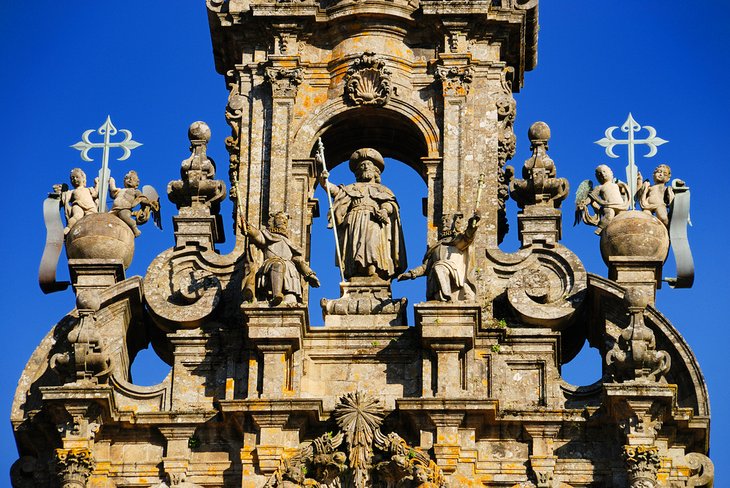
The Catedral de Santiago makes a grand first impression, setting the stage for an inspiring spiritual experience. Upon entering the sanctuary, you are awed by the grandiose and serene space of three naves with an astounding surface area of about 8,300 square meters.
Directly beneath the opulent Baroque main altar is the main draw for all pilgrims to Santiago, the Crypt of Saint James the Apostle, patron saint of Spain. The crypt contains the Tomb of Saint James, the object of veneration for pilgrims.
The Capilla de las Reliquias, the first chapel in the south aisle, contains tombs of kings and queens of the 12th to 15th centuries. Beyond the south transept to the right of the Puerta de las Platerías is a gorgeous Renaissance (16th-century) Plateresque cloister, one of the largest in Spain.
Located within the cloister, the Cathedral of Santiago Museum illustrates the history of the cathedral and presents an assortment of artworks. Highlights are the tapestries by Rubens and Goya. The museum also contains the Cathedral Treasury.
The Fiestas del Apóstol Santiago are held every year during the last two weeks of July. Festivities include music concerts, folkloric dance performances, traditional parades, street entertainment, light shows, and fireworks. On July 25th, a High Mass celebration takes place at the Catedral de Santiago.
Address: Plaza Obradoiro, Santiago de Compostela
Hostal de los Reyes Católicos
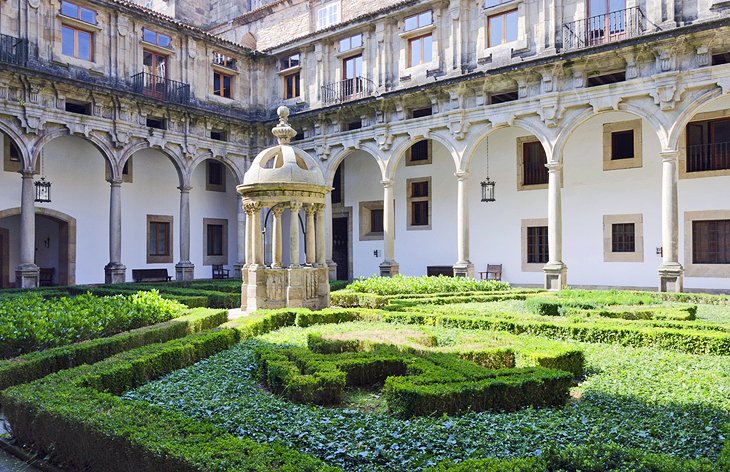
This former pilgrims' hostel is a splendid example of Gothic Plateresque architecture. Noteworthy elements include the decorative facade and four peaceful interior courtyards (cloisters).
In 1499, the Catholic Monarchs created a place of lodging for weary pilgrims. It's easy to imagine the joy travelers must have felt when they reached this beautiful destination.
The Hostal de los Reyes Católicos is Spain's oldest hotel. Continuing the tradition of hospitality, the historic building has been renovated and now houses the five-star Parador de Santiago de Compostela.
At this luxurious accommodation, you will enjoy plush modern guest rooms, top-notch services (room service, butler service, concierge, valet parking), and authentic Galician cuisine. The hotel offers two dining options: a fine-dining restaurant and a casual restaurant.
The Hostal de los Reyes Católicos also has an exquisite chapel, the Capilla de Enrique de Egas, which guests may use for silent prayer.
Address: 1 Plaza Obradoiro, Santiago de Compostela
Plaza del Obradoiro
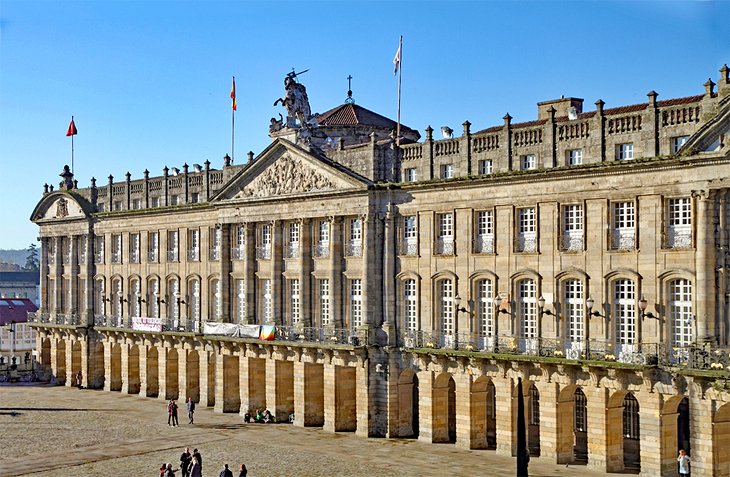
The Cathedral of Santiago de Compostela forms the east side of the Plaza del Obradoiro. This large pedestrian-only public square represents the heart of the Casco Antiguo (Old Town).
The plaza's name, which translates to "Workshop Square," originates from the time when the cathedral was being built. For years, numerous stone masons worked here, constructing the edifice we see today.
This grand square is boxed in by three other historic landmarks, including the Hostal de los Reyes Católicos to the north; Palacio de Raxoi (City Hall) to the west; and the 17th-century Colegio de San Jerónimo, which is now a part of Santiago University, to the south.
Next door to the cathedral, the Monasterio de San Martiño Pinario is another landmark building with a rich history. The monastery has a church and museum that are open to the public. Guided tours are available.
Camino de Santiago and Museo das Peregrinacións
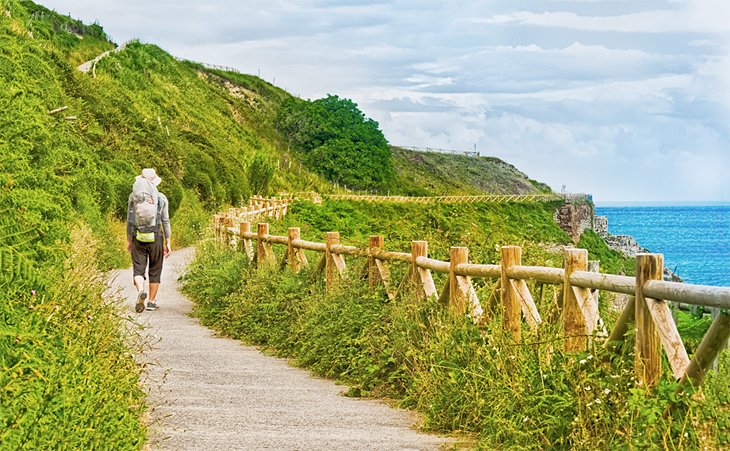
The Camino de Santiago is the name for the pilgrimage trail to Santiago de Compostela. This medieval pilgrimage began in the 9th century with various routes originating all over Europe. Pilgrims set out on this walk with the goal of venerating the Tomb of Saint James.
During the High Middle Ages, a pilgrimage culture flourished. Splendid Romanesque churches were built at key stopping points along the way.
The pilgrims' symbol is the scallop shell, and historic sites related to the Camino de Santiago are indicated with a shell icon. Modern-day pilgrims tie the scallop shells to their backpacks.
The Museo de las Peregrinaciones y de Santiago (Pilgrimage Museum) presents the fascinating history of the pilgrims of Saint James. The museum explains the importance of the Saint James' relics to the pilgrims, and illustrates the cult of Saint James through ancient artifacts and religious objects.
Historical exhibits explain the origin of Jacobean worship, beginning with the archaeological transfer of the Saint's apostolic body (relics) from Jaffa in the Holy Land to Libredón, the name of the hilltop site that is now part of Santiago de Compostela.
At the museum, you will learn about the influence of pilgrimages on the development of Santiago de Compostela's artistic crafts guilds. The museum has two sites: One is located on Calle de San Miguel and another at Plaza de Las Platerías, the square facing the cathedral.
Address: 4 Calle de San Miguel & Plaza de Las Platerías, Santiago de Compostela
Explore Casco Antiguo (Old Town)
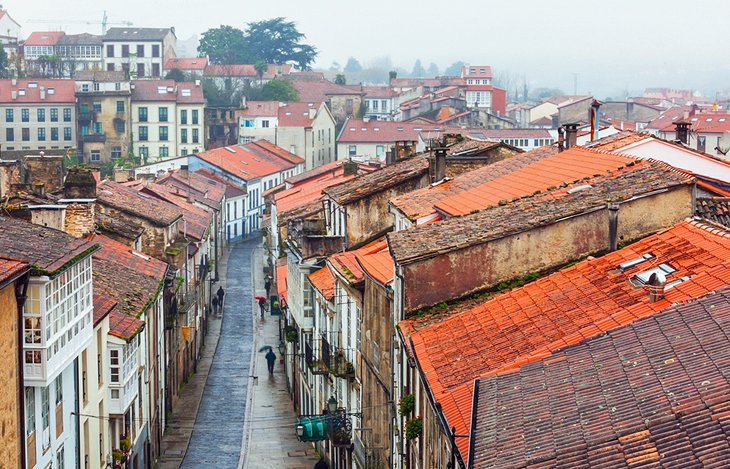
UNESCO has designated the entire Casco Antiguo (Old Town) of Santiago de Compostela as a World Heritage Site. Packed with centuries-old landmarks, the area brims with historic charm.
The Casco Antiguo extends south of the cathedral and the Plaza de Las Platerías, the square that faces the cathedral's Romanesque facade. This fountain-adorned square is enclosed by ornate Baroque monuments.
At the heart of the Casco Antiguo are two parallel streets, the Rúa Nueva and the Rúa del Villar with the 18th-century Casa del Deán at its near end. These two arcaded streets are filled with cafés, restaurants, and boutiques. You will enjoy strolling around these lively pedestrian-only streets.
Much of the Casco Antiguo is closed to automobile traffic, adding to the quaint old-world ambience.
Parque de La Alameda
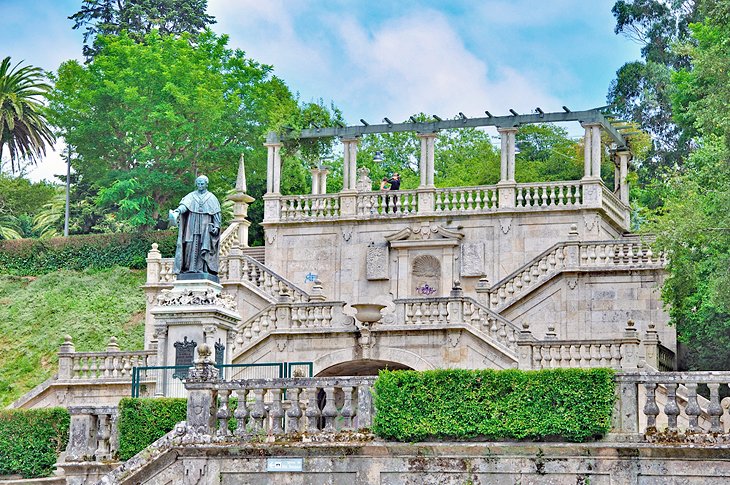
Locals and tourists alike adore this elegant landscaped park. Located adjacent to the Old Town, the park offers wonderful views of the cathedral's west facade.
The lush eight-hectare park includes three separate gardens and noteworthy monuments such as the Iglesia de El Pilar (built in 1717) and the famous Porta dos Leóns (Door of the Lions) dating to 1835. Mediterranean vegetation flourishes here, along with subtropical species and exotic flowers.
For two centuries, La Alameda has been residents' favorite place to take a stroll, a fact memorialized by the As Marías monument, a sculpture of two sisters (well-known local residents) who once took their afternoon walk here each day at 2pm, usually wearing colorful dresses.
A highlight of La Alameda is the Jardínes de Méndez Núñez, a delightful wooded area with a rose garden and an assortment of statues honoring illustrious historical figures of the Galicia region. The Jardínes de Méndez Núñez hosts gastronomy fairs, dance performances, music concerts, and other events throughout the year.
Centro Galego de Arte Contemporánea
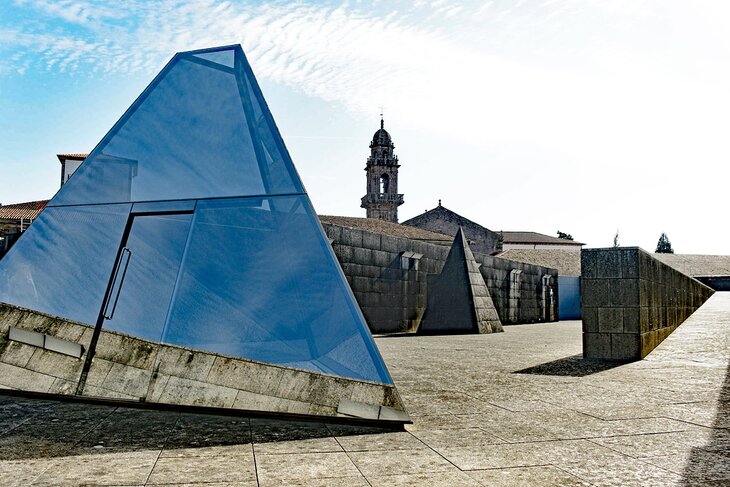
Visit the Galician Center of Contemporary Art to discover the region's modern-day culture. The center is dedicated to contemporary Galician art.
The collection is displayed in the sleek exhibition halls of a building designed in the late '80s and early '90s by Portuguese architect Álvaro Siza. From the building's rooftop terrace, you can admire views of the historic quarter.
In addition to the permanent collection, the center also hosts temporary exhibits related to trends in art.
The museum is open Tuesday through Sunday, from 11am until 8pm, and is closed on Mondays. Admission is free of charge.
Address: 2 Rúa de Ramón del Valle Inclán, Santiago de Compostela
Casa do Cabildo
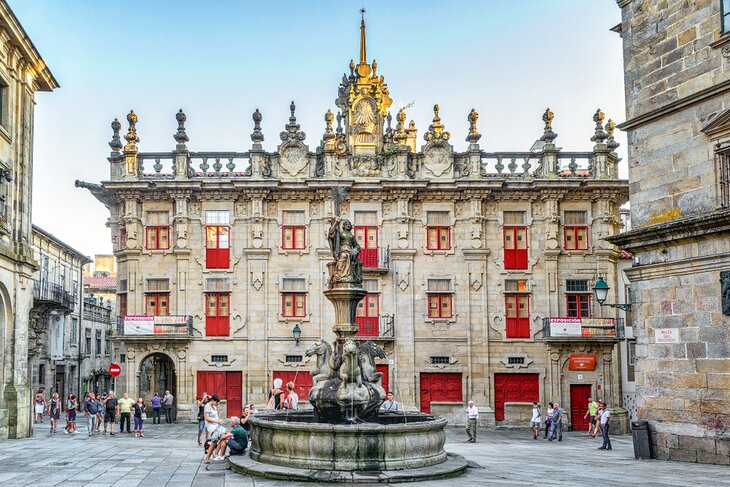
The Casa do Cabildo is considered one of the finest examples of Baroque architecture in the Galicia region. This opulent aristocratic house was built in 1758 and is renowned for its exquisite facade.
Spanish author Valle-Inclán found inspiration at the Casa del Cabildo, which he describes in his story Mi Hermana Antonia.
The building was renovated in 2011 and converted to an exhibition space. The Casa del Cabildo is open to the public when art exhibitions are hosted here.
Address: 2 Plaza de Platerías, Santiago de Compostela
Museo do Pobo Galego
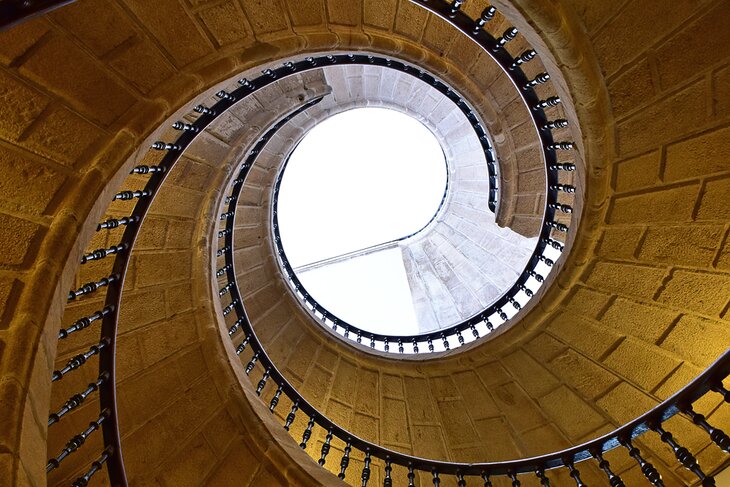
The Museum of Galician People is housed in the former Convent of Santo Domingo de Bonaval. The permanent collection illustrates the cultural heritage of the Galicia region.
Exhibits include archaeological findings and historical objects. The folk culture of the region is well-represented with traditional costumes, crafts, paintings, and sculptures.
The museum is open Tuesday through Saturday from 11am until 6pm, and on Sundays (and holidays) from 11am until 2pm. The museum is closed on Mondays and on December 25th and January 1st.
Address: Calle San Domingos de Bonaval, Santiago de Compostela
Cidade da Cultura de Galicia
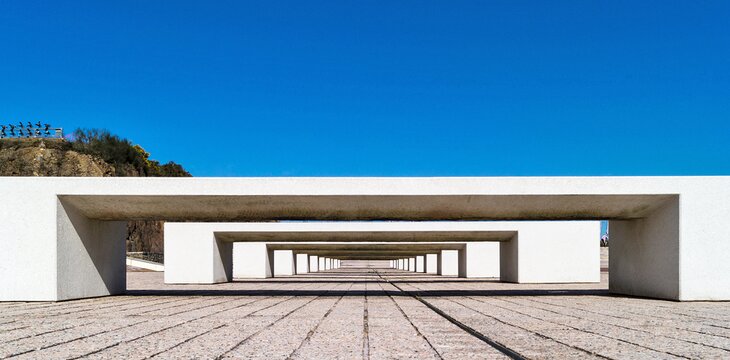
The Cidade da Cultura de Galicia stands in stunning contrast to the historic architecture of Santiago de Compostela. This ultra-modern building complex definitely has 21st-century flair.
Within the Cidade da Cultura complex are several places to visit, including a museum, library, research centers, gardens, theater, outdoor performance space, and a cafeteria/restaurant.
The Museo Centro Gaiás is an art museum that hosts temporary exhibitions, many of which are installations too large to be displayed in most venues. The museum is open daily, free of charge, and has a café with an outdoor terrace.
Guided tours are available. You may choose from a guided visit to the Museo Centro Gaiás, which offers commentary about the current exhibition on display, or a guided visit of the Cidade da Cultura to learn about the various landmarks and outdoor spaces in the complex.
The Cidade da Cultura is a short bus ride from the historic town center of Santiago de Compostela.
Address: Monte Gaiás, Santiago de Compostela
Colegiata de Santa María la Real de Sar
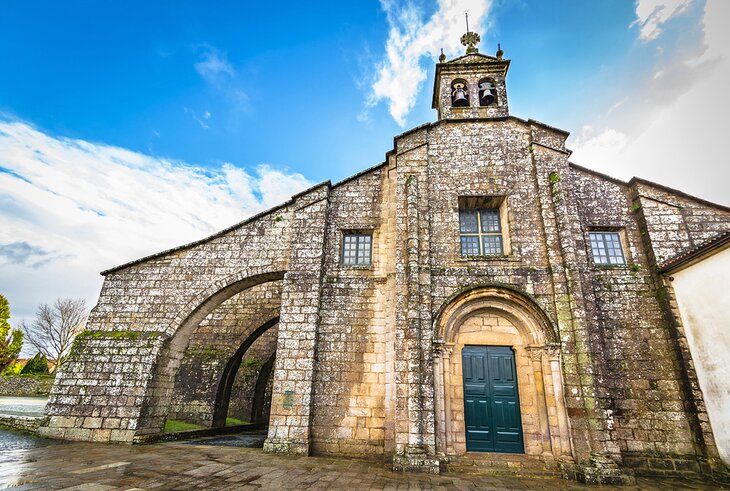
Outside of the city center, the Colegiata de Santa María la Real de Sar is a remarkable Romanesque church that has retained much of the original 12th-century architecture.
Typical of a Romanesque church, the floor plan has three naves separated by pillars with ornately carved capitals. The spaciousness and luminous quality of the sanctuary give it a soul-inspiring ambience.
Be sure to visit the cloister, a marvelous example of Romanesque architecture. The arcaded colonnades feature intricately sculpted decorative details, and offer views of a peaceful garden.
The church has a museum, the Museo da Colexiata do Sar, which displays an archaeological collection along with 18th-century religious objects.
The church is open for visits Monday through Saturday (with an admission fee). Hours are 10am until 2pm.
Address: Plaza de la Colegiata de Sar, Santiago de Compostela
Day Trip to the Seaside Town of Vigo
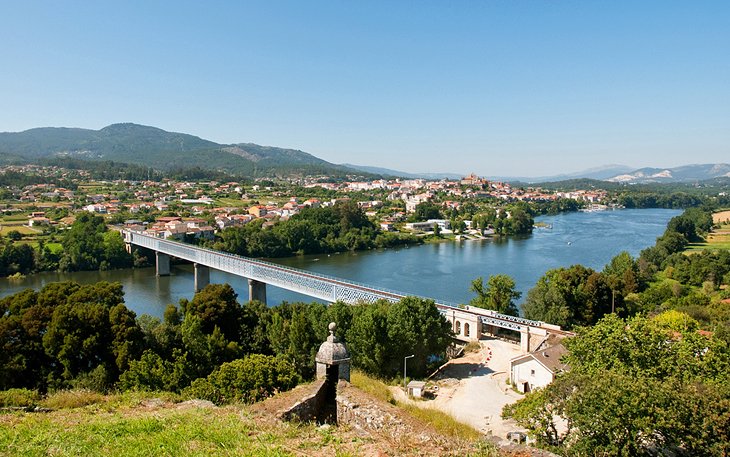
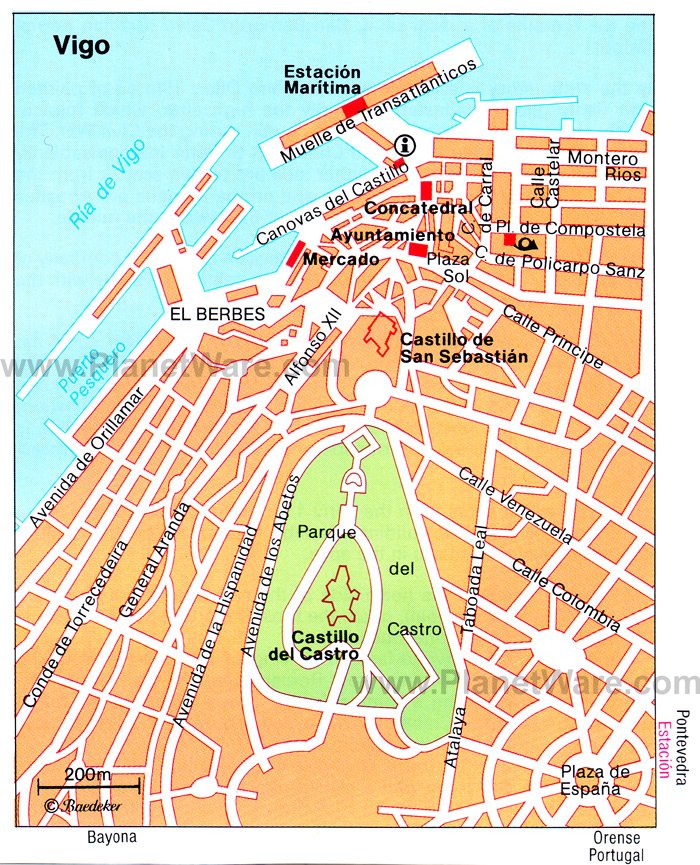
Along the Atlantic Ocean shores and the estuary of the Rías Baixas, the seaside town of Vigo is 87 kilometers from Santiago de Compostela. The town's historic quarter has the ambience of a fishing village. As you would expect, Vigo is renowned for its Galician cuisine based on fresh local fish.
The town has an interesting 20th-century church, the shrine of Nosa Señora da Guía, inspired by the Baroque architecture of Santiago de Compostela.
Housed in a 17th-century palace, the Museo da Cidade Quiñones de León (Municipal Museum of Vigo) has a collection of archaeological findings and paintings by Galician artists. The palace is surrounded by a park with fountains, ponds, and gorgeous French formal gardens.
Another interesting cultural attraction is the Museo do Mar de Galicia (Museum of the Sea). At this fascinating museum, you will learn about the history of fishing and the traditional seafaring way of life of the Galicia region.
More Related Articles on PlanetWare.com
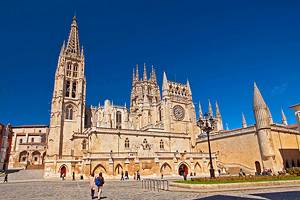
Pilgrimage Churches: As pilgrims made the long journey along the Camino de Santiago, they would visit churches in other Spanish cities on the route. Pamplona, although more famous for its annual Running of the Bulls, is home to a Romanesque church that was on the Way of Saint James. The medieval town of Burgos also welcomed many pilgrims traveling to Santiago de Compostela.
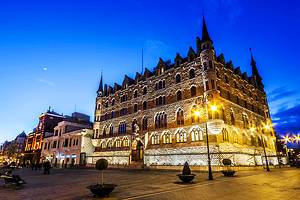
Exploring Northern Spain: Santiago de Compostela is a good base for exploring the attractions of northern Spain, such as the pre-Romanesque churches of Oviedo and the historic city of León. Another important stop along the Way of Saint James pilgrimage trail, León boasts an amazing Romanesque church and a remarkable Gothic cathedral.