20 Top-Rated Attractions & Places to Visit in Champagne
Escape to a dreamy countryside of vine-covered rolling hills, idyllic valleys, and pristine woodlands. Steeped in history, the landscape is graced with ancient towns, castles, and serene abbeys. The impressive cultural heritage comes, in part, from the legacy of the Counts of Champagne and the region's prosperous trade during the Middle Ages.
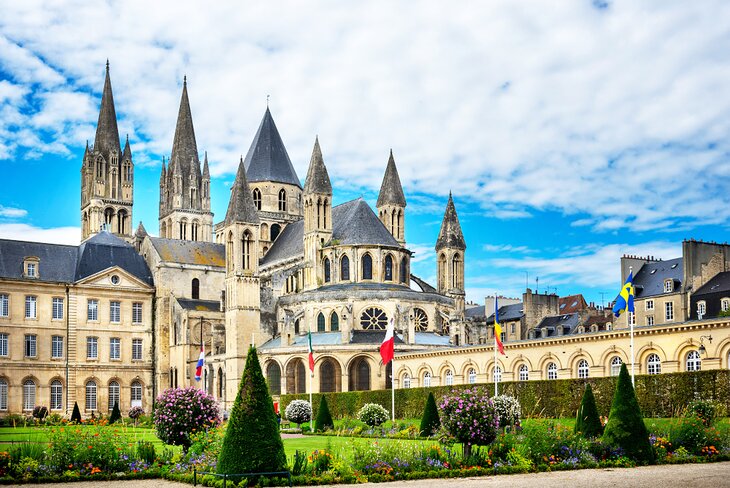
Champagne boasts six cities listed as Villes d'Art et Histoire (Cities of Art and History), as well as five UNESCO World Heritage Sites. The Champagne region also has links to the famous French leaders Napoléon Bonaparte and Charles de Gaulle.
Plan your vacation in this picturesque region of France. Learn about the best places to visit and things to do with our list of the top attractions in Champagne.
- 1. Reims
- 2. Troyes
- 3. Châlons-en-Champagne
- 4. Langres
- 5. Sedan
- 6. Mémorial Charles de Gaulle in Colombey-les-Deux-Eglises
- 7. Chaumont
- 8. Charleville-Mézières
- 9. Château de La Motte-Tilly
- 10. Abbaye d'Auberive
- 11. Château de Cirey
- 12. Hierges
- 13. Abbaye de Clairvaux
- 14. Musée Napoléon in Brienne-le-Château
- 15. Château du Grand Jardin
- 16. Château de Reynel
- 17. Beaulieu-en-Argonne
- 18. Château de Chacenay
- 19. Saint-Amand-sur-Fion
- 20. Château de Montaubois
- Map of Attractions & Places to Visit in Champagne
1. Reims
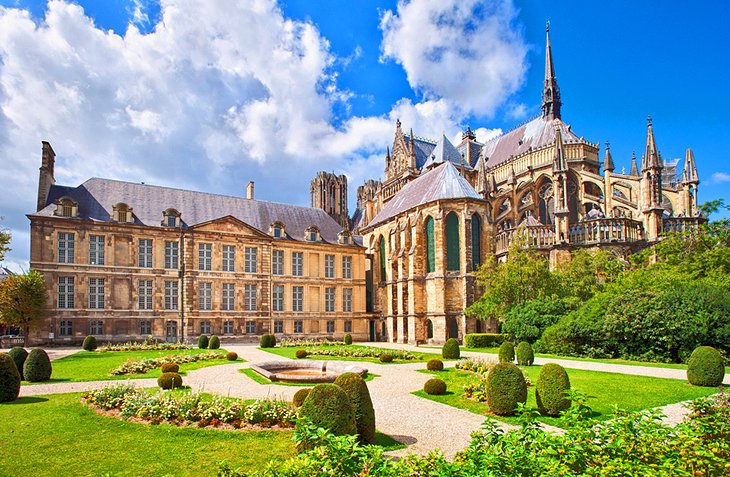
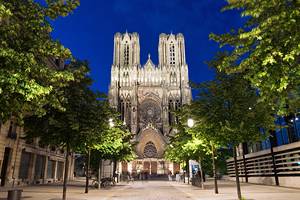
For 600 years, France's kings were crowned in Reims at its magnificent 13th-century cathedral. The first coronation ceremony was for Louis VIII in 1223. The most celebrated event was the coronation of Charles VII who was escorted here by Joan of Arc on July 17, 1429. The last king of France to be crowned at the Reims cathedral was Charles X in 1825.
Listed as a UNESCO World Heritage Site, the Cathédrale Notre-Dame de Reims is a masterpiece of High Gothic architecture. The immensely proportioned interior has a harmonious unity of form and an atmosphere of solemnity. Most of the original stained-glass windows have been lost, however there are six stained-glass windows by Marc Chagall.
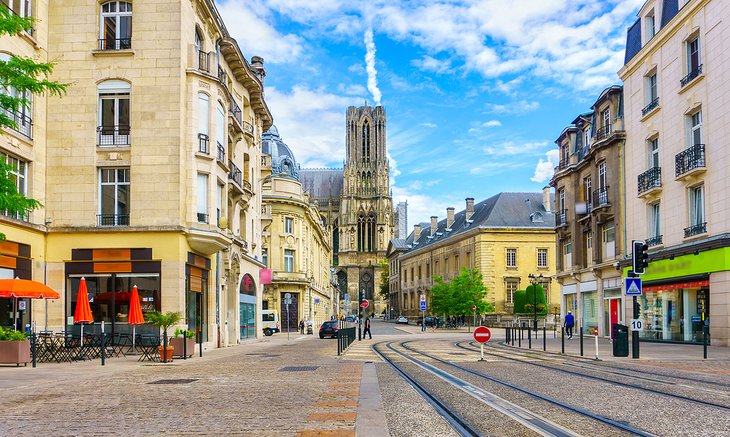
Reims has been awarded the title of Ville d'Art et d'Histoire, because of its remarkable cathedral and other cultural sites. The UNESCO-listed Palais du Tau (closed for renovations through 2025) is an elegant 17th-century Neoclassical palace that was formerly the residence of archbishops. The palace now houses a museum of the cathedral's treasury items.
In the UNESCO-listed former Abbey of Saint-Remi, the Musée Saint-Remi displays an exceptional collection of archaeology, art, and military history. The city's most prestigious art collection is housed at the Musée des Beaux-Arts (closed for renovations through 2025). Exhibits cover five centuries of European art, from the Renaissance era through the Art Deco period.
Evidence of the town's ancient heritage is the Porte de Mars, a 3rd-century Roman triumphal arch found at the Place de la République.
Reims is one of the top day trips from Paris, an easy 45-minute trip by high-speed train.
Read More: Best Cities in France
2. Troyes
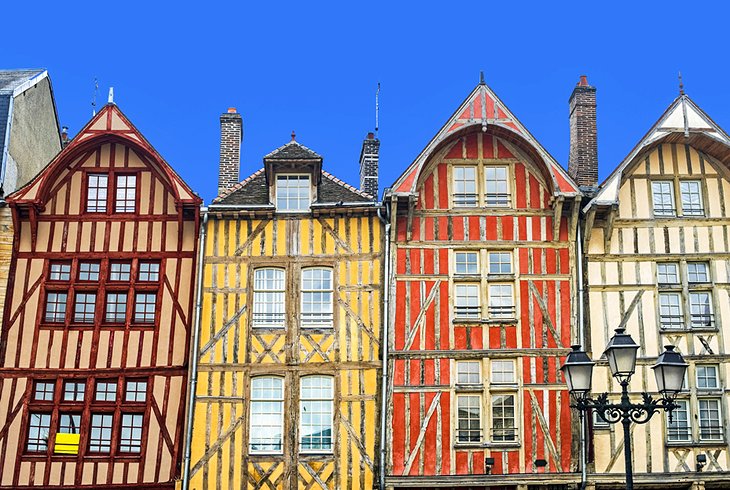
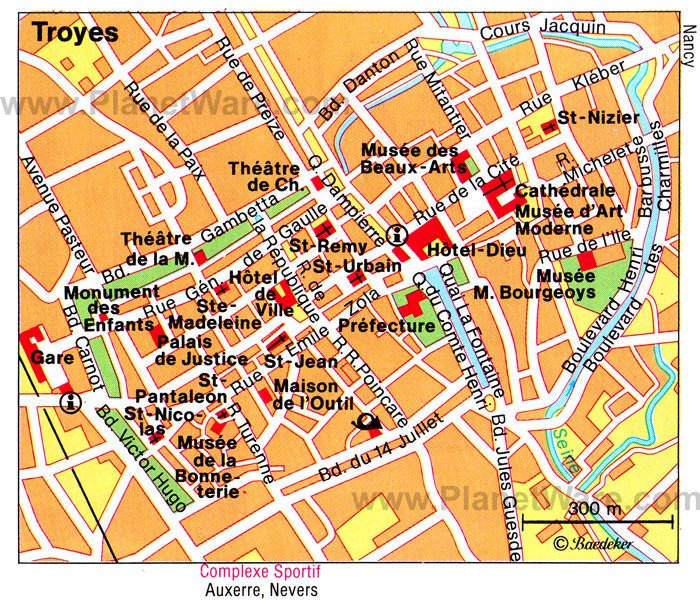
The historic capital of the Champagne region, Troyes has a charming Old Town (Vieux Troyes), which reveals its rich heritage. Perfectly preserved half-timbered houses (from the medieval and Renaissance periods) are found throughout the town. Wonderful examples of half-timbered houses are on the Rue Klébert, the Rue Emile Zola, and the Ruelle des Chats.
Listed as a Ville d'Art et d'Histoire, Troyes has many outstanding monuments, such as the Cathédrale Saint-Pierre-et-Saint-Paul, founded in 1208. This extravagant Gothic cathedral is adorned with an exquisite rose window and a richly decorated "Beau Portail" doorway.
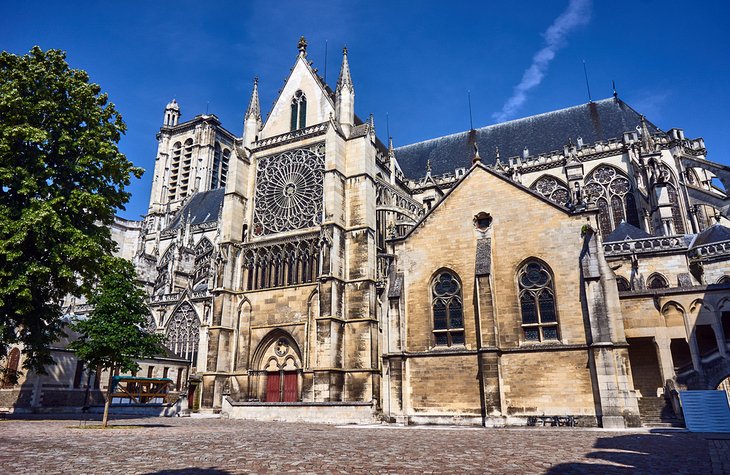
After visiting the cathedral, you can explore two nearby museums. The Musée Saint-Loup (museum of archeology and fine arts) displays masterpieces of European painting from the 14th to 19th centuries
Recently renovated, the Musée d'Art Moderne has an excellent collection of modern art from 1850 to 1960 including works by Bonnard, Degas, Matisse, Modigliani, Picasso, Seurat, and Vuillard.
Other must-see places to visit include the 12th- to 13th-century Eglise Sainte-Madeleine, which is renowned for its precious rood screen, and the Eglise Saint-Urbain, which has a dazzling Gothic interior illuminated by colorful stained-glass windows.
3. Châlons-en-Champagne
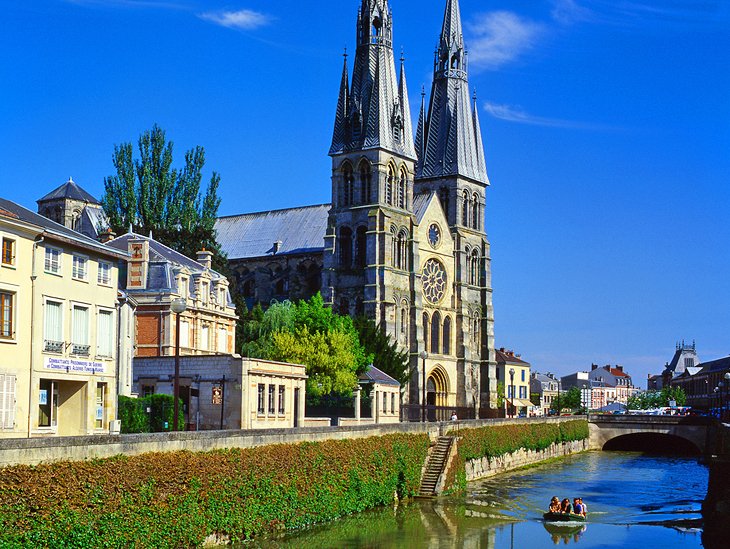
Full of old-world character, Châlons-en-Champagne is a delightful mix of historic churches, half-timbered houses, and lush gardens. This Ville d'Art et d'Histoire boasts remarkable monuments.
The 12th- to 13th-century Eglise Collégiale Notre-Dame-en-Vaux is classified as a UNESCO World Heritage Site with the largest set of bells in Europe and stunning 16th-century stained-glass windows. The church was a stop on the Chemin de Saint-Jacques (medieval pilgrimage route) to Santiago de Compostela in Spain.
Also not-to-be-missed, the 13th-century Cathédrale Saint-Etienne has an awe-inspiring Gothic interior, which offers a sense of grandeur and harmony. Châlons-en-Champagne's oldest church is the Eglise Saint-Jean, which dates to the 11th century.
The museums of Châlons-en-Champagne also give a sense of the city's rich cultural heritage. Start with the must-see Musée du Cloître de Notre-Dame-en-Vaux, which displays a collection of Romanesque sculptures, columns, and capitals that once decorated the 12th-century cloister (destroyed in the 17th century) of the Eglise Collégiale Notre-Dame-en-Vaux.
Continue your art tour at the Musée des Beaux-Arts et d'Archéologie de Châlons-en-Champagne. This museum has a fabulous collection of European paintings from the 15th to 19th centuries, medieval and Renaissance sculptures, and artifacts from the First World War.
Conclude your cultural visit in Châlons-en-Champagne at the Musée Garinet. The museum occupies a beautifully furnished 16th-century house. Exhibits display decorative arts objects; French, Italian, and Northern European paintings; and architectural models of French monuments. The house once belonged to a wealthy art collector.
A worthwhile detour (eight kilometers away) is the UNESCO-listed Basilique de Notre-Dame de l'Epine, a marvel of Gothic architecture with an amazing variety of gargoyles on the exterior.
4. Langres
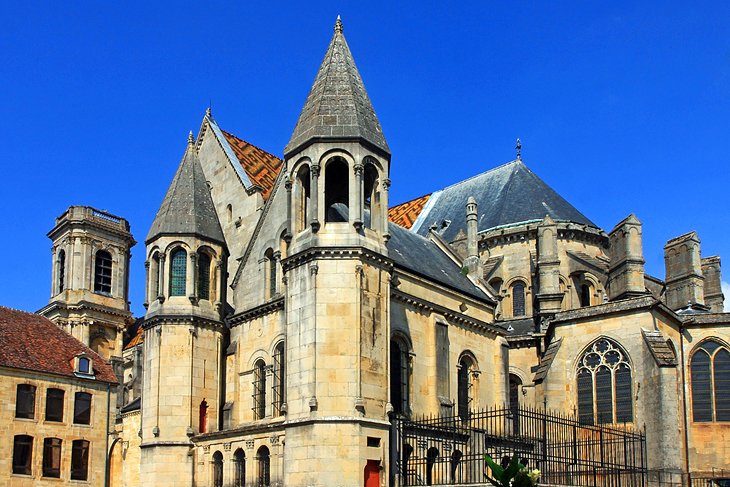
This walled medieval town stands on the edge of a plateau overlooking a verdant landscape. Langres' well-preserved fortifications extend for more than three kilometers, with soaring towers that create a formidable impression from afar.
You can walk along the ramparts to admire views of the Marne Valley and the foothills of the Vosges Mountains.
Langres is another Ville d'Art et d'Histoire. The city's history dates back to antiquity, and the Gallo-Roman gate within the old walls is a testimony to this heritage. The town also features historic churches, elegant Renaissance houses, winding medieval lanes, and atmospheric passageways (covered porches).
Learn about the town's history at the Musée d'Art et d'Histoire, one of the best museums of its kind in the region. Housed in a contemporary building, the museum displays an exceptional collection of fine arts and archaeological objects. Highlights of the painting department include masterpieces by Charles Le Brun, Eugène Delacroix, Gustave Courbet, and Raoul Dufy.
The Cathédrale Saint-Mamme, dating to the 12th century, was rebuilt in 1760 but has retained some of the original Romanesque elements within its Gothic sanctuary. The Neoclassical facade features monumental twin towers and columns in the Corinthian, Doric, and Ionic style.
Langres also appeals to nature lovers, with its beautiful countryside of woodlands and lakes. There are many things to do in the area, such as fishing, boating, and hiking.
5. Sedan
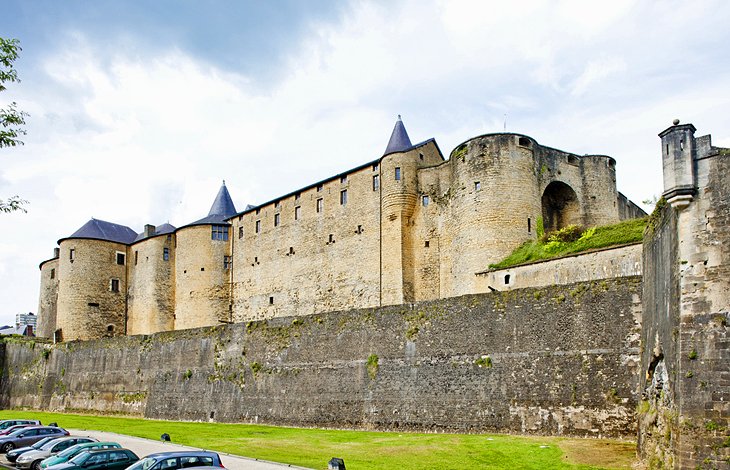
Step back in time to the Middle Ages at the Château Fort de Sedan. This 15th-century château is the largest fortified castle in Europe. You'll find all the features of a medieval fortress: bastions, ramparts, and towers that defended against invasions.
The Château Fort de Sedan is well-designed as a tourist attraction. The château is open from April through September every day, in addition to holiday periods throughout the year. The site has a museum, café, restaurant, and hotel. There's also a boutique that sells locally made food products and souvenirs of the region such as stationery, books, jewelry, and games.
For a memorable experience, enjoy a gourmet meal at the château's restaurant, the Café la Marck, and spend the night at the Hotel Le Château Fort. This hotel is located within the château and offers splendid views of the city of Sedan.
Cultural events offer another reason to visit. In May, the Château Fort de Sedan hosts a Medieval Festival. Other memorable things to do include watching the equestrian arts during the summertime Chivalry Tournament and following a costumed guide on a nighttime "Torchlight Tour." During December, the château delights visitors with its Christmas festivities and concerts.
Thanks to its many cultural attractions, Sedan has been classified as a Ville d'Art et d'Histoire. Besides the château, there are other monuments to admire such as the 17th-century Palais des Princes, a more comfortable residence for the Princes of Sedan than the medieval castle. The Palais des Princes is not open to the public, but you may admire the Neoclassical facade.
The town also has two interesting religious buildings: the Eglise Saint-Charles, originally a Protestant church and converted to a Catholic church in 1685 when the Edict of Nantes was revoked, and the Synagogue de Sedan, built from local stone with a delicate rose window.
6. Mémorial Charles de Gaulle in Colombey-les-Deux-Eglises
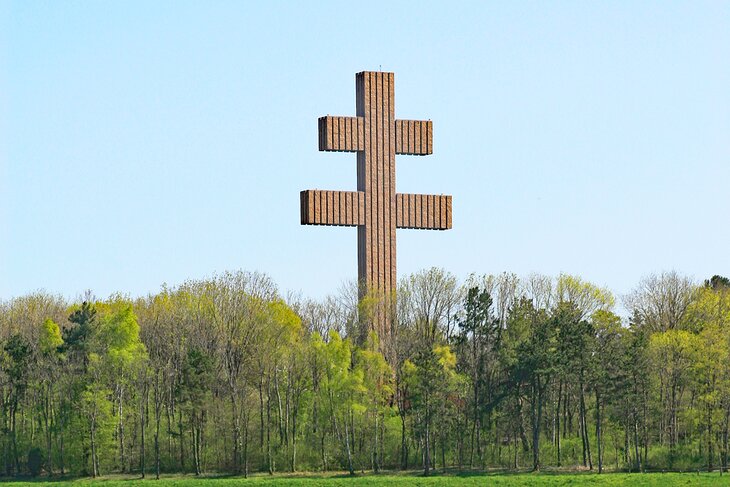
The Charles de Gaulle Memorial pays homage to the revered French statesman and national hero.
You will be inspired by the life story of Charles de Gaulle, presented through exhibits of historical events. The permanent collection focuses on key events, such as the Second World War and the establishment of France's 5th Republic.
At the site, the 44-meter-high Croix de Lorraine memorializes Charles de Gaulle. This massive cross was built out of pink granite stone from Brittany.
The memorial is in Colombey-les-Deux-Eglises, the village where Charles de Gaulle lived with his family. The gravesite of Charles de Gaulle is found in the cemetery of the Eglise Notre-Dame (parish church) in Colombey-les-Deux-Eglises.
The Charles de Gaulle Memorial is open from February 1st through December 30th. During the high season (April through September), the memorial is open daily. During the low season, the site is open daily except Tuesdays. Holiday closures include December 24th, 25th and 31st.
The site has a café that serves sandwiches, pastries, and snacks and a bookstore that sells a wide selection of biographies and other books about Charles de Gaulle.
Address: 52330 Colombey-les-Deux-Eglises
7. Chaumont
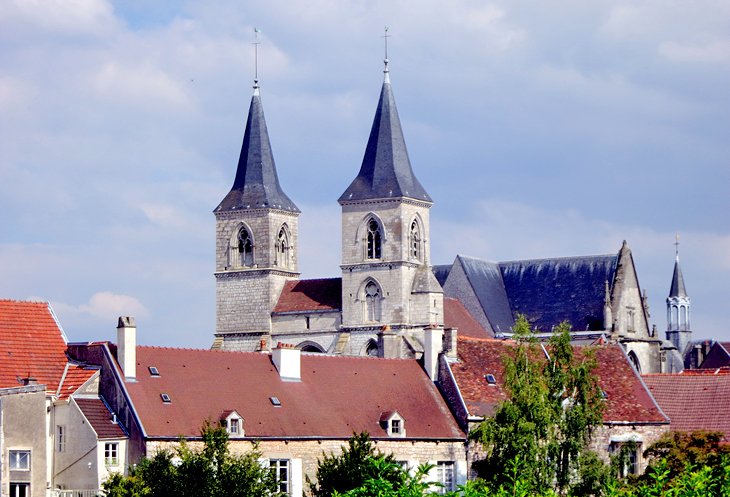
Amazing views and fascinating historic monuments await you in Chaumont. This historic town stands majestically on a rocky outcrop, overlooking a valley and miles of forest.
Chaumont was the former residence of the Counts of Champagne; the lower rooms of the Château des Comtes de Champagne now house the Musee d'Art et d'Histoire de Chaumont, with a collection of archeology, history, and fine arts.
Further evidence of Chaumont's prestigious past are the 13th-century Basilique Saint-Jean-Baptiste; the Chapelle des Jésuites, built in 1617; and the Renaissance houses with towers (30 in total) that punctuate the cityscape of Vieux Chaumont (Old Chaumont).
During Christmastime, the town has a tradition of decorating with nativity scenes. You can admire these charming representations of the Holy Family at the Musée de la Crèche (Museum of the Nativity), which displays a collection of 18th-century Neapolitan nativity scenes. Each unique work of art depicts the Baby Jesus and the Three Kings along with many tiny figures.
8. Charleville-Mézières
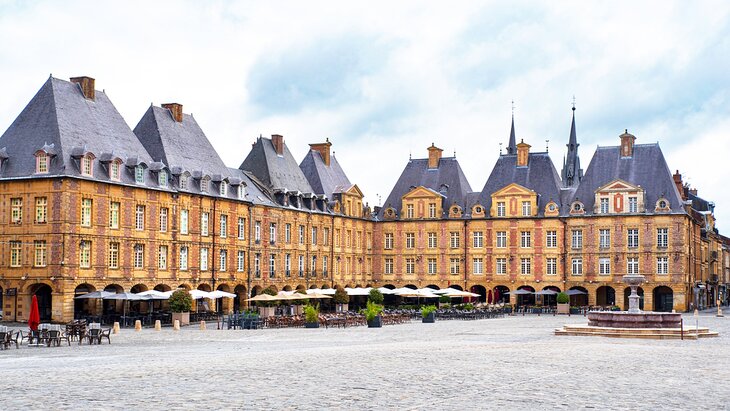
Charleville-Mézières is a dual town that straddles the Meuse River. Charleville was founded in the 17th century, with the Place Ducale at the center of the town, while Mézières is more modern. Because of the its rich cultural heritage, Charleville-Mézières is listed as a Ville d'Art et d'Histoire.
The archaeological and historical collection at the Musée de l'Ardenne (at the Place Ducale) tells the story of the town and the region, from the Roman era through the Merovingian period until the modern era. The museum has a noteworthy collection of 19th-century landscape paintings by local artists.
If you're interested in United States history, be sure to check out the exhibit of 18th-century pistols at the Musée de l'Ardenne. The Magasin Royal (Royal Arms Factory) was founded in Charleville in 1675. During the American Revolutionary War (from 1775 to 1783), this factory produced 100,000 pistols destined for use by American Revolutionary soldiers.
The poet Arthur Rimbaud (1854-1891) was born in Charleville and is buried in the town's cemetery. The Musée Arthur Rimbaud (at Quai Arthur Rimbaud) is devoted to the life and work of the celebrated French poet.
Charleville-Mézières is famous for its puppet theater and has an Institut International de la Marionnette (International Institute of Puppet Theater) at the Place Winston Churchill) with a puppet collection. The institute also supports arts & cultural education and offers training & continuing education for professionals.
Every year for one week in September, Charleville-Mézières hosts the Festival Mondial des Théâtres de Marionnettes (Puppet Theater Festival). Traditional puppet shows animate the streets, parks, and theaters of the town. This event is the largest festival of puppet theater in the world and attracts around 170,000 enthusiasts every year.
9. Château de La Motte-Tilly
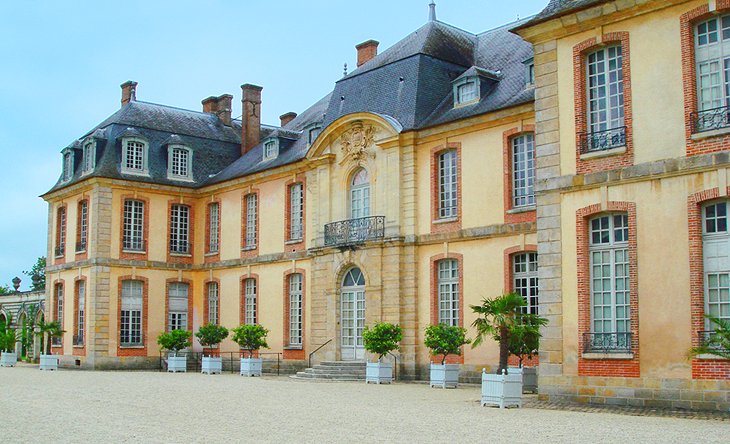
Experience the grandeur and elegance of a classic 18th-century French château. Designed as a summertime retreat, the Château de La Motte-Tilly is renowned for its sumptuous furnishings and lovely manicured gardens.
Classified as a Jardin Remarquable, the grounds have been restored to resemble their original design. Set in a 60-hectare park, the estate features a formal French garden with perfectly manicured hedges, a romantic English garden, and an orangery where exotic plants such as orange and pomegranate trees were grown in the 18th century.
The Château de La Motte-Tilly is a rare example in France of a completely furnished historic château. Listed as a Monument Historique, the château was donated to the Centre des Monuments Nationaux on the condition that it be kept as is. Because of its exquisite interior decor, the château was used as the film set for Dangerous Liaisons.
You may visit the Château de La Motte-Tilly by taking a guided tour. The château is open year-round every day except Mondays. Entrance to the château's park is free of charge. Picnics are allowed in the park.
Address: Domaine de La Motte-Tilly, 10400 La Motte-Tilly
10. Abbaye d'Auberive
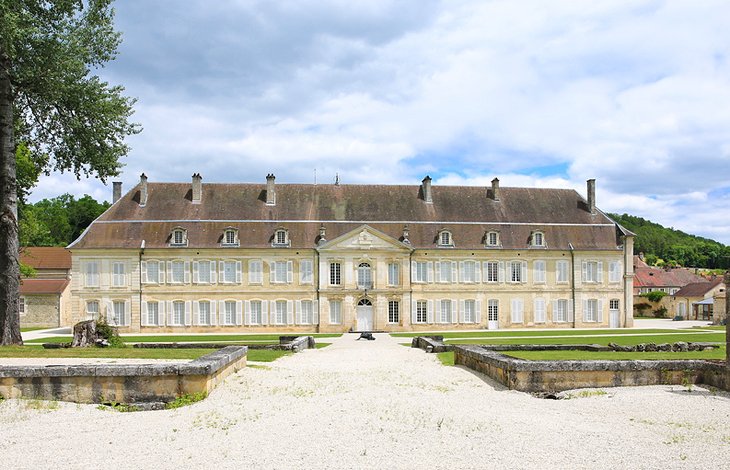
Founded in 1135 by twelve Cistercian monks, the Abbaye d'Auberive endured both the Hundred Years' War and the Thirty Years' War. The abbey was reconstructed in the 17th and 18th centuries and today feels completely undisturbed by the outside world.
The property includes a luxuriant 6.5-hectare park, filled with shady trees and fragrant roses. The most unique feature of the park is the Conservatoire de la Pomme (Apple Conservatory), three orchards of heirloom fruit trees. Many rare apple varieties are found here, such as the Caville Aromatique and the Belle Fille de Bourgogne.
Be sure to visit the abbey's Centre d'Art Contemporain, which has its own private collection and presents thematic exhibitions every summer (June through September). This center has one of the largest private contemporary art collections in France, with a focus on expressionist and figurative works.
The Arts et Culture à l'Abbaye d'Auberive association produces an interesting program of cultural events, including music, dance, and theater performances, which take place at the abbey during the summer.
The Abbaye d'Auberive is open to the public for self-guided visits from June through September (Tuesday through Sunday) and on Sunday afternoons in May and October. From November through April, the abbey is open Monday through Friday.
Address: Place de l'Abbaye, 52160 Auberive (Haute-Marne)
11. Château de Cirey
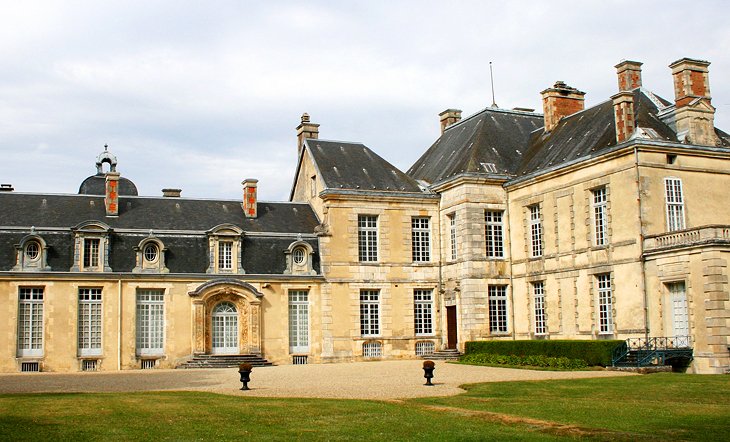
Famous French author and philosopher Voltaire found refuge here when fleeing a warrant for his arrest in 1734. The reason: publication of his work Lettres Philosophiques (Philosophical Letters), which ridiculed the institutions of France and promoted the idea of religious tolerance.
Voltaire spent 15 years (from 1734 to 1749) at this château in the Blaise Valley. His exile was luxurious, thanks to the hospitality of the Marquise du Châtelet, the proprietor of the Château de Cirey and one of the great female intellectuals of the time.
During his stay, Voltaire wrote several comedies and tragedies. The Château de Cirey has been awarded the Maison des Illustres label because one of France's most "illustrious" citizens lived here. The privately owned château is also a classified Monument Historique.
The château is open May through September for guided tours of the interior (1 hour and 15 minutes). During July and August, guided tours are offered daily; in May, June, and September, tours take place on Sundays and holidays. The tour takes you to see the library, dining room, salons, kitchen, and petit théâtre where Voltaire staged his dramatic productions.
From May through September, you may wander through the château's park (free of charge). The park is open daily in June, July, and August, and on Sundays and holidays in May and September. Nestled in a verdant corner of the Blaise Valley, the park features a French formal garden created by Voltaire and a romantic English garden with paths shaded by leafy plane trees.
Address: 33 Rue Emilie du Châtelet, 52110 Cirey-sur-Blaise
12. Hierges
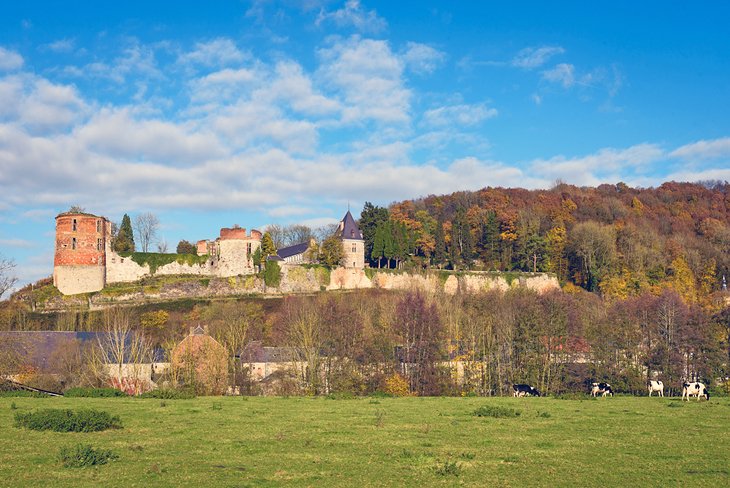
Hierges is one of the region's prettiest medieval villages. Many artists have fallen in love with the village's charm, found in its cobblestone streets and quiet pastoral surroundings. The village stands on a hilltop in a landscape of woodlands.
Remnants of ancient towers preside over the village, lending an air of old-world romance. The towers were part of the fortifications of the Château de Hierges, which is now in ruins except for one Renaissance wing. You may visit the gardens and admire the exterior of the château year-round. Guided tours (in French) are offered from June through September.
The castle tours depart from the village church, the 16th-century Eglise Saint-Jean-Baptiste which has noteworthy Renaissance-era stained-glass windows and paintings.
Read More: Top-Rated Alsace Villages & Medieval Towns
13. Abbaye de Clairvaux
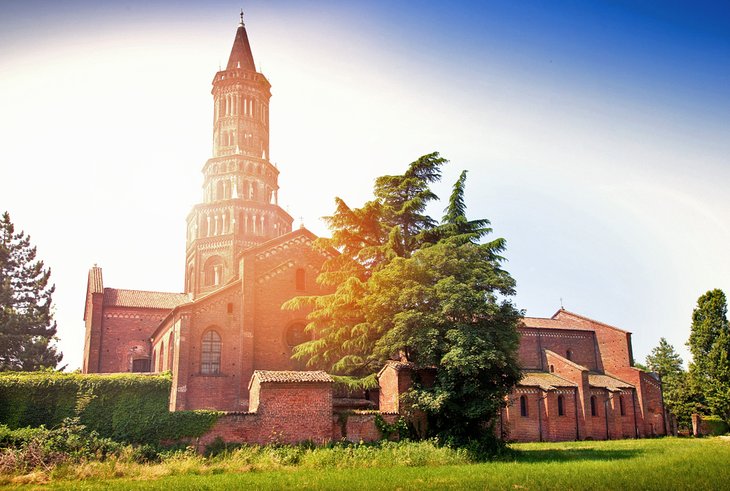
The Abbaye de Clairvaux offers a tranquil retreat in an area of peaceful valleys and dense forests. Built more than eight centuries ago, the former Cistercian abbey was operational until the French Revolution, when parts of it were confiscated.
The abbey has been renovated and is open to the public for guided tours (March through October). You will have a chance to see the abbey's chapel, cloister, refectory, the 16th-century Hostellerie des Dames, and areas of the abbey converted into a prison by Napoléon I after the Revolution.
Music concerts are occasionally held in the abbey's chapel. Three times a year (twice in early summer and once in autumn), the abbey hosts a market of artisanal products made by monastic communities.
It's worth taking a detour from Colombey-les-Deux-Eglises (16 kilometers away) or Brienne-le-Château (about 40 kilometers away) to visit the Abbaye de Clairvaux. The journey rewards you with the discovery of architectural splendor and a place of natural beauty.
14. Musée Napoléon in Brienne-le-Château
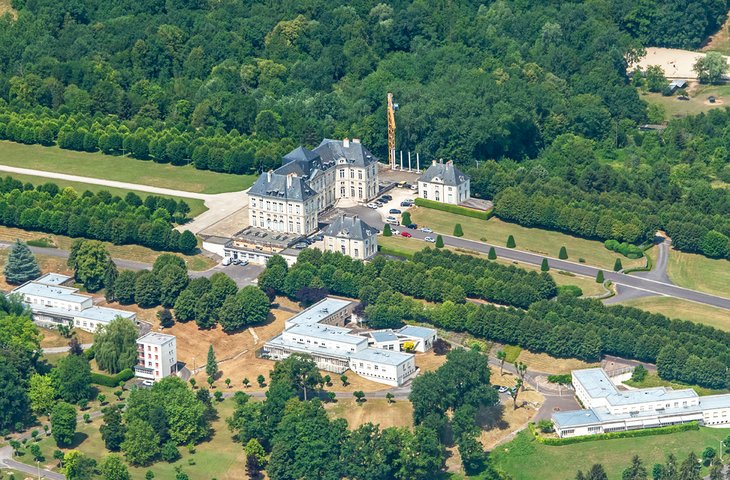
The town of Brienne-le-Château is most well-known for its association with Napoléon Bonaparte. The illustrious French general spent five years here when he attended the Ecole Militaire (military academy) from May 1779 to October 1784.
Housed in the former military school, the Musée Napoléon now displays memorabilia from Napoléon Bonaparte's school years, exhibits about the Code Civil (laws of citizens' rights) created by Napoleon, exhibits about Napoleon's military strategies, and a presentation of Napoleon's government and bank reforms.
The museum also documents the battles of the Circuit Napoléon 1814 (the French Campaign of 1814) with an extensive exhibition of maps and engravings.
From May through September, the museum is open 10am to 12:30pm and 1:30pm to 6pm, Tuesday through Sunday. From October through April, the museum is open 1:30pm to 5:30pm Wednesday through Sunday.
Address: Musée Napoléon, 34 Rue de l'Ecole Militaire, Brienne-le-Château
15. Château du Grand Jardin
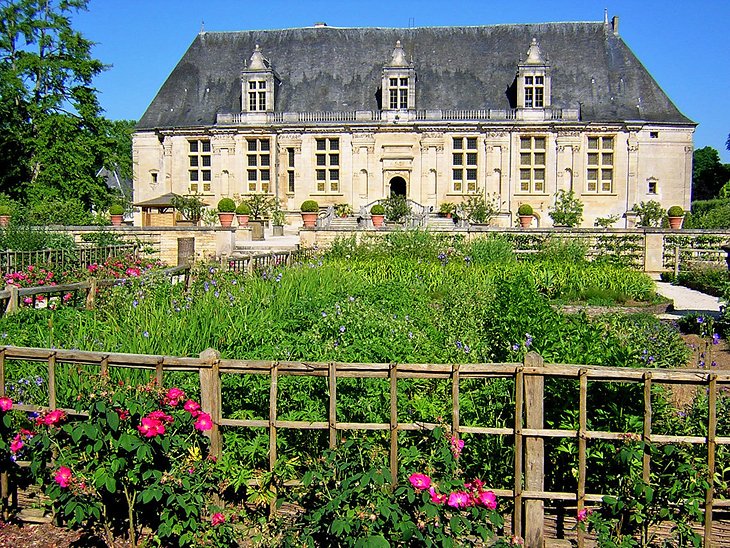
The 16th-century Château du Grand Jardin exemplifies classic French Renaissance architecture and is listed as a Monument Historique. The château is renowned for its beautifully manicured grounds, classified as a Jardin Remarquable. The grounds include a formal French garden and a more natural-looking English garden.
Elements of Renaissance landscaping define the formal gardens: geometrically trimmed shrubs, flowerbeds, topiaries, medicinal herbs, a labyrinth, and an orchard of fruit trees. The English garden features a stream, winding tree-lined walking paths, and forest groves.
The grounds of the Château du Grand Jardin are open year-round. The interior of the château is open from April through October.
Music concerts and other cultural events are held at the château throughout the year. During summertime, the château offers thematic tours of the gardens.
Address: 5 Avenue de la Marne, 52300 Joinville
16. Château de Reynel
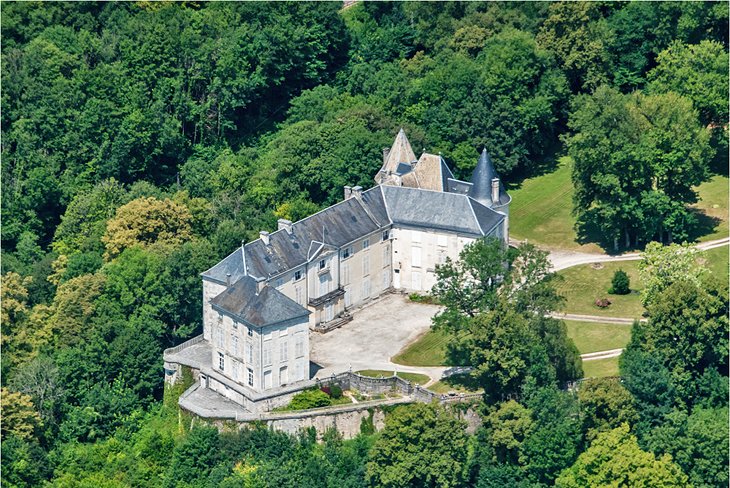
This quintessential medieval château is tucked away on a wooded hillside. The location provided an advantageous position during the Middle Ages in defending against the Germanic forces of the Holy Roman Empire.
Listed as a Monument Historique, the Château de Reynel was renovated in the 18th century. The interior displays a superb collection of paintings.
Today, the château is open to the public from June until the Journées du Patrimoine (the third weekend of September). During the period that the château is open, hours are 2pm until 6pm Wednesday through Monday; closed on Tuesdays.
The château's park is also a joy to explore. You may wander the meandering walking paths to discover expansive lawns, ponds, statues, and balustrades. Terraces in various corners of the park provide views of the valley below, with a few lakes visible in the distance.
Address: 1 Grande Rue, 52700 Reynel
17. Beaulieu-en-Argonne
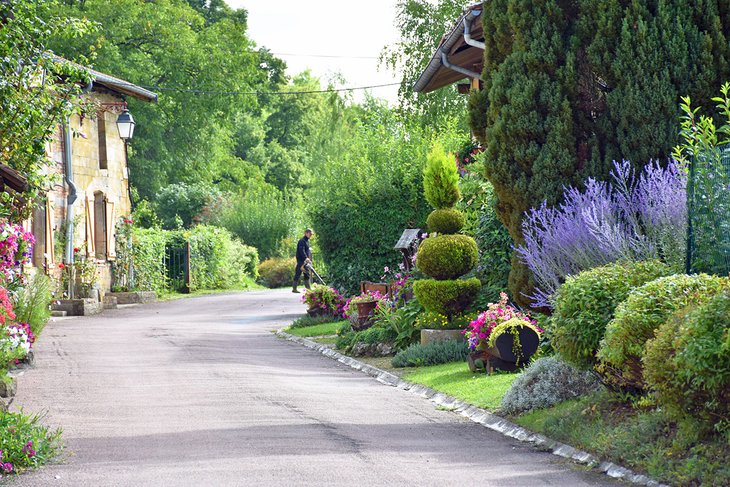
Beaulieu-en-Argonne sits on a plateau with breathtaking views of the surrounding landscape. The name of the village translates to "beautiful place," fitting of its bucolic setting in the heart of the Argonne Forest.
This picture-perfect village is listed as a four-star (the highest distinction) Village Fleuri (Flowering Village) because of the colorful potted flowers that decorate the town.
18. Château de Chacenay
Entered through a drawbridge, this medieval château is surrounded by ancient ramparts. The château's extensive grounds feature pleasant gardens and include a 12th-century chapel.
Classified as a Monument Historique, the castle dates back to the 13th century and is one of the oldest feudal estates in Champagne. Some of the most noteworthy families of the region have resided at the Château de Chacenay.
Visits are available by appointment.
Address: 1 Rue du Château, 10110 Chacenay
19. Saint-Amand-sur-Fion
Saint-Amand-sur-Fion is a typical medieval village with quaint half-timbered houses and an important historic church.
The Eglise Saint-Amand (open to visitors by appointment only) is a fine accomplishment of 12th-century Romanesque architecture.
There are also later Gothic additions, including the 13th-century Gothic choir known as "la Merveille de Saint-Amand" ("the Marvel of Saint Amand"). The bright, spacious sanctuary is illuminated by stained-glass windows.
20. Château de Montaubois
The Château de Montaubois invites you into the privileged world of a French castle. The château has been converted into a small boutique hotel with plush guest rooms featuring lavish 18th-century decor.
The property covers four hectares of parkland within the Ardennes Forest. This idyllic setting offers a tranquil environment for relaxation and a good night's sleep.
It's also possible to take a guided tour (available by reservation) to see the interior of the château which features historic frescoes; the medieval garden; and a Baroque chapel, which has been fully restored. The guided visit also includes a video about the restoration of the château.
Address: Route de Domery, 08460 Signy l'Abbaye