Attractions & Things to Do in Mallorca (Majorca)
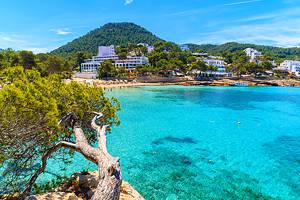
Mallorca is a gorgeous Mediterranean island with beautiful weather, stunning scenery, and delicious cuisine. The largest of the Balearic Islands, Mallorca is part of Spain but has a more rugged landscape and otherworldly quality. Rocky mountains and lush wooded hillsides fall steeply down to the sea.
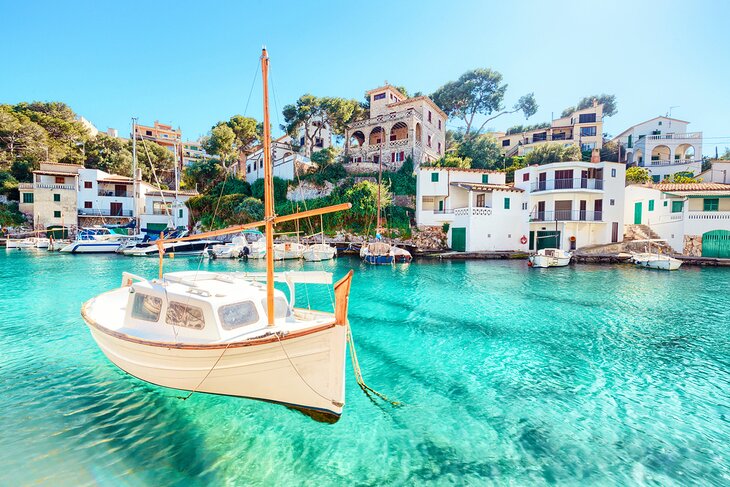
The joy of Mallorca is the combination of culture and nature. Along the picturesque coastline, dramatic cliffs offer sensational viewpoints, and pristine coves sparkle with crystal-clear waters. When it comes to sightseeing, you can choose from many historic towns and charming villages that are brimming with medieval churches, ancient castles, and art museums.
In the same day, you can visit the glorious Gothic cathedral of Palma de Mallorca, then sunbathe on a pristine beach. You might stroll through the walled medieval village of Alcúdia, then be inspired by a 15th-century monastery, or relax at the glamorous seaside resort of Puerto Portals.
With so many options packed into this idyllic island, it's easy to find reasons to stay for a week's vacation or longer. Discover the best places to visit with our list of the top attractions and things to do in Majorca.
- The Cultured Capital City of Palma de Mallorca
- Alcúdia's Old Town
- Puerto Portals: A Glamorous Seaside Resort
- The Hilltop Town and Monastery of Valldemossa
- Port de Sóller's Beautiful Seaside Scenery
- Llucmajor Beaches
- The Port Town of Pollença
- Artà's Picturesque Historic Town
- Deià: A Charming Artists' Village
- The Quiet Country Town of Petra
- Cala Figuera: A Fishing Port
- The Calvià Coastline
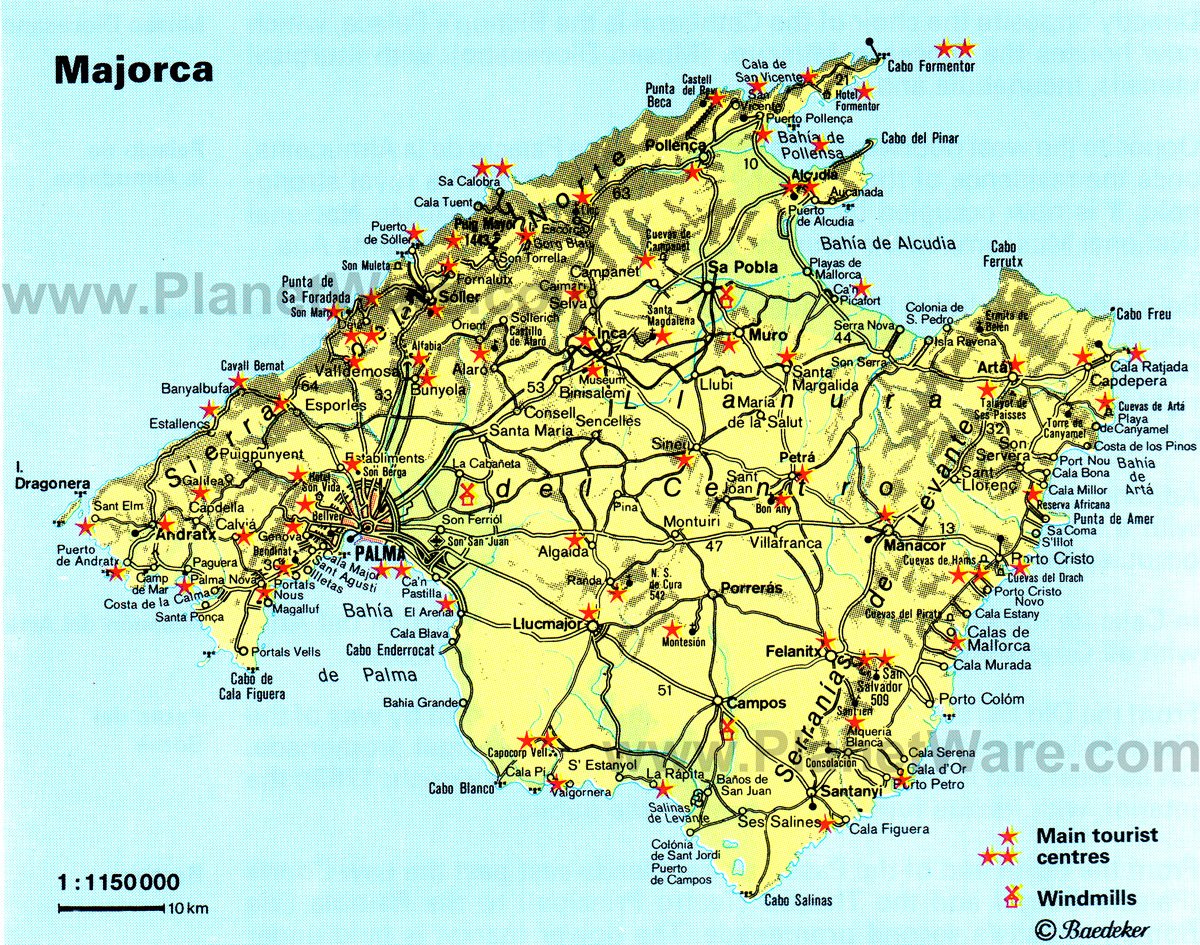
- Map of Attractions & Things to Do in Mallorca (Majorca)
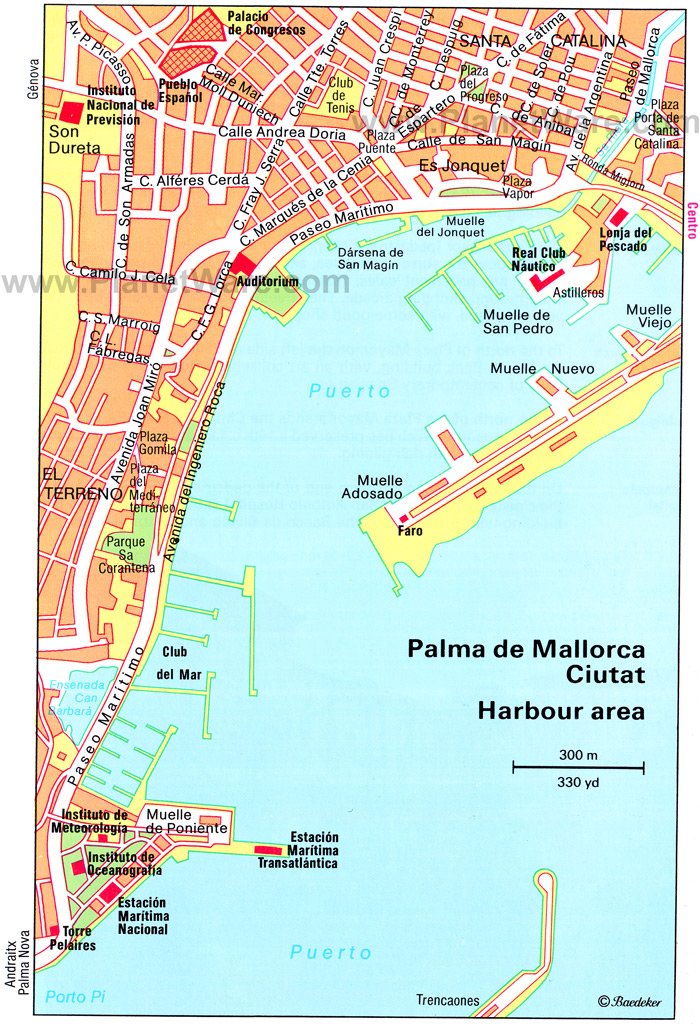
The Cultured Capital City of Palma de Mallorca
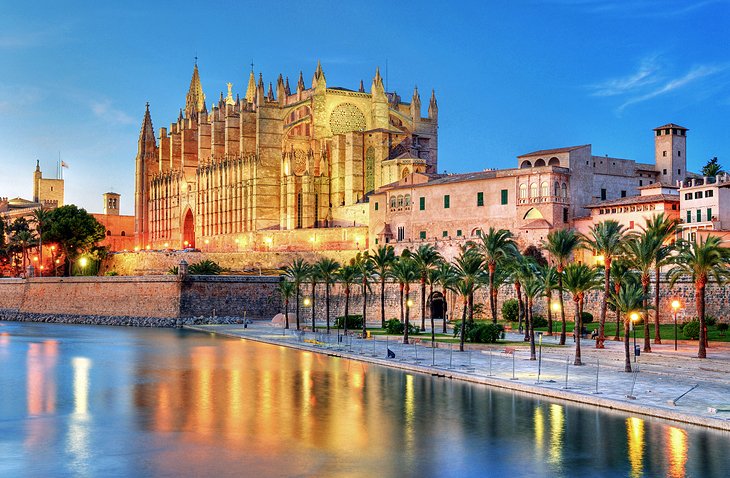
The seaside capital city of Palma de Mallorca dazzles you with its alluring Mediterranean setting and abundance of cultural attractions. Two impressive monuments, the cathedral and the castle, give this city the prestige of other capitals in Europe.
The monumental Catedral de Mallorca (La Seu) overlooks the Old Harbor and appears from a distance as a beacon of faith. You are awed by the 6,600-square-meter interior of the cathedral with its aisled nave rising to a height of 44 meters.
Splendid stained-glass windows including several rose windows (the largest dates from 1370) illuminate the sanctuary with an ethereal glow. Much of the interior was remodeled by famous Catalan architect Antoni Gaudí in the early 20th century.
In the cathedral's Capilla Real (Royal Chapel), Gaudí's gigantic baldachin is shaped like a crown of thorns. The Capilla de la Trinidad contains the sarcophagi of Kings Jaime II and III.
You may visit the cathedral Monday through Saturday. Admission requires a ticket and includes an audio guide. Guided tours are available on Saturdays. From the terrace on the south side of the cathedral, you can admire a magnificent view of the bay.
The cathedral holds a Mass celebration daily at 9am (9:55am on Sundays). Mass celebrations are also held at 7pm on Saturdays and at 10:30am, 12pm, and 7pm on Sundays.
A surprising 14th-century fortress, the Castillo de Bellver is found on a hilltop three kilometers from the historic center of Palma de Mallorca. The castle's unusual circular plan was influenced by Eastern architecture. The castle is open daily, year-round and has a history museum.
A top cultural attraction is the Fundación Miró Mallorca. This exceptional museum displays its collection in the art studios where Joan Miró worked. This museum displays a collection of paintings, drawings, and sculptures created by Miró.
If you prefer to lounge by the sea, the closest option is near the Miró Foundation at the Cala Major. This wide sandy beach is very popular during summertime. Other beaches include the Playa de Palma and the Playa del Arenal.
Alcúdia's Old Town
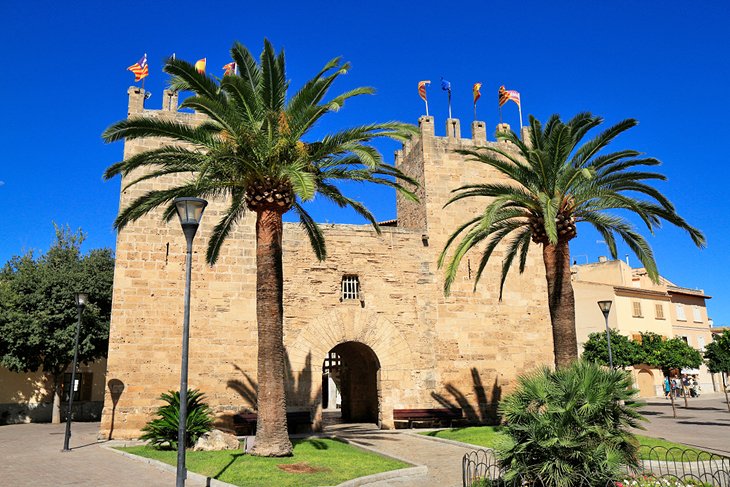
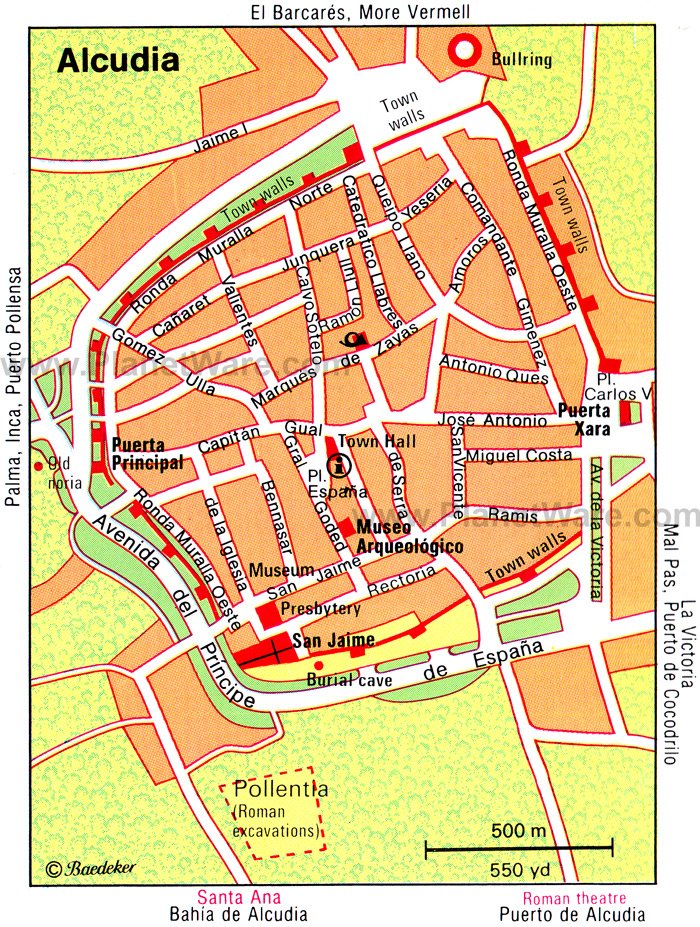
The picturesque town of Alcúdia has a distinct old-world ambience, with its winding medieval streets and palatial Renaissance mansions. This wonderfully preserved walled medieval town is also known for its delicious cuisine and traditional festivals.
The town lies a distance from the sea and was fortified to protect against pirates that were a danger during the Middle Ages. Of the ancient ramparts, only the Xara and Palma gates and the Renaissance-era Bastion of Sant Ferran remain.
Important churches include Santa Ana and Sant Jaume and the Baroque chapel of Sant Crist with a 15th-century image of Christ.
Alcúdia also has archaeological sites as the town was built on the site of an ancient Roman settlement. Remains of Roman houses, a forum, and an amphitheater lie to the south of Sant Jaume Church.
Several interesting tourist attractions are found outside the town. A great place for bird-watching, the Parc Natural de S'Albufera de Mallorca attracts more than two hundred species of birds throughout the year.
A popular nearby seaside destination is Puerto Alcúdia. This resort area has a sandy beach, a stylish seaside promenade, and a happening restaurant scene. The coastline around this area also has many pristine coves of crystal-clear water.
The Museo Sa Bassa Blanca displays a top-notch collection of modern and contemporary art. Open Wednesday through Sunday, this eclectic museum is seven kilometers from Alcudia in a seaside garden setting with a sculpture park.
Puerto Portals: A Glamorous Seaside Resort
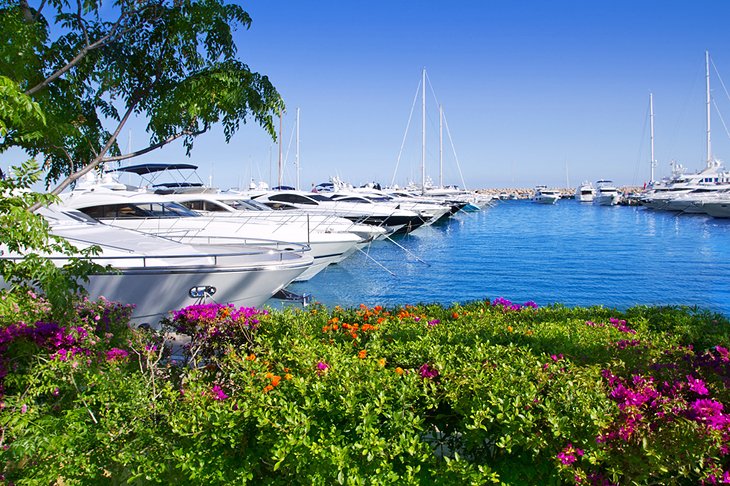
This glamorous seaside resort on the Southwest Coast of Majorca is a favorite destination of the Spanish royal family and other trendsetting visitors. As you would expect of a fashionable seaside resort, upscale restaurants and designer boutiques line the waterfront of the yacht-filled marina. Flashy cars (Ferraris and Porsches are common) add to the scene.
Many of the cafés and restaurants have outdoor patios to soak up the sunshine and the scenery. Top choices include Restaurante Flanigan, which serves Mediterranean cuisine; Ritzi, a happening spot that offers live entertainment; Baiben, a restaurant with a Michelin-starred chef; and the Cappuccino Grand Café, which has fabulous terrace seating beneath shady umbrellas.
Nearby, Marineland Mallorca is a favorite attraction for families with kids. Children love visiting the aquarium, watching the parrot show, and seeing marine animals up close (including "dolphin encounters" and watching seal, penguin, and sea lion feedings).
The Hilltop Town and Monastery of Valldemossa
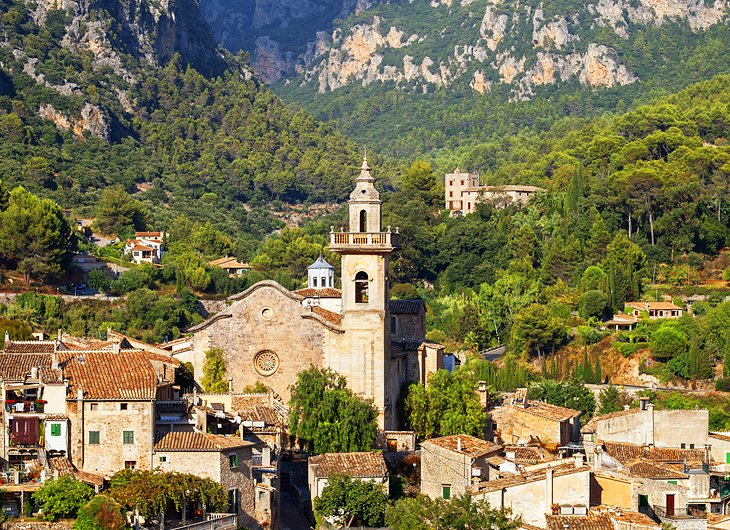
Valldemossa is an enchanting hilltop village with cobbled pedestrian streets, narrow alleyways, and old stone buildings. At the center of the town, a pleasant tree-shaded square (the Plaza Ramon Llull) provides an inviting spot for bustling outdoor cafés.
Valldemossa is blessed with a spectacular setting between the Tramuntana Mountains and the Mediterranean Sea. The lush terraced hillside surrounding the village leads down to beaches and coves.
Below the hilltop town is a lovely harbor, the Port de Valldemossa, which still feels like a little fishing village. If you like seafood, you will enjoy sampling the specialties at local restaurants.
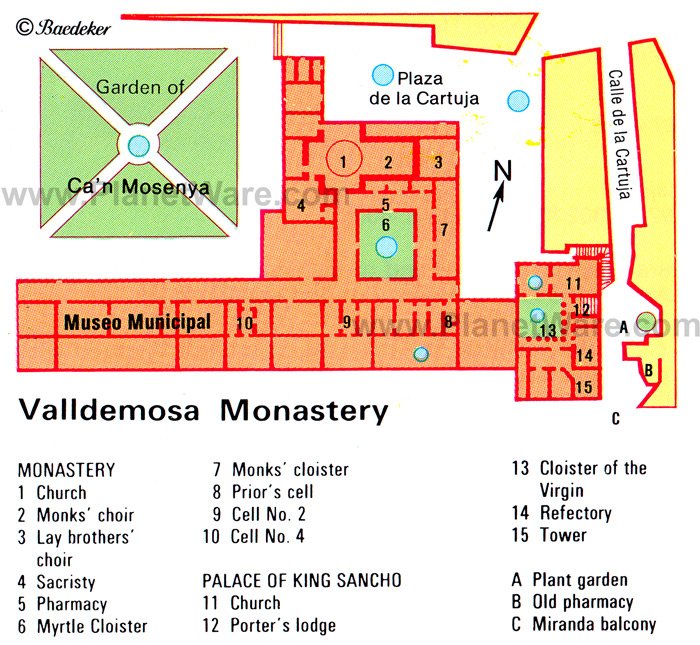
The Real Cartuja de Valldemossa, a magnificent Carthusian monastery, was built in the 14th century on the site of an ancient Moorish Alcázar. For more than four hundred years, this serene setting offered spiritual inspiration to the Carthusian Monks who prayed and lived here.
Pianist Frédéric Chopin and novelist George Sand spent the winter of 1838-1839 at the monastery. During the time they lived here, Chopin composed Raindrop Prelude and other works, and George Sand wrote her famous book, A Winter on Majorca.
The expansive grounds of the monastery also include the 14th-century Palacio Rey Sancho built for King Jaime II.
Today, the monastery complex is open to the public Monday through Saturday. With your ticket, you will have access to visit the monastery's church, a historic pharmacy, the former monks' quarters, the Palacio Rey Sancho, a 16th-century tower, and exquisite gardens. As part of your visit, you may attend a 15-minute piano recital featuring compositions of Frédéric Chopin.
Port de Sóller's Beautiful Seaside Scenery
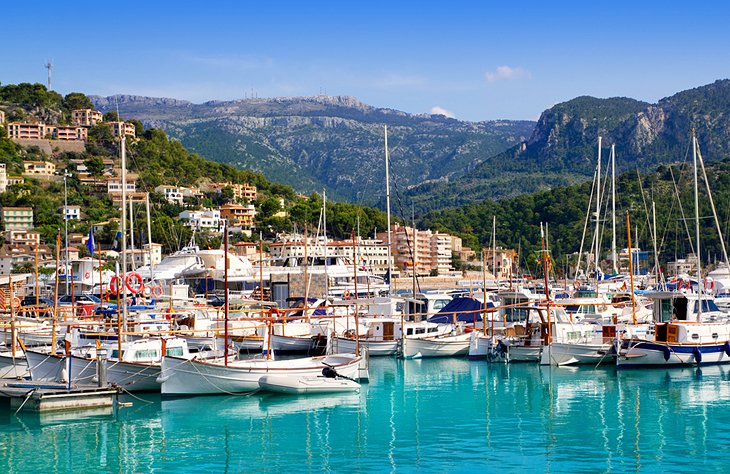
This lovely old fishing village is tucked away behind mountains and an idyllic valley, an expanse of olive groves and citrus orchards that extends from the historic town of Sóller to the sea. The Port de Sóller has a picturesque marina filled with many small boats and yachts.
Traveling here from Palma de Mallorca, you can take the Ferrocarril de Sóller. The scenic train ride travels through the Sierra de Alfàbia mountains. The Palma-Sóller railway dates back to 1912.
The Ferrocarril de Sóller company also operates a tram route from Port de Sóller to Sóller, a charming historic town that's definitely worth visiting! This route travels through picturesque citrus orchards in the Valle de los Naranjos (Valley of the Oranges).
About six kilometers from Sóller, the Jardines de Alfabia estate is a haven of tranquility and natural beauty. The luxuriant gardens, set at the foot of the Tramuntana Mountains, combine Mediterranean vegetation with leafy English-style landscaping. The property is open every day from April through October from 9:30am until 6:30pm.
Llucmajor Beaches
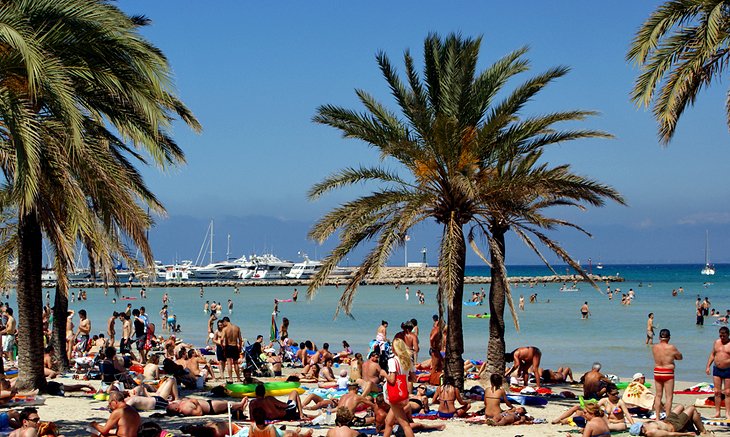
The coast of Llucmajor has everything you need for a sunny beach vacation. This spectacular 45-kilometer stretch of Mallorca's southwest coastline has many beautiful coves and sandy beaches.
The beaches of Llucmajor begin about 15 kilometers south of Palma de Mallorca. The area includes over a dozen villages as well as modern resort developments, where you can choose from a wide variety of accommodations.
The calm waters of El Arenal Beach are ideal for swimming, while part of the beach is a designated surfing area. Amenities include a yacht club, tourist office, and public toilets. Sun umbrellas, loungers, and water sports equipment are available to rent.
In a protected inlet, the Cala Pi beach has natural charm despite being surrounded by hotels and housing. Cala Pi is a sandy beach with gentle crystal-clear waters that are ideal for scuba diving. Sunbathers can rent umbrellas and loungers.
Another option is the small cove next to the Cala Blava residential area. This sandy beach is very quiet and offers sensational views of Palma Bay.
Near the coast of Llucmajor (at a charming country estate in Capdepera) is the Michelin-starred Restaurante Andreu Genestra. The restaurant specializes in traditional cuisine of the region, with contemporary haute-cuisine flair. The estate includes olive groves, vineyards, and a vegetable garden, which provides organic ingredients for the chef's kitchen.
The Port Town of Pollença
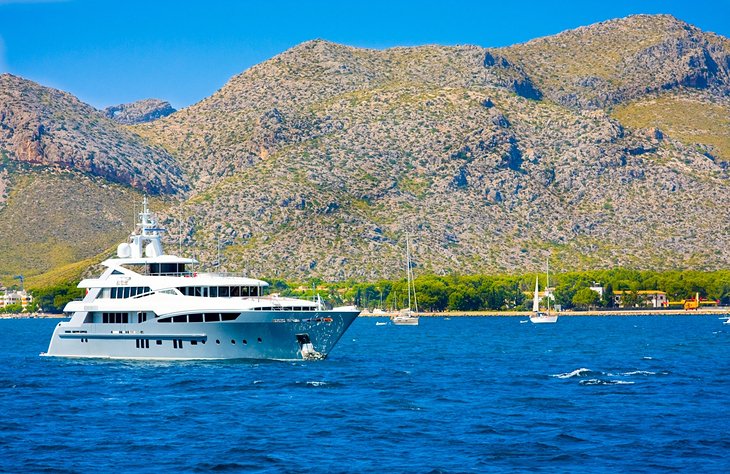
Pollença is known for its bustling port and beautiful bay of mesmerizing deep blue seas. In the shadow of the Pollença and Calvari Mountains, the charming medieval town has two important churches.
Nuestra Señora de los Angeles (Our Lady of Angels) is the town's 18th-century parish church built on the site of a 13th-century church.
From the Nuestra Señora de los Angeles church, a cypress-lined staircase of 365 steps leads up the Iglesia de Puig del Calvari, a Baroque pilgrimage chapel.
The historic center of town is only steps away from the beaches.
A popular family-friendly resort is the Port de Pollença. This gorgeous white-sand beach features an expansive shoreline and moderate waves. The beach has cafés, restaurants, a yacht club, water sports rentals, public toilets, and showers. Sun parasols and lounge chairs are available for rent.
Cala en Gossalba is an isolated beach in a remote protected location, accessible by foot or boat. The shore is gravelly rather than sandy. Both Cala en Gossalba are Port de Pollença beaches are ideal for scuba diving.
About six kilometers away from Pollença is the old fishing village of Puerto de Pollença. From here, a scenic road runs 21 kilometers northeast to Cabo Formentor at the end of a long, narrow peninsula.
One of Mallorca's most luxurious hotels is found on the Cabo Formentor overlooking the sea. The palatial Formentor, a Royal Hideaway Hotel provides sumptuous accommodations next to a sandy beach with crystal-clear waters. This five-star resort features an outdoor swimming pool, Mediterranean gardens, tennis courts, and several restaurants.
Artà's Picturesque Historic Town
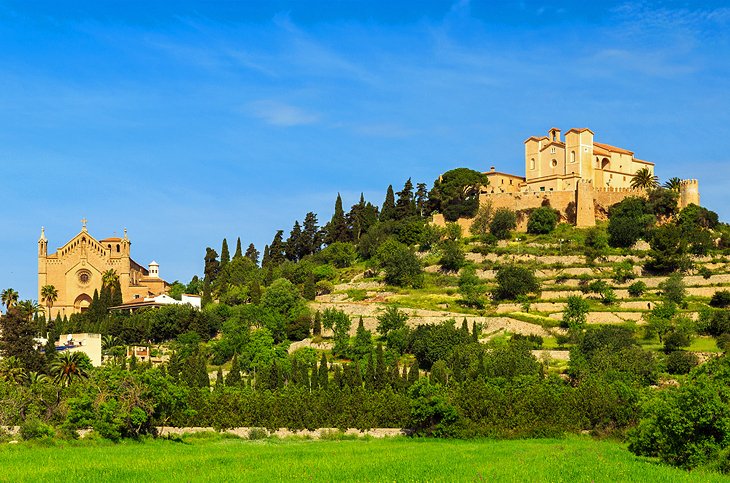
The historic town of Artà is tucked into a valley that flourishes with almond, olive, and fig orchards. The mountains of Artà provide a lovely backdrop with the rolling hills extending into the distance. In fact, Artà derives its name from the Arabic word for "garden" (jertan).
From the town's parish church, the Iglesia de Transfiguración del Señor, a cypress-shaded avenue leads up to the hilltop where a fortress and the Santuari de Sant Salvador (chapel) stand overlooking the town and the verdant countryside.
Artà still has the remains of its ancient ramparts, which seem to dominate the town, and many palatial old manor houses, such as Na Batlessa, which today is home to the Municipal Library.
Outside of Artà is the archaeological site Ses Paísses, the Monasterio de Santa Maria de Bellpuig, the 17th-century Franciscan convent of Sant Antoni de Pádua, and the Ermita de Betlem (hermitage) surrounded by a rugged landscape of scrubland and rocky hills.
Another attraction in the area (12 kilometers from Artà) is the Cuevas de Artá, a system of caves that contain impressive stalactites and stalagmites. You may take a 40-minute guided tour, available in English. The site is open year-round daily, except for closures on December 25th and January 1st.
Deià: A Charming Artists' Village
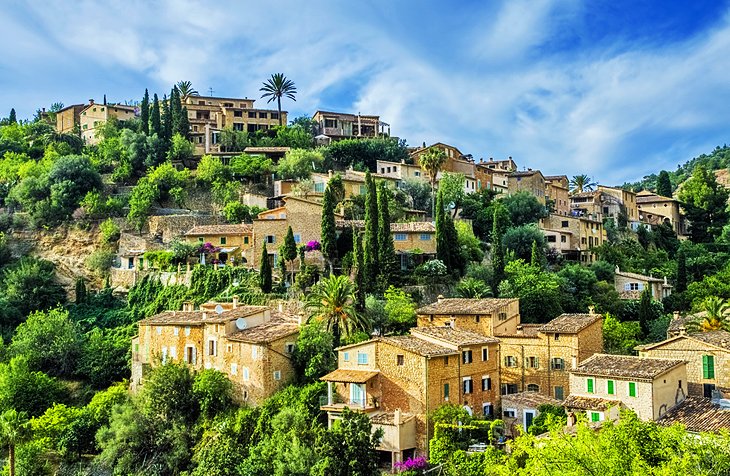
This charming artists' village stands on a ravine surrounded by rolling hills and fragrant citrus plantations in the Valley of the Oranges, just a 20-minute drive from Sóller. The town's quaint stone houses feature tiled roofs and vividly painted shutters, typical of rural Mediterranean architecture.
The famous poet Robert Graves appreciated the peaceful setting and lived in the town for many years, inspiring other creative types to follow. The house where Graves lived, Ca n'Alluny, is now a museum, the Casa Museo de Robert Graves.
The town is well known for its cuisine and boasts several top restaurants: Es Racó d'es Teix, a gastronomic restaurant with an outdoor patio overlooking the Tramuntana Mountains; the award-winning El Olivo restaurant in the dreamy five-star Belmond La Residencia hotel; and the Restaurante Sebastian, which serves seasonal cuisine in a romantic dining room or on a garden terrace shaded by olive and lemon trees.
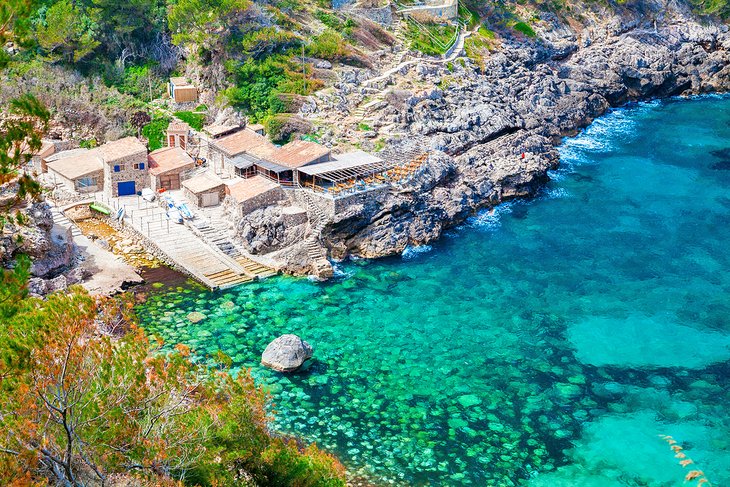
Beyond the historic center of Deià are several worthwhile tourist attractions. The Cala Deià is a small rocky cove with a tiny pebble beach and crystal-clear turquoise waters that are perfect for swimming. This sheltered beach has minimal facilities: public restrooms, showers, and two restaurants.
A hidden gem along Mallorca's coastline is found outside of Deià, the serene Monestir de Miramar overlooking dramatic cliffs and the deep blue sea. Open to the public as a museum (admission fee required), the monastery dates back to the 13th century.
In a sublime setting near the monastery, the Son Marroig estate houses a museum devoted to the nature studies of Archduke Ludwig Salvator. The site is open to the public (admission fee) Monday through Saturday. The estate hosts a summertime open-air music festival. The Mediterranean gardens and terraces are often used as a wedding venue, prized for the panoramic sea views.
The Quiet Country Town of Petra
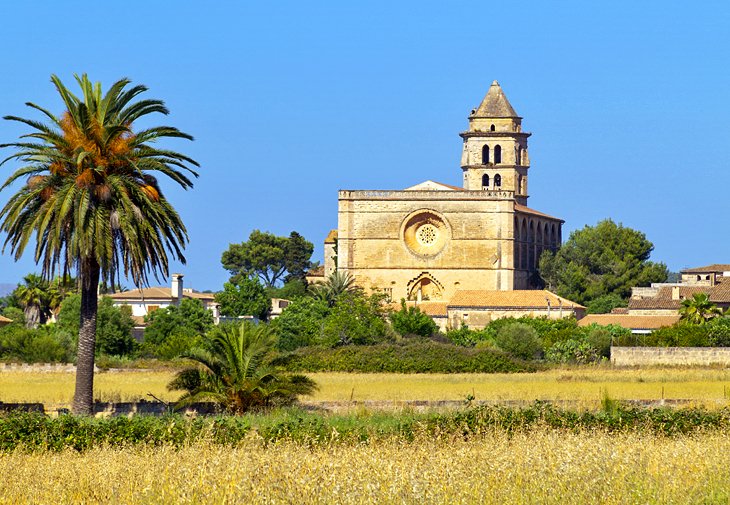
Petra is a quiet country town 43 kilometers from Palma de Mallorca and is listed as a Property of Cultural Interest. The most important sight is the convent where Friar Junípero went to school.
The town also has a museum, the Casa Museu de Fra Juníper Serra, which illustrates the life and work of Friar Junípero Serra, who was born in Petra.
Another tribute to the famous missionary is the Junipero Serra Festival held every year on the third Sunday of September. This lively event features parades with impressive floats and colorful floral offerings.
Other interesting monuments in Petra include the Iglesia de San Pedro, a Gothic church with a fortress-like facade; the Convento de Sant Bernardí, a peaceful retreat created for the Franciscans; and the Santuario de Nostra Senyora de Bonany (Sanctuary of Our Lady of Bonany), a Neo-Baroque church that presides over a hilltop.
Cala Figuera: A Fishing Port
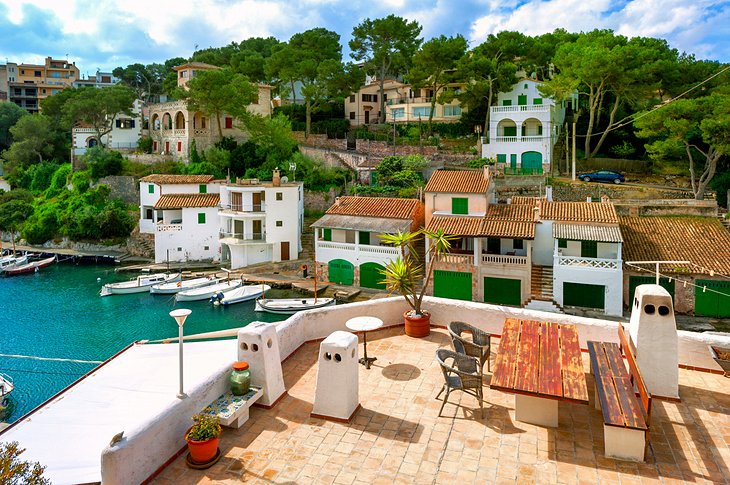
Cala Figuera is a charming fishing village with a laid-back vibe. The town's white-washed houses are clustered around a hillside that reaches the waterfront. Here, many local fishermen take care of their daily task of mending nets.
At the earliest hours of the morning, the fresh catches of the day arrive at the docks, ready to be sold at the market and then prepared into delicious seafood dishes.
As expected of a seaside town, Cala Figuera offers a great selection of seafood restaurants that serve fresh local fish. Along the harbor, a scenic walking path follows the water's edge and then leads up into the cliffs. Rewarding views of the bay make the journey worthwhile.
For summertime recreation, a popular place to visit is four kilometers south of Cala Figuera at Cala Santanyí. This family-friendly beach is prized for its sandy shoreline, calm crystal-clear waters, and well-organized facilities. Things to do include swimming, snorkeling, and scuba diving.
The Calvià Coastline
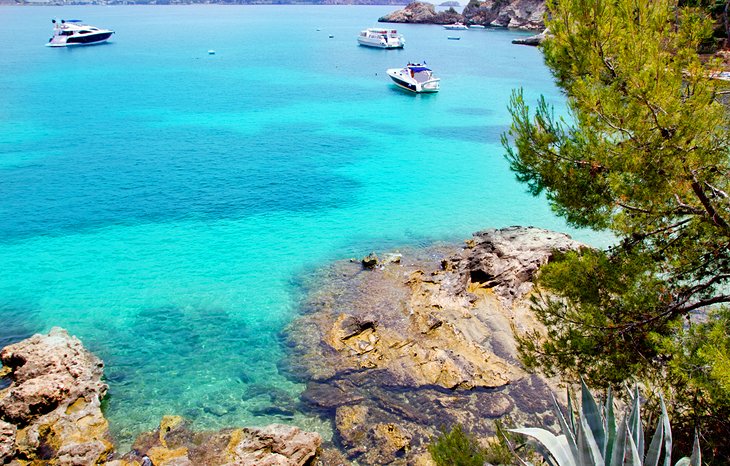
The Calvià coastline extends 50 kilometers, winding around a spectacular landscape of foothills, cliffs, and bays. This area boasts many excellent beaches and remote isles, beckoning sun-worshippers and nature lovers.
One of the prettiest beaches is Cala Vinyes, a small sandy shore with gentle waters ideal for swimming and bathing. Umbrella and lounge chair rentals are available, however, the site has no public toilet facilities.
The fine golden-sand shoreline of the Playa de Palma Nova extends for one kilometer and is well equipped with public toilets, showers, rentals for umbrellas and lounge chairs, snack bars, and cafés. Families appreciate this Blue Flag beach because it has lifeguards; children's playgrounds; and clean, calm waters ideal for swimming. The beach is also great for water sports and scuba diving.
Other beaches along the Calvià coastline include the Playas Paguera, an urban beach with public facilities, and Playa de Santa Ponsa, an expansive beach with a yacht club, sun umbrella and lounge chair rentals, and lifeguard surveillance.
Map of Attractions & Things to Do in Mallorca (Majorca)
More Related Articles on PlanetWare.com
Island Paradise: Spain's Balearic Islands beckon you with fine-sand beaches, lush landscapes, and fascinating historic sites. The Island of Ibiza is famous for its upscale seaside resorts, superb beaches, and electronic dance music. You can find every type of beach here, from party beaches with entertainment to quiet, secluded spots that are nearly untouched.
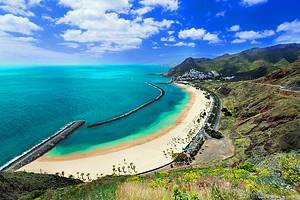
Year-Round Sunbathing: Thanks to the subtropical climate, the Canary Islands offer ideal beach conditions year-round. The culture here is unique to the Canaries, and English is spoken in most places; Tenerife and Gran Canaria are the most popular islands.
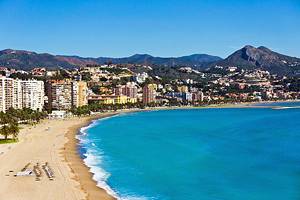
Mediterranean Beaches: Some of Spain's most popular beaches are found along the eastern coast, with several in and around the historic Catalonian city of Tarragona. The southern coast of Spain, the Costa del Sol is famous for its resort towns including Málaga, which is also home to many historic attractions, and the posh seaside town of Marbella, which has many high-end resorts and golf clubs.