14 Top-Rated Tourist Attractions in Konya
The important religious pilgrimage site of Konya has a town center crammed with museums and monuments of Seljuk splendor.
Most visitors stop here specifically to see the Mevlana Museum, one of Turkey's most famous religious tourist attractions and a major pilgrimage site that contains the tomb of the whirling dervish founder Mevlana Rumi, who wrote his famed poetry here in the 13th century.
For tourists interested in diving deeper into Turkey's history, though, Konya is one of the best places to visit, with the museums and monuments of the central city a major showcase of the artistry and architecture of the Seljuk sultanate.
For day-tripping destinations and things to do out of town, the UNESCO-listed excavation site of Çatalhöyük is the largest Neolithic settlement ever found in the world, while the tranquil village of Sille makes for a good half-day break from the bustle of Konya's city center.
Discover the city's highlights with our list of the top attractions and things to do in Konya.
See also: Where to Stay in Konya
- 1. Visit the Mevlana Museum
- 2. Watch the Whirling Dervishes
- 3. Admire the Ceramic Artistry in the Karatay Tile Works Museum
- 4. Visit the Ince Minare Mosque Museum
- 5. Day Trip to the Neolithic Site of Çatalhöyük
- 6. Take a Stroll on Alaeddin Tepe
- 7. Check Out Konya's Archaeological Museum
- 8. Explore the Village of Sille
- 9. Photograph Mevlana Meydanı
- 10. Wander the Bazaar Area around Aziziye Mosque
- 11. Spot Butterflies inside Konya Tropical Butterfly Garden
- 12. Visit the Sahib-i Ata Külliyesi
- 13. Explore Konya's Other Important Mosques
- 14. See the Koyunoğlu Museum's Eclectic Collection
- Where to Stay in Konya for Sightseeing
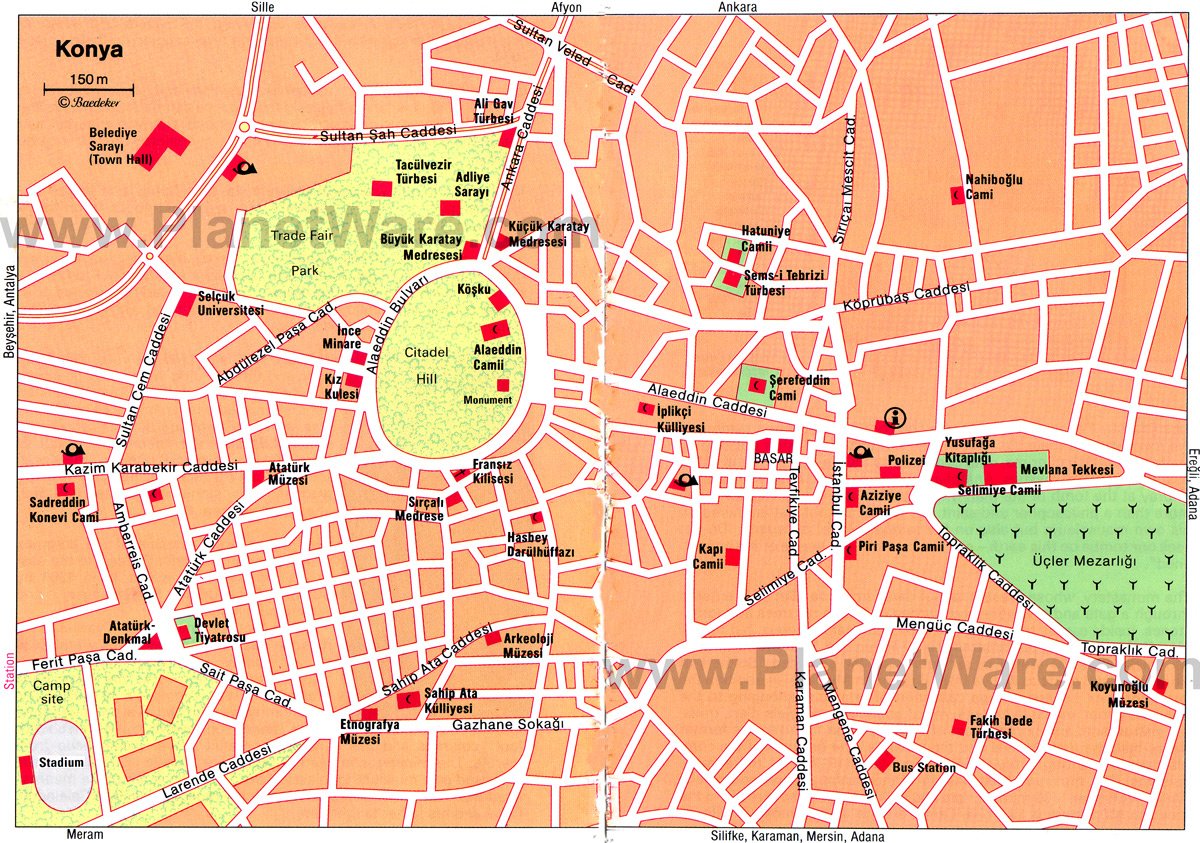
- Map of Attractions & Things to Do in Konya
1. Visit the Mevlana Museum
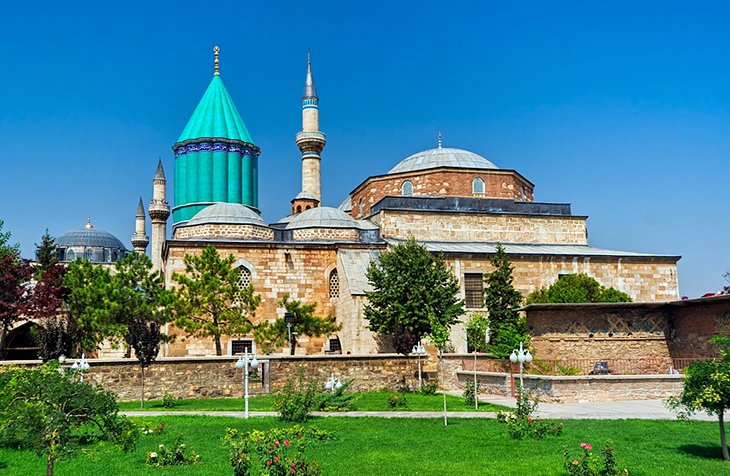
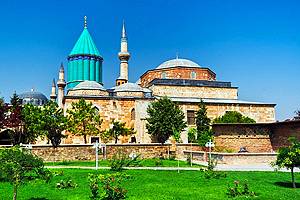
The symbol of Konya is this tekke (Sufi lodge) complex that holds the tomb of the 13th-century religious leader, philosopher, and poet Mevlana Celaleddin Rumi, who founded the whirling dervish sect of Sufism. The museum is set within lovingly tended rose gardens, which you walk through to the ornate Gate of the Dervishes.
Once inside the complex, you enter the mausoleum which is the focus of much devotional worship to this day. Mevlana's tomb is at the far end, flanked by tombs of close family and followers. The semahane (hall where dervish ceremonies were performed) is just to the left and contains a museum of religious exhibits.
Across the courtyard from the Mausoleum is the lodge kitchen which contains dioramas of dervish life and is connected to the dervish cells where Sufi followers would have lived and which now contain exhibits on dervish life.
Address: Müze Alanı Caddesi
Official site: https://muze.gov.tr
2. Watch the Whirling Dervishes
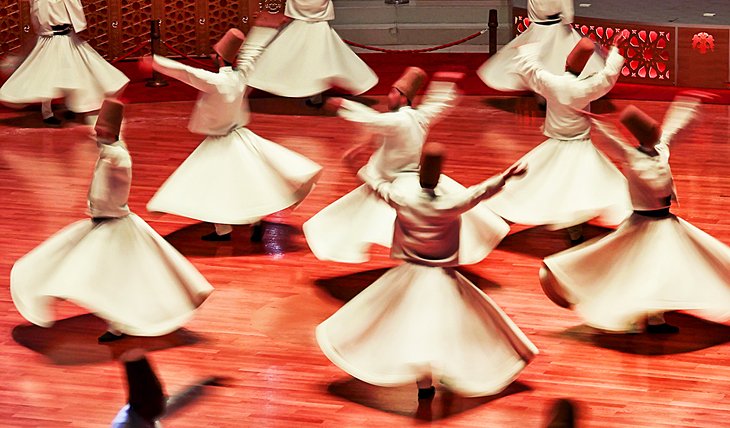
As the home of the whirling dervishes, Konya is the best place in Turkey to see a performance of this spiritual ceremony.
The whirling dervish ceremony is called a sema and is the main devotional ritual of Sufis of the Mevlevi order (along with some other Sufi orders). The whirling is a form of prayer and meditations that dervishes believe bring them closer to God.
There are two options to watch a sema while you're in Konya: Year-round on Saturdays, there's a performance at the Mevlana Culture Center at 7pm. In the summer months (roughly June to September), there's a performance in the rose garden of the Mevlana Museum starting at 8.45pm. Both are free, and no advance booking is necessary.
3. Admire the Ceramic Artistry in the Karatay Tile Works Museum
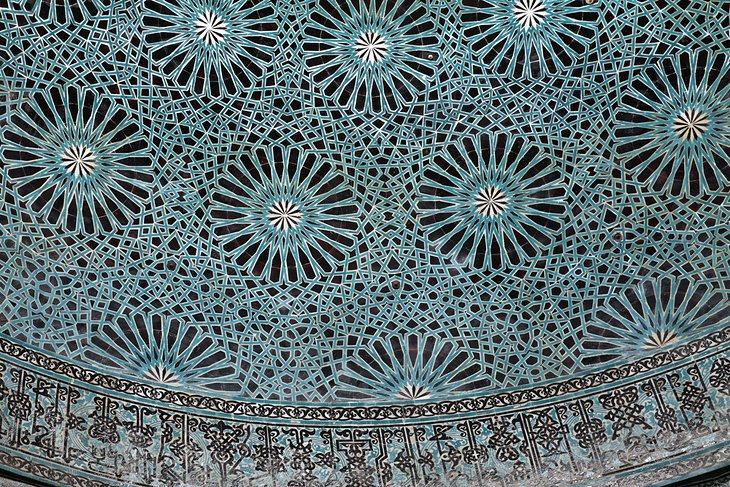
The Karatay Medresesi was originally used as a theological college and was founded in 1251 by the Seljuk emir Celaleddin Karatay. The building was recently restored and is now an impressive museum showcasing Seljuk enamel tile work.
Although touring a tile museum may sound like a rather niche tourist attraction, the sheer beauty of the building makes this one of the top things to do on a Konya sightseeing itinerary.
Its internal walls are covered in gorgeous examples of Seljuk tiling and there are also ceramic exhibits of excavated finds from nearby archaeological sites.
In the left-hand room is the tomb of Celaleddin Karatay.
Address: Ankara Caddesi
Official site: https://muze.gov.tr
4. Visit the Ince Minare Mosque Museum
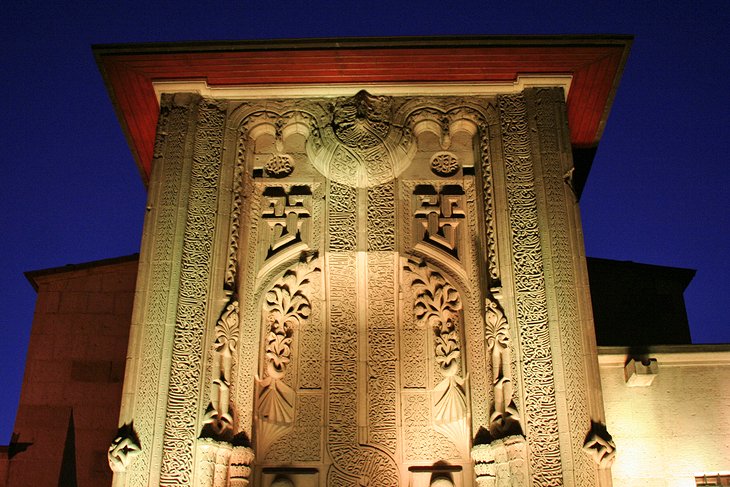
The Ince Minare Mosque is one of Konya's most distinctive examples of Seljuk-era Islamic architecture.
Built in 1260 for the Seljuk vizier Sahip Ata, the building features richly sculpted decoration on the entrance portal and an intricately carved octagonal minaret, which, today, is shorter than a normal minaret due to losing its top portion when it was struck by lightning.
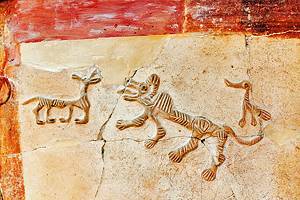
Inside, the building is now used as a museum, exhibiting a large collection of Seljuk-era wooden and stone sculptures.
Seljuk-era art often featured representations of animals and humans, despite these depictions being banned by Islamic law, and many of the pieces on display here depict finely detailed birds, lions, and human images.
Address: Alaeddin Bulvarı
Official site: https://muze.gov.tr
5. Day Trip to the Neolithic Site of Çatalhöyük
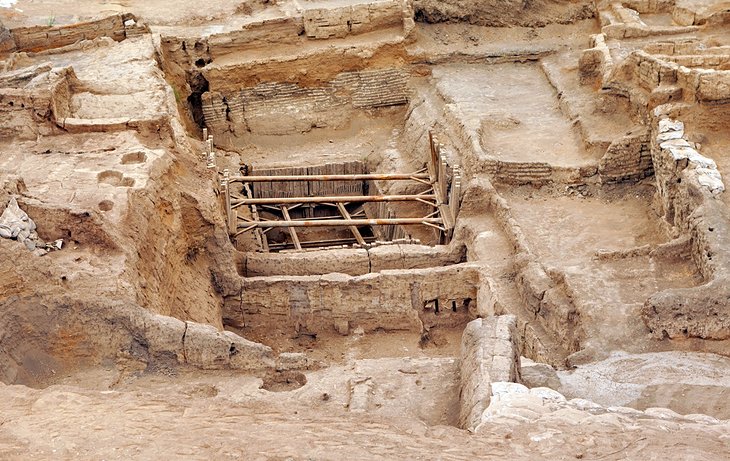
Although there aren't huge amounts to see, the settlement mound of Çatalhöyük, 43 kilometers southeast of central Konya, is one of the most important excavation sites in the world.
Here, archaeologists have uncovered the largest Neolithic site ever found, with settlement here dating to approximately 9,000 years ago.
Excavations are ongoing, and if you visit in summer, you can sometimes watch archaeologists working at the site.
A wonderful little museum at the entry explains the excavation history and the importance of the site. From here, a trail leads you to the twin dig areas (protected under dome shelters), where you can see the deep levels, with clear building outlines, that have been uncovered so far.
To view the famed female figurines and murals that were discovered here, head to the Museum of Anatolian Civilizations in Ankara, where the Çatalhöyük excavation finds are exhibited.
Official site: https://muze.gov.tr
6. Take a Stroll on Alaeddin Tepe
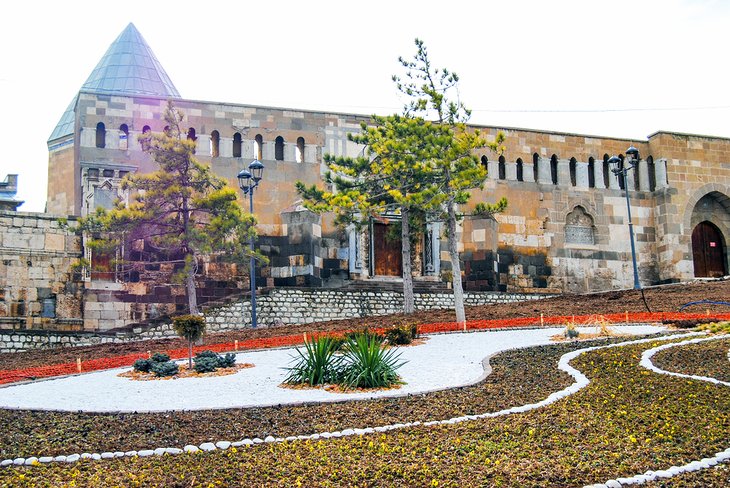
Built on the site of Konya's former citadel, this park, right in the city center, is the place where Konya locals come to promenade in the evening, enjoy the flower bed displays in the gardens, and sip tea in the cafés.
At the foot of the incline up the hill, is the excavation site of Alaeddin Kaykobad's palace and the remains of the old city wall.
On top of the hill is the Alaeddin Mosque (Alaeddin Cami) built in the 13th century. The mosque is well worth a visit for its wooden ceiling supported by 42 columns that were repurposed from Classical-era sites.
Address: Alaeddin Bulvarı
7. Check Out Konya's Archaeological Museum
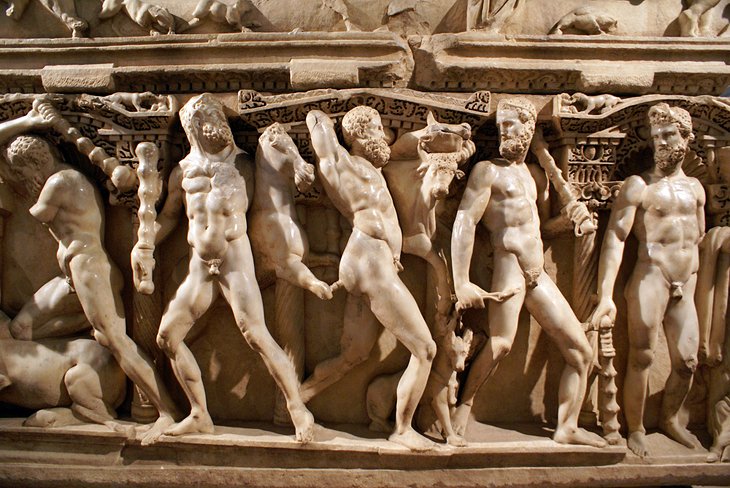
Most of Turkey's archaeology museums have been jazzed up and modernized in the past decade, but not Konya's museum.
This is a dusty old place with poor lighting and information panels that may as well be obsolete. But if you're in Konya to explore its historic attractions, don't let that put you off because the collection is excellent. And if you happen to like these relic museums with their treasure-hunt atmosphere, go now before it gets its much-needed facelift.
There is a comprehensive display of finds from the nearby archaeological site of Çatalhöyük and a wonderful collection of intricately decorated Roman sarcophagi.
Just down the road is Konya's Ethnography Museum, which holds a thorough collection of Turkish crafts, costumes, jewelry, carpets, and household goods but sadly, like the archaeology museum, looks a bit unloved.
Address: Sahibata Caddesi
Official site: https://muze.gov.tr
8. Explore the Village of Sille
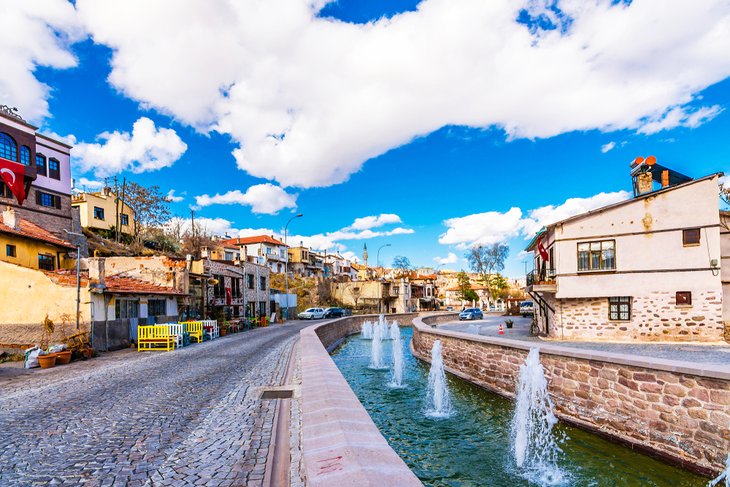
Cute as a button, the former Ottoman-Greek settlement of Sille is a tiny village that sits on the edge of the city, 10 kilometers northwest of central Konya.
Sille is a favorite destination for Konya locals on weekends, who pack out the village cafés for breakfast feasting.
The village is also home to two Byzantine churches that have been recently restored. St. Helena's Church has an interior covered with colorful frescoes, while the Küçük Kilise (small church), on the hill behind the village, now functions as a museum dedicated to clocks and other timepieces.
The village streets are lined with lovely wooden-beamed houses, while the cliff ridge is pockmarked with ancient cave dwellings.
9. Photograph Mevlana Meydanı
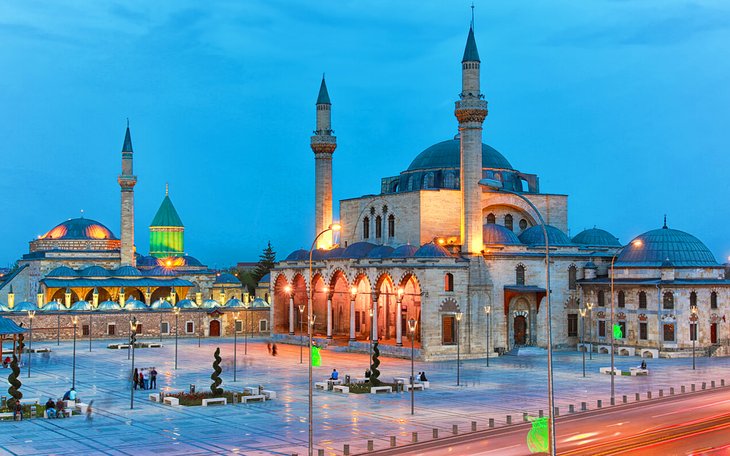
Standing in the large central square of Mevlana Meydanı, in front of the Mevlana Museum, this huge domed mosque was commissioned by Sultan Selim II and built between 1566 and 1574. It is Konya's most impressive Ottoman-era mosque building.
Come to the square in the early evening to get photos of the Selimiye Mosque with the conical turret and domes of the Mevlana Museum in the background as the buildings are lit up against the dusk sky.
Across the main road from the square are a series of outdoor cafés and restaurants, which are a great place to sit down and admire the view of minarets and domes while relaxing with a coffee or tea.
Address: Mevlana Meydanı, Mevlana Caddesi
10. Wander the Bazaar Area around Aziziye Mosque
Konya's small but bustling bazaar neighborhood is right in the city's core, stretching from the central square of Mevlana Meydanı, through a crisscross of skinny lanes that lie just south of the main street of Mevlana Caddesi.
It's an atmospheric place for an aimless stroll, with metalware workshops, carpet and textile shops, and many stalls devoted to devotional material for the pilgrims here to pay their respects at the Mevlana Museum.
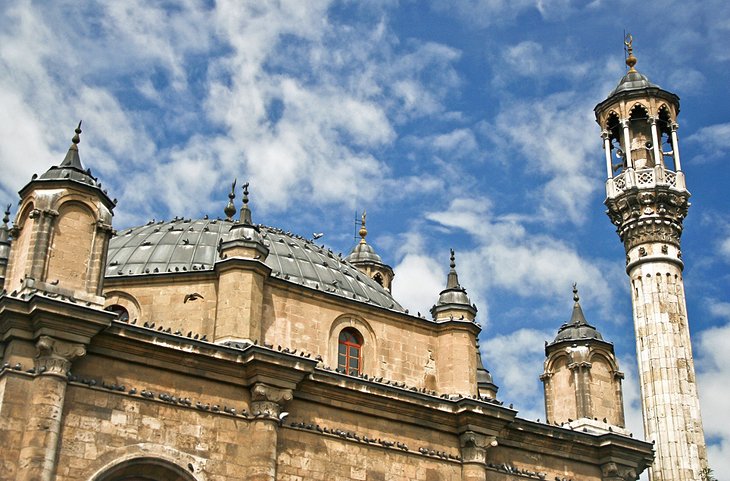
Architecture fans should make sure not to miss the Aziziye Mosque while here. It was first built in 1676 by the Ottoman court adviser Mustafa Pasa and reconstructed again in 1867 after a fire.
Because of this 19th-century restoration, the mosque's architecture is heavily Baroque-inspired (the style most fashionable at the time), with twin minarets in Rococo style and a brightly painted interior with a Rococo prayer niche. This very European decorative style makes for an interesting contrast with traditional mosque design.
11. Spot Butterflies inside Konya Tropical Butterfly Garden
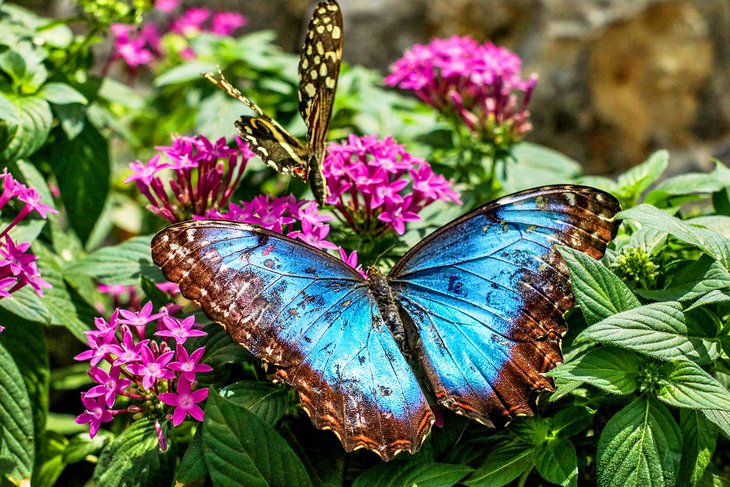
Konya's most recent attraction is this large, domed butterfly house, where around 20,000 butterflies, featuring 15 different butterfly species from across the world, flit amid a tropical garden featuring 98 plant species.
The first of its kind in Turkey, the butterfly garden is a great natural addition to Konya's glut of historical and architectural sights and a favorite spot for families traveling with children who need a nature break.
As well as walking through the garden, the on-site museum offers plenty of interactive displays for kids to help them learn more about butterflies and other insects.
The butterfly garden is out of the central city on the main road to the village of Sille, so it can be easily combined with a trip there.
Address: Ismail Kaya Caddesi
12. Visit the Sahib-i Ata Külliyesi
This religious complex comprises a mosque, dervish lodge, türbe, and baths and was built between 1258 and 1283. The grandly ornate portal gate is beautifully decorated, and the mosque interior has a gorgeous blue-tile prayer niche.
The dervish lodge, with its beautifully restored blue-tile and red-brick interior, has been made into the Sahib-i Ata Vakif Museum, with an interesting collection of religious artifacts.
On your way to the mosque, you'll pass by the Sirçalı Medrese. Built in 1242, this former theological college has some beautiful (but crumbling) examples of tiled decoration on its interior walls and an ornate stalactite portal. It houses a collection of Islamic tombstones, as well as some Hittite funerary urns.
Address: Sahibata Caddesi
13. Explore Konya's Other Important Mosques
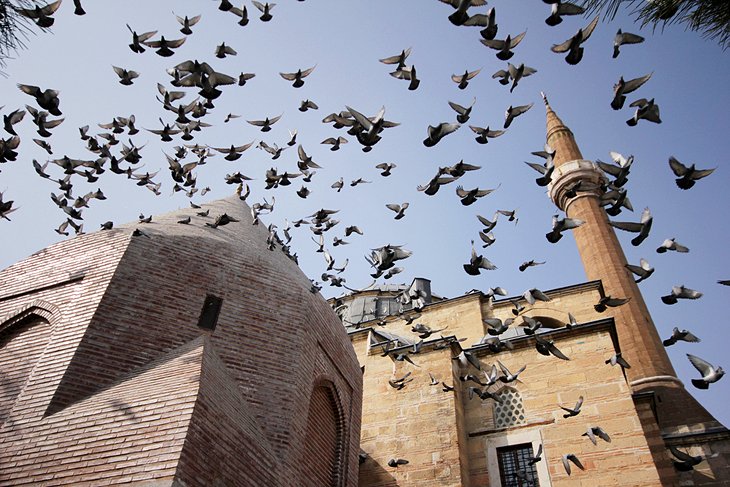
The central city has plenty of other well-preserved examples of religious architecture.
In particular, don't miss the Yarn-makers Mosque (Iplikçi Cami) on Alaeddin Caddesi. Only the mosque remains of this religious complex, built in 1201, which stood to the east of the old citadel in Konya.
The site was initially endowed by a family of yarn manufacturers, hence the name. The square building has two oval, and one round, domes and stands on twelve huge "elephant-foot" columns, with a richly decorated prayer niche made from marble. Both Mevlana and his father once taught here.
The Tower Mosque in the bazaar area is also worth hunting out. It was constructed in 1658, but after falling into disrepair was reconstructed in 1811.
The roof of the eight-domed mosque is supported by 10 pillars, and a collection of 14th- and 15th-century garments is in a room inside the building.
14. See the Koyunoğlu Museum's Eclectic Collection
Avid collector Ahmet Izzet Koyunoglu, a member of one of Konya's oldest families, bequeathed his bizarre and eccentric collection of artifacts, art, ethnography objects, geological items, and just plain stuff, to the city of Konya when he died.
The museum that resulted from this has to be the city's quirkiest sight.
The building is a treasure-trove of scatterbrained, weird, and wonderful exhibits that range from rare paintings, manuscripts, and carpets to stuffed animals and clocks.
For anyone who appreciates the slightly kooky, this is a fun accompaniment to the city's more traditional attractions and is worth a spare hour of your time.
Address: Kerimler Caddesi
Where to Stay in Konya for Sightseeing
Luxury Hotels:
- The Hilton Garden Inn Konya is one of Konya's more modern, big hotels with a restaurant; included breakfast; gym; and large, comfortable rooms.
- For something more intimate, the Hich Hotel Konya is one of the best boutique hotels in town, with stylish, contemporary rooms; friendly staff; a courtyard for relaxing; and an included breakfast.
Mid-Range & Budget Hotels:
- If you don't mind staying outside of the central city, the Ramada Plaza by Wyndham Konya offers an indoor pool and Turkish bath facilities, a gym, an included breakfast, and big rooms with wood and marble details.
- For more central stays, the Konya Dervish Otel is a cozy guesthouse with good-sized rooms in an old Ottoman house, a helpful owner, included breakfast, and a convenient location just steps away from the Mevlana Museum.
Map of Attractions & Things to Do in Konya
More Related Articles on PlanetWare.com
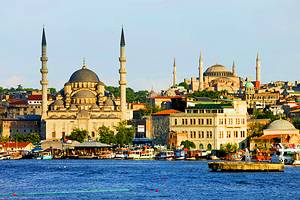
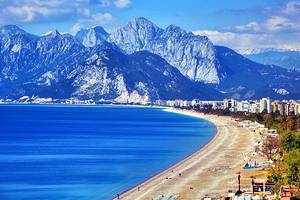
More Historic Cities: For other historic Turkish cities, you can't beat Istanbul with its glut of both Byzantine and Ottoman monuments. If you're continuing your trip through Turkey though, head southwest to the coast and soak up the Ottoman architecture of the old town in Antalya.
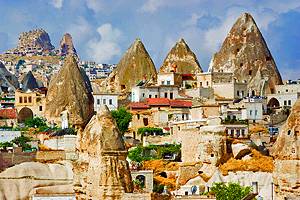
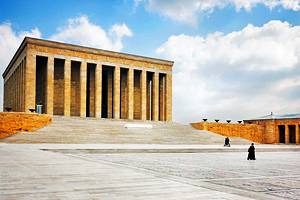
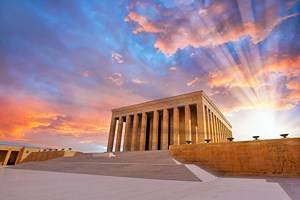
Near Konya: North of Konya is Turkey's capital Ankara, home to the Atatürk Mausoleum and the important Museum of Anatolian Civilizations. Nearby, stop in at the Gordian necropolis, home to the story of the Gordian knot. East from Konya is Cappadocia, famous for its valleys of Byzantine churches and monasteries carved into the rock faces, and for its hot air ballooning.