19 Top-Rated Attractions & Places to Visit in Detroit
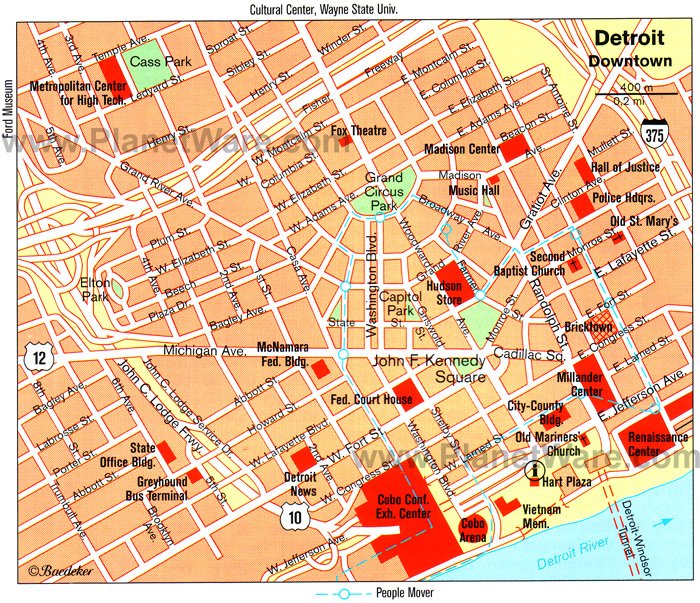
Detroit, the largest city in the state of Michigan, lies on the northwest bank of the Detroit River and on Lake St. Clair, between Lakes Huron and Erie. Downtown Detroit sits at the water's edge and is packed with things to do, as well as restaurants, shops, and interesting neighborhoods like Greektown.
The Dearborn Neighborhood is a top place to visit for sightseeing and is best known for its association with automotive legend Henry Ford, and it is also home to several ethnic neighborhoods, including an Arab-American area that has excellent Middle Eastern dining options.
The suburban Oakland district is home to the Detroit Zoo and also known for its upscale cafés and shops. Outlying neighborhoods include Detroit's "East side" of Macomb, known for its marinas, and the trendy Greater Noni neighborhood, with its golf courses and recreational facilities.
Plan your next trip to Motor City with our list of the best tourist attractions in Detroit.
- 1. Visit the Detroit Institute of Arts
- 2. See Where it All Began at the Motown Museum
- 3. Tour the Ford Piquette Avenue Plant
- 4. Visit the Detroit Zoo
- 5. Explore Historic Fort Wayne
- 6. Spend a Day on Belle Isle
- 7. Tour the Henry Ford Museum & Greenfield Village
- 8. Catch a Ballgame at Comerica Park
- 9. Masonic Temple of Detroit
- 10. Go Shopping at Eastern Market
- 11. Explore the past at the Charles H. Wright Museum of African-American History
- 12. Michigan Science Center
- 13. Stroll the Detroit Riverwalk
- 14. Take a Cruise on the Detroit Princess Riverboat
- 15. Detroit Historical Museum
- 16. Detroit Public Library
- 17. Pewabic Pottery
- 18. GM Renaissance Center
- 19. Explore Fair Lane, The Henry Ford Estate
- Where to Stay in Detroit for Sightseeing
- Map of Attractions & Things to Do in Detroit
- Detroit, MI - Climate Chart
1. Visit the Detroit Institute of Arts
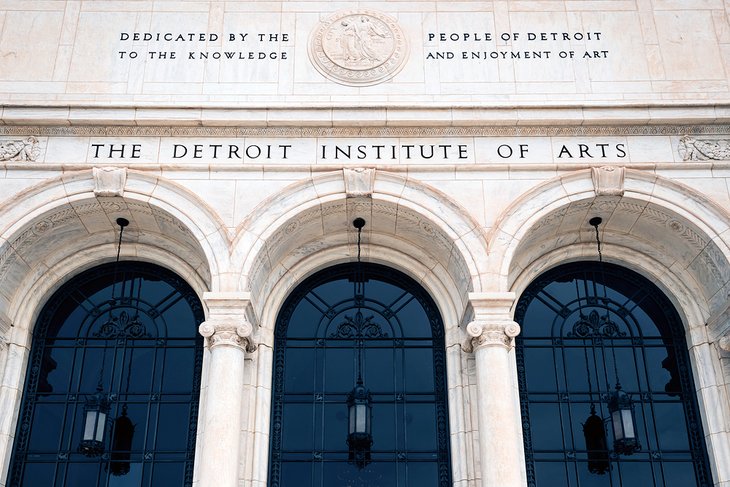
The Detroit Institute of Arts displays a representative cross-section of man's artistic creation from the earliest cultures to the present day. Its permanent collection includes more than 65,000 works of art within more than 100 galleries. This includes pieces from Africa, Oceania, and the Indigenous Americas; art of the Near East and classical antiquity; collections from medieval Europe; and American art and culture.
Among the museum's most popular are masterpieces of European painting, including works by Rembrandt, Van Gogh (self-portrait), Matisse, and Picasso. There is also an extensive collection of Islamic art with pottery, bronze, stone, and other works that span from ancient to modern and a gallery dedicated to African American art, which includes a variety of media.
In addition to traditional art forms, the museum is home to a performing arts collection that includes film and theater memorabilia, as well as the Paul McPharlin Puppetry Collection.
Address: 5200 Woodward Avenue, Detroit, Michigan
Official site: http://www.dia.org/
2. See Where it All Began at the Motown Museum
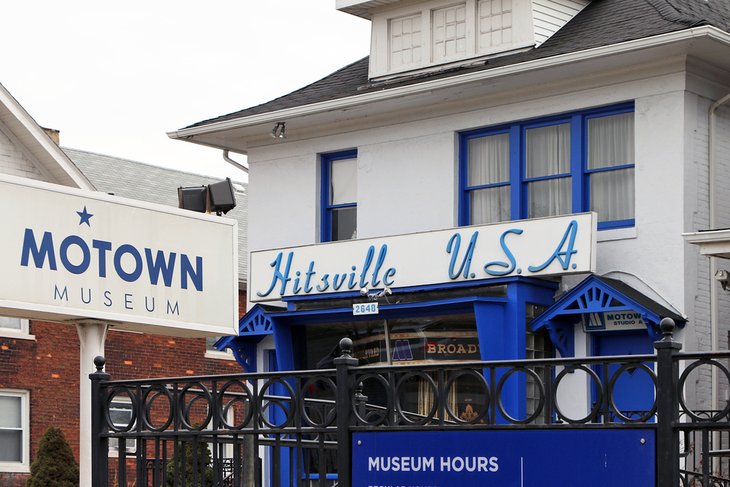
Also referred to as "Hitsville USA" for its iconic sign, the Motown Museum is a small shingle-clad building that was occupied from 1957 to 1972 by the studio where records of the "Motown sound" were produced. Visitors can see the actual recording studio where Marvin Gaye and others produced hit songs and the apartment where Motown founder Berry Gordy Jr. lived with his family.
The museum chronicles the history of the recording studio and the historic days of Detroit's rise to fame as the birthplace of some of the biggest hits of all time. Be sure to call ahead to reserve your tour - admission sells out quickly.
Address: 2648 West Grand Boulevard, Detroit, Michigan
Official site: http://www.motownmuseum.org/
3. Tour the Ford Piquette Avenue Plant
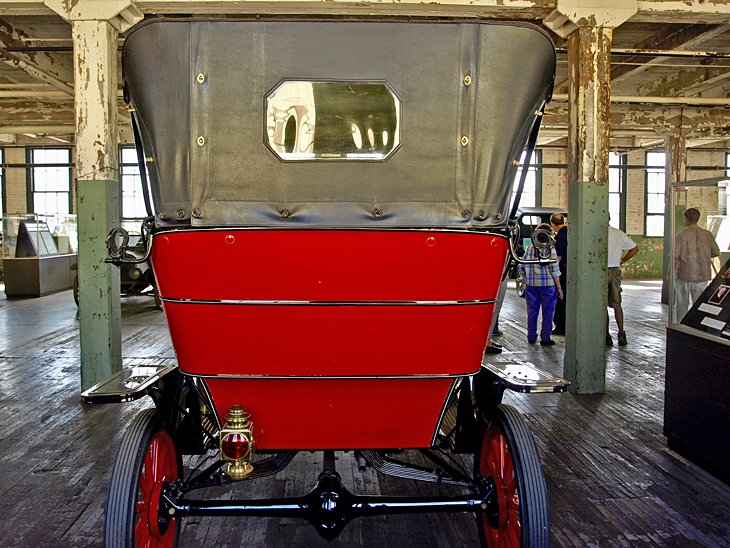
The Ford Piquette Avenue Plant is where the Model T was born, revolutionizing the automotive industry and shaping the way for the future of personal transportation. The building is a National Historic Landmark, formerly the center of manufacturing for what was once the world's most popular car.
Visitors can walk through the plant on the original worn floorboards and admire dozens of beautifully maintained early model vehicles, including Ford's cars and his competitors. You can also see the "experimental room" just as it was when Ford and his team worked on developing and testing new ideas, including a drafting table, tools, and even his mother's rocking chair.
Address: 461 Piquette Street, Detroit, Michigan
Official site: https://www.fordpiquetteplant.org/
4. Visit the Detroit Zoo

The Detroit Zoo occupies 125 acres just outside downtown Detroit, home to an astounding number of animals from around the world. The zoo is separated by habitat type, one of the most popular being the African habitats, which are home to exotic favorites like rhinos, lions, zebras, giraffes, as well as a South American favorite, the sloth. Located within this section is the four-acre ape habitat, which houses a dozen chimpanzees and three silverback gorillas.
The Asian Forest habitat is home to camels, tigers, lemurs, and red pandas, and there is an Australian Outback habitat, which has kangaroos and wallabies. There are also areas devoted to North American wildlife, and an Arctic region, which has polar bears, Arctic foxes, and several types of penguins. Visitors can also enjoy a peaceful visit to the indoor butterfly garden; a free-flight aviary; and the reptile conservation center, home to many types of snakes, frogs, and turtles.
A variety of animal encounters are available to visitors, including giraffe-feeding and penguin meet and greets. The park also has several playgrounds, a train ride, and a 4-D theater, as well as several picnic areas and a low-sensory zone for overstimulated kiddos.
Address: 8450 W 10 Mile Road, Royal Oak, Michigan
Official site: https://detroitzoo.org/
5. Explore Historic Fort Wayne
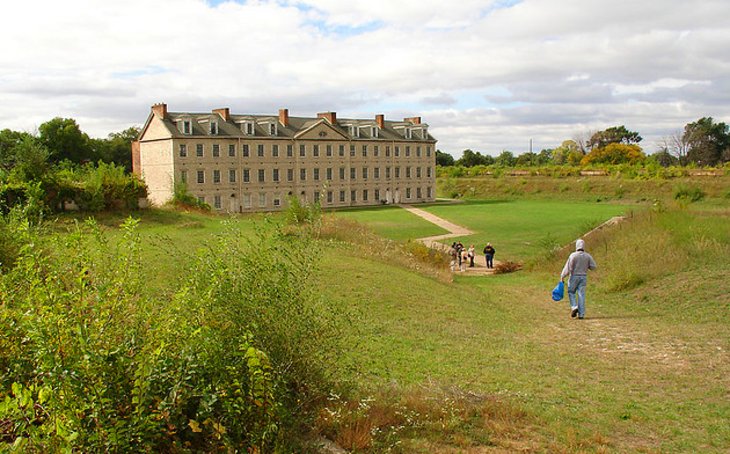
The grounds of Fort Wayne feature a five-pointed bastion fortress built in the 1840s, which tourists enter through the Sally Port, a fortified wooden door made with three layers of wood. Inside the fort stands the large limestone barracks building, which was constructed in 1848. Visitors can tour the first floor to get a peek at what life was like for a soldier in the 1860s.
The fort's interior also includes its oldest building, the powder magazine, and the large open parade grounds. Other features include a restored officer's quarters; the Demilune, which once held the water-facing cannons; and a dry moat. The fort hosts a number of events throughout the summer, as well as several special tours, including nighttime ghost tours that explore the spookier side of the fort.
Address: 6325 West Jefferson, Detroit, Michigan
Official site: www.historicfortwaynecoalition.com
6. Spend a Day on Belle Isle
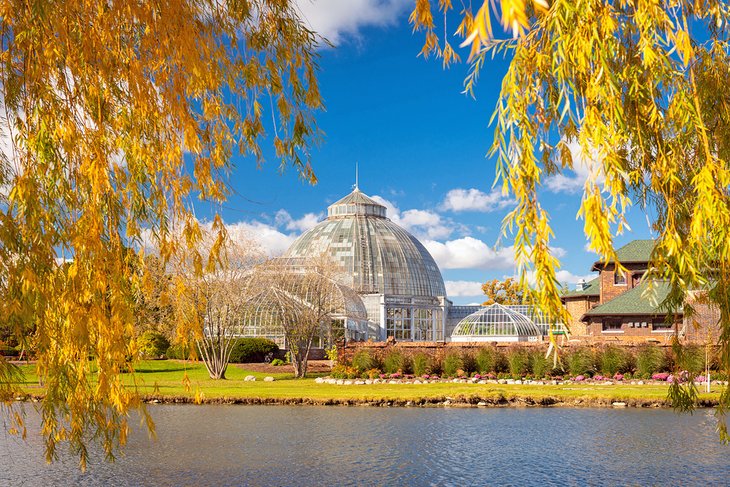
Belle Isle is an island in the Detroit River, approximately three miles long and up to one mile wide, laid out with beautiful parkland, hiking trails, and sports facilities. One of the primary features is the Anna Scripps Whitcomb Conservatory, which opened in 1904 and includes palms, cacti and desert plants, tropical plants, and a lily pond.
The island is also home to the Dossin Great Lakes Museum, which has numerous ship models and other exhibits illustrating the history of shipping on the Great Lakes, as well as reminders of the days of grand Great Lakes cruises, like the restored Gothic Room from the S.S. City of Detroit III.
Other attractions include the Belle Isle Nature Zoo, where visitors can feed deer, and the recently remodeled Belle Isle Aquarium. There are plenty of recreational opportunities on the island, including a driving range, bicycle and boat rentals, a giant slide, and plenty of swimming holes and hiking trails in and around the park's three lakes.
Official site: https://www.michigan.org/property/belle-isle-park
7. Tour the Henry Ford Museum & Greenfield Village
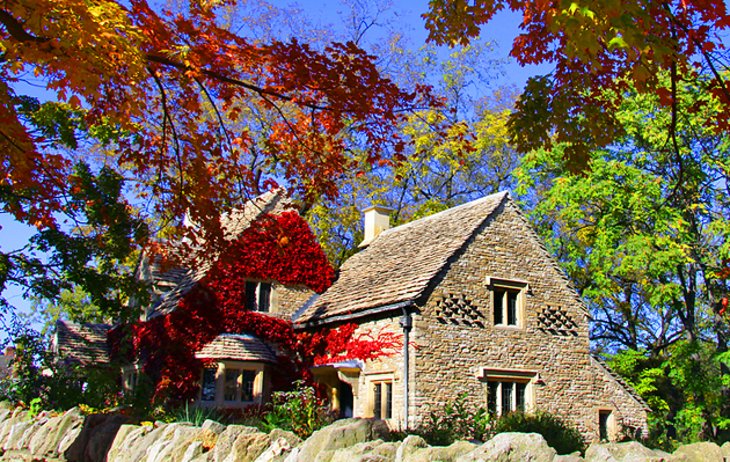
About 11 miles west of the city center is the suburb of Dearborn, where the automobile manufacturer Henry Ford was born. In 1929, he established two exhibition complexes as memorials to himself: the 12-acre Henry Ford Museum and an open-air museum called Greenfield Village.
The Henry Ford Museum offers a general survey of the development of American life and technological advances from pioneering days to the present time. Among the most notable exhibits are George Stephenson's first steam locomotive (1829); some 200 automobiles, including the first Ford and the car in which John F. Kennedy was assassinated; and the Fokker in which Admiral Byrd made the first flight over the North Pole in 1926.
Just north of the Henry Ford Museum is the entrance to Greenfield Village, an open-air museum with some 100 historic buildings of the 18th and 19th centuries from all over the United States. Among them are a school, railroad station, and other public buildings, the house in which Henry Ford was born, Edison's laboratory, and the Wright brothers' bicycle factory. The numerous shops in the Village Craft Center sell the products of the various workshops in the village.
Address: 20900 Oakwood Boulevard, Dearborn, Michigan
Official site: www.thehenryford.org
8. Catch a Ballgame at Comerica Park
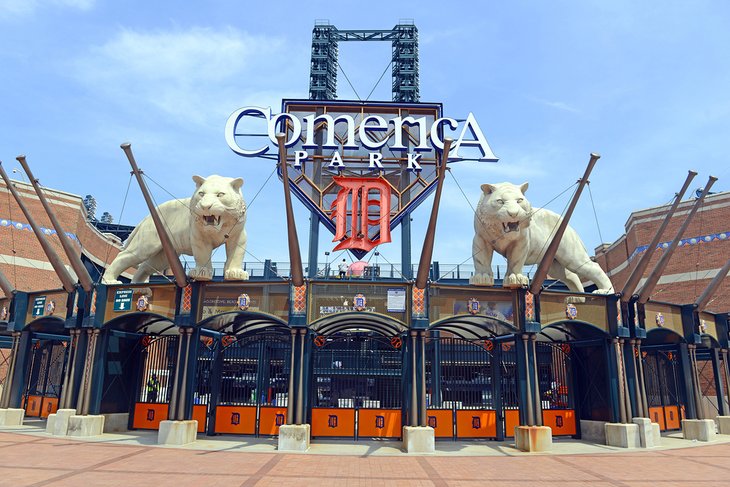
Comerica Park is a combination ballpark, theme park, and baseball museum. The park is most famous as the home of the Detroit Tigers baseball team whose history is celebrated along the main concourse in a series of exhibits that highlight the team's accomplishments and milestones, as well as a "Walk of Fame," which celebrates its most famous players.
Behind first base, families can enjoy a nice ride on the carousel, while in the third-base section there is a 50-foot Ferris wheel with seats that look like giant baseballs. If you have the chance to attend a game or event at the park, you will see the famous "liquid fireworks" in action on the center-field wall, where a colorfully lit fountain punctuates home runs and wows the crowd.
Address: 2100 Woodward Avenue, Detroit, Michigan
Official site: http://detroit.tigers.mlb.com/det/ballpark/
9. Masonic Temple of Detroit
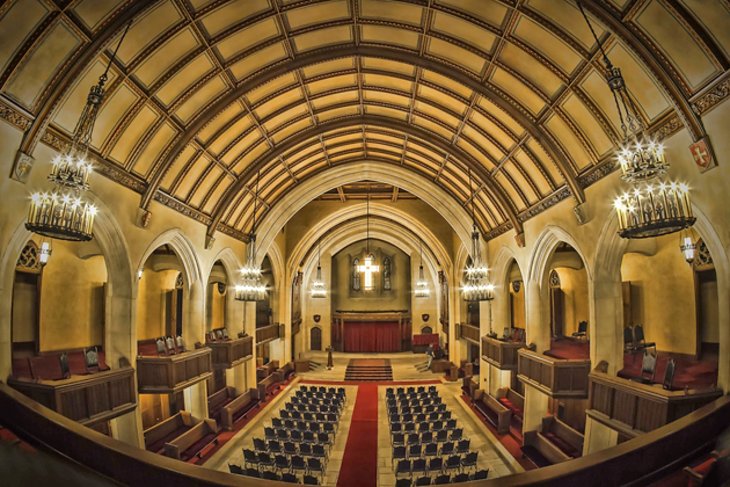
The Masonic Temple of Detroit is classical Gothic architecture built with Indiana limestone. The temple was dedicated in 1926 and is the largest temple of its kind in the world. The building has three major divisions: the ritualistic tower, the auditorium, and the Shrine Club. The facility hosts concerts and other events. Visitors who would like a tour of this impressive building need to call ahead for a reservation.
Address: 500 Temple Avenue, Detroit, Michigan
Official site: http://themasonic.com/
10. Go Shopping at Eastern Market
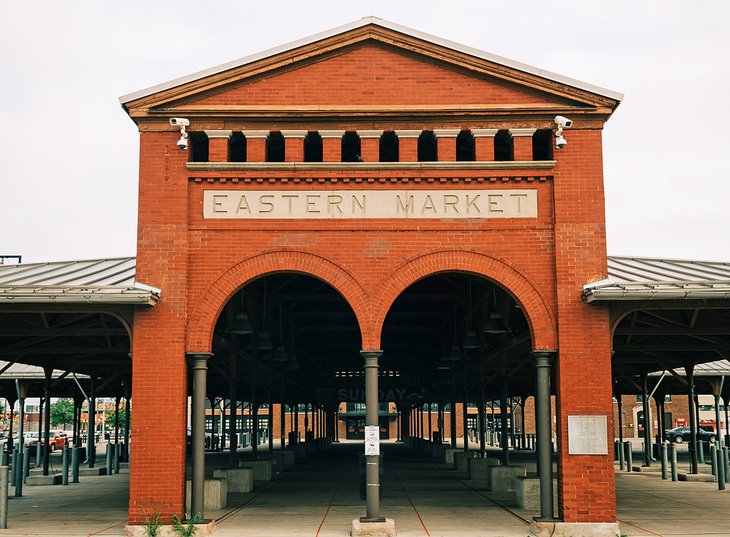
The 4.5-acre Eastern Market has been operating since 1891, gradually growing to occupy several city blocks close to downtown Detroit. The market is open all year on Saturdays with vendors offering fresh local produce and animal products, preserves, baked goods, and other farmers market fare. Shoppers will also find plenty of handcrafted items, and artists that sell jewelry, clothing, and other unique items.
June through September, the market is also open on Tuesdays and Sundays, with Sundays designated for local craftspeople and artisans. The market shops are housed in several buildings designated as numbered "Sheds" which sit along Russell Street between Wilkins and Winder Streets. Visitors should start at the Welcome Center in Shed 3 on Adelaide Street to pick up a map and hit the ATM before making the rounds.
In addition to the 200-plus vendors located in the sheds, tourists can find dozens of excellent local shops, restaurants, and cafés on the streets surrounding the market. The Market area is also well-known for its public art, especially the murals that adorn several of the buildings in the district; tourists can see the majority of them along Orleans and Erskine Street near Shed 6.
Official site: www.easternmarket.org
11. Explore the past at the Charles H. Wright Museum of African-American History
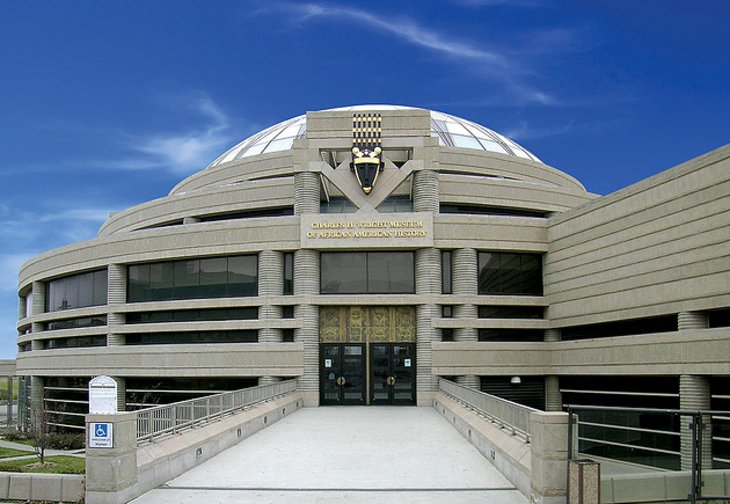
The Museum of African-American History illustrates the historical role of blacks in the United States and their position in the city of Detroit. Exhibits deal with a variety of topics, including a look at prominent African American scientists and technological leaders and Detroit's Underground Railroad that enabled slaves to flee from Michigan into Canada.
In addition to permanent and changing exhibits, the museum hosts a wide variety of events, including lectures, discussions, and films that touch upon social, political, and other issues.
Address: 315 East Warren Avenue, Detroit, Michigan
Official site: http://thewright.org/
12. Michigan Science Center
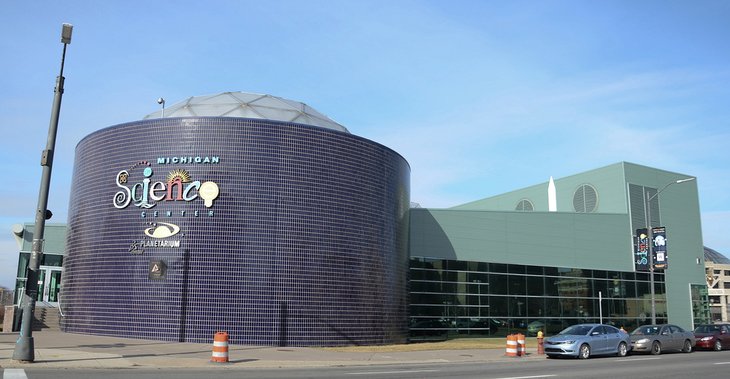
Located in Detroit's Cultural District, the Michigan Science Center offers a wide variety of exhibits, shows, and activities that engage and entertain all ages. Some of the top attractions within the center include an IMAX dome theater, a planetarium, and an immersive 4-D theater. There are also live stage shows, as well as more than 220 interactive exhibits within its selection of galleries.
Among the most popular galleries are the ones where kids get to be fully hands-on, like STEM Playground and the Smithsonian Spark!Lab. Others include topics of weather, math, health, space exploration, and even an exhibit on steel manufacturing and automation. Although there is no restaurant on-site, visitors are welcome to bring food and "picnic" in designated spaces.
Address: 5020 John R. Street, Detroit, Michigan
Official site: www.mi-sci.org
13. Stroll the Detroit Riverwalk
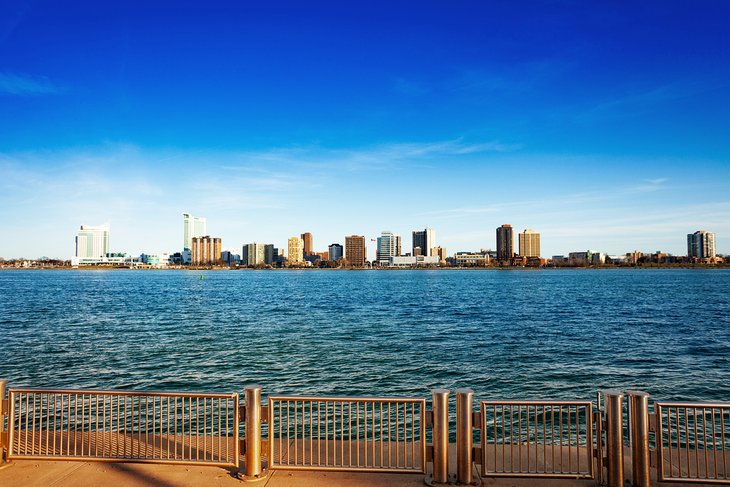
Detroit's Riverfront area is emerging as a popular place to stroll and enjoy activities year-round. It stretches over three miles from Belle Isle to Rosa Parks Boulevard, with plans to expand west another two miles along the waterfront. Various sites along the Riverwalk host special events, including free concerts and seasonal celebrations.
The Riverwalk begins at Mt. Elliot Park, a recently revitalized green space that offers fully accessible amenities, including water-play stations for kids, a café, and restrooms, as well as a fishing pier. After passing Harbortown Marina, the wide path proceeds west along the water's edge, offering plenty of tree-shaded benches along the way.
Families will appreciate the playground at Robert C. Valade Park, and jazz lovers will want to catch a show at the Aretha Franklin Amphitheater. Farther west, the Riverwalk passes through the William G. Milliken State Park, a lovely area that features a lighthouse, covered picnic pavilions, and several public art installations. Just beyond here, tourists can branch onto alternate paths to walk through a wetland area, beyond which is the Cullen Family Carousel and the Riverfront Community Playground.
Beyond the GM Renaissance Center, tourists will find the International Memorial to the Underground Railroad, behind which sits a large, attractive public space that hosts many of the Riverwalk's big events. The Detroit Princess Riverboat dock sits nearby, and the walk proceeds west past Huntington Place to the Concrete Pyramid.
Part of the park's planned expansion to the west includes connecting the promenade to Ralph C. Wilson Centennial Park (West Riverfront Park), which currently provides a large green space where events are held.
Official site: https://detroitriverfront.org
14. Take a Cruise on the Detroit Princess Riverboat
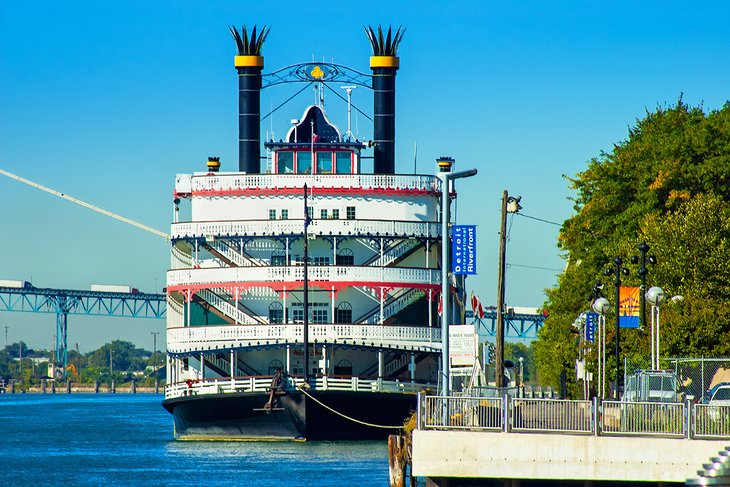
The Detroit Princess is a five-story 1500-passenger vessel that is docked at Hart Plaza on the Detroit Riverwalk near the GM Renaissance Center. Passengers get a different perspective of the city on two- to three-hour sightseeing cruises, providing opportunities for excellent photos. Tickets include either lunch or dinner, and there are sunset dinner cruises available several nights per week during the summer.
The Princess also offers themed events like Motown Memories and big band nights, as well as New Year's Eve celebrations and other holiday-themed events. The riverboat can also be chartered for private events, and offers rental of portions of the boat for smaller events.
Address: 1 Civic Center Drive, Detroit, Michigan
15. Detroit Historical Museum
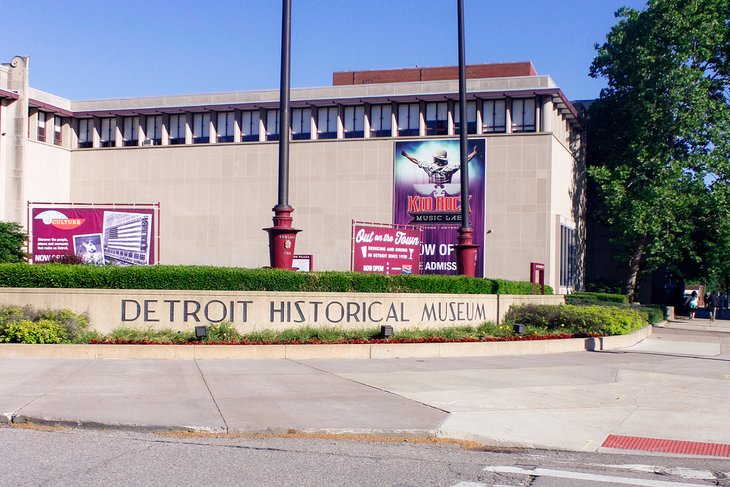
The Detroit Historical Museum is dedicated to celebrating the motor city's fascinating past, including how the city got the nickname - and the reputation - as the center of the automotive industry. Exhibits include reconstructions of old Detroit streets, model railways, and dioramas that provide a general overview of the city and the events that shaped it.
Additional exhibits include details about the vital role that the city's factories and people played during World War II, Detroit's part in the Underground Railroad, and other defining features of the city. The Detroit Historical Society also operates the Dossin Great Lakes Museum on Belle Isle, which explores the city's maritime history.
Address: 5401 Woodward Avenue, Detroit, Michigan
Official site: http://detroithistorical.org/
16. Detroit Public Library
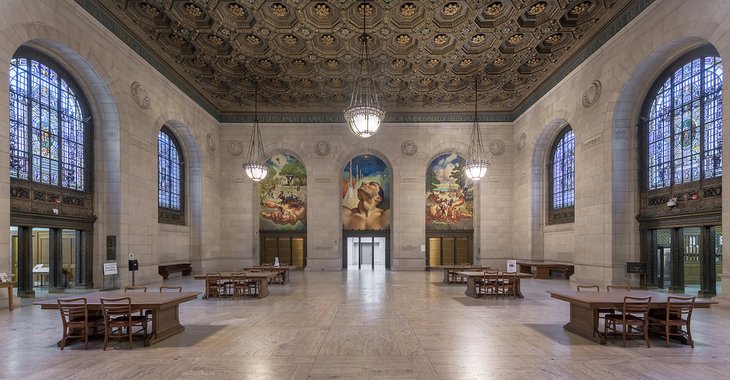
The Detroit Public Library formally opened to the public on March 25, 1865. The initial collection included 5,000 books and was located in a room in the old Capitol High School. The library moved to its present location on March 21, 1921. There are currently 10 departments within the main library and 23 branches.
The building itself is the main attraction and is listed on the National Register of Historic Places. Visitors can take a free, one-hour, docent-led tour of the building, which explores the library's architecture, art, and history.
Address: 5201 Woodward Avenue, Detroit, Michigan
Official site: https://detroitpubliclibrary.org/
17. Pewabic Pottery
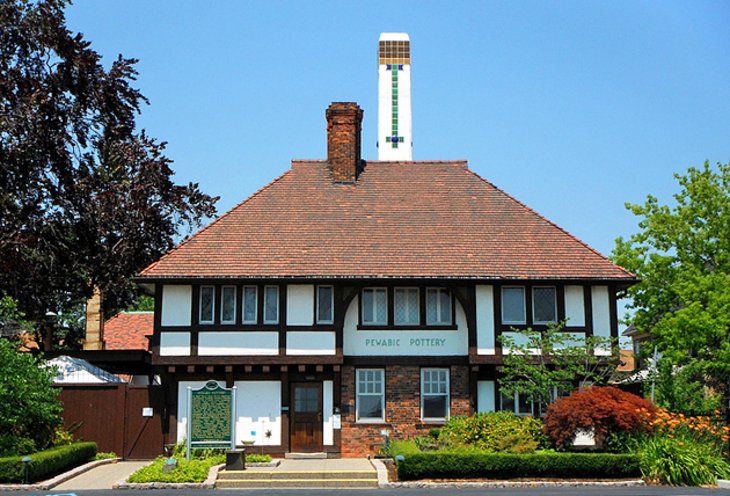
Pewabic Pottery was founded in 1903 by Mary Chase Perry Stratton and her partner, Horace Caulkins. The studio, operated by Stratton, continued until her death in 1961 and a few more years after that by her assistant. Today, Pewabic Pottery operates the ceramics museum, gallery workshop, and studio. The studio is a National Historic Landmark and houses an extensive collection of American ceramics in its museum.
There is also a gift shop, where tourists can purchase genuine Pewabic Pottery, from large pieces to a wide variety of Michigan and Detroit souvenir pieces. The museum is free and open to the public daily.
Address: 10125 East Jefferson Avenue, Detroit, Michigan
Official site: http://www.pewabic.org/
18. GM Renaissance Center
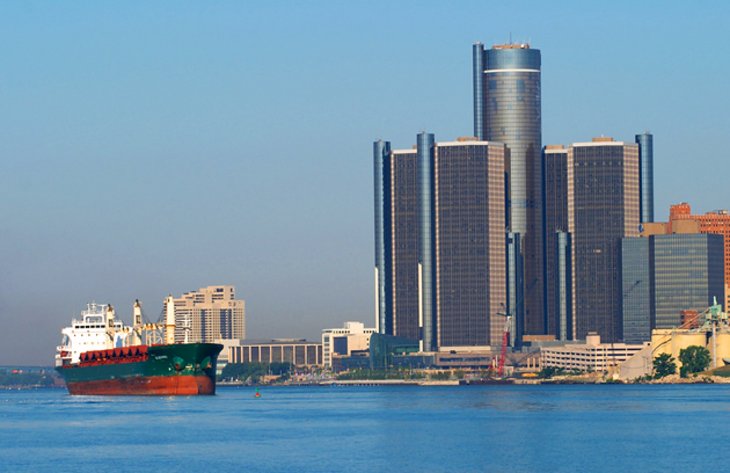
Along the Detroit River are huge skyscraper complexes, and dominating them all is the Renaissance Center, which poses as a central feature on the Detroit skyline. This seven-tower complex is a top sightseeing destination, housing the Detroit Marriott, offices, restaurants, and shops that are connected by a dizzying network of escalators and walkways.
There is an observation deck on the 72nd floor, which offers excellent views over the city. The center's most popular attraction is the massive GM showroom, which displays the company's vehicles, including mint-condition early cars and trucks through the newest models.
Address: 100 Renaissance Center, Detroit, Michigan
Official site: http://gmrencen.com/
19. Explore Fair Lane, The Henry Ford Estate
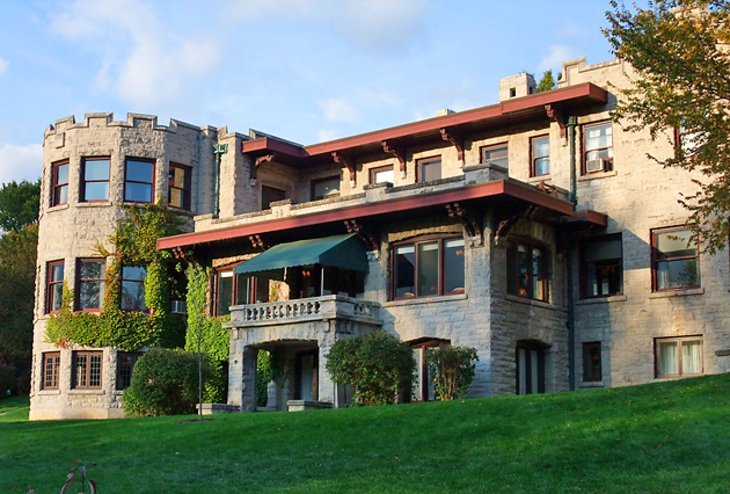
Located in the Detroit suburb of Dearborn, Fair Lane is the former home of automaker Henry Ford and his wife Clara. The Fords settled into their new home in 1915 and lived there until their deaths in 1947 and 1950. The grounds of Fair Lane include a powerhouse hydropower plant, which gave the estate the independence to produce its own power, heat, and light.
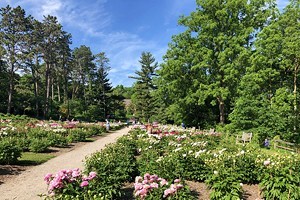
The estate also included a summer house, man-made lake, staff cottages, gatehouse, pony barn, skating house, greenhouse, root cellar, vegetable garden, peony gardens, a "Santa's workshop," and five hundred birdhouses. Although the property is in the process of restoration, the grounds are accessible to visitors.
Address: 1 Fair Lane Drive, Dearborn, Michigan
Official site: www.henryfordfairlane.org
Where to Stay in Detroit for Sightseeing
Most visitors to Detroit will want to stay downtown, near many of the key attractions and entertainment venues. The Detroit People Mover, operating in a 2.9-mile circuit, is an inexpensive and convenient way to get around the city center and explore the sights. Below is a list of highly-rated hotels in convenient locations:
Luxury Hotels:
- Right downtown and near a People Mover stop, the Aloft Detroit at The David Whitney is housed in a fully restored 1915 Neo-Renaissance-style building with a spectacular four-story gold leaf atrium.
- The MGM Grand Detroit is a huge complex, with large rooms, great views of the city skyline, and a variety of on-site entertainment options.
- If you are in Detroit for a sporting event, the Westin Book Cadillac is in an ideal location, with all of the major stadiums less than a 15-minute walk from this hotel.
Mid-Range Hotels:
- For something a little different, The Inn on Ferry Street is a beautifully restored, small hotel consisting of four Victorian homes and two carriage houses. Although it is a little outside the city center, it is close to the Detroit Institute of Art.
- The Fort Pontchartrain Detroit, a Wyndham Hotel is a tall, sleek, modern hotel near the Riverwalk area and just minutes from the People Mover.
- For families, the Doubletree Detroit Downtown - Fort Shelby is a good choice, with a variety of options, including large two-room suites.
Budget Hotels:
- The Hotel Indigo Detroit Downtown is an upper-end budget hotel in the downtown area, with a pool on the top floor, and a complimentary breakfast.
- To find better value budget options it's best to head outside of the city center. The Red Roof Inn Detroit Dearborn/Greenfield Village is 12 miles from downtown but only two miles from the Henry Ford Museum.
- The Comfort Inn Near Greenfield Village is in the same area and features an indoor pool and a free shuttle to anywhere within five miles of the hotel.
Map of Attractions & Things to Do in Detroit
Detroit, MI - Climate Chart
| Average minimum and maximum temperatures for Detroit, MI in °C | |||||||||||
| J | F | M | A | M | J | J | A | S | O | N | D |
| 1 -7 | 2 -6 | 8 -2 | 15 4 | 22 11 | 27 16 | 29 18 | 28 18 | 24 13 | 17 7 | 9 2 | 3 -4 |
| PlanetWare.com | |||||||||||
| Average minimum and maximum temperatures for Detroit, MI in °F | |||||||||||
| J | F | M | A | M | J | J | A | S | O | N | D |
| 33 20 | 36 22 | 46 29 | 59 39 | 72 51 | 80 60 | 85 65 | 82 64 | 75 56 | 62 45 | 49 36 | 38 25 |
| PlanetWare.com | |||||||||||