15 Top-Rated Tourist Attractions in Mons (Bergen)
Landmark structures and centuries-old architectural attractions, along with museums and interesting local festivals, make Mons a city worth adding to your Belgium sightseeing itinerary if you're interested in history and culture.
Mons (also known as Bergen in Flemish) stands on a ridge between the two rivers of Haine and Trouille and is an important junction town between Brussels and Paris. Its origins date back to the seventh century, when a castle was built here, and a monastery dedicated to St. Waltrude was founded here a little later.
Mons' heyday was during the 13th and 15th centuries, when it became the capital of the county of Hennegau, but the town suffered considerably during the wars of the 17th and 18th centuries and lost its prominence.
Discover the best places to visit with our list of the top attractions and things to do in Mons (Bergen).
- 1. Admire Mons City Hall
- 2. Climb to the Top of the Belfry of Mons
- 3. Visit the Church of Sainte-Waudru
- 4. Explore Local History at Mons Memorial Museum
- 5. Experience the Festival of Le Lumeçon
- 6. Museum Francois Duesberg
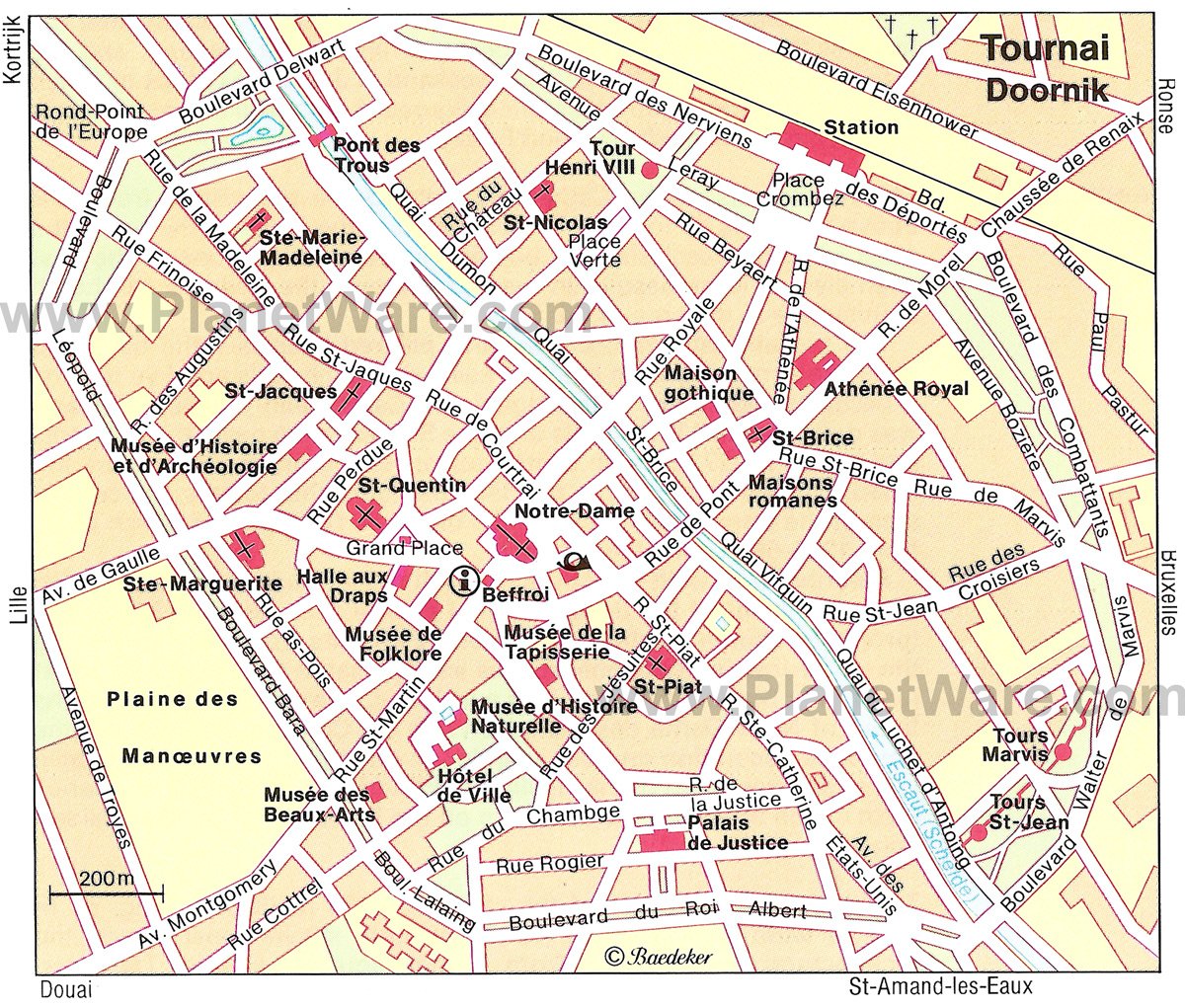
- 7. Day Trip to Tournai
- 8. Tour the Château de Beloeil
- 9. Take in the Interior of the Collégiale Saint-Vincent
- 10. Stroll around Beloeil Park
- 11. Visit the Grand Hornu
- 12. Check Out the Old Town District of Charleroi
- 13. Ramble around the Medieval Ramparts of Binche
- 14. Explore the Parc de Mariemont
- 15. Detour to La Louvière for Industrial Canal History
- Where to Stay in Mons for Sightseeing
- Mons, Belgium - Climate Chart
1. Admire Mons City Hall
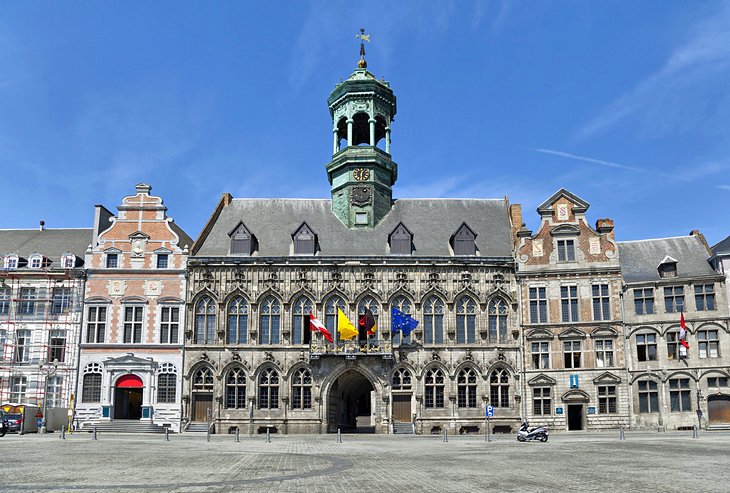
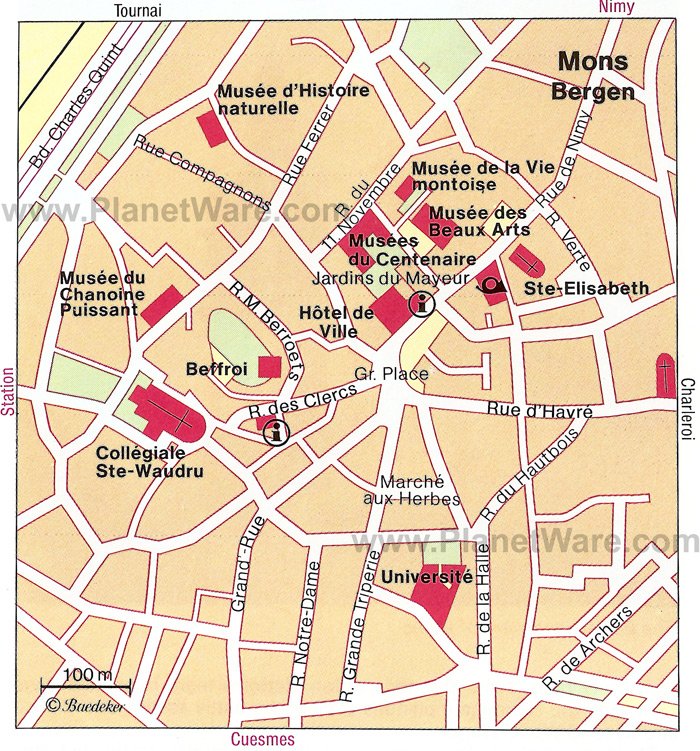
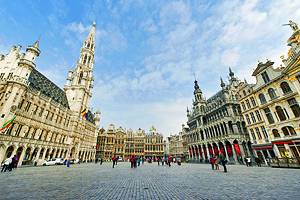
Mons' City Hall (also called the Hôtel de Ville) presides impressively over the town's Grand Place in the central city, flanked by the ornately-decorated Toison d'Or House (1615) and the Chapel of St. George (1604).
The facade was designed by Mattheus de Layens in 1458, while the rest of the city hall buildings, grouped around the courtyard, date from the 15th to 18th centuries. Look up to the left of the main entrance to see a bronze sculpture of a monkey with a polished head – stroking it is said to bring good fortune.
Inside, the Salle des Commissions holds Brussels tapestries dating to 1707, and the Salle des Mariages has some gorgeous examples of wooden paneling.
If you walk through the courtyard, you come to the Jardins du Mayeur, the Burgomaster's garden, which has a fountain representing a street urchin of Mons. Just to your left here is the old civic prison of 1512 with a torture chamber.
The Grand-Place de Mons is the city's lively center, where you will find numerous cafés, restaurants, and shops lining the cobblestone streets.
Visitors could easily spend a relaxed afternoon here simply admiring the facades of the square's old buildings, and then people-watching at a table at one of the outdoor cafés.
Those who enjoy horse-drawn carriage rides can find coachmen lined up in the square ready to provide tours.
Address: Grand-Place, central Mons
2. Climb to the Top of the Belfry of Mons
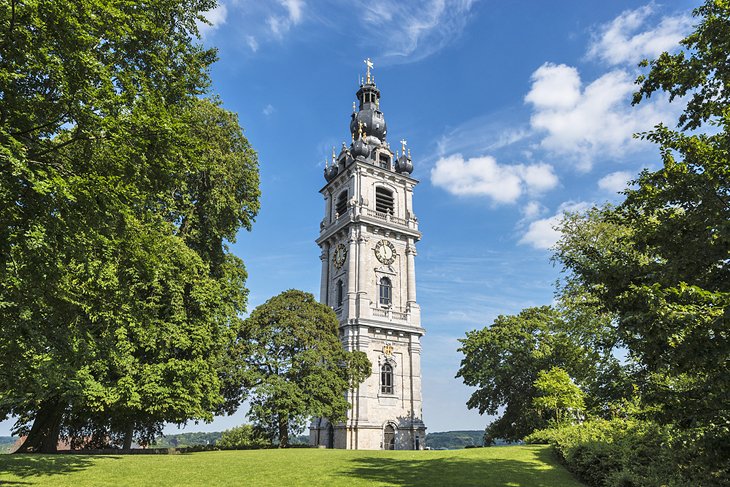
One of the top things to do in Mons is to climb the 365 stairs up to the top of the city's bell tower, the most famous landmark in Mons.
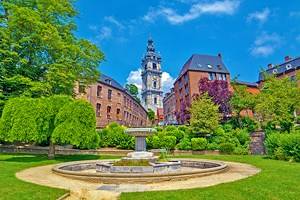
Also known as El Catiau, the bell tower stands on the former castle hill above the town and is a UNESCO World Heritage site. The 87-meter-high tower was built between 1661 and 1672, designed by Anthony Vincent and Louis Ledoux. It is the only purely Baroque belfry in Belgium, with a carillon of 47 bells.
At the top, the belfry's observation platform is one of the best places to visit in Mons for panoramic vistas across the town and out to the countryside beyond.
Time your visit to be at the top for the turn of the hour when the bells ring.
Address: Ramp du Chateau, central Mons
3. Visit the Church of Sainte-Waudru
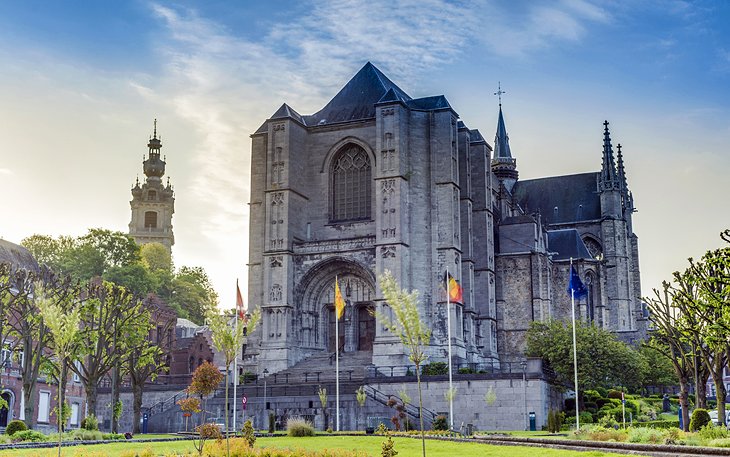
Just below Mons' castle hill with the scant remains of the old feudal castle is the Collegiate Church of Sainte-Waudru. Building began in 1450 to plans by Mattheus de Layens, and despite construction being interrupted several times, the church reveals a remarkable unity of style in Brabant Gothic.
Inside, the first thing that will strike you are the pillars of the central nave, which stretch up into the vault of the roof without any capitals.
Once you're through the main door, turn to the left to see the "Car d'Or," a processional carriage built in 1780 for the shrine of St. Waltrude. The gilded copper shrine (built in 1887) is near the High Altar and holds the body of the saint who died in 682 and was sewn up in a skin of a stag. Her head is kept in one of the chapels in a casket.
At various points around the church (in the transept, choir, and chapels 11, 14, 20, 24, and 28) you can see the surviving remnants of the church's choir screen, made by Jacques Dubroeucq of Mons between 1535 and 1548 and destroyed by the French in 1792. This is one of the most important of Renaissance works in Belgium with a strong Italian influence.
Don't forget to visit the treasury before you leave the church. It contains a number of valuable reliquaries including that of St. Vincent by the school of Hugo d'Oignies, as well as gold and silver work from Mons and the surrounding district.
Address: Rampe du Sainte-Waudru, central Mons
4. Explore Local History at Mons Memorial Museum
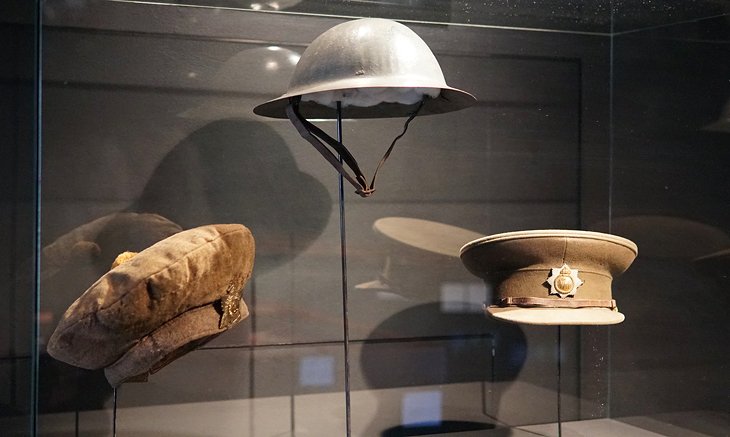
The Mons Memorial Museum (formerly the War Museum) is dedicated to exploring Mons' place in history due to its strategic importance. For anyone interested in Belgian heritage, this museum is one of the top things to do while in town.
Visitors are first introduced to an overview of the city's history from the Middle Ages to the beginning of the 20th century, learning through interactive exhibits about the complex relationship that military and civilian populations have had in the area.
Nearly one half of the museum is dedicated to World War I, a conflict that had a profound impact on the city. It was here that the British troops first fought the Germans, and the people of Mons endured four years of occupation under the oppressors before they were freed in 1918.
Another large section of the museum focuses on World War II, when the city was once again occupied, and civilians were subjected to the horrors of the Nazis.
The museum houses over 5,000 artifacts, which include uniforms and weapons of soldiers from various conflicts and sides, artwork depicting the struggles the people of Mons have endured, and numerous items that let visitors gain insight into their lives.
Address: Boulevard Dolez, 51, Mons
Official site: http://en.monsmemorialmuseum.mons.be/
5. Experience the Festival of Le Lumeçon
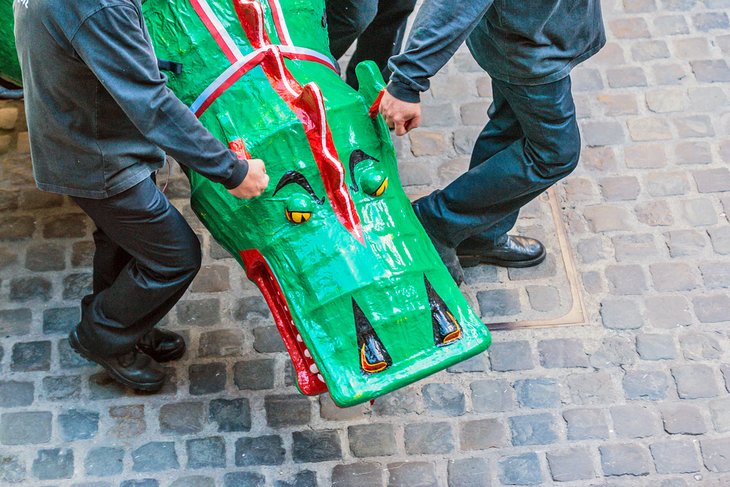
On the Sunday after Whitsun (57 days after Easter), a unique eight-day festival called Lumeçon takes place in Mons. Its origins come from a processional game associated with St. George, which dates from the 14th century.
Participants (acting as St. George) leave the Church of Saint-Waudru at 12.30pm and walk in procession to the Grand Place carrying a nine-meter-long dragon known as "Doudou."
Once they've reached the Grand Place, they act out a fight between St. George and the dragon. Finally, the saint is declared the winner by two pistol shots, and the dead dragon is dragged into the courtyard of the city hall.
If your visit to Belgium isn't at the right time of year, you can get a taste of the experience by visiting the Musée du Doudou, a museum dedicated to celebrating the traditions of the festival and the local culture.
6. Museum Francois Duesberg
Mons' Museum Francois Duesberg is dedicated to decorative arts and is home to a collection of items that were popular among French aristocracy during the late 1700s and early 1800s.
A significant portion of the collection is made up of clocks, with a variety of ornate and rare timepieces on display that originate from Paris, Switzerland, and other European cities. Other exhibits include fine examples of porcelain, with a focus on pieces from Brussels and Paris, as well as a collection of gilt bronzes and items made from precious metals.
The museum also houses a collection of antique and rare jewelry, including a set of rare cameos.
Address: Square F. Roosevelt, 12, Mons
Official site: http://en.duesberg.mons.be/
7. Day Trip to Tournai
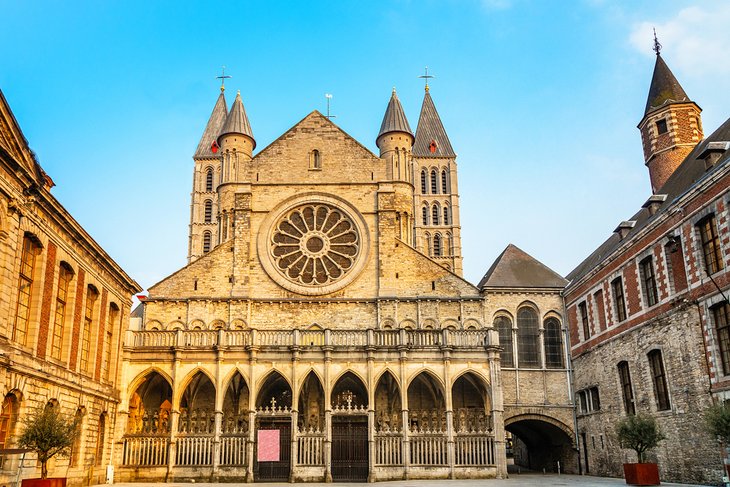
Tournai (50 kilometers northwest from Mons) is one of the oldest towns in the country, and several attractive but mostly reconstructed buildings testify to the prosperity of this old princely residence and episcopal town.
The Cathedrale Notre-Dame is the city's most grand and striking building and is a classic example of Romanesque architecture.
Inside, the magnificent marble Renaissance rood screen separates the transepts and nave from the choir. It is one of the most important works of Cornelis Floris de Vriendt, made in the years 1570-1573.
The cathedral treasury, housed in rooms to the right of the choir ambulatory, contains a number of pieces of the first order, the finest of which are two Late-Romanesque reliquary shrines.
Tournai's Grand Place (the main square) is lined by gabled houses most of which are restored and many housing museums.
On the west side of the square is the belfry, the oldest bell-tower in Belgium. The first four stories were built in 1200 and completed in 1294 with the topmost story and the spire.
Also on the square is the star-shaped building of the Musée des Beaux Arts, built in 1928 according to plans by Victor Horta. Its principal collection is that of the Tournai burgher Henry van Cutsem, and fine paintings of many periods are displayed across 14 rooms.
8. Tour the Château de Beloeil
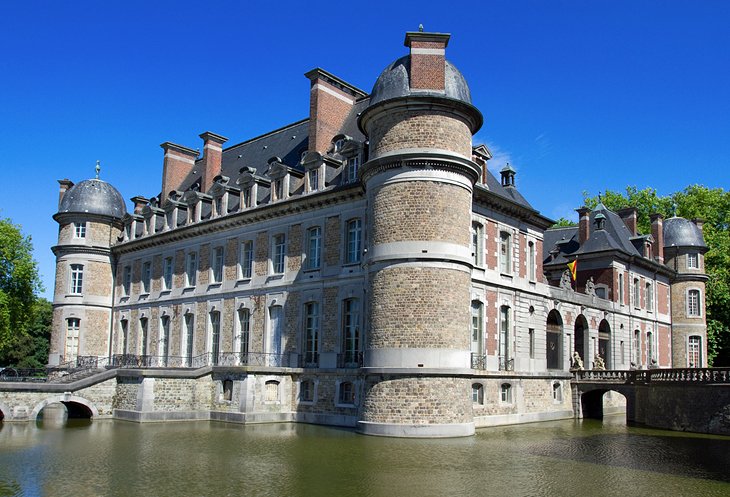
The little town of Beloeil lies about 30 kilometers northwest of Mons and is home to this baroque château and park, which are reputed to be the finest of their kind in Belgium.
Château de Beloeil was founded in the 13th century as a medieval fortress and transformed into a palace in the 17th and 18th centuries.
The château has been in the possession of the de Ligne family for seven hundred years. The main house burnt down in 1900 and was rebuilt in its present 18th-century style in 1920. Only the two free-standing wings and the entrance pavilions survive substantially unchanged from 1682.
Inside, the rooms of the château are superbly furnished with a wealth of period furniture belonging to the de Ligne family.
Especially noteworthy is Prince Charles-Joseph's apartment with its series of paintings depicting episodes in his life, the Salle des Médailles with its valuable coin collection, and the library with more than 20,000 volumes (including an hour-book dated 1532 and said to have belonged to Charles V).
Address: Rue du Château 11, Beloeil
Official site: http://www.chateaudebeloeil.com
9. Take in the Interior of the Collégiale Saint-Vincent
This mammoth church in Soignies, dedicated to St. Vincent was built in the style of Scheldt Romanesque with construction begun in 965 but only completed in the 13th century.
Both bays of the choir contain the oldest cross-ribbed vault in Belgium (believed to date from the 11th century). The most impressive items are undoubtedly the sculpture, the Renaissance choir screen made of marble and stucco, and the Baroque choir stalls and pulpit.
The great 19th-century Shrine of Saint Vincent stands in the choir, while the church's treasury is found in the Chapel of St. Hubert in the south wall.
The old cemetery, not far from the church, is a public park with a Romanesque chapel that is now an archaeological museum.
The Collégiale Saint-Vincent is 20 kilometers northwest of Mons, in the center of the town of Soignies.
Address: Grand'Place 10, Soignies
10. Stroll around Beloeil Park
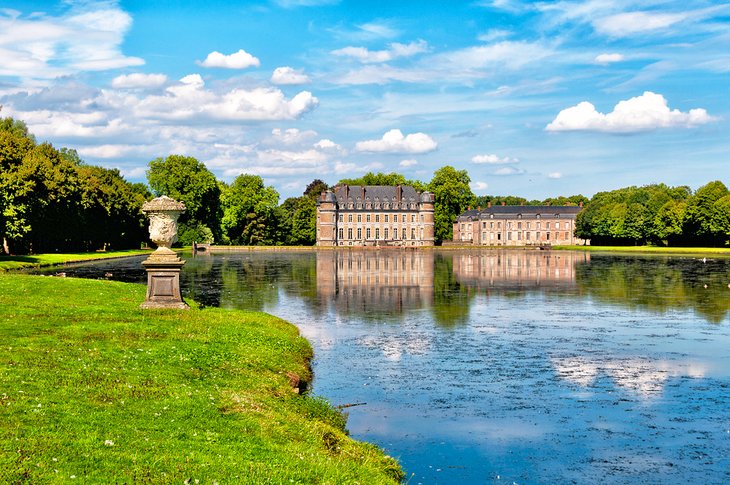
Belgium's "Little Versailles," Beloeil Park are the gardens and estate of the Château de Beloeil, 30 kilometers northwest of Mons. The gardens were designed and laid out in the 18th century by Prince Claude Lamoral II, with the aid of the French architect Chevotet.
A series of small hedged gardens, several with pools, are arranged in typical Rococo fashion around the 460-meter-long ornamental lake known as Le Grand Pièce d'Eau.
The splendid five-kilometer Allée Grande Vue extends beyond the boundaries of the park itself.
Some years ago, various attractions were added, using land on the west side of the estate. They include Park Minibel, a 1:25 scale reconstruction of some of Belgium's most famous sights and buildings, including Liége railroad station, Brussels Town Hall, and the Bruges belfry.
A miniature train ferries tourists between here and the Château de Beloeil.
Address: Rue du Château, Beloeil
11. Visit the Grand Hornu
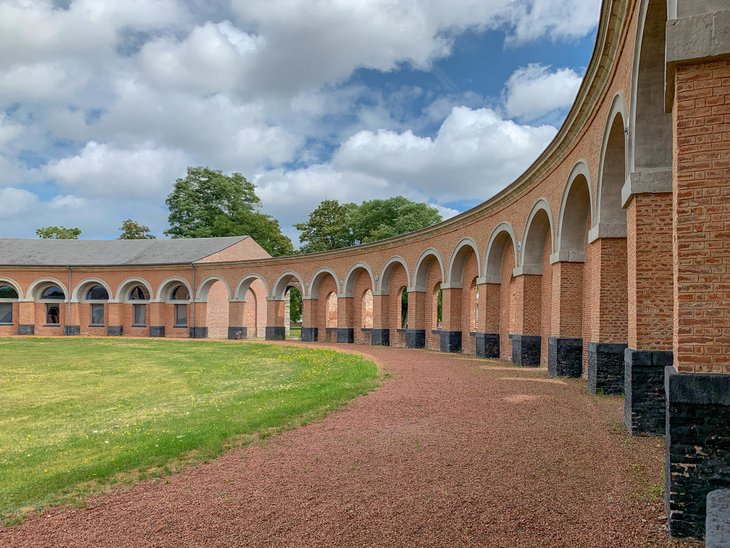
Just 13 kilometers to the west of central Mons, this 19th-century colliery complex is regarded as one of the best surviving examples of neoclassical industrial architecture in Europe. Today the buildings have been restored and revitalized to become the Museum of Contemporary Arts at Grand Hornu.
At the Grand Hornu colliery's height, it was one of Belgium's most important coal industry centers and a major factor in the country's economic development. When coal production stopped after World War II, though, the site slid into dereliction until it was saved and converted into an art museum.
The Museum of Contemporary Arts at Grand Hornu runs a rolling program of exhibitions, focused on local artists and cutting-edge conceptual design. It is well worth a visit while in Mons to admire the complex's finely restored architecture, as well as the art itself.
Address: Rue Sainte-Louise 82, Boussu
Official site: https://www.cid-grand-hornu.be/en
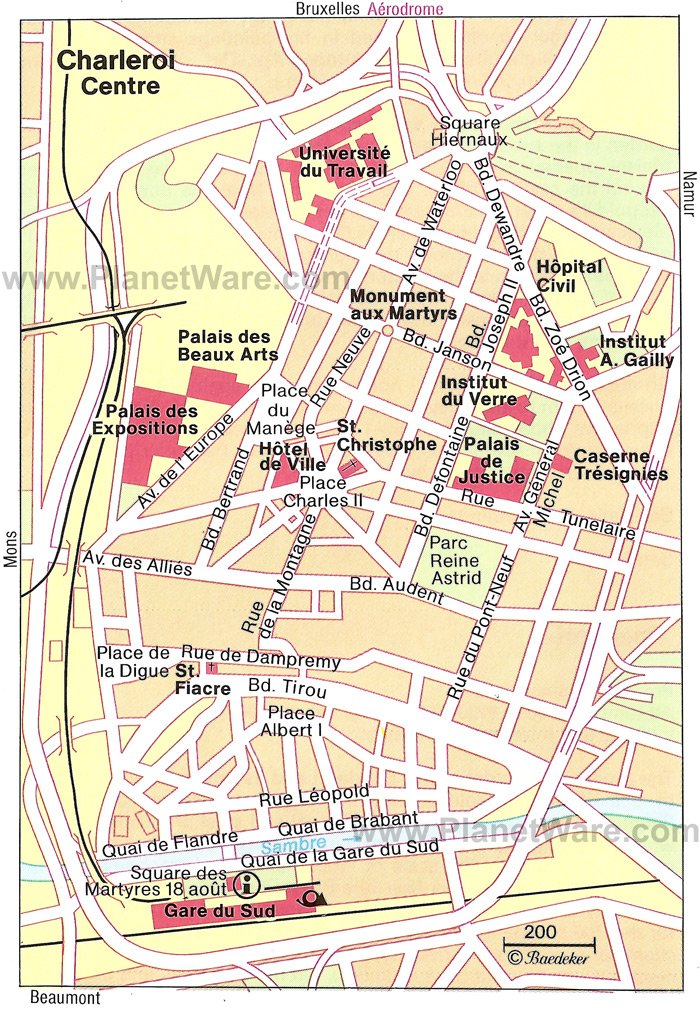
12. Check Out the Old Town District of Charleroi
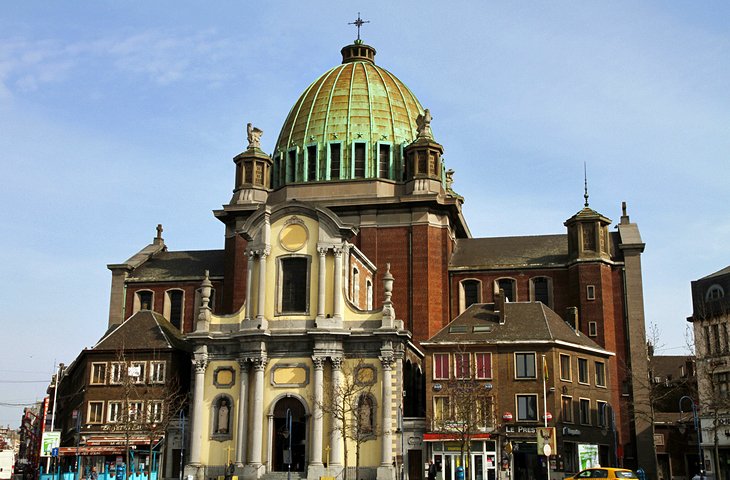
About 50 kilometers east of Mons, the city of Charleroi lies at the heart of one of Europe's oldest industrial regions.
This part of southern Belgium is almost synonymous with coal and steel production. As an industrial center, Charleroi doesn't have a plethora of sights, but the old town area does retain some historical architecture and a couple of excellent museums.
The heart of Charleroi's upper town is the Place Charles II, dominated by the Hôtel de Ville (Town Hall) and its towering 70-meter-high belfry with a carillon of 47 bells.
Museum-goers should check out the Institut National du Verre, which contains the Glass Museum with a display of some exceptional examples of the glassmaker's art from antiquity to the present day; and the Archaeological Museum, which displays archaeological finds mainly from the Roman and Merovingian periods.
13. Ramble around the Medieval Ramparts of Binche
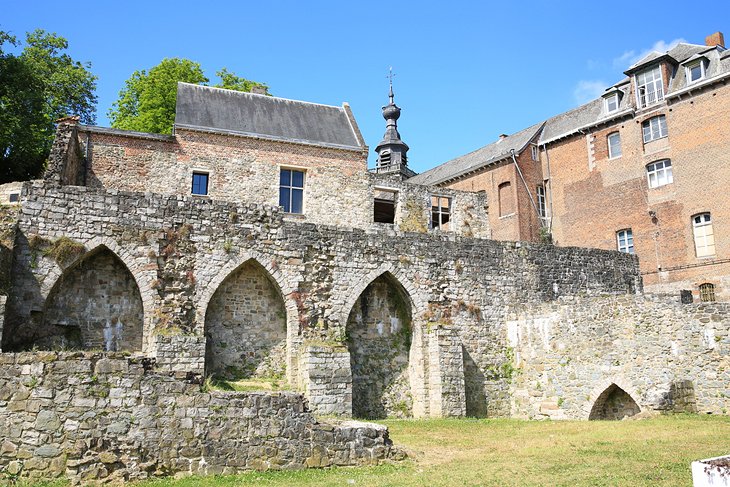
A great quick stopover on a drive between Mons and Charleroi, Binche (19 kilometers east of Mons) takes great pride in being the only town in Belgium to retain a substantial proportion of its medieval ramparts intact, including 27 towers.
Throughout its long history, those who have held the fate of Binche in their hands have frequently been women-Joanna of Constantinople, Margaret of York, and especially Mary of Hungary under whom the town enjoyed its heyday.
Apart from the 19th century, when Binche had a thriving textile industry, the town has remained something of a backwater ever since.
Each year the Carnival of Binche takes place, attracting an increasing number of visitors. This event was named one of the Masterpieces of the Oral and Intangible Heritage of Humanity by UNESCO.
14. Explore the Parc de Mariemont
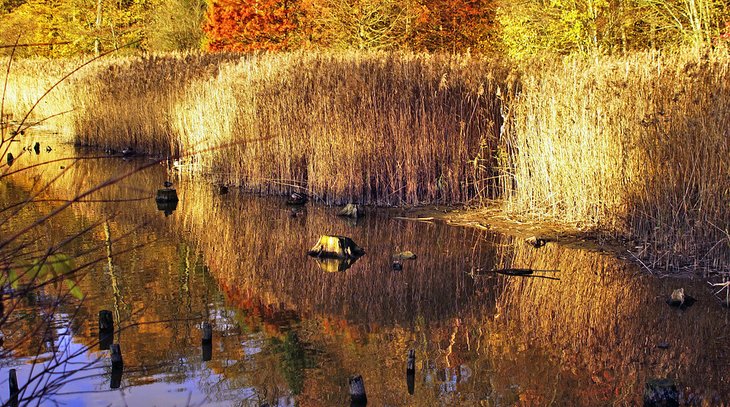
Near the village of Morlanwelz, about eight kilometers from Binche (and 26 kilometers east of Mons), the Parc de Mariemont is named after Mary of Hungary, who built a hunting lodge here in 1546. The ruins here now date from only 1831 and are the remnants of the palace that burnt down in the 1960s.
The major tourist attraction within the park is the Musée royal de Mariemont, which holds the park's art and archaeology collection.
The first floor of the museum contains extensive collections of Egyptian, Greek, and Roman antiquities, as well as precious jade and lacquer work from China and Japan.
On the lower ground floor are archaeological finds from Gallo-Roman and Merovingian times, although the most exciting section here is the extraordinary collection of Tournai porcelain with pieces representing four stylistic periods from between 1750 and 1799.
The surrounding park is adorned with some very fine sculptures. These include several works by the Belgian sculptor Victor Rousseau, as well as Auguste Rodin's The Burghers of Calais.
Address: Chau. de Mariemont 100, Morlanwelz
15. Detour to La Louvière for Industrial Canal History
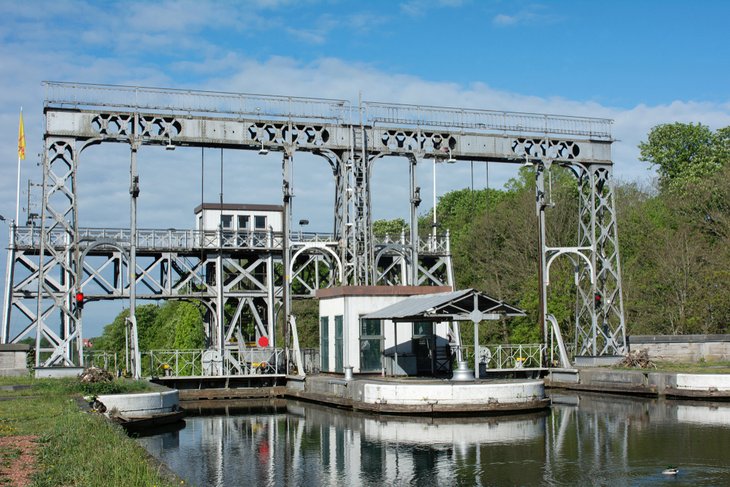
About 12 kilometers north of Binche, and 24 kilometers east of Mons, the Canal du Centre passes by the industrial town of La Louvière.
Although the town itself has little to offer in the way of tourist attractions, anyone with an interest in industrial history should make a point of visiting, if only to see the four hydraulic barge lifts on the canal at Houdeng Goegnies and Bracquegnies on the outskirts.
These steel monsters were constructed between 1888 and 1917 to overcome a height difference of 68 meters in the space of just seven kilometers.
Afterwards, a detour west to the enormous, modern hydraulic-lift locks at Strépy-Thieu provides an interesting comparison with the old barge locks. The new locks overcome a difference in level of 73 meters.
Where to Stay in Mons for Sightseeing
Luxury Hotels:
- The four-star Congres Hotel Mons Van der Valk is a modern hotel, which offers a wide range of luxury amenities, including an in-house spa, fitness center, and excellent restaurant with room service. Pet-friendly rooms and suites are equipped with a mini-fridge and free Wi-Fi, and parking is also free.
- For those who prefer the more personal touch of a B&B, Compagnons11 is a good option, offering charming rooms and delicious breakfasts in an old mansion close to the center of town.
Mid-Range Hotels:
- An excellent mid-range option located close to the Mons Memorial Museum is Dream, a quirky and fun hotel that features individually decorated rooms with personality. This family-friendly hotel welcomes pets, and offers a spa, sauna, and hot tub, as well as fitness facilities; there is also a restaurant, and both parking and Wi-Fi are free.
- Although it's located about 4.5 miles from the center of town near the NATO military base, the Hotel & Aparthotel Casteau Resort Mons is an excellent option for families or those here on longer stays; rooms and suites include kitchenettes, and there are a wide range of amenities, including a spa and sauna, business center, electric vehicle charging, and a fitness center.
Mons, Belgium - Climate Chart
| Average minimum and maximum temperatures for Mons, Belgium in °C | |||||||||||
| J | F | M | A | M | J | J | A | S | O | N | D |
| 5 0 | 6 0 | 9 2 | 13 5 | 17 8 | 20 11 | 22 13 | 22 13 | 19 11 | 14 8 | 9 3 | 6 1 |
| PlanetWare.com | |||||||||||
| Average monthly precipitation totals for Mons, Belgium in mm. | |||||||||||
| 66 | 53 | 74 | 58 | 71 | 79 | 76 | 64 | 58 | 71 | 79 | 76 |
| Average minimum and maximum temperatures for Mons, Belgium in °F | |||||||||||
| J | F | M | A | M | J | J | A | S | O | N | D |
| 41 31 | 43 32 | 48 35 | 54 40 | 63 46 | 67 51 | 71 54 | 71 54 | 66 50 | 57 45 | 48 37 | 42 33 |
| PlanetWare.com | |||||||||||
| Average monthly precipitation totals for Mons, Belgium in inches. | |||||||||||
| 2.6 | 2.1 | 2.9 | 2.3 | 2.8 | 3.1 | 3.0 | 2.5 | 2.3 | 2.8 | 3.1 | 3.0 |
More Related Articles on PlanetWare.com
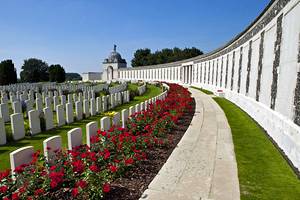
Belgian Battlefields: Another Belgian city that was deeply scarred by war, Ypres is visited by those who are interested in WWI history. Tours explore the numerous battlefields, beginning at the Menin Gate, and also visit several of the soldiers' cemeteries that dot the landscape. Although much of the original town was destroyed during World War I, some of the original structures remain, including the beautiful Lakenhalle in the Grote Markt.
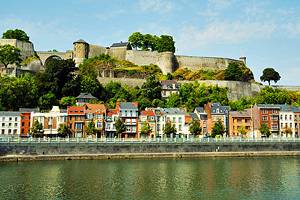
Strategic Position: The university town of Namur (Namen) sits at the juncture of the Meuse and Sambre Rivers, making its position important in military strategy throughout history. The impressive Citadel is a testament to this, and today tourists can explore its turrets, barracks, and tunnels, as well as enjoy exhibits in the Arms Museum. Other top tourist attractions in Namur include several beautiful churches and the city's hodgepodge of architectural styles that reflect the centuries.
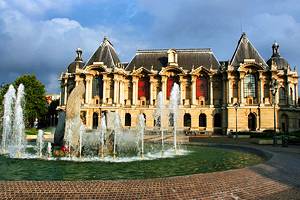
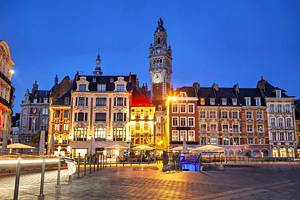
French Flanders: Although it sits over the border in France, around an hour by car from Mons, the city of Lille is heavily influenced by Flemish culture. Here, you will find typical Belgian cuisine and architecture, as well as numerous attractions, including multiple art museums, churches, and grand old Baroque buildings.