Attractions & Things to Do in Sligo
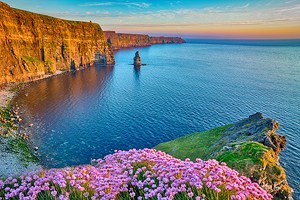
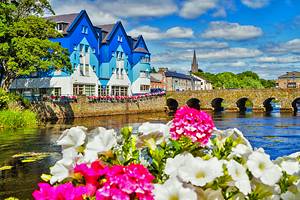
Sligo is a haven for outdoor enthusiasts. A natural wonderland of dramatic proportions, this majestic Irish county is packed with tourist attractions so gorgeous, you'll feel as if you've stepped into a postcard.
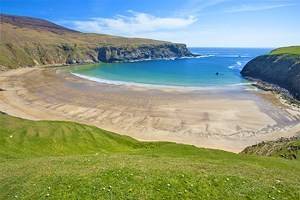
Crystal-clear lakes, dazzling rivers, and dramatic mountains are just a taste of what's in store for visitors to Sligo. You'll also find spotless beaches that have recently become a surfer's paradise. It's no surprise, really, with the rollers coming in off the Atlantic.
History, mythology, music, art, and poetry greet visitors alongside the natural marvels in this remote part of Ireland. Also known as W.B. Yeats country, this is the birthplace of Ireland's most famous poet. As Yeats captured so eloquently in his works, this stretch of northwest Ireland is wild, unspoiled, and decidedly romantic, far removed from the hustle and bustle of Dublin and the larger cities.
To make the most of your time here, be sure to refer often to this list of the top tourist attractions in Sligo.
Carrowmore Megalithic Cemetery
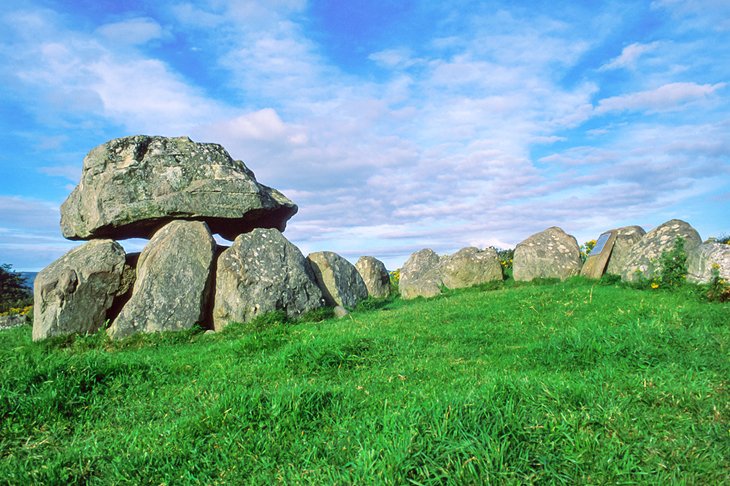
Just under five kilometers from Sligo, this spectacular Bronze Age graveyard consists of some 60 graves. Although many have unfortunately been destroyed and others damaged over the centuries, together they comprise the largest collection of megaliths in Ireland. Most are a mixture of passage graves and dolmens, the oldest dating from between 3000 and 2500 BC.
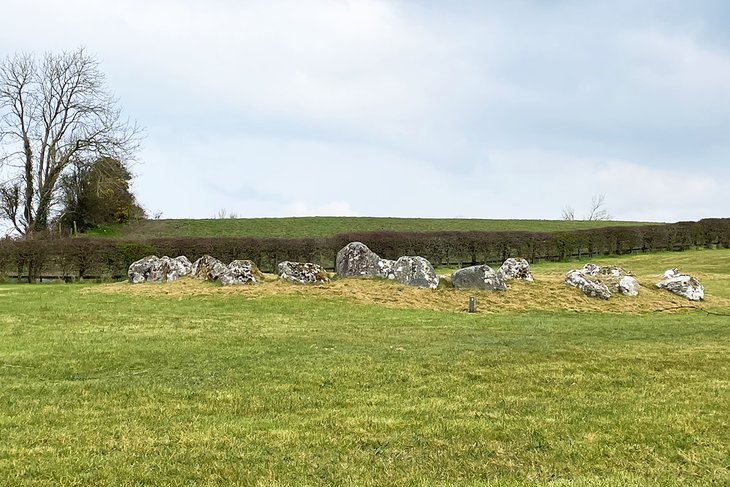
The whole scene is overlooked by Queen Maeve's tomb on Knocknarea, a 327-meter-tall limestone hill situated just west of Sligo. Hour-long guided tours or self-guiding options are both available at the visitors center. The guided tour and exhibitions explain the story of Irish origins and connections to distant lands such as Sweden, France, Britain, and Spain.
Address: Carrowmore, Co. Sligo
Lough Gill
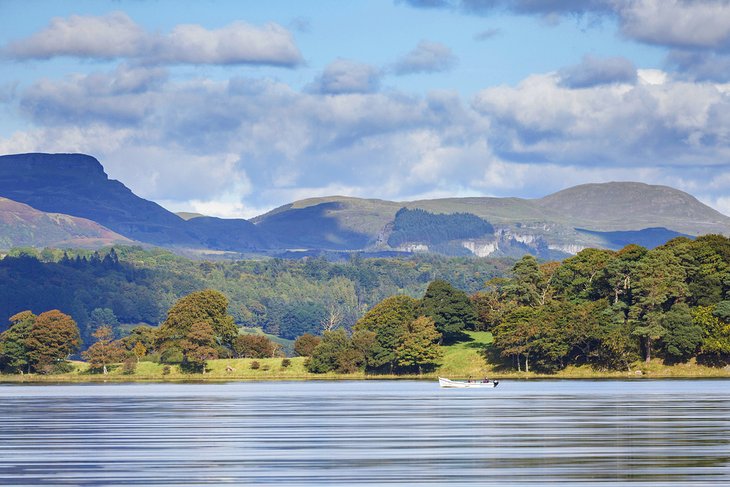
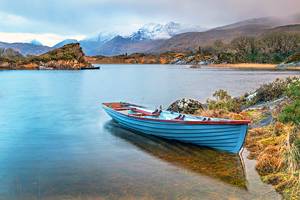
No trip to Sligo is complete without splashing about it in one of its gorgeous lakes. A leisurely 15-minute drive to the east of Sligo lies the scenic Lough Gill, eight kilometers in length and an angler's paradise stocked with salmon, trout, and pike.
The picturesque lake is encased by woodlands, which are dotted with nature trails and viewing points. The lush hills of Slieve Killery and Slieve Daean rise above the south shore. Understandably, the area is a bird-watcher's and photographer's dream. So be sure to pack a camera, and keep it well charged!
A drive around the lough of some 37 kilometers is an exceptional experience and one of the best things to do in Sligo. On a peninsula between its northwestern end and the River Garavogue stands Hazelwood House, a beautiful little Palladian mansion built by Richard Cassels in 1731.
Benbulben
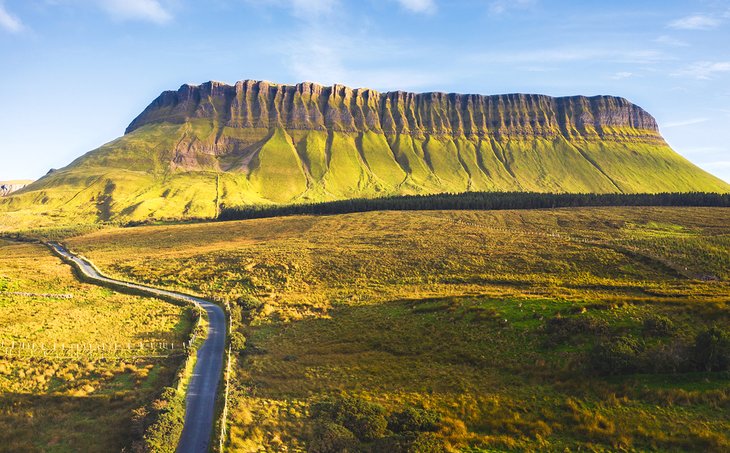
Ireland's answer to Australia's iconic Uluru (formerly known as Ayers Rock), Benbulben rises gloriously from the lush countryside outside Sligo. Also known as "Table Mountain," it's easy to see how this flat-topped peak derived its nickname.
Part of the Dartry Mountain range, this natural marvel is breathtakingly beautiful; so wonderful, in fact, that you're sure to have your camera out and snapping within seconds of setting your eyes on its flat summit.
Erosion is to blame for the unique shape of this limestone and shale mountain, which was apparently formed during a time when glaciers ruled the world. Multiple plants call this mountain home, as do Irish creatures such as foxes and hares.
Numerous trails lead to the magnificent peak, including an 8.9-mile-long loop, originating near the town of Grange, which is fittingly called the Benbulben Loop. Hikers are rewarded with scenic vistas that include rushing waterfalls in addition to the mountain views they expected.
Want an even better look? Hire a guide to help you climb to the top of Benbulben. The spectacular view is well worth the trip.
Sligo County Museum & Art Gallery
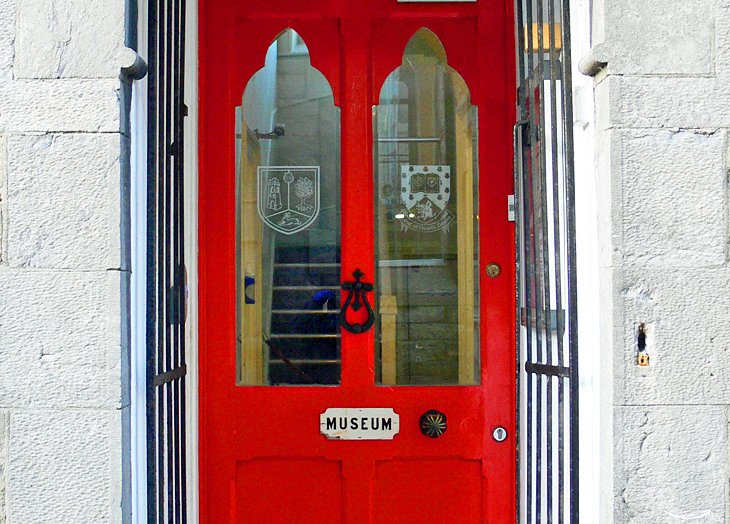
Sligo County Museum and adjoining art gallery are found on Stephen Street, on the north side of the River Garavogue. The County Museum opened its doors to the public in 1955. Located in the old rectory, it contains material on the history of the region and mementos of W.B. Yeats. Be still your poetic heart as these include first editions of his works, letters, and family photographs.
The art gallery displays an impressive and extensive collection of paintings by Jack Butler Yeats (brother of W.B. Yeats) who's considered to be one of Ireland's greatest artists. It is a palatable size but filled with works that are more than worthy of a visit.
Address: Stephen Street, Sligo
Sligo Abbey
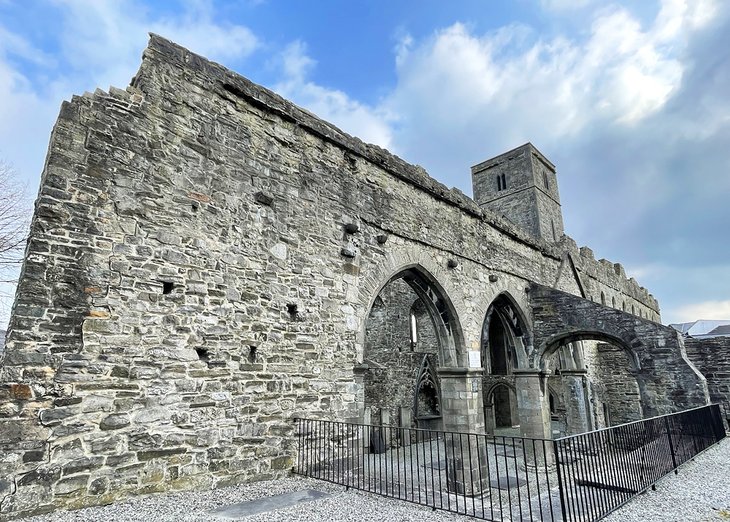
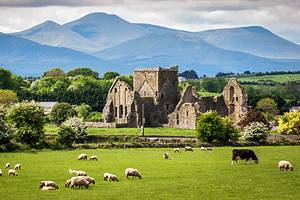
Archeologists will enjoy a trip to Sligo Abbey, a Dominican friary founded by Maurice Fitzgerald in 1253 and rebuilt in 1416 after a fire. The church has a double aisled nave and transepts; the choir dates from the original foundation and the transepts are from the 16th century.
Notable features are the canopied tomb of Cormack O'Crean, on the north side of the nave, with a crucifixion and other figures in low relief. The O'Conor Sligo monument dating from 1624 is another impressive feature found on the south side. Three sides of the beautiful 15th-century cloister have survived, along with the 13th-century sacristy and chapter house. This truly is a sight to behold.
Address: Abbey Street, Sligo
The Model, Home of the Niland Collection
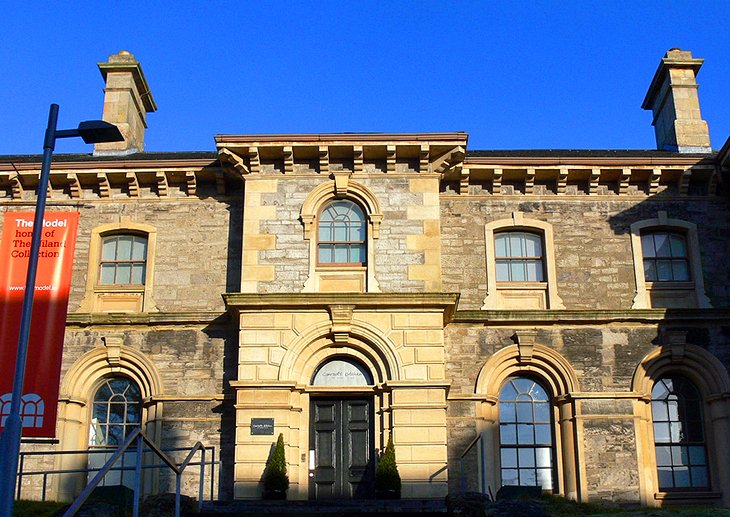
The Model art gallery and cultural center is one of Ireland's premier centers for contemporary art. It takes its name from the "Model School," which the 1862 building once housed. Refurbished twice since then (in both 2000 and 2008), visitors will find a restaurant, performance space, and a bookshop on-site. The top-floor artist studios afford impressive views over Sligo and the surrounding countryside.
The award-winning building is also home to the Niland Collection of art, one of the most renowned collections in the country. Featured works include John and Jack B. Yeats, Estella Solomons, Louis Le Brocquy, and Paul Henry.
Address: The Mall, Rathquarter, Sligo
Official site: www.themodel.ie
Inishmurray Island
Around a 15-minute drive from Sligo town at Grange, a side road runs west to Streedagh, where boats can be hired to visit the tiny island of Inishmurray. A small blip on Donegal Bay, this sweet isle measures just under one square kilometer in size and is located seven kilometers offshore. The island was inhabited until the mid 1900s.
Once ashore, visitors can explore a well-preserved monastic establishment (a.k.a. the Cashel) founded by St. Molaise in the early 6th century. It was abandoned 300 years later after being raided and plundered by Vikings.
Poignantly scattered about the island are the remains of an old school and the former islanders' homes, the last of whom left in 1948. From St. Patrick's Memorial, at the eastern tip of the island, there are fine views of the mainland. Visitors can also access the island from Mullaghmore.
Official site: http://inishmurray.com
Yeats Society Sligo & Visitors Centre
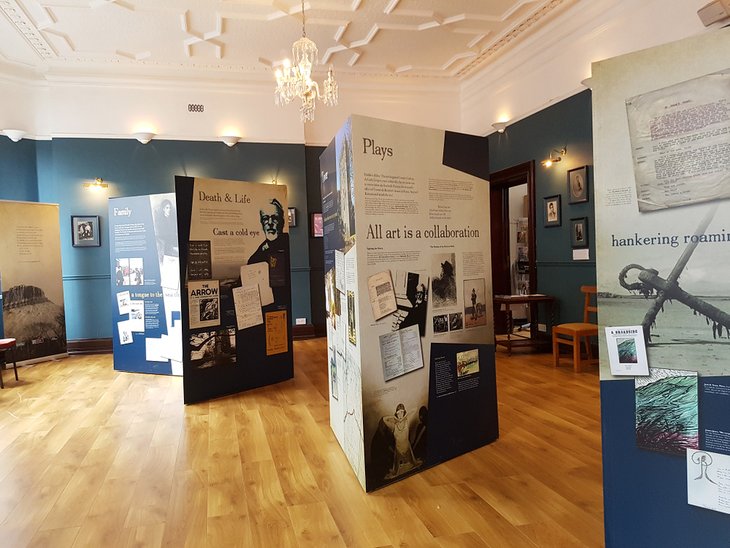
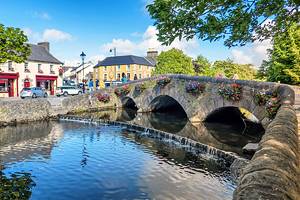
A short two-minute stroll from the Sligo County Museum brings visitors to the Yeats Society Visitors Centre by Hyde Bridge. The art gallery here puts on periodic exhibitions, and in summer hosts an audiovisual show documenting the connection between Yeats and Sligo.
The Society offers programs and resources to those interested in Yeats' poetry such as a summer school, an art gallery, a poetry circle, Poets' Parlour, and a reference library. There's also a café where visitors can relax and indulge their poetic leanings if desired.
Address: Douglas Hyde Bridge, Sligo
Official site: www.yeatssociety.com
Parke's Castle
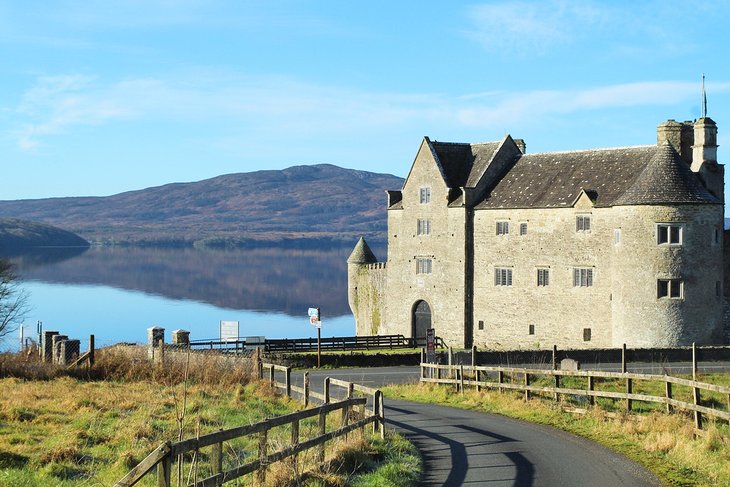
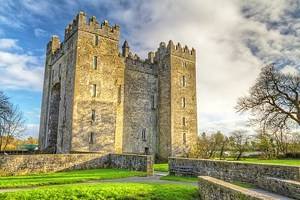
This restored plantation-era castle of the early 17th century is a popular tourist attraction in Sligo, picturesquely situated on the shores of Lough Gill. Technically located outside of the town itself (about eight miles outside, to be exact), this locale was once home to Robert Parke and his family. The former English planters built the castle on the site of another stronghold that dated to the early 15th century. You can see remnants of this (the O'Rourke tower house) near the courtyard.
In the late 20th century, traditional methods were used to restore the castle (including its newly glazed windows and timber stairs) to its original glory. Forty-minute guided tours are available, but need to be booked in advance of your visit. The castle is open from April to October.
Address: Fivemile Bourne, Co. Leitrim
Hike up Knocknarea
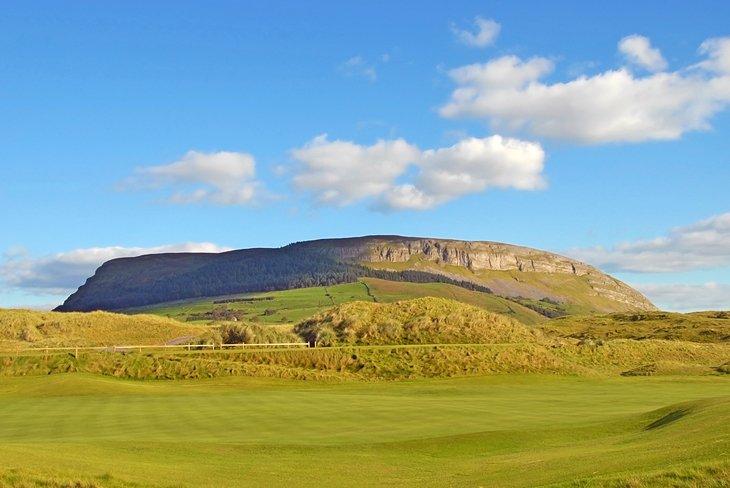
Knocknarea is one of the top places to visit in Sligo for those who enjoy a little history with their hikes. An easy 10-minute drive due west of town, this unusual looking limestone hill stands 327 meters tall and offers spectacular views over the surrounding countryside and neighboring bays.
Another good reason to scale the hill are the Neolithic sites found here, including a large cairn–Meabh's Tomb (also known as Maeve's Tomb)–at the summit that's believed to hide an ancient grave.
A number of smaller tombs can also be seen, though many have been destroyed due to amateurish excavations. If you're lucky, you may also stumble across evidence of the stone tools that were made here in seemingly large quantities. That said, please don't remove anything, as the site is the subject of a recent conservation movement.
Lissadell House
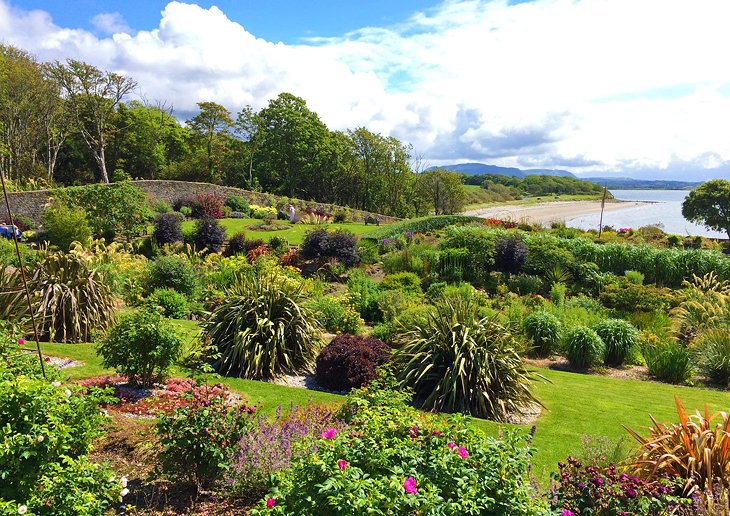
Although an old and attractive building, it's only in recent years that Lissadell House has become one of the top tourist attractions in Sligo. Located just seven kilometers north of the town, overlooking beautiful Sligo Bay, the estate was built in 1830. After decades of disrepair, it opened (in the 2010s) for the first time to the public after a lengthy restoration.
In addition to its informative visitor center located in the courtyard (notable for its displays relating to the 1916 Rising), highlights include wandering the property's woodland trails and exploring its gardens.
Afterwards, enjoy an afternoon tea in the tearoom, which is located in the former stable block. Fans of W.B. Yeats will also be interested to learn that the poet was often a guest here, and a small exhibit in the visitor center commemorates this fact.
Address: Ballinful, Co. Sligo
Official site: http://lissadellhouse.com
Strandhill
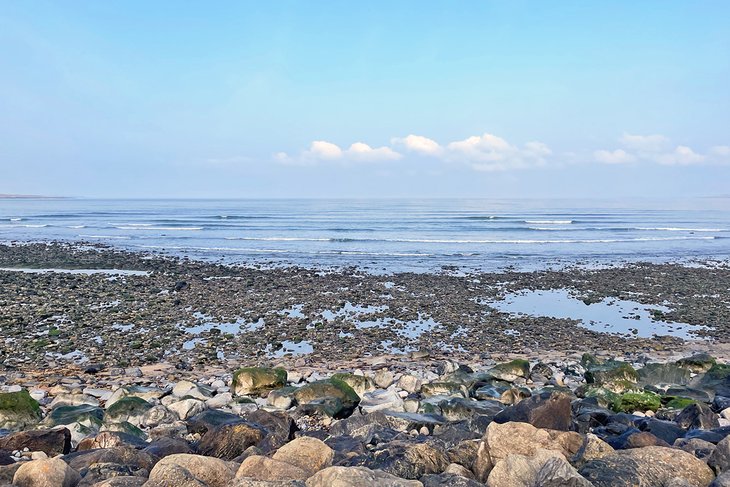
Just outside Sligo Town is one of the top surf capitals in all of Ireland. Yes, surf in Ireland! Though the waters may be rather cold, diehard surfers flock to this coastal town to catch some serious waves and socialize with surfers not only from Ireland, but around the world. New to surfing? Fear not. Strandhill has plenty of opportunities to learn from its surf schools.
Strandhill is a popular stop along the gorgeous Wild Atlantic Way route, a coastal route that runs the length of Ireland's west coast. It's just seven kilometers outside of Sligo town and is packed with things to do.
In addition to surfing, you'll also find yoga, spas, the Sunday Strandhill People's Market, kayaking, golf, and much more.
Yeats' Grave
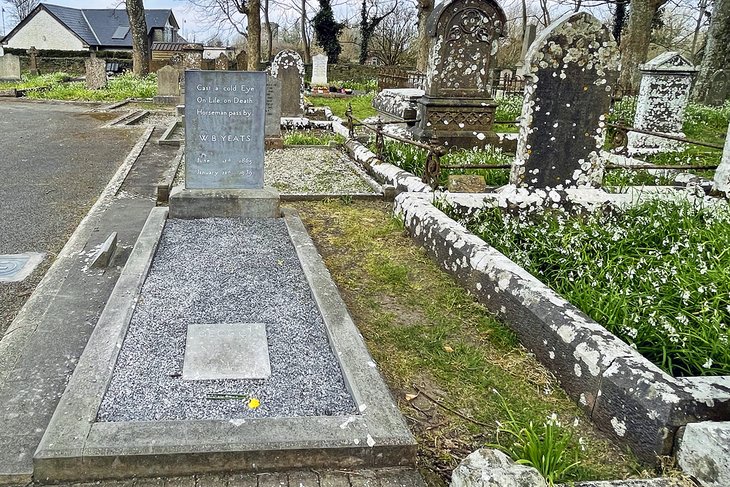
If it isn't abundantly clear by now, W.B. Yeats is very important to the history of Sligo, and residents are very proud of their native son. Visitors can pay their respects to the world-renowned poet by visiting his tombstone at the Drumcliffe Cemetery outside Sligo town.
The churchyard of the St. Columba's Church is filled with headstones in every direction. The cemetery overlooks the looming Benbulben rock formation. While many of the graves in the cemetery are elaborate and ancient, Yeats' tomb is relatively bland, simply stating his name; birth and death dates; and the last three lines of one of his poems, "Under Ben Bulben."
It's a quick stop on your way out of town, but still visitors will find a moment of reflection standing in the shadow of the historic church gazing at the final resting place of one of the world's greatest poets.
O'Dowd Castle
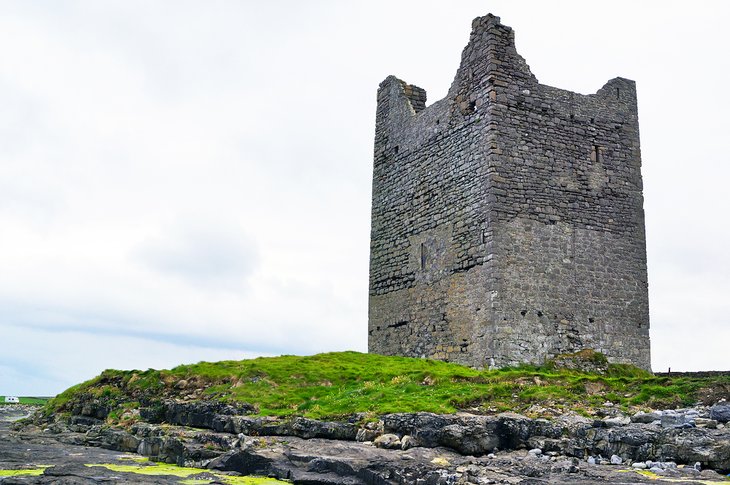
History runs deep in County Sligo, particularly when we're talking about the O'Dowd clan. This Irish Gaelic clan dates back to at least the 7th century and hailed from what is today County Sligo. Today visitors can stop by one of the original castles that belonged to the O'Dowd chieftains, which sits on the misty coast of West Sligo.
Not far from the pier in Easkey, O'Dowd castle (also known as Roslee Castle) was built in the 13th century for a man, Oliver McDonnell, who came to marry one of the widows of the O'Dowd clan. All that remains is a tower, but visitors can climb it for some of the most beautiful views of the northern coast of Ireland.
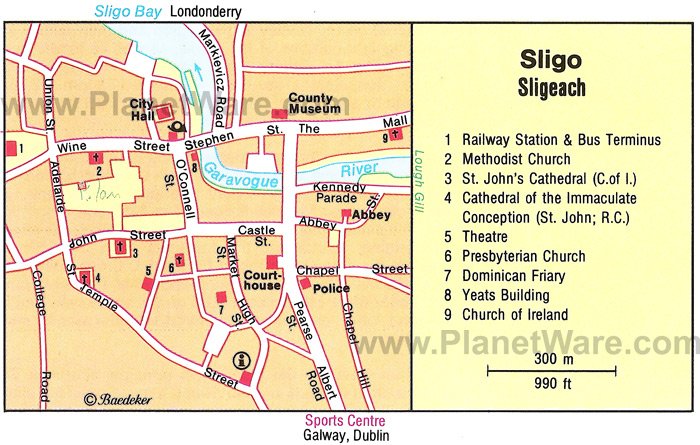
Map of Attractions & Things to Do in Sligo
More Related Articles on PlanetWare.com

Great City Destinations: The Irish capital of Dublin is an exciting city that needs to be included on your Ireland travel itinerary. Boasting everything from a vibrant entertainment and cultural scene to great shopping and dining (especially along Grafton Street), it also serves as a great jumping-off point to explore other cities. Be sure to add the seafaring city of Cork to your list-it's popular for the historic English Market and St. Patrick Street shopping opportunities-as well as beautiful old Galway, considered one of the best preserved medieval cities in Europe.
Ireland Vacation Ideas: One of the great pleasures of an Ireland vacation is to rent a car and see the country's top tourist attractions by enjoying a road trip. A must-do is to take the wonderful Ring of Kerry, a 179-kilometer adventure that not only takes in Sligo, but other top sights, including the beautiful seaside villages of Kenmare and Sneem, as well as the larger town of Killarney. The pretty riverside city of Limerick is also worth the drive.