8 Top-Rated Tourists Attractions in Portimão & Easy Day Trips
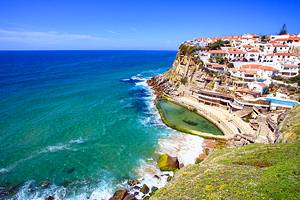
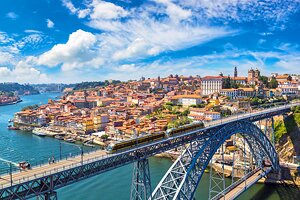
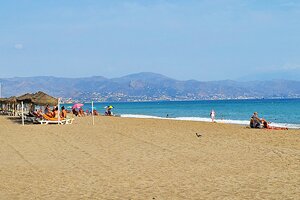
Busy, cosmopolitan Portimão is the second largest city in the Algarve. Set near the mouth of the Rio Arade, this is a destination forever associated with the fishing and canning industry, activities that are now sadly in decline. But Portimão's inexorable links with the ocean have seen it become an international port of call for cruise ships, and the rising tide of tourists has brought a wealth of new visitor attractions.
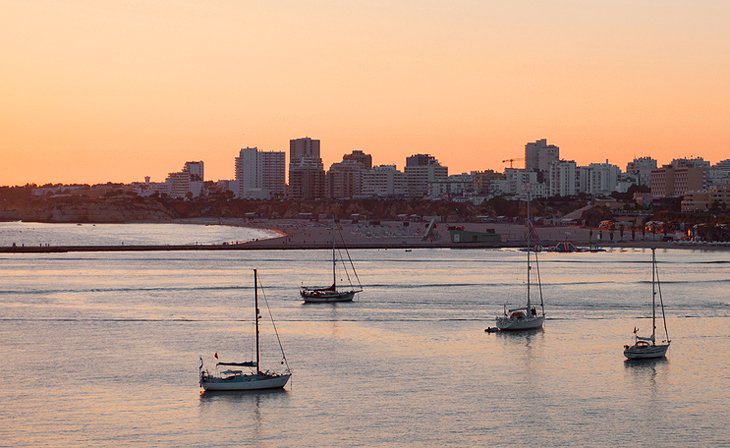
Portimão's vibrant waterfront is embroidered with well-tended gardens and picturesque squares fringed with open-air cafés. Some excellent seafood restaurants are set along the northern tip of the esplanade. At the opposite end is one of the region's most noteworthy museums. For the best shopping head for the lively pedestrianized streets surrounding Praça da República.
Wherever you tread, you're never too far from the sea. Diving enthusiasts are in for a treat: the coastal waters contain the world's largest artificial reef. Sun seekers can head for Praia da Rocha, one of Portugal's finest beaches. Water sports amenities can be found at the adjacent marina. And for a glimpse into the distant past, the megalithic monuments north of the city remind sightseers of how it all began.
For more ideas on the best places to visit, see our list of the top attractions and things to do in Portimão.
See also: Where to Stay in Portimão
- 1. Museu de Portimão
- 2. Praia da Rocha
- 3. Ocean Revival
- 4. TEMPO - Teatro Municipal de Portimão
- 5. Autódromo Internacional do Algarve
- 6. Marina de Portimão
- 7. Nossa Senhora da Conceição
- 8. Alcalar
- Day Trips from Portimão
- Alvor
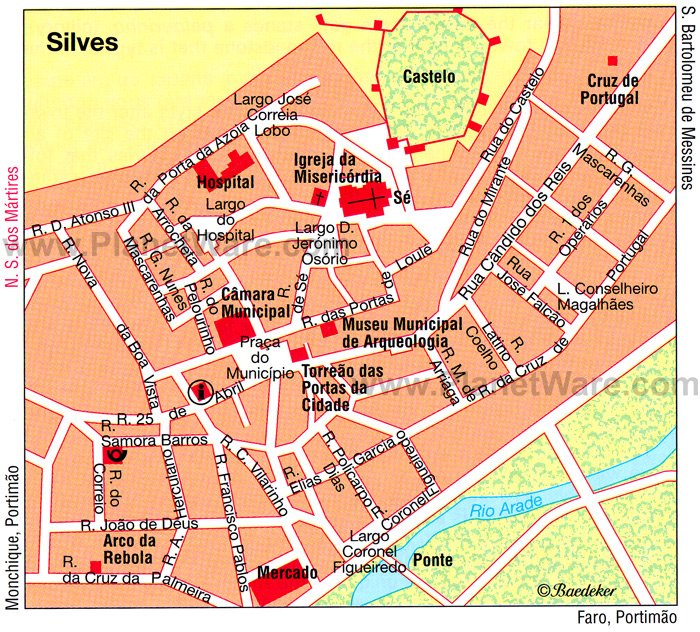
- Rio Arade and Silves
- Where to Stay in Portimão for Sightseeing
- Tips and Tours: How to Make the Most of Your Visit to Portimão
- Map of Tourists Attractions in Portimão & Easy Day Trips
- Frequently Asked Questions
- What are the must-visit destinations near Portimão?
- What are the best beaches near Portimão?
- What are the top golf courses near Portimão?
1. Museu de Portimão
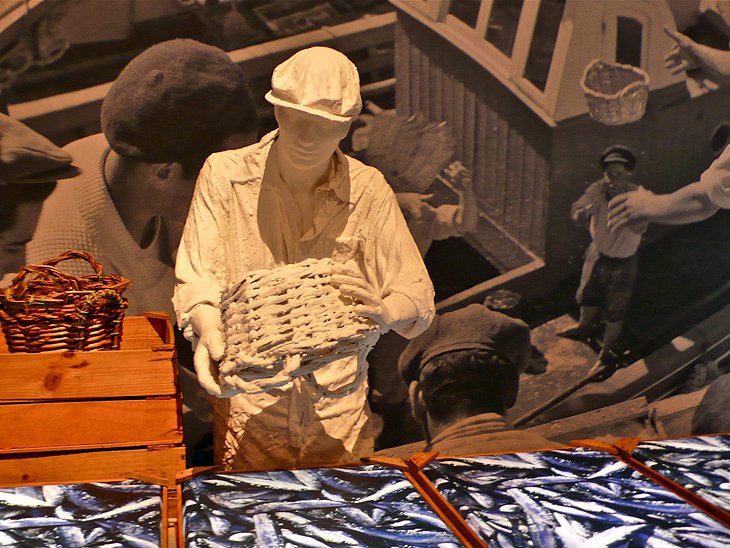
The award-winning Portimão Museum makes imaginative use of a former sardine cannery to present one of the most engaging collections of archaeology and ethnography in the Algarve. The permanent exhibition is divided into eight themed galleries and allows you to step back in time and ponder the social history of the city and local communities, from prehistoric times to the present day.
Arranged in chronological order, artifacts on display include fine examples of Roman and Islamic amphorae, some excavated from the River Arade. Among the traditional industries showcased, the Algarve's boat building heritage is given deserved recognition, with a dedicated installation charting this once in-demand skill.
But it is to honor the legacy of the region's canning industry that the museum was conceived. The La Rosa factory was completely refurbished to accommodate the museum, and half the floor space preserves the original canning production line. The equipment has been restored to near perfect condition, and visitors of all ages can learn about the processes involved — from the "heads-off" hall to the all-important tins.
For an eerie finale, you can follow the steps leading down from the main exhibition hall to a dimly lit underground tunnel, which used to be the cistern of the old factory.
Address: Rua D. Carlos I, Portimão
Official site: www.museudeportimao.pt
2. Praia da Rocha
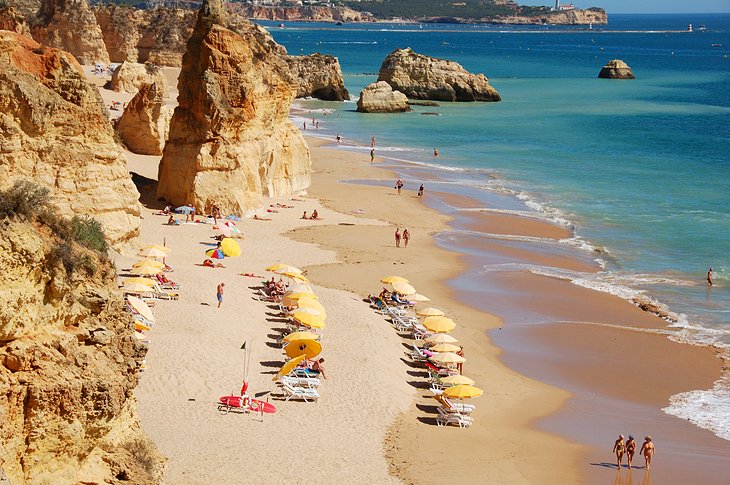
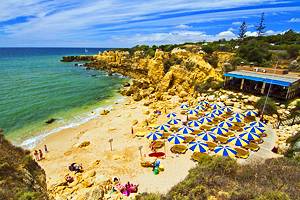
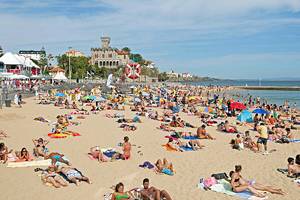
Named for one of the Algarve's most celebrated beaches, Praia da Rocha is one of the liveliest resorts in the region. The beach is stunning, a broad swathe of golden sand backed by low, red sandstone cliffs. Rocky promontories and a series of half-moon coves enrich the shoreline farther west.
A perennial family holiday destination, the resort offers all the trappings of a vacation in the sun, with plenty of accommodation options, cafés, and restaurants lining the main street, Avenida Tomás Cabreira. Among all the modernity stand one or two hotel buildings dating from the 19th century, vintage gems that remind visitors of Praia da Rocha's illustrious past as a retreat for the well-to-do.
At the eastern end of the avenue is the Fortaleza de Santa Catarina, a castle built in 1691 to guard the approach to Portimão harbor. You can walk through the main gate and admire the fantastic coastal views from the fort's terrace.
3. Ocean Revival
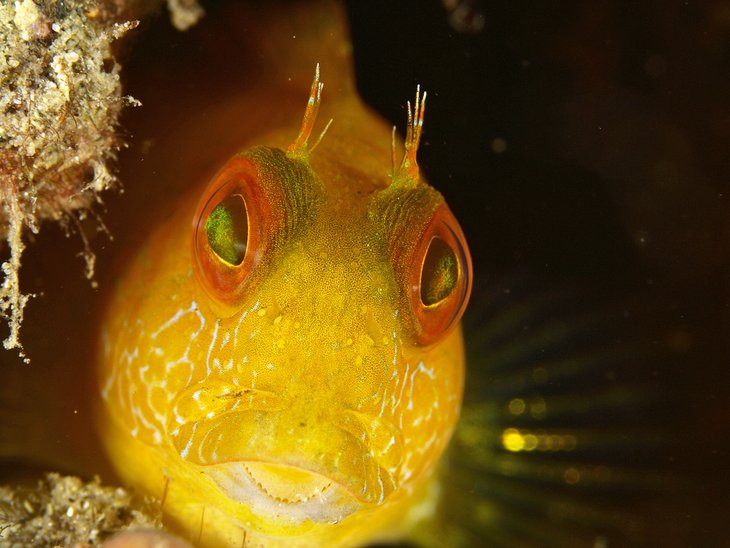
What happens when you deliberately sink four de-commissioned warships in the same area off the Algarve coast? In time, you create an artificial reef. The Ocean Revival Underwater Park is currently the world's largest artificial reef structure and lies 30 meters under the Atlantic Ocean, about five kilometers from Portimão harbor. This is a unique Algarve tourist attraction.
The site offers free access to trained divers and operators, but the safest and most enjoyable way to explore the wrecks is with a local center, club, or diving school certified by the park (listed on its website). Special itineraries with well-defined routes have been created that allow each ship to be explored.
The vessels were scuttled in 2012 and 2013, so it will be some time before the reef flourishes (coral reefs grow approximately six inches per year). However, the Algarve's excellent weather and safe water conditions ensure great year-round diving conditions, and sub-aqua enthusiasts from around the world are already discovering this new, exciting, and environmentally-friendly visitor attraction.
Address: Rua Eng José Bivar, Edifício Scorpius, Praia da Rocha
Official site: www.oceanrevival.org
4. TEMPO - Teatro Municipal de Portimão
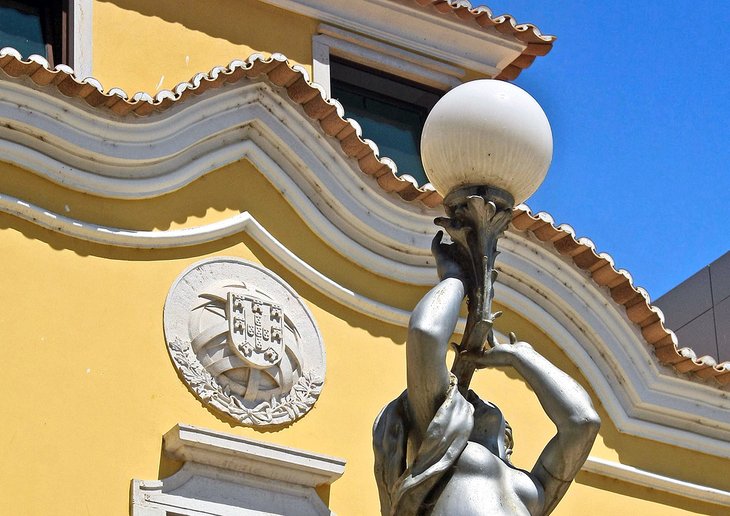
Presentations of music, song, and dance by national and international artists are regularly staged at this excellent cultural venue. The emphasis tends to be on contemporary performance art by Portuguese theater groups, and the standard of professionalism is very high.
The tempo does change, though. The Algarve Orchestra has played here on several occasions, and their classical music repertoire often includes appearances by guest musicians from European conservatories.
Kids are kept entertained by the various puppet theater acts that appear here, while traditionalists applaud the opera and ballet included in the program.
Portimão Theater has hosted some of Portugal's most celebrated exponents of fado, their concerts selling out weeks in advance. For casual visitors arriving on spec, ask directly at the box office for ticket information. Otherwise, inquire about the informal jazz concerts held upstairs in the Café Concerto.
Address: Largo 1° de Dezembro, Portimão
Official site: www.teatromunicipaldeportimao.pt
5. Autódromo Internacional do Algarve
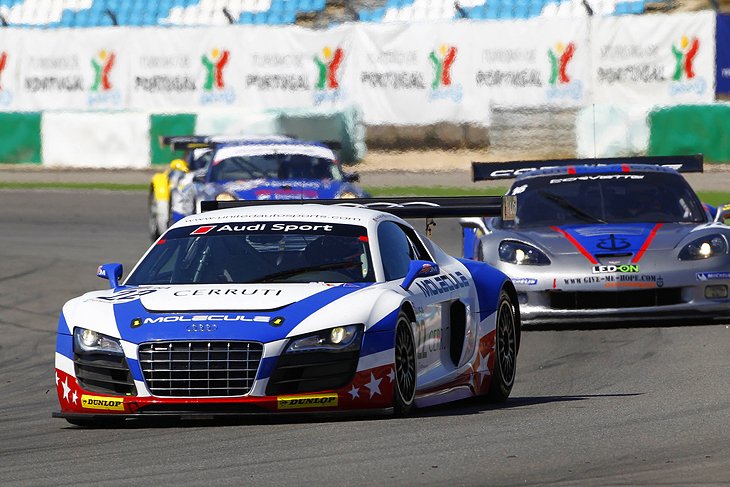
Motor sports fans visiting the region should check the race calendar at the F1-standard Algarve International Race Circuit. Located eight kilometers northwest of Portimão, this superb track has hosted automobile and motorcycling world championship events at the highest level of competition, tournaments such as the final of the World Superbike Championships, and, in 2009, the third round of the prestigious Le Mans Series — the first-ever motor sports competition held at night in Portugal.
Between these glamorous supercharged headliners, visitors can test their own driving skills on the go-kart circuit. The facility has more than 50 karts for hire, and there's even a track for children up to the age of six.
Several high profile festivals take place here, and one of the most family-orientated is the annual Algarve Classic Car Festival, held in October, and the largest and most colorful gathering of vintage and historic automobiles in Iberia. Incorporated into the event is the exciting Historic Endurance Series competition.
Address: Sítio do Escampadinho, Mexilhoeira Grande
Official site: www.autodromodoalgarve.com
6. Marina de Portimão
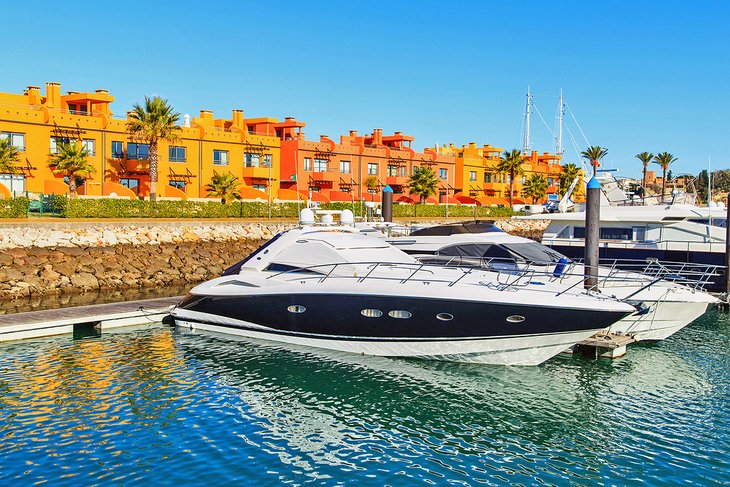
Portimão Marina sits at the eastern tip of Praia da Rocha and enjoys an idyllic position overlooking the Arade estuary. The facility's South Bay is where most sightseers congregate. Here, the boardwalk is composed of good seafood restaurants and popular pizzerias and creperias, and shoppers can browse for his and her swimwear and sports apparel.
Yachts, small motorboats, and other watercraft, with or without a skipper, can be chartered from kiosks along the promenade, and tourists can also rent Jet Skis and other water sports equipment. A number of operators also provide surf and body surf lessons for all ages.
During the summer months, the marina vicinity is particularly animated at night, when beach parties are held on the sand opposite.
Address: Ponta da Areia, Portimão
Official site: www.marinadeportimao.com.pt
7. Nossa Senhora da Conceição
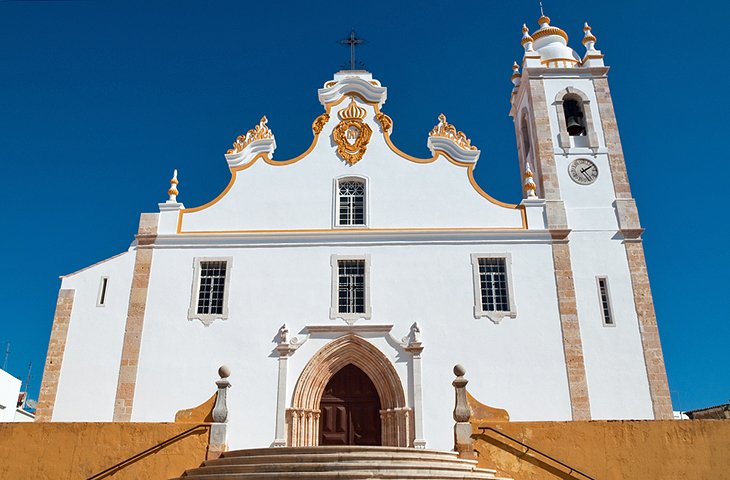
Much of Portimão was destroyed during the great earthquake of 1755. One building, however, more or less withstood the tremors: the church of Our Lady of the Conception.
Standing on an elevated terrace near Praça da República, the church still retains its 14th-century façade and a lovely Manueline door replete with four carved capitals. A lonely gargoyle stands watch over the portal. The rest of the building dates from the late 17th century.
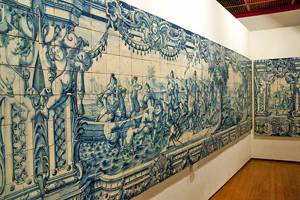
A series of 18th-century azulejo panels enrich the interior, and you can also admire a gilded altarpiece from the same period. The church's cool interior is extremely inviting during the hot summer months and combined with the profound stillness is a wonderful place to retreat from the clamor outside.
Address: Rua da Igreja, Portimão
8. Alcalar
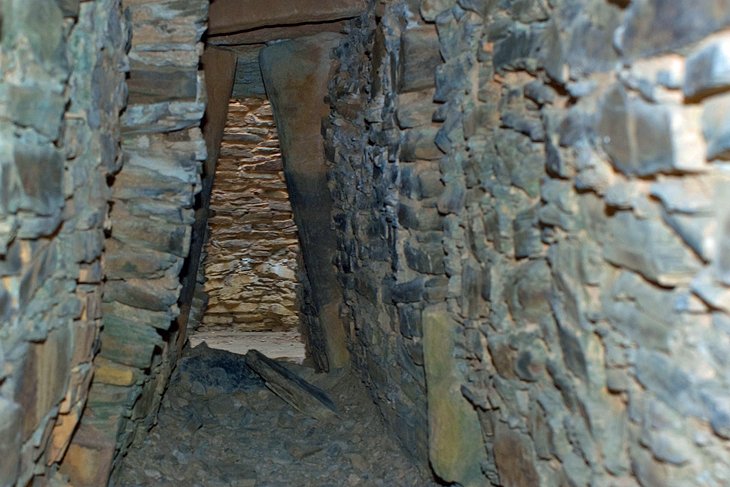
If you're traveling by vehicle, it's worth heading out to the megalithic monuments of Alcalar, a group of 5000-year-old burial mounds arranged on a hilltop in the Algarve countryside.
The centerpiece is a vast necropolis built from schist that encloses a series of tombs and galleries. Clustered around the chambers are vestiges of ancient dwellings and remains of traditional lime kilns.
An interpretation center provides an illustrative history behind the sacred sight, but you'll have to visit the Museu de Portimão to see the centuries-old stone implements that were excavated from the area back in the 19th century.
Day Trips from Portimão
Alvor
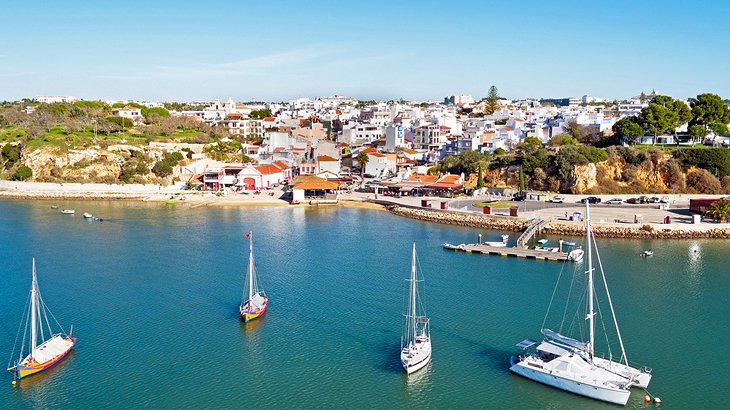
Away from the clamor of the city and often-crowded Praia da Rocha is the delightful diversion that is Alvor. A small and picturesque fishing port set slightly inland on the Rio Alvor, this place is worth exploring for its local color and historic character.
It's here that Dom João II died in 1495, and the 16th-century Igreja Matriz survived the earthquake of 1755 — look for the ornate Manueline doors and pillars.
The esplanade, which skirts the ruins of the town's 13th-century castle, is lined with excellent fish restaurants and several cafés and makes for an enjoyable walk. Facing the harbor is a crystal-blue bay fringed by sandy islets. The location, with its warm shallow waters, is a great spot for windsurfing and kitesurfing. Linger on clear summer evenings for some wonderful sunsets.
Rio Arade and Silves
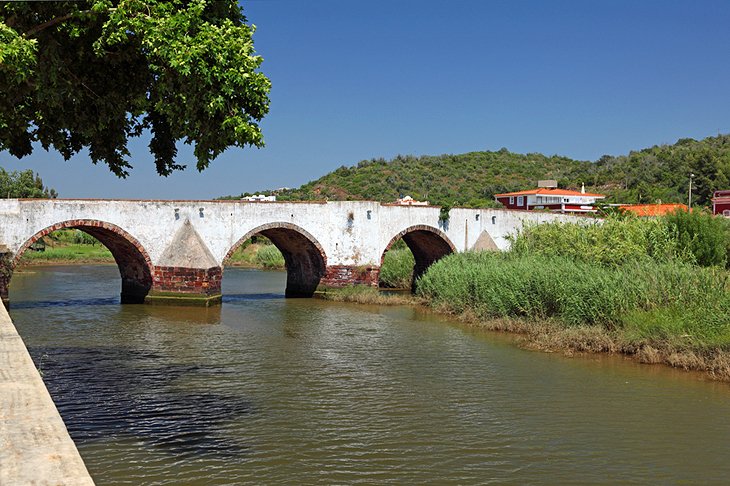
Among the many things to do in Portimão is exploring the River Arade. This meandering 75-kilometer watercourse defines the city's harbor front and much of the surrounding landscape.
The river is navigable by small watercraft up to 12 kilometers upstream, and the best way to explore it is by joining one of the many sightseeing cruises for tourists that depart from Portimão's quayside for the picturesque inland town of Silves.
Along the way, you get a real sense of rural Algarve and its flora and fauna. A two-hour turnaround allows plenty of time for lunch and a spot of sightseeing before the return trip downriver.
Where to Stay in Portimão for Sightseeing
We recommend these inviting hotels and resorts near the beach and Portimão's city center:
- Bela Vista Hotel & Spa: This 1918 Moorish-style mansion is now a luxury beachfront resort with an amazing restaurant, outdoor pool, and wonderful spa.
- Jupiter Algarve Hotel: Across the street from the beach, this mid-range hotels is known for friendly staff, indoor and outdoor pools, and spa with hammam and sauna.
- Hotel da Rocha: This affordable resort is steps from Rocha beach, and offers complimentary breakfast buffet and an outdoor pool.
- Hotel Made Inn: This budget hotel in the city center features themed modern rooms, a rooftop terrace, and also offers bike rentals.
Tips and Tours: How to Make the Most of Your Visit to Portimão
- Sightseeing by Boat: On the two-hour Benagil Caves Tour from Portimao, a small boat takes you along the beautiful coast to explore hidden sea caves, contorted rock formations, and secluded beaches. The tour includes an expert guide.
- Day Trip Tours: Explore the Algarve Coastline on a four-hour Guided Boat Tour from Portimão. This trip takes you past medieval villages, sea caves, and the beautiful Praia da Marinha.
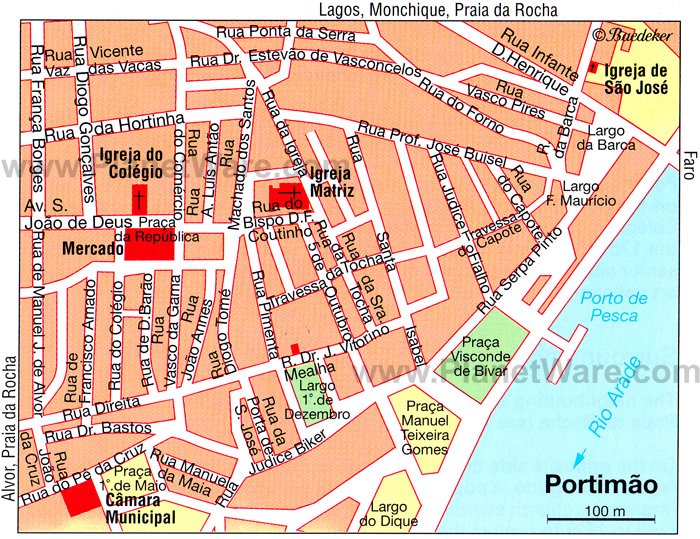
Map of Tourists Attractions in Portimão & Easy Day Trips
Frequently Asked Questions
What are the must-visit destinations near Portimão?
Ferragudo: Set facing Portimão marina across the River Arade estuary is the delightful 14th-century hamlet of Ferragudo. Composed of a higgledy-piggledy collection of whitewashed cottages that cling to a hillside crowned by a church, Ferragudo is the quintessential Algarve fishing village.
A warren of cobblestone streets tumble down to a palm-fringed waterfront promenade lined with artisan's workshops and one or two excellent seafood restaurants. Colorful fishing boats bobbing in the harbor enrich the scene, which is especially romantic at dusk, when the sun retreats under the horizon and Portimão's city lights sparkle in the distance.
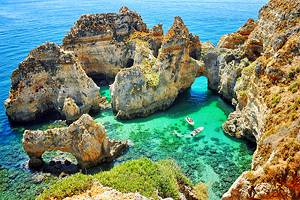
Carvoeiro: Popular with tourists — especially family groups — who flock here during the summer months to take advantage of a host of excellent leisure amenities, not least a bewildering choice of cafés and restaurants, Carveorio, located 12 kilometers east of Portimão, is also appreciated for its lovely beach and the nearby Algar Seco rock formations, a series of sinkholes, pools, and spouts that includes a grotto named A Boneca (The Doll). In fact, Carvoeiro is the departure point for several sightseeing cruise operations that take in the region's coastal grottoes and the most stunning of all, the Benagil sea cave.
Lagoa: You reach Lagoa before turning south towards the coast and heading for Carvoeiro. It's worth pausing here to explore what is essentially a rural working town, and certainly if you're seeking somewhere with local charm and down-to-earth character.
Lagoa's cultural draw is the splendid Convento de São José. Converted into a cultural center, the convent hosts year-round exhibitions by local artists and artisans. If you arrive mid-August, pay a visit to the Fatacil fair, a 10-day jamboree that celebrates Portugal's agricultural heritage with shows, displays, and music concerts.
What are the best beaches near Portimão?
Praia da Rocha: Sharing the same name as the resort town it fronts, this is one of the largest beaches in the region. Translating as the "Beach of Rock" for the enormous sandstone stacks that stud the sand, Praia da Rocha is the golden mattress Portimão's citizens come to relax on.
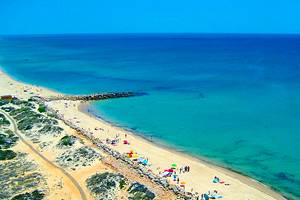
Praia de Alvor: This vast beach forms part of the Alvor estuary, itself an important wetlands habitat for numerous birdlife species. A six-kilometer wooden boardwalk threads its way over sand dunes and through marshland to provide an invigorating walk. For the more active, Alvor's reputation as a water sports center lures canoeists, kitesurfers, and windsurfers to its warm, turquoise shallows.
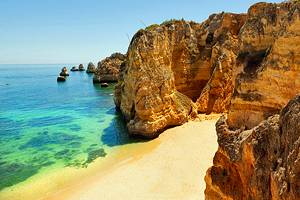
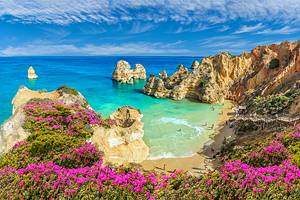
Praia da Marinha: Cited regularly as one of Portugal's most scenic beaches, Marinha is indeed blessed with picture-postcard looks. Emblematic of the Algarve and its natural beauty, the beach is embraced by sheer mustard-hued sandstone cliffs and lapped by a calm, translucent sea. Beachgoers should pay attention to the signs warning of possible landslips due to wind and rain erosion.
What are the top golf courses near Portimão?
Penina: A 12-kilometer drive west out of Portimão brings you to Penina Hotel & Golf Resort, home to the Sir Henry Cotton Championship Course. Named after the legendary English golf professional, who also designed the layout, this was the fist 18-hole golf course in the Algarve and is still held in high regard by golf professionals and amateurs alike. It's one of the best golf courses in Portugal.
Alto Golf: Henry Cotton also designed this 18-hole, par 72 layout. Set five kilometers west of Portimão on the way to Alvor, Alto Golf is considered a good test of the ability of a regular golfer. A complex layout with its strategic bunkers, dog-legs, elevated greens, and well-placed trees, the course meanders its way through rolling countryside but is near enough to the coast to offer occasional glimpses of the sparkling sea.
Carvoeiro Golf: You can reach Pestana Carvoeiro Golf Resort in around 30 minutes by heading east out of Portimão. Two layouts tempt the golfer: the wonderfully scenic 18-hole, par 72 Gramacho course, and the equally attractive Vale da Pinta. Both dazzle with their undulating terrain, and both showcase the region's natural environment, characterized by dozens of olive, almond, and carob trees, some of them planted centuries ago.