11 Top-Rated Tourist Attractions in Tavira & Easy Day Trips
Nestling within sight of the coast, 30 kilometers east of Faro, charming Tavira is feted as one of the most attractive towns in the Algarve. It straddles both sides of the graceful River Gilão, a broad channel of water that enriches the character of this delightful destination.
An aristocratic air pervades this particular pocket of Portugal. The old town is a collection of elegant, hipped-roof palaces and mansions and a bewildering assortment of churches, chapels, and convents. Dig deeper, and you'll discover a Tavira shaped first by Roman influence and later by the Moors.
A landmark feature is the old bridge, built in 1667 on Roman foundations. From here, an amble along the riverfront will take you past spruce gardens and rows of swaying palms. Rich Arabica aromas drift from open-air cafés, while restaurants tempt with their line-caught ocean harvest.
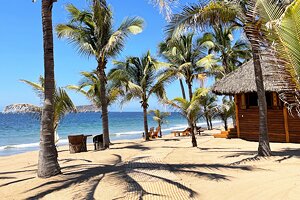
Colorful fishing boats line the quay, and this is the place to catch a ferry to nearby Ilha de Tavira, or take a sightseeing tour of the Ria Formosa. On the beach, you can join the crowds, or lose yourself among the tufted dunes. And later, after dark, Tavira is illuminated, its historical heritage glowing under spotlight. Discover more places to visit with our list of the top attractions in and around Tavira.
See also: Where to Stay in Tavira
- 1. Castelo
- 2. Igreja da Misericórdia
- 3. Núcleo Museológico Islâmico
- 4. Palácio Galeria
- 5. Igreja de Santa Maria do Castelo
- 6. The Riverfront
- 7. Ilha de Tavira and the Ria Formosa
- 8. Torre de Tavira - Camera Obscura
- 9. Convento da Graça
- Day Trips from Tavira
- 10. Olhão
- 11. Santa Luzia
- Where to Stay in Tavira for Sightseeing
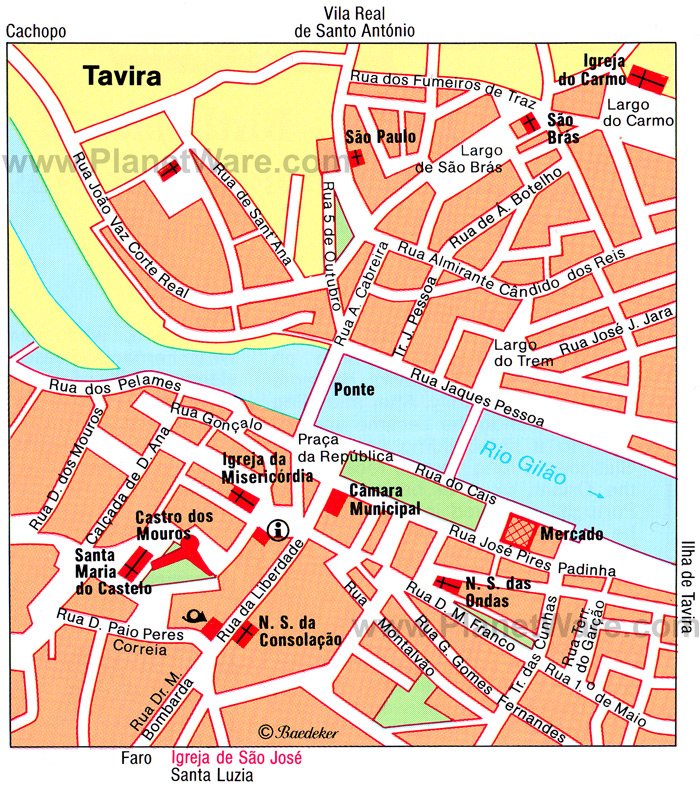
- Map of Tourist Attractions in Tavira & Easy Day Trips
- Tavira, Portugal - Climate Chart
- Discover More Must-See Sights near Tavira
1. Castelo
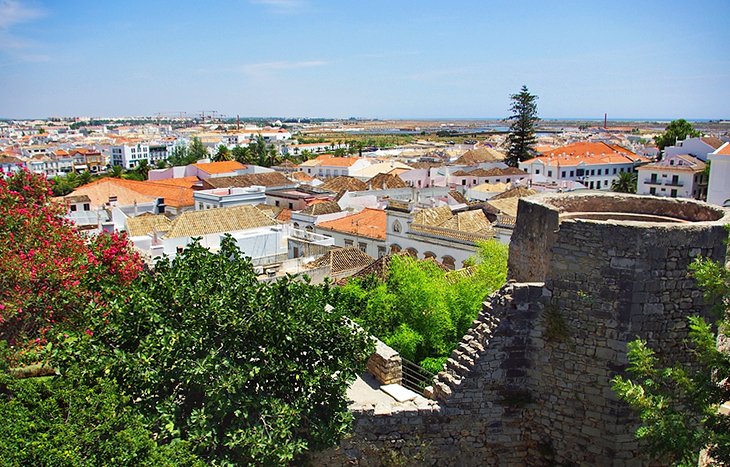
Perched on a cobblestone knoll in the ancient Arab quarter are the ruins of the town's Moorish castle. Dating originally from the 13th century, the stronghold was partially rebuilt in the 17th century, but today only the outer walls remain.
A steep set of narrow steps lead up to the ramparts that connect the castle's two surviving towers, one of which you can climb for some splendid views of Tavira's pyramid-like rooftops and the distant coast. The courtyard is now a trim garden that, in spring, blossoms into flecks of vivid color.
If you like your history, then the nearby church of Santa Maria do Castelo is also worth investigating. Inside is the tomb of Paio Peres Correia, a legendary knight who helped relinquish Tavira from the Moorish rule in 1242. Seven of his cohorts rest with him.
2. Igreja da Misericórdia
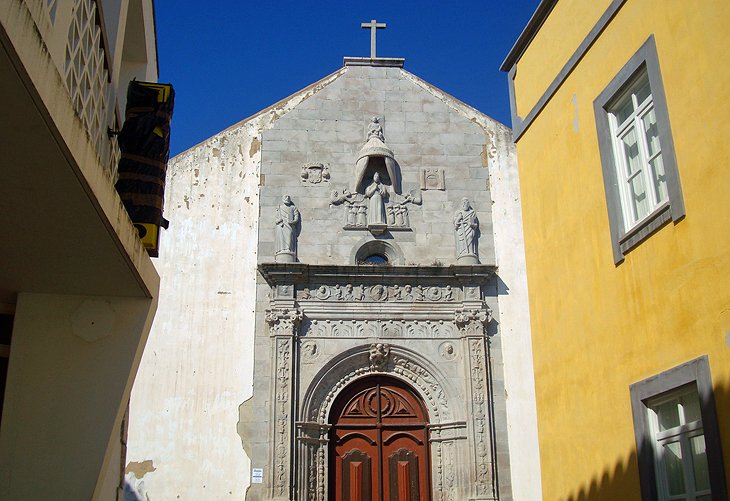
One of the town's cultural highlights, the Igreja da Misericórdia is also regarded as the finest example of Renaissance architecture in the Algarve. Dating from the mid-16th century, construction of the church was supervised by master mason André Pilarte whose dexterous hands carved the impressive stone portal, which is surmounted by decorative angels and saints.
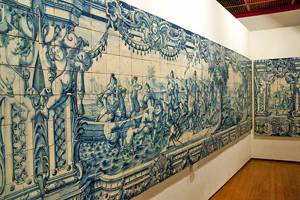
Inside, visitors are dazzled by a series of 18th-century azulejos panels that illuminate the interior with a sky-blue wash. The tiles depict scenes from the life of Christ.
Address: Rua da Galeria, Tavira
3. Núcleo Museológico Islâmico
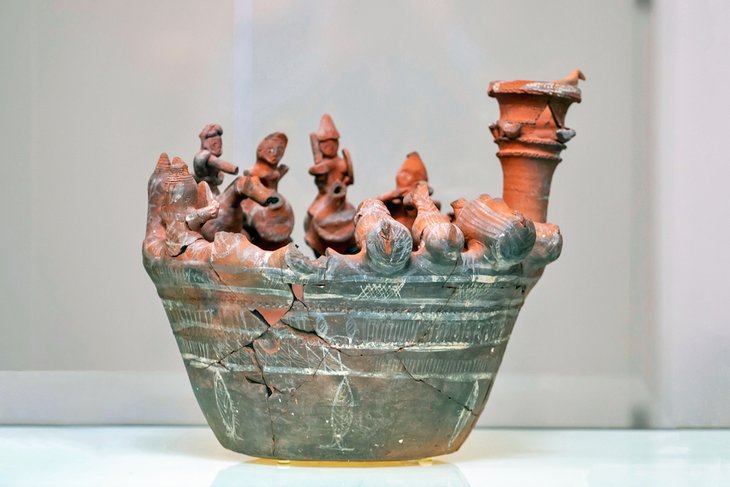
Moorish rule left an indelible cultural impression throughout the Algarve, and encapsulating Tavira's Islamic heritage is this modern museum and interpretation center. Artifacts from the period on permanent display include pots, plates, oil lamps, tiles, and various utensils, many of which are in superb condition. The floor space also incorporates a section of wall unearthed during restoration work that's been left in situ.
The most valuable exhibit is the so-called Tavira Vase, a unique piece set with clay figures dating from the late 11th century. Archaeologists believe it was made as part of a wedding dowry.
Address: Travessa da Fonte, Tavira
4. Palácio Galeria
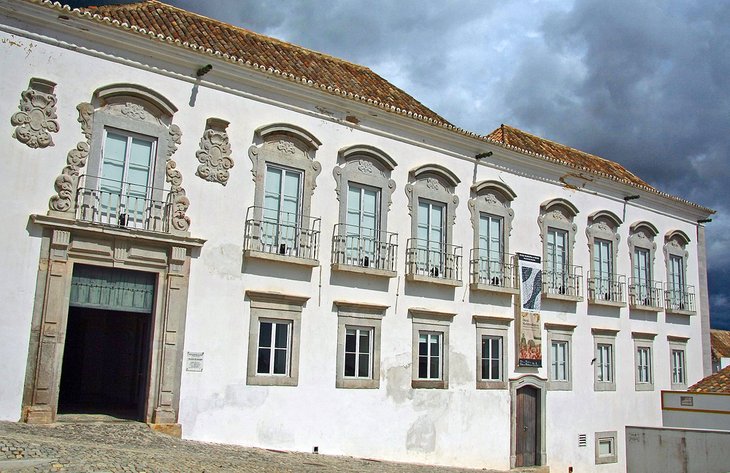
Portugal's very own Paula Rego has exhibited here, but it's not just the contemporary art world's big names that enjoy exposure at this excellent gallery; local artists are also encouraged to show their work in this wonderfully evocative 16th-century palace building.
The temporary exhibition space doubles up as an ad hoc museum, and you can browse a miscellany of sacred art and various archaeological finds set in bright, timber-floored rooms. Sections of an excavated Moorish street can be admired under glass in one of the galleries.
Address: Calçada da Galeria, Tavira
5. Igreja de Santa Maria do Castelo
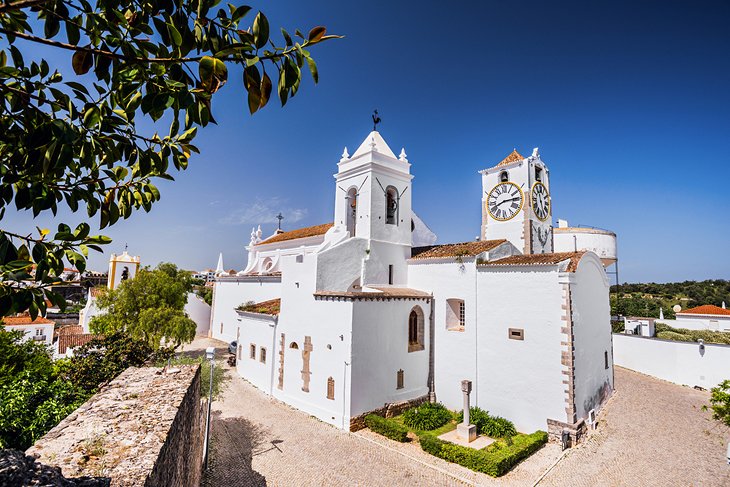
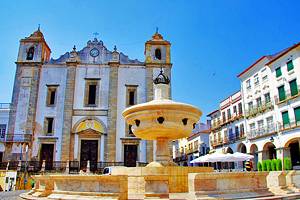
The clock tower of this impressive church is a local landmark and features prominently in most photographs taken over the river's west bank. Sited near the castle, the church of Santa Maria do Castelo dates to the 13th century and occupies the site of what was once the biggest mosque in the Algarve. Much of the original building was destroyed during the 1755 earthquake, though the main portal and four windows - splendid examples of Gothic-style architecture - survived.
The hushed interior, restored in the 19th century, features an early 16th-century chapel built in the flourishing Manueline style. Set near the altar is the tomb of Dom Paio Peres Correia, commander of the Christian forces in the Algarve. The remains of seven of his knights are also interred here. The whole building is a designated National Monument.
Address: Rua Dom Paio Peres Correia, Tavira
6. The Riverfront
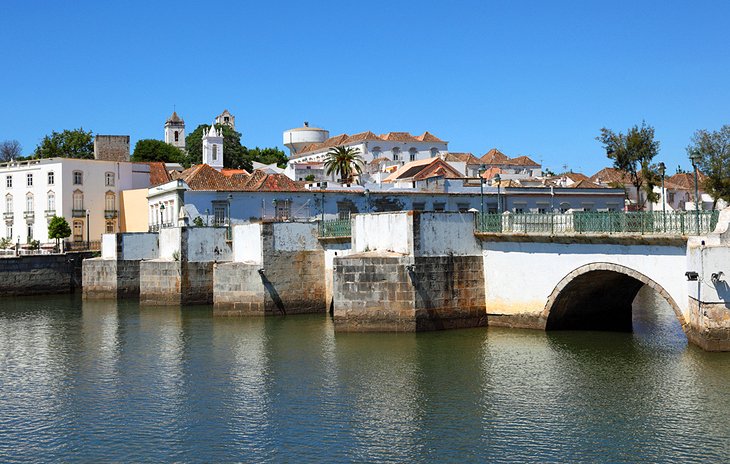
The tidal river Gilão is a defining natural feature of Tavira. The town lies along both sides of this broad, picturesque watercourse, linked by a low-arched pedestrian bridge of Roman origin - particularly enchanting at night. The most rewarding sightseeing can be enjoyed south of the river, where the majority of visitor attractions are clustered.
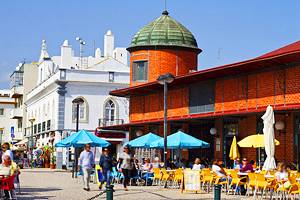
From Praça da República, a leisurely amble takes in Rua do Cais, a palm-fringed promenade peppered with waterfront café-kiosks. The former town market building, Mercado da Ribeira, is worth exploring for trinkets and handicraft, but if you're looking to buy fruit and vegetables, follow the esplanade to the road bridge where the new town market, spread under the flyover, exudes color and flavor.
For more conventional shopping, nip through to the stores and boutiques that front Rua D. Marcelino Franco.
7. Ilha de Tavira and the Ria Formosa
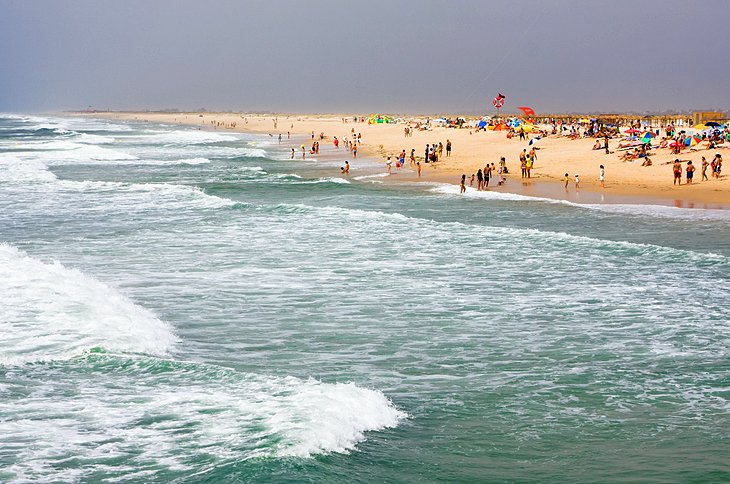
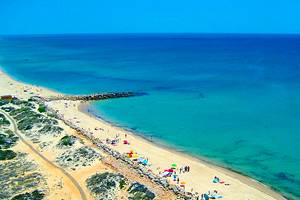
Tavira is practically within earshot of Ilha de Tavira, one of the Algarve's most popular beach destinations. This enormous sand bank stretches all the way to Fuseta, some 15 kilometers west.
This is one of the few islands in the region where you can pitch a tent, and the designated campsite near the jetty is packed during the summer. Serving sunseekers is a smattering of café-restaurants. If you'd rather lose the crowds, just turn your flip-flops west and in 20 minutes, you'll end up in your own space.
Throughout the high season, you can catch ferries direct to the island from the riverfront in Tavira. Alternatively, there is a year-round ferry that departs from the jetty (weather permitting) at Quatro Águas, two kilometers east of the town center. It's also possible to explore the beautiful Ria Formosa by joining one of the sightseeing cruises that operate from Tavira's riverfront.
8. Torre de Tavira - Camera Obscura
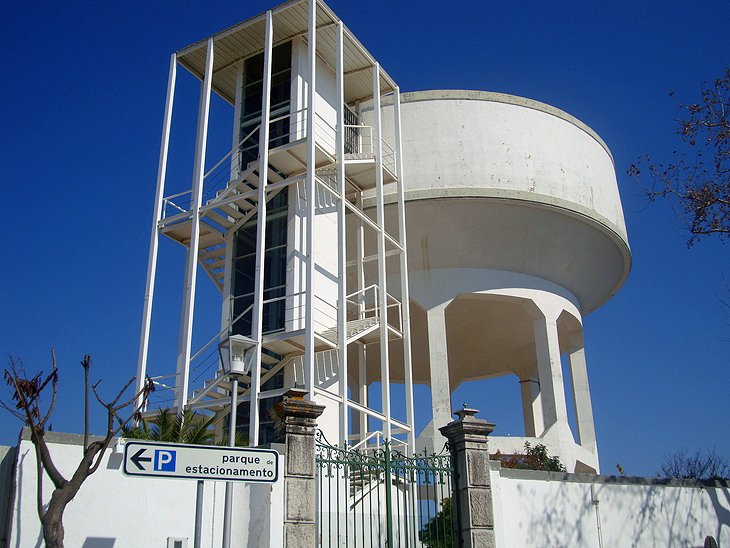
One of the more unusual things to do in Tavira is to take an elevator to the top of the 100-meter-high Torre de Tavira. The town's former water tower now acts as a camera obscura, an optical device that focuses a fascinating 360-degree real time image of the town below onto a huge white disk.
As the mirror rotates, so does the panorama, and a tour guide is on hand to point out Tavira's historic landmarks and local points of interest. It's a low-tech spy in the sky, but the picture definition is quite remarkable.
Address: Calçada da Galeria 12, Tavira
Official site: http://www.torredetavira.com
9. Convento da Graça
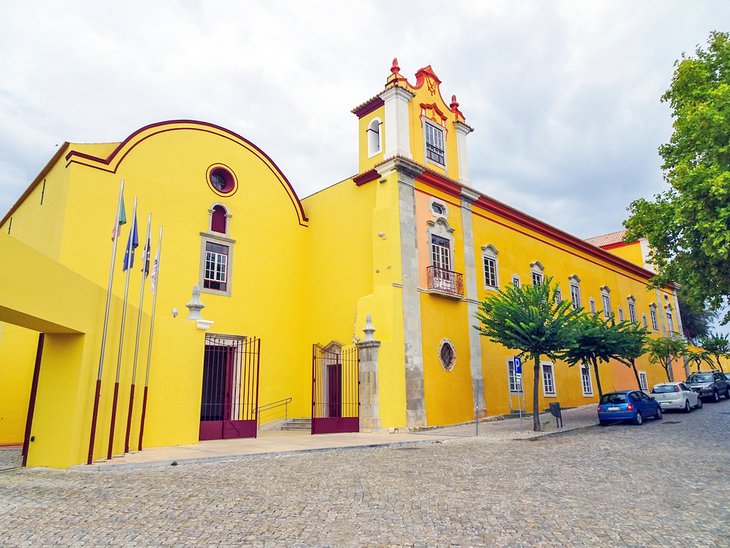
Non-residents are welcome to explore the interior of the Convento de Nossa Senhora da Graça, a former 16th-century convent that today is an upscale pousada (hotel), the Pousada Convento de Tavira.
Founded in 1542 by King Sebastião as the Convento dos Eremitas de Santo Agostino, the building fell into disrepair in the mid-18th century and was later used as a military barracks until the early 1970s.
After extensive restoration, the property opened as a luxury hotel. During renovation, part of a 13th-century Islamic street known as Bairro Almoada was uncovered. The ancient foundations now form the centerpiece of the hotel's archaeological museum, which showcases Tavira's Roman and Moorish historical legacy, and is free to enter.
Visitors can also admire the convent's beautiful and serene cloisters, perhaps over refreshments or even a meal, as the hotel's restaurant tables are set over an exterior terrace under its galleries in warm weather.
Location: Rua Dom Paio Peres Correia, Tavira
Official site: https://www.pousadas.pt/en/hotel/pousada-tavira
Day Trips from Tavira
10. Olhão
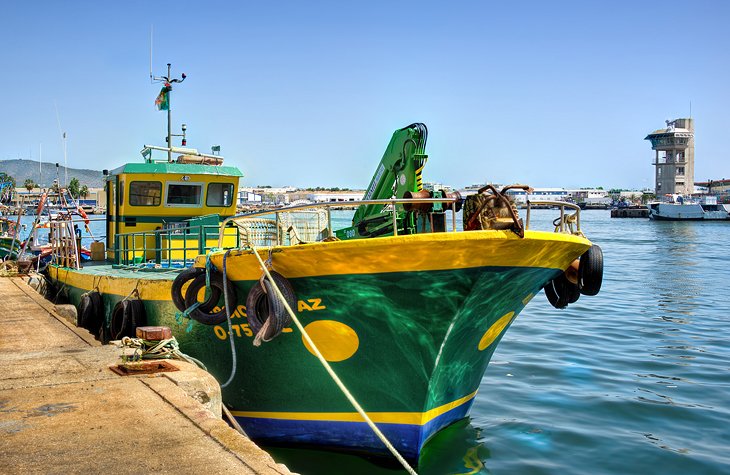
Arrive early at this bustling fishing port to catch the best buys at the sprawling riverfront market - one of the largest and liveliest in the region. Two covered halls, one for fish and seafood, the other selling fruit and vegetables attract locals and tourists alike, and you can easily spend an entire morning in the vicinity.
On Saturdays, outside stalls line the quay where farmers tout seasonal produce, including jams, honey, nuts, herbs, and spices. The town itself affords one or two historical tidbits. The parish church, Nossa Senhora do Rosário, is worth a look, and you can climb the bell tower for a view across the old town.
Later, for respite, join a guided walk following one of the nature trails that snake through the countryside behind town, or those that fringe the coast along the Ria Formosa.
Olhão is about 26 kilometers west of Tavira.
11. Santa Luzia
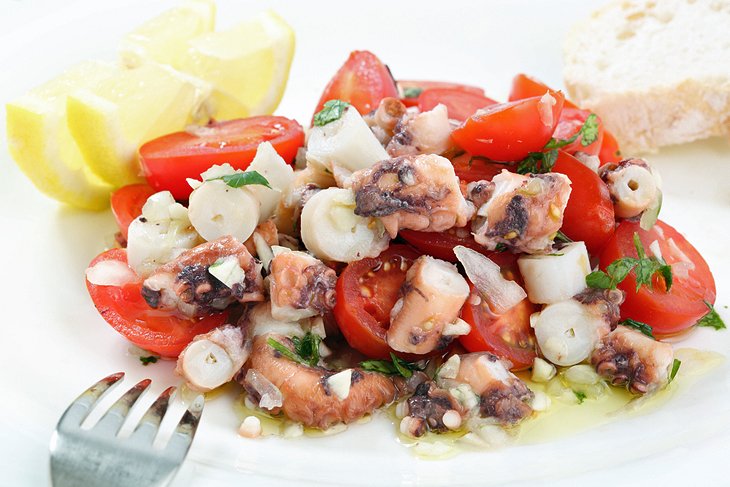
Epitomizing the traditional Algarve fishing village, Santa Luzia is affectionately regarded as the region's octopus capital because of the dozens of empty covos (pots) neatly stacked on the quayside by fishermen between expeditions to snare their elusive quarry.
Needless to say, octopus is the delicacy of choice for the many customers who choose to dine at Santa Luzia's highly regarded seafood restaurants, many of which face the broad sweep of the Ria Formosa. Quiet and peaceful and blissfully devoid of the more usual trappings of tourism, the lagoon can be explored on boat trips offered by a few enterprising locals during the summer. Santa Luzia is about five kilometers west of Tavira.
Where to Stay in Tavira for Sightseeing
We recommend these great hotels in Tavira near the top attractions of this charming town:
- Pousada Convento Tavira: luxury historic hotel, stylish decor, outdoor swimming pool, delicious breakfast.
- Maria Nova Lounge Hotel: mid-range pricing, contemporary design, rooftop dining, beautiful pools, sauna and steam room.
- Vila Gale Tavira: affordable rates, central location, beautiful pools, full-service spa, free breakfast.
- Taah Billa - Guest House: budget B&B, fantastic location, bright rooms, kitchenettes.
Map of Tourist Attractions in Tavira & Easy Day Trips
Tavira, Portugal - Climate Chart
| Average minimum and maximum temperatures for Tavira, Portugal in °C | |||||||||||
| J | F | M | A | M | J | J | A | S | O | N | D |
| 16 8 | 17 8 | 18 9 | 20 10 | 22 13 | 25 16 | 29 18 | 29 18 | 27 17 | 23 14 | 19 11 | 17 9 |
| PlanetWare.com | |||||||||||
| Average monthly precipitation totals for Tavira, Portugal in mm. | |||||||||||
| 79 | 71 | 38 | 38 | 20 | 8 | 0 | 5 | 15 | 66 | 86 | 94 |
| Average minimum and maximum temperatures for Tavira, Portugal in °F | |||||||||||
| J | F | M | A | M | J | J | A | S | O | N | D |
| 61 45 | 62 47 | 65 48 | 67 50 | 72 54 | 77 60 | 83 64 | 83 64 | 80 62 | 73 57 | 66 51 | 62 47 |
| PlanetWare.com | |||||||||||
| Average monthly precipitation totals for Tavira, Portugal in inches. | |||||||||||
| 3.1 | 2.8 | 1.5 | 1.5 | 0.8 | 0.3 | 0 | 0.2 | 0.6 | 2.6 | 3.4 | 3.7 |
Discover More Must-See Sights near Tavira
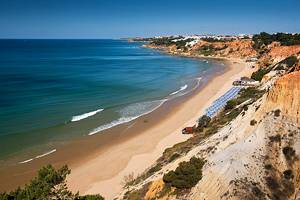
Tavira is one of the best places to visit in Portugal, and if you follow our itineraries page, you'll be able to make the most of your time in the Algarve. Some of the best beaches in the country are found in the region, together with top-notch resorts. And if you want to practice your swing, this pocket of Portugal is renowned for its top-rated golf courses.