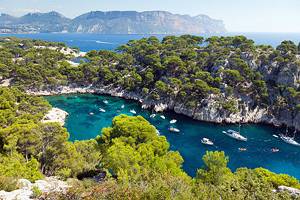
Tourist Attractions in Monaco
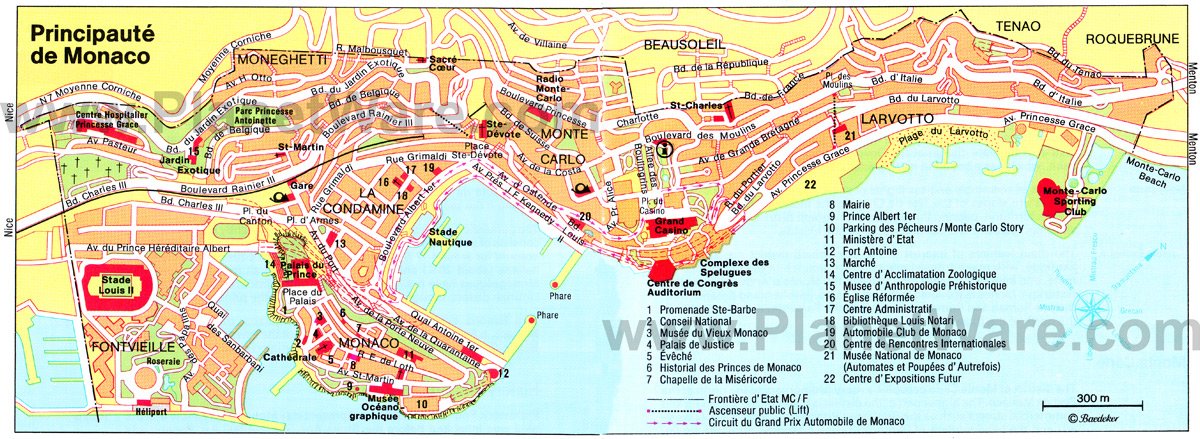
Gorgeous and glittering Monaco is a tiny royal principality on the Côte d'Azur (French Riviera). Less than two square kilometers in size, it is perhaps the most glamorous little stretch of land on the planet.
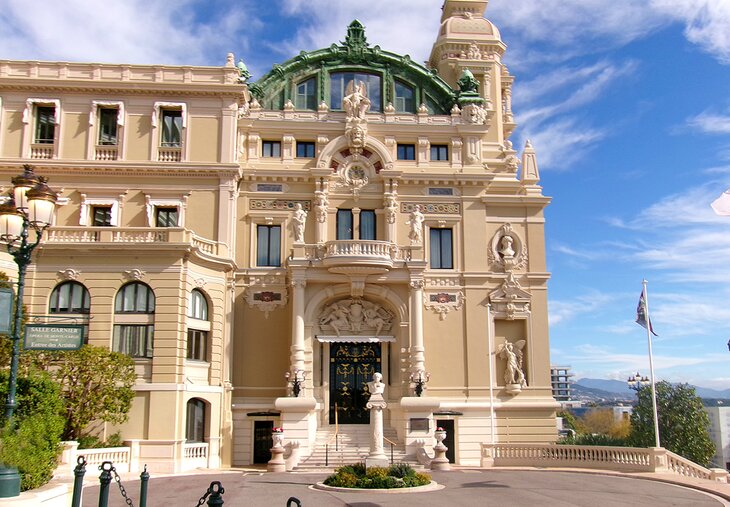
A place of sublime natural beauty, Monaco has the lush vegetation and balmy weather of the Mediterranean. There is a seductive quality to the scenery, with its graceful palm trees, colorful flowers, exotic plants, and sweeping vistas of the deep blue sea.
In Monaco, you can experience the alluring decadence of the French Riviera. Considered to have Europe's highest per capita income, Monaco exudes an air of exclusivity and extravagant wealth, with its lavish five-star hotels, designer boutiques, luxury yachts, and opulent restaurants.
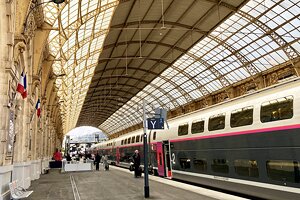
Monaco is often visited as a day trip from Nice, which is an easy 30-minute train ride away. However, Monaco is also a good base for sightseeing on the Côte d'Azur.
Discover the best places to visit in this stunning seaside city-state and decide how to spend your time with our guide to the top things to do in Monaco.
Monte-Carlo
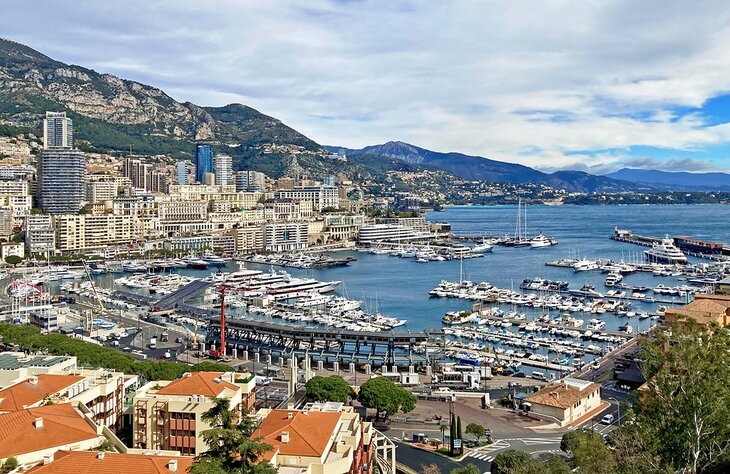
Despite its small size, Monaco packs an enormous amount of glitz and luxury. Monte-Carlo is the most glamorous district, found in a spectacularly picturesque setting north of Port Hercule and overlooking the bay.
In front of the famous Casino de Monte-Carlo, the Place du Casino terrace has been refurbished with a new fountain and palm trees. The atmosphere is posh, but anyone can take a selfie in front of the Sky Mirror of the square's central fountain.
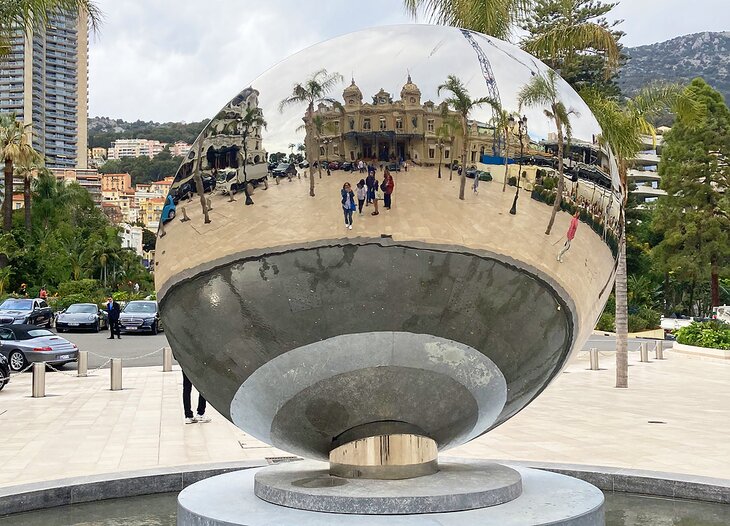
The utterly chic neighborhood around the Place du Casino is called the Carré d'Or (Square of Gold), in reference to the streets lined with Belle Epoque monuments, high-end designer stores, and upscale jewelry boutiques.
As Monaco's wealthiest district, Monte-Carlo attracts the rich and famous. Ferraris and "beautiful people" fit right into this neighborhood. You might want to spend some time here browsing the boutiques or enjoying fine dining.
Gourmet restaurants and Michelin-starred establishments abound. For the ultimate gastronomic experience, dine at the three-starred Le Louis XV - Alain Ducasse at the Hôtel de Paris Monte-Carlo. Other top choices are the one-starred Le Grill in the Hôtel de Paris Monte-Carlo; Pavyllon restaurant and La Table d'Antonio Salvatore au Rampoldi restaurant, which both have one star; and the two-starred Blue Bay in the Monte-Carlo Bay Hotel & Resort.
Monte-Carlo is intersected by two elegant boulevards, the Boulevard Princesse Charlotte in the west and the Boulevard des Moulins at its southwestern end. There are many fashionable shopping streets, such as the Avenue de Monte-Carlo, which has many luxury clothing and leather goods boutiques, including as Valentino, Gucci, Hermès, Maison Goyard, and Prada.
The Opera House is also found in the Monte-Carlo district.
Palais Princier de Monaco
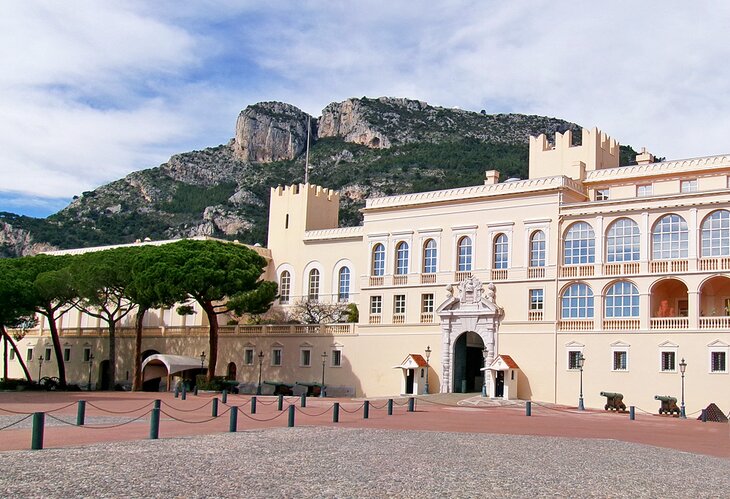
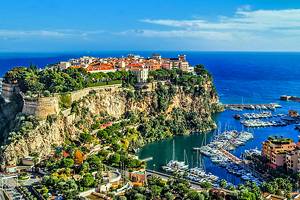
Monaco's royal palace stands high above the sea on "Le Rocher" (a rocky promontory). The Palais Princier de Monaco is home to the oldest monarchy in the world. The Genoese noble family of Grimaldi established Monaco in 1297 after they captured the land from the Republic of Genoa.
The residence was originally built in the 13th century as a Genoese fortress and later was transformed into a luxurious Italian Renaissance palace. The monument also incorporates design influences from the Château de Fontainebleau during the era of Louis XIV.
The Palais Princier de Monaco is a private residence but is open to the public from early April through mid-October. You can see the sumptuous State Apartments (Grands Appartements), including the Hercule Gallery adorned with 16th- and 17th-century frescoes.
In July and August on some Sundays and Thursdays, the Monte-Carlo Philharmonic Orchestra performs classical music concerts in the main courtyard.
A tradition of the Sovereign House, the Changing of the Guards takes place every day at 11:55am in front of the palace. The Compagnie des Carabiniers du Prince (Palace Guards) conduct this traditional ceremony in full uniform and accompanied by L'Orchestre des Carabiniers du Prince military brass band.
Address: Place du Palais, Monaco-Ville
Monaco-Ville
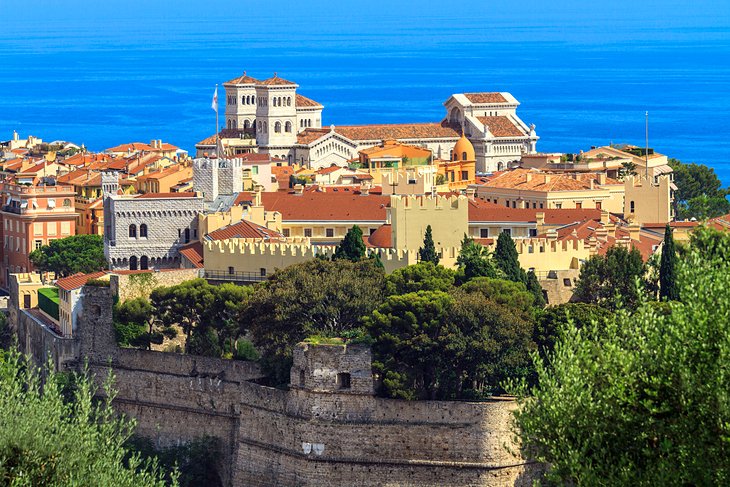
The principality of Monaco is blessed with an amazing landscape. The Old Town (Monaco-Ville) stands on a steep promontory called "Le Rocher" ("The Rock") which looks out to the Mediterranean Sea. This historic center of Monaco dates back to the 13th century when the principality was founded.
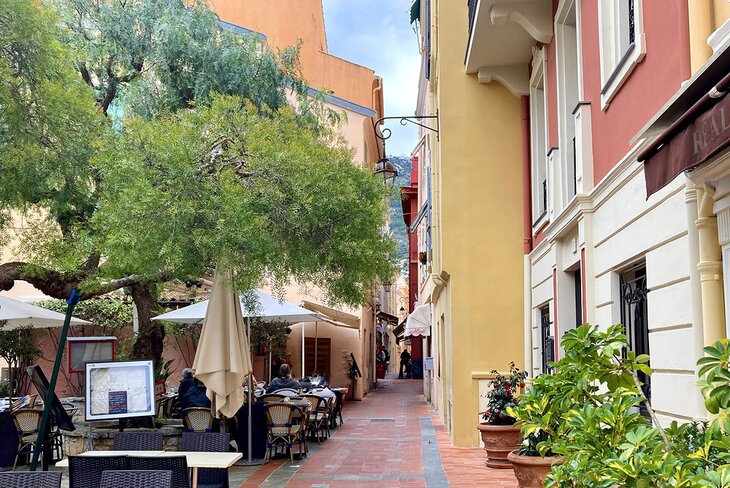
Monaco-Ville contains some of the top tourist attractions of Monaco, including the Palais Princier de Monaco and the Cathédrale de Monaco. The Monaco-Ville district also includes a medieval quarter, full of pedestrian alleyways where you'll find many restaurants, cafés, and boutiques.
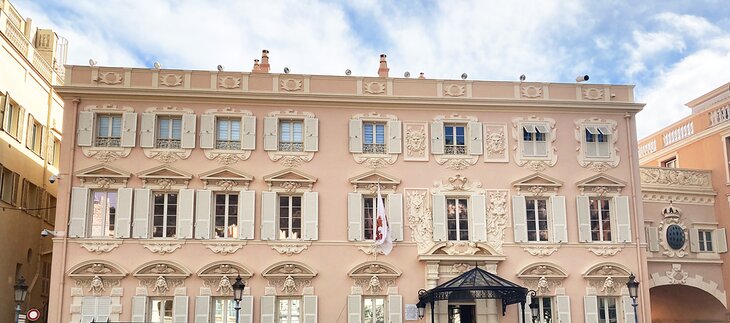
Plan to explore Monaco-Ville before or after visiting the Palais Princier de Monaco. It makes sense to take a tour of the Prince's Palace, then stop for lunch and window shopping in Monaco-Ville, and next visit the Cathedral of Monaco (perhaps on the way to the Musée Océanographique which is just outside Monaco-Ville), or approach this itinerary in reverse.
You will enjoy wandering the old streets of Monaco-Ville and discovering the unique locally owned shops. The restaurants and casual eateries (pizzerias, crêperies, and fast-food places) are a welcome (affordable) alternative to the pricey fine-dining establishments of Monte-Carlo. Some restaurants have outdoor terraces for dining al fresco.
While in Monaco-Ville, don't miss the Panoramic Viewpoint terrace that is a few steps away from the Palais Princier. From this viewpoint, you can admire the yachts in the Port de Fontvieille (harbor) and the cityscape of Monaco.
Musée Océanographique de Monaco
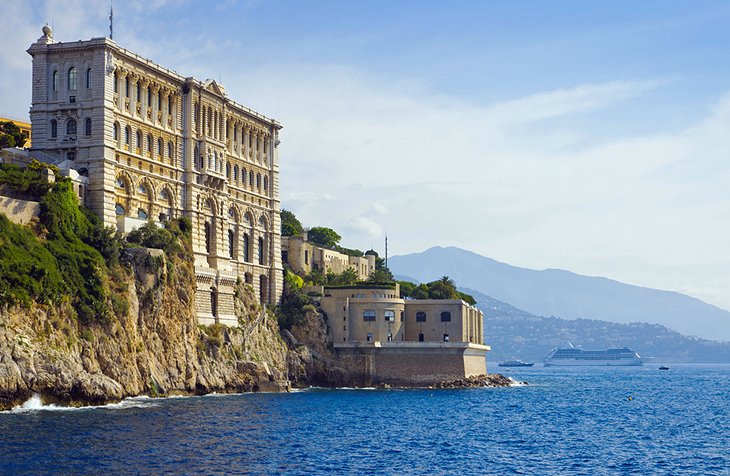
If you're looking at the south-facing side of the building, the Musée Océanographique de Monaco appears to emerge from the sea. In this dramatic setting, the museum and aquariums stand on massive foundations that took 11 years to build.
This is one of the world's oldest aquariums, commissioned by Prince Albert I, great grandfather of H.S.H. Prince Albert II, and opened in 1910.
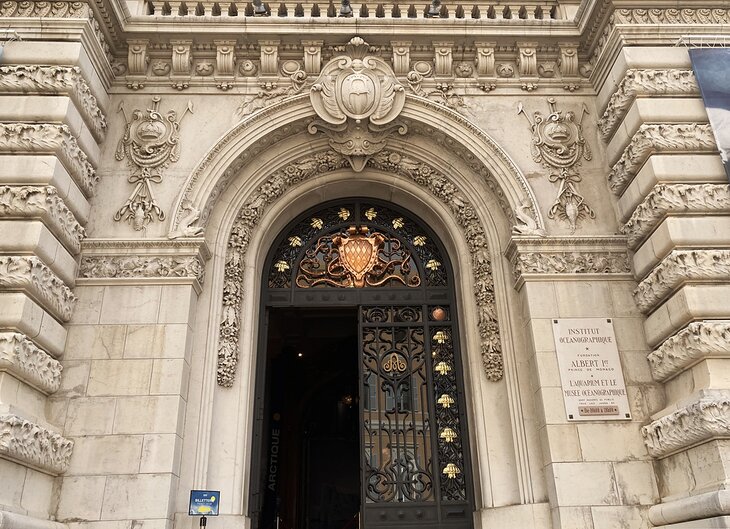
Constantly evolving, the Oceanographic Museum has world-renowned exhibits of marine science and oceanography. The museum's valuable scientific collections include finds from the exploration of Prince Albert I and the discoveries of Jacques-Yves Cousteau.
Three different Aquariums display marine life in magnificent shapes and colors: the Tropical Aquarium, Mediterranean Aquarium, and Shark Lagoon. The museum boasts 6,000 square feet of aquarium exhibits plus a Sea Turtle Odyssey.
The casual La Terrasse restaurant on the museum's rooftop terrace is open for lunch. The main attraction of dining here is the location, which affords superb panoramic views of the coastline. On a clear day, it is possible to see all the way to the Italian Riviera.
Address: Avenue Saint-Martin, Monaco-Ville
Jardin Exotique
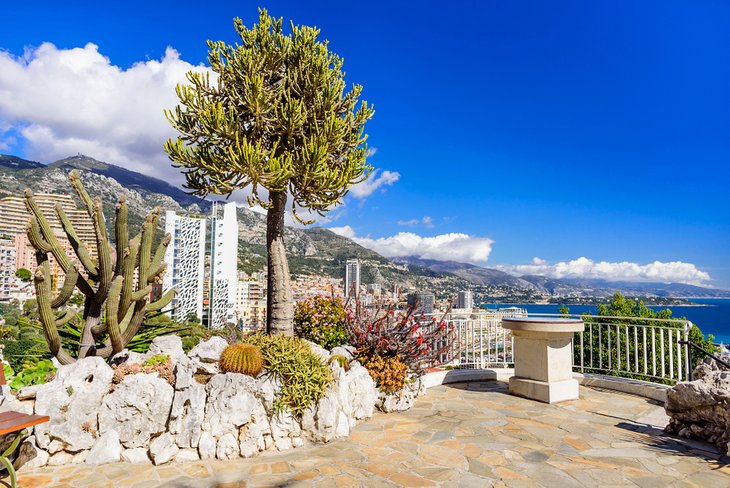
The Jardin Exotique covers a craggy cliffside overlooking the Mediterranean Sea. This luxuriant botanical garden features an incredible variety of vegetation and mesmerizing coastal vistas.
Because of the balmy weather and consistency of sunshine in this location, exotic plants from the Southwestern United States, Mexico, South America, and Africa are able to thrive here. A wide variety of succulents, including enormous cactuses, also flourish in the warm and dry climate.
The Exotic Garden has an Observatory Cave filled with stalactites and stalagmites.
Author's Tip: The garden is in the Fontvieille district (the more modern section) of Monaco, outside the historic center. The Jardin Exotique is a long uphill walk from Monaco-Ville where most of the other tourist attractions are located. It's best to drive or get a ride here. There is a parking lot above the gardens at 63 Boulevard du Jardin Exotique.
Renovations update: The Jardin Exotique is currently closed for renovations and is scheduled to reopen in 2024.
Address: 62 Boulevard du Jardin Exotique, Monaco
Cathédrale de Monaco
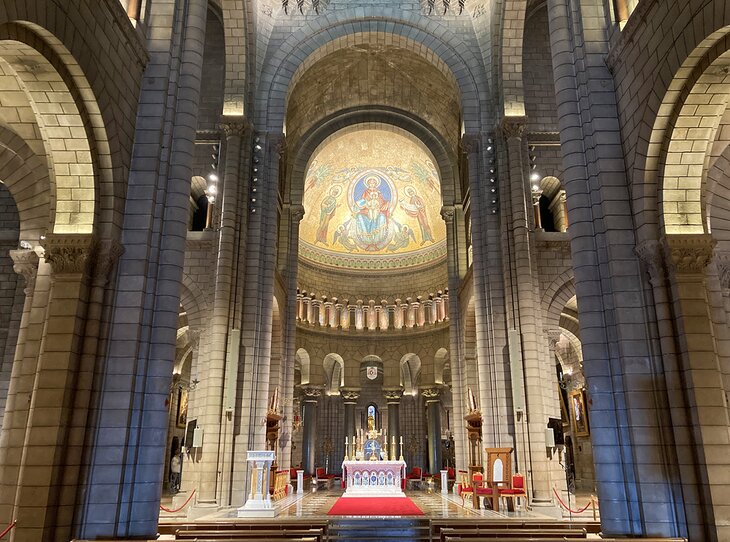
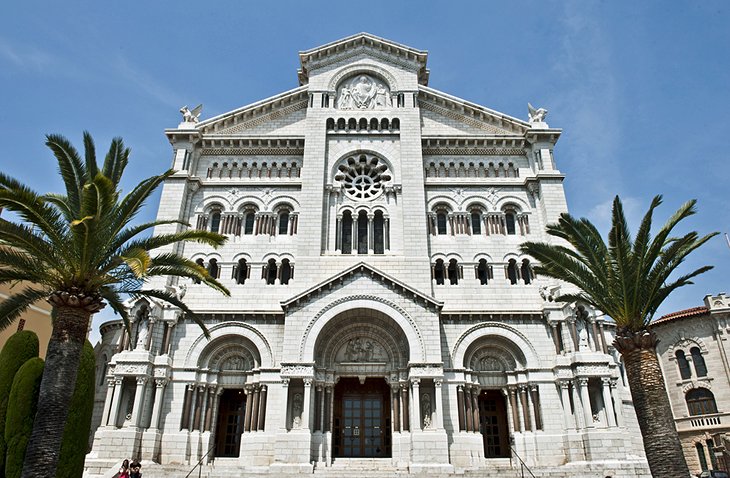
Prince Rainier and Princess Grace held their marriage ceremony at this splendid 19th-century cathedral. Today, the Cathédrale de Monaco (Saint-Nicholas Cathedral) continues to host celebrations and religious festivals.
Designed in Neo-Romanesque (Byzantine-inspired) style, the Cathédrale de Monaco features a striking facade of white stones from nearby La Turbie. Although the cathedral is relatively modern (built between 1875 and 1884), the sanctuary houses an altarpiece by the Niçois painter Louis Bréa dating from 1500. The Episcopal throne is sculpted from Carrara marble.
The cathedral is the burial place of the Princes of Monaco and houses the tombs of Prince Rainier III and Princess Grace.
Mass is celebrated every Sunday at 10 am from September through June, with songs by "Les Petits Chanteurs de Monaco" and "La Maîtrise de la Cathédrale" choir. The cathedral's Grand Organ is used for religious services, as well as concerts of holy music.
You may visit the cathedral (free admission) every day from 9am until 6pm, except during religious services. Please note that you must wear appropriate attire. Tops that reveal shoulders, sleeveless tops, miniskirts, or shorts are not allowed. Bermuda shorts are acceptable.
Address: 4 Rue Colonel Bellando de Castro, Monaco-Ville
Les Jardins Saint-Martin
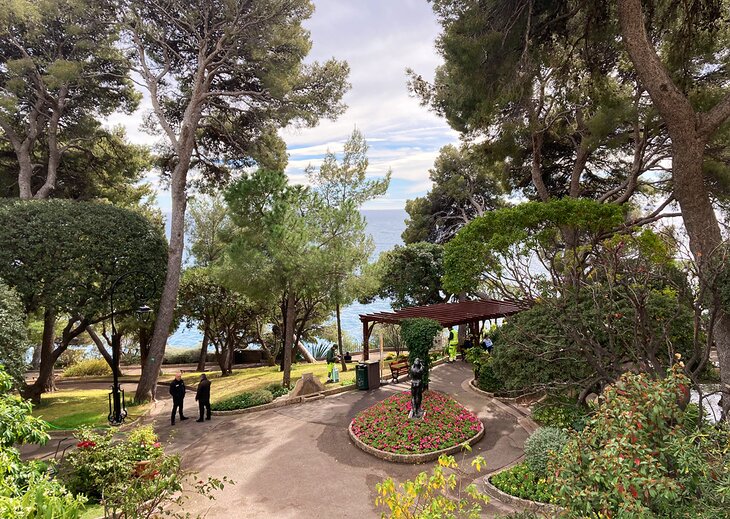
Simply amble down the hillside from the Cathédrale de Monaco, and you will stumble upon the breathtaking Jardins Saint-Martin. This pine- and oak-tree-shaded park dazzles you with views of the serene blue Mediterranean Sea.
The Saint-Martin Gardens extend along the coast around Le Rocher peninsula with its steep cliff facing the sea. The gardens offer a rich display of exotic species and vibrant flowers that flourish under the Mediterranean sunshine.
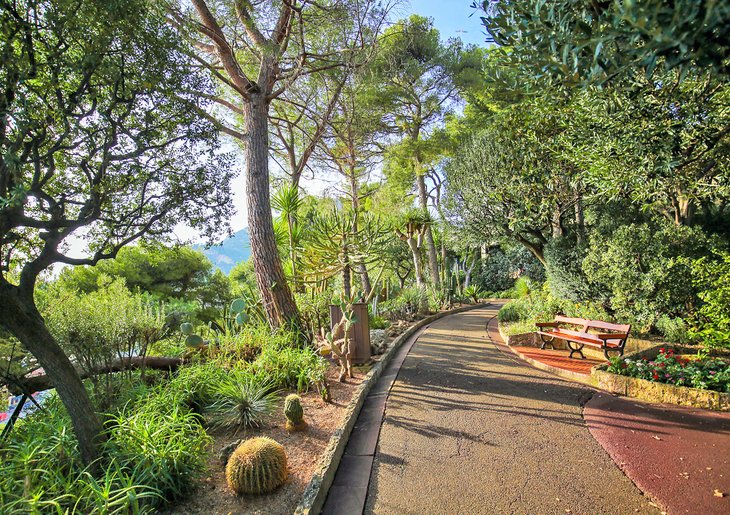
Small paths that weave around the rocky slopes and grassy ridges invite you to take a leisurely stroll while admiring the sculptures, fountains, and beautiful viewpoints. Benches placed in just the right spots allow you to relax and admire the gorgeous scenery.
You may visit Les Jardins Saint-Martin everyday day (free admission) from 9am until 6pm.
Author's Tip: Les Jardins Saint-Martin should be visited on the same day as the Musée Océanographique de Monaco, which is just steps away.
Address: 2 Avenue Saint-Martin, Monaco
Formula 1 Grand Prix de Monaco
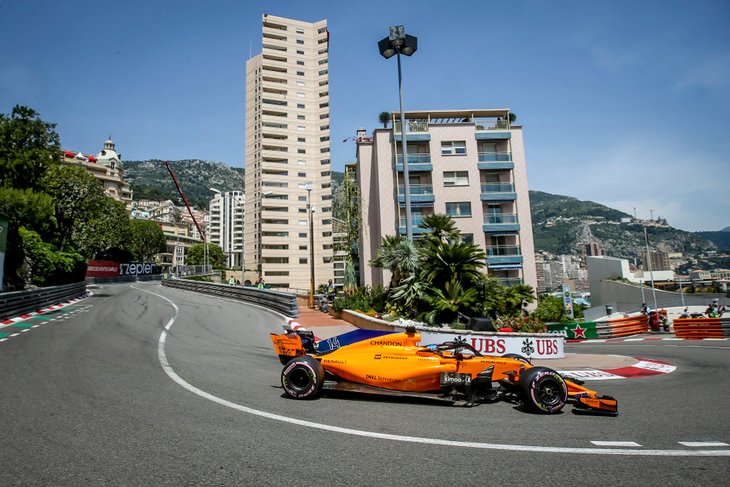
The Formula 1 Grand Prix de Monaco car race takes place in Monte-Carlo every year on the last weekend in May.
This is the only car race in the world that is held on city streets. The narrow streets are not ideal for race cars, but the race continues for the sake of tradition. The first Monaco Grand Prix race was in the early 20th century.
Organized by the Automobile Club of Monaco, the Monaco Grand Prix is one of the world's most popular sporting events. The course runs from the Boulevard Albert 1 up toward the Place du Casino and around the harrowing turn in front of the Fairmont Monte Carlo hotel.
If you are visiting Monaco during the month of May, you could also plan to attend the Cannes Film Festival.
Opéra de Monte-Carlo (Salle Garnier)
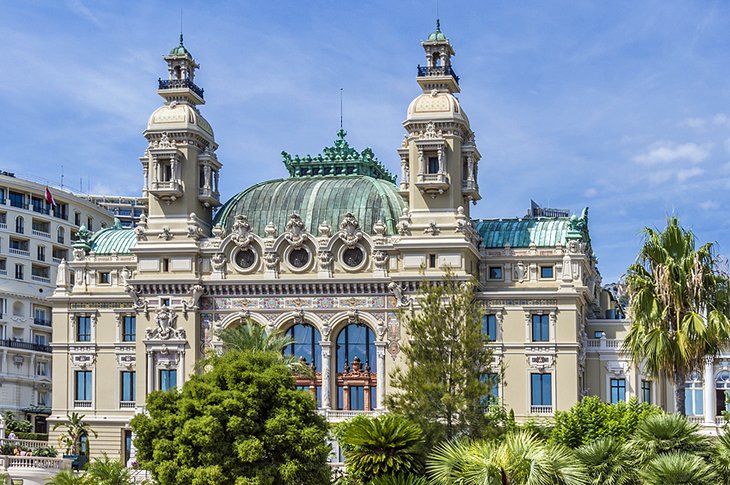
The Opéra de Monte-Carlo is found on the Place du Casino, a lavish public square in the glamorous Monte-Carlo neighborhood. Upscale restaurants and designer boutiques are found on every corner of this district. The Opera House fits right into this elegant scene.
Charles Garnier, the architect of the Opera House in Paris, designed the Opéra de Monte-Carlo in 1878. The auditorium, called the "Salle Garnier" is entirely decorated in red and gold, with a profusion of intricate bas-reliefs, amazing frescoes, and striking sculptures.
The Salle Garnier was inaugurated by Sarah Bernhardt in 1879. For more than a century, opera and ballet performances have entertained audiences here. The Opera House has welcomed many world-class opera singers.
The Monte-Carlo Opera House mostly stages classic operas but also hosts musical comedies, sacred music concerts, and classical music recitals. The Opera Season begins with a Gala Opening event in September and runs from November through April.
Address: Place du Casino, Monte-Carlo, Monaco
Monaco Harbor
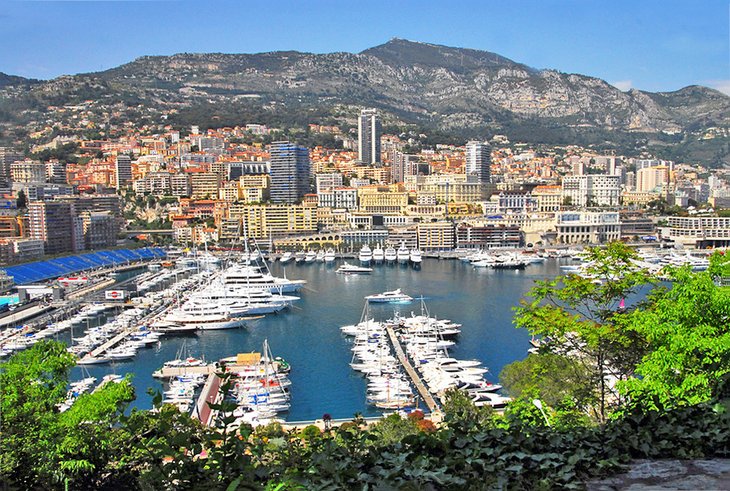
Monaco's waterfront La Condamine district centers around the city's largest harbor. The deep-water Port Hercule was constructed between 1901 and 1926 to provide a large number of moorings. There is berthing space for over 500 vessels. Many luxury yachts are docked here, including the Prince's private vessel.
Known as the world's capital of yachting, Monaco has a prestigious Yacht Club at the Port Hercule marina. The Yacht Club de Monaco on Quai Louis II brings together more than 2,500 members (private yacht owners) from 73 different countries.
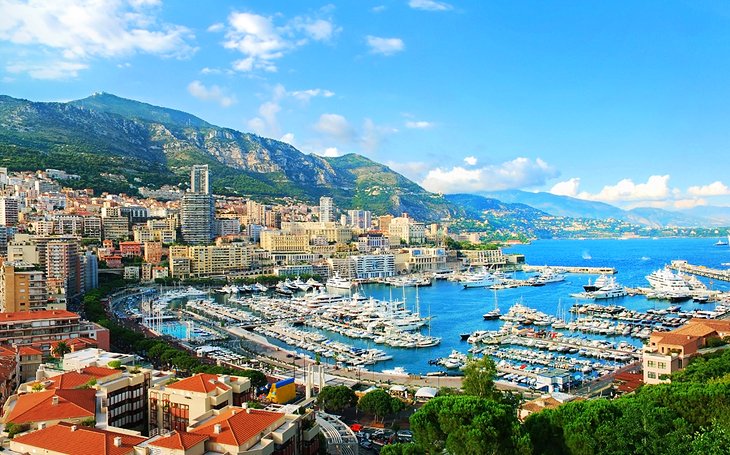
The Yacht Club was founded by Prince Rainier III in 1953 and today enjoys the patronage of Prince Albert II. In keeping with its high-profile image, the club hosts regattas, concerts, and the Monaco Yacht Show at the end of September.
The port is a pleasant area to stroll or stop for a meal. There are many restaurants and cafés with outdoor seating, ideal for soaking up the picturesque waterfront scenery.
A hidden attraction within La Condamine district is the Eglise Sainte-Dévote. This small church nestles in a ravine on the northern edge of the town at Place Sainte-Dévote. The 11th-century votive chapel is dedicated to the local patron saint.
Nouveau Musée National de Monaco
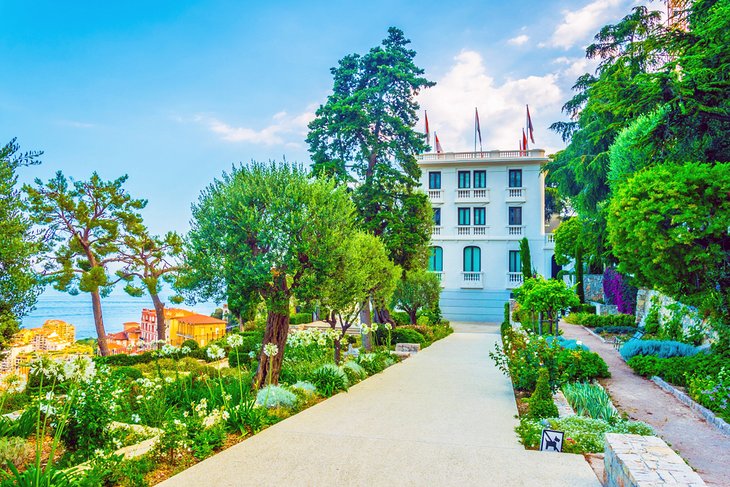
The expansive collection of the Nouveau Musée National de Monaco is housed in two buildings, the Villa Paloma near the Jardin Exotique and the Villa Sauber on Avenue Princesse Grace.
The museum presents a diverse collection of artworks dating to the 19th, 20th, and 21st centuries. The collection includes paintings, drawings, photographs, theater costumes, models of stage sets, decorative objects, ceramics, and sculptures.
This forward-thinking museum is also devoted to conservation work, such as the restoration of an antique doll from 1880 and vintage theatrical costumes. The museum encourages dialogue between artists and researchers and promotes learning across artistic, cultural, and scientific disciplines.
Address: Villa Paloma, 56 Boulevard du Jardin Exotique, Monaco; Villa Sauber, 17 Avenue Princesse Grace, Monaco
Princess Grace Rose Garden (Roseraie Princesse Grace)
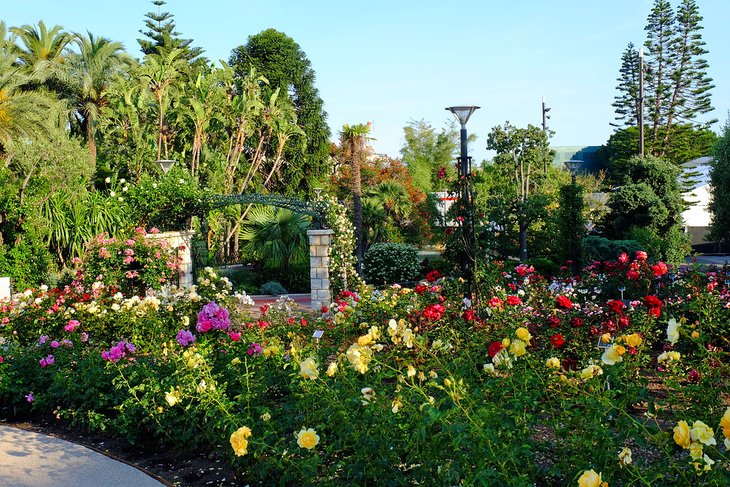
This exquisite garden was created in 1984 by Prince Rainier III as a tribute to his wife Princess Grace. The four-hectare garden features a small lake bordered by palm trees and an olive grove. Of course, roses are the highlight of the garden. There are 4,000 rose bushes in hundreds of varieties.
Each rose has an identifying QR code (useful for gardeners). Special roses are named for the Princes and Princesses of the Grimaldi Royal Family.
The Rose Garden is maintained using eco-friendly practices and has been awarded the label of "Ecological Garden."
This tranquil garden is one of the best places to visit in Monaco for a moment of relaxation. Find a park bench where you can take in the scenery or go for a walk along the meandering footpaths. As you stroll, you will come across an assortment of contemporary sculptures.
The Princess Grace Rose Garden is located in the Fontvieille district, which is about a 30-minute walk (or short drive) from the Monte-Carlo district or a 15-minute walk from the Palais Princier.
Address: Avenue des Papalins, Monaco
Collection de Voitures de S.A.S. le Prince de Monaco
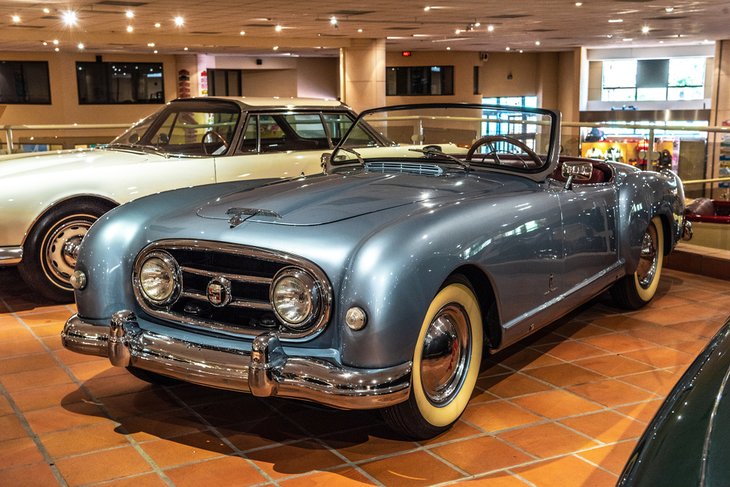
Automobile aficionados must see this museum in the Fontvieille district, Monaco's most modern neighborhood. The collection exhibits the Prince of Monaco's vintage cars.
The Cars Collection of H.S.H. the Prince of Monaco brings together around 70 vintage automobiles, all made by prestigious European and American car companies such as Rolls Royce, Lincoln, Lamborghini, Ferrari, and Maserati.
Address: Les Terrasses de Fontvieille, Monaco
Jardin Japonais
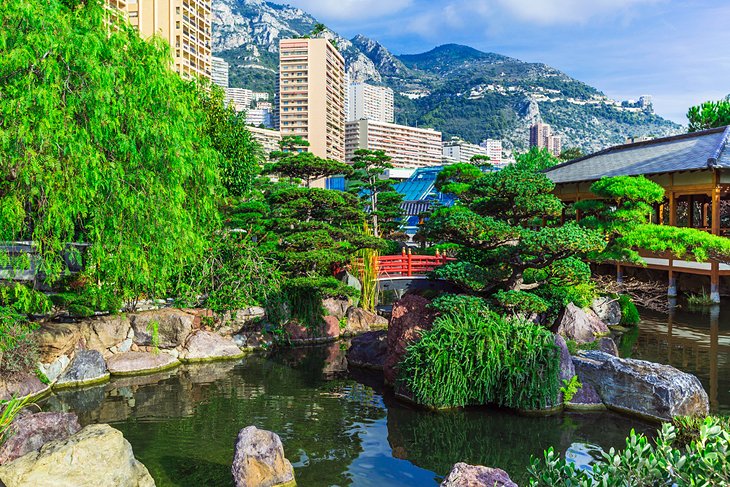
It's a wonderful surprise to find this authentic Japanese garden in a beautiful French Riviera setting. Built right onto a steep hillside in the eastern end of Monaco, the Jardin Japonais replicates a Zen garden using water, stones, bamboo hedges, and Mediterranean trees pruned in the Japanese style.
The garden has a special atmosphere of harmony and serenity. The 7,000-square-meter park includes a rushing waterfall, a pond with koi fish and water lilies, and a teahouse that was imported from Japan. Traditional Japanese lanterns and footbridges add to the magical ambiance.
You may visit the Jardin Japonais daily from 9am until 5:45pm (or 6:45pm in summer). To arrive here, it is about a 10-minute walk from the Place du Casino in Monte-Carlo. However, it is a long walk from the tourist attractions of Monaco-Ville (about a 30-minute walk from the Palais Princier and a bit longer from the Cathédrale de Monaco).
Address: Avenue Princesse Grace, Monte-Carlo
Fort Antoine: Outdoor Theater
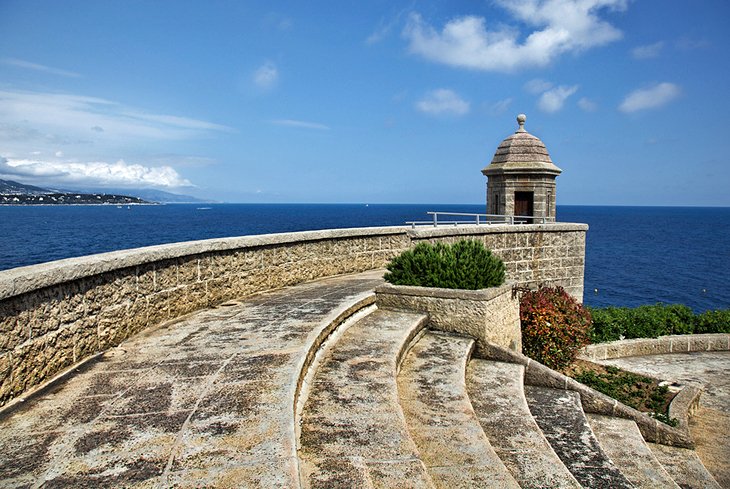
Fort Antoine is an 18th-century military fortress perched on the edge of Le Rocher above Port Hercule. The site has been repurposed as an outdoor theater for symphony concerts and French-language theater performances.
The Théâtre du Fort Antoine hosts a program of French-language theater performances and music concerts from early June until early August. On balmy summer evenings, the 350-seat theater offers an enchanting open-air setting.
You can visit Fort Antoine just to see the amazing coastal views. Admission is free of charge. From Fort Antoine, the vistas extend along the French Riviera all the way to Cannes, as well as in the other direction towards Menton and Italy.
Address: Avenue de la Quarantaine, Monaco-Ville
Michelin-Starred Fine Dining
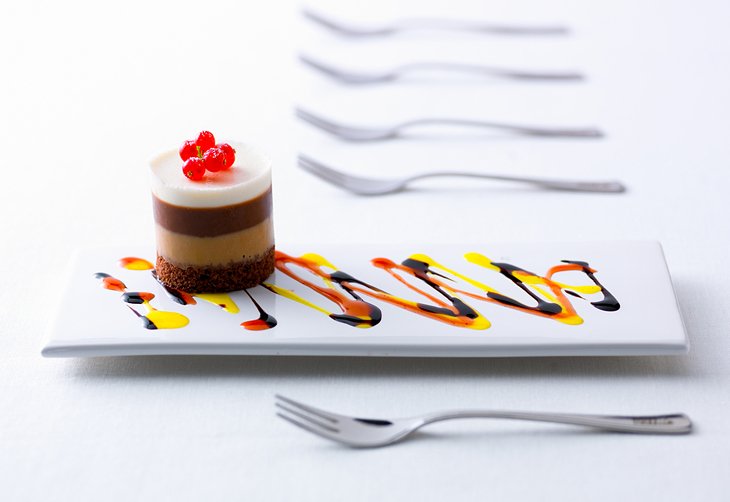
Monaco is famous for its fine-dining scene. The fancy restaurants cater to a discerning clientele, gourmands who appreciate the best meals that money can buy.
If you're prepared to splurge, try the most renowned dining establishment in Monaco: Le Louis XV - Alain Ducasse at the Hôtel de Paris Monte-Carlo, which boasts three Michelin stars. The menu features contemporary, Mediterranean haute cuisine, prepared from seasonal ingredients of the French Riviera region and fresh locally caught fish.
Located in the opulent Belle-Epoque Hôtel Hermitage Monte-Carlo, Pavyllon Monte-Carlo has one Michelin star. This chic fine-dining restaurant serves seasonal cuisine for lunch and dinner. With splendid views of the deep-blue sea, the Monaco harbor, and Le Rocher in the distance, the restaurant's outdoor terrace adds to the memorable experience.
Another place to dine al fresco while admiring the sea is the Michelin two-starred Le Blue Bay restaurant at the Monte-Carlo Bay Hotel & Resort. This trendy restaurant specializes in Mediterranean fusion cuisine with a subtle Caribbean influence. The restaurant's chef, Marcel Ravin, hails from the island of Martinique.
Yoshi in the Hôtel Metropole Monte-Carlo offers a taste of contemporary Japanese cuisine including exquisite sushi. The Michelin-starred restaurant is helmed by Chef Takéo Yamazaki, who previously collaborated with Joël Robuchon. The dining room features floor-to-ceiling windows that look out onto a garden landscaped in Japanese style.
Also at the Hôtel Métropole Monte-Carlo, the poolside Odyssey restaurant serves casual yet gourmet meals for lunch (from noon until 5pm). The cuisine is mainly Provençal and Mediterranean with a few classic French dishes and American-inspired sandwiches. The menu was created by Chef Christophe Cussac, who was trained by a famous figure in French gastronomy, the late Joël Robuchon.
Musée de la Chapelle de la Visitation
This stunning 17th-century Baroque chapel on Le Rocher has been converted into a noteworthy museum of religious art. The remarkable collection includes sacred works of art donated by Mrs. Piasecka Johnson. Among the masterpieces are paintings by Rubens, Zurbarán, Ribera, and Italian masters of the Baroque period.
Address: Place de la Visitation, Monaco-Ville
Moneghetti District
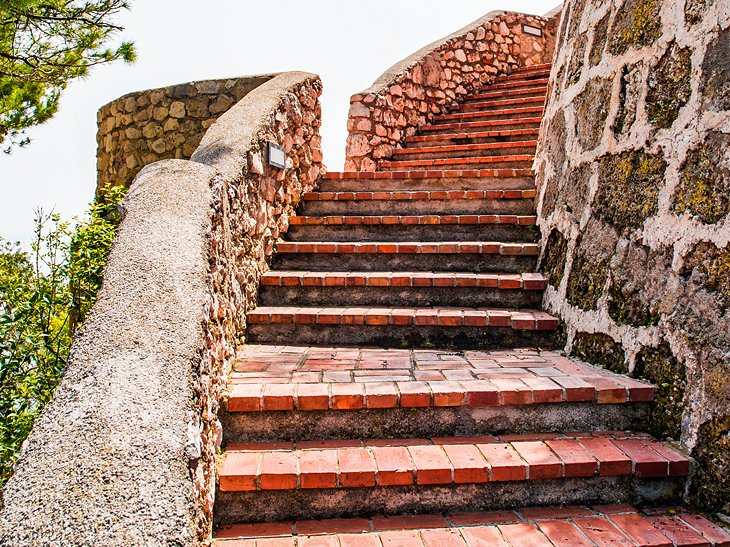
Seemingly endless steps and sinuous roads wind around the eastern slope of Monaco, from the Tête de Chien to the Moyenne Corniche. These roads give access to the district of Moneghetti in the west of the principality, a part of the town built on terraces with lovely villas and gardens.
Day Trip to Nice
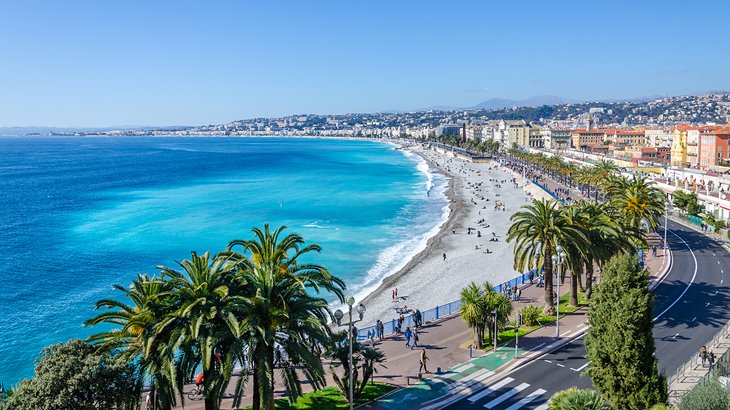
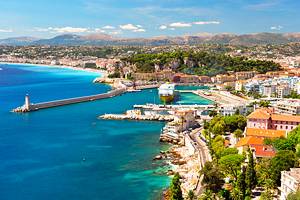
Overlooking the stunning cerulean waters of the Baie des Anges, the city of Nice has inspired visitors and artists since the early 19th century. It's worth taking a day trip from Monaco to experience Nice's gorgeous Mediterranean environment, vibrant culture, and old-world charm.
Tourists will enjoy exploring the atmospheric cobblestone streets of the Vieille Ville (Old Town), with its lively ambiance and quaint buildings. The Marché aux Fleurs, a traditional Provençal market (famous for its flowers), takes place on the Cours Saleya in the Vieille Ville.
Another must-see attraction is the palm-fringed Promenade des Anglais, where locals and tourists soak up the French Riviera sunshine and the scenery.
High on the list of Nice's top attractions are several world-class art museums, including the Musée Matisse, Musée Chagall, and Musée d'Art Moderne et d'Art Contemporain.
Day Trip to Saint-Tropez
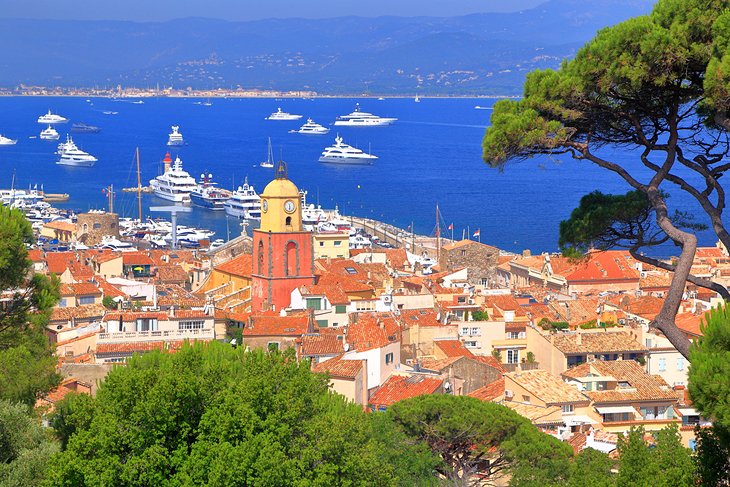
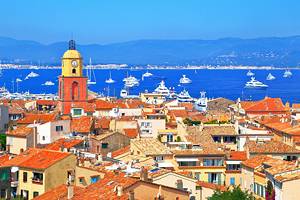
To see the full stretch of the French Riviera and experience Provençal-style seaside glamour, take a day trip to the resort town of Saint-Tropez. Once just a little fishing village, Saint-Tropez is now a fashionable resort town, but it still has an appealing small-town ambiance, even during the crowded summer months.
The Old Town (La Ponche) is a jumble of boutique-lined cobblestone streets that lead to the Place des Lices, a pleasant shaded square. Things to do in this area include shopping at traditional outdoor markets, basking in the sunshine at café terraces, and watching the elderly men of the neighborhood play pétanque (a French game similar to Italian bocce ball).
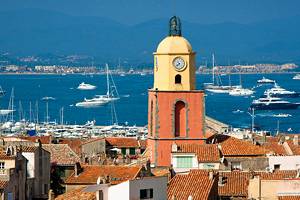
Other must-see sights in Saint-Tropez include the Musée de l'Annonciade, which has a superb collection of Impressionist art, and the atmospheric Vieux Port (Old Port), where the harbor features many outdoor cafés and local artists sell colorful paintings that depict scenes of Saint-Tropez.
From Monaco, Saint-Tropez is about a two-hour drive (depending on traffic).
Charming Villages Nearby
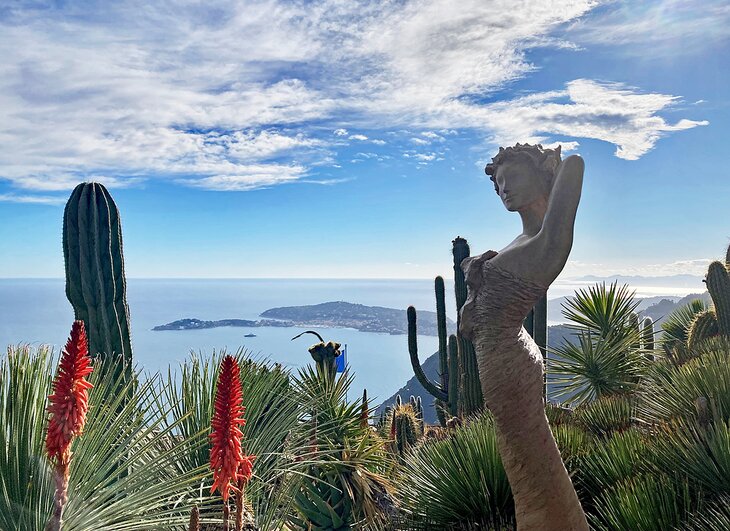
Just eight kilometers away, Èze is one of the most delightful day trips from Monaco. You will adore this village for its medieval charm and stunning coastal views. The picture-perfect village is perched on a hill high above the Mediterranean Sea, overlooking the Cap-Ferrat peninsula.
A stroll through the town's winding cobblestone streets leads to a 12th-century church, inviting art galleries, small retail boutiques, and pleasant cafés tucked away in courtyards. A must-see stop in Èze is the Exotic Garden, with its lush flora and spectacular panoramas of the coastline.
Another top tourist attraction is the Parfumerie Fragonard (perfume factory & boutique), located at the base of the town. Nearby is the start of a hiking trail that leads down to the beach. The most direct way to reach Èze from Monaco is by car, which takes about 20 minutes.
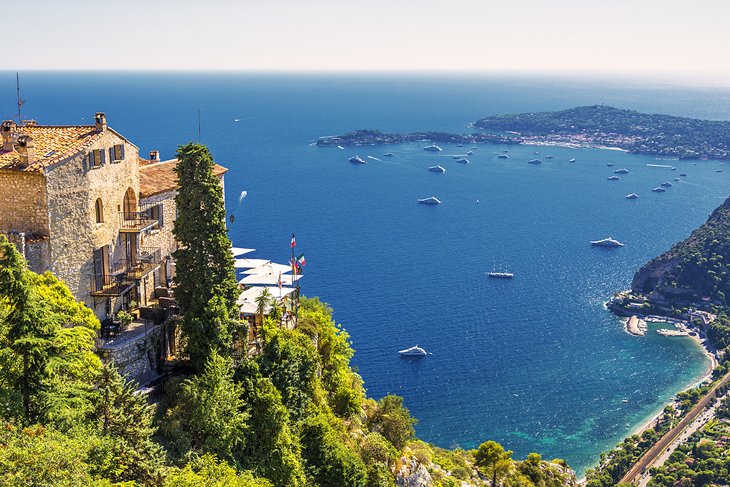
Several other medieval villages perchés (perched villages) are dotted on the hilltops around Monaco. The ancient town of La Turbie is about a 15-minute drive away from Monaco, nestled between a ridge of the Tête de Chien and the Mont de la Bataille peaks. It's worth a detour to La Turbie for a meal at the L'Hostellerie Jérôme, a gastronomic restaurant with two Michelin stars (currently closed but set to reopen in 2024).
Continuing north of La Turbie is the distinctly Provençal community of Peille, perched on a hilltop high above the River Peillon (15 kilometers from Èze and less than a 30-minute drive). Touristic highlights of Peille are the 12th-century Romanesque church and ruins of a 13th-century castle.
From Peille, a circuitous road winds southwest for 12 kilometers, leading to Peillon, a beautiful village with a noteworthy 15th-century church, the Chapelle des Pénitents Blancs (also known as the Chapelle Notre-Dame-des-Sept-Douleurs), featuring Renaissance frescoes by Giovanni Canavesio.
Day Trip to Roquebrune
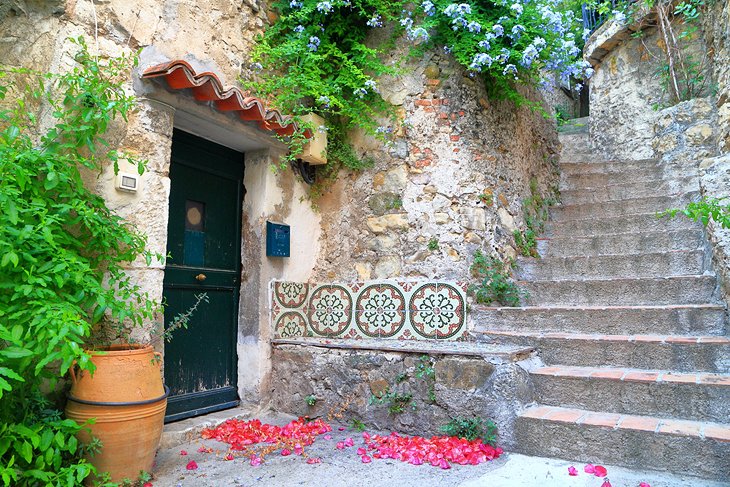
Overlooking the Mediterranean Sea from a hilltop on the Cap Martin peninsula, the lovely medieval village of Roquebrune is an interesting day trip from Monaco (six kilometers away). Roquebrune was formerly part of the Monegasque territory and has a history that dates back even further. The town conceals remains of a 5th-century Carolingian castle.
Nearby in Roquebrune-Cap-Martin are secluded beaches and idyllic nature sites. This posh seaside resort is a great place for sunbathing and walking along the coastal paths.
Monaco - Climate Chart
| Average minimum and maximum temperatures for Monaco in °C | |||||||||||
| J | F | M | A | M | J | J | A | S | O | N | D |
| 13 6 | 13 6 | 14 8 | 16 9 | 19 13 | 23 17 | 26 19 | 27 20 | 24 17 | 20 13 | 16 9 | 13 6 |
| PlanetWare.com | |||||||||||
| Average monthly precipitation totals for Monaco in mm. | |||||||||||
| 76 | 74 | 74 | 64 | 48 | 38 | 18 | 31 | 66 | 112 | 117 | 89 |
| Average minimum and maximum temperatures for Monaco in °F | |||||||||||
| J | F | M | A | M | J | J | A | S | O | N | D |
| 55 42 | 55 43 | 58 46 | 61 49 | 67 56 | 74 62 | 79 67 | 80 68 | 75 63 | 68 56 | 61 48 | 56 43 |
| PlanetWare.com | |||||||||||
| Average monthly precipitation totals for Monaco in inches. | |||||||||||
| 3.0 | 2.9 | 2.9 | 2.5 | 1.9 | 1.5 | 0.7 | 1.2 | 2.6 | 4.4 | 4.6 | 3.5 |
More Related Articles on PlanetWare.com
Highlights of the French Riviera: Monaco is at the heart of the glamorous Côte d'Azur. A perfect vacation could include Nice (about a 30-minute drive or train ride) and other attractions near Nice such as the serene Saint-Jean-Cap-Ferrat peninsula, the peaceful seaside village of Beaulieu-sur-Mer, and the medieval perched village of Èze.
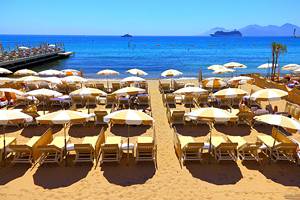
Sandy Beaches and Sightseeing: Slightly farther away on the French Riviera are the pristine sandy beaches of Antibes (50 kilometers away), which also has an atmospheric Old Town with many cultural attractions; the legendary resort of Cannes (55 kilometers away); and lesser-known but still wonderful beaches and picturesque towns near Cannes.
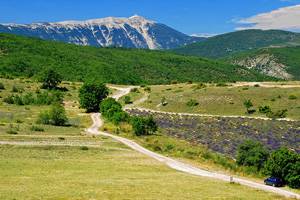
Provence and the Italian Riviera: In the other direction, towards Italy, are the sunny seaside village of Menton (a 20-minute drive or train ride) and the quaint fishing villages of Cinque Terre, a popular summertime holiday destination on the Italian Riviera, about five hours away by train. With more time, you can explore the countryside of Provence, with its lavender fields, charming historic towns, and ancient hilltop villages.